Krystal Flash Midge Emerger
The Krystal Flash Midge Emerger is a modern pattern designed to imitate midges in their most vulnerable stage—the transition from pupa to adult. During this critical moment, the emerging insect is trapped in the surface film, half-submerged, and completely helpless. Trout recognize this vulnerability and often feed selectively on emergers rather than fully emerged adults or subsurface pupae. What distinguishes this pattern from traditional midge emergers is the incorporation of Krystal Flash or similar reflective materials. This addition mimics the gas bubble and trapped air surrounding emerging midges, creating a subtle flash and sparkle that closely resembles the natural. The reflective fibers also suggest the wings beginning to unfurl from the pupal shuck—a visual trigger that selective trout find irresistible. Midges emerge year-round in most trout waters, making this pattern valuable in every season. However, it truly shines during winter and early spring on tailwaters and spring creeks, when midge hatches are the primary food source. The pattern is equally effective on stillwaters, where midge emergences can occur throughout the day, particularly in the morning and evening. The Krystal Flash Midge Emerger rides partially submerged in the surface film, exactly where emerging naturals are positioned. The body hangs below the surface while the wing post and flash materials extend slightly above, creating the perfect silhouette when viewed from below. This positioning makes it ideal for fishing to sipping rises and subtle surface takes that characterize midge-feeding behavior. Size selection is critical with this pattern. Match the natural midges as closely as possible, which often means fishing sizes 20-24 or even smaller. Color is also important—black, olive, gray, and red are the most common midge colors, though local variations exist. Carrying a selection in multiple sizes and colors ensures you can match whatever the trout are targeting.
Pattern Details
- Type
- Emerger
- Seasons
- spring, summer, fall, winter
- Hook Sizes
- #20-28
- Hook Type
- Standard dry fly or curved emerger hook
- Tying Difficulty
- Intermediate
- Imitates
- Midge emerger
Recipe & Materials
- Hook
- TMC 2487 or 2488, sizes 20-28
- Thread
- 8/0 to match body color
- Tail/Shuck
- Antron or Z-lon (white or color)
- Body
- Tying thread or fine dubbing
- Rib
- Fine wire or thread (optional)
- Wing/Post
- White or gray poly yarn
- Flash
- Krystal Flash (2-3 strands)
- Hackle
- Grizzly or appropriate color (sparse)
Technique & Presentation
Tying effective midge emergers in tiny sizes requires good lighting, a quality vise, and patience. Begin with a small tuft of Antron or Z-lon for the trailing shuck—this represents the pupal case the insect is escaping from. Keep it sparse; just 5-6 fibers are sufficient. Build a slim, segmented body using thread or very fine dubbing. The body should taper slightly from rear to front.
At the thorax area, tie in a small post of white or gray poly yarn. This serves as both a wing and a sighting aid. Around this post, incorporate 2-3 strands of Krystal Flash, allowing them to extend slightly upward and outward. The flash should be visible but not overwhelming—subtlety is key. Some tiers tie the flash materials into the post itself for added durability.
Add a sparse collar of hackle around the post—just 2-3 wraps of an appropriately sized feather. This hackle helps the pattern float while maintaining the low-riding profile essential to emerger patterns. Clip the hackle flat on the bottom so the pattern sits flush in the surface film.
When fishing, use fine tippet (6X to 8X) and apply floatant only to the post and hackle, allowing the body to hang in or just below the surface. Present the fly with a dead drift to rising fish. The takes are often subtle—a slight dimple or sip—so watch the post carefully and set the hook at any irregularity. During heavy hatches, the Krystal Flash Midge Emerger often outperforms both dry flies and subsurface patterns because it precisely matches the stage trout are targeting.
History & Origin
The Krystal Flash Midge Emerger represents the evolution of midge emerger patterns through the incorporation of modern synthetic materials. Traditional midge emergers relied on natural materials like feathers and fur, but the development of synthetic flash materials in the 1980s and 1990s opened new possibilities for realistic imitations.
Krystal Flash, introduced by the Flashabou company, quickly became popular among fly tiers for its reflective properties and durability. Forward-thinking tiers recognized that the material's subtle sparkle perfectly mimicked the gas bubbles and trapped air associated with emerging midges. The pattern gained popularity on technical spring creeks and tailwaters where selective trout demanded precise imitations. Today, it's considered an essential pattern for year-round midge fishing, particularly on waters where trout have become educated to standard midge patterns.
Where to Fish This Fly
Related Emerger Patterns
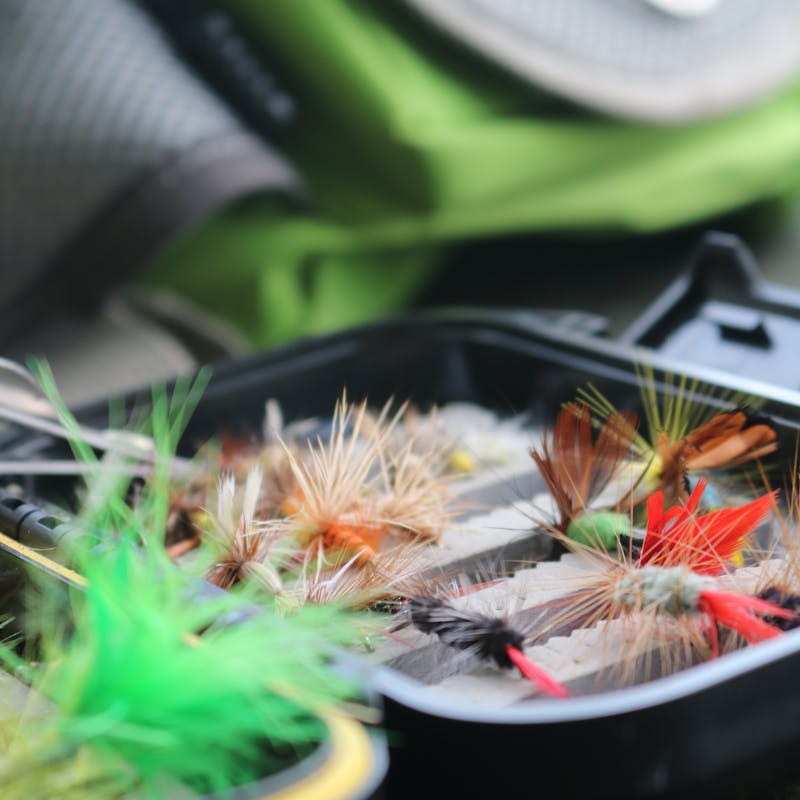
RS2
Rim Chung's elegant emerger pattern imitates Baetis and midge emergers in the surface film. The RS2 is a year-round producer on the Missouri and Bighorn, where technical anglers target rising fish during midge and BWO hatches. The RS2, short for 'Rim's Semblance 2', is one of the most elegant and effective emerger patterns ever designed. Its sparse design features a beaver fur or Antron body, a split Micro Fibett tail, and a puff of CDC or web-like wing material that suggests the unfolding wings of an emerging mayfly or midge. The pattern sits in the surface film with its body submerged and its wing material visible above, creating a perfect silhouette of an insect caught in the act of hatching. On Montana's tailwater rivers, the RS2 is an essential pattern for technical dry fly and emerger fishing. During the prolific BWO and midge hatches on the Missouri and Bighorn rivers, trout often key on emergers trapped in the surface film rather than fully emerged adults. When you see trout rising with subtle, sipping rises but they refuse your dry flies, the RS2 is the answer. Fish it on 6X or 7X tippet with a drag-free drift, and prepare for the satisfaction of fooling highly selective tailwater trout on one of fly fishing's most refined patterns.
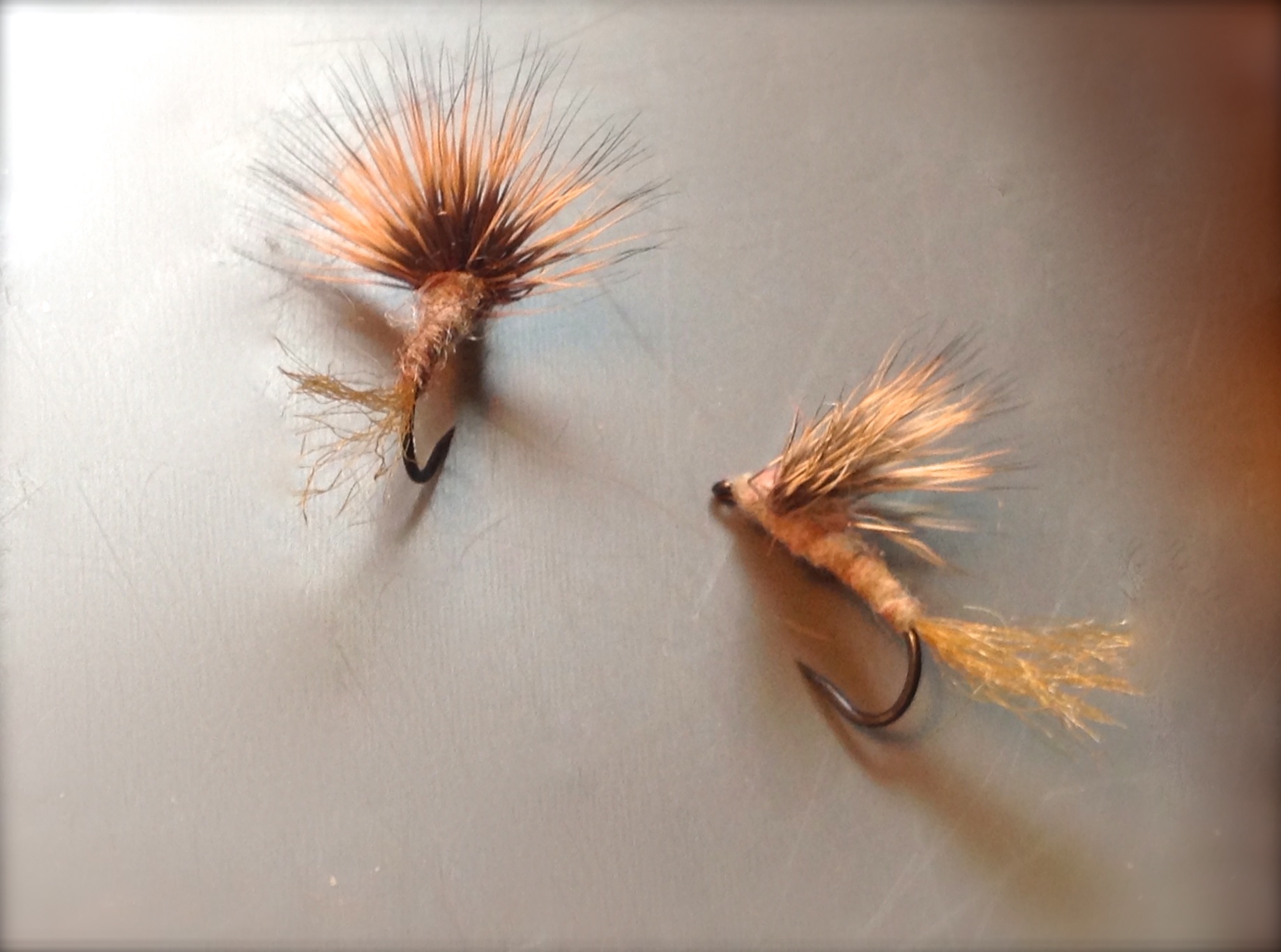
Sparkle Dun
Craig Mathews' emerger design sits in the film with a trailing Antron shuck, imitating a mayfly emerging from its nymphal shuck. Essential during PMD and BWO hatches when trout key on vulnerable emergers. The Sparkle Dun is one of the most important patterns to come out of the Yellowstone country fly fishing tradition. Craig Mathews designed it to fill the gap between a fully submerged emerger and a high-riding dun pattern. The result is a fly that sits in the surface film with a deer hair wing extending upward and a trailing Antron shuck dragging in the water behind, precisely imitating a mayfly that has broken through the surface and is shedding its nymphal exoskeleton. This is the moment when mayflies are most vulnerable, and it is the moment when trout feed most selectively. The Sparkle Dun has earned its place as a must-carry pattern on Montana's premier hatch-matching rivers. During PMD hatches on the Missouri and upper Madison, trout often ignore fully emerged duns in favor of the crippled and emerging insects caught in the film. The Sparkle Dun matches this stage perfectly. During BWO hatches in spring and fall, a size #18-20 olive Sparkle Dun can be the only pattern that produces when trout are locked into their feeding rhythm and refusing everything else.
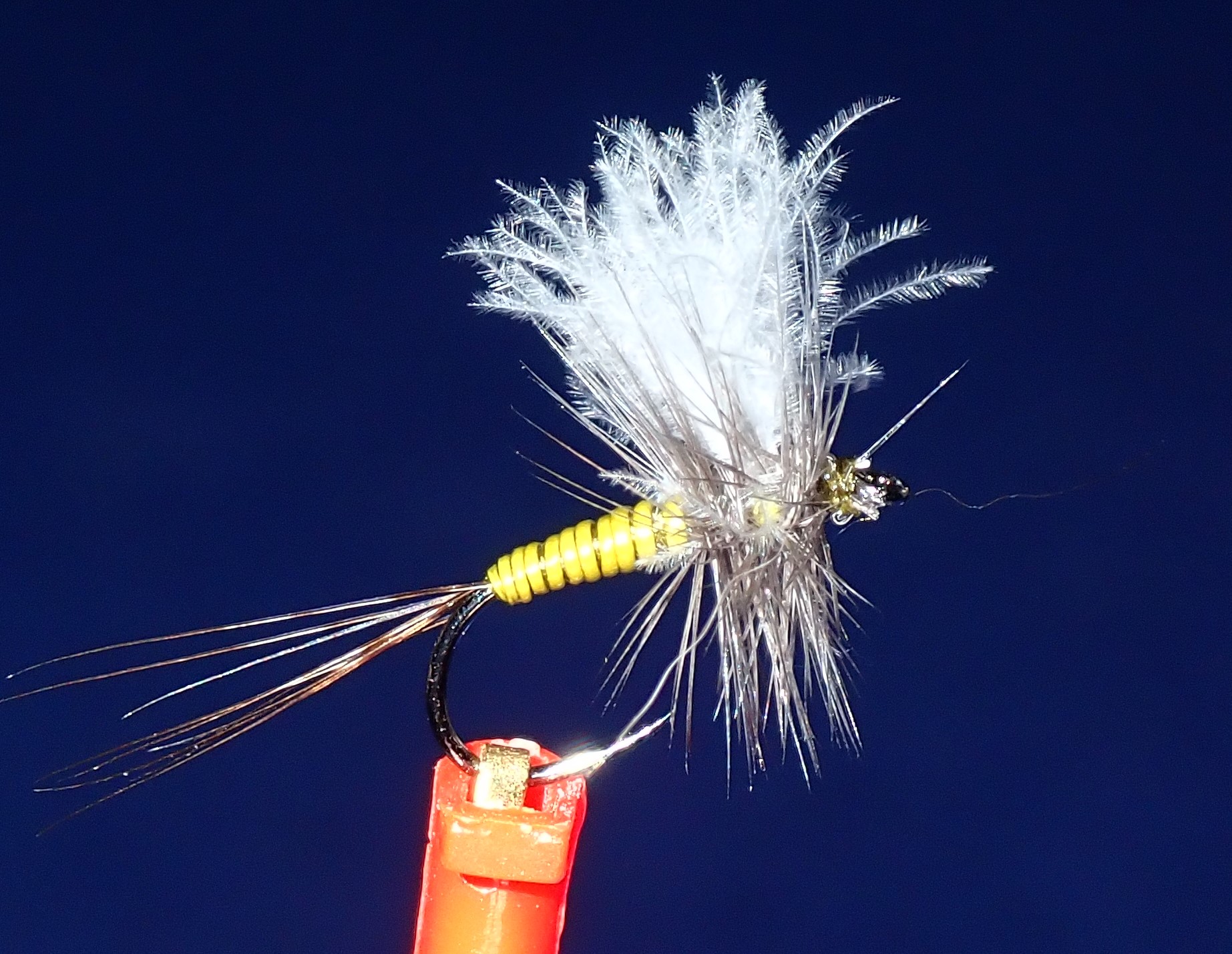
BWO Emerger
A Blue-Winged Olive emerger pattern with a slender olive body and CDC wing. BWO emergers are critical during spring and fall Baetis hatches, particularly on overcast days when these tiny mayflies hatch in incredible numbers. The Blue-Winged Olive hatch is one of the most important and consistent hatches on Montana's rivers, occurring reliably in spring and fall when overcast skies and cool temperatures trigger mass emergences of Baetis mayflies. During these hatches, trout feed with extraordinary selectivity, often refusing adult dun patterns in favor of the emerging insects trapped in the surface film. The BWO Emerger, with its slim olive body and CDC wing, is specifically designed for this scenario. The pattern's design places it right in the feeding zone that matters: the surface film. The CDC wing provides just enough buoyancy to keep the fly suspended at the meniscus while the slender olive body hangs below, mimicking a Baetis nymph in the act of emerging. CDC (cul de canard) feathers are the ideal material for this application because their natural oils repel water without artificial treatment, and their soft, web-like structure provides a lifelike impression of unfolding wings. On the Missouri, Bighorn, and spring creeks throughout Montana, this pattern is essential equipment during every BWO hatch.
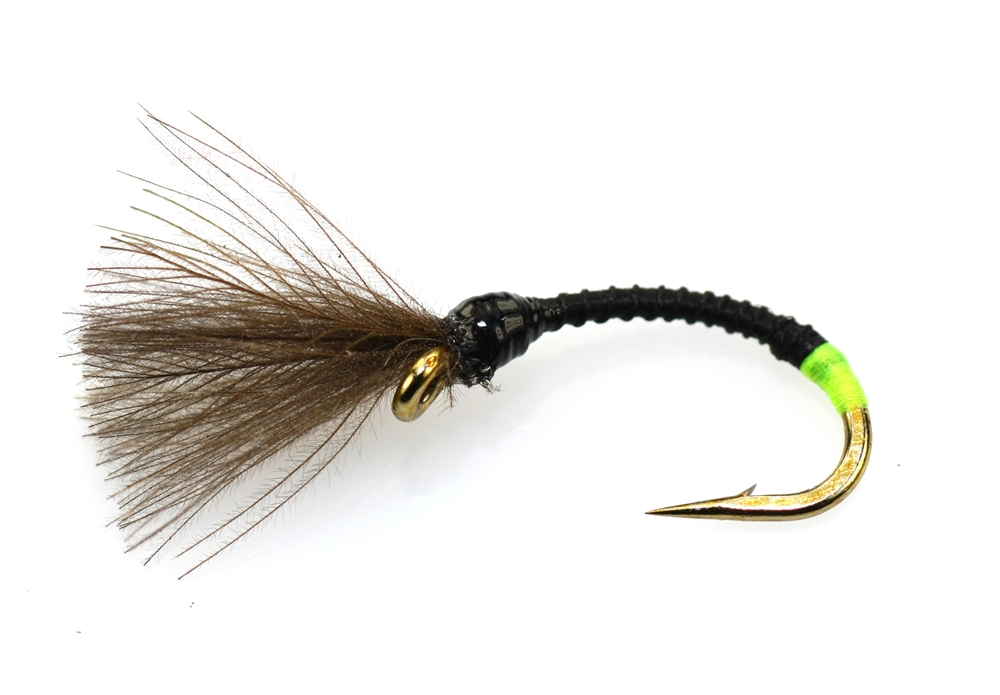
CDC Caddis Emerger
A soft-hackle style caddis emerger using CDC feathers for buoyancy and movement. Fish it in the film or just below during caddis hatches. The natural oils in CDC create a lifelike shimmer that trout find irresistible. The CDC Caddis Emerger bridges the gap between traditional soft-hackle wet flies and modern surface emerger patterns. Using CDC (cul de canard) feathers as the primary wing and hackle material, this pattern sits in or just below the surface film, perfectly imitating a caddis pupa ascending to the surface and beginning to shed its pupal shuck. The CDC fibers trap tiny air bubbles that give the fly a lifelike, shimmering quality, mimicking the gas bubble that natural caddis pupae use to propel themselves to the surface. On Montana's rivers, caddis emergers fill a critical niche during the prolific caddis hatches that occur from spring through fall. When trout are splashing at the surface during a caddis hatch but refusing adult patterns, they are often feeding on emerging pupae just below the film. The CDC Caddis Emerger presented in or just under the surface film is the solution. It is particularly effective on the Yellowstone during the Mother's Day caddis hatch, on the Madison during summer evening emergences, and on the Gallatin where caddis are a primary food source throughout the season.
Blue-Winged Olive CDC Emerger
The Blue-Winged Olive CDC Emerger is a deadly pattern designed to imitate the vulnerable transitional stage when Baetis mayflies are emerging from their nymphal shuck and breaking through the surface film. This critical moment in the mayfly lifecycle represents one of the most productive feeding opportunities for trout, and patterns that effectively mimic this stage often outperform both standard dry flies and subsurface nymphs during active hatches. Cul de Canard (CDC) feathers are the secret to this pattern's effectiveness. These unique feathers, taken from around a duck's preen gland, contain natural oils that make them extraordinarily buoyant and water-resistant. CDC creates a lifelike, translucent appearance in the surface film that perfectly mimics the wings of an emerging mayfly. The soft, mobile fibers also create subtle movement with even the slightest current, triggering strikes from selective trout. The BWO CDC Emerger excels during the peak of Blue-Winged Olive hatches, particularly when trout are feeding just subsurface on emerging nymphs rather than taking fully emerged duns. This often occurs during the initial stages of a hatch or in turbulent water where emergers struggle to break free from the surface. The pattern sits partially in and partially above the surface film, presenting a silhouette that trout find irresistible. Fishing this pattern requires delicate presentations with fine tippets (6X-7X) and careful attention to drag. The CDC emerger should be allowed to drift naturally without any tension on the leader. Strikes can be subtle—often just a slight hesitation in the fly's drift or a small dimple on the surface. During heavy BWO emergences on spring creeks and tailwaters from Oregon to Pennsylvania, this pattern can produce extraordinary results when nothing else works on ultra-selective trout.
Blue-Winged Olive Emerger
The Blue-Winged Olive Emerger is a versatile transitional pattern that bridges the gap between subsurface nymph and fully emerged dry fly. Designed to sit in or just below the surface film, this pattern imitates the critical moment when Baetis mayflies are transforming from nymphs to winged adults—a period of extreme vulnerability that trout exploit with focused feeding. What makes emerger patterns so effective is that they match the behavior trout actually observe during hatches. Research has shown that trout often feed more heavily on emergers than on either nymphs or fully emerged duns, particularly in smooth water where they can selectively target insects trapped in the surface tension. The BWO Emerger presents the segmented body of the nymph combined with the emerging wings, creating a silhouette that trout recognize instantly. This pattern excels during all phases of Blue-Winged Olive emergences, which occur throughout much of the year but peak in spring and fall. It's particularly effective during the middle stages of a hatch when the majority of insects are transitioning, and when weather conditions (cold, wind, or rain) slow the emergence process, causing insects to struggle in the film longer than usual. These are precisely the conditions when BWO hatches are most likely to occur. The BWO Emerger works across diverse water types—from the spring creeks of Pennsylvania to the tailwaters of Colorado and Wyoming. It can be fished alone on a fine tippet with careful presentations, or as a dropper below a buoyant dry fly indicator. The pattern's year-round utility makes it essential for anglers who fish technical waters where Baetis hatches provide consistent feeding opportunities even during winter months when other mayflies are absent.