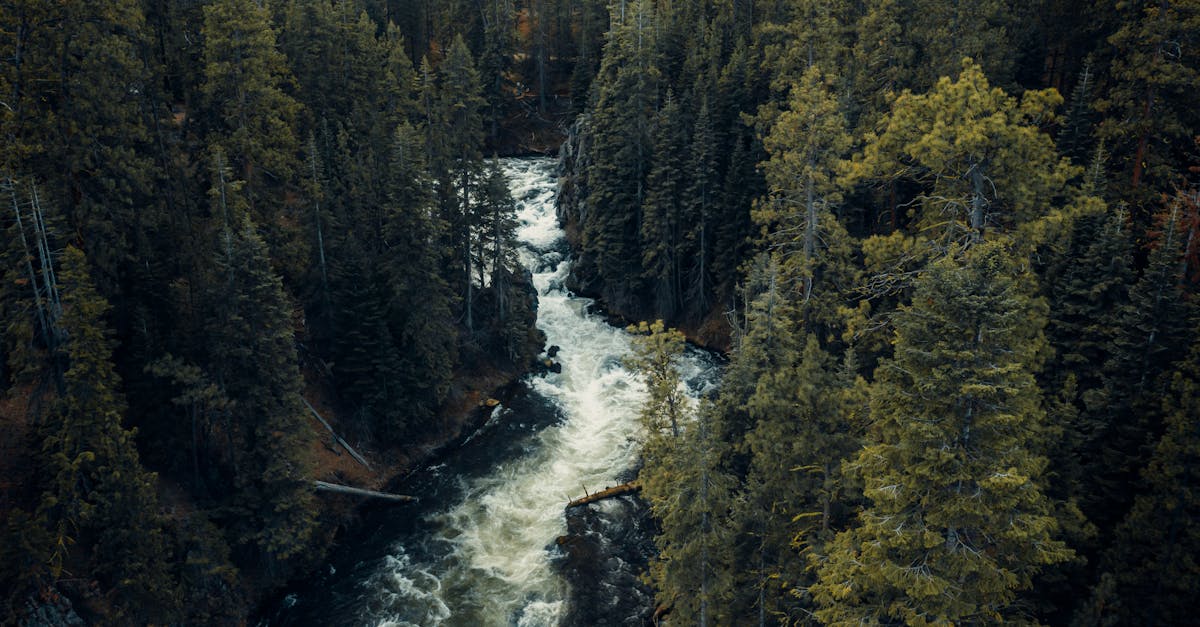
Deschutes River
The Lower Deschutes River is one of the premier fly fishing destinations in the American West, renowned for its wild redband rainbow trout and legendary summer steelhead runs. Flowing 100 miles from Pelton Dam to the Columbia River through dramatic high-desert canyon country, it offers world-class dry fly fishing in a stunningly remote setting. The river's consistent, cold tailwater flows and prolific insect hatches support one of the healthiest wild trout populations in Oregon.
Deschutes River Fishing Report & Current Conditions
The Deschutes River is a tailwater fishery, and it fishes best in spring, summer and fall. Live USGS streamflow readings update throughout the day, while the monthly median flows below map the river's typical discharge across the year. Together they show current fishability and how today's water compares to the seasonal norm.
Current Conditions
Typical Monthly Flows
Historical median discharge (CFS) by month: Deschutes River
Overview
The Deschutes River is the lifeblood of Central Oregon, draining the eastern slopes of the Cascade Range and flowing north for 252 miles before joining the Columbia River near the town of Biggs. For fly anglers, the Lower Deschutes, the 100-mile stretch below Pelton Reregulating Dam, is where the magic happens. This reach was designated a National Wild and Scenic River in 1988, and its protected status has helped maintain a fishery of extraordinary quality.
The river cuts through a spectacular basalt canyon rising 800 feet above the water in places, with sagebrush-covered hillsides giving way to scattered juniper and the occasional cluster of ponderosa pine. Access is limited to a handful of gravel roads, boat launches, and trail corridors, which helps distribute angling pressure across the river's considerable length. The combination of remote beauty and outstanding fishing has made the Deschutes a bucket-list destination for fly anglers worldwide.
The resident redband rainbow trout, locally called "redsides" for their vivid crimson lateral stripe, are the backbone of the fishery. These wild fish average 10-14 inches with plenty of 16-18 inch specimens and occasional trophies exceeding 20 inches. Redsides are aggressive surface feeders, making the Deschutes one of the best dry fly rivers in the country. The famous salmonfly hatch in late May and June draws anglers from around the globe, but excellent caddis, stonefly, and mayfly hatches provide surface action from April through October.
Summer steelhead begin entering the river in July, with the run building through September and fish available into December. The Deschutes is considered the finest summer steelhead fishery in Oregon, with traditional swung-fly techniques being the preferred and most rewarding method. Fish average 6-10 pounds with occasional specimens exceeding 15 pounds.
Boating is a major part of the Deschutes experience. Drift boats, rafts, and pontoon boats are all popular, though anglers must exit the boat to fish; fishing from a floating device is prohibited. A Boater Pass is required from May through September for overnight trips, obtained through recreation.gov. The requirement to wade-fish means that even boat-supported trips have an intimate, walk-and-wade quality that sets the Deschutes apart from rivers where fishing from the boat is permitted.
Water Characteristics
The Lower Deschutes is a high-volume tailwater with remarkably consistent flows year-round, typically ranging from 3,500-5,500 cfs depending on season and irrigation releases from upstream reservoirs. Water clarity is generally excellent, with visibility of 6-10 feet common, though spring runoff and algae blooms can periodically reduce clarity. The water has a distinctive blue-green tint created by dissolved minerals from volcanic geology, and this color intensifies in the deeper pools and runs.
Water temperature remains cold and stable thanks to hypolimnetic releases from Lake Billy Chinook, ranging from 42-46 degrees F in winter to 52-58 degrees F in summer. This thermal stability is the engine that drives the Deschutes' exceptional productivity. The substrate is predominantly volcanic basalt cobble and boulder, interspersed with gravel bars and occasional sand deposits. This rocky substrate provides ideal habitat for the diverse invertebrate populations that fuel the fishery.
The insect life on the Deschutes is exceptional in both diversity and abundance. Major hatches include multiple species of caddisflies (October caddis, spotted sedge, little tan caddis), stoneflies (salmonflies, golden stones, yellow sallies), and mayflies (PMDs, BWOs, green drakes, March browns). The river also supports robust populations of midges, craneflies, and terrestrials. This insect diversity means there is almost always something hatching, and the fish respond accordingly.
Wading & Float Guide
The Lower Deschutes presents a challenging wade for anglers of all experience levels. The riverbed is composed primarily of large basalt cobble and boulders, creating an uneven surface that demands felt-soled or studded wading boots and a wading staff. The rocks are often coated with algae, making footing treacherous, particularly in the slower runs where algae growth is heaviest. A wading belt is absolutely essential, as the river's strong currents can quickly fill waders if an angler takes a spill.
The river varies significantly in depth and current speed across its width. Many of the best fishing runs have a gradual shelf extending from shore that drops off sharply into deep, powerful flows. Anglers quickly learn to read the water and recognize the darker-colored depth transitions that signal where safe wading ends. Water temperatures remain cold year-round (46-56 degrees F depending on season), making waders a necessity even in summer.
Current velocity is the defining characteristic of wading the Deschutes. Even in what appears to be a modest run, the volume and push of water can be surprising. Anglers accustomed to smaller rivers will find that knee-deep water on the Deschutes can feel like thigh-deep water elsewhere. The best strategy is to wade slowly, maintaining three points of contact when possible, and never wade deeper than you are comfortable. The river rewards patient anglers who position themselves at the edges of productive runs rather than trying to reach the middle.
Warm Springs to Trout Creek
The most popular day float on the lower Deschutes. Easy water with no technical rapids, excellent wade-fishing access to productive redside water. Launches at Warm Springs boat ramp with takeout at Trout Creek Campground. Ideal for first-time Deschutes floaters.
Trout Creek to Maupin (South Junction)
A multi-day float through the heart of the redside and steelhead water. Features several Class II rapids and increasingly remote canyon scenery. This stretch includes some of the most productive steelhead runs on the river. Numerous camping spots along both banks.
Harpham Flat to Maupin
A shorter day float option in the Maupin corridor. Good wade access to quality trout and steelhead runs. Features Wapanitia Rapids (Class III) which requires scouting at certain water levels. Popular with guided trips.
Maupin to Sherars Falls
Popular day float through the Maupin area with easy access to town amenities. Good trout water throughout. MUST take out above Sherars Falls; the falls are impassable and deadly.
Buckhollow to Heritage Landing (mouth)
The lower canyon stretch featuring serious whitewater including Gordon Ridge Rapids, Colorado Rapids, and Rattlesnake Rapids. Outstanding steelhead water in fall. Remote canyon scenery. Requires strong whitewater skills.
Rod & Tackle Guide
Trout (dry fly / nymph)
- Rod
- 9' 5-weight (6-weight in wind)
- Line
- Weight-forward floating
- Leader & Tippet
- 9' tapered to 4X (stoneflies) or 5X (caddis/mayflies)
Heavier rod (6-weight) is smart for windy conditions, which are common. Bring a sinking leader or weighted nymph rig for deeper runs. 10' leaders are useful for spooky fish in low, clear water.
Steelhead (swung fly)
- Rod
- 12'6"-13' 7-weight Spey rod or 11' 7-weight switch rod
- Line
- Skagit head (450-525 grain) with assorted tips (floating, intermediate, Type 3, Type 6)
- Leader & Tippet
- 4'-6' of 10-12 lb fluorocarbon
The Deschutes is classic Spey water. A Skagit setup with interchangeable tips handles everything from shallow riffles to deep canyon runs.
Lower Canyon (big water / streamers)
- Rod
- 9' 6-weight or 7-weight
- Line
- Weight-forward floating with sink-tip or full-sink intermediate
- Leader & Tippet
- 6' of 2X-3X fluorocarbon
When targeting trophy redsides with streamers or swinging soft hackles through bigger water below Sherars Falls, step up to a 6 or 7-weight.
Best Time to Fish the Deschutes River
Spring
Spring is the most anticipated season on the Deschutes, with the legendary salmonfly hatch typically beginning in late May and progressing upstream through mid-June. Track the hatch by calling local fly shops; it moves roughly 3-5 miles per day upstream. Golden stoneflies follow closely behind the salmonflies and can produce even better fishing with less pressure. PMD hatches begin in May and build through June. Early spring (March-April) sees Blue-winged Olive hatches that can be outstanding on overcast days. A 5-weight or 6-weight rod is ideal for trout.
Summer
Summer on the Deschutes is defined by prolific evening caddis hatches and the arrival of summer steelhead. From July through September, immense caddis hatches blanket the river at dusk, and redsides feed aggressively on both adults and emerging pupae. Fish an X Caddis (#14-16) with a Sparkle Pupa dropper. Daytime trout fishing can be tough in the heat; focus on early morning and the last two hours of daylight. Rattlesnakes are active, so watch where you step. Steelhead begin entering the river by mid-July.
Fall
Fall is arguably the finest all-around season on the Deschutes. Steelhead fishing peaks from mid-September through late October. October and November bring reliable Blue-winged Olive hatches that can be spectacular on overcast days. Trout fishing is rejuvenated by cooler temperatures. The crowds thin dramatically after Labor Day. This is the time to fish streamers for trophy redsides: Woolly Buggers and sculpin patterns swung through deeper runs can produce the biggest fish of the year.
Winter
Winter fishing on the Deschutes is a quiet, rewarding experience for the dedicated angler. The river remains open year-round and can produce good nymph fishing on mild days. Focus on the deepest, slowest runs. Small nymphs (Zebra Midges, Pheasant Tails, and tiny stonefly nymphs in #16-20) fished deep and slow are the ticket. Blue-winged Olives can still hatch on warmer afternoons. Access can be limited by snow and ice on canyon roads.
Fishing Pressure & Local Tips
The Lower Deschutes receives significant angling pressure, particularly during the salmonfly hatch (late May through mid-June) and the peak steelhead months (September-October). The most heavily fished water lies in the easily accessible Maupin corridor, roughly 15 miles above and below the town of Maupin where Highway 197 provides direct access. During peak periods, popular boat launches can fill by 7am on weekends.
To avoid the heaviest pressure, fish midweek whenever possible and target the shoulder seasons: early April, late June, and November offer excellent fishing with a fraction of the crowd. Float trips that push beyond the first night's camp into less accessible water are rewarded with solitude. The Locked Gate section below the Warm Springs Reservation boundary sees substantially less pressure due to access restrictions. Early mornings and late evenings are also productive, as many anglers are off the water during the best caddis hatches at dusk.
Local Knowledge
The Deschutes is famous for wind: relentless, gusting canyon wind that can turn an otherwise pleasant day into a casting nightmare. Experienced Deschutes anglers carry leaders pre-rigged with their favorite setups and practice tight-loop casting techniques that cut through the breeze. A roll cast or water-haul presentation is often more effective than a standard overhead cast. The wind also tends to concentrate insects on the leeward bank, so fish that side when you see bugs.
The Warm Springs to Trout Creek section gets the most attention, but the water from Buckhollow down to Heritage Landing near the mouth is severely underrated. This lower stretch holds trophy redsides and sees far fewer boats, though the whitewater is more serious and requires real boating skills. For wade anglers, the mile of water below Sherars Falls accessible from the north bank offers outstanding fishing for both trout and steelhead in a short, easy walk.
Camp selection matters on multi-day float trips. The best camps are on the east (Warm Springs Reservation) bank below the Locked Gate; these are first-come-first-served and extremely popular. Arrive early to secure a good camp, or plan to float past the busiest section. Bring a shade structure for summer trips, as daytime temperatures in the canyon can exceed 100 degrees F and shade is scarce. Always check the boater pass availability before planning overnight trips during the permit season (May 1 - September 30).
Species Present
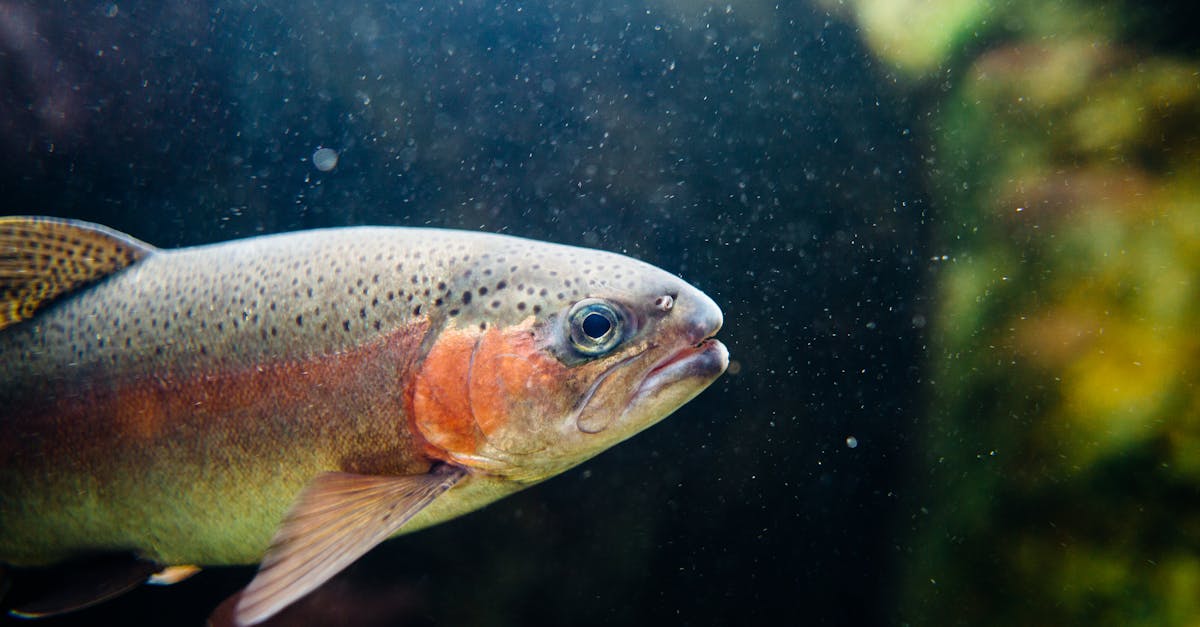
Rainbow Trout
The rainbow trout is Montana's most widespread and popular gamefish, celebrated for its explosive surface strikes, aerial acrobatics, and willingness to take a well-presented dry fly. Native to Pacific Coast drainages from Alaska to Mexico, rainbows were first introduced to Montana's waters in the late 1800s and have since established thriving populations in nearly every major river system in the state. On legendary waters like the Madison, Missouri, and Bighorn, wild rainbow trout grow fat on prolific insect hatches and provide some of the finest dry-fly fishing in North America. Rainbow trout in Montana display remarkable variation depending on their home water. Fish in nutrient-rich tailwaters like the Missouri River below Holter Dam can exceed 20 inches with regularity, their deep bodies and broad tails reflecting the abundant food supply. Freestone river rainbows, such as those in the upper Madison and Gallatin, tend to be leaner and more athletic, shaped by faster currents and colder water temperatures. In many Montana rivers, rainbows spawn in the spring from March through June, and anglers should be mindful of spawning redds during this period to protect future generations of fish. Rainbows are arguably the most versatile trout species for fly anglers. They respond well to dry flies during hatches, aggressively chase streamers, and feed heavily on nymphs subsurface throughout the year. Their fighting ability is legendary: a hooked rainbow will often launch itself completely out of the water multiple times during a battle. Montana's catch-and-release regulations on many blue-ribbon streams have produced exceptional rainbow trout fisheries with high densities of large, healthy fish that continue to draw anglers from around the world.
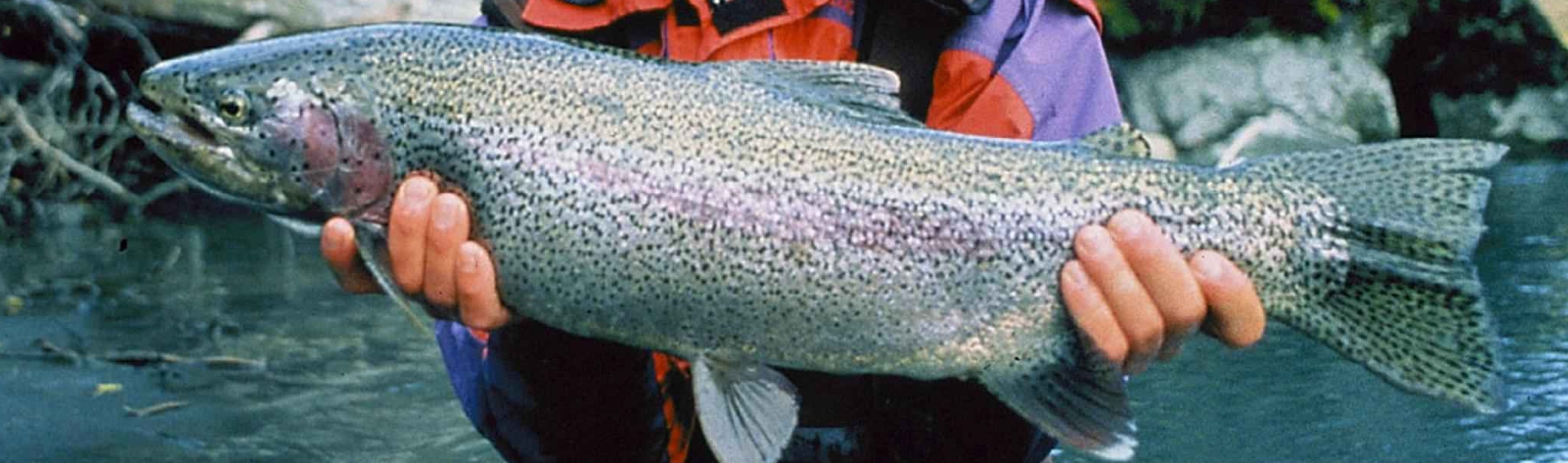
Steelhead
The steelhead is the undisputed monarch of Pacific Northwest fly fishing, a sea-run rainbow trout that combines the power of a salmon with the acrobatics of its resident rainbow cousins, wrapped in a chrome-bright package that can exceed 20 pounds. Genetically identical to rainbow trout (Oncorhynchus mykiss), steelhead are the anadromous form of the species: born in freshwater rivers, they migrate to the Pacific Ocean as juveniles, spend one to three years feeding in the rich saltwater environment, then return to their natal rivers to spawn. This ocean migration transforms a modest stream-resident rainbow into a muscular, silver-sided powerhouse that is widely considered the greatest gamefish available to fly anglers in North America. Steelhead are found in rivers throughout the Pacific Northwest, with Idaho, Oregon, and Washington offering the most celebrated fly-fishing opportunities. Idaho's Clearwater and Salmon rivers host legendary runs of summer steelhead, B-run fish that spend extra time in the ocean and return as massive 10- to 20-pound adults. Oregon's Deschutes River is perhaps the most iconic swing-fishing destination in the world, with summer steelhead providing consistent action from July through November. Washington's Olympic Peninsula rivers, the Skagit system, and tributaries of the Columbia River offer both summer and winter steelhead runs, drawing anglers from around the globe. Swing fishing for steelhead with a spey or switch rod is widely regarded as the pinnacle of fly-fishing pursuits. The technique involves casting a fly across and downstream, then allowing it to swing through the current on a tight line, covering water methodically as the angler steps downstream between each cast. The take of a steelhead on the swing, a sudden, violent pull that can nearly wrench the rod from your hands, is an experience that steelhead anglers describe as addictive beyond reason. The combination of the cast, the swing, the anticipation, the remote and beautiful river settings, and the sheer power of the fish creates a pursuit that many dedicated anglers build their entire fishing lives around.
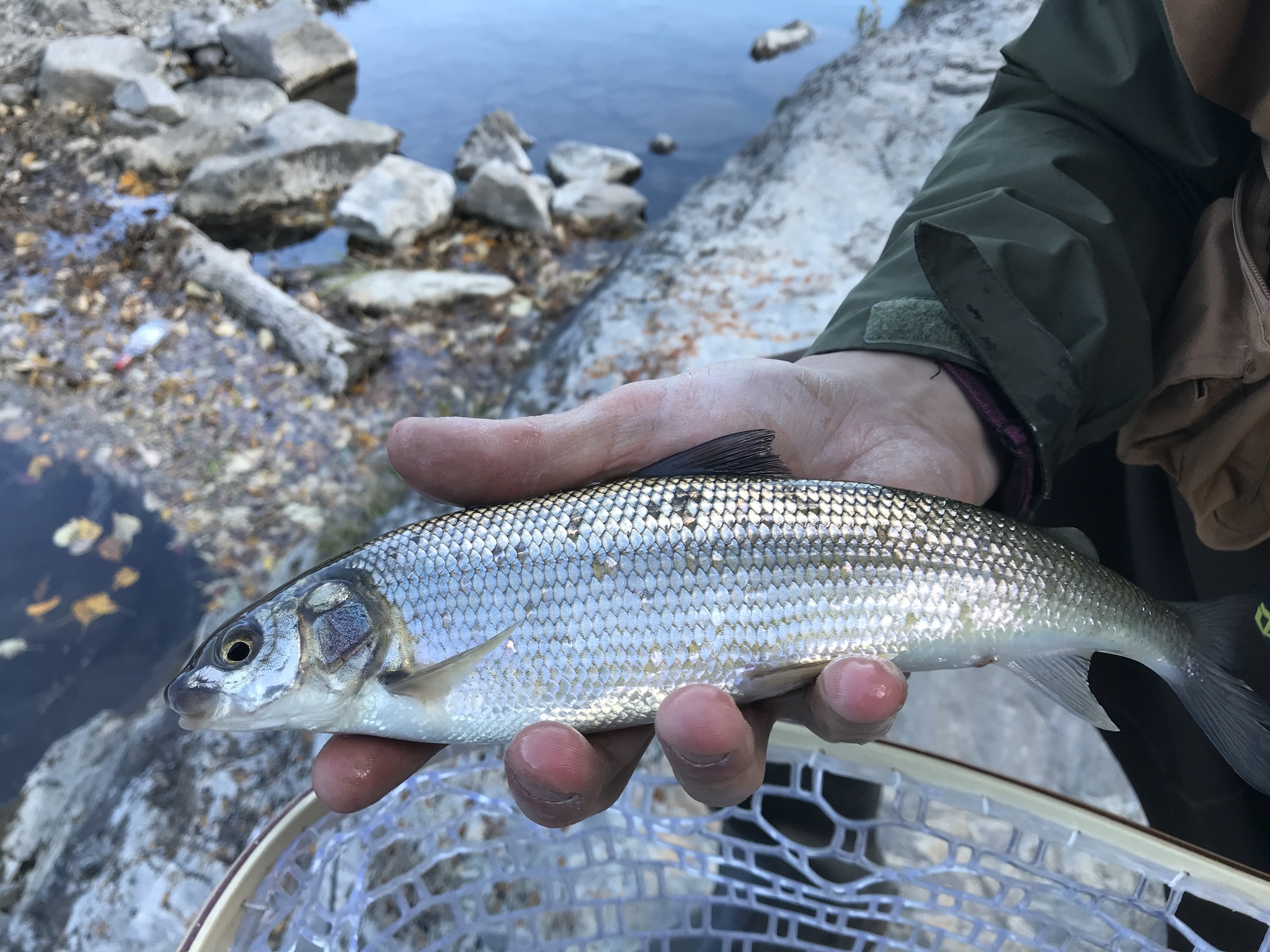
Mountain Whitefish
The mountain whitefish is one of Montana's most abundant native salmonids and arguably the most underappreciated gamefish in the state. A member of the whitefish subfamily (Coregoninae) within the broader salmonid family, mountain whitefish are present in virtually every cold-water river and large stream in Montana, often outnumbering trout by significant margins. On rivers like the Madison, Gallatin, Yellowstone, and Bitterroot, whitefish populations can exceed 1,000 fish per mile, making them the dominant salmonid species by biomass in many reaches. Despite this abundance, most fly anglers overlook whitefish entirely or view them as an unwelcome catch, which is unfortunate because they can provide outstanding sport on light tackle. Mountain whitefish are an important ecological component of Montana's river systems. They serve as a primary food source for larger brown trout, bald eagles, ospreys, otters, and other predators. Their fall spawning behavior (typically October through December) plays a critical role in nutrient cycling, and their eggs provide food for other fish and aquatic invertebrates during the lean winter months. In recent years, whitefish populations have been used as indicator species for overall river health, and declines in whitefish numbers on some Montana rivers have raised concerns about changing water conditions and disease pressure. For anglers willing to target them intentionally, mountain whitefish offer several advantages. They feed actively throughout the winter months when trout fishing can be slow, they are abundant and widely distributed, and they fight with surprising strength for their size; a 16-inch whitefish on a 3- or 4-weight rod provides a memorable tussle. Whitefish are also excellent table fare, with firm, mild-flavored white flesh that is delicious smoked or fried. Montana regulations typically allow a generous harvest limit for whitefish, recognizing their abundance and the role that harvest can play in managing populations on some waters.
Brown Trout
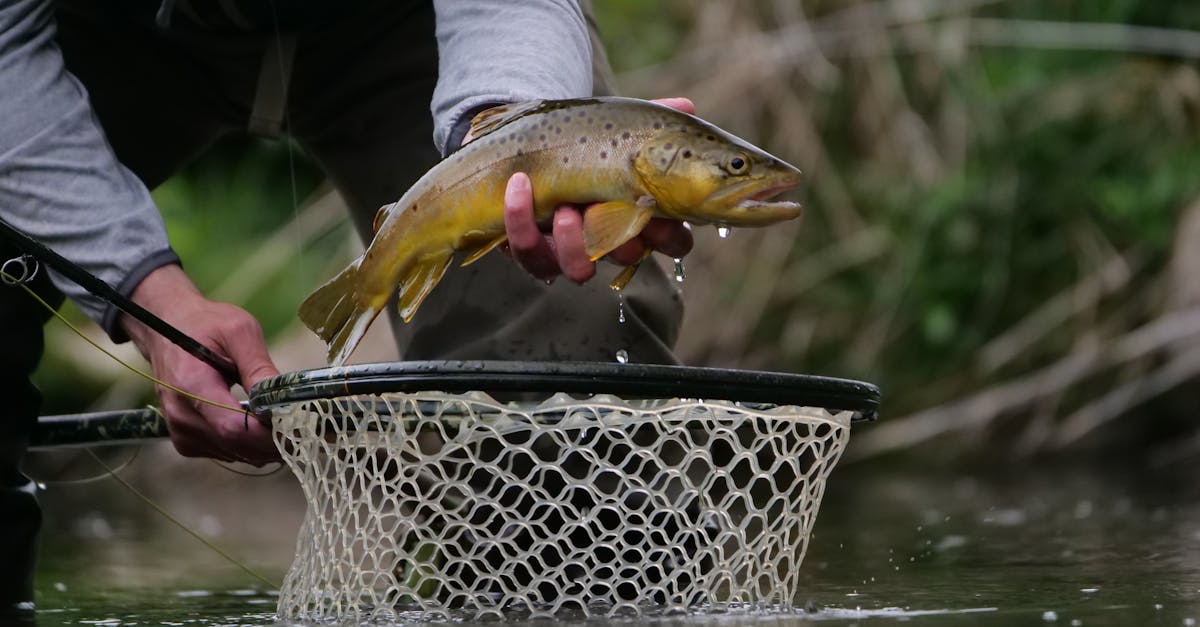
The brown trout is the most cunning and elusive trout species swimming in Montana's rivers, and it rewards patient, skilled anglers with some of the state's most memorable catches. Originally native to Europe and western Asia, brown trout were first introduced to North American waters in 1883 and arrived in Montana shortly thereafter. They have since established robust, self-sustaining populations in virtually every major trout stream in the state, from the legendary spring creeks of the Paradise Valley to the sweeping runs of the lower Madison and the deep pools of the Bighorn. Brown trout grow larger than any other trout species in Montana, and fish exceeding 24 inches are caught with regularity on premium waters. The lower Madison River, the Missouri River below Holter Dam, and the Bighorn River are particularly renowned for producing trophy-class browns. Unlike rainbows, brown trout spawn in the fall (October through November), and their aggressive pre-spawn behavior creates an exciting window for streamer fishing as large males become territorial and attack anything that enters their domain. Browns are notably more nocturnal than other trout species, and many of the biggest fish are caught during low-light conditions. What sets brown trout apart from other species is their wariness and selectivity. Large browns are notoriously difficult to fool, often refusing flies that are even slightly off in size, color, or presentation. They tend to establish and defend prime feeding lies (undercut banks, logjams, deep pools, and boulder gardens), and an angler who learns to read water and identify these holding spots will consistently catch more and larger fish. This combination of difficulty, size potential, and intelligence makes the brown trout the most prized quarry for many serious Montana fly fishers.
Deschutes River Hatch Chart
| Insect | Suggested Fly | Jan | Feb | Mar | Apr | May | Jun | Jul | Aug | Sep | Oct | Nov | Dec |
|---|---|---|---|---|---|---|---|---|---|---|---|---|---|
Salmonfly (Pteronarcys) all day | Norm Wood Special | ||||||||||||
Golden Stonefly all day | Stimulator | ||||||||||||
Caddisflies (various) evening | X-Caddis | ||||||||||||
Pale Morning Dun morning | PMD Comparadun | ||||||||||||
Blue-Winged Olive (Baetis) afternoon | Parachute Adams | ||||||||||||
Blue-Winged Olive (Baetis) afternoon | BWO Emerger | ||||||||||||
October Caddis afternoon | Stimulator | ||||||||||||
Midges morning | Zebra Midge |
Salmonfly (Pteronarcys): The legendary hatch. Late May through mid-June, progressing upstream 3-5 miles per day. Size 4-8.
Golden Stonefly: Follows salmonflies closely. Often produces better fishing with less pressure. Size 6-10.
Caddisflies (various): Immense evening caddis hatches define summer fishing on the Deschutes. X Caddis #14-16 is essential.
Pale Morning Dun: Excellent PMD hatches May through July. Size 14-18. Technical dry fly fishing.
Blue-Winged Olive (Baetis): Spring BWOs hatch on overcast days. Size 16-20. Outstanding on cloudy afternoons.
Blue-Winged Olive (Baetis): Fall BWOs are spectacular on overcast October days. Size 18-20.
October Caddis: Large (#8-10) orange caddis. Late-season dry fly action.
Midges: Year-round, especially important in winter. Size 18-24.
Recommended Flies
X-Caddis
Top PickThe single most important fly on the Deschutes, essential during evening caddis hatches
Best in summer
Norm Wood Special
Top PickRequired during the salmonfly hatch. Size 4-8.
Best in spring
Stimulator
Top PickExcellent golden stonefly imitation and general attractor
Best in spring
Pheasant Tail Nymph
Top PickVersatile mayfly nymph that works year-round on the Deschutes
Best in spring
Pat's Rubber Legs
Top PickHeavy stonefly nymph; excellent point fly for nymph rigs
Best in spring
Parachute Adams
Top PickEffective during PMD hatches and general searching. Size 16-18.
Best in summer
Woolly Bugger
Top PickVersatile pattern for both large redsides and steelhead
Best in fall
BWO Emerger
Top PickFall BWO emerger for overcast day hatches
Best in fall
Also Effective
Curated Fly Boxes
Deschutes Salmonfly & Stonefly Box
SummerBuilt for the Deschutes's legendary salmonfly hatch and the golden stone fishing that follows. Big, high-floating patterns that redside rainbows can't resist.
Access Points & Boat Launches
Warm Springs Boat Launch
Boat LaunchEasyPrimary put-in for the popular Warm Springs to Trout Creek day float. Developed BLM facility with concrete ramp accommodating drift boats and rafts. This is the starting point for most first-time Deschutes floaters. Expect heavy use during salmonfly season and summer steelhead runs.
Trout Creek Campground
Boat LaunchEasyPopular take-out for the Warm Springs day float and put-in for longer multi-day trips downstream toward Maupin. Developed BLM campground with good facilities. The surrounding water offers excellent wade fishing for both redside trout and steelhead in season. Can be crowded on summer weekends.
Maupin City Park
Boat LaunchEasyTown-side access in the heart of Maupin, the gateway community for the lower Deschutes. The park provides convenient launching for day floats and serves as a take-out for multi-day trips from upstream. Walking distance to fly shops, restaurants, and lodging. The surrounding water holds both trout and steelhead.
South Junction Wade Access
Wade AccessModerateWalk-in wade access south of Maupin providing excellent fishing for redsides and steelhead. A short trail leads down to productive riffles and runs that see less pressure than the water immediately adjacent to town. This is a favorite spot for local anglers targeting steelhead with swung flies in the fall.
Heritage Landing (Mouth)
Boat LaunchEasyTake-out at the confluence of the Deschutes and Columbia rivers. This is the endpoint for the longest float trips on the lower Deschutes. The surrounding water offers excellent steelhead fishing in fall. The site provides access to the lightly fished lower canyon section that holds trophy redsides.
Regulations
Regulations
Lower Deschutes (Pelton Dam to mouth): Open year-round for trout. Artificial flies and lures only. 2 trout per day; no trout over 20 inches may be kept; no more than 1 trout over 13 inches. All wild (unclipped) steelhead must be released. 2 hatchery (adipose fin-clipped) steelhead per day allowed. Barbless hooks required when fishing for steelhead. No fishing from a floating device. Boater Pass required May 1 - September 30 for overnight use. Warm Springs Reservation section (east bank, Pelton Dam to Dry Creek): tribal permit required in addition to Oregon license; specific season April 22 - October 31. Emergency steelhead conservation closures may be enacted; check ODFW regulation updates before planning trips.
Always verify current regulations with Oregon Dept. of Fish and Wildlife before fishing.
Some links may earn a commission. Learn more
Quick Facts
- Region
- Central Oregon
- Water Type
- Tailwater
- River Length
- 252 miles total (100 miles of prime fishing from Pelton Dam to Columbia River)
- Difficulty
- Intermediate-Advanced
- Best Seasons
- spring, summer, fall
- Trout Per Mile
- 1,700-3,500+ (varies by section; best reaches near Warm Springs exceed 3,500/mile)
- Record Trout
- 28-lb steelhead (1946); redsides commonly reach 18-20 inches with occasional fish over 22 inches
- Species
- Rainbow Trout, Steelhead, Mountain Whitefish, Brown Trout
- USGS Gauge
- 14092500
Local Shops & Guides
The Fly Fisher's Place
Sisters, OR
The Fly Fisher's Place is Central Oregon's premier fly shop, located on West Main Avenue in the charming mountain town of Sisters, Oregon. Since 1986, the shop has served as the definitive resource for anglers fishing the Deschutes, Metolius, Crooked, and Fall rivers — a remarkable collection of diverse trout waters all within easy driving distance of Sisters. The shop carries a comprehensive inventory of flies, rods, reels, waders, and accessories with a deep emphasis on the patterns and gear needed for Central Oregon's varied fisheries. From the giant salmonfly and golden stone patterns for the Deschutes Canyon to the tiny mayflies and caddis needed for the Crooked River tailwater, The Fly Fisher's Place stocks flies for every local situation. Their daily fishing reports are an indispensable resource, providing current conditions, hatch information, and recommended patterns for each river in the region. The Fly Fisher's Place offers a professional guide service covering all of Central Oregon's major fisheries. Their guides know the nuances of each river — the sight-fishing opportunities on the spring-fed Metolius, the technical nymphing on the Crooked River, the big-water float trips through the Deschutes Canyon, and the delicate dry fly fishing on the Fall River. The shop also carries an extensive selection of fly tying materials, making it a favorite destination for fly tiers visiting Central Oregon.
(541) 549-3474
Fly and Field Outfitters
Bend, OR
Fly and Field Outfitters is a full-service fly shop and guide service based in Bend, Oregon, with over 17 years of experience guiding anglers on Central Oregon's exceptional trout and steelhead waters. Located on SW Century Drive in Bend, the shop provides easy access to the Deschutes River, Crooked River, Fall River, and other productive fisheries in the region. The shop carries a carefully curated selection of flies, rods, reels, waders, and accessories, with staff who fish local waters regularly and provide up-to-the-minute advice on conditions and techniques. Fly and Field is known for their versatility, offering not just trout fishing but also steelhead trips on the lower Deschutes and spey casting instruction for anglers looking to expand their skills. Fly and Field Outfitters' guide service is the core of the business, featuring experienced guides who specialize in Deschutes River float trips through the canyon, technical nymphing on the Crooked River tailwater, and sight-fishing on the Fall River. Their guides are skilled at working with anglers of all experience levels, from first-time fly fishers to seasoned veterans. The shop also offers spey casting lessons and steelhead-specific trips, making it one of the most well-rounded outfitters in the Central Oregon fly fishing scene.
(541) 318-1616
Where to Stay
Maupin
The heart of Deschutes River country. This tiny town on the river's edge is home to fly shops, outfitters, and the best access to the legendary trout and steelhead water.
Stay in Maupin for the best access to both the trout water upstream and steelhead runs downstream. The Deschutes Angler fly shop is a must-stop for current conditions and permits.
Madras
A Central Oregon hub town with more lodging options and services than Maupin. Good base for fishing both the Deschutes and nearby Crooked River.
Madras has chain hotels and restaurants if you prefer more amenities. It's about 30 minutes to the Deschutes at Warm Springs and an easy drive to the Crooked River below Bowman Dam.