Fish Species
Rivers and lakes across the country are home to world-class populations of wild trout, char, and steelhead. Learn to identify, understand, and target each species for a more rewarding experience on the water.
Apache Trout
Oncorhynchus apache
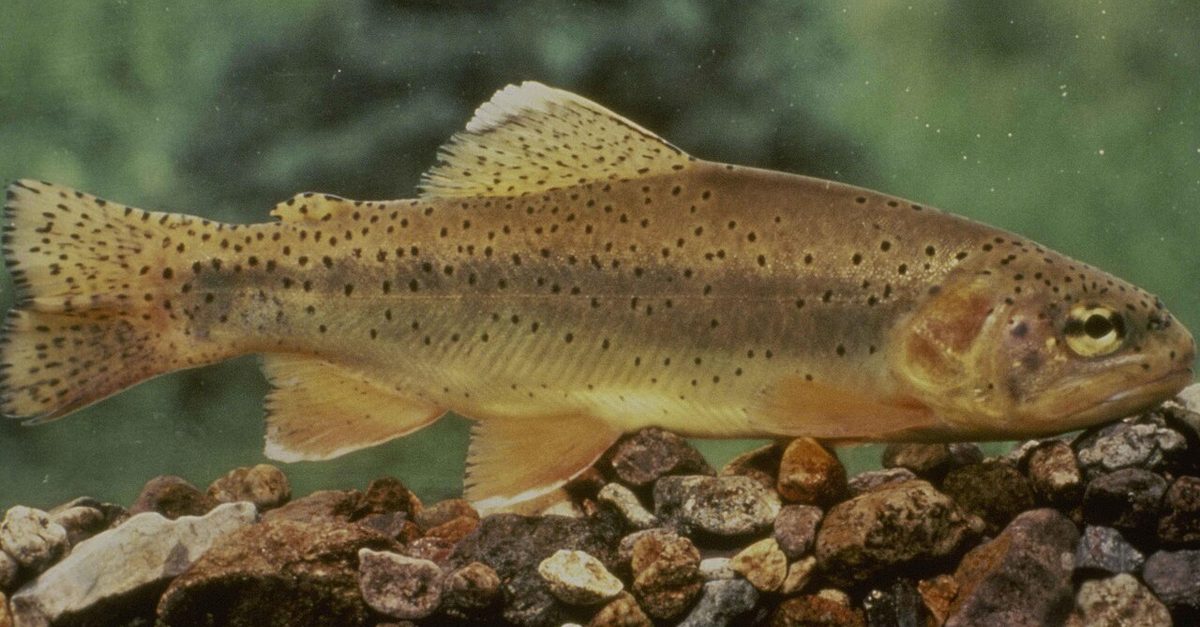
The Apache trout is Arizona's official state fish and one of only two trout species native to the state, found nowhere else in the world except the headwater streams and lakes of the White Mountains in east-central Arizona. This golden-hued trout evolved in isolation in the upper Salt River and Little Colorado River drainages on the slopes of Mount Baldy, the sacred peak of the White Mountain Apache people, adapting to the cold, clear mountain streams at elevations above 7,000 feet. The Apache trout's beauty is unmistakable: a warm golden-yellow body overlaid with widely spaced, large dark spots, dark dorsal and caudal fin markings that give it a distinctive spotted-fin appearance, and a golden-olive back. Once one of the first fish listed under the Endangered Species Act in 1967, the Apache trout has been the focus of one of the most successful native trout recovery programs in the United States. Through decades of work by the U.S. Fish and Wildlife Service, Arizona Game and Fish Department, the White Mountain Apache Tribe, and the Apache-Sitgreaves National Forests, the subspecies was downlisted from Endangered to Threatened in 2006. Recovery efforts have included removing non-native trout from headwater streams, constructing fish barriers to prevent reinvasion, and establishing new populations through careful translocations. For fly anglers, catching an Apache trout is a bucket-list experience that combines rare native trout fishing with the stunning scenery of the White Mountains. Apache trout are eager surface feeders that respond aggressively to dry flies, making them a joy to catch on light tackle. The East Fork and West Fork of the Black River, stocked with Apache trout by Arizona Game and Fish, offer the most accessible fishing, while streams on the White Mountain Apache Reservation require a tribal permit and provide a more remote and culturally significant experience.
Arctic Grayling
Thymallus arcticus
The Arctic grayling is one of North America's most beautiful and distinctive freshwater fish, instantly recognized by its enormous, sail-like dorsal fin adorned with rows of iridescent spots that shimmer in shades of blue, purple, and rose. A member of the salmon family but placed in its own genus, Thymallus, the grayling is a fish of cold, clear northern waters, with a natural range that once stretched across Arctic and subarctic drainages of Alaska, Canada, and the northern Rockies. In the contiguous United States, the Arctic grayling holds special significance as a relict of the last ice age, its populations isolated in Montana as the glaciers retreated thousands of years ago. Montana occupies a unique place in the grayling's story as home to the last native, river-dwelling populations of Arctic grayling in the lower 48 states. The Big Hole River in southwestern Montana holds the final self-sustaining population of fluvial (river-dwelling) Arctic grayling south of Canada, a genetically distinct fish that has become a flagship for native fish conservation in the northern Rockies. Beyond this remnant river population, grayling persist in numerous Montana lakes both native and stocked, and restoration efforts have worked to expand the fish back into portions of its historic range using carefully managed hatchery strains. For fly anglers, the Arctic grayling is a pure delight: an eager, almost naive surface feeder that rises freely to dry flies and fights with a spirited, if not powerful, energy. The sight of that spectacular dorsal fin breaking the surface as a grayling takes a fly is one of the great experiences in northern fly fishing. Montana grayling are targeted in high mountain lakes such as those stocked with the Rogers Lake strain, in restoration waters including Hebgen Lake, and in the remote reaches of the Centennial Valley, where the fish connects anglers to a living remnant of the ice age and to one of the West's most important native fish conservation efforts.
Brook Trout
Salvelinus fontinalis
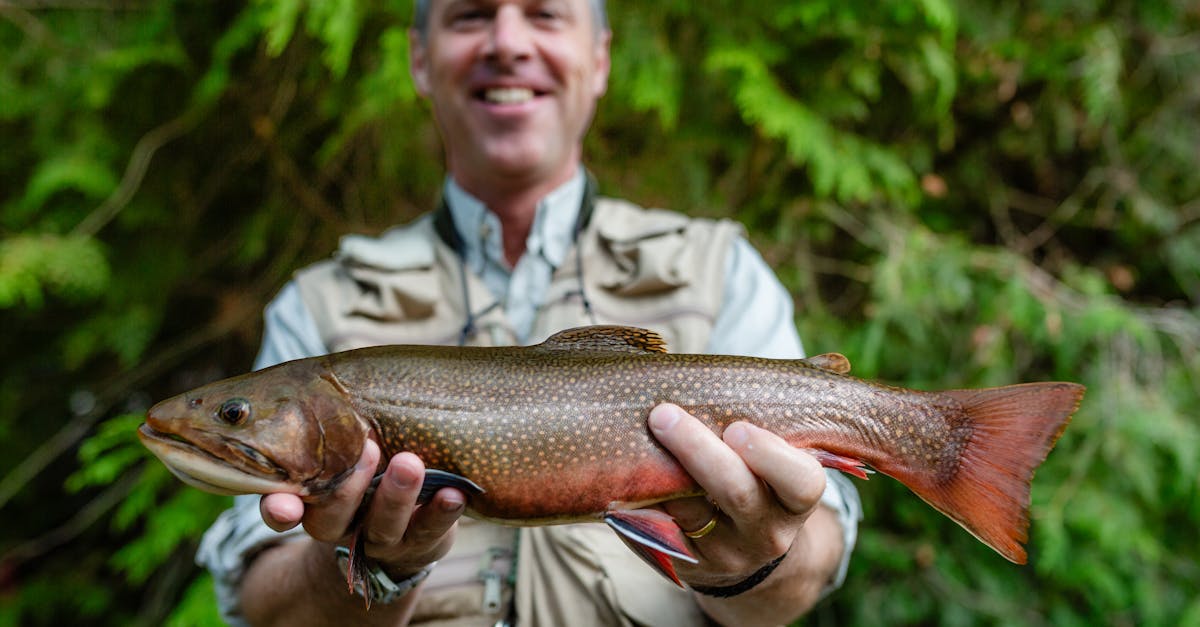
The brook trout is widely considered the most beautiful freshwater fish in North America, and catching one in a pristine Montana mountain stream is an experience that captures the essence of backcountry fly fishing. Despite their common name, brook trout are not true trout at all; they are a species of char (genus Salvelinus), more closely related to lake trout and Arctic char than to rainbows or browns. Native to eastern North America from Georgia to Hudson Bay, brook trout were among the first salmonids introduced to Montana's waters in the late 1800s and have since established self-sustaining populations in cold, high-elevation streams and lakes throughout the state. In Montana, brook trout thrive best in small, cold headwater streams and high mountain lakes where competition from larger trout species is minimal. In these environments, they are often the dominant, or only, salmonid present. The trade-off is size: Montana stream-dwelling brook trout typically range from 6 to 10 inches, with fish over 12 inches considered noteworthy in most waters. What they lack in size, however, they more than make up for in beauty and willingness to eat a fly. Brookies are aggressive feeders that will strike attractor dry flies, nymphs, and small streamers with enthusiasm, making them an ideal species for beginning fly anglers and a delightful quarry for anyone who appreciates small-stream fishing. Brook trout do present a conservation paradox in Montana. While they are a beloved and beautiful gamefish, they are non-native and can negatively impact native species, particularly Yellowstone and westslope cutthroat trout. In headwater streams, brook trout often outcompete cutthroats for food and spawning habitat due to their higher reproductive rate and earlier maturation. As a result, Montana FWP has implemented brook trout removal projects on some streams to restore native cutthroat populations. In many waters, liberal harvest limits for brook trout are encouraged to reduce their numbers and benefit native fish. Anglers can enjoy excellent brook trout fishing while actively helping conservation by keeping a few for the pan.
Brown Trout
Salmo trutta
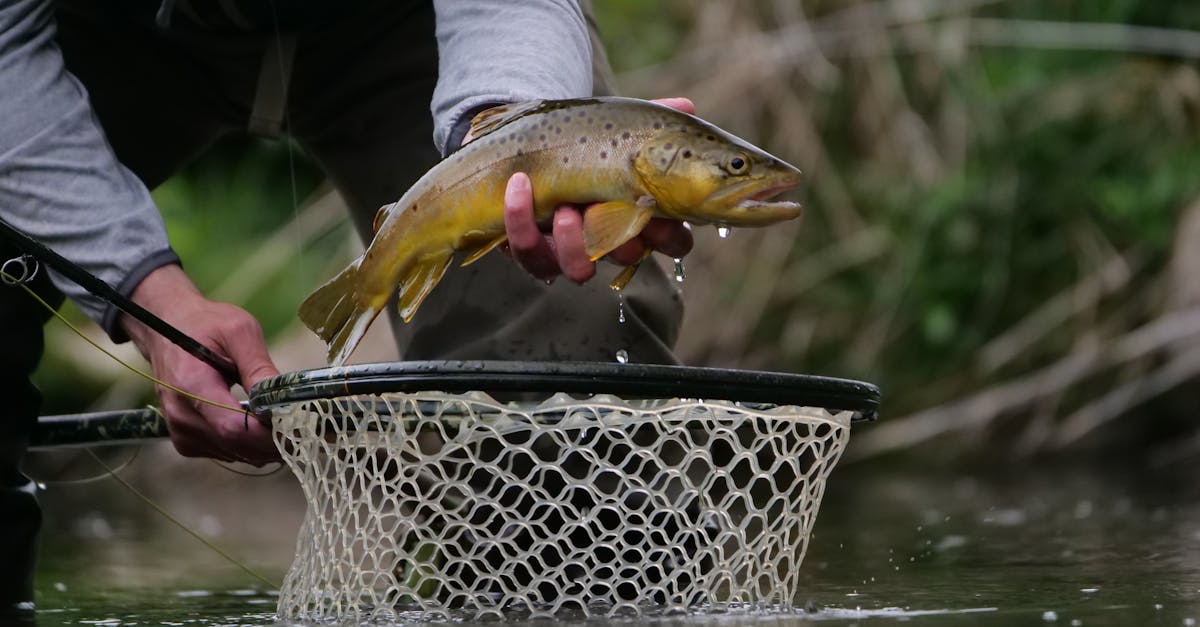
The brown trout is the most cunning and elusive trout species swimming in Montana's rivers, and it rewards patient, skilled anglers with some of the state's most memorable catches. Originally native to Europe and western Asia, brown trout were first introduced to North American waters in 1883 and arrived in Montana shortly thereafter. They have since established robust, self-sustaining populations in virtually every major trout stream in the state, from the legendary spring creeks of the Paradise Valley to the sweeping runs of the lower Madison and the deep pools of the Bighorn. Brown trout grow larger than any other trout species in Montana, and fish exceeding 24 inches are caught with regularity on premium waters. The lower Madison River, the Missouri River below Holter Dam, and the Bighorn River are particularly renowned for producing trophy-class browns. Unlike rainbows, brown trout spawn in the fall (October through November), and their aggressive pre-spawn behavior creates an exciting window for streamer fishing as large males become territorial and attack anything that enters their domain. Browns are notably more nocturnal than other trout species, and many of the biggest fish are caught during low-light conditions. What sets brown trout apart from other species is their wariness and selectivity. Large browns are notoriously difficult to fool, often refusing flies that are even slightly off in size, color, or presentation. They tend to establish and defend prime feeding lies (undercut banks, logjams, deep pools, and boulder gardens), and an angler who learns to read water and identify these holding spots will consistently catch more and larger fish. This combination of difficulty, size potential, and intelligence makes the brown trout the most prized quarry for many serious Montana fly fishers.
Bull Trout
Salvelinus confluentus
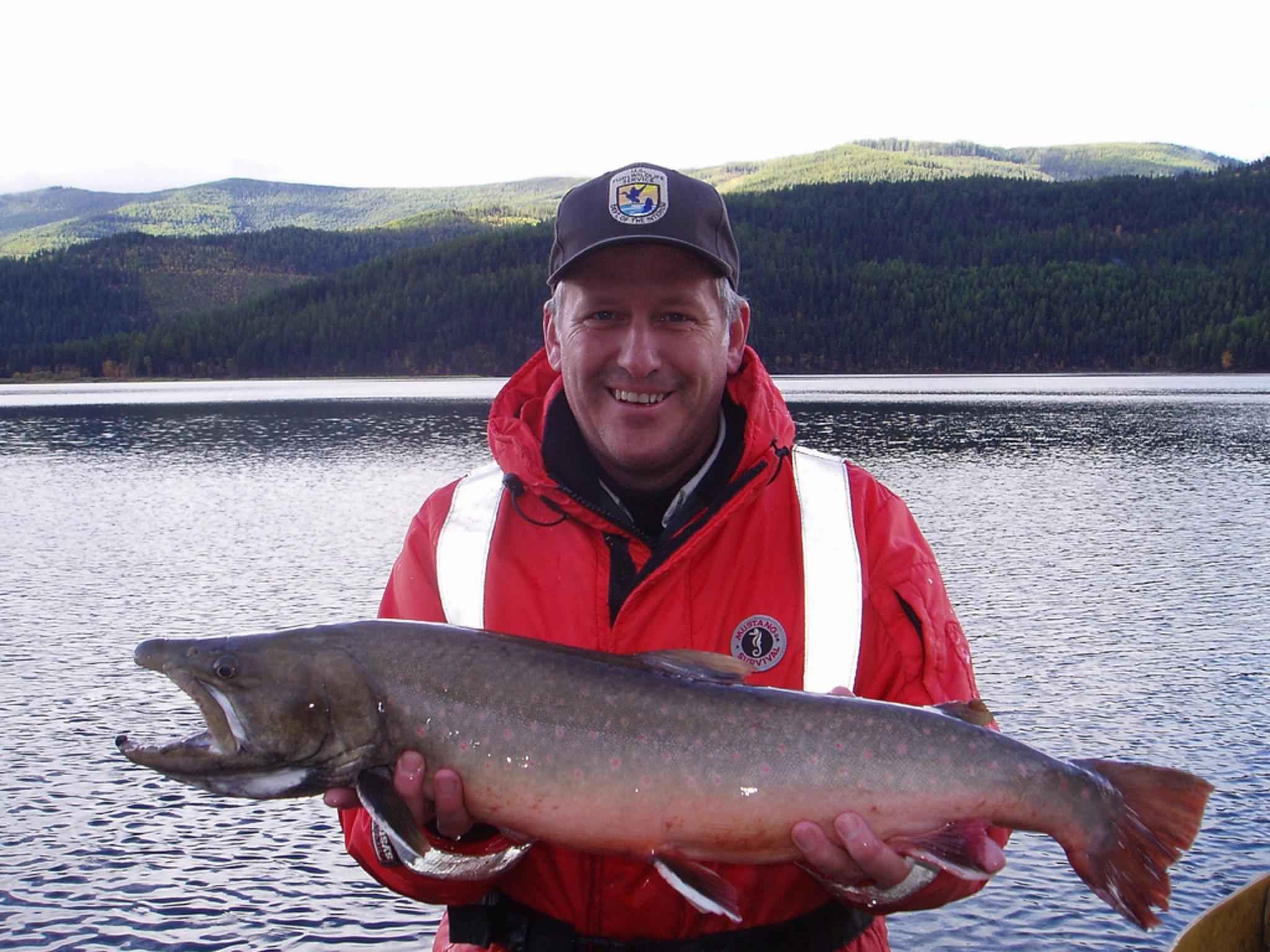
The bull trout is the largest native char in the inland waters of the Pacific Northwest, a powerful and elusive predator that inhabits the coldest, cleanest rivers and lakes in Idaho, Montana, Oregon, and Washington. Despite its common name, the bull trout is not a true trout at all; it belongs to the char genus Salvelinus, making it a close relative of brook trout, lake trout, and Arctic char. Bull trout are distinguished by their massive heads, broad jaws, and overall bulk, which earned them the 'bull' moniker from early settlers who encountered these imposing fish in the frigid headwaters of the Columbia, Snake, and Klamath river basins. For fly anglers in the Pacific Northwest, the bull trout occupies a unique and somewhat complicated position. These fish are federally listed as Threatened under the Endangered Species Act throughout their range in the contiguous United States, meaning that catch-and-release only regulations apply universally: no bull trout may be harvested anywhere in Idaho, Montana, Oregon, or Washington. Despite this protected status, bull trout can be legally targeted in many waters, and they are a thrilling quarry on the fly rod. Migratory bull trout that move between lakes and tributary streams can exceed 30 inches and 10 pounds, with the power and aggression of a fish that feeds primarily on other fish. Hooking a large bull trout on a streamer in a clear mountain river is one of the most electrifying experiences in western fly fishing. Bull trout are also critically important as an indicator species for watershed health. They require the coldest water temperatures of any salmonid in North America (sustained temperatures above 59 degrees Fahrenheit can be lethal), and they depend on connected networks of streams, rivers, and lakes to complete their complex life cycle. Where bull trout thrive, you can be confident the watershed is intact, the water is clean, and the habitat is functioning at a high level. Their decline across much of the Pacific Northwest has been driven by dam construction, logging-related sedimentation, water temperature increases from climate change, and competition with non-native brook trout, with which they readily hybridize. Understanding bull trout identification is essential for every western angler, as many are caught incidentally while targeting other species, and proper handling and release are legally mandated.
Gila Trout
Oncorhynchus gilae
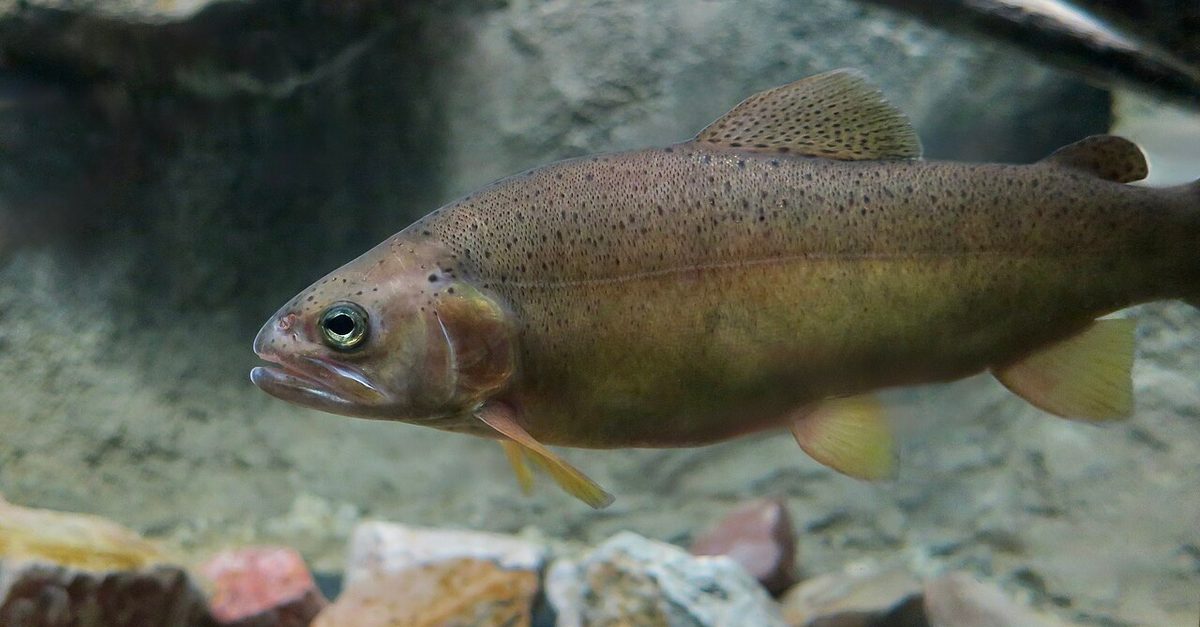
The Gila trout is one of the rarest and most geographically restricted trout species in North America, native exclusively to a handful of headwater streams in the Gila River basin of southwestern New Mexico and southeastern Arizona. Like its close relative the Apache trout, the Gila trout evolved in isolation in the mountains of the American Southwest, adapting to the warm, arid conditions at the southern edge of the trout's range. The species was listed as Endangered under the Endangered Species Act in 1967 and reclassified as Threatened in 2006 following significant recovery progress. Gila trout are beautiful fish with a golden-yellow to coppery body, fine dark spots concentrated on the upper body, and a characteristic lack of prominent cutthroat slashes beneath the jaw (unlike true cutthroat trout, any jaw markings on Gila trout are faint or absent). The dorsal, pelvic, and anal fins often carry a distinctive yellowish-white leading edge. In the clear, cold headwater streams of the Gila Wilderness, these golden fish are both a conservation success story and a testament to the wildness of one of the most remote landscapes in the Lower 48. For fly anglers, the Gila trout represents the ultimate backcountry native trout experience. The streams where Gila trout swim are almost exclusively in designated wilderness areas, requiring multi-day backpacking trips to access. The West Fork of the Gila River in New Mexico's Gila Wilderness, the first congressionally designated wilderness in the United States, is the most celebrated Gila trout destination. Anglers who make the journey are rewarded with rare native trout in pristine mountain streams surrounded by dramatic volcanic cliff formations and absolute solitude.
Greenback Cutthroat Trout
Oncorhynchus clarkii stomias
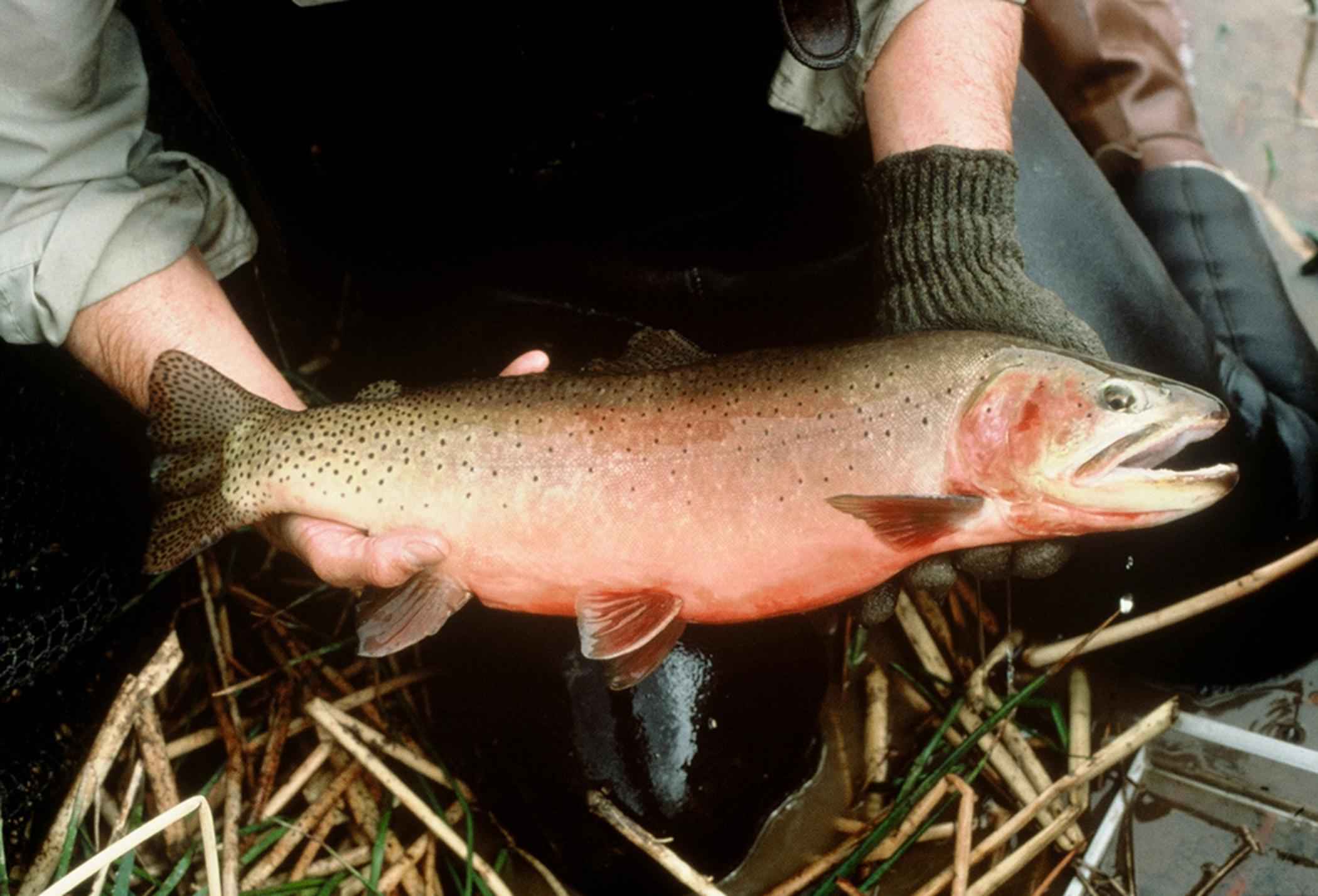
The greenback cutthroat trout is Colorado's official state fish, a living symbol of the Rocky Mountain headwaters that once teemed with native trout from the Front Range to the Continental Divide. This subspecies of cutthroat trout is endemic to the Arkansas and South Platte river drainages of eastern Colorado and a sliver of southeastern Wyoming, a relatively small native range that made it especially vulnerable to the habitat destruction, overfishing, and non-native species introductions that devastated western trout populations in the 19th and 20th centuries. By the 1930s, the greenback cutthroat was widely believed to be extinct, a casualty of the mining, logging, and hatchery-stocking era that transformed Colorado's mountain streams. The rediscovery of remnant greenback cutthroat populations in the 1950s and 1960s sparked one of the most remarkable and complicated conservation stories in American fisheries management. Initial recovery efforts identified several populations as greenback cutthroats based on physical appearance, and fish from these populations were used to stock streams throughout Rocky Mountain National Park and the Front Range. However, a landmark genetic study in 2012 revealed that many of these previously identified 'greenback' populations were actually Colorado River cutthroats or hybrids, and that the only confirmed genetically pure greenback cutthroat population existed in a single 4-mile stretch of Bear Creek, a tributary of the Arkansas River near Colorado Springs. This discovery sent shockwaves through the conservation community and fundamentally reshaped greenback recovery efforts. Today, the greenback cutthroat trout is one of the rarest salmonids in North America and is listed as Threatened under the Endangered Species Act. Recovery efforts centered on the Bear Creek population have expanded to include careful translocations to restored streams in the upper Arkansas River drainage and Rocky Mountain National Park, where non-native fish have been removed to create sanctuary habitats. For anglers, catching a true greenback cutthroat is an extraordinarily rare and special experience: it means fishing small, pristine mountain streams in some of the most beautiful country in Colorado and connecting with a fish that came within a hair's breadth of vanishing forever.
Kokanee Salmon
Oncorhynchus nerka
The kokanee salmon is the landlocked, freshwater-resident form of the sockeye salmon (Oncorhynchus nerka), a fish that completes its entire life cycle in lakes and their tributaries without ever migrating to the sea. Where sockeye salmon spend their adult lives in the Pacific Ocean before returning to spawn, kokanee remain permanently in freshwater, using large, cold, nutrient-rich lakes as their marine substitute. Though they are the same species, kokanee mature at a much smaller size than sea-run sockeye, typically maturing at 10 to 16 inches, and they have become one of the most important coldwater gamefish and forage species across the reservoirs and lakes of the western United States. Kokanee are prized both as a sport fish and as a table fish, with rich, orange-red flesh comparable to their ocean-going sockeye relatives. They travel in large, roving schools that suspend in the cold open water of lakes, feeding on plankton, and this schooling behavior makes them a favorite target of trollers who can locate a school and take fish after fish. In Montana, kokanee support popular fisheries in Georgetown Lake, the Rocky Mountain Front reservoirs, and historically in the Missouri River reservoirs such as Hauser Lake, where the state record fish was taken. The dramatic spawning runs, when the lake turns red with maturing fish, are a signature autumn spectacle in the northern Rockies. Kokanee also play a crucial ecological role as the primary forage for trophy trout in many western lakes. Large lake trout, bull trout, brown trout, and rainbow trout grow to enormous sizes in lakes where kokanee are abundant, and fisheries managers carefully balance kokanee populations against predator demand. This dual role, as both a beloved sport fish in their own right and the foundation of trophy trout fisheries, makes the kokanee one of the most managed and monitored fish in the West. For the fly angler, kokanee present a unique challenge, since their plankton-feeding habits make them far less inclined to chase a fly than most salmonids.
Lahontan Cutthroat Trout
Oncorhynchus clarkii henshawi
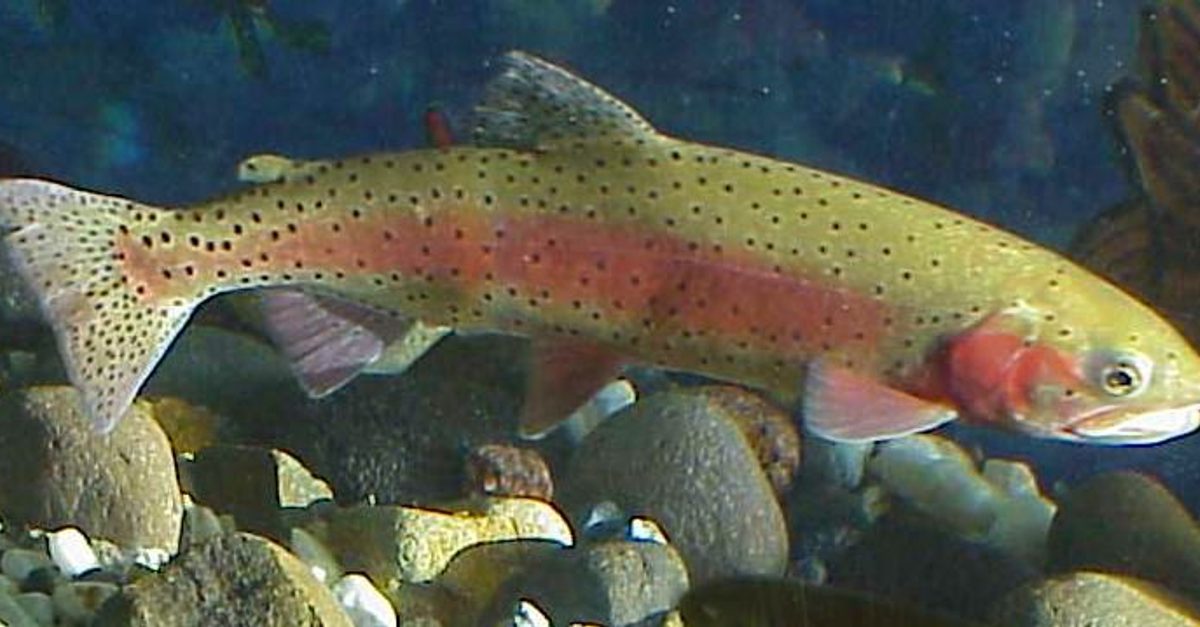
The Lahontan cutthroat trout is the largest subspecies of cutthroat trout in the world and the only trout native to the hydrographic Great Basin of Nevada, California, and Oregon. Named for the ancient Lake Lahontan that once covered much of northern Nevada during the Pleistocene, this remarkable fish evolved to thrive in the alkaline, desert-lake environments of the Great Basin, a trait that sets it apart from all other cutthroat subspecies. Lahontan cutthroats historically reached enormous sizes in the terminal lakes of the region: the 41-pound fish taken from Pyramid Lake in 1925 remains one of the largest cutthroat trout ever documented. The modern story of the Lahontan cutthroat is one of dramatic decline and ongoing recovery. Dam construction, water diversions, overfishing, and the introduction of non-native trout devastated Lahontan cutthroat populations throughout the 20th century, and the subspecies was listed as Threatened under the Endangered Species Act in 1975. The most famous population, at Pyramid Lake on the Pyramid Lake Paiute Reservation in Nevada, was extirpated entirely by the 1940s when Truckee River diversions destroyed the spawning habitat. The fish that swim in Pyramid Lake today descend from the Pilot Peak strain, a remnant population discovered in a tiny creek on the Nevada-Utah border, which was used to restock the lake beginning in 2006. For fly anglers, the Lahontan cutthroat represents one of the most exciting trophy trout opportunities in the American West. Pyramid Lake has become a world-class destination fishery, producing cutthroats that routinely exceed 20 inches and 5 pounds, with fish over 10 pounds caught regularly and specimens exceeding 20 pounds taken each season. The Truckee River system in California and Nevada also supports Lahontan cutthroat populations, and restoration efforts continue to expand the subspecies' range. Catching a Lahontan cutthroat connects an angler to the deep geological and cultural history of the Great Basin.

Lake Trout
Salvelinus namaycush
The lake trout is the largest member of the char family and the signature deep-water gamefish of northern New England's coldest, cleanest glacial lakes. A native coldwater char of the northern tier of North America, the lake trout reaches the southern edge of its natural range in the deep, oligotrophic lakes carved by Pleistocene glaciers across northern New England, including Vermont's Lake Champlain and the remote glacial lakes of the Northeast Kingdom. Unlike the stream-dwelling brook trout to which it is related, the lake trout is a true creature of the depths, spending most of the year in the cold, dark, well-oxygenated water far below the surface. Lake trout are long-lived, slow-growing fish that can survive for decades in the frigid depths of their home lakes. Average fish run 18 to 24 inches, but trophy specimens exceeding 30 inches and 15 pounds are taken each season from the best Vermont waters, and the state record approaches 35 pounds. Their size and strength, combined with the challenge of reaching them in deep water, make lake trout a prized quarry for anglers willing to adapt their tactics to the fish's coldwater lifestyle. For fly anglers, the lake trout presents a unique seasonal opportunity. Through most of the year these fish hold too deep for practical fly fishing, but during the narrow windows of ice-out in spring and the fall turnover, lake trout move into the shallows to feed and spawn, bringing them within reach of a well-presented streamer. Casting large baitfish patterns near rocky shorelines and drop-offs during these periods can produce the fish of a lifetime, connecting the angler to the deep glacial history of Vermont's finest coldwater lakes.
Landlocked Atlantic Salmon
Salmo salar sebago
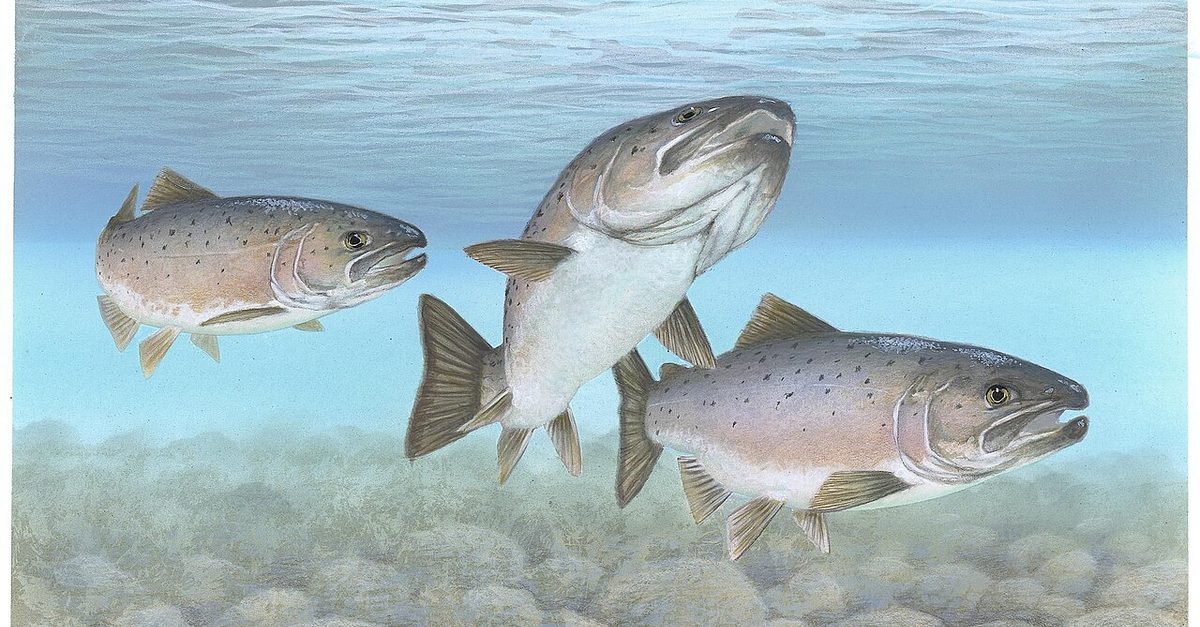
The landlocked Atlantic salmon is one of New England's most prized gamefish, a freshwater-resident form of the Atlantic salmon that spends its entire life in lakes and rivers rather than migrating to the ocean. Found primarily in the lakes and rivers of Maine, New Hampshire, Vermont, and New York, landlocked salmon are genetically identical to their sea-run counterparts but have adapted to a completely freshwater life cycle, using large, cold lakes as their ocean substitute and tributary rivers as spawning habitat. Landlocked salmon are the signature gamefish of Maine's sporting camp tradition, where generations of anglers have gathered at remote wilderness lodges to fish for salmon in the Rangeley Lakes, Moosehead Lake, Sebago Lake, and the rivers that connect them. The fish combine the acrobatic fighting ability of their anadromous relatives with the accessibility of a freshwater species, leaping repeatedly when hooked and running with the kind of power and endurance that makes them one of the most exciting fish available on a fly rod in the northeastern United States. In rivers, landlocked salmon behave much like large resident trout, holding in classic lies and feeding on aquatic insects during hatches. They are particularly responsive to caddis and mayfly emergers, and the sight of a 3-pound landlocked salmon rising to a dry fly in a New England river is one of the defining experiences of northeastern fly fishing. In lakes, salmon are targeted with streamers that imitate smelt, their primary forage fish, trolled or cast from boats during the spring and fall when salmon cruise near the surface in cold-water conditions.
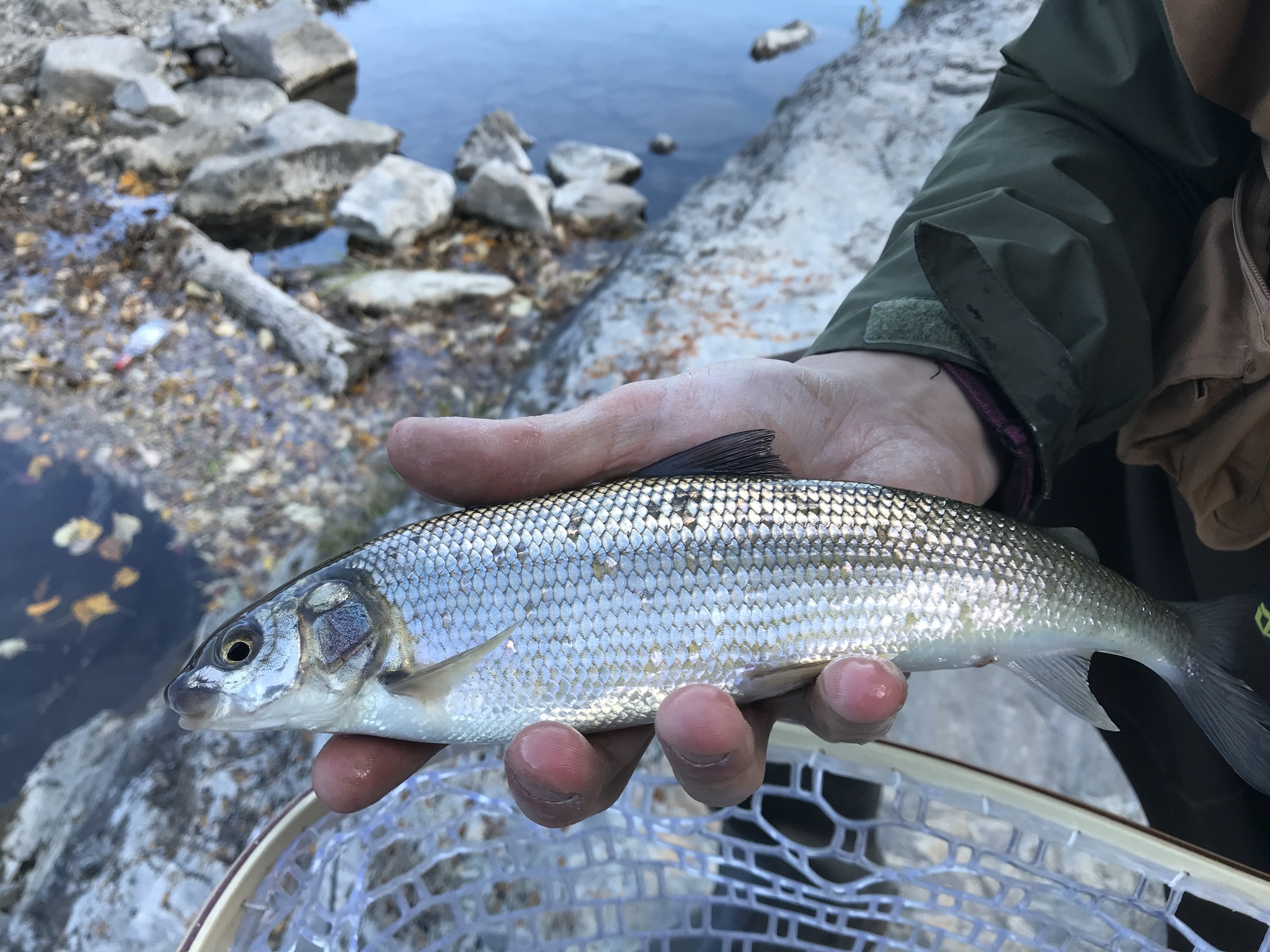
Mountain Whitefish
Prosopium williamsoni
The mountain whitefish is one of Montana's most abundant native salmonids and arguably the most underappreciated gamefish in the state. A member of the whitefish subfamily (Coregoninae) within the broader salmonid family, mountain whitefish are present in virtually every cold-water river and large stream in Montana, often outnumbering trout by significant margins. On rivers like the Madison, Gallatin, Yellowstone, and Bitterroot, whitefish populations can exceed 1,000 fish per mile, making them the dominant salmonid species by biomass in many reaches. Despite this abundance, most fly anglers overlook whitefish entirely or view them as an unwelcome catch, which is unfortunate because they can provide outstanding sport on light tackle. Mountain whitefish are an important ecological component of Montana's river systems. They serve as a primary food source for larger brown trout, bald eagles, ospreys, otters, and other predators. Their fall spawning behavior (typically October through December) plays a critical role in nutrient cycling, and their eggs provide food for other fish and aquatic invertebrates during the lean winter months. In recent years, whitefish populations have been used as indicator species for overall river health, and declines in whitefish numbers on some Montana rivers have raised concerns about changing water conditions and disease pressure. For anglers willing to target them intentionally, mountain whitefish offer several advantages. They feed actively throughout the winter months when trout fishing can be slow, they are abundant and widely distributed, and they fight with surprising strength for their size; a 16-inch whitefish on a 3- or 4-weight rod provides a memorable tussle. Whitefish are also excellent table fare, with firm, mild-flavored white flesh that is delicious smoked or fried. Montana regulations typically allow a generous harvest limit for whitefish, recognizing their abundance and the role that harvest can play in managing populations on some waters.
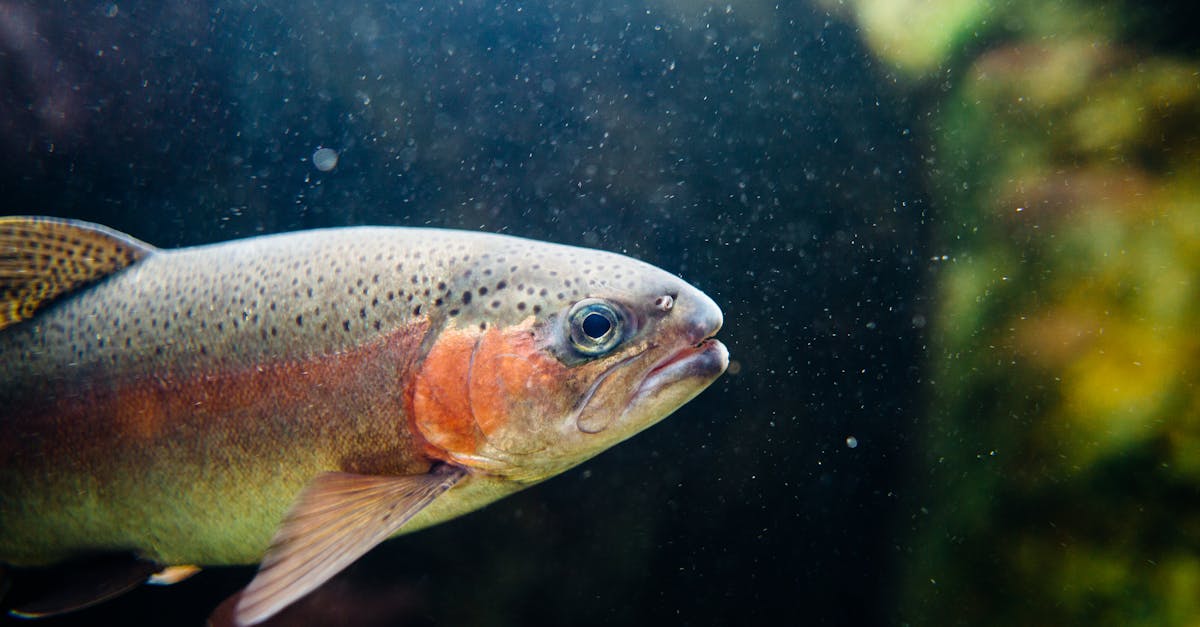
Rainbow Trout
Oncorhynchus mykiss
The rainbow trout is Montana's most widespread and popular gamefish, celebrated for its explosive surface strikes, aerial acrobatics, and willingness to take a well-presented dry fly. Native to Pacific Coast drainages from Alaska to Mexico, rainbows were first introduced to Montana's waters in the late 1800s and have since established thriving populations in nearly every major river system in the state. On legendary waters like the Madison, Missouri, and Bighorn, wild rainbow trout grow fat on prolific insect hatches and provide some of the finest dry-fly fishing in North America. Rainbow trout in Montana display remarkable variation depending on their home water. Fish in nutrient-rich tailwaters like the Missouri River below Holter Dam can exceed 20 inches with regularity, their deep bodies and broad tails reflecting the abundant food supply. Freestone river rainbows, such as those in the upper Madison and Gallatin, tend to be leaner and more athletic, shaped by faster currents and colder water temperatures. In many Montana rivers, rainbows spawn in the spring from March through June, and anglers should be mindful of spawning redds during this period to protect future generations of fish. Rainbows are arguably the most versatile trout species for fly anglers. They respond well to dry flies during hatches, aggressively chase streamers, and feed heavily on nymphs subsurface throughout the year. Their fighting ability is legendary: a hooked rainbow will often launch itself completely out of the water multiple times during a battle. Montana's catch-and-release regulations on many blue-ribbon streams have produced exceptional rainbow trout fisheries with high densities of large, healthy fish that continue to draw anglers from around the world.
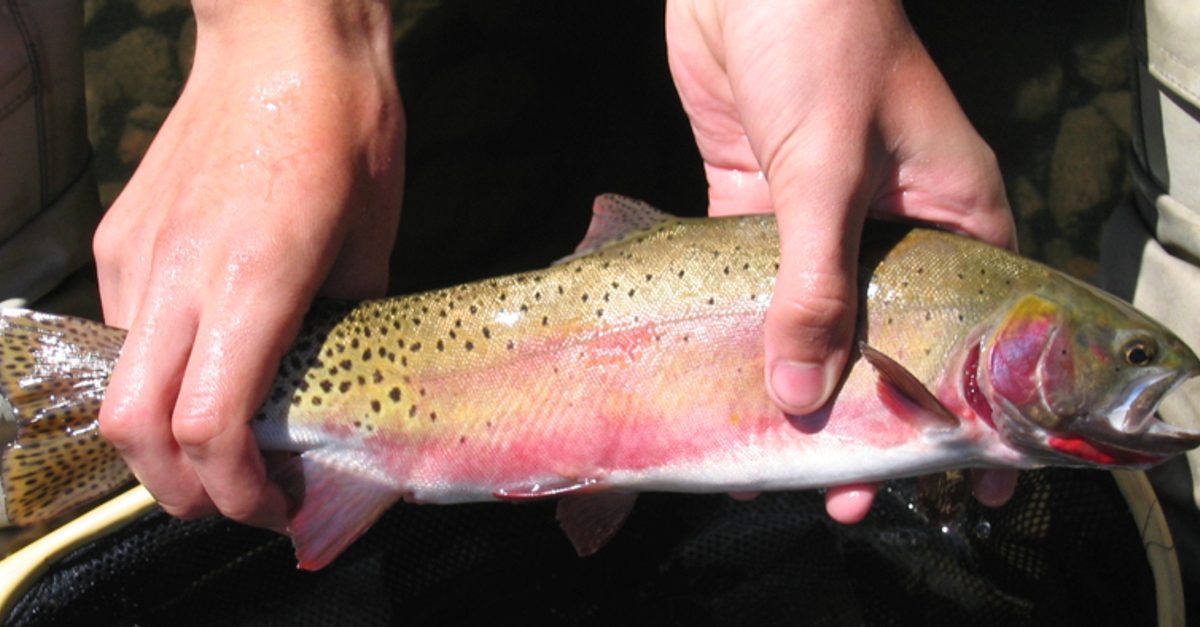
Rio Grande Cutthroat Trout
Oncorhynchus clarkii virginalis
The Rio Grande cutthroat trout is the southernmost subspecies of cutthroat trout in North America and the only trout native to the Rio Grande basin. Found in the headwater streams of New Mexico and southern Colorado, this subspecies evolved in the mountain waters of the Sangre de Cristo, Jemez, and Sangre de Cristo ranges, where it once occupied hundreds of miles of stream habitat. Today, genetically pure Rio Grande cutthroat populations persist in approximately 120 streams, representing less than 12 percent of their historic range. Rio Grande cutthroats are strikingly beautiful fish, with coloration that is among the most vibrant of any cutthroat subspecies. The body ranges from greenish-olive on the back to golden-bronze on the flanks, with a flush of rose or crimson along the lateral line that intensifies during spawning season. The characteristic crimson cutthroat slashes beneath the jaw are typically vivid and well-defined. Fine, irregularly shaped spots are concentrated on the upper body, particularly behind the dorsal fin, with fewer spots on the forward body. New Mexico has made the Rio Grande cutthroat trout a conservation priority, with the Valle Vidal Unit of the Carson National Forest serving as the showcase for the state's largest native cutthroat restoration project. The Rio Costilla watershed in the Valle Vidal hosts one of the premier public fisheries for Rio Grande cutthroat trout, where anglers can target these rare native fish in stunning high-mountain meadow streams. For fly anglers who value native fish and wild places, the Rio Grande cutthroat offers an experience that is both ecologically significant and deeply rewarding.
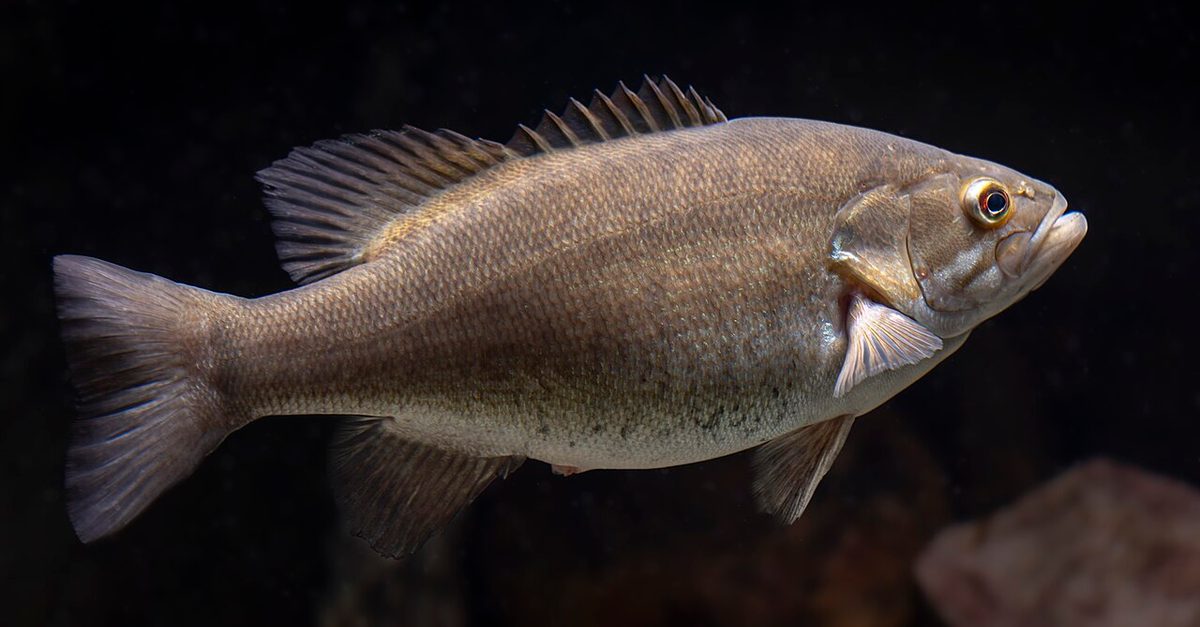
Smallmouth Bass
Micropterus dolomieu
The smallmouth bass is one of the most popular and widely distributed gamefish in North America and one of the finest freshwater species available to fly anglers. Found in clear, cool rivers and lakes from the Great Lakes to the Southern Appalachians, smallmouth bass combine aggressive feeding behavior, remarkable fighting ability, and a preference for the kinds of rocky, current-rich habitats that are ideally suited to fly fishing. Pound for pound, the smallmouth bass is widely considered the hardest-fighting freshwater fish in North America, earning it the nickname 'the bronze bomber' for its explosive takes and powerful, acrobatic battles on the end of a line. While smallmouth bass are not a traditional trout-stream species, they have become increasingly important to fly anglers as warm-water fly fishing has grown in popularity. Rivers like the French Broad in North Carolina, the Susquehanna and Delaware in Pennsylvania, and the St. Lawrence in New York support world-class smallmouth fisheries that attract dedicated fly anglers. In many regions, smallmouth bass inhabit the lower reaches of the same river systems that hold trout in their upper reaches, providing fly anglers with a warm-water counterpart to their cold-water fishing. Smallmouth bass are particularly appealing to fly anglers because they readily take surface flies. On warm summer evenings, smallmouth will crush poppers, sliders, and large dry flies with explosive strikes that rival any trout rise. Their willingness to feed on the surface, combined with their strength and acrobatic leaping ability, makes smallmouth bass on a fly rod one of the most thrilling freshwater fly fishing experiences available.
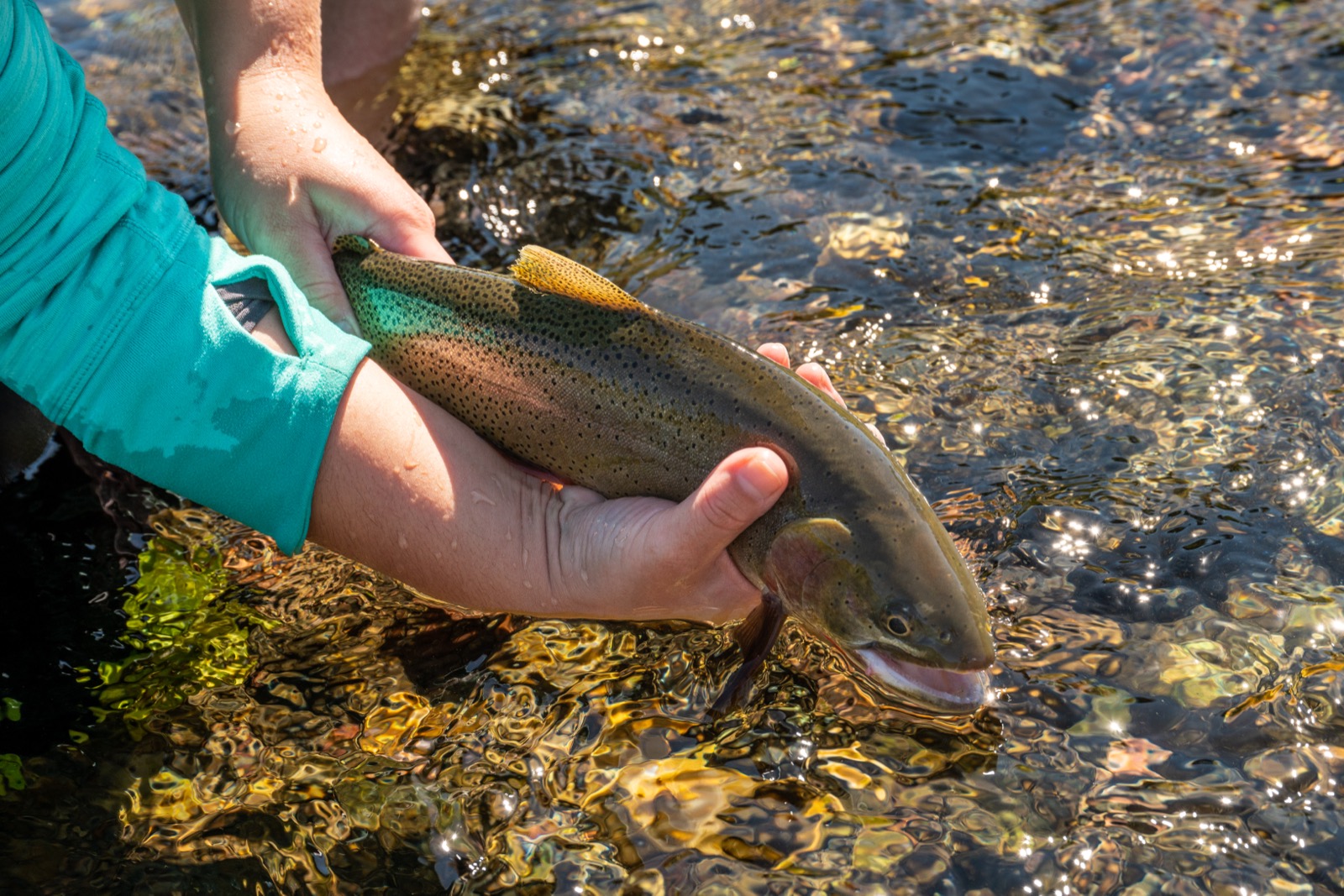
Snake River Fine-Spotted Cutthroat Trout
Oncorhynchus clarkii behnkei
The Snake River fine-spotted cutthroat trout is the signature native fish of western Wyoming and one of the most visually striking and eagerly sought trout subspecies in the American West. Named for the profusion of tiny, pepper-like spots that cover virtually the entire body, a spotting pattern denser and finer than any other cutthroat subspecies, this fish is endemic to the Snake River drainage of northwestern Wyoming and adjacent portions of eastern Idaho. The heart of its range is the legendary Snake River itself, flowing through Jackson Hole beneath the towering rampart of the Teton Range, in a landscape so dramatic that it serves as the backdrop for some of the most iconic fly-fishing imagery ever captured. Snake River fine-spotted cutthroats are among the most aggressive dry-fly feeders in the cutthroat family, a trait that has made them the centerpiece of the Jackson Hole and Snake River fly-fishing experience. During the prolific hatches of the Snake River (Pale Morning Duns, Green Drakes, Flavs, Gray Drakes, Yellow Sallies, and enormous salmonfly and golden stonefly emergences), fine-spotted cutthroats feed with an abandon that delights anglers and guides alike. A typical day of float fishing the Snake River during the early-summer hatch season can produce dozens of fish brought to hand on dry flies, with the best fish pushing 18 to 20 inches and fighting with the current-fueled power that river cutthroats are known for. Despite healthy populations in the mainstem Snake River and many of its tributaries, fine-spotted cutthroats face ongoing management challenges. Hybridization with Yellowstone cutthroats (which were historically stocked in some Snake River tributaries) and with non-native rainbow trout threatens the genetic purity of fine-spotted populations. Additionally, the fine-spotted cutthroat's range is relatively small compared to more widespread subspecies, concentrating the population in a limited geographic area. Wyoming Game and Fish Department, along with federal land managers, actively monitors fine-spotted cutthroat populations, manages for native fish in key tributaries, and maintains regulations designed to protect this iconic subspecies for future generations of anglers.
Splake
Salvelinus namaycush x Salvelinus fontinalis
The splake is a fertile hybrid between the lake trout (Salvelinus namaycush) and the brook trout (Salvelinus fontinalis), created by fisheries managers to combine the best qualities of both parent species. The name is a portmanteau of "speckled trout" (a regional name for brook trout) and "lake trout," and while natural hybridization occasionally occurs where the two species overlap, virtually all splake in North American waters are the product of deliberate hatchery propagation. By crossing a female lake trout with a male brook trout, hatcheries produce a fish that grows faster and larger than a brook trout, matures earlier than a lake trout, and tolerates the marginal conditions of small, cold ponds where neither parent thrives on its own. Splake occupy an unusual niche in fisheries management because they are a management tool as much as a gamefish. Unlike most hybrids, splake are not sterile, but their reproduction in the wild is negligible, which gives managers precise control over population density through stocking rates. This makes them ideal for waters where a self-sustaining native fishery is impossible to maintain: acidified Adirondack ponds, reclaimed lakes recovering from invasive species, and cold headwater reservoirs that would otherwise support only stunted panfish. New York's Department of Environmental Conservation has been the most aggressive proponent of splake in the eastern United States, and the fish is a signature species of the Adirondack pond program. For anglers, the splake offers the aggressive, willing-to-strike temperament of the brook trout combined with the growth potential and deep-water habits of the lake trout. Stillwater Reservoir in New York's western Adirondacks is DEC's flagship splake water, stocked by aircraft into remote sections and producing fish that regularly exceed 20 inches. The splake fights hard, takes both flies and lures readily, and provides a reliable coldwater fishery in places where wild trout cannot persist. It is one of the great success stories of applied fisheries science in the Northeast.
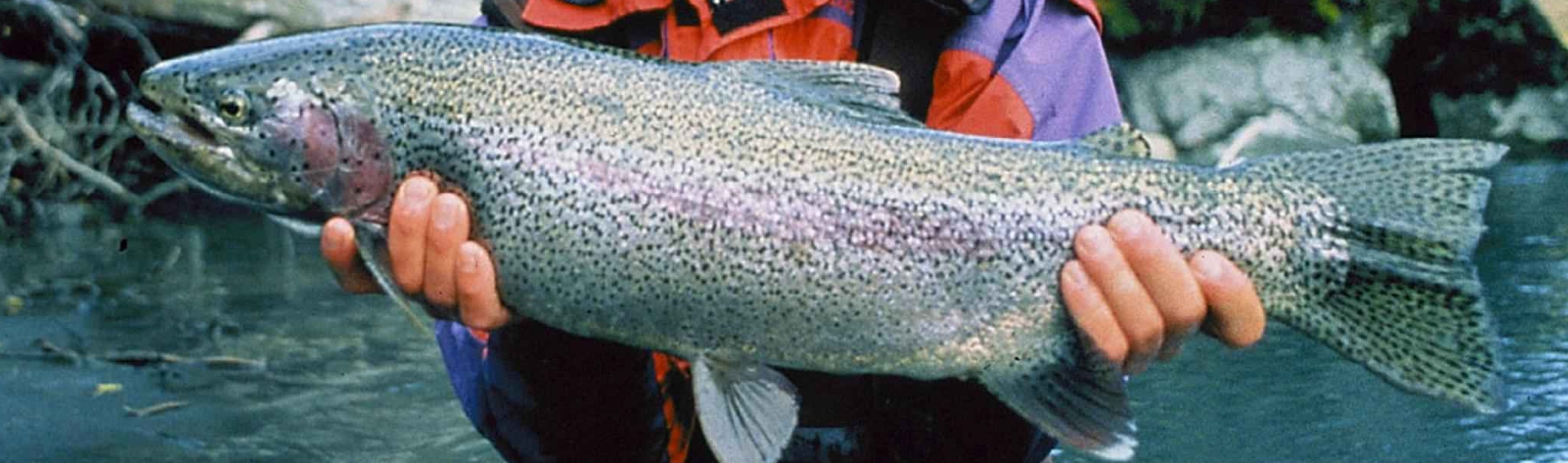
Steelhead
Oncorhynchus mykiss
The steelhead is the undisputed monarch of Pacific Northwest fly fishing, a sea-run rainbow trout that combines the power of a salmon with the acrobatics of its resident rainbow cousins, wrapped in a chrome-bright package that can exceed 20 pounds. Genetically identical to rainbow trout (Oncorhynchus mykiss), steelhead are the anadromous form of the species: born in freshwater rivers, they migrate to the Pacific Ocean as juveniles, spend one to three years feeding in the rich saltwater environment, then return to their natal rivers to spawn. This ocean migration transforms a modest stream-resident rainbow into a muscular, silver-sided powerhouse that is widely considered the greatest gamefish available to fly anglers in North America. Steelhead are found in rivers throughout the Pacific Northwest, with Idaho, Oregon, and Washington offering the most celebrated fly-fishing opportunities. Idaho's Clearwater and Salmon rivers host legendary runs of summer steelhead, B-run fish that spend extra time in the ocean and return as massive 10- to 20-pound adults. Oregon's Deschutes River is perhaps the most iconic swing-fishing destination in the world, with summer steelhead providing consistent action from July through November. Washington's Olympic Peninsula rivers, the Skagit system, and tributaries of the Columbia River offer both summer and winter steelhead runs, drawing anglers from around the globe. Swing fishing for steelhead with a spey or switch rod is widely regarded as the pinnacle of fly-fishing pursuits. The technique involves casting a fly across and downstream, then allowing it to swing through the current on a tight line, covering water methodically as the angler steps downstream between each cast. The take of a steelhead on the swing, a sudden, violent pull that can nearly wrench the rod from your hands, is an experience that steelhead anglers describe as addictive beyond reason. The combination of the cast, the swing, the anticipation, the remote and beautiful river settings, and the sheer power of the fish creates a pursuit that many dedicated anglers build their entire fishing lives around.
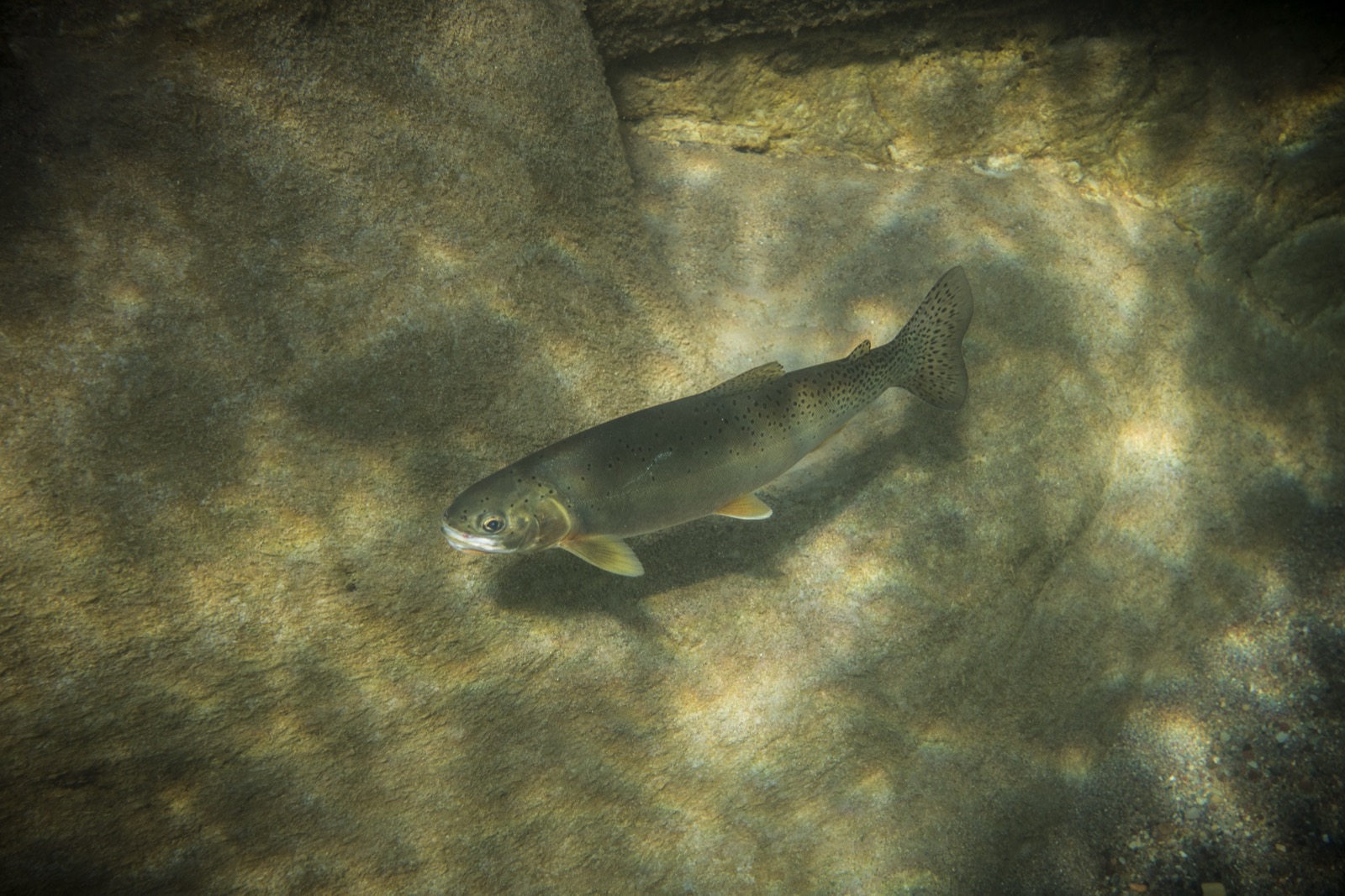
Westslope Cutthroat Trout
Oncorhynchus clarkii lewisi
The westslope cutthroat trout is the most widely distributed native trout subspecies in the northern Rocky Mountains and holds the distinction of being Montana's official state fish. This interior subspecies of cutthroat trout evolved in the upper Columbia and Missouri River drainages west of the Continental Divide, inhabiting the cold, pristine mountain streams and alpine lakes of Idaho, western Montana, and pockets of eastern Washington and Oregon. Smaller and more delicately built than their Yellowstone cutthroat cousins, westslope cutthroats are a jewel of the backcountry, their buttery gold flanks peppered with fine black spots and accented by the hallmark crimson slashes beneath the jaw that define all cutthroat trout. Westslope cutthroats are the quintessential dry-fly trout of the northern Rockies. Found in headwater streams, cascading mountain creeks, and glacially carved alpine lakes from the Bitterroot Range to the Bob Marshall Wilderness, they inhabit some of the most breathtaking landscapes in the American West. On waters like the upper Blackfoot River, Rock Creek, the South Fork Flathead, and the St. Joe River in Idaho, westslope cutthroats rise eagerly to well-presented dry flies, often in settings so remote and wild that the fishing feels almost primeval. Their willingness to eat on the surface, combined with the spectacular scenery of their home waters, makes targeting westslope cutthroats one of the most rewarding experiences in western fly fishing. Despite their cultural and ecological importance, westslope cutthroat trout occupy only a fraction of their historic range. Hybridization with non-native rainbow trout and competition from introduced brook trout have eliminated genetically pure populations from many drainages. Today, the purest remaining westslope cutthroat populations persist in isolated headwater streams above natural or man-made barriers that prevent upstream migration of non-native species. Conservation efforts across Idaho, Montana, and Washington focus on protecting these stronghold populations, removing non-native competitors, and restoring connectivity where genetically pure fish still exist. Anglers who target westslope cutthroats become some of their strongest advocates, understanding firsthand the fragile beauty of the ecosystems these fish depend upon.
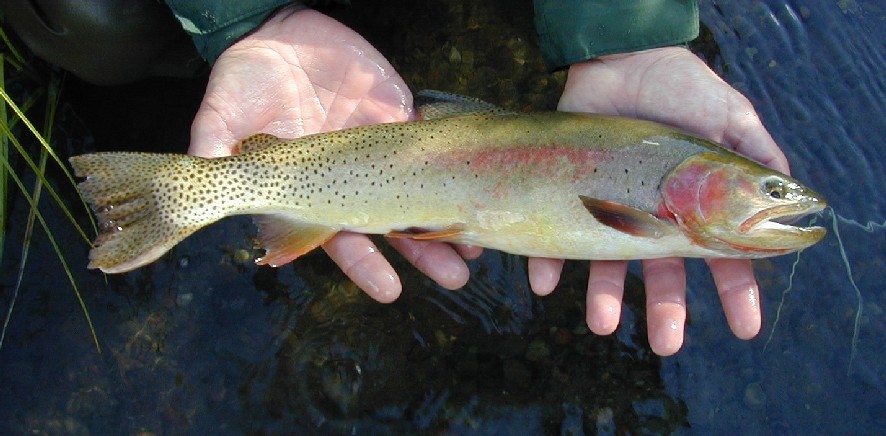
Yellowstone Cutthroat Trout
Oncorhynchus clarkii bouvieri
The Yellowstone cutthroat trout is Montana's most iconic native fish, a living symbol of the wild, untrammeled waters of the Greater Yellowstone Ecosystem. This subspecies of cutthroat trout evolved in the Yellowstone River drainage over thousands of years and is uniquely adapted to the cold, clear streams and rivers of south-central Montana. Named for the vivid red-orange slash marks beneath its lower jaw, the 'cut throat' that gives the entire cutthroat species complex its name, the Yellowstone cutthroat is one of the most beautiful and culturally significant fish in the American West. Yellowstone cutthroats are generally considered the most eager surface feeders among Montana's trout species, making them a favorite among dry-fly purists. They tend to be less wary than brown trout and more willing to eat a well-presented dry fly, even when no hatch is occurring. On their home waters (the Yellowstone River above Livingston, Slough Creek in Yellowstone National Park, the upper Lamar River, and numerous tributary streams throughout the Absaroka and Beartooth ranges), cutthroats will rise freely to attractor dry flies like Royal Wulffs, Stimulators, and Elk Hair Caddis, providing the kind of classic western dry-fly experience that anglers travel thousands of miles to enjoy. Despite their eagerness at the end of a fly line, Yellowstone cutthroat trout face significant conservation challenges. Habitat loss, hybridization with introduced rainbow trout, competition from non-native brook trout and lake trout, and the impacts of whirling disease have reduced their historic range by roughly 60 percent. Montana Fish, Wildlife & Parks, along with federal agencies and conservation groups, has invested heavily in cutthroat restoration projects, including barrier construction to prevent upstream migration of non-native species and targeted removal of lake trout from Yellowstone Lake. Anglers play an important role in cutthroat conservation by practicing careful catch-and-release techniques and supporting habitat protection efforts.