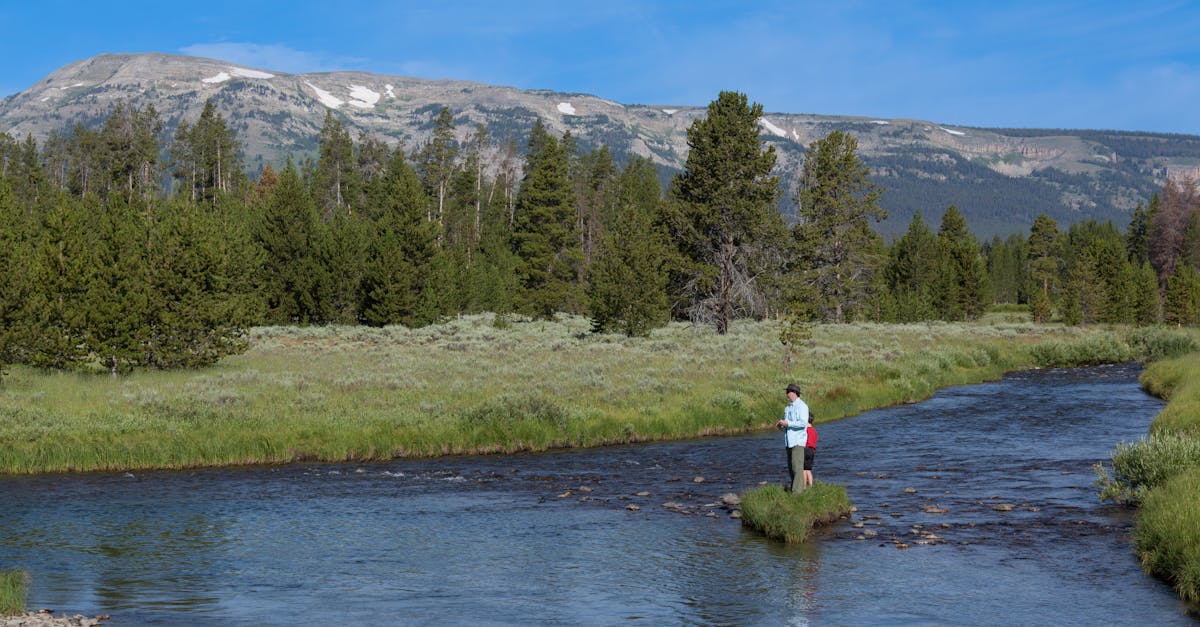
North Platte River
The North Platte River through central Wyoming is home to the legendary Grey Reef and Miracle Mile sections, two of the most productive tailwater fisheries in the American West. With trout densities exceeding 5,000 fish per mile and trophy browns and rainbows routinely topping 20 inches, this is destination fly fishing at its finest.
North Platte River Fishing Report & Current Conditions
The North Platte River is a tailwater fishery, and it fishes best in spring, summer, fall and winter. Live USGS streamflow readings update throughout the day, while the monthly median flows below map the river's typical discharge across the year. Together they show current fishability and how today's water compares to the seasonal norm.
Current Conditions
Typical Monthly Flows
Historical median discharge (CFS) by month: North Platte River
Overview
The North Platte River is Wyoming's crown jewel of fly fishing. Flowing north from the Colorado border through the Medicine Bow National Forest and across the high plains of central Wyoming, it passes through a series of reservoirs (Seminoe, Pathfinder, Alcova, and Grey Reef) that create world-class tailwater fisheries between each dam. The two most celebrated sections are the Miracle Mile between Seminoe and Pathfinder reservoirs and the Grey Reef section below Grey Reef Dam near Casper.
The Grey Reef section has earned its reputation as one of the finest tailwater fisheries in the lower 48 states. American Angler Magazine named it the number one stretch of river in the country for size and number of trout. Recent Wyoming Game & Fish Department surveys have documented over 5,200 trout per mile in the upper Grey Reef, with fish averaging 16 to 19 inches. Wild rainbow trout dominate the population, supplemented by robust brown trout that can exceed 25 inches. The consistent cold-water releases from Grey Reef Dam support prolific insect hatches year-round, making this a 365-day fishery.
The Miracle Mile, actually a 5.5-mile stretch between Seminoe and Pathfinder reservoirs, offers a different but equally compelling experience. Here the river runs through a remote high-desert canyon with dramatic rock formations and virtually no development. Trophy brown trout and rainbow trout cruise the deep, slow pools and tailouts, feeding heavily on scuds, midges, and leeches. Fish over 10 pounds are taken here each year, and the Miracle Mile consistently produces some of the largest trout caught in Wyoming.
Above the reservoirs, the upper North Platte near Saratoga and Encampment is a classic freestone river flowing through ranch meadows and cottonwood bottoms. This section offers more intimate fishing with smaller trout but beautiful scenery and less pressure. The town of Saratoga serves as the gateway to the upper river and provides a charming base camp with hot springs, fly shops, and a walkable downtown.
The North Platte's diversity is its greatest strength. From the technical tailwater fishing at Grey Reef to the trophy hunting on the Miracle Mile to the pastoral freestone character above Saratoga, this river system offers something for every angler. Wyoming Game & Fish has invested heavily in access infrastructure, and the combination of public land and walk-in fishing areas provides abundant opportunities for both wade and float fishing.
Water Characteristics
The North Platte's tailwater sections, Grey Reef and Miracle Mile, benefit from cold, nutrient-rich dam releases that create ideal conditions for aquatic insect production and trout growth. Grey Reef Dam releases water from the bottom of Alcova Reservoir, maintaining year-round temperatures between 40 and 55 degrees Fahrenheit. This thermal stability supports dense populations of midges, BWOs, PMDs, caddisflies, and scuds. Water clarity is typically excellent, ranging from 4 to 10 feet of visibility, though dam release changes can temporarily reduce clarity.
The Grey Reef riverbed is composed of clean gravel and small cobble over a sand and silt substrate, ideal spawning habitat that supports natural reproduction of both rainbow and brown trout. The aquatic vegetation (primarily algae and moss) that grows on the cobble in the tailwater sections provides critical habitat for midge larvae, scuds, and sowbugs. This rich food base drives the exceptional trout densities and growth rates that define the fishery.
The Miracle Mile has different water characteristics: deeper, slower, and more pool-dominated than the Grey Reef. The substrate is a mix of gravel, sand, and silt, with extensive weed beds that harbor enormous populations of scuds, leeches, and midge larvae. Water temperatures are slightly warmer than Grey Reef due to the shallower Seminoe Dam impoundment, typically ranging from 45 to 60 degrees. The upper freestone river near Saratoga is a classic snowmelt-driven stream with higher seasonal variability, running clear and cold from July through March and experiencing significant runoff from May through late June.
Wading & Float Guide
The Grey Reef section of the North Platte offers excellent wading opportunities along much of its length. The riverbed is composed of clean gravel and small cobble, providing reasonably stable footing. At normal tailwater flows of 500 to 1,500 cfs, the river is comfortably wadeable in many areas, particularly along the margins, gravel bars, and shallow riffles. However, the main channel can be deep and powerful, and anglers should exercise caution when crossing or wading deeper than mid-thigh. A wading staff is recommended, especially during higher releases from Grey Reef Dam. Felt-soled or studded rubber-soled boots provide the best traction on the algae-slicked cobble.
The Miracle Mile presents a different wading challenge. The river here is generally deeper and slower than at Grey Reef, with a substrate of silt, sand, and gravel. Wading is possible in many areas, but the soft bottom can make footing uncertain, and deep pools and channels drop off quickly. The remote canyon setting means help is far away if you get into trouble; always fish with a partner. Chest waders are essential even in summer, as the water remains cold year-round from the dam releases. During winter, ice shelves along the banks require careful navigation.
The upper North Platte near Saratoga is a classic freestone wading river. The river flows through broad meadows with a gravel and cobble bottom that rarely exceeds waist depth during summer flows. This is comfortable wading water for anglers of all experience levels. The main hazards are undercut banks and deeper pools at outside bends. Spring runoff from late May through June can push the upper river to unfishable levels, but by July it typically drops to prime wading conditions.
Grey Reef Dam to Lusby Public Access
The premier float on the North Platte. Consistent tailwater flows create ideal drift boat water through the highest-density trout section. Long glides, riffles, and deep runs hold thousands of trout per mile. Year-round fishing with prolific midge and BWO hatches. This is the most popular float on the river, so expect company during peak season.
Lusby Public Access to Government Bridge
Continuation of the Grey Reef tailwater through slightly less pressured water. The river widens and develops more classic riffle-run-pool structure. Excellent PMD and caddis hatches in summer. Brown trout become more prevalent in this lower section. Good wade fishing access at both ends.
Government Bridge to Cardwell (Casper)
The lower Grey Reef float approaching Casper. Trout densities decrease but average size remains good. The river takes on more of a transitional character between tailwater and plains river. Good fall streamer fishing for large brown trout staging near the city.
Miracle Mile (Seminoe Dam to Pathfinder Reservoir)
Not a standard float; most anglers wade this section or fish from shore. The remote canyon setting requires a high-clearance vehicle to access. Trophy brown and rainbow trout cruise deep pools and feed on scuds, midges, and leeches. No rapids but limited take-out options require planning.
Rod & Tackle Guide
Grey Reef (Dam to Government Bridge)
- Rod
- 9' 5-weight
- Line
- Weight-forward floating
- Leader & Tippet
- 9'-12' tapered to 5X-6X (midge/BWO), 9' tapered to 4X (PMD/caddis/hopper-dropper)
The 5-weight is the Grey Reef workhorse. Long leaders and light tippet are essential for the clear tailwater. During midge hatches, dropping to 6X fluorocarbon tippet can make the difference between a 5-fish day and a 25-fish day. Bring a selection of strike indicators: small yarn indicators for midge fishing, larger foam indicators for nymph rigs.
Miracle Mile (Seminoe Dam to Pathfinder)
- Rod
- 9' 6-weight
- Line
- Weight-forward floating (sink-tip for streamers)
- Leader & Tippet
- 7.5'-9' tapered to 3X-4X (nymph/streamer), 9' to 5X (midge/dry fly)
Step up to a 6-weight for the Miracle Mile; you need the power to throw weighted nymph rigs and fight trophy-class fish in deep water. A sink-tip line is valuable for getting streamers and leeches down in the deep pools. Heavy tippet (3X) is appropriate for the larger flies and bigger fish found here.
Upper North Platte (Saratoga area)
- Rod
- 9' 4-weight or 5-weight
- Line
- Weight-forward floating
- Leader & Tippet
- 9' tapered to 4X-5X
The upper freestone river calls for lighter tackle. A 4-weight is ideal for the more intimate water and smaller average fish size. Hopper-dropper rigs are the go-to from July through September. The open meadows can be windy, so a weight-forward line that loads quickly is helpful for punching into the breeze.
Best Time to Fish the North Platte River
Spring
March and April bring excellent midge and BWO activity on the Grey Reef. Fish Zebra Midges (#18-22) in tandem rigs through slow runs and along weed beds. BWO hatches (#18-20) begin on overcast afternoons in late March and build through April. As water temperatures rise in May, PMD nymphs become increasingly effective. Spring runoff affects the upper freestone sections but the tailwater sections below dams fish year-round with consistent flows. Watch Grey Reef Dam releases; fishable flows are typically 500-1,500 cfs.
Summer
Summer is prime time on the Grey Reef. PMD hatches (#16-18) from June through August provide outstanding dry-fly fishing, with spinners in the morning and duns in the afternoon. Caddis (#14-16) blanket the water on summer evenings. Trico spinner falls (#20-22) in July and August offer technical but rewarding fishing. The Miracle Mile fishes well all summer with scud patterns (#14-16), Woolly Buggers, and leech patterns through the deep pools. The upper river near Saratoga clears from runoff by early July and offers hopper-dropper fishing through September.
Fall
September through November is trophy season. Large brown trout move into spawning mode, becoming aggressive toward streamers. Swing Woolly Buggers, Sculpzillas, and articulated patterns (#2-6) along undercut banks at Grey Reef and in the deeper runs of the Miracle Mile. Fall BWO hatches (#18-20) are exceptional on the Grey Reef from late September through November, rivaling the spring emergence. October is arguably the best month: lighter pressure, aggressive fish, and consistent hatches overlap with streamer fishing.
Winter
The Grey Reef and Miracle Mile are true year-round fisheries. Winter midge fishing (#20-24) from December through February can produce extraordinary days with virtually no competition. Fish the warmest part of the day (10 AM to 2 PM) with midge larvae and emerger patterns dead-drifted through slow, deep runs. RS2s and Mercury Midges are essential. Dress warmly and be prepared for wind, as the central Wyoming plains are exposed. Ice along the banks can make access challenging, but the tailwater sections remain ice-free in the main channel.
Fishing Pressure & Local Tips
The Grey Reef section receives moderate to heavy fishing pressure from May through October, particularly on weekends and during peak hatch periods. The proximity to Casper (Wyoming's second-largest city, 30 miles away) and the river's national reputation attract both local anglers and destination fly fishers from across the country. Guided drift boat trips are common, and the most popular put-in at Grey Reef Dam can see 15 to 25 boats launching on summer weekends. However, the 12-mile tailwater section distributes pressure reasonably well, and wade anglers who walk away from access points can find solitude even during peak season.
The Miracle Mile sees significantly less pressure due to its remote location and the rough dirt road access. Winter and early spring offer the lightest pressure on both sections; midweek winter days on the Grey Reef can feel like a private fishery. The upper North Platte near Saratoga sees light to moderate pressure, primarily from local anglers and guests at the handful of lodges and ranches in the area. Overall, the North Platte offers a better pressure-to-quality ratio than comparable tailwaters in Colorado or Montana.
Local Knowledge
On the Grey Reef, success often hinges on reading the daily dam release schedule. Wyoming Game & Fish and the Bureau of Reclamation adjust flows from Grey Reef Dam, and trout feeding behavior responds dramatically. Rising water levels often trigger a burst of feeding activity as displaced insects wash downstream. Conversely, rapidly dropping flows can shut fish down. Check the USGS gauge at Alcova before heading out and pay attention to flow trends throughout the day.
Midge fishing is the foundation of Grey Reef success year-round. While PMDs and caddis get the glory, midges hatch every single day and trout key on them more consistently than any other food source. Master the midge: learn to fish tandem midge rigs (#18-22 Zebra Midges, Mercury Midges, and RS2 emergers) in the film and just below the surface. When trout are rising to midges, an RS2 or Griffith's Gnat in the surface film is more effective than a nymph rig.
For the Miracle Mile, think big and slow. Trophy trout in this section cruise the deep pools and slow runs feeding on scuds, leeches, and minnows. A weighted scud pattern (#14-16 Ray Charles or Czech nymph) fished near the bottom with a long leader and strike indicator is the most consistent producer. In the early morning and late evening, stripping a Woolly Bugger or leech pattern through the deep water can connect you with the largest trout in the system. The key to the Miracle Mile is patience; the fish are big but not numerous, and you may need to cover significant water before finding a pod of feeding trout.
Species Present
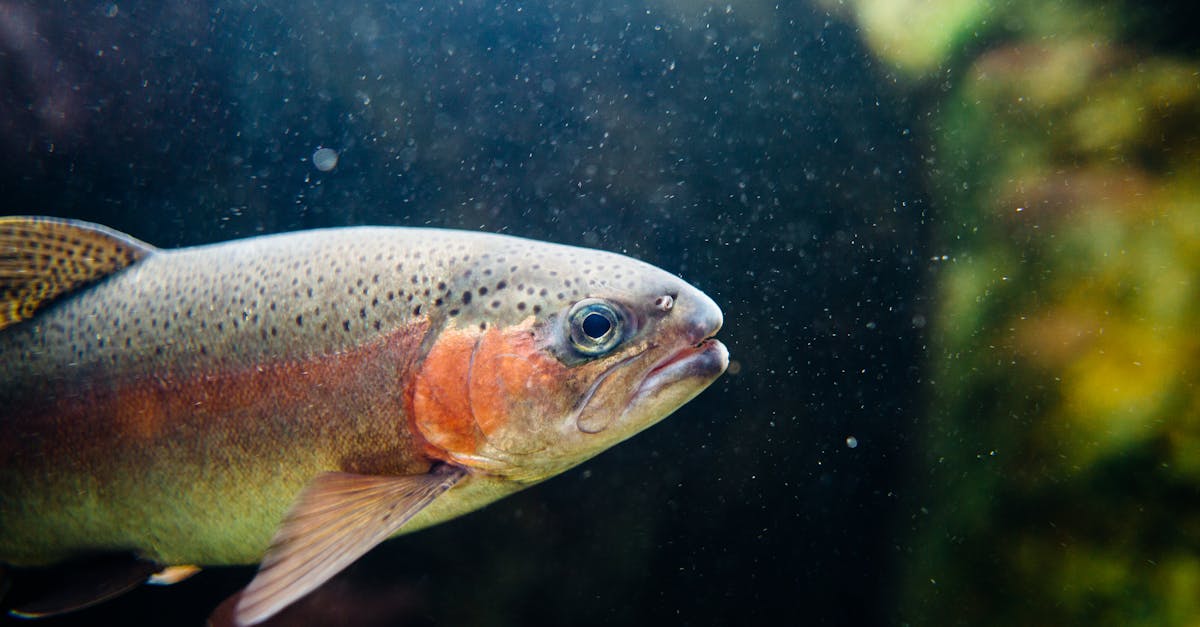
Rainbow Trout
The rainbow trout is Montana's most widespread and popular gamefish, celebrated for its explosive surface strikes, aerial acrobatics, and willingness to take a well-presented dry fly. Native to Pacific Coast drainages from Alaska to Mexico, rainbows were first introduced to Montana's waters in the late 1800s and have since established thriving populations in nearly every major river system in the state. On legendary waters like the Madison, Missouri, and Bighorn, wild rainbow trout grow fat on prolific insect hatches and provide some of the finest dry-fly fishing in North America. Rainbow trout in Montana display remarkable variation depending on their home water. Fish in nutrient-rich tailwaters like the Missouri River below Holter Dam can exceed 20 inches with regularity, their deep bodies and broad tails reflecting the abundant food supply. Freestone river rainbows, such as those in the upper Madison and Gallatin, tend to be leaner and more athletic, shaped by faster currents and colder water temperatures. In many Montana rivers, rainbows spawn in the spring from March through June, and anglers should be mindful of spawning redds during this period to protect future generations of fish. Rainbows are arguably the most versatile trout species for fly anglers. They respond well to dry flies during hatches, aggressively chase streamers, and feed heavily on nymphs subsurface throughout the year. Their fighting ability is legendary: a hooked rainbow will often launch itself completely out of the water multiple times during a battle. Montana's catch-and-release regulations on many blue-ribbon streams have produced exceptional rainbow trout fisheries with high densities of large, healthy fish that continue to draw anglers from around the world.
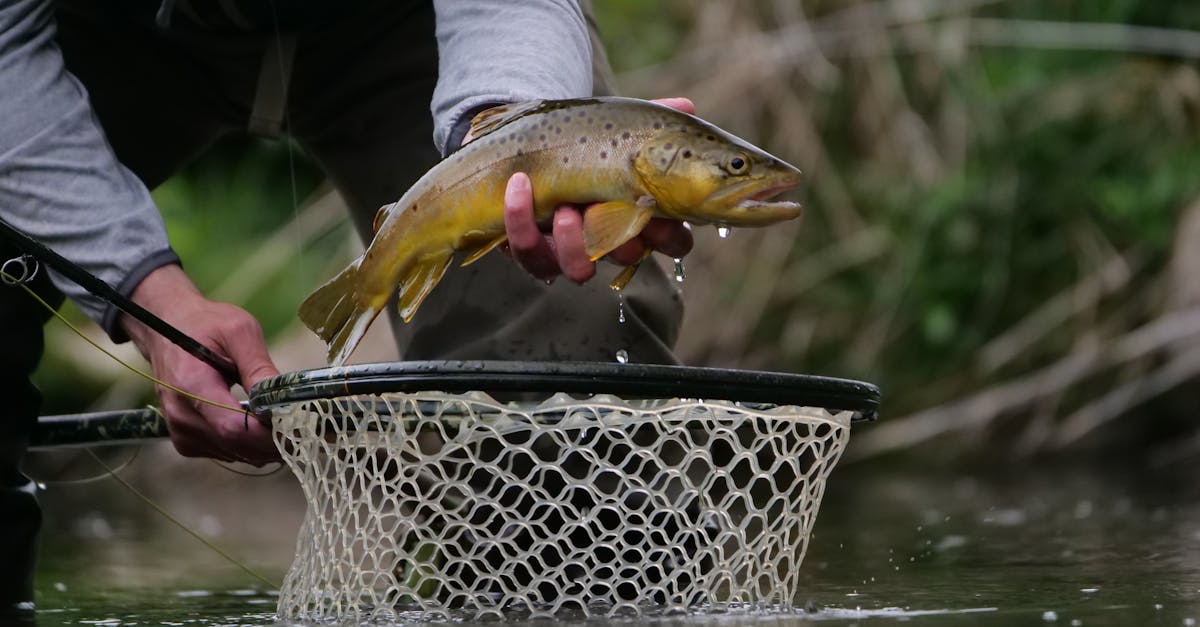
Brown Trout
The brown trout is the most cunning and elusive trout species swimming in Montana's rivers, and it rewards patient, skilled anglers with some of the state's most memorable catches. Originally native to Europe and western Asia, brown trout were first introduced to North American waters in 1883 and arrived in Montana shortly thereafter. They have since established robust, self-sustaining populations in virtually every major trout stream in the state, from the legendary spring creeks of the Paradise Valley to the sweeping runs of the lower Madison and the deep pools of the Bighorn. Brown trout grow larger than any other trout species in Montana, and fish exceeding 24 inches are caught with regularity on premium waters. The lower Madison River, the Missouri River below Holter Dam, and the Bighorn River are particularly renowned for producing trophy-class browns. Unlike rainbows, brown trout spawn in the fall (October through November), and their aggressive pre-spawn behavior creates an exciting window for streamer fishing as large males become territorial and attack anything that enters their domain. Browns are notably more nocturnal than other trout species, and many of the biggest fish are caught during low-light conditions. What sets brown trout apart from other species is their wariness and selectivity. Large browns are notoriously difficult to fool, often refusing flies that are even slightly off in size, color, or presentation. They tend to establish and defend prime feeding lies (undercut banks, logjams, deep pools, and boulder gardens), and an angler who learns to read water and identify these holding spots will consistently catch more and larger fish. This combination of difficulty, size potential, and intelligence makes the brown trout the most prized quarry for many serious Montana fly fishers.
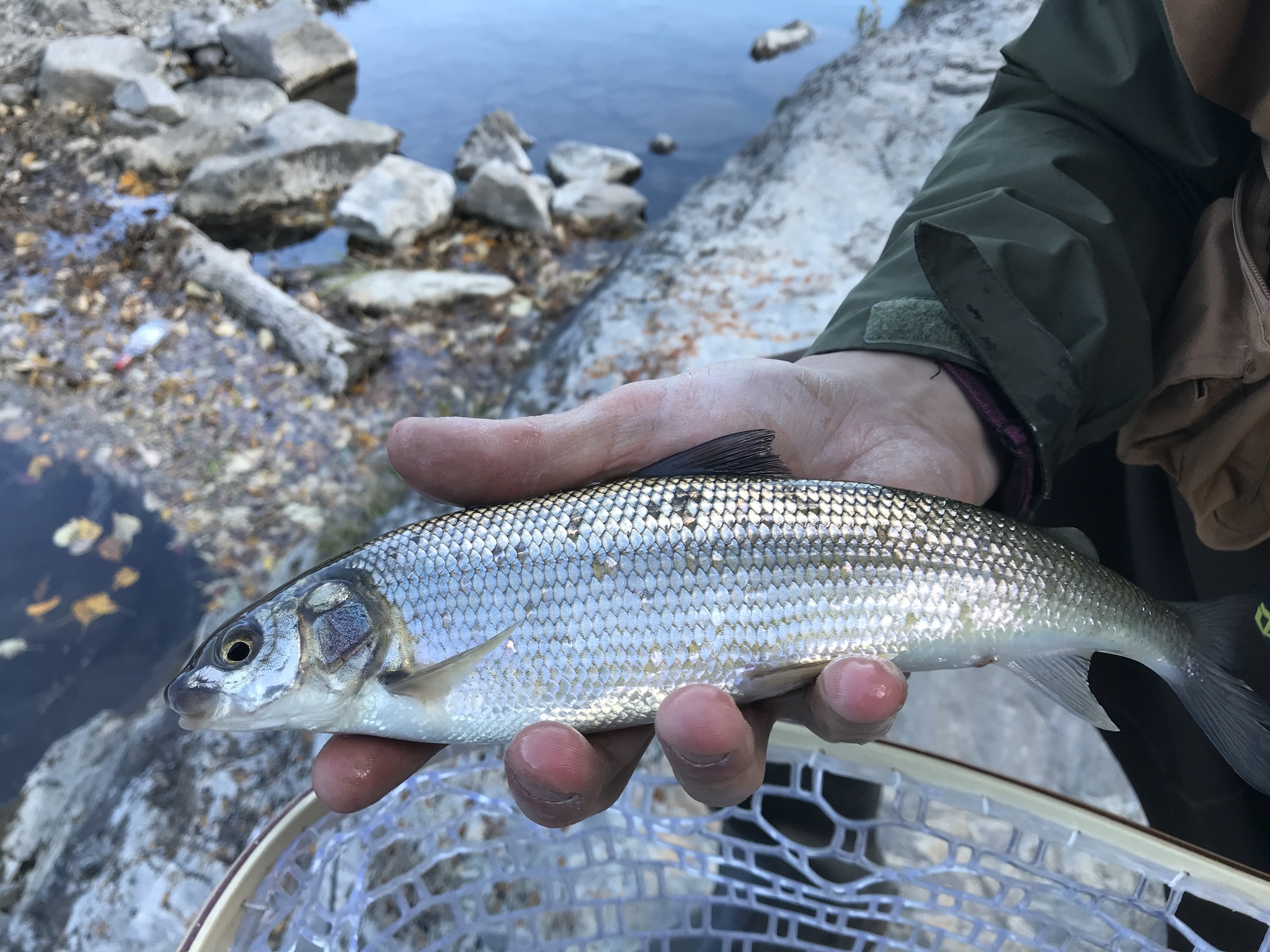
Mountain Whitefish
The mountain whitefish is one of Montana's most abundant native salmonids and arguably the most underappreciated gamefish in the state. A member of the whitefish subfamily (Coregoninae) within the broader salmonid family, mountain whitefish are present in virtually every cold-water river and large stream in Montana, often outnumbering trout by significant margins. On rivers like the Madison, Gallatin, Yellowstone, and Bitterroot, whitefish populations can exceed 1,000 fish per mile, making them the dominant salmonid species by biomass in many reaches. Despite this abundance, most fly anglers overlook whitefish entirely or view them as an unwelcome catch, which is unfortunate because they can provide outstanding sport on light tackle. Mountain whitefish are an important ecological component of Montana's river systems. They serve as a primary food source for larger brown trout, bald eagles, ospreys, otters, and other predators. Their fall spawning behavior (typically October through December) plays a critical role in nutrient cycling, and their eggs provide food for other fish and aquatic invertebrates during the lean winter months. In recent years, whitefish populations have been used as indicator species for overall river health, and declines in whitefish numbers on some Montana rivers have raised concerns about changing water conditions and disease pressure. For anglers willing to target them intentionally, mountain whitefish offer several advantages. They feed actively throughout the winter months when trout fishing can be slow, they are abundant and widely distributed, and they fight with surprising strength for their size; a 16-inch whitefish on a 3- or 4-weight rod provides a memorable tussle. Whitefish are also excellent table fare, with firm, mild-flavored white flesh that is delicious smoked or fried. Montana regulations typically allow a generous harvest limit for whitefish, recognizing their abundance and the role that harvest can play in managing populations on some waters.
North Platte River Hatch Chart
| Insect | Suggested Fly | Jan | Feb | Mar | Apr | May | Jun | Jul | Aug | Sep | Oct | Nov | Dec |
|---|---|---|---|---|---|---|---|---|---|---|---|---|---|
Midges morning | Zebra Midge | ||||||||||||
Blue-Winged Olive (Baetis) afternoon | BWO Emerger | ||||||||||||
Blue-Winged Olive (Baetis) afternoon | Parachute Adams | ||||||||||||
Pale Morning Dun morning | PMD Comparadun | ||||||||||||
Caddisflies (various) evening | Elk Hair Caddis | ||||||||||||
Trico morning | Trico Spinner | ||||||||||||
Scuds & Sowbugs all day | Ray Charles | ||||||||||||
Terrestrials (hoppers, beetles) afternoon | Chubby Chernobyl | ||||||||||||
RS2 Emerger (midge/BWO) morning | RS2 |
Midges: Year-round foundation of Grey Reef fishing. Sizes 18-24. Clusters of adults and emergers in the film.
Blue-Winged Olive (Baetis): Outstanding spring BWO hatches on overcast days at Grey Reef. Size 18-20.
Blue-Winged Olive (Baetis): Fall BWO emergence rivals the spring hatch. Parachute Adams in size 18-20.
Pale Morning Dun: Prime summer dry-fly hatch at Grey Reef. PMD Comparadun size 14-18.
Caddisflies (various): Summer evening caddis flights. Elk Hair Caddis size 14-16.
Trico: Technical spinner falls at Grey Reef. Trico Spinner size 20-22.
Scuds & Sowbugs: Primary food source on the Miracle Mile. Ray Charles scud size 14-16.
Terrestrials (hoppers, beetles): Hopper-dropper fishing on the upper freestone river near Saratoga.
RS2 Emerger (midge/BWO): Essential emerger pattern for Grey Reef midge and BWO activity. Size 18-22.
Recommended Flies
Zebra Midge
Top Pick#1 fly on the Grey Reef year-round; essential in winter
Best in winter
RS2
Top PickCritical midge/BWO emerger for Grey Reef surface feeders
Best in spring
PMD Comparadun
Top PickTHE fly during PMD hatches at Grey Reef
Best in summer
Parachute Adams
Top PickUniversal mayfly imitation covering BWOs, PMDs, and Tricos
Best in summer
Trico Spinner
Top PickTechnical Trico mornings produce exceptional fishing
Best in summer
Ray Charles
Top PickEssential scud pattern for the Miracle Mile
Best in spring
Pheasant Tail Nymph
Top PickAll-purpose nymph; effective year-round as dropper
Best in spring
Woolly Bugger
Top PickStrip along banks for fall browns at Grey Reef and Miracle Mile
Best in fall
Curated Fly Boxes
North Platte Tailwater Box
Year-roundTechnical patterns for Grey Reef and the Miracle Mile: the midge, BWO, and scud imitations that produce on Wyoming's premier tailwater.
Access Points & Boat Launches
Grey Reef Dam Access
Boat LaunchEasyThe primary put-in for Grey Reef drift boat floats, located immediately below Grey Reef Dam. A concrete boat ramp, barrier-free fishing pier, and restrooms make this the most developed access point on the North Platte tailwater. Expect company; this is the most popular launch on the river during summer months.
Lusby Public Access Area
Boat LaunchEasyMid-river access point on the Grey Reef section, commonly used as a take-out for shorter floats from the dam or as a put-in for the lower Grey Reef float. Good bank fishing access both upstream and downstream. The parking area accommodates drift boat trailers and has vault toilets.
Government Bridge Access
Boat LaunchEasyTake-out point for the full Grey Reef float and the start of the lower North Platte sections approaching Casper. A gravel boat ramp and parking area serve drift boats and rafts. Wade fishing access to the transitional water between the tailwater and plains river sections.
Miracle Mile Access (Seminoe Dam)
Wade AccessModerate (rough road access)Remote access to the legendary Miracle Mile stretch between Seminoe and Pathfinder reservoirs. A rough dirt road leads to a parking area below Seminoe Dam. The 5.5-mile Miracle Mile section is primarily wade-fished from the banks and gravel bars. High-clearance vehicle recommended. The isolation and trophy trout make the journey worthwhile.
Pick Bridge (Saratoga)
Wade AccessEasyWalk-in wade access to the upper North Platte freestone section near Saratoga. The bridge crossing provides upstream and downstream access to wadeable riffles and meadow runs. This is a quieter alternative to the Grey Reef tailwater, with a more intimate freestone character and smaller but willing trout.
Regulations
Regulations
Grey Reef section (Grey Reef Dam downstream to Robertson Road Bridge): Artificial flies and lures only, trout limit 1 per day, all trout under 20 inches must be released immediately. Miracle Mile (Seminoe Dam to Pathfinder Reservoir): Artificial flies and lures only, trout limit 1 per day, minimum size 20 inches. Upper North Platte (Saratoga area): Standard Wyoming regulations: 6 trout per day, no more than 3 over 12 inches, no more than 1 over 20 inches. Wyoming resident and nonresident fishing licenses required. Conservation stamp also required. Check current Wyoming Game & Fish Department regulations at wgfd.wyo.gov for section-specific rules and any emergency closures.
Always verify current regulations with Wyoming Game and Fish before fishing.
Some links may earn a commission. Learn more
Quick Facts
- Region
- Central Wyoming
- Water Type
- Tailwater
- River Length
- 300+ miles in Wyoming; ~12 miles of premier Grey Reef water, 5.5 miles of Miracle Mile
- Difficulty
- Intermediate
- Best Seasons
- spring, summer, fall, winter
- Trout Per Mile
- 5,200+ (upper Grey Reef section); 1,500-2,500 (Miracle Mile)
- Record Trout
- 28" brown trout (Miracle Mile); rainbow trout exceeding 26" documented at Grey Reef
- Species
- Rainbow Trout, Brown Trout, Mountain Whitefish
- USGS Gauge
- 06642000
Where to Stay
Casper
Wyoming's second-largest city and the gateway to Grey Reef. Full range of hotels, restaurants, and fly shops. The Platte River Fly Shop in town is the go-to resource for Grey Reef conditions.
Grey Reef is about 30 minutes southwest of town. Book guided float trips through local outfitters; drift boat access is the primary way to fish the reef section. Plenty of dining and lodging options at all price points.
Alcova / Pathfinder
A small lakeside community between Pathfinder and Alcova reservoirs, closer to the Miracle Mile than Casper. Cabins, RV parks, and a few rental properties provide a quieter base.
The closest lodging to the Miracle Mile. Limited amenities, so stock up on supplies in Casper before heading out. The Miracle Mile is walk-and-wade water accessible from several pulloffs along the road.