San Juan River
The San Juan River below Navajo Dam is widely regarded as one of the finest tailwater fisheries in the American West and is unquestionably New Mexico's premier fly fishing destination. With extraordinary trout densities exceeding 15,000 fish per mile in the quality waters, consistently large fish averaging 16-18 inches, and year-round fishing in crystal-clear water, the San Juan delivers world-class technical fly fishing in a stunning high-desert canyon setting.
San Juan River Fishing Report & Current Conditions
The San Juan River is a tailwater fishery, and it fishes best in spring, summer, fall and winter. Live USGS streamflow readings update throughout the day, while the monthly median flows below map the river's typical discharge across the year. Together they show current fishability and how today's water compares to the seasonal norm.
Current Conditions
Typical Monthly Flows
Historical median discharge (CFS) by month: San Juan River
Overview
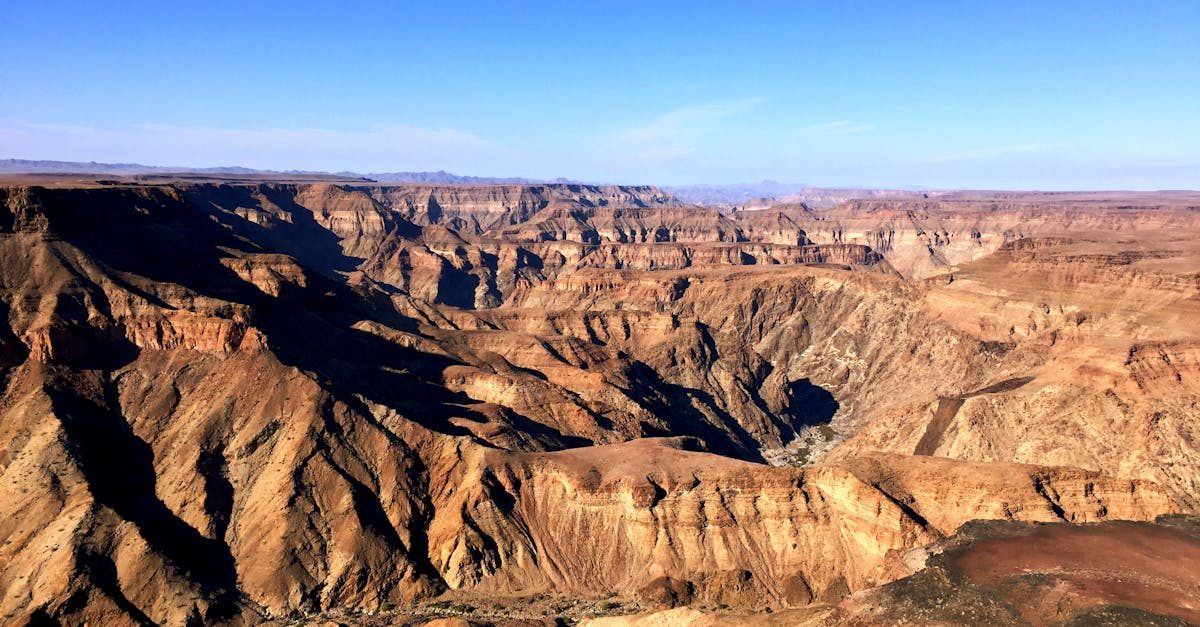
The San Juan River originates in the high San Juan Mountains of southern Colorado, flowing westward through New Mexico before entering Navajo Lake, a massive 15,000-acre reservoir completed in 1963. Below Navajo Dam, the river transforms into one of the most productive and challenging tailwater trout fisheries in North America, flowing for approximately 10 miles through a volcanic canyon before entering the Navajo Nation.
The 3.75-mile Special Trout Water section immediately below the dam is catch-and-release only with single barbless hooks, producing some of the fattest, most selective trout in the Rocky Mountain region. Cold, nutrient-rich water released from the bottom of Navajo Lake maintains a constant year-round temperature of 42-46 degrees Fahrenheit, creating a remarkably stable ecosystem that supports trout densities estimated at 15,000+ fish per mile. Rainbow trout dominate the population, with browns making up a smaller percentage and occasional Snake River cutthroat from periodic stocking efforts.
What makes the San Juan unique among western tailwaters is its prolific midge and baetis populations combined with exceptional water clarity. This is a river that demands technical precision. Anglers regularly fish size 22-28 patterns and must master long, drag-free drifts over educated fish that inspect every offering with maddening selectivity. The famous Texas Hole, the Flats, the Braids, and Simon Canyon are names known to serious tailwater anglers across the country.
The river is also remarkably accessible. Highway 511 parallels the quality waters from the dam downstream to Navajo Dam Landing, with multiple parking areas and well-maintained trails to the river. Wade fishing and float fishing are both productive, though the Special Trout Water section is primarily waded. The consistent flows (rarely experiencing sudden fluctuations typical of power-generation dams) make it a predictable fishery, though the technical demands of matching tiny hatches keep it from being a simple numbers game.
The San Juan fishes well year-round, which is unusual for the region, making it one of the few true 12-month fisheries in the Southwest. Peak periods are typically February through April when midge and BWO activity is most reliable, mid-June through July before summer heat peaks, and mid-September through mid-November during the fall transition.
Water Characteristics
The San Juan River below Navajo Dam is a textbook tailwater with exceptional clarity year-round. Visibility often exceeds 20 feet in the Special Trout Water, making it one of the clearest fishable rivers in the western United States. Water temperatures are cold and remarkably stable, typically ranging from 40-44 degrees F in winter to 46-52 degrees F in late summer. This thermal stability supports year-round insect activity and fish feeding.
The river's substrate is predominantly smooth volcanic cobble and rounded stones, a product of the ancient lava flows that shaped this canyon. The dominant food organisms are midges (Chironomidae), which are astronomically abundant year-round, along with Blue-winged Olives (Baetis), San Juan Worms (aquatic annelids that thrive in the reservoir outflow), and various scuds and sow bugs. The insect community is not as diverse as freestone rivers, but what the San Juan lacks in variety it makes up for in sheer abundance.
Water chemistry is excellent for trout growth, with good alkalinity and nutrient levels from the reservoir. The absence of significant sediment input (filtered by Navajo Lake) contributes to the exceptional clarity. Flow management from the dam is relatively stable compared to power-generation tailwaters, though irrigation releases in summer can cause significant fluctuations.
Wading & Float Guide
The San Juan River below Navajo Dam is one of the most wadeable large tailwaters in the West, though the wading demands care and attention. The river bottom is composed of smooth volcanic cobble and rounded stones, which can be slippery despite their rounded nature. Felt-soled boots or aggressive studded soles are strongly recommended. Water depths in the Special Trout Water section range from ankle-deep on the flats to chest-deep in the deeper channels and pools.
The most famous sections like Texas Hole, the Flats, and the Braids feature relatively moderate current and wadeable depths at normal flows (500-800 cfs at the Archuleta gauge). However, the crystal-clear water and smooth bottom make every step visible to fish hundreds of feet downstream, so slow, deliberate wading is essential to avoid spooking trout. Many experienced San Juan anglers fish from the bank when possible, particularly in the ultra-clear, shallow flats sections where even careful wading creates visible disturbance.
When the Bureau of Reclamation increases releases for irrigation or flood control, flows can jump to 2,000-5,000 cfs, making much of the river unwadeable and unfishable. Always check current and forecasted flows before making the trip. The lower sections below the Special Trout Water have faster current and deeper channels, and wading becomes progressively more challenging moving downstream.
Special Trout Water (Dam to Crusher Hole)
The world-famous Special Trout Water section is strictly a wade-fishing destination. No floating is permitted. Walk the well-maintained trails along both banks and fish the legendary runs: Texas Hole, the Flats, the Braids, Cable Hole, and Simon Canyon.
Crusher Hole to Navajo Dam Landing
Below the Special Trout Water, floating is permitted. This is a gentle float through big water with good trout populations, though not the extraordinary densities of the upper section. Less pressure than the wading water. Primarily drift boat or raft fishing.
Rod & Tackle Guide
Special Trout Water (wade fishing)
- Rod
- 9' 3-weight or 4-weight; 10' euro-nymphing rod also excellent
- Line
- Weight-forward floating; double-taper preferred for delicate presentations
- Leader & Tippet
- 12-15' tapered to 6X or 7X fluorocarbon
Ultra-light setup essential for the gin-clear shallow water. 6X and 7X tippet are standard. Long leaders are critical. Euro-nymphing with a 10' 2-3 weight is increasingly popular and effective. Bring multiple spools of fluorocarbon tippet.
Lower Section (float fishing)
- Rod
- 9' 4-weight or 5-weight
- Line
- Weight-forward floating
- Leader & Tippet
- 9-12' tapered to 5X or 6X
Slightly heavier rig for the bigger water below the Special Trout Water. The fish are still selective but see fewer flies. Indicator nymphing and tandem rigs work well from the boat.
Best Time to Fish the San Juan River
Spring
Spring is prime time on the San Juan, particularly February through April. Midge hatches are at their peak, with clouds of tiny insects emerging on most days between 11 AM and 3 PM. Fish midge larvae, pupae, and emergers in sizes 22-26 on 6X or 7X fluorocarbon tippet. Blue-winged Olive (Baetis) hatches begin in earnest by March, typically on overcast, drizzly days, and provide the season's best dry fly fishing. The RS2 is the signature San Juan fly for both midges and BWOs. Flows are typically stable and moderate (500-800 cfs), providing excellent wading conditions.
Summer
Summer can be more challenging on the San Juan as water temperatures climb into the upper 40s and low 50s, and increased irrigation releases can push flows high and make wading difficult. However, June and early July, before peak heat and before major release increases, can offer excellent fishing with reduced crowds compared to spring. Midge hatches continue, and occasional Pale Morning Dun and small caddis activity supplements the diet. Nymphing with midge clusters, San Juan Worms, and small mayfly patterns is consistently productive. Fish early mornings and late evenings during the hottest weeks. Always check flows before heading out, as summer irrigation releases can make the river unfishable.
Fall
Fall brings some of the San Juan's finest fishing as water temperatures cool and flows stabilize after summer irrigation season. Mid-September through mid-November is the sweet spot. BWO hatches intensify on overcast days, and midges remain prolific throughout. Brown trout become more aggressive ahead of the spawn, making them more susceptible to well-presented nymphs and occasionally taking streamers. The crowds thin compared to spring, and the cottonwoods along the river turn golden, creating a beautiful backdrop. This is a favorite season for many San Juan regulars.
Winter
The San Juan is one of the few rivers in the Southwest that fishes consistently well in winter, thanks to the stable water temperatures from Navajo Dam. Midge hatches occur on most days between 11 AM and 2 PM, even in January and February. Fish tiny (sizes 24-28) midge larvae, pupae, and emergers in black, cream, and olive. The fishing can be slower than spring, but the river is nearly deserted, and a good winter day on the San Juan is better than most rivers' best days. Dress warmly in layers, as the canyon creates a cold microclimate. Focus on the slower, deeper runs where trout conserve energy in cold water.
Fishing Pressure & Local Tips
The San Juan River is one of the most heavily pressured fly fishing destinations in the Southwest, and it shows. The Special Trout Water section, particularly the first mile below the dam including Texas Hole and the Flats, can see 50+ anglers on peak spring weekends. Guides run trips daily during the prime seasons of March-May and September-November. The fish in this section see thousands of flies per week, contributing to their legendary selectivity.
Pressure is most intense on weekends, particularly Saturday mornings. Anglers arrive as early as 5 AM to claim prime sections like Texas Hole before sunrise. Weekday fishing offers a dramatically different experience, with significantly fewer anglers and more relaxed fish. The lower sections below the Special Trout Water receive considerably less attention despite holding good trout populations, and winter sees the lightest pressure of all.
To maximize your San Juan experience, fish weekdays if possible, arrive very early on weekends, or focus on the less-pressured lower sections and the Braids area, which many anglers skip.
Local Knowledge
The San Juan is famously a "presentation fishery" more than a "pattern fishery." How you present your fly matters far more than which specific pattern is on your tippet. Drag-free drifts are absolutely critical. Even micro-drag invisible to the angler will be detected by these educated fish that have all day to inspect offerings in the clear, slow water. Use reach casts, pile casts, and slack-line presentations. Leaders of 12-15 feet are standard, and 6X or 7X fluorocarbon tippet is the norm.
Sight fishing is viable in many sections. Polarized sunglasses are essential. Look for cruising fish and lead them with your cast, placing the fly in their feeding lane several feet ahead. The fish here eat subsurface 90% of the time, so nymphing (either indicator or euro-nymphing rigs) dominates. When fish are rising to midges or BWOs, match the specific stage of the hatch: larva, pupa, emerger, or adult.
Local fly shops (Abe's Motel & Fly Shop, Born-N-Raised, and Duranglers in nearby Durango, CO) are invaluable resources and maintain daily fishing reports. If you are new to the San Juan, booking a guided half-day or full-day trip will compress years of learning into a single session. The USGS gauge at Archuleta (09355500) is the key flow reference: optimal fishing occurs at 500-800 cfs.
Species Present
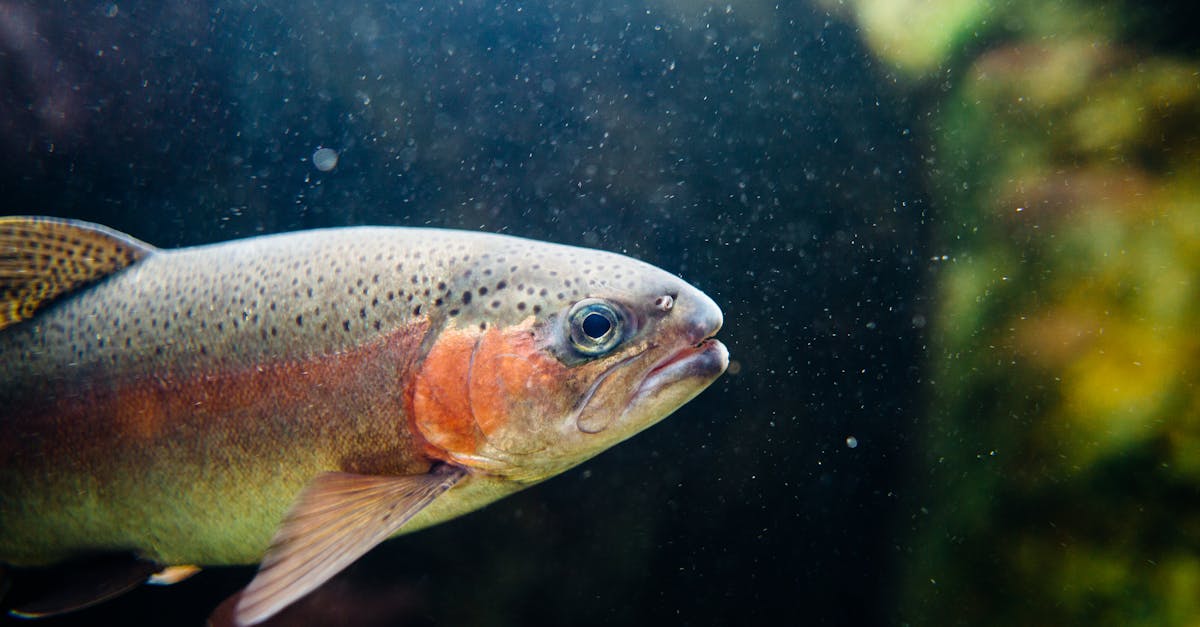
Rainbow Trout
The rainbow trout is Montana's most widespread and popular gamefish, celebrated for its explosive surface strikes, aerial acrobatics, and willingness to take a well-presented dry fly. Native to Pacific Coast drainages from Alaska to Mexico, rainbows were first introduced to Montana's waters in the late 1800s and have since established thriving populations in nearly every major river system in the state. On legendary waters like the Madison, Missouri, and Bighorn, wild rainbow trout grow fat on prolific insect hatches and provide some of the finest dry-fly fishing in North America. Rainbow trout in Montana display remarkable variation depending on their home water. Fish in nutrient-rich tailwaters like the Missouri River below Holter Dam can exceed 20 inches with regularity, their deep bodies and broad tails reflecting the abundant food supply. Freestone river rainbows, such as those in the upper Madison and Gallatin, tend to be leaner and more athletic, shaped by faster currents and colder water temperatures. In many Montana rivers, rainbows spawn in the spring from March through June, and anglers should be mindful of spawning redds during this period to protect future generations of fish. Rainbows are arguably the most versatile trout species for fly anglers. They respond well to dry flies during hatches, aggressively chase streamers, and feed heavily on nymphs subsurface throughout the year. Their fighting ability is legendary: a hooked rainbow will often launch itself completely out of the water multiple times during a battle. Montana's catch-and-release regulations on many blue-ribbon streams have produced exceptional rainbow trout fisheries with high densities of large, healthy fish that continue to draw anglers from around the world.
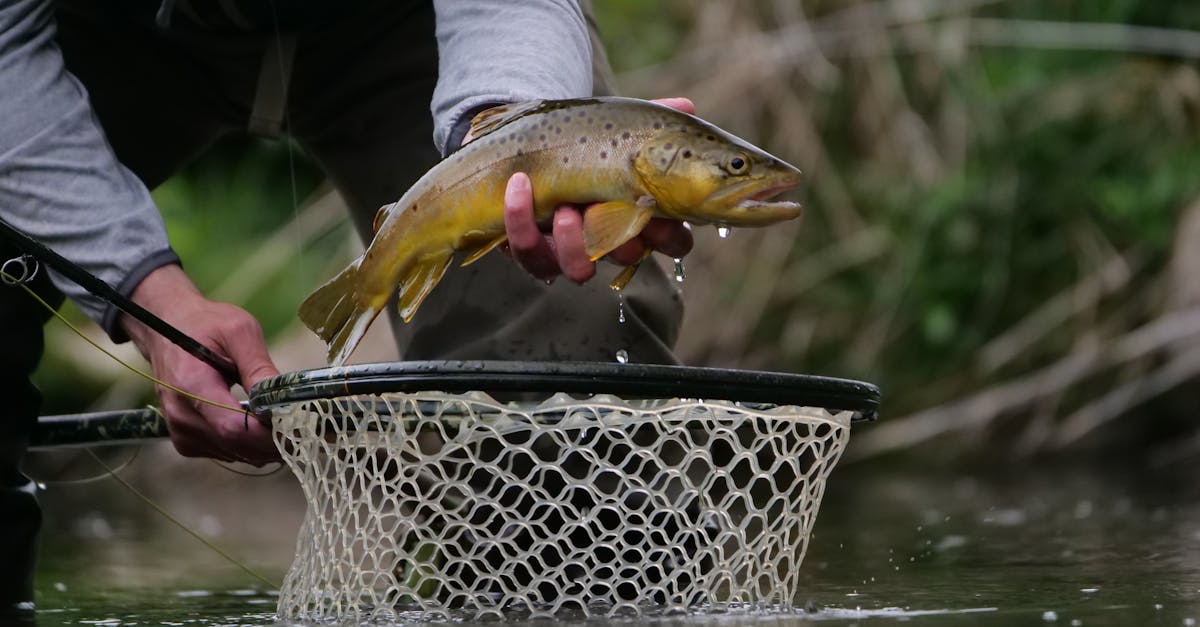
Brown Trout
The brown trout is the most cunning and elusive trout species swimming in Montana's rivers, and it rewards patient, skilled anglers with some of the state's most memorable catches. Originally native to Europe and western Asia, brown trout were first introduced to North American waters in 1883 and arrived in Montana shortly thereafter. They have since established robust, self-sustaining populations in virtually every major trout stream in the state, from the legendary spring creeks of the Paradise Valley to the sweeping runs of the lower Madison and the deep pools of the Bighorn. Brown trout grow larger than any other trout species in Montana, and fish exceeding 24 inches are caught with regularity on premium waters. The lower Madison River, the Missouri River below Holter Dam, and the Bighorn River are particularly renowned for producing trophy-class browns. Unlike rainbows, brown trout spawn in the fall (October through November), and their aggressive pre-spawn behavior creates an exciting window for streamer fishing as large males become territorial and attack anything that enters their domain. Browns are notably more nocturnal than other trout species, and many of the biggest fish are caught during low-light conditions. What sets brown trout apart from other species is their wariness and selectivity. Large browns are notoriously difficult to fool, often refusing flies that are even slightly off in size, color, or presentation. They tend to establish and defend prime feeding lies (undercut banks, logjams, deep pools, and boulder gardens), and an angler who learns to read water and identify these holding spots will consistently catch more and larger fish. This combination of difficulty, size potential, and intelligence makes the brown trout the most prized quarry for many serious Montana fly fishers.
San Juan River Hatch Chart
| Insect | Suggested Fly | Jan | Feb | Mar | Apr | May | Jun | Jul | Aug | Sep | Oct | Nov | Dec |
|---|---|---|---|---|---|---|---|---|---|---|---|---|---|
Midges (Chironomidae) morning | Zebra Midge | ||||||||||||
Midges (Chironomidae) morning | RS2 | ||||||||||||
Blue-Winged Olive (Baetis) afternoon | BWO Emerger | ||||||||||||
Blue-Winged Olive (Baetis) afternoon | Parachute Adams | ||||||||||||
Aquatic Worms all day | San Juan Worm | ||||||||||||
Scuds and Sow Bugs all day | Ray Charles | ||||||||||||
Pale Morning Dun morning | PMD Comparadun |
Midges (Chironomidae): Year-round, the single most important food source. Peak activity 11 AM to 3 PM. Size 20-28.
Midges (Chironomidae): RS2 deadly for midges and BWOs in the film. Year-round staple. Size 20-24.
Blue-Winged Olive (Baetis): Spring BWO hatches on overcast days. Peak March-April. Size 20-24.
Blue-Winged Olive (Baetis): Fall BWO hatches intensify. Size 20-22.
Aquatic Worms: San Juan Worms year-round, especially after flow increases. Size 10-16 in red, brown, pink.
Scuds and Sow Bugs: Ray Charles pattern imitates scuds. Year-round subsurface staple. Size 16-18.
Pale Morning Dun: Sporadic summer PMD hatches. Size 16-18.
Recommended Flies
Zebra Midge
Top PickTHE fly on the San Juan; year-round midge staple in sizes 20-28
Best in winter
RS2
Top PickDeadly BWO and midge emerger; fish in or just below the film
Best in spring
San Juan Worm
Top PickSan Juan Worm year-round, especially after flow increases. Red, brown, pink.
Best in winter
Ray Charles
Top PickRay Charles pattern for scuds and sow bugs, year-round subsurface
Best in winter
BWO Emerger
Top PickBWO emerger essential during spring and fall Baetis hatches
Best in spring
Parachute Adams
Top PickParachute Adams for BWO dry fly fishing, sizes 20-22
Best in spring
Perdigon
Top PickSmall Perdigons for euro-nymphing the San Juan, sizes 18-22
Best in winter
Access Points & Boat Launches
Texas Hole
Wade AccessEasyThe most famous run on the San Juan River, located in the first half-mile below Navajo Dam. Texas Hole is a deep run with moderate current that holds extraordinary numbers of large trout. This is ground zero for San Juan sight fishing. Parking fills very early on weekends; arrive before 6 AM in peak season. Walk upstream from the main parking area to reach this legendary water.
The Flats
Wade AccessEasyShallow, crystal-clear flat water ideal for sight fishing to cruising trout. The Flats are located downstream of Texas Hole and offer some of the most technical and challenging fishing on the San Juan. Fish spook easily in the shallow, ultra-clear water. Approach low and make long, delicate casts. Access from the same parking area as Texas Hole.
Cable Hole (Simon Canyon)
Wade AccessEasyDeeper water downstream from the Flats, marking the lower end of the most famous Special Trout Water section. Cable Hole and the adjacent Simon Canyon area offer excellent nymphing with less pressure than the upper sections. The river here is deeper with more pronounced runs and pools. Good access from dedicated parking area.
Navajo Dam Landing
Boat LaunchEasyPut-in and take-out for float trips on the lower San Juan below the Special Trout Water. Developed boat ramp for drift boats and rafts. Floating is not permitted in the Special Trout Water section upstream, but the 6-mile float from here downstream offers good fishing with less pressure. Access to wade fishing in the lower quality waters.
Regulations
Regulations
Special Trout Water (3.75 miles below Navajo Dam to Crusher Hole): Artificial flies and lures only, single barbless hooks, catch-and-release for all species. Below Special Trout Water to Navajo Nation boundary: Artificial flies and lures only, bag and possession limit 1 trout 20 inches or longer. New Mexico fishing license required. Open year-round. Wading only in Special Trout Water (no floating). Always verify current regulations at wildlife.state.nm.us.
Always verify current regulations with Montana Fish, Wildlife & Parks before fishing.
Some links may earn a commission. Learn more
Quick Facts
- Region
- Northwestern New Mexico / San Juan County
- Water Type
- Tailwater
- River Length
- ~10 fishable miles (3.75-mile Special Trout Water section plus additional quality water downstream)
- Difficulty
- Intermediate
- Best Seasons
- spring, summer, fall, winter
- Trout Per Mile
- 15,000+ in Special Trout Water section; among the highest trout densities in North America
- Record Trout
- Rainbows and browns regularly exceeding 20 inches; fish over 24 inches documented annually in the quality waters
- Species
- Rainbow Trout, Brown Trout
- USGS Gauge
- 09355500