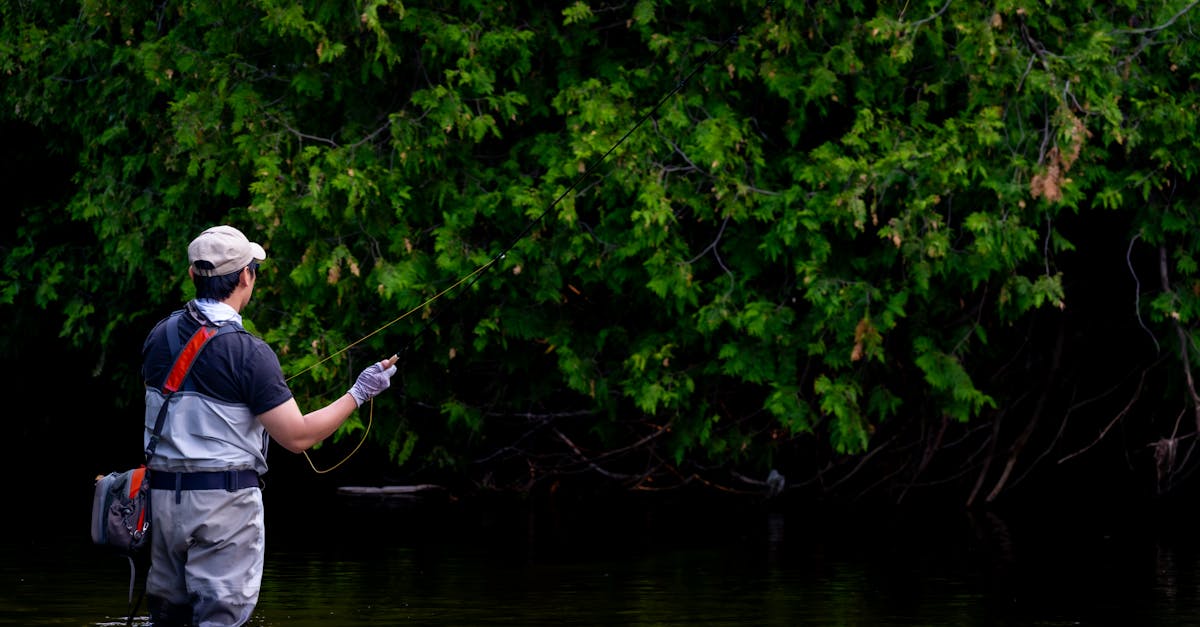
Henry's Fork
Henry's Fork of the Snake River is one of the most storied dry-fly rivers in the world, flowing from the massive springs of Big Springs through the legendary Railroad Ranch section in Harriman State Park. With blanket hatches of Green Drakes, PMDs, and BWOs drawing selective rainbow trout to the surface, this is the river that has defined American dry-fly fishing for over a century.
Henry's Fork Fishing Report & Current Conditions
The Henry's Fork is a spring creek / tailwater / freestone fishery, and it fishes best in spring, summer and fall. Live USGS streamflow readings update throughout the day, while the monthly median flows below map the river's typical discharge across the year. Together they show current fishability and how today's water compares to the seasonal norm.
Current Conditions
Typical Monthly Flows
Historical median discharge (CFS) by month: Henry's Fork
Overview
Henry's Fork of the Snake River is the river that built the modern American dry-fly tradition. Flowing from the enormous springs at Big Springs near Macks Inn and through Island Park Reservoir before emerging into the broad, spring-fed meadows of Harriman State Park, Henry's Fork has challenged and inspired generations of fly fishers with its technical demands and extraordinary rewards. The river's name is synonymous with selective trout, prolific hatches, and the highest art of matching the hatch.
The crown jewel of Henry's Fork is the Railroad Ranch section within Harriman State Park, roughly three miles of wide, glassy, spring-creek-like water flowing through an expansive mountain meadow at 6,100 feet elevation. Here, large rainbow trout, many exceeding 20 inches, sip tiny mayflies from the surface film with a selectivity that humbles even experienced anglers. The hatches on the Ranch are legendary: Green Drakes in June, PMDs from late June through August, Flavs (small Green Drakes) in July, and BWOs from September into November. When the hatch is on and the fish are rising, there is no finer dry-fly experience in North America.
Above the Ranch, the Box Canyon section between Island Park Dam and the Last Chance area provides a completely different fishing experience. Here, Henry's Fork thunders through a steep basalt canyon with powerful rapids, deep pools, and heavy pocket water. The Box Canyon holds large rainbow trout that feed on stoneflies, caddisflies, and sculpins in the fast, oxygenated water. Salmonfly hatches in late June draw the canyon's biggest fish to the surface, and nymphing with stonefly patterns produces year-round.
Below Harriman State Park, the river flows through the town of Last Chance and continues toward Ashton, picking up volume from Mesa Falls and the warm springs tributaries. The Ashton-to-Chester section offers excellent fall fishing for brown trout that migrate upstream from the South Fork Snake River. This lower reach is less famous but holds trophy-class fish and sees a fraction of the pressure found on the Ranch.
The town of Last Chance (little more than a fly shop, a lodge, and a handful of cabins) serves as the spiritual headquarters of Henry's Fork fishing. TroutHunter and Henry's Fork Anglers, two of the most respected fly shops in the American West, provide daily hatch reports, guided trips, and the collective wisdom of decades spent studying this remarkable river. Island Park and West Yellowstone (30 minutes north) offer additional lodging and services.
Henry's Fork demands more of an angler than almost any other river in the West. The combination of clear water, flat currents, educated trout, and prolific but complex hatches creates a fly fishing puzzle that rewards preparation, patience, and precise execution. It is not a river for beginners seeking easy success; it is a river for anglers seeking the ultimate dry-fly challenge.
Water Characteristics
Henry's Fork is defined by its spring-fed origins. Big Springs, one of the largest springs in the United States, produces roughly 120 million gallons of cold, clear water per day at a constant 52 degrees Fahrenheit. This massive spring flow, supplemented by Island Park Reservoir releases, gives the Ranch section its spring-creek character: consistent temperatures, exceptional clarity, and the rich alkaline chemistry that supports prolific aquatic insect populations. Visibility on the Ranch routinely exceeds 10 feet, allowing anglers to sight-fish to individual trout in the clear, glassy currents.
The Box Canyon below Island Park Dam receives tailwater releases that further stabilize flows and temperatures. The basalt substrate in the canyon supports strong populations of stoneflies and caddisflies, while the slower Ranch water downstream favors the dense mayfly hatches (PMDs, BWOs, Green Drakes, and Flavs) that define the fishery. The alkaline water chemistry, driven by the volcanic geology of the Island Park caldera, produces exceptional insect biomass relative to other Western rivers.
Below Harriman State Park, the river picks up warmer tributary flows and takes on more freestone characteristics. Mesa Falls adds volume and a brief temperature spike in summer. The lower river's gravel and cobble substrate supports brown trout spawning habitat, and the warmer temperatures in fall create conditions that attract large migratory browns from the South Fork confluence. Water clarity remains good through the lower sections but is more susceptible to runoff events than the spring-dominated Ranch.
Wading & Float Guide
The Railroad Ranch section of Henry's Fork is a classic wade fishing destination; in fact, boats are prohibited within Harriman State Park. The river is wide (80 to 150 feet) with a smooth gravel and sand bottom that is generally comfortable for wading at thigh depth or less during normal flows of 800 to 1,500 cfs. However, the uniform depth can be deceptive, and deeper channels along the outside bends can exceed chest depth. The current is smooth and moderate, lacking the turbulence of a typical freestone river. A wading staff is helpful but not essential for most anglers.
The Box Canyon is a different proposition entirely. Powerful currents rush over and around large basalt boulders in a steep-walled canyon. Wading is possible along the edges and in slower pockets, but the main current is too powerful for safe wading in most areas. Felt-soled or studded rubber-soled boots are essential for gripping the slippery basalt. Many anglers access the Box Canyon from the trail along the rim and scramble down to the water at established access points. The wading here is for experienced anglers only: the fast water and uneven substrate demand caution.
Below the Ranch, the river takes on a more typical freestone character with a gravel and cobble bottom. Wading is comfortable in most areas during normal summer and fall flows. Spring runoff from April through June can push the river to unfishable wading levels, particularly below Mesa Falls. Chest waders are recommended throughout the season, as water temperatures remain cold (45 to 55 degrees) even in summer.
Box Canyon (Island Park Dam to Last Chance)
A powerful canyon float through heavy whitewater. Expert oarsmen only; drift boats can be swamped in the rapids. Rafts are the preferred craft. Large rainbow trout hold in pools between rapids and feed on stoneflies and caddis. Salmonfly hatch in late June is the highlight. Not a traditional fishing float but skilled anglers can find productive pockets.
Last Chance to Hatchery Ford (below Harriman)
The float below Harriman State Park through meadow and ranch land. Boats are prohibited within the park itself, so this float begins below the lower park boundary. Good dry-fly water with PMD and BWO hatches. Less technical than the Ranch but productive and less pressured. Brown trout become more prevalent in the lower sections.
Ashton Dam to Chester
The lower Henry's Fork float below Ashton. Excellent fall fishing for large brown trout migrating upstream from the South Fork. The river widens and slows, with deep runs and undercut banks. Streamer fishing in October and November can produce the year's largest fish. Less known and less pressured than the upper river.
Rod & Tackle Guide
Railroad Ranch (Harriman State Park)
- Rod
- 9' 4-weight or 5-weight
- Line
- Weight-forward floating with long front taper
- Leader & Tippet
- 12'-15' tapered to 5X-7X fluorocarbon
A 4-weight with a delicate presentation is the ideal Ranch rod. The long leaders and fine tippet required demand a rod that turns over smoothly without overpowering the cast. Many Ranch regulars prefer a slow to medium-action rod for the gentle, accurate casting that selective fish require. Bring 5X, 6X, and 7X tippet material; you will use all three depending on conditions.
Box Canyon (Island Park Dam to Last Chance)
- Rod
- 9' 5-weight or 6-weight
- Line
- Weight-forward floating (sink-tip for streamers)
- Leader & Tippet
- 7.5'-9' tapered to 3X-4X (stonefly/nymph), 9' to 4X-5X (dry fly)
The Box Canyon demands more power than the Ranch: heavy stonefly nymphs, weighted rigs, and strong currents call for a 5- or 6-weight with backbone. A sink-tip line is valuable for getting streamers down in the deep pools. During the Salmonfly hatch, a 6-weight throws the large dry flies more effectively.
Lower Henry's Fork (Ashton to Chester)
- Rod
- 9' 6-weight
- Line
- Weight-forward floating (sink-tip for fall streamers)
- Leader & Tippet
- 9' tapered to 3X (streamers), 9'-12' to 4X-5X (dry fly/nymph)
The lower river's fall brown trout fishing calls for a 6-weight that can throw large streamers and handle powerful fish. During the BWO season, switch to a floating line with a longer leader. The lower river is less technical than the Ranch but the fish are larger on average.
Best Time to Fish the Henry's Fork
Spring
March through May is the transition season on Henry's Fork. The Box Canyon fishes earliest, with midge and BWO hatches producing nymphing and occasional dry-fly opportunities by March. The Ranch opens June 15; before that, focus on the Box Canyon and the water below Harriman. Spring runoff typically peaks in late May through mid-June, making the lower river unfishable. As flows stabilize, the first Green Drakes appear on the Ranch in mid to late June, kicking off the most anticipated hatch in Western fly fishing.
Summer
Late June through August is the marquee season. Green Drake hatches (#10-12) on the Ranch in late June and early July bring the river's largest trout to the surface; arrive early and study the water before casting. PMD hatches (#16-18) take over from late June through August, producing the most consistent surface feeding of the season. Flav hatches (small Green Drakes, #14) in July add another dimension. Evening caddis activity (#14-16) is strong in the Box Canyon and below the Ranch. The Ranch demands patience, long leaders (12-15 feet), fine tippet (5X-7X), and precise presentations.
Fall
September through November is outstanding and less crowded than summer. BWO hatches (#18-20) on overcast fall afternoons produce excellent dry-fly fishing on the Ranch and below. October is prime time for brown trout on the lower river: big browns migrate upstream from the South Fork, and streamer fishing with Woolly Buggers and sculpin patterns in the Ashton-to-Chester section can produce fish over 24 inches. Mahogany Dun hatches in September add variety. Fall BWO fishing on the Ranch can rival summer PMD days with fewer anglers.
Winter
Winter fishing on Henry's Fork is limited but possible in the Box Canyon and at select warm-spring-influenced sections. Midge hatches (#20-24) during midday warmth produce some surface feeding. Nymph with small Pheasant Tails, Zebra Midges, and RS2s in the deeper Box Canyon pools. The Railroad Ranch within Harriman State Park is closed to fishing from December through the June opener. Conditions are harsh at 6,100 feet: expect snow, ice, and temperatures well below zero. Most anglers shift to the South Fork Snake or lower-elevation options in winter.
Fishing Pressure & Local Tips
The Railroad Ranch receives moderate to heavy fishing pressure from late June through August, driven by the river's world-class reputation and the concentration of prolific hatches in a short, accessible reach. During peak Green Drake and PMD season, 20 to 40 anglers may be wading the three-mile Ranch section on a summer weekday, with more on weekends. The wide, open meadow distributes anglers reasonably well, but popular rising fish pods can see competition, particularly near the established access trails.
The Box Canyon sees lighter pressure due to its more demanding access and challenging wading. The lower river from Ashton to Chester is lightly fished year-round, offering excellent fishing with genuine solitude. Fall fishing on the Ranch and lower river sees significantly less pressure than summer; October weekdays can feel almost private. The shoulder seasons (early June before the Ranch opens, and November) offer the lightest pressure of all, though the fishing is weather-dependent and conditions can be unpredictable.
Local Knowledge
Success on the Railroad Ranch hinges on observation before action. Arrive at the river and spend 15 to 20 minutes watching the water before making a single cast. Identify rising fish, determine their feeding rhythm, and observe what insects are on the water. The trout on the Ranch have seen thousands of flies and are remarkably adept at distinguishing naturals from imitations. Your first cast to a rising fish is by far your best chance; each subsequent cast increases the risk of spooking the fish. Make it count.
Leader and tippet construction is critical on the Ranch. Standard 9-foot leaders are too short for this water; build or buy leaders of 12 to 15 feet tapering to 5X, 6X, or even 7X fluorocarbon tippet. The smooth, glassy currents telegraph drag instantly, so meticulous mending and upstream presentations are essential. Many experienced Ranch anglers use a reach cast to place the line upstream of the fly, buying precious additional seconds of drag-free drift.
The Henry's Fork Foundation, a nonprofit conservation organization, plays a vital role in monitoring and protecting this fishery. Their work on habitat restoration, flow management, and aquatic research has been instrumental in maintaining the Ranch as a world-class fishery. Consider supporting their efforts during your visit. The two fly shops in Last Chance, TroutHunter and Henry's Fork Anglers, are essential stops for current hatch reports, fly recommendations, and the daily intelligence that can make or break a trip to this demanding river.
Species Present
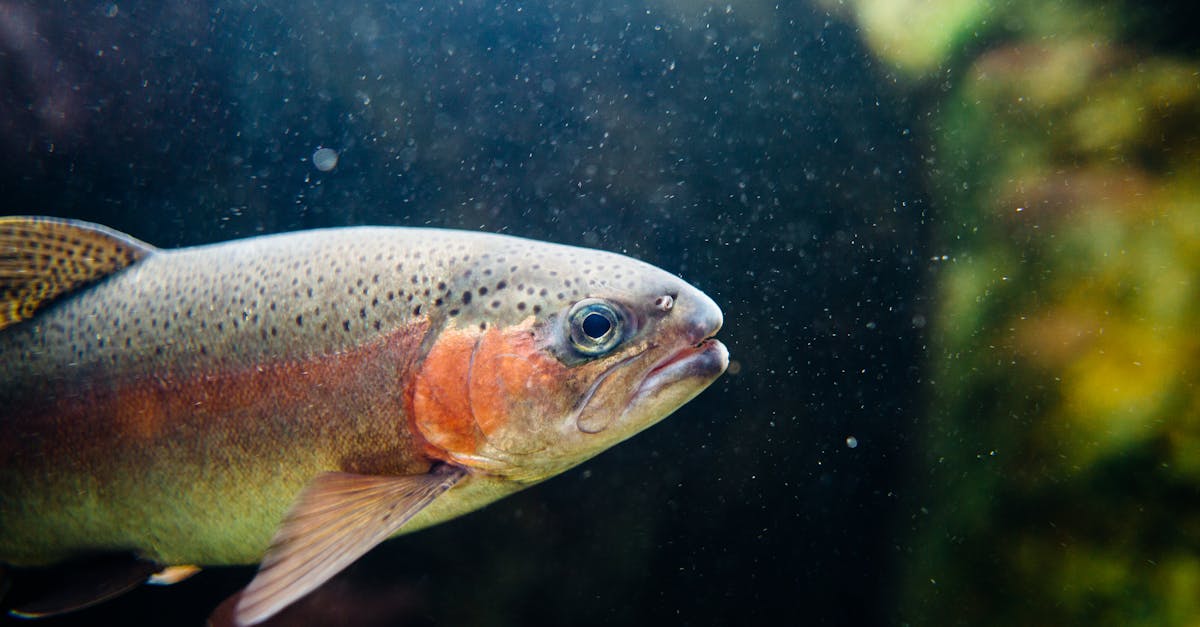
Rainbow Trout
The rainbow trout is Montana's most widespread and popular gamefish, celebrated for its explosive surface strikes, aerial acrobatics, and willingness to take a well-presented dry fly. Native to Pacific Coast drainages from Alaska to Mexico, rainbows were first introduced to Montana's waters in the late 1800s and have since established thriving populations in nearly every major river system in the state. On legendary waters like the Madison, Missouri, and Bighorn, wild rainbow trout grow fat on prolific insect hatches and provide some of the finest dry-fly fishing in North America. Rainbow trout in Montana display remarkable variation depending on their home water. Fish in nutrient-rich tailwaters like the Missouri River below Holter Dam can exceed 20 inches with regularity, their deep bodies and broad tails reflecting the abundant food supply. Freestone river rainbows, such as those in the upper Madison and Gallatin, tend to be leaner and more athletic, shaped by faster currents and colder water temperatures. In many Montana rivers, rainbows spawn in the spring from March through June, and anglers should be mindful of spawning redds during this period to protect future generations of fish. Rainbows are arguably the most versatile trout species for fly anglers. They respond well to dry flies during hatches, aggressively chase streamers, and feed heavily on nymphs subsurface throughout the year. Their fighting ability is legendary: a hooked rainbow will often launch itself completely out of the water multiple times during a battle. Montana's catch-and-release regulations on many blue-ribbon streams have produced exceptional rainbow trout fisheries with high densities of large, healthy fish that continue to draw anglers from around the world.
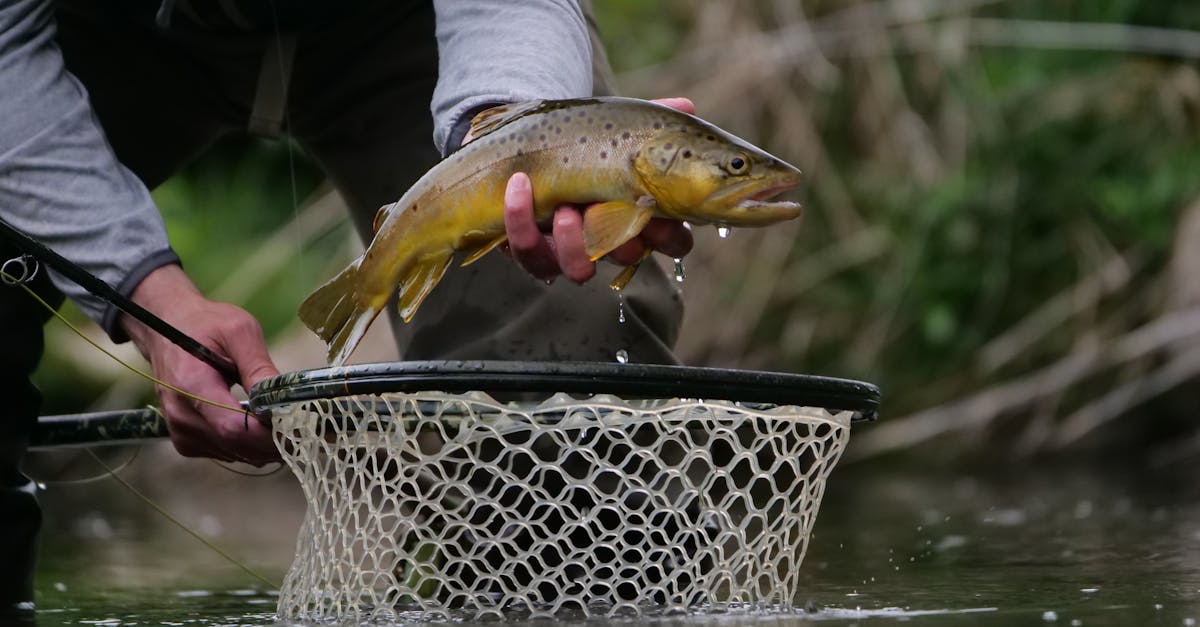
Brown Trout
The brown trout is the most cunning and elusive trout species swimming in Montana's rivers, and it rewards patient, skilled anglers with some of the state's most memorable catches. Originally native to Europe and western Asia, brown trout were first introduced to North American waters in 1883 and arrived in Montana shortly thereafter. They have since established robust, self-sustaining populations in virtually every major trout stream in the state, from the legendary spring creeks of the Paradise Valley to the sweeping runs of the lower Madison and the deep pools of the Bighorn. Brown trout grow larger than any other trout species in Montana, and fish exceeding 24 inches are caught with regularity on premium waters. The lower Madison River, the Missouri River below Holter Dam, and the Bighorn River are particularly renowned for producing trophy-class browns. Unlike rainbows, brown trout spawn in the fall (October through November), and their aggressive pre-spawn behavior creates an exciting window for streamer fishing as large males become territorial and attack anything that enters their domain. Browns are notably more nocturnal than other trout species, and many of the biggest fish are caught during low-light conditions. What sets brown trout apart from other species is their wariness and selectivity. Large browns are notoriously difficult to fool, often refusing flies that are even slightly off in size, color, or presentation. They tend to establish and defend prime feeding lies (undercut banks, logjams, deep pools, and boulder gardens), and an angler who learns to read water and identify these holding spots will consistently catch more and larger fish. This combination of difficulty, size potential, and intelligence makes the brown trout the most prized quarry for many serious Montana fly fishers.
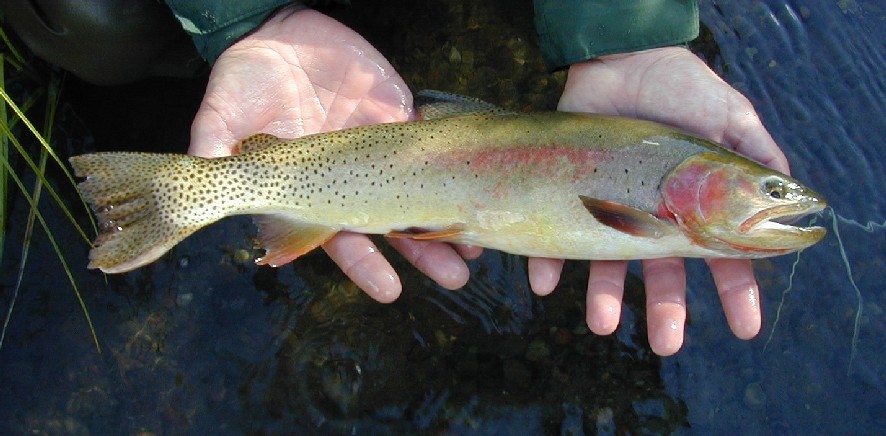
Yellowstone Cutthroat Trout
The Yellowstone cutthroat trout is Montana's most iconic native fish, a living symbol of the wild, untrammeled waters of the Greater Yellowstone Ecosystem. This subspecies of cutthroat trout evolved in the Yellowstone River drainage over thousands of years and is uniquely adapted to the cold, clear streams and rivers of south-central Montana. Named for the vivid red-orange slash marks beneath its lower jaw, the 'cut throat' that gives the entire cutthroat species complex its name, the Yellowstone cutthroat is one of the most beautiful and culturally significant fish in the American West. Yellowstone cutthroats are generally considered the most eager surface feeders among Montana's trout species, making them a favorite among dry-fly purists. They tend to be less wary than brown trout and more willing to eat a well-presented dry fly, even when no hatch is occurring. On their home waters (the Yellowstone River above Livingston, Slough Creek in Yellowstone National Park, the upper Lamar River, and numerous tributary streams throughout the Absaroka and Beartooth ranges), cutthroats will rise freely to attractor dry flies like Royal Wulffs, Stimulators, and Elk Hair Caddis, providing the kind of classic western dry-fly experience that anglers travel thousands of miles to enjoy. Despite their eagerness at the end of a fly line, Yellowstone cutthroat trout face significant conservation challenges. Habitat loss, hybridization with introduced rainbow trout, competition from non-native brook trout and lake trout, and the impacts of whirling disease have reduced their historic range by roughly 60 percent. Montana Fish, Wildlife & Parks, along with federal agencies and conservation groups, has invested heavily in cutthroat restoration projects, including barrier construction to prevent upstream migration of non-native species and targeted removal of lake trout from Yellowstone Lake. Anglers play an important role in cutthroat conservation by practicing careful catch-and-release techniques and supporting habitat protection efforts.
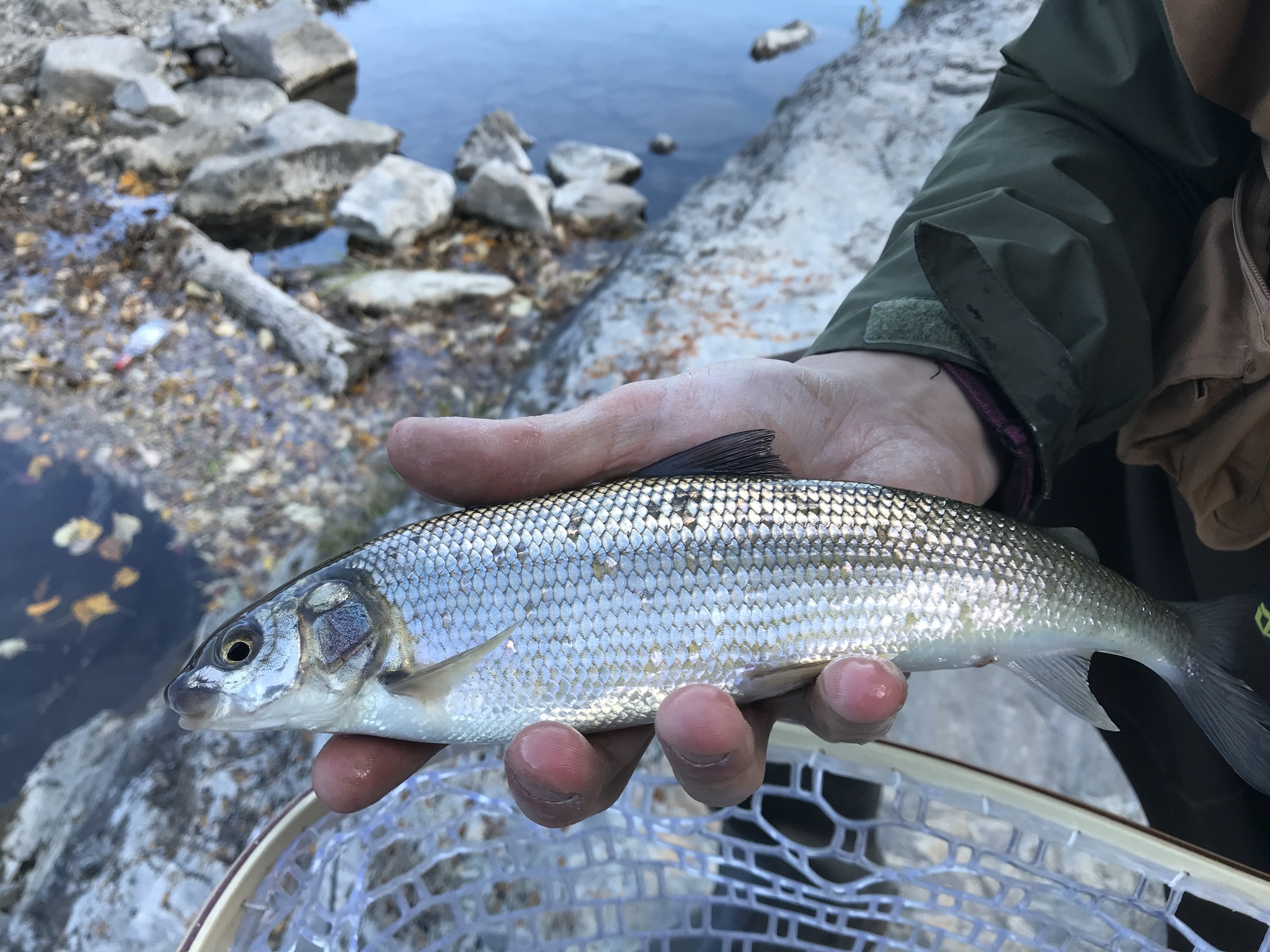
Mountain Whitefish
The mountain whitefish is one of Montana's most abundant native salmonids and arguably the most underappreciated gamefish in the state. A member of the whitefish subfamily (Coregoninae) within the broader salmonid family, mountain whitefish are present in virtually every cold-water river and large stream in Montana, often outnumbering trout by significant margins. On rivers like the Madison, Gallatin, Yellowstone, and Bitterroot, whitefish populations can exceed 1,000 fish per mile, making them the dominant salmonid species by biomass in many reaches. Despite this abundance, most fly anglers overlook whitefish entirely or view them as an unwelcome catch, which is unfortunate because they can provide outstanding sport on light tackle. Mountain whitefish are an important ecological component of Montana's river systems. They serve as a primary food source for larger brown trout, bald eagles, ospreys, otters, and other predators. Their fall spawning behavior (typically October through December) plays a critical role in nutrient cycling, and their eggs provide food for other fish and aquatic invertebrates during the lean winter months. In recent years, whitefish populations have been used as indicator species for overall river health, and declines in whitefish numbers on some Montana rivers have raised concerns about changing water conditions and disease pressure. For anglers willing to target them intentionally, mountain whitefish offer several advantages. They feed actively throughout the winter months when trout fishing can be slow, they are abundant and widely distributed, and they fight with surprising strength for their size; a 16-inch whitefish on a 3- or 4-weight rod provides a memorable tussle. Whitefish are also excellent table fare, with firm, mild-flavored white flesh that is delicious smoked or fried. Montana regulations typically allow a generous harvest limit for whitefish, recognizing their abundance and the role that harvest can play in managing populations on some waters.
Henry's Fork Hatch Chart
| Insect | Suggested Fly | Jan | Feb | Mar | Apr | May | Jun | Jul | Aug | Sep | Oct | Nov | Dec |
|---|---|---|---|---|---|---|---|---|---|---|---|---|---|
Green Drake afternoon | Parachute Adams | ||||||||||||
Pale Morning Dun morning | PMD Comparadun | ||||||||||||
Blue-Winged Olive (Baetis) afternoon | BWO Emerger | ||||||||||||
Flavs (Small Green Drake) afternoon | Sparkle Dun | ||||||||||||
Caddisflies (various) evening | X-Caddis | ||||||||||||
Salmonfly all day | Norm Wood Special | ||||||||||||
Golden Stonefly all day | Stimulator | ||||||||||||
Midges morning | Zebra Midge | ||||||||||||
Trico morning | Trico Spinner | ||||||||||||
Mahogany Dun afternoon | Parachute Adams |
Green Drake: The marquee Ranch hatch. Large Parachute Adams size 10-12. Late June through early July.
Pale Morning Dun: The most consistent Ranch hatch. PMD Comparadun size 16-18. Late June through August.
Blue-Winged Olive (Baetis): Outstanding fall BWO hatches on overcast days. BWO Emerger size 18-20.
Flavs (Small Green Drake): Small Green Drake hatch on the Ranch. Sparkle Dun size 14.
Caddisflies (various): Evening caddis hatches throughout the river. X-Caddis size 14-16.
Salmonfly: Box Canyon Salmonfly hatch in late June. Salmonfly Dry size 4-8.
Golden Stonefly: Golden stones in the Box Canyon. Stimulator size 6-10.
Midges: Year-round in the Box Canyon and below. Zebra Midge size 18-24.
Trico: Trico spinner falls on the Ranch. Technical fishing with size 20-22 spinners.
Mahogany Dun: Fall mahogany dun hatch. Parachute Adams size 14-16.
Recommended Flies
PMD Comparadun
Top PickTHE Ranch pattern: PMD Comparadun during the prolific summer hatches
Best in summer
Parachute Adams
Top PickUniversal mayfly covering Green Drakes, PMDs, and Mahogany Duns
Best in summer
Sparkle Dun
Top PickSparkle Dun for Flavs and PMD emergers on the Ranch
Best in summer
BWO Emerger
Top PickFall BWO emerger, essential for the Ranch's outstanding autumn hatches
Best in fall
X-Caddis
Top PickX-Caddis for evening caddis hatches throughout the river
Best in summer
Norm Wood Special
Top PickSalmonfly Dry for the Box Canyon emergence in late June
Best in summer
Pheasant Tail Nymph
Top PickPheasant Tail Nymph, the Box Canyon workhorse subsurface pattern
Best in spring
RS2
Top PickRS2 emerger for midge and BWO activity on the Ranch
Best in fall
Curated Fly Boxes
Henry's Fork Ranch Dry-Fly Box
SummerThe ultimate technical dry-fly selection for the Railroad Ranch. Precise PMD, Trico, and BWO imitations in multiple stages (dun, emerger, and spinner) sized for the Ranch's legendary selective trout.
Henry's Fork Box Canyon & Stonefly Box
SummerBig attractors and stonefly patterns for the fast, boulder-strewn water of Box Canyon and the salmonfly hatch. High-floating dries and heavy nymphs built for turbulent pocket water.
Access Points & Boat Launches
Harriman State Park: Railroad Ranch
Wade AccessEasyThe primary access to the legendary Railroad Ranch section of Henry's Fork within Harriman State Park. A well-maintained trail from the parking area leads to the river through open meadow. Multiple trail access points allow anglers to spread along the three-mile Ranch section. Boats are prohibited. This is hallowed ground for dry-fly anglers; arrive early during peak hatch season.
Box Canyon Trailhead (Upper)
Wade AccessModerate (steep trail descent)Walk-in access to the upper Box Canyon section below Island Park Dam. A steep trail descends into the basalt canyon, providing access to the powerful pocket water and deep pools that hold large rainbow trout. The trail is maintained but requires moderate fitness. This is the put-in area for canyon float trips and provides excellent wade fishing near the dam.
Last Chance Access
Boat LaunchEasyBoat launch and wade access at the community of Last Chance, located between the Box Canyon and the Railroad Ranch. This is the take-out for Box Canyon float trips and the starting point for floats below Harriman State Park. The legendary TroutHunter fly shop is adjacent, providing daily hatch reports and local intelligence. Good wade fishing upstream and downstream of the bridge.
Ashton Dam Access
Boat LaunchEasyAccess below Ashton Dam for fishing the lower Henry's Fork. This is the put-in for floats through the lower river where trophy brown trout migrate from the South Fork confluence in fall. A gravel ramp accommodates drift boats and rafts. Good wade fishing in the immediate dam tailout. Less famous but highly productive water, especially September through November.
Riverside Campground Access
Wade AccessEasyWalk-in access from the Riverside Campground area near Last Chance, providing wade fishing on the river between the Box Canyon and Harriman State Park. The river here transitions from the canyon's fast pocket water to the slower meadow character of the Ranch. Good caddis and PMD water in summer. A quieter alternative to the more popular Ranch and Box Canyon access points.
Regulations
Regulations
Harriman State Park (Railroad Ranch): Catch and release only, artificial flies and lures only, single barbless hook. Box Canyon (Island Park Dam to Last Chance): Artificial flies and lures only, 2 trout limit, none between 8 and 16 inches. Below Harriman State Park to Ashton: Standard Idaho regulations; check current IDFG rules. Idaho fishing license required. Harriman State Park requires park entry fee. Check Idaho Department of Fish and Game regulations at idfg.idaho.gov for section-specific rules and any emergency closures.
Always verify current regulations with Idaho Fish and Game before fishing.
Some links may earn a commission. Learn more
Quick Facts
- Region
- Eastern Idaho
- Water Type
- Spring Creek / Tailwater / Freestone
- River Length
- ~60 miles of prime trout water from Big Springs to Chester; 3 miles of Railroad Ranch, 5 miles of Box Canyon
- Difficulty
- Advanced
- Best Seasons
- spring, summer, fall
- Trout Per Mile
- 2,000-4,000+ (Railroad Ranch); 1,500-2,500 (Box Canyon)
- Record Trout
- 28" rainbow trout (Railroad Ranch); multiple fish exceeding 24" documented annually
- Species
- Rainbow Trout, Brown Trout, Yellowstone Cutthroat Trout, Mountain Whitefish
- USGS Gauge
- 13046000
Local Shops & Guides
Henry's Fork Anglers
Island Park, ID
Henry's Fork Anglers is Idaho's most established fly shop for the Henry's Fork of the Snake River, located in Island Park since 1976. Situated on US-20 in the heart of the Island Park corridor, the shop serves as the essential first stop for anglers heading to the legendary waters of the Henry's Fork, including the Railroad Ranch section in Harriman State Park, the Box Canyon, and the Last Chance Run. The shop carries a complete selection of flies, rods, reels, waders, and accessories specifically curated for Henry's Fork fishing. Henry's Fork Anglers is particularly renowned for their daily fishing reports, which are among the most detailed and widely followed in the fly fishing world. Their reports cover conditions across the entire Henry's Fork system, from the headwaters at Henry's Lake downstream through the various sections of the river, helping anglers make informed decisions about where and how to fish. Henry's Fork Anglers' guide service features professional guides with decades of experience on the Henry's Fork, South Fork Snake River, Teton River, and Yellowstone area waters. Whether you're dry fly fishing over selective rainbows on the Railroad Ranch, nymphing the heavy water of Box Canyon, or floating the South Fork for cutthroats, their guides provide expert knowledge and patient instruction. The shop also offers lodge accommodations, making it convenient for multi-day fishing trips to the Island Park area.
(208) 558-7525
TroutHunter
Island Park, ID
TroutHunter is a world-class fly fishing lodge, fly shop, and restaurant located in Island Park, Idaho, on the banks of the Henry's Fork of the Snake River. Since 1999, TroutHunter has established itself as one of the premier fly fishing destinations in the American West, combining exceptional lodging, innovative fly patterns, and expert guide service in one of fly fishing's most hallowed settings. The TroutHunter fly shop is renowned for carrying the innovative fly patterns developed by Rene Harrop, one of fly fishing's most respected pattern designers. Harrop's emerger, cripple, and transitional patterns have revolutionized how anglers approach selective trout on spring creeks and tailwaters worldwide, and many of these patterns were designed specifically for the Henry's Fork. The shop's fly selection, along with a carefully curated inventory of rods, reels, and accessories, makes it a destination in its own right for serious fly fishers. TroutHunter's lodge offers comfortable, well-appointed accommodations, and the on-site restaurant serves outstanding meals featuring locally sourced ingredients. Their guide service specializes in the technical dry fly and emerger fishing for which the Henry's Fork is famous, particularly on the Railroad Ranch section in Harriman State Park. Guides also cover the South Fork Snake, Teton River, and Yellowstone waters. The combination of premium lodging, world-class dining, and expert fishing makes TroutHunter one of the most complete fly fishing experiences available.
(208) 558-9900
Where to Stay
Last Chance / Island Park
The epicenter of Henry's Fork fishing. Last Chance sits directly on the river with fly shops, guide services, and cabin rentals. Island Park offers more lodging variety along the Mesa Falls Scenic Byway.
Stay in Last Chance for walk-in access to the Railroad Ranch. TroutHunter and Henry's Fork Lodge are legendary institutions. Book summer weekends well in advance; the Ranch attracts anglers worldwide.
Ashton
A small agricultural town south of the Henry's Fork with basic services and affordable lodging. Close to the lower river sections and Warm River access.
A budget-friendly alternative to Island Park with easier access to the lower Henry's Fork. Stock up on supplies here; services thin out quickly heading north toward the Ranch.