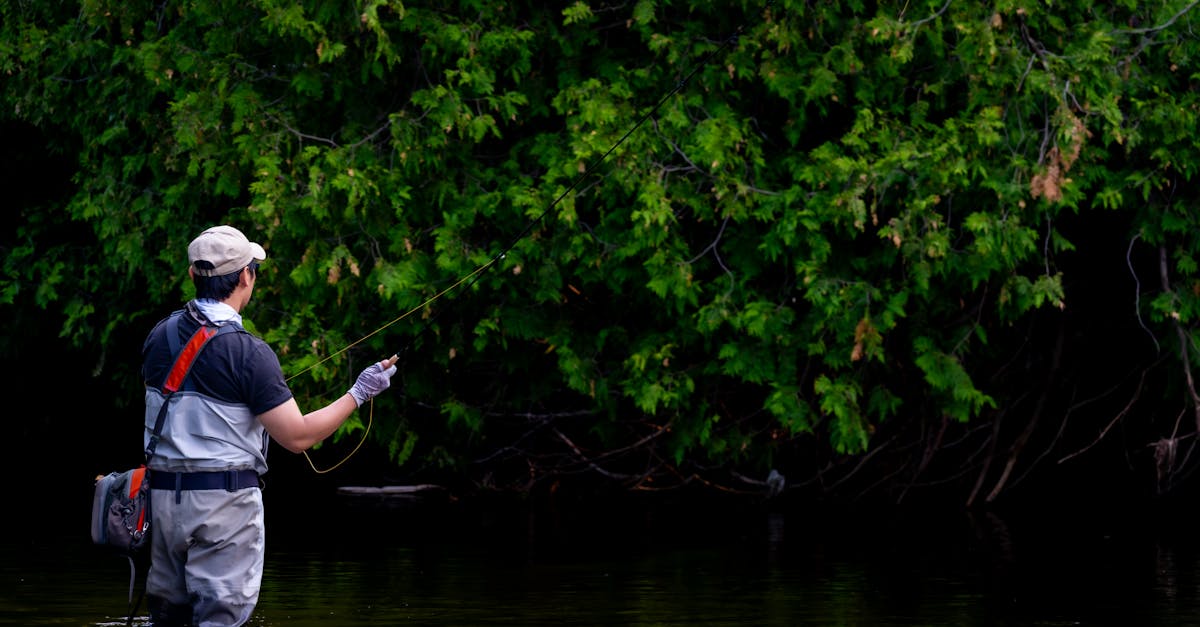
Madison River
The Madison River is one of the most celebrated trout streams in North America. Born from the confluence of the Firehole and Gibbon rivers in Yellowstone National Park, it flows 140 miles through broad valleys and dramatic canyons before joining the Jefferson and Gallatin to form the Missouri River at Three Forks.
Madison River Fishing Report & Current Conditions
The Madison River is a freestone fishery, and it fishes best in spring, summer and fall. Live USGS streamflow readings update throughout the day, while the monthly median flows below map the river's typical discharge across the year. Together they show current fishability and how today's water compares to the seasonal norm.
Current Conditions
Typical Monthly Flows
Historical median discharge (CFS) by month: Madison River
Overview
The Madison River defines world-class trout fishing. From its headwaters inside Yellowstone National Park to its confluence at Three Forks, the Madison offers diverse water types that hold enormous populations of wild rainbow and brown trout.
The upper Madison between Quake Lake and Ennis Lake is the most famous stretch: miles of wide, braided riffles perfect for wading. This is classic dry-fly water where you can sight-cast to rising fish during prolific hatches of caddis, PMDs, and the legendary salmonfly hatch in late June.
Below Ennis Lake, the lower Madison pushes through Bear Trap Canyon, a rugged Class IV whitewater section that also holds trophy brown trout. Below the canyon, the river slows through agricultural land before reaching Three Forks.
The Madison fishes well nearly year-round. Winter nymphing with midges and small BWOs can produce exceptional days with little competition. Spring brings the mother of all hatches: the salmonfly migration that draws anglers worldwide. Summer offers consistent dry-fly action, and fall brings aggressive pre-spawn browns to streamers.
Water Characteristics
The Madison is a classic freestone river fed by snowmelt, springs, and its headwater geothermal sources in Yellowstone National Park. The geothermal influence from the Firehole River gives the upper Madison slightly elevated water temperatures compared to other freestone rivers, which contributes to its exceptional insect production and year-round fishability. Water clarity is typically excellent, ranging from 3 to 8 feet of visibility depending on season, though spring runoff (mid-May through late June) can reduce visibility significantly.
The riverbed substrate in the upper section is predominantly rounded cobble and gravel, with occasional larger boulders, ideal spawning and insect habitat. The water has a moderate alkalinity that supports dense populations of mayflies, caddisflies, and stoneflies. Summer water temperatures in the upper river typically range from 55-65 degrees F, though they can push into the high 60s during heat waves, triggering hoot-owl restrictions.
The lower Madison below Ennis Lake has a different character: warmer, slower, and more nutrient-rich from agricultural runoff. This section produces fewer but often larger trout, particularly brown trout. Bear Trap Canyon between the upper and lower sections compresses the river through a narrow basalt gorge, creating deep pools and powerful hydraulics that hold some of the river's largest fish.
Wading & Float Guide
The upper Madison between Quake Lake and Ennis Lake is one of the best wading rivers in the West. The river spreads wide across a broad valley floor, creating extensive shallow riffles, braided channels, and gravel bars that rarely exceed waist depth during normal summer flows. A felt-soled or studded rubber-soled wading boot is essential, as the cobble and basketball-sized rocks are algae-covered and slippery. Most anglers wade comfortably in chest waders, though wet wading is popular from July through early September when water temperatures allow.
The riverbed consists primarily of rounded cobble and gravel with occasional larger boulders. Footing is generally stable but uneven, requiring careful foot placement. The current is moderate and steady in most riffles, though channels between braids can develop surprisingly strong flows during runoff. Side channels often provide the easiest wading access and can concentrate feeding fish.
Below Ennis Lake, Bear Trap Canyon is not a wading fishery; the water is deep, fast, and confined by steep canyon walls. Access is by foot on rugged trails, and anglers who do fish this section must be extremely cautious. The lower Madison below the canyon offers some wade access at bridge crossings and FWP access sites, but the river is generally deeper and slower, making wading less productive than floating.
Quake Lake to Lyons Bridge
Classic braided riffles and side channels through open meadow. Excellent dry-fly water with consistent hatches. Some shallow gravel bars require reading the water to find the main channel. Best floated in a drift boat or low-profile raft.
Lyons Bridge to Varney Bridge
Wide valley section with long riffles, gravel bars, and sweeping bends. This is the heart of the Madison's wade-and-float water. Multiple pullover spots for wading. Productive streamer water along the banks in fall.
Varney Bridge to Ennis Bridge
The river begins to consolidate into a single channel as it approaches Ennis Lake. Deeper runs and undercut banks hold larger fish. Good nymphing water in the deeper slots. The lower end can get weedy in late summer as Ennis Lake's influence begins.
McAtee Bridge to Warm Springs
Below Ennis Lake, the lower Madison offers a different character: deeper, slower, with larger brown trout. Less crowded than the upper river. Watch for irrigation diversions and changing water levels. Good fall streamer fishing.
Bear Trap Canyon
Designated wilderness canyon with serious whitewater. Not a standard fishing float; only expert whitewater boaters should attempt this section. Trophy brown trout in deep plunge pools between rapids. Portage required at Kitchen Sink rapid for most boats.
Rod & Tackle Guide
Upper Madison (Quake Lake to Ennis Lake)
- Rod
- 9' 5-weight
- Line
- Weight-forward floating
- Leader & Tippet
- 9' tapered to 4X (dry fly), 7.5' tapered to 3X-4X (nymph rigs)
The 5-weight is the workhorse here, with enough backbone to throw hopper-dropper rigs and manage fish in moderate current, light enough for delicate caddis and PMD presentations. During salmonfly season, step up to a 6-weight to handle the wind and large #4-8 stonefly patterns.
Bear Trap Canyon & Lower Madison
- Rod
- 9' 6-weight
- Line
- Weight-forward floating (sink-tip for streamers)
- Leader & Tippet
- 7.5' tapered to 2X-3X (streamers), 9' to 4X-5X (dry fly)
The bigger water and larger fish below Ennis Lake call for heavier tackle. A 6-weight handles the wind that funnels through the canyon and provides the power needed for streamer fishing. Trophy browns in fall demand stout 2X tippet and the ability to turn over articulated patterns.
Best Time to Fish the Madison River
Spring
The salmonfly hatch (late June into early July) is the marquee event. Fish large stonefly dries (#4-8 Salmonfly, Chubby Chernobyl) tight to banks as the hatch migrates upstream. Before the salmonfly, target the Mother's Day caddis hatch (mid-May) with Elk Hair Caddis #14-16 and Sparkle Pupa. March and April offer excellent nymphing with Zebra Midges, Pheasant Tails, and small BWO dries on overcast days. Runoff typically peaks in mid-June; the river can blow out for 1-3 weeks. Watch USGS gauge readings; fishable levels are generally below 3,000 cfs at Kirby Ranch.
Summer
July through mid-August is prime dry-fly season. PMDs (#16-18) hatch in the mornings, caddis (#14-16) blanket the river in evenings. Hopper-dropper rigs are devastatingly effective from late July through September. Fish a foam hopper with a #16-18 Pheasant Tail or Lightning Bug dropper. Watch for hoot-owl restrictions during heat waves (fishing closes at 2 PM). Early morning and late evening sessions are most productive in peak summer. Wade the braided channels and side channels to avoid boat traffic.
Fall
September and October bring aggressive pre-spawn brown trout to streamers. Swing Woolly Buggers, Sculpzillas, and articulated streamers (#2-6) along undercut banks and deeper runs. BWO hatches (#18-20) return in late September and fish through November on overcast afternoons. October caddis (#8-10) provides late-season dry-fly action. Fall is arguably the best time for trophy browns: fish are aggressive, crowds thin dramatically after Labor Day, and the cottonwood-lined valley turns gold.
Winter
The upper Madison fishes through winter on the catch-and-release sections. Midge fishing (#18-24 Zebra Midges, Mercury Midges, RS2s) in the slower runs and pools is the primary tactic. Small BWO dries (#20-22) can produce during midday warming periods on overcast days. Fish the warmest part of the day (11 AM to 3 PM). Nymphing with small Pheasant Tails and soft-hackles below indicators is effective in the deeper runs. Expect solitude; winter fishing pressure is very light.
Fishing Pressure & Local Tips
The Madison River receives heavy fishing pressure throughout the summer season, particularly from late June through early September. The upper river between Quake Lake and Ennis Lake is one of the most heavily fished sections of river in Montana, with guided drift boats and wade anglers competing for prime water. The salmonfly hatch in late June/early July draws the heaviest crowds; expect to see dozens of boats on popular floats during peak hatch days. Weekends from Memorial Day through Labor Day can feel crowded on the most popular sections.
Pressure drops significantly after Labor Day and remains light through the fall, winter, and early spring months. The lower Madison below Ennis Lake sees substantially less pressure year-round and can offer a more solitary experience. Fishing early morning (before 9 AM) or late evening, targeting weekdays, and exploring side channels and braided sections away from the main drift boat runs are effective strategies for avoiding crowds during peak season.
Local Knowledge
Wade anglers on the upper Madison should focus on the braided side channels that drift boats cannot access. These channels often hold concentrations of feeding fish that see far less pressure than trout along the main drift boat runs. Walking 10 minutes from any access point puts you into water that rarely sees another angler.
During the salmonfly hatch, resist the temptation to follow the crowds to the hatch front. Instead, fish behind the main migration with smaller stonefly patterns (#8-10 golden stones and Yellow Sallies). Trout continue feeding on stonefly stragglers for days after the main hatch passes, and the fishing is often better with less competition. The hatch generally starts near Varney Bridge in late June and moves upstream, reaching Quake Lake by early July.
The Madison's braided character means the river changes significantly from year to year. Spring runoff reshapes channels, creates new gravel bars, and shifts the main flow. What was a productive side channel last season may be dry this year. Spend time walking the banks and reading the water before committing to a spot. The best local anglers fish the Madison like a different river each spring, exploring and rediscovering productive runs as the river reveals its new shape.
Species Present
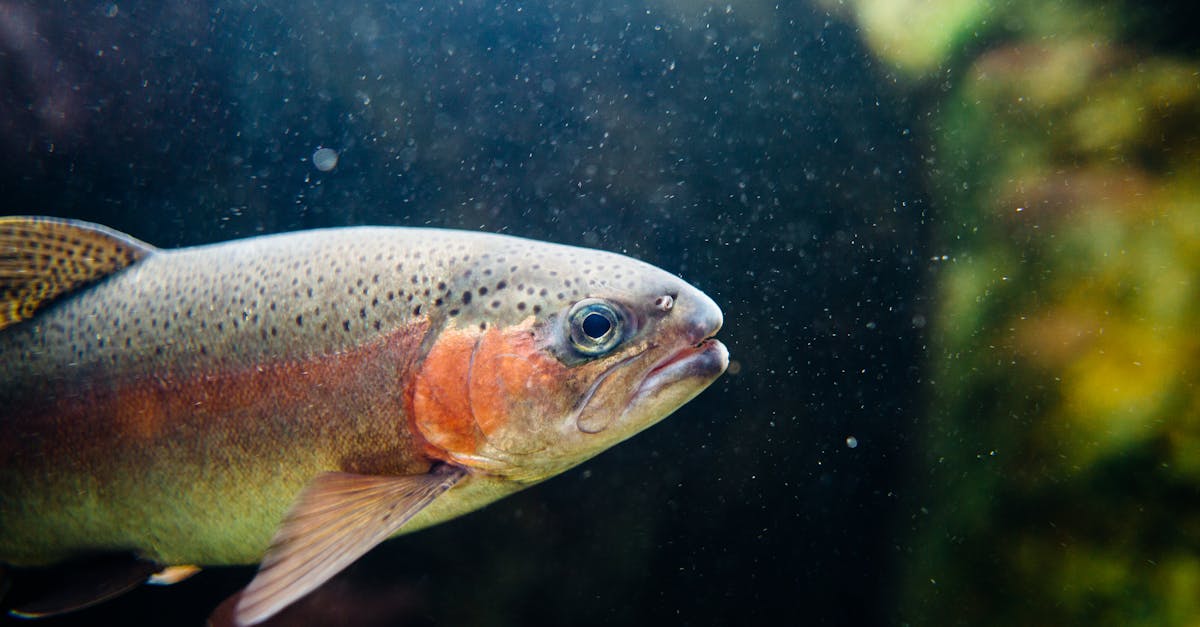
Rainbow Trout
The rainbow trout is Montana's most widespread and popular gamefish, celebrated for its explosive surface strikes, aerial acrobatics, and willingness to take a well-presented dry fly. Native to Pacific Coast drainages from Alaska to Mexico, rainbows were first introduced to Montana's waters in the late 1800s and have since established thriving populations in nearly every major river system in the state. On legendary waters like the Madison, Missouri, and Bighorn, wild rainbow trout grow fat on prolific insect hatches and provide some of the finest dry-fly fishing in North America. Rainbow trout in Montana display remarkable variation depending on their home water. Fish in nutrient-rich tailwaters like the Missouri River below Holter Dam can exceed 20 inches with regularity, their deep bodies and broad tails reflecting the abundant food supply. Freestone river rainbows, such as those in the upper Madison and Gallatin, tend to be leaner and more athletic, shaped by faster currents and colder water temperatures. In many Montana rivers, rainbows spawn in the spring from March through June, and anglers should be mindful of spawning redds during this period to protect future generations of fish. Rainbows are arguably the most versatile trout species for fly anglers. They respond well to dry flies during hatches, aggressively chase streamers, and feed heavily on nymphs subsurface throughout the year. Their fighting ability is legendary: a hooked rainbow will often launch itself completely out of the water multiple times during a battle. Montana's catch-and-release regulations on many blue-ribbon streams have produced exceptional rainbow trout fisheries with high densities of large, healthy fish that continue to draw anglers from around the world.
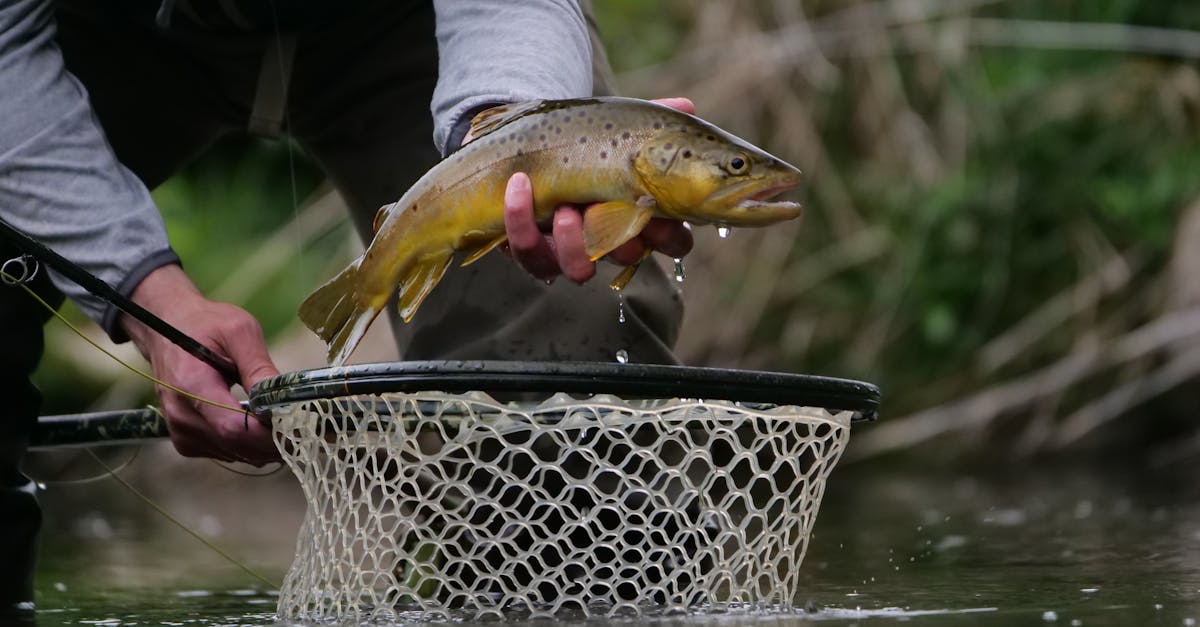
Brown Trout
The brown trout is the most cunning and elusive trout species swimming in Montana's rivers, and it rewards patient, skilled anglers with some of the state's most memorable catches. Originally native to Europe and western Asia, brown trout were first introduced to North American waters in 1883 and arrived in Montana shortly thereafter. They have since established robust, self-sustaining populations in virtually every major trout stream in the state, from the legendary spring creeks of the Paradise Valley to the sweeping runs of the lower Madison and the deep pools of the Bighorn. Brown trout grow larger than any other trout species in Montana, and fish exceeding 24 inches are caught with regularity on premium waters. The lower Madison River, the Missouri River below Holter Dam, and the Bighorn River are particularly renowned for producing trophy-class browns. Unlike rainbows, brown trout spawn in the fall (October through November), and their aggressive pre-spawn behavior creates an exciting window for streamer fishing as large males become territorial and attack anything that enters their domain. Browns are notably more nocturnal than other trout species, and many of the biggest fish are caught during low-light conditions. What sets brown trout apart from other species is their wariness and selectivity. Large browns are notoriously difficult to fool, often refusing flies that are even slightly off in size, color, or presentation. They tend to establish and defend prime feeding lies (undercut banks, logjams, deep pools, and boulder gardens), and an angler who learns to read water and identify these holding spots will consistently catch more and larger fish. This combination of difficulty, size potential, and intelligence makes the brown trout the most prized quarry for many serious Montana fly fishers.
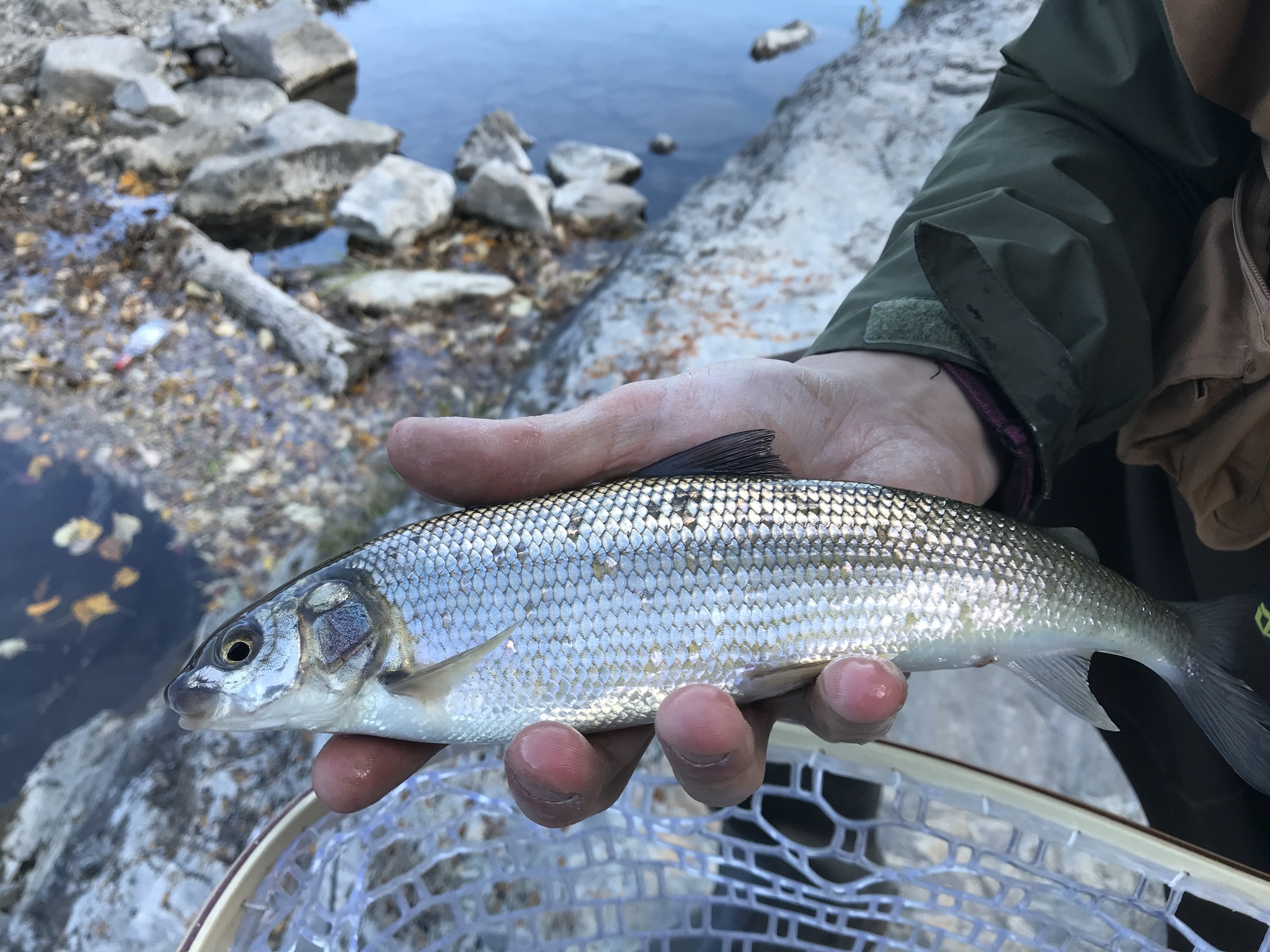
Mountain Whitefish
The mountain whitefish is one of Montana's most abundant native salmonids and arguably the most underappreciated gamefish in the state. A member of the whitefish subfamily (Coregoninae) within the broader salmonid family, mountain whitefish are present in virtually every cold-water river and large stream in Montana, often outnumbering trout by significant margins. On rivers like the Madison, Gallatin, Yellowstone, and Bitterroot, whitefish populations can exceed 1,000 fish per mile, making them the dominant salmonid species by biomass in many reaches. Despite this abundance, most fly anglers overlook whitefish entirely or view them as an unwelcome catch, which is unfortunate because they can provide outstanding sport on light tackle. Mountain whitefish are an important ecological component of Montana's river systems. They serve as a primary food source for larger brown trout, bald eagles, ospreys, otters, and other predators. Their fall spawning behavior (typically October through December) plays a critical role in nutrient cycling, and their eggs provide food for other fish and aquatic invertebrates during the lean winter months. In recent years, whitefish populations have been used as indicator species for overall river health, and declines in whitefish numbers on some Montana rivers have raised concerns about changing water conditions and disease pressure. For anglers willing to target them intentionally, mountain whitefish offer several advantages. They feed actively throughout the winter months when trout fishing can be slow, they are abundant and widely distributed, and they fight with surprising strength for their size; a 16-inch whitefish on a 3- or 4-weight rod provides a memorable tussle. Whitefish are also excellent table fare, with firm, mild-flavored white flesh that is delicious smoked or fried. Montana regulations typically allow a generous harvest limit for whitefish, recognizing their abundance and the role that harvest can play in managing populations on some waters.
Madison River Hatch Chart
| Insect | Suggested Fly | Jan | Feb | Mar | Apr | May | Jun | Jul | Aug | Sep | Oct | Nov | Dec |
|---|---|---|---|---|---|---|---|---|---|---|---|---|---|
Blue-Winged Olive (Baetis) afternoon | Parachute Adams | ||||||||||||
Blue-Winged Olive (Baetis) afternoon | BWO Emerger | ||||||||||||
Mother's Day Caddis afternoon | Elk Hair Caddis | ||||||||||||
Salmonfly (Pteronarcys) all day | Norm Wood Special | ||||||||||||
Golden Stonefly all day | Stimulator | ||||||||||||
Pale Morning Dun morning | PMD Comparadun | ||||||||||||
Caddisflies (various) evening | Elk Hair Caddis | ||||||||||||
Midges morning | Zebra Midge |
Blue-Winged Olive (Baetis): Spring BWOs hatch on overcast days. Size 16-20.
Blue-Winged Olive (Baetis): Fall BWOs can be even better than spring. Size 18-20.
Mother's Day Caddis: Massive caddis emergence in early May. Size 14-16.
Salmonfly (Pteronarcys): The marquee hatch. Late June through early July. Size 4-8.
Golden Stonefly: Follows the salmonfly hatch. Size 6-10.
Pale Morning Dun: Prolific summer hatches. Size 14-18.
Caddisflies (various): Evening caddis flights throughout summer. Size 14-18.
Midges: Year-round, especially important in winter. Size 18-24.
Recommended Flies
Parachute Adams
Top PickEssential during PMD hatches
Best in summer
Elk Hair Caddis
Top PickExcellent during evening caddis
Best in summer
Stimulator
Top PickTop fly during salmonfly season
Best in summer
Chubby Chernobyl
Top PickGreat dry-dropper indicator
Best in summer
Norm Wood Special
Top PickTHE fly during the salmonfly hatch in late June
Best in summer
Pheasant Tail Nymph
Top PickYear-round producer
Best in spring
Pat's Rubber Legs
Top PickBest nymph on the Madison
Best in spring
Woolly Bugger
Top PickStrip along banks for big browns
Best in fall
Curated Fly Boxes
Madison Summer Dry-Fly Box
SummerEverything you need for the Madison's prolific summer hatches: from the salmonfly spectacle through the hopper-dropper days of August.
Madison Fall Streamer Box
FallBuilt for aggressive pre-spawn brown trout. Big, meaty patterns designed to provoke strikes from trophy fish along undercut banks.
Access Points & Boat Launches
Lyons Bridge FAS
Boat LaunchEasyPopular float launch for the upper Madison River between Quake Lake and Ennis Lake. The concrete ramp handles drift boats and rafts well, and the site serves as the primary put-in for the trophy trout section. Expect company during summer weekends, especially around salmonfly season in late June.
Varney Bridge FAS
Boat LaunchEasyMajor access point for both floating and wading on the upper Madison. The improved ramp and restrooms make this one of the best-maintained sites on the river. Varney Bridge is a common put-in or take-out depending on float length, with excellent wade fishing access both upstream and downstream of the bridge.
Eight Mile Ford
Wade AccessModerateWalk-in wade access to some of the most productive riffles on the upper Madison. A short trail from the gravel parking area leads to the river, where wadeable runs hold consistent populations of browns and rainbows. This is a quieter alternative to the busier boat launch sites and ideal for anglers who prefer to cover water on foot.
McAtee Bridge FAS
Boat LaunchEasyDeveloped access with a concrete boat ramp, commonly used as the take-out for floats originating at Varney Bridge. The site provides good bank access for wade fishing in the surrounding braided channels. McAtee Bridge marks the transition to the lower Madison, where the river widens and the character shifts.
Ennis FAS
Boat LaunchEasyTown-side access right off Main Street in Ennis, making it the most convenient launch on the Madison for anglers staying in town. Restrooms and easy river access make this a popular staging area for guided trips. The FAS provides quick access to productive water both upstream toward the riffle sections and downstream toward Ennis Lake.
Regulations
Regulations
Season: Third Saturday in May through November 30 (extended catch-and-release Dec 1 through third Sat in May on select sections). Quake Lake to Lyons Bridge: artificial flies/lures only, catch-and-release for all trout. Lyons Bridge to Ennis Lake: artificial flies/lures only, 5 trout daily combined, only 1 brown over 18". Below Ennis Lake (Bear Trap Canyon): wilderness area, foot access only in some sections. Hoot-owl restrictions (fishing closes at 2 PM) may apply during summer heat. Check current FWP regulations at fwp.mt.gov for section-specific rules and emergency closures.
Always verify current regulations with Montana Fish, Wildlife & Parks before fishing.
Some links may earn a commission. Learn more
Quick Facts
- Region
- Southwest Montana
- Water Type
- Freestone
- River Length
- 140 miles (headwaters to Three Forks; ~53 miles of prime upper river from Quake Lake to Ennis Lake)
- Difficulty
- Beginner-Intermediate
- Best Seasons
- spring, summer, fall
- Trout Per Mile
- 3,000-4,000 (upper river between Quake Lake and Ennis Lake)
- Record Trout
- 28" brown trout (multiple fish exceeding 10 lbs documented in lower sections and Bear Trap Canyon)
- Species
- Rainbow Trout, Brown Trout, Mountain Whitefish
- USGS Gauge
- 06040000
Local Shops & Guides
Blue Ribbon Flies
West Yellowstone, MT
Blue Ribbon Flies is a legendary West Yellowstone fly shop founded by Craig Mathews and John Juracek in 1982. Located on Canyon Street just blocks from the west entrance to Yellowstone National Park, the shop has earned an international reputation for Yellowstone-area expertise, innovative fly patterns, and a deep commitment to conservation. Craig Mathews, a former police officer turned fly fishing icon, co-authored several influential books including "Fishing Yellowstone Hatches" and developed many iconic fly patterns still in wide use today. The shop carries a carefully curated selection of flies, rods, reels, waders, and accessories, with a particular emphasis on patterns designed specifically for Greater Yellowstone waters. Blue Ribbon Flies is known for its detailed knowledge of the Madison, Gallatin, Yellowstone, Firehole, and Gibbon rivers, as well as numerous spring creeks and lakes in the region. Their staff provides expert, personalized advice to help anglers of all skill levels find success on local waters. Beyond retail, Blue Ribbon Flies has been a driving force in conservation, co-founding 1% for the Planet with Yvon Chouinard of Patagonia. The shop has donated over a million dollars to grassroots environmental organizations. Their guide service pairs anglers with experienced local guides who know the intricacies of Yellowstone-area waters intimately.
(406) 646-7642
Madison River Lodge
Cameron, MT
Madison River Lodge is a full-service fly fishing lodge situated on the banks of the Madison River near Cameron in Montana's Madison Valley. The lodge offers an all-inclusive fly fishing experience, combining comfortable accommodations with guided fishing on some of Montana's most legendary trout waters, including the Madison, Yellowstone, Gallatin, and nearby spring creeks. Guests enjoy well-appointed rooms, home-cooked meals prepared by the lodge's kitchen, and a welcoming atmosphere that blends Western hospitality with the focused energy of a fishing lodge. The lodge's location between Ennis and West Yellowstone puts anglers within easy reach of the famous "50-mile riffle" section of the upper Madison, as well as the lower Madison below Ennis Lake and the waters of Yellowstone National Park. The lodge's experienced guides lead float and wade trips tailored to each angler's skill level and preferences. After a day on the water, guests can relax on the lodge's riverside deck, tie flies, swap stories, and enjoy the stunning views of the Madison Range. The lodge caters to both individual anglers and groups, making it an ideal destination for fishing trips with friends or corporate retreats.
(406) 682-5200
Bozeman Angler
Bozeman, MT
Bozeman Angler is a full-service fly shop located in downtown Bozeman, Montana, serving as a central hub for anglers heading to the Gallatin, Madison, Yellowstone, and Missouri rivers. The shop's convenient location makes it an ideal first stop for visiting anglers looking to gear up and get current conditions before heading to the water. The shop carries a well-curated selection of rods, reels, lines, waders, boots, and accessories from leading brands, along with an extensive fly selection covering all the major hatches on nearby rivers. Their knowledgeable staff provides honest advice on where to go and what to use based on real-time conditions, helping both visiting and local anglers maximize their time on the water. Bozeman Angler also offers a guide service with experienced local guides covering the Gallatin Canyon, upper and lower Madison, Yellowstone River, and Missouri River. They provide fly fishing classes and instruction for beginners and intermediates, making them a great resource for anglers looking to improve their skills or learn the local waters for the first time.
(406) 587-9111
Ennis Cafe
Ennis, MT
The Ennis Cafe is a beloved Main Street gathering spot in the small Montana town of Ennis, situated in the heart of the Madison Valley. For generations of fly fishers, the cafe has served as the unofficial starting point for days on the Madison River, offering hearty breakfasts, strong coffee, and a warm atmosphere before dawn launches. The cafe serves classic American breakfast and lunch fare, with generous portions designed to fuel long days on the water. It's the kind of place where guides and their clients sit alongside ranchers and locals, swapping stories about the previous day's fishing over plates of eggs, bacon, and pancakes. The casual, welcoming vibe makes it easy to strike up a conversation and pick up local intel on river conditions. After a day of fishing the Madison, the cafe is equally popular for a cold beer and a satisfying meal. The Ennis Cafe has become woven into the fabric of the Madison Valley fly fishing experience, and a visit is as much a part of the tradition as matching the hatch.
(406) 682-4442
Montana Troutfitters
Bozeman, MT
Montana Troutfitters is a premier fly fishing outfitter and fly shop based in Bozeman, Montana, offering guided trips on the region's finest trout rivers. Established as one of Bozeman's original fly shops, Troutfitters has built a reputation for professional guide service, quality gear, and genuine expertise on the Gallatin, Madison, Yellowstone, and Missouri rivers. The shop on West Main Street in Bozeman serves as both a full-service fly shop and the base of operations for their guide service. They stock a comprehensive selection of flies, rods, reels, waders, and accessories, with staff who can provide detailed, up-to-date advice on local conditions. Their fly selection is particularly strong, covering all the major hatches on nearby waters. Montana Troutfitters' guide service is the heart of the operation, offering float trips and walk-wade outings led by experienced, professional guides. Their guides hold US Coast Guard licenses where required and are skilled at working with anglers of all abilities, from first-time fly fishers to seasoned veterans looking to explore new water. The shop also offers fly fishing instruction and can customize multi-day fishing itineraries covering multiple rivers.
(406) 587-4707
Where to Stay
Ennis
The unofficial capital of Madison River fishing. Ennis sits at the midpoint of the upper river with fly shops, restaurants, and lodging options ranging from motels to vacation rentals.
Stay in town and you're within 15 minutes of the best water on the upper Madison. Several fly shops offer guided trips and up-to-date hatch reports.
Cameron
A tiny community on the upper Madison between Quake Lake and Ennis. Cameron puts you right on the most productive stretch of river with minimal driving.
Limited options but unbeatable location. Cabins and vacation rentals here put you steps from the river. Book early for salmonfly season (late June).
West Yellowstone
Gateway to Yellowstone National Park and an easy drive to the upper Madison. More lodging variety and dining than Ennis, plus access to park waters.
A good base if you want to split time between the Madison and Yellowstone Park waters. The drive to the upper Madison is about 30 minutes.