Gallatin River
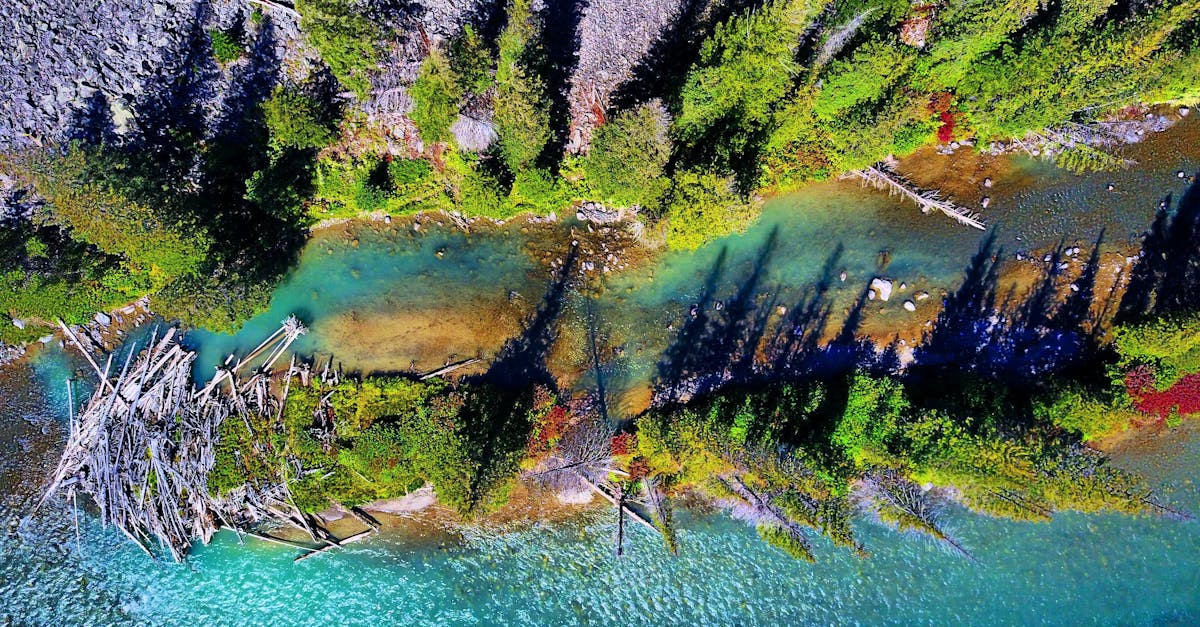
The Gallatin River rushes through a narrow, forested canyon between Big Sky and Bozeman, offering fast-paced pocket water fishing for eager rainbow and brown trout. Made famous by 'A River Runs Through It,' the Gallatin is a quintessential Montana freestone stream.
Gallatin River Fishing Report & Current Conditions
The Gallatin River is a freestone fishery, and it fishes best in summer and fall. Live USGS streamflow readings update throughout the day, while the monthly median flows below map the river's typical discharge across the year. Together they show current fishability and how today's water compares to the seasonal norm.
Current Conditions
Typical Monthly Flows
Historical median discharge (CFS) by month: Gallatin River
Overview
The Gallatin River carves through one of Montana's most beautiful canyons, a stretch of pocket water, plunge pools, and cascading riffles that demands precise casting and rewards it with wild trout.
Originating in Yellowstone National Park near the northwest corner, the Gallatin flows north through a forested canyon bordered by Highway 191. This canyon section between Big Sky and the mouth near Gallatin Gateway is the heart of the fishery, roughly 30 miles of accessible, wadeable water holding both rainbow and brown trout.
The Gallatin is not a river of large fish. Most trout run 10 to 14 inches, with occasional fish to 18 inches. What it lacks in trophy potential, it makes up for in sheer numbers and willingness. On a good summer day, a skilled angler can expect to catch 30 to 50 fish on attractor dry flies and small nymphs.
The canyon's character makes the Gallatin excellent for beginner and intermediate anglers. The fish are aggressive and forgiving of imperfect drifts. High-floating attractor patterns like Royal Wulffs, stimulators, and Chubby Chernobyls work throughout the summer. Fall brings spawning browns from the lower river into the canyon.
Below the canyon, the Gallatin enters an agricultural valley before joining the Madison and Jefferson at Three Forks. This lower section fishes differently: slower, deeper, with larger brown trout but less consistent action.
Water Characteristics
The Gallatin is a high-gradient freestone stream fed by snowmelt from the Gallatin Range and the northwest corner of Yellowstone National Park. The canyon section drops approximately 30 feet per mile, creating the fast, turbulent pocket water that defines its character. Water clarity is excellent during summer and fall base flows, typically 4 to 8 feet of visibility, though runoff from mid-May through late June can reduce the river to murky, unfishable conditions for several weeks. The river clears quickly once runoff subsides, usually by early July.
The substrate is predominantly cobble and boulder with gravel deposits in the lower-gradient sections, ideal habitat for mayflies, stoneflies, and caddisflies. The riverbed's coarse structure creates thousands of small holding lies behind boulders and in pocket seams, which is why the canyon supports such high numbers of trout despite the relatively small stream size. Summer water temperatures typically range from 48-58 degrees F in the canyon section, cooled by the river's high gradient and shaded canyon walls. Temperatures rarely approach stressful levels for trout, and hoot-owl restrictions are less common here than on the Madison or Yellowstone.
Below the canyon, the Gallatin enters the broad agricultural valley where it slows, warms, and picks up nutrient load from irrigated farmland. Water temperatures in the lower river can exceed 65 degrees F in late summer, pushing trout into spring-fed sections and deeper pools. The lower river's substrate shifts to finer gravel and silt, supporting different insect communities and a fishery dominated by brown trout rather than the rainbows that prevail in the canyon.
Wading & Float Guide
The Gallatin Canyon is quintessential wade fishing water. The river is narrow enough to cast across in most places (typically 30 to 60 feet wide) and rarely deeper than waist height except in plunge pools below cascades. The bottom is a mix of round cobble, gravel, and larger boulders that create the classic pocket water structure. Felt soles or studded rubber provide adequate traction, and a wading staff is helpful but not essential for most anglers. The canyon's moderate gradient and accessible depth make it one of Montana's best rivers for beginning wading anglers.
Highway 191 parallels the river through the entire canyon, providing easy access at dozens of pullouts and trailheads. Anglers can park along the highway and be fishing within minutes. The canyon's pocket water structure means productive water is everywhere: behind boulders, in plunge pools, along current seams, and in the slicks above and below cascading drops. Most fishing is done by working upstream, picking apart pockets and eddies with short casts.
Below the canyon mouth near Gallatin Gateway, the river character changes significantly. The Gallatin widens, slows, and flows through private agricultural land with limited public access. Wading in this section requires navigating deeper water with a softer, siltier bottom. Public access is primarily at bridge crossings and the occasional FWP easement. The lower river is best fished during fall when brown trout migrate upstream from the Missouri headwaters, staging in pools and deeper runs accessible from public sites.
Gallatin Canyon (Big Sky to Gallatin Gateway)
The canyon section is not a float fishery. The river is too narrow, steep, and boulder-choked for drift boats or rafts. This is exclusively wade fishing water. Highway 191 provides continuous access with pullouts every half mile or so.
Gallatin Gateway to Logan
Below the canyon, the Gallatin flattens through the agricultural valley. Small watercraft can navigate this section during adequate flows, but it is not a traditional drift boat fishery. Limited public access makes this section more practical as a wade fishery from bridge crossings. Holds larger brown trout than the canyon, especially in fall.
Logan to Three Forks (Missouri Headwaters)
The lowest Gallatin section before it joins the Madison and Jefferson. Slower water with deeper pools. Not heavily fished for trout but holds brown trout that migrate between the three headwater rivers. Missouri Headwaters State Park at the confluence is worth a visit for the historical significance and scenic beauty.
Rod & Tackle Guide
Gallatin Canyon (Wade Fishing)
- Rod
- 8'6" to 9' 4-weight or 5-weight
- Line
- Weight-forward floating
- Leader & Tippet
- 7.5' tapered to 4X-5X
The canyon's tight quarters and pocket water favor shorter, accurate casts over distance. A 4-weight is ideal for the smaller fish and intimate water, though a 5-weight provides more versatility if you only bring one rod. The shorter 7.5' leader turns over quickly in the pockety current; a longer leader tangles in the boulders and overhanging brush. Tippet at 4X-5X matches the #10-16 attractor dries and small nymphs that work best here.
Lower Gallatin (Gateway to Three Forks)
- Rod
- 9' 5-weight or 6-weight
- Line
- Weight-forward floating
- Leader & Tippet
- 9' tapered to 4X (dry fly), 7.5' to 3X (streamers in fall)
The river opens up below the canyon, and the wider water requires longer casts. A 5-weight handles summer dry-fly fishing with caddis and PMDs. In fall, when large brown trout migrate upstream from the Missouri headwaters, step up to a 6-weight with a shorter, heavier leader for streamer work.
Recommended Gear
Orvis Clearwater 905-4
Rod · $479.00
Best Time to Fish the Gallatin River
Spring
The Gallatin runs high and fast through runoff, typically mid-May through late June. The canyon can be unfishable during peak flows. Before runoff, March and April nymphing with Zebra Midges, Pheasant Tails, and small BWO dries (#18-20) on overcast afternoons can produce well. As flows recede in late June, attractor dries and stonefly nymphs begin to produce. The salmonfly hatch on the Gallatin is brief and sporadic, not as reliable as on the Madison, but golden stoneflies (#8-10) provide consistent early-summer action.
Summer
July and August are prime time. Fish high-floating attractor dries: Royal Wulffs (#12-14), Stimulators (#10-14), Chubby Chernobyls (#10-12), and Parachute Adams (#14-16). Hopper-dropper rigs work exceptionally well from late July onward: float a foam hopper (#8-10) with a #16 Beadhead Pheasant Tail or Prince Nymph dropper. The canyon fish are aggressive and rarely selective; confidence in your pattern matters more than exact imitation. Fish the pockets, eddies, and foam lines. Cover water quickly and move upstream.
Fall
September brings spawning brown trout from the lower river into the canyon. These fish are larger than the resident canyon trout and can exceed 18 inches. Swing Woolly Buggers (#8-10) and small streamers through the deeper pools and runs. BWO hatches (#18-20) become reliable on overcast October afternoons. The canyon is stunningly beautiful in fall with golden aspens and cottonwoods. Crowds thin significantly after Labor Day, and some of the best fishing of the year occurs in September and October.
Winter
The Gallatin Canyon can be fished through winter on catch-and-release sections, but access is limited and conditions are harsh. Ice shelves form along the banks, and highway pullouts may be snow-covered. Focus on the deeper pools and slower runs with small midge patterns (#20-24) and Pheasant Tail nymphs (#16-18). Fish midday during the warmest hours. The lower river below the canyon is generally not productive in winter. Winter fishing here is for dedicated anglers; the rewards are solitude and occasional willing fish in a spectacular winter landscape.
Fishing Pressure & Local Tips
The Gallatin Canyon sees moderate fishing pressure during summer, primarily from visiting anglers staying in the Big Sky and Bozeman areas. The highway access and beginner-friendly character attract a mix of experienced fly fishers and novices. Pressure is highest near the most accessible pullouts in the middle canyon between Big Sky and the mouth. However, the canyon's pocket water structure absorbs pressure well; trout in boulder-strewn pocket water are less affected by fishing pressure than fish in slower, more exposed lies.
Despite its proximity to the tourist hub of Big Sky and the growing city of Bozeman, the Gallatin receives substantially less pressure than the Madison or Missouri rivers. Most visiting anglers who hire guides float the Madison or Missouri, leaving the Gallatin to wade anglers. This makes it an excellent alternative when the Madison is crowded. Pressure drops to very light levels after Labor Day and remains minimal through winter and spring. The lower Gallatin below the canyon receives very little pressure year-round due to limited public access through private ranch land.
Local Knowledge
The Gallatin Canyon rewards anglers who move quickly and cover water. Unlike technical tailwater fishing where you might spend an hour on a single rising fish, the canyon is best fished by working upstream, making three or four casts into each pocket or eddy, and moving on. If a trout is going to eat your dry fly, it will usually do so on the first or second drift. Spending too long on any single spot is the most common mistake visiting anglers make on this river.
Look for the "soft spots": the slower water behind boulders, in eddies, and along current seams where trout can hold without fighting the main current. In the Gallatin's fast canyon water, trout cannot afford to inspect flies carefully. They must commit quickly or lose the meal. This is why attractor patterns work so well here. Matching the hatch is largely unnecessary in the canyon; focus instead on presentation, getting your fly into the soft water with a drag-free drift, even if it is only 12 inches of drift.
The stretch of canyon between Storm Castle Creek and the mouth is often overlooked in favor of the water closer to Big Sky, but it holds some of the canyon's best pools and the largest resident trout. The river gradient decreases slightly in this lower canyon section, creating deeper pools and longer runs that hold fish up to 16-18 inches. Additionally, the lower Gallatin near Logan and Three Forks is an underappreciated fall fishery; large brown trout from the Missouri headwaters migrate into the Gallatin to spawn, and anglers who explore this overlooked water with streamers in October can encounter surprisingly large fish.
Species Present
Rainbow Trout
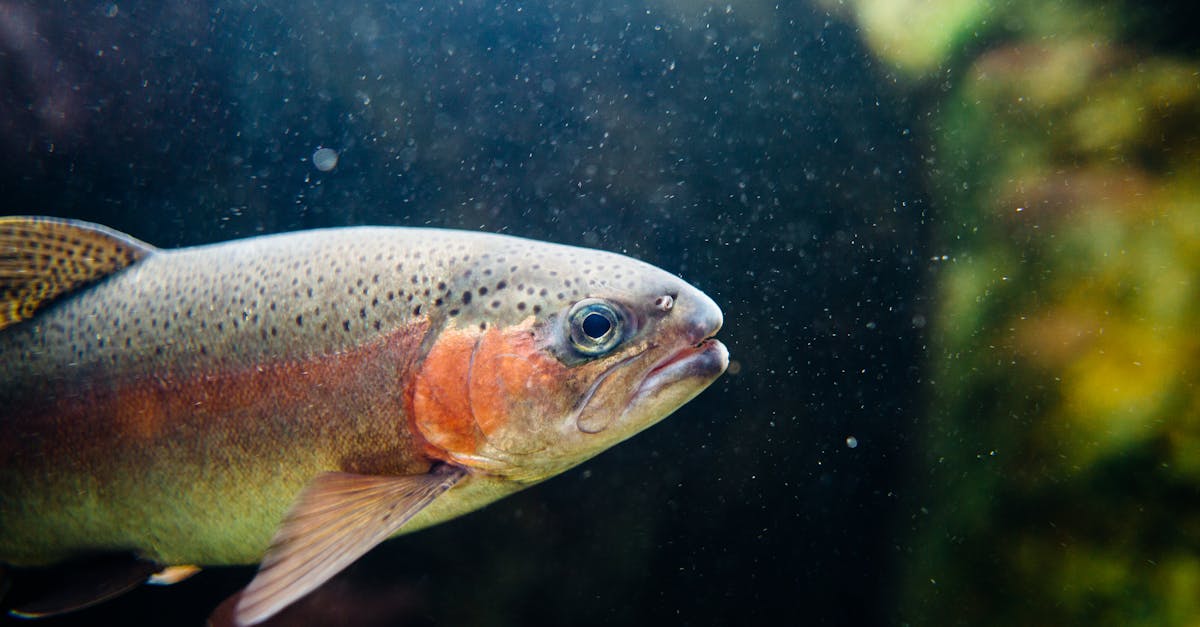
The rainbow trout is Montana's most widespread and popular gamefish, celebrated for its explosive surface strikes, aerial acrobatics, and willingness to take a well-presented dry fly. Native to Pacific Coast drainages from Alaska to Mexico, rainbows were first introduced to Montana's waters in the late 1800s and have since established thriving populations in nearly every major river system in the state. On legendary waters like the Madison, Missouri, and Bighorn, wild rainbow trout grow fat on prolific insect hatches and provide some of the finest dry-fly fishing in North America. Rainbow trout in Montana display remarkable variation depending on their home water. Fish in nutrient-rich tailwaters like the Missouri River below Holter Dam can exceed 20 inches with regularity, their deep bodies and broad tails reflecting the abundant food supply. Freestone river rainbows, such as those in the upper Madison and Gallatin, tend to be leaner and more athletic, shaped by faster currents and colder water temperatures. In many Montana rivers, rainbows spawn in the spring from March through June, and anglers should be mindful of spawning redds during this period to protect future generations of fish. Rainbows are arguably the most versatile trout species for fly anglers. They respond well to dry flies during hatches, aggressively chase streamers, and feed heavily on nymphs subsurface throughout the year. Their fighting ability is legendary: a hooked rainbow will often launch itself completely out of the water multiple times during a battle. Montana's catch-and-release regulations on many blue-ribbon streams have produced exceptional rainbow trout fisheries with high densities of large, healthy fish that continue to draw anglers from around the world.
Brown Trout
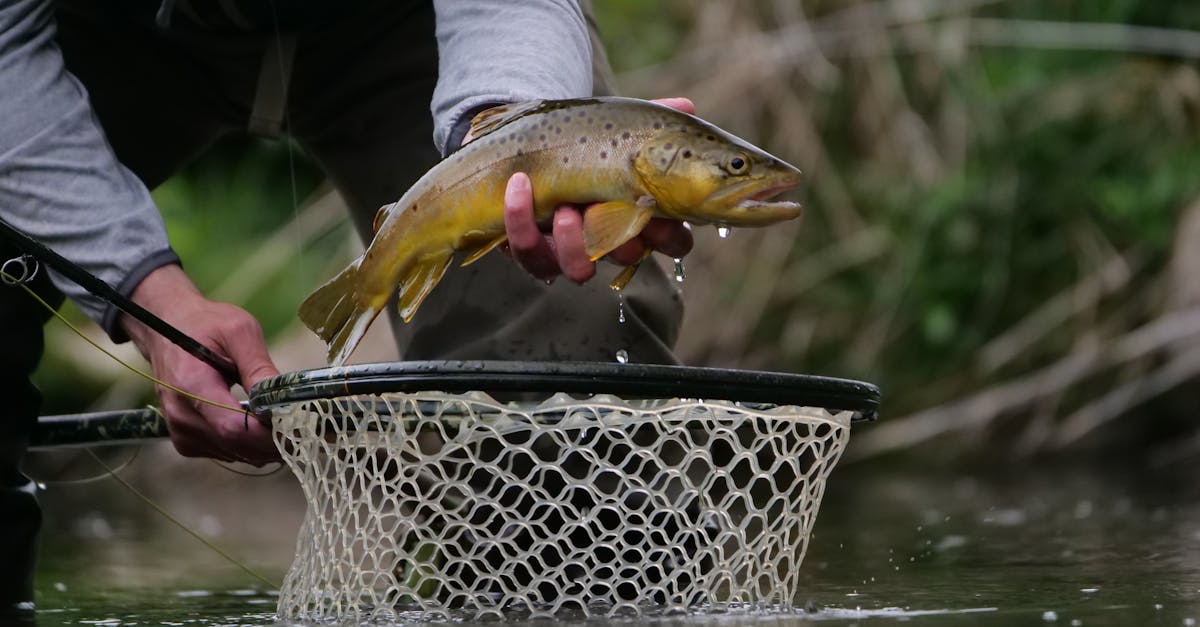
The brown trout is the most cunning and elusive trout species swimming in Montana's rivers, and it rewards patient, skilled anglers with some of the state's most memorable catches. Originally native to Europe and western Asia, brown trout were first introduced to North American waters in 1883 and arrived in Montana shortly thereafter. They have since established robust, self-sustaining populations in virtually every major trout stream in the state, from the legendary spring creeks of the Paradise Valley to the sweeping runs of the lower Madison and the deep pools of the Bighorn. Brown trout grow larger than any other trout species in Montana, and fish exceeding 24 inches are caught with regularity on premium waters. The lower Madison River, the Missouri River below Holter Dam, and the Bighorn River are particularly renowned for producing trophy-class browns. Unlike rainbows, brown trout spawn in the fall (October through November), and their aggressive pre-spawn behavior creates an exciting window for streamer fishing as large males become territorial and attack anything that enters their domain. Browns are notably more nocturnal than other trout species, and many of the biggest fish are caught during low-light conditions. What sets brown trout apart from other species is their wariness and selectivity. Large browns are notoriously difficult to fool, often refusing flies that are even slightly off in size, color, or presentation. They tend to establish and defend prime feeding lies (undercut banks, logjams, deep pools, and boulder gardens), and an angler who learns to read water and identify these holding spots will consistently catch more and larger fish. This combination of difficulty, size potential, and intelligence makes the brown trout the most prized quarry for many serious Montana fly fishers.
Yellowstone Cutthroat Trout
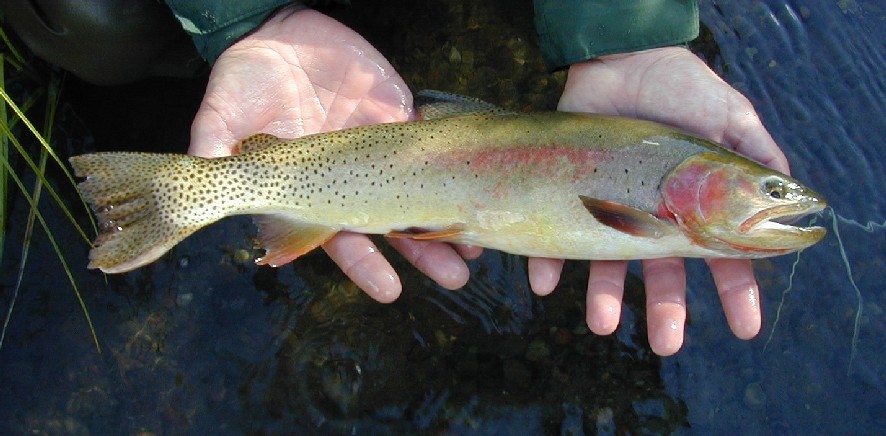
The Yellowstone cutthroat trout is Montana's most iconic native fish, a living symbol of the wild, untrammeled waters of the Greater Yellowstone Ecosystem. This subspecies of cutthroat trout evolved in the Yellowstone River drainage over thousands of years and is uniquely adapted to the cold, clear streams and rivers of south-central Montana. Named for the vivid red-orange slash marks beneath its lower jaw, the 'cut throat' that gives the entire cutthroat species complex its name, the Yellowstone cutthroat is one of the most beautiful and culturally significant fish in the American West. Yellowstone cutthroats are generally considered the most eager surface feeders among Montana's trout species, making them a favorite among dry-fly purists. They tend to be less wary than brown trout and more willing to eat a well-presented dry fly, even when no hatch is occurring. On their home waters (the Yellowstone River above Livingston, Slough Creek in Yellowstone National Park, the upper Lamar River, and numerous tributary streams throughout the Absaroka and Beartooth ranges), cutthroats will rise freely to attractor dry flies like Royal Wulffs, Stimulators, and Elk Hair Caddis, providing the kind of classic western dry-fly experience that anglers travel thousands of miles to enjoy. Despite their eagerness at the end of a fly line, Yellowstone cutthroat trout face significant conservation challenges. Habitat loss, hybridization with introduced rainbow trout, competition from non-native brook trout and lake trout, and the impacts of whirling disease have reduced their historic range by roughly 60 percent. Montana Fish, Wildlife & Parks, along with federal agencies and conservation groups, has invested heavily in cutthroat restoration projects, including barrier construction to prevent upstream migration of non-native species and targeted removal of lake trout from Yellowstone Lake. Anglers play an important role in cutthroat conservation by practicing careful catch-and-release techniques and supporting habitat protection efforts.
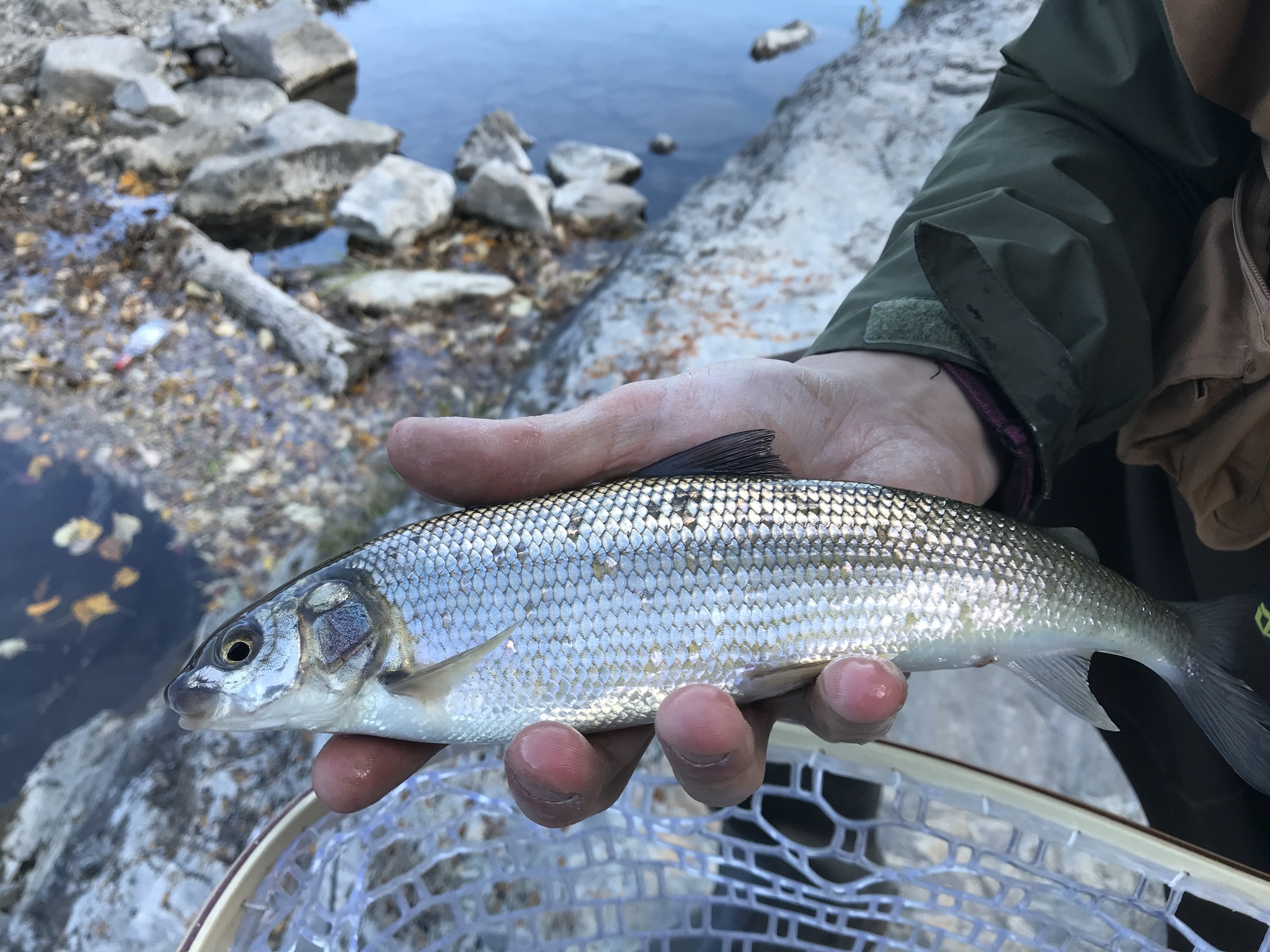
Mountain Whitefish
The mountain whitefish is one of Montana's most abundant native salmonids and arguably the most underappreciated gamefish in the state. A member of the whitefish subfamily (Coregoninae) within the broader salmonid family, mountain whitefish are present in virtually every cold-water river and large stream in Montana, often outnumbering trout by significant margins. On rivers like the Madison, Gallatin, Yellowstone, and Bitterroot, whitefish populations can exceed 1,000 fish per mile, making them the dominant salmonid species by biomass in many reaches. Despite this abundance, most fly anglers overlook whitefish entirely or view them as an unwelcome catch, which is unfortunate because they can provide outstanding sport on light tackle. Mountain whitefish are an important ecological component of Montana's river systems. They serve as a primary food source for larger brown trout, bald eagles, ospreys, otters, and other predators. Their fall spawning behavior (typically October through December) plays a critical role in nutrient cycling, and their eggs provide food for other fish and aquatic invertebrates during the lean winter months. In recent years, whitefish populations have been used as indicator species for overall river health, and declines in whitefish numbers on some Montana rivers have raised concerns about changing water conditions and disease pressure. For anglers willing to target them intentionally, mountain whitefish offer several advantages. They feed actively throughout the winter months when trout fishing can be slow, they are abundant and widely distributed, and they fight with surprising strength for their size; a 16-inch whitefish on a 3- or 4-weight rod provides a memorable tussle. Whitefish are also excellent table fare, with firm, mild-flavored white flesh that is delicious smoked or fried. Montana regulations typically allow a generous harvest limit for whitefish, recognizing their abundance and the role that harvest can play in managing populations on some waters.
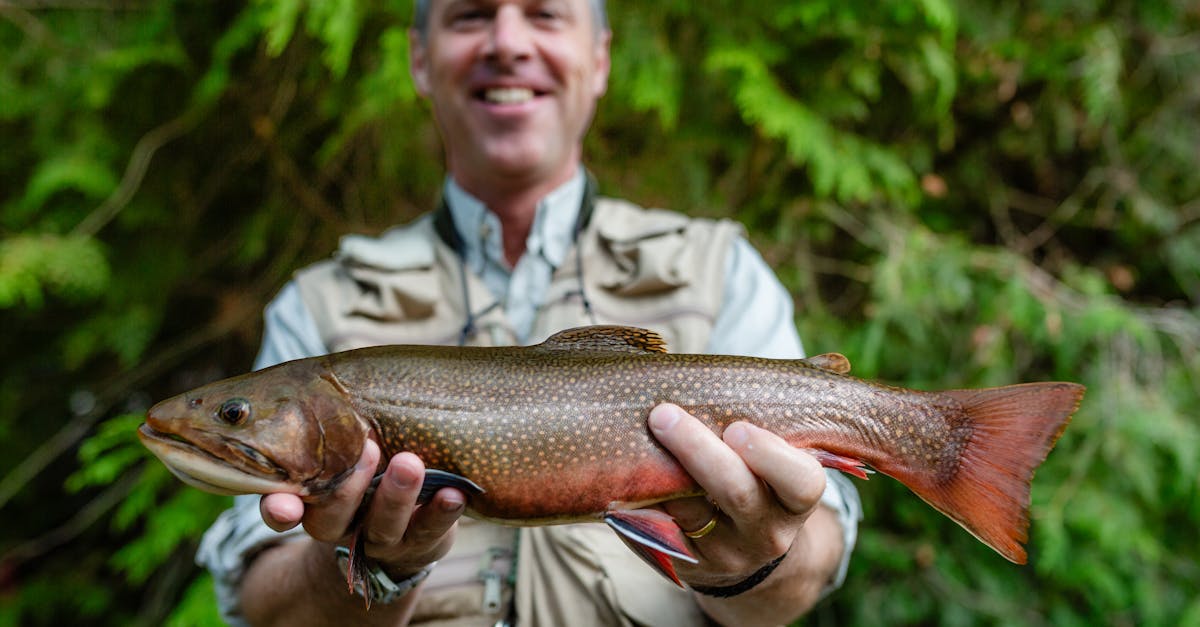
Brook Trout
The brook trout is widely considered the most beautiful freshwater fish in North America, and catching one in a pristine Montana mountain stream is an experience that captures the essence of backcountry fly fishing. Despite their common name, brook trout are not true trout at all; they are a species of char (genus Salvelinus), more closely related to lake trout and Arctic char than to rainbows or browns. Native to eastern North America from Georgia to Hudson Bay, brook trout were among the first salmonids introduced to Montana's waters in the late 1800s and have since established self-sustaining populations in cold, high-elevation streams and lakes throughout the state. In Montana, brook trout thrive best in small, cold headwater streams and high mountain lakes where competition from larger trout species is minimal. In these environments, they are often the dominant, or only, salmonid present. The trade-off is size: Montana stream-dwelling brook trout typically range from 6 to 10 inches, with fish over 12 inches considered noteworthy in most waters. What they lack in size, however, they more than make up for in beauty and willingness to eat a fly. Brookies are aggressive feeders that will strike attractor dry flies, nymphs, and small streamers with enthusiasm, making them an ideal species for beginning fly anglers and a delightful quarry for anyone who appreciates small-stream fishing. Brook trout do present a conservation paradox in Montana. While they are a beloved and beautiful gamefish, they are non-native and can negatively impact native species, particularly Yellowstone and westslope cutthroat trout. In headwater streams, brook trout often outcompete cutthroats for food and spawning habitat due to their higher reproductive rate and earlier maturation. As a result, Montana FWP has implemented brook trout removal projects on some streams to restore native cutthroat populations. In many waters, liberal harvest limits for brook trout are encouraged to reduce their numbers and benefit native fish. Anglers can enjoy excellent brook trout fishing while actively helping conservation by keeping a few for the pan.
Gallatin River Hatch Chart
| Insect | Suggested Fly | Jan | Feb | Mar | Apr | May | Jun | Jul | Aug | Sep | Oct | Nov | Dec |
|---|---|---|---|---|---|---|---|---|---|---|---|---|---|
Blue-Winged Olive (Baetis) afternoon | Parachute Adams | ||||||||||||
Stoneflies (various) all day | Stimulator | ||||||||||||
Caddisflies (various) evening | Elk Hair Caddis | ||||||||||||
Pale Morning Dun morning | Purple Haze | ||||||||||||
Terrestrials (hoppers, ants) afternoon | Chubby Chernobyl | ||||||||||||
Blue-Winged Olive (Baetis) afternoon | BWO Emerger |
Blue-Winged Olive (Baetis): Spring Baetis in the canyon. Size 16-20.
Stoneflies (various): No salmonflies, but golden stones and smaller species hatch.
Caddisflies (various): Heavy caddis hatches in the canyon.
Pale Morning Dun: Use a Purple Haze; it was invented here.
Terrestrials (hoppers, ants): Foam attractor patterns work as terrestrial imitations.
Blue-Winged Olive (Baetis): Fall Baetis in the canyon.
Recommended Flies
Parachute Adams
Top PickAlways works in the canyon
Best in summer
Chubby Chernobyl
Top PickTop pocket water fly
Best in summer
Purple Haze
Top PickBorn in the Gallatin Valley
Best in summer
Elk Hair Caddis
Top PickEvening caddis hatches are reliable
Best in summer
Pheasant Tail Nymph
Top PickDropper behind a dry
Best in spring
Pat's Rubber Legs
Top PickBounce through pocket water
Best in spring
Curated Fly Boxes
Gallatin Canyon Pocket Water Box
SummerHigh-floating attractors and reliable nymphs for the Gallatin's boulder-strewn canyon. Aggressive patterns for aggressive fish.
Access Points & Boat Launches
Greek Creek Campground
Wade AccessModerateUpper canyon wade access situated within a Forest Service campground along Highway 191. The campground provides a base for exploring the pocket water and plunge pools of the upper Gallatin, where native cutthroat and small rainbows take attractor dries readily. Several pull-offs along the highway near the campground offer additional access points to the canyon stretch.
Moose Creek Flat
Wade AccessEasyWide gravel bar with good access to classic pocket water in the Gallatin Canyon. The open flats make wading straightforward, and the mix of riffles, runs, and boulders holds fish throughout the season. Moose Creek Flat is one of the more popular wade fishing spots on the Gallatin, especially during the salmon fly and golden stone hatches in June and July.
Squaw Creek Bridge
Wade AccessEasyBridge crossing on Highway 191 with a parking area that provides access to runs above and below the bridge. The river here transitions from tight canyon character to slightly more open water, offering a mix of pocket water and longer riffles. Wading is manageable at normal flows, though the cobble bottom can be slick during spring runoff.
Gallatin Gateway FAS
ParkingEasyLower river access near the mouth of the Gallatin Canyon as it flows into the Gallatin Valley. A short trail leads from the parking area to the river, where the water slows and widens compared to the canyon sections upstream. This site is convenient for anglers coming from Bozeman and offers good evening fishing during summer caddis and PMD hatches.
Regulations
Regulations
Season: Third Saturday in May through November 30 (extended catch-and-release Dec 1 through third Sat in May on some sections). Upper Gallatin Canyon (YNP boundary to mouth of canyon): artificial flies/lures only, catch-and-release for all trout. Lower Gallatin (below canyon to Three Forks): 5 trout daily combined, only 1 over 18". Mountain whitefish: 20 daily. Hoot-owl restrictions may apply during summer heat. Check FWP at fwp.mt.gov for current regulations.
Always verify current regulations with Montana Fish, Wildlife & Parks before fishing.
Some links may earn a commission. Learn more
Quick Facts
- Region
- Southwest Montana
- Water Type
- Freestone
- River Length
- 120 miles total (~30 miles of prime canyon water from Big Sky to Gallatin Gateway)
- Difficulty
- Beginner-Intermediate
- Best Seasons
- summer, fall
- Trout Per Mile
- 1,500-2,500 (canyon section; lower densities but larger fish below canyon)
- Record Trout
- 24" brown trout (lower Gallatin; canyon fish rarely exceed 18")
- Species
- Rainbow Trout, Brown Trout, Yellowstone Cutthroat Trout, Mountain Whitefish, Brook Trout
- USGS Gauge
- 06043500
Local Shops & Guides
Blue Ribbon Flies
West Yellowstone, MT
Blue Ribbon Flies is a legendary West Yellowstone fly shop founded by Craig Mathews and John Juracek in 1982. Located on Canyon Street just blocks from the west entrance to Yellowstone National Park, the shop has earned an international reputation for Yellowstone-area expertise, innovative fly patterns, and a deep commitment to conservation. Craig Mathews, a former police officer turned fly fishing icon, co-authored several influential books including "Fishing Yellowstone Hatches" and developed many iconic fly patterns still in wide use today. The shop carries a carefully curated selection of flies, rods, reels, waders, and accessories, with a particular emphasis on patterns designed specifically for Greater Yellowstone waters. Blue Ribbon Flies is known for its detailed knowledge of the Madison, Gallatin, Yellowstone, Firehole, and Gibbon rivers, as well as numerous spring creeks and lakes in the region. Their staff provides expert, personalized advice to help anglers of all skill levels find success on local waters. Beyond retail, Blue Ribbon Flies has been a driving force in conservation, co-founding 1% for the Planet with Yvon Chouinard of Patagonia. The shop has donated over a million dollars to grassroots environmental organizations. Their guide service pairs anglers with experienced local guides who know the intricacies of Yellowstone-area waters intimately.
(406) 646-7642
Bozeman Angler
Bozeman, MT
Bozeman Angler is a full-service fly shop located in downtown Bozeman, Montana, serving as a central hub for anglers heading to the Gallatin, Madison, Yellowstone, and Missouri rivers. The shop's convenient location makes it an ideal first stop for visiting anglers looking to gear up and get current conditions before heading to the water. The shop carries a well-curated selection of rods, reels, lines, waders, boots, and accessories from leading brands, along with an extensive fly selection covering all the major hatches on nearby rivers. Their knowledgeable staff provides honest advice on where to go and what to use based on real-time conditions, helping both visiting and local anglers maximize their time on the water. Bozeman Angler also offers a guide service with experienced local guides covering the Gallatin Canyon, upper and lower Madison, Yellowstone River, and Missouri River. They provide fly fishing classes and instruction for beginners and intermediates, making them a great resource for anglers looking to improve their skills or learn the local waters for the first time.
(406) 587-9111
Montana Troutfitters
Bozeman, MT
Montana Troutfitters is a premier fly fishing outfitter and fly shop based in Bozeman, Montana, offering guided trips on the region's finest trout rivers. Established as one of Bozeman's original fly shops, Troutfitters has built a reputation for professional guide service, quality gear, and genuine expertise on the Gallatin, Madison, Yellowstone, and Missouri rivers. The shop on West Main Street in Bozeman serves as both a full-service fly shop and the base of operations for their guide service. They stock a comprehensive selection of flies, rods, reels, waders, and accessories, with staff who can provide detailed, up-to-date advice on local conditions. Their fly selection is particularly strong, covering all the major hatches on nearby waters. Montana Troutfitters' guide service is the heart of the operation, offering float trips and walk-wade outings led by experienced, professional guides. Their guides hold US Coast Guard licenses where required and are skilled at working with anglers of all abilities, from first-time fly fishers to seasoned veterans looking to explore new water. The shop also offers fly fishing instruction and can customize multi-day fishing itineraries covering multiple rivers.
(406) 587-4707
Where to Stay
Bozeman
Montana's fastest-growing city with an excellent food and craft beer scene. 20 minutes from the Gallatin Canyon and a reasonable drive to the Madison and Yellowstone.
The most lodging options of any Montana fishing town. Great home base for hitting multiple rivers: the Gallatin, Madison, and Yellowstone are all within an hour.
Big Sky
A resort community at the top of the Gallatin Canyon. Upscale lodging with immediate access to the canyon's pocket water.
Premium accommodations but premium prices. The canyon water right below Big Sky is excellent. Off-season rates (spring, fall) offer significant savings.