Mercer's Flush Floater Foam Stone
Mercer's Flush Floater Foam Stone is a revolutionary dry fly pattern designed to imitate adult stoneflies, particularly salmonflies and golden stones during their brief but spectacular emergence periods. Created by Mike Mercer, this pattern solved a persistent problem that plagued traditional stonefly dry flies—how to create a pattern large enough and realistic enough to match the naturals while still floating reliably through turbulent water. Adult stoneflies are massive insects, with salmonflies reaching lengths of two inches or more. When they emerge in late spring and early summer, they crawl out onto streamside rocks and vegetation, where their exoskeletons split and adults emerge. These adults return to the water to lay eggs, often crash-landing on the surface, where they create a commotion that drives trout into a feeding frenzy. Traditional stonefly dries, tied with natural materials, often struggled to support their own weight and quickly became waterlogged. Mercer's innovation was incorporating closed-cell foam into the body construction. This foam provides unsinkable flotation while creating the chunky, segmented silhouette of adult stoneflies. The pattern rides flush in the surface film rather than high on the water, exactly matching how natural stoneflies appear when they land or oviposit. Rubber legs add lifelike movement, and the visible foam body makes the pattern easy to track in choppy water—a crucial advantage during the chaos of a stonefly hatch. The Flush Floater excels during the peak of stonefly emergences on classic western freestone rivers. Montana's Madison, Big Hole, and Clark Fork; Wyoming's Snake; Oregon's Deschutes; and Idaho's Henry's Fork all host impressive stonefly hatches where this pattern shines. The fishing can be explosive, with large trout rising aggressively to smash these big bugs on the surface. While primarily a late spring and summer pattern timed to stonefly emergences, the Flush Floater can also be effective as an attractor pattern throughout the summer. Its high visibility and large profile make it excellent for pocket water fishing, hopper-dropper rigs, and prospecting in fast, broken water where trout are accustomed to aggressive feeding.
Pattern Details
- Type
- Dry Fly
- Seasons
- summer
- Hook Sizes
- #6-10
- Hook Type
- 2X-3X long dry fly hook
- Tying Difficulty
- Intermediate
- Imitates
- Adult stonefly (salmonfly, golden stone)
Recipe & Materials
- Hook
- TMC 5212 or equivalent, sizes 6-10
- Thread
- 6/0 orange or tan
- Underbody
- Closed-cell foam (orange/tan)
- Overbody
- Foam strip (darker color for back)
- Rib
- Thread (segmentation)
- Legs
- Barred rubber legs (brown/orange)
- Wing
- Deer hair or elk hair
- Hackle
- Brown or grizzly (palmered)
- Antennae
- Rubber leg material or biots
Technique & Presentation
Tying the Flush Floater Foam Stone requires working with closed-cell foam, which behaves differently than traditional fly tying materials. Start by cutting a strip of foam to length—it should extend from the hook bend to just behind the eye. Secure the foam at the rear of the hook with tight thread wraps, being careful not to cut through the foam. The foam should sit on top of the hook shank.
Build the segmented body by wrapping thread forward in tight, evenly-spaced wraps that compress the foam and create distinct segments. This segmentation is both aesthetic and functional, making the pattern look more realistic while increasing surface area for floatation. Add rubber legs at the thorax area, positioning them to suggest the natural's six legs.
The wing can be tied from deer hair or elk hair, stacked and tied in at an upward angle. Some tiers prefer a double wing to increase visibility. Palmer a brown or grizzly hackle through the thorax area to add flotation and suggest the insect's struggling legs. Add antennae projecting forward using rubber leg material or stiff biots.
When fishing the Flush Floater, apply a good coating of dry fly floatant to the foam body and hackle. Cast it to likely holding water—seams, riffles, pocket water behind boulders—and use a dead drift. During stonefly hatches, target banks and shorelines where adults are crawling and falling onto the water. The strikes are often violent—large trout don't hesitate when they see these meaty insects. Use stout tippet (3X-4X) and be ready for aggressive takes. The foam construction means the pattern will float through dozens of fish without needing to be dried or treated, a huge advantage during fast-paced hatch fishing.
History & Origin
Mike Mercer developed the Flush Floater Foam Stone in response to the limitations of traditional stonefly dry flies. Conventional patterns tied with natural materials often sank after a few casts or became too waterlogged to float effectively in the turbulent pocket water where stoneflies are abundant. The introduction of closed-cell foam in fly tying opened new possibilities, and Mercer was among the first to fully exploit this material for large dry flies.
The pattern gained immediate acceptance when introduced in the 1990s. Guides and serious anglers on western rivers quickly recognized its advantages—superior flotation, durability, visibility, and realistic profile. The Flush Floater helped popularize foam-bodied dry flies, influencing countless subsequent patterns. Today, it remains one of the most trusted stonefly adult imitations and is a staple pattern in fly shops throughout the western United States. The pattern's success during the legendary stonefly hatches of Montana, Wyoming, and Idaho has cemented its place in modern fly fishing.
Where to Fish This Fly
Related Dry Fly Patterns
Parachute Adams
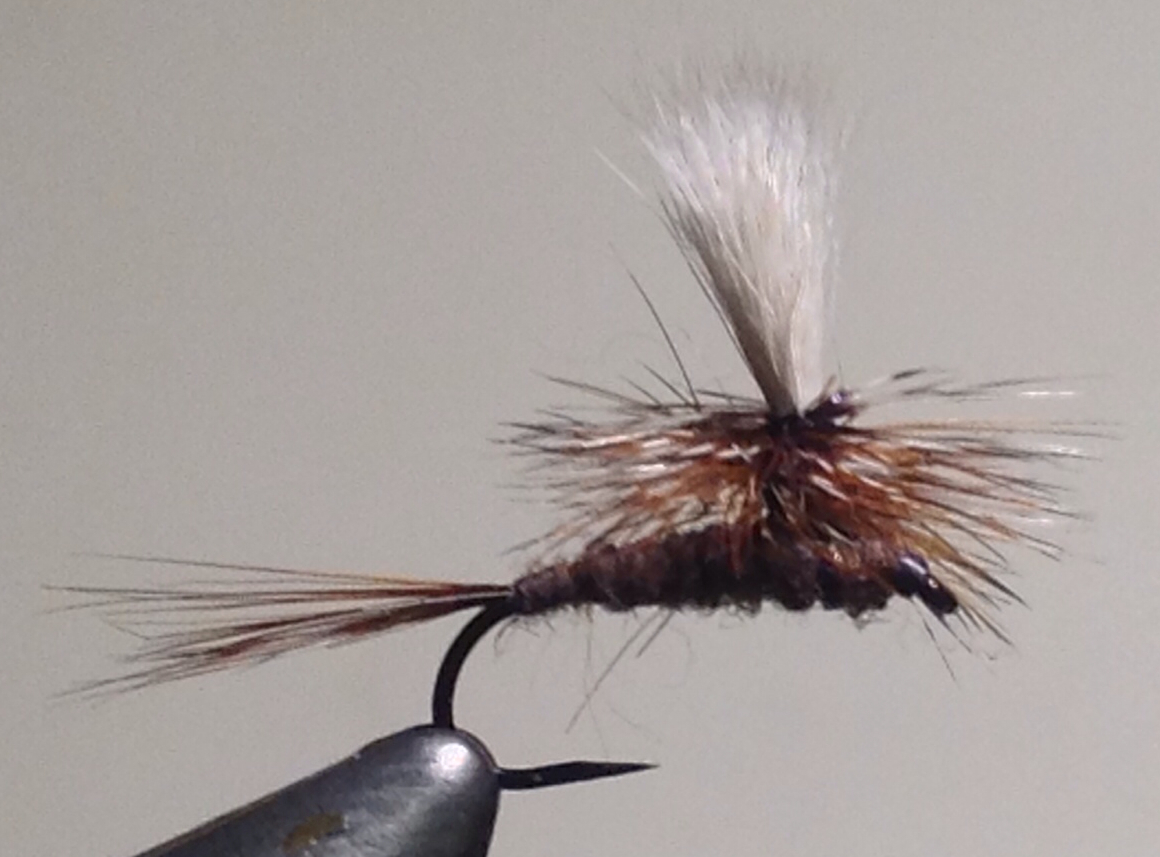
The most versatile dry fly ever created. The Parachute Adams imitates a wide range of mayflies and serves as an effective searching pattern when no specific hatch is occurring. The white parachute post makes it easy to track on the water. Originally tied with conventional upright wings, the parachute version wraps the hackle horizontally around the post, allowing the fly to land flush on the surface with a more realistic silhouette. This low-riding profile is why many experienced anglers prefer it over the standard Adams. The mixed brown and grizzly hackle suggests the mottled coloring of countless mayfly species, from tiny Baetis to larger Callibaetis. On Montana waters, the Parachute Adams is the quintessential searching pattern. When you arrive at the river and nothing is hatching, tie on a Parachute Adams in size #14 or #16 and start prospecting. During active hatches, sizing down to match the naturals makes this fly deadly. It works on every Montana river from the riffles of the Madison to the spring creek-like waters of the Missouri below Holter Dam.
Elk Hair Caddis
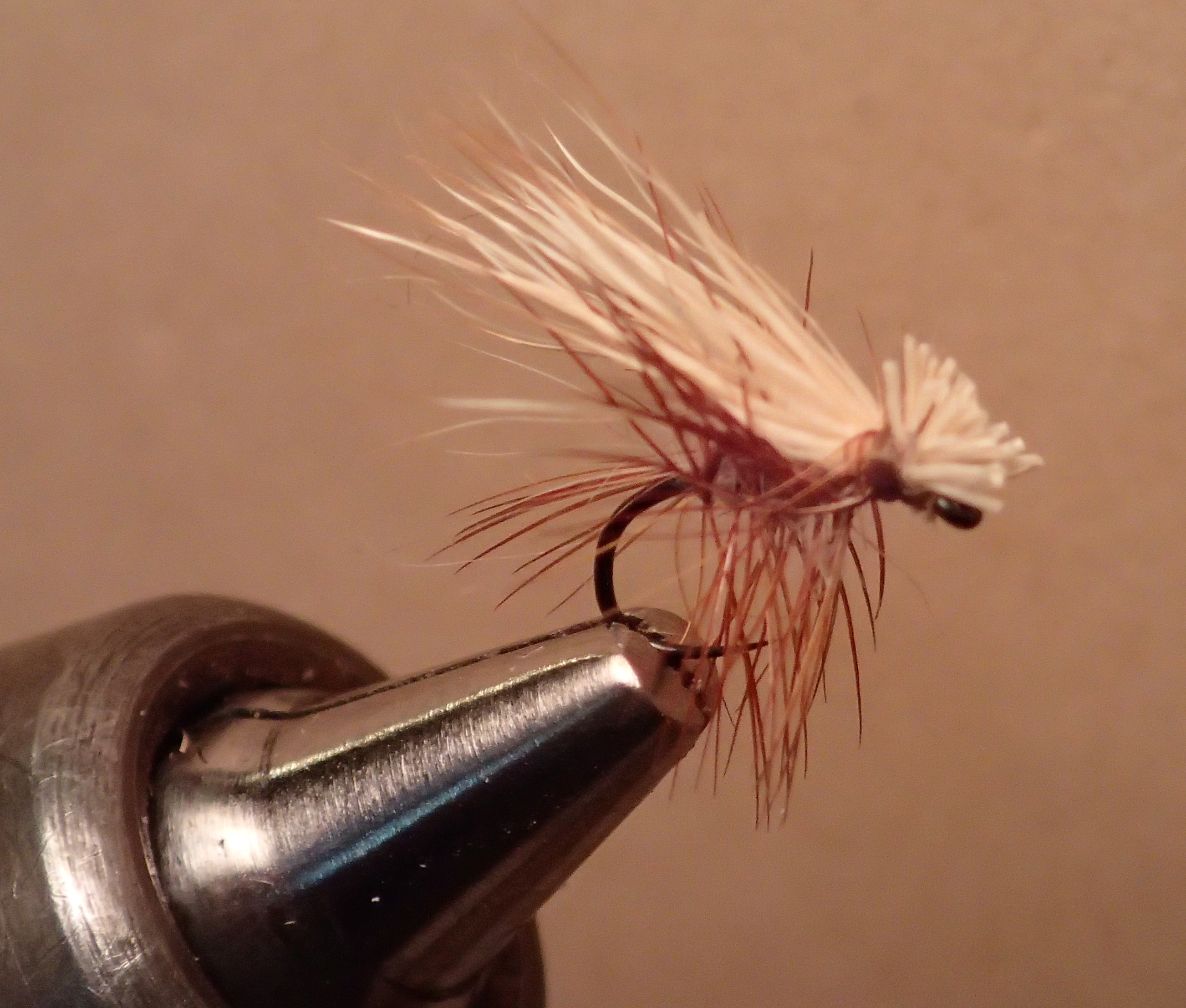
Al Troth's iconic caddis imitation is a must-have on every Montana river. The elk hair wing provides excellent flotation, and the pattern effectively matches adult caddisflies throughout the season. Dead-drift, skate, or twitch it; all methods produce fish. The Elk Hair Caddis is one of those rare patterns that works from the moment caddisflies start appearing in spring through the last hatches of fall. The tent-shaped elk hair wing perfectly mimics the profile of a resting adult caddis, while the palmered hackle gives the fly exceptional buoyancy and creates the impression of legs touching the surface. Its durability is legendary; a well-tied Elk Hair Caddis can take dozens of fish before needing replacement. In Montana, caddis hatches are prolific on every major river. Mother's Day caddis hatches on the Yellowstone in late April and May are among the most anticipated events of the season. The Elk Hair Caddis is equally effective on the rock gardens of the Gallatin, the braided channels of the upper Madison, and the tailwater sections of the Missouri. Vary the body color between tan, olive, and green to match local populations.
Stimulator
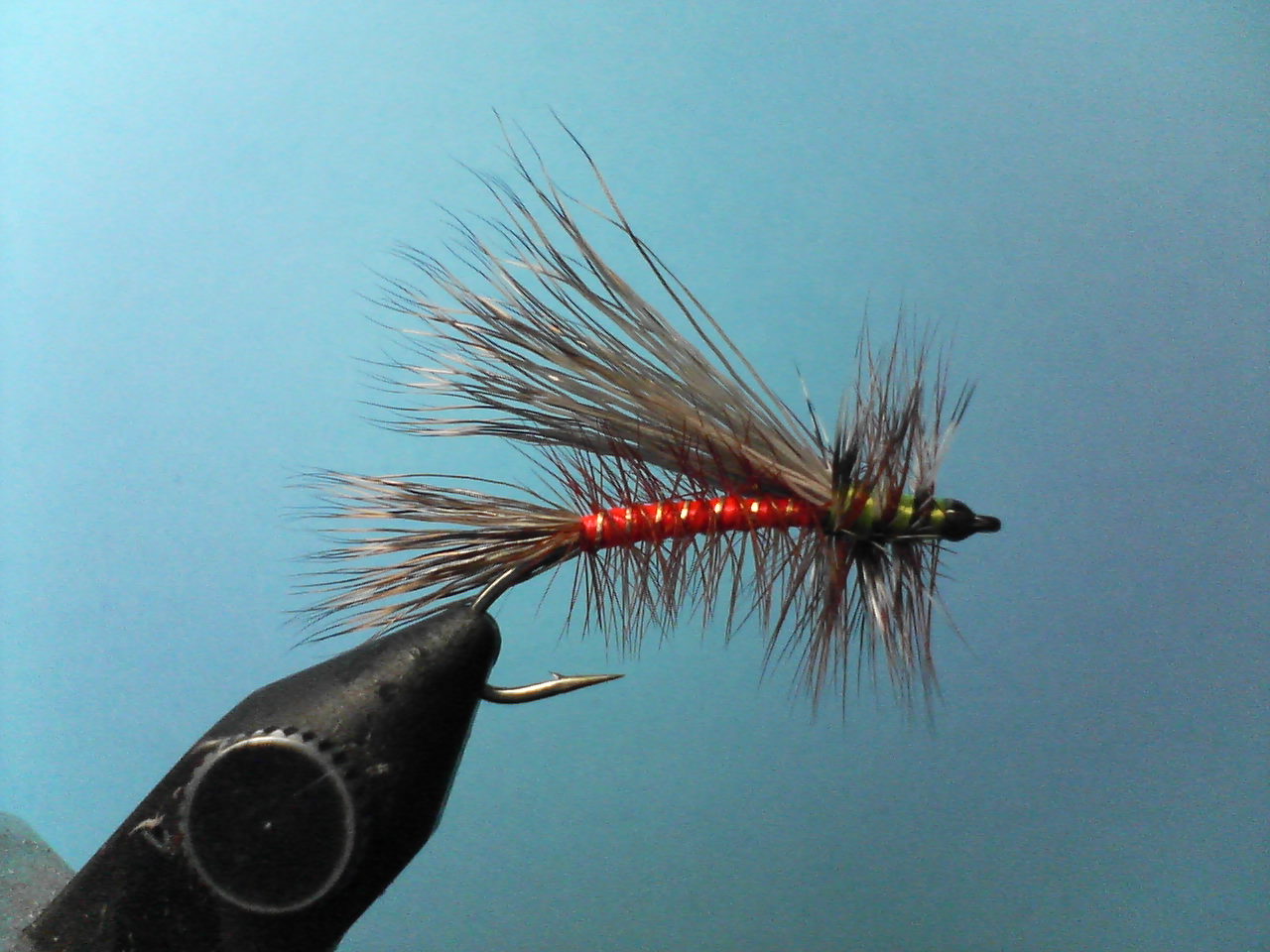
An outstanding attractor dry fly and stonefly imitation. The Stimulator excels as a top fly in a dry-dropper rig. Larger sizes (#6-8) match salmonflies and golden stones, while smaller sizes (#12-14) suggest various stoneflies and caddis. The Stimulator's genius lies in its buoyancy and suggestive profile. The combination of a heavily palmered hackle, elk hair wing, and robust body allows it to ride high on turbulent water where lesser flies would drown. The swept-back wing silhouette works as both a stonefly and large caddis imitation, making it effective even when no specific insect is hatching. Trout see the Stimulator and recognize it as a substantial, calorie-rich meal worth rising for. In Montana, the Stimulator truly shines during stonefly season on the Madison, Yellowstone, and Gallatin rivers. Tie on a size #6 orange Stimulator during the salmonfly hatch in late June and fish it tight to the banks. As summer progresses, switch to smaller sizes in yellow for golden stones. The Stimulator also serves as an excellent indicator fly for a heavy nymph dropper, especially when wading pocket water and riffles where it can be challenging to track a strike indicator.
Chubby Chernobyl
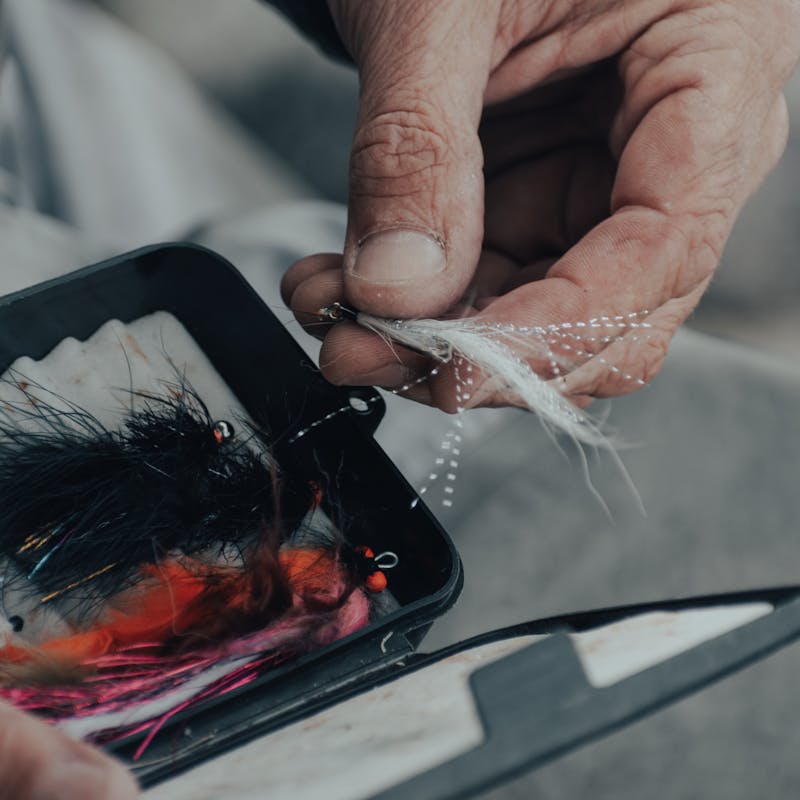
A modern foam attractor pattern that has become a Montana staple. Virtually unsinkable, the Chubby floats heavy nymph droppers and draws aggressive strikes from trout looking for a large, easy meal. Available in numerous colors. The Chubby Chernobyl represents the evolution of the foam hopper and stonefly genre. Its layered foam body creates a nearly indestructible fly that requires no floatant and rides high on even the roughest water. The rubber legs provide enticing movement, and the flash wing catches light in a way that grabs attention from trout holding deep. Whether tied in tan, purple, pink, or any other color, the Chubby simply produces fish. Montana guides have embraced the Chubby Chernobyl as their go-to dry-dropper indicator fly, and for good reason. It supports one or even two heavy nymphs without sinking, it is visible at long distances, and trout eat it with startling aggression. On the Madison, Yellowstone, and Gallatin rivers, more fish are likely caught with a Chubby on top than any other dry fly. Its effectiveness extends from early July through October, covering the heart of Montana's fishing season.
Purple Haze
A Montana-born variation of the Parachute Adams with purple dubbing. Created in the Gallatin Valley, this pattern has become a regional favorite that outperforms the standard Adams on many days, particularly during BWO and PMD hatches. The Purple Haze takes the proven Parachute Adams template and adds a subtle twist: a body of purple dubbing that seems to trigger something in trout that the standard gray does not. While purists may argue the color is unnatural, the results speak for themselves. Montana anglers have reported for years that the Purple Haze consistently outfishes the standard Adams, particularly on rivers that receive heavy fishing pressure. Theories about why the purple works vary. Some believe that the color more accurately represents the UV spectrum reflected by natural mayflies. Others suggest that the slightly different hue simply stands out enough on pressured water to be noticed without being refused. Whatever the reason, the Purple Haze has earned its place in the top tier of Montana dry flies. It is especially effective on the Gallatin, Madison, and Yellowstone rivers from late spring through early fall.
X-Caddis
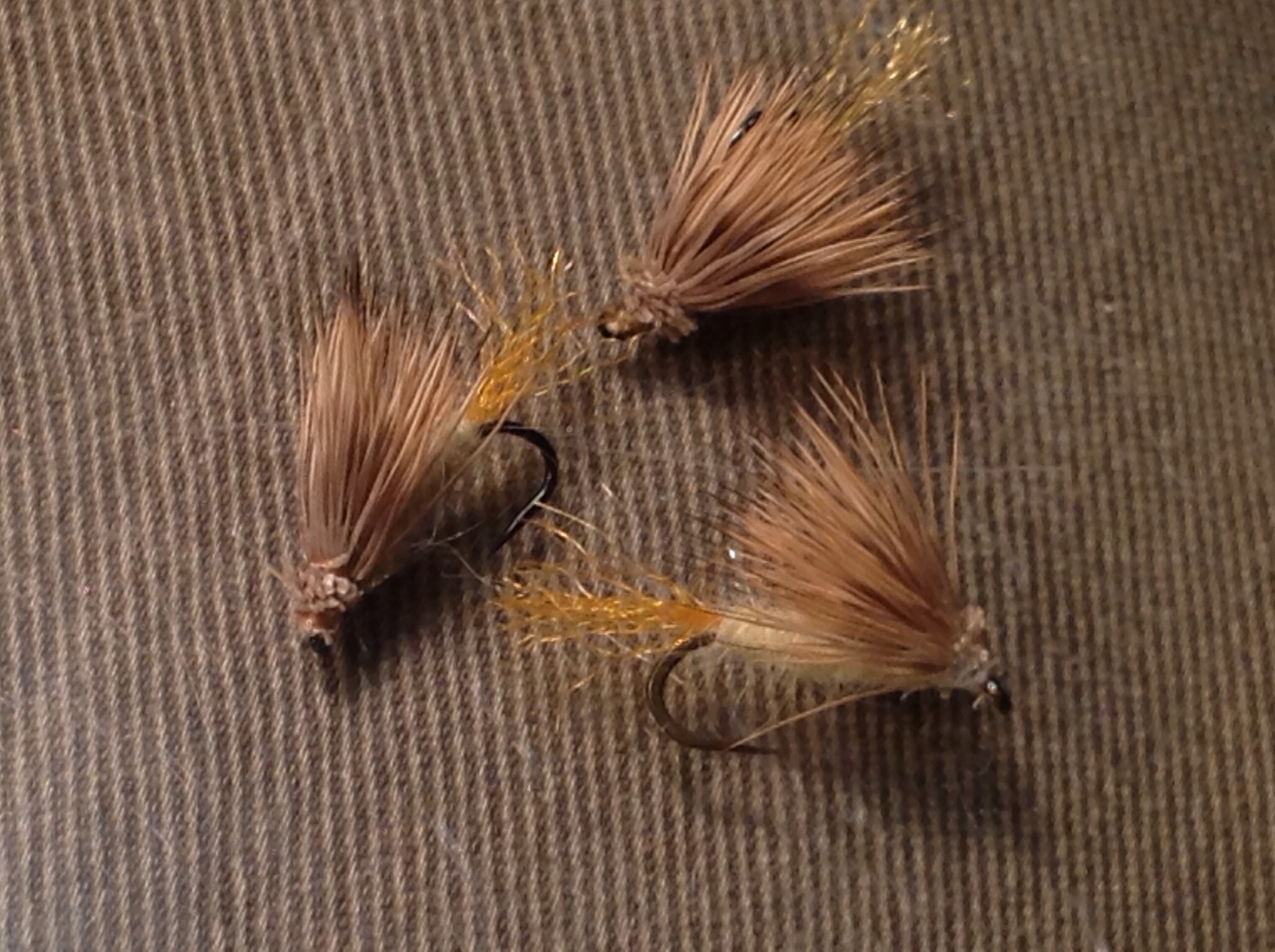
Craig Mathews' brilliant caddis emerger pattern sits in the surface film, imitating a caddis struggling to break through the meniscus. Deadly during caddis hatches when fish refuse higher-riding patterns. The trailing shuck is key to its effectiveness. The X-Caddis fills a critical gap in the caddis life cycle that most fly boxes lack. While traditional dry flies like the Elk Hair Caddis ride high on the surface, the X-Caddis sits flush in the film with its body partially submerged and a trailing Z-lon shuck extending behind. This precisely imitates the moment when a caddis pupa breaks through the surface and begins to shed its pupal shuck, the most vulnerable stage for the insect and the moment when trout feed with the least caution. On Montana's caddis-rich rivers, the X-Caddis can make the difference between a frustrating day of refusals and a banner day of steady action. When you see trout rising during a caddis hatch but refusing your Elk Hair Caddis, the X-Caddis is the answer. It is particularly effective on the Yellowstone during the Mother's Day caddis hatch, on the Madison during summer evening hatches, and anywhere trout have become educated to conventional caddis patterns.