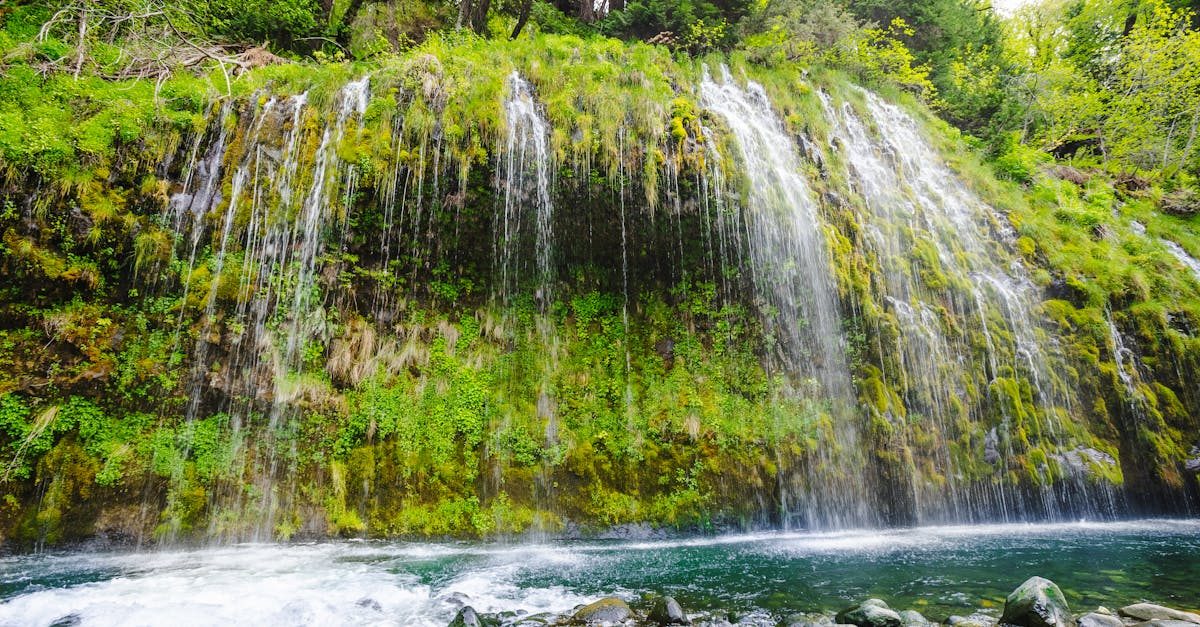
Upper Sacramento River
The Upper Sacramento River above Shasta Lake is a classic freestone mountain trout stream that flows through the historic railroad town of Dunsmuir and along the I-5 corridor. Despite its proximity to the interstate, the river offers excellent wild trout fishing in beautiful canyon scenery with convenient roadside access. The river recovered remarkably from a devastating 1991 chemical spill and today supports healthy populations of wild rainbow and brown trout.
Upper Sacramento River Fishing Report & Current Conditions
The Upper Sacramento River is a freestone fishery, and it fishes best in spring, summer and fall. Live USGS streamflow readings update throughout the day, while the monthly median flows below map the river's typical discharge across the year. Together they show current fishability and how today's water compares to the seasonal norm.
Current Conditions
Typical Monthly Flows
Historical median discharge (CFS) by month: Upper Sacramento River
Overview
The Upper Sacramento River begins its journey high on the slopes of Mount Shasta and flows approximately 50 miles southward through the Shasta-Trinity National Forest before entering Shasta Lake. The prime fly fishing water extends from the town of Mount Shasta southward through Dunsmuir, Castella, and along the Interstate 5 corridor to Shasta Lake. This is classic pocket water and riffle-run-pool fishing in a dramatic mountain canyon setting.
The river flows through a narrow, steep-walled canyon of volcanic rock and granite, creating outstanding trout habitat. Boulders, pocket water, plunge pools, and short runs dominate the river's character. The gradient is moderate, producing the fast, oxygenated water that trout thrive in. Douglas fir, ponderosa pine, and oak trees shade the canyon, and the sound of the river echoes off the rock walls.
Access to the Upper Sacramento is excellent, with multiple public access points along the railroad grade and I-5 frontage roads. The Cantara Loop area just north of Dunsmuir is particularly popular, offering walk-and-wade access to productive pocket water. Castle Crags State Park provides access to the river in a stunning setting below the granite spires of Castle Crags.
The Upper Sacramento's defining moment came in 1991 when a freight train derailment near Dunsmuir spilled a toxic herbicide into the river, killing virtually all aquatic life in a 40-mile stretch. The recovery has been remarkable, testament to the river's resilience and intensive restoration efforts. Today, the wild trout population is healthy, self-sustaining, and growing stronger each year.
Water Characteristics
The Upper Sacramento is a cold, clear freestone stream with excellent water quality. Water clarity is typically 3-6 feet of visibility once runoff subsides, and the water has a slight greenish tint from the volcanic substrate. Water temperatures remain cold year-round, rarely exceeding 65 degrees even in summer, thanks to snowmelt inputs and the river's high elevation origin (4,000-2,000 feet).
The substrate is predominantly volcanic basalt and granite boulders, cobble, and gravel. This creates outstanding pocket water habitat, with countless small holding lies behind boulders and in the seams. The insect community includes Skwala stoneflies, golden stoneflies, multiple caddis species (the dominant insect order), Blue-Winged Olives, PMDs, and October Caddis. Terrestrial insects contribute to the diet in summer and fall.
The Upper Sacramento's water quality is high, and the wild trout population is entirely self-sustaining through natural reproduction. While the fish are not as large as those in tailwaters, they are beautifully colored, aggressive, and fight hard in the fast current.
Wading & Float Guide
The Upper Sacramento is a wadeable river for anglers of moderate experience. The bottom is composed of volcanic rock, boulders, and cobble, which can be slick when covered with algae. Felt-soled or studded wading boots are strongly recommended. A wading staff provides valuable stability when moving through the pocket water and crossing riffles.
At normal summer and fall flows (200-500 cfs), much of the river can be comfortably waded. The pocket water allows anglers to fish effectively while staying in relatively shallow water, moving from pocket to pocket rather than crossing the main current. During spring runoff (typically April through June), flows can exceed 1,000-2,000 cfs, making wading dangerous and fishing largely impractical.
The canyon environment means limited room for error. Pay attention to the current, choose crossing points carefully, and avoid committing to positions where retreat would be difficult. The river can rise quickly from snowmelt or rain, so always park well above the water line.
Upper Sacramento River
The Upper Sacramento is too small and rocky for traditional drift boat floating. Kayak anglers occasionally run sections, but this is primarily a wade-fishing destination. Access from roadside pulloffs and campgrounds along I-5 and the frontage roads.
Rod & Tackle Guide
Upper Sacramento River (all sections)
- Rod
- 8' to 9' 4-weight or 5-weight
- Line
- Weight-forward floating
- Leader & Tippet
- 7.5-9' tapered to 4X or 5X
A shorter rod (8' to 8'6") can be advantageous in tight quarters with overhanging branches. The 5-weight is versatile for both dry flies and nymphing. Bring felt or studded boots and a wading staff.
Best Time to Fish the Upper Sacramento River
Spring
Early spring (March and April) can offer fishing before runoff, but timing varies dramatically by snowpack. The Skwala stonefly hatch is the signature early-season event, typically occurring in March and April. These medium-sized stoneflies (size 8-12) emerge on sunny afternoons and bring trout to the surface. By mid-April to May, runoff begins in earnest, and the river becomes unfishable as flows spike and water turns turbid. Watch the USGS gauge carefully.
Summer
Summer is the most reliable and productive season on the Upper Sac. Runoff typically subsides by late June or early July, and the river comes into prime shape with clearing water and moderate flows. Golden stonefly adults remain active through July. Caddis hatches are prolific throughout summer, with multiple species providing evening emergences. PMD hatches occur sporadically. Dry-dropper rigs with attractor dries (Stimulators, Elk Hair Caddis) and beadhead nymphs are deadly. Water temperatures remain cool thanks to the river's high elevation.
Fall
Fall brings some of the best fishing of the year with beautiful autumn color along the canyon, stable flows, and aggressive feeding before winter. Caddis hatches continue into October, with the October Caddis providing late-season dry fly action. BWO hatches return as water cools. Nymphing with Prince Nymphs, Hare's Ears, and Copper Johns is consistently productive. By November, the weather becomes unpredictable, and access roads may be impacted by early snow.
Fishing Pressure & Local Tips
The Upper Sacramento receives moderate fishing pressure thanks to its easy access along I-5. The Cantara Loop area and the stretches near Dunsmuir see the most concentrated pressure, particularly on summer weekends. However, the river's length (40+ miles of quality water) and the numerous access points distribute pressure effectively.
Anglers willing to hike even a short distance from parking areas can find lightly-fished water. Weekday fishing offers significantly less competition. Fall sees reduced pressure as anglers shift to other waters or other pursuits. The river is rarely crowded in the way that famous tailwaters can be.
Local Knowledge
The Upper Sacramento rewards an energetic, methodical approach. This is pocket water fishing at its best: move steadily upstream, make a few good casts to each likely pocket behind boulders and along banks, and keep moving. The trout here are opportunistic and will eat a well-presented fly on the first or second drift. Spending too much time on one spot is less productive than covering water.
Short-line nymphing is deadly: use a 7.5-9 foot leader, add a couple of small split shot, and high-stick your nymphs through the pockets and runs. When caddis or stoneflies are hatching, fish attractor dries (Stimulators, Elk Hair Caddis in sizes 12-16) with a beadhead dropper. The local fly shop in Dunsmuir (Ted Fay Fly Shop) is an excellent resource for current conditions. Watch the USGS gauge at Dunsmuir (11341400); optimal flows are 200-600 cfs.
Species Present
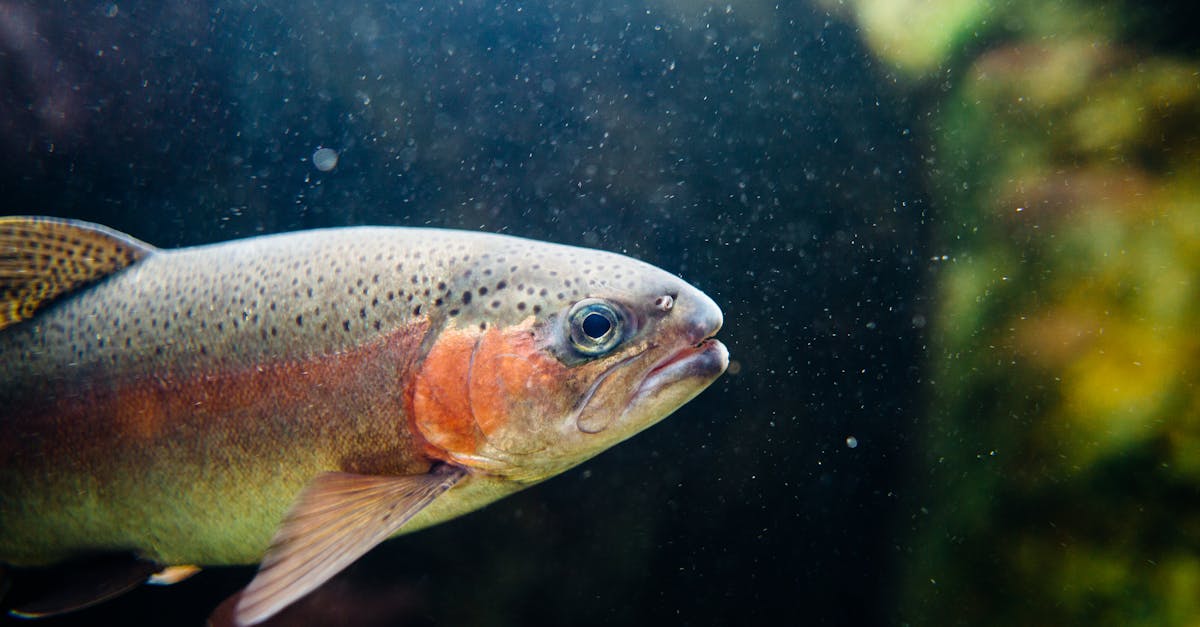
Rainbow Trout
The rainbow trout is Montana's most widespread and popular gamefish, celebrated for its explosive surface strikes, aerial acrobatics, and willingness to take a well-presented dry fly. Native to Pacific Coast drainages from Alaska to Mexico, rainbows were first introduced to Montana's waters in the late 1800s and have since established thriving populations in nearly every major river system in the state. On legendary waters like the Madison, Missouri, and Bighorn, wild rainbow trout grow fat on prolific insect hatches and provide some of the finest dry-fly fishing in North America. Rainbow trout in Montana display remarkable variation depending on their home water. Fish in nutrient-rich tailwaters like the Missouri River below Holter Dam can exceed 20 inches with regularity, their deep bodies and broad tails reflecting the abundant food supply. Freestone river rainbows, such as those in the upper Madison and Gallatin, tend to be leaner and more athletic, shaped by faster currents and colder water temperatures. In many Montana rivers, rainbows spawn in the spring from March through June, and anglers should be mindful of spawning redds during this period to protect future generations of fish. Rainbows are arguably the most versatile trout species for fly anglers. They respond well to dry flies during hatches, aggressively chase streamers, and feed heavily on nymphs subsurface throughout the year. Their fighting ability is legendary: a hooked rainbow will often launch itself completely out of the water multiple times during a battle. Montana's catch-and-release regulations on many blue-ribbon streams have produced exceptional rainbow trout fisheries with high densities of large, healthy fish that continue to draw anglers from around the world.
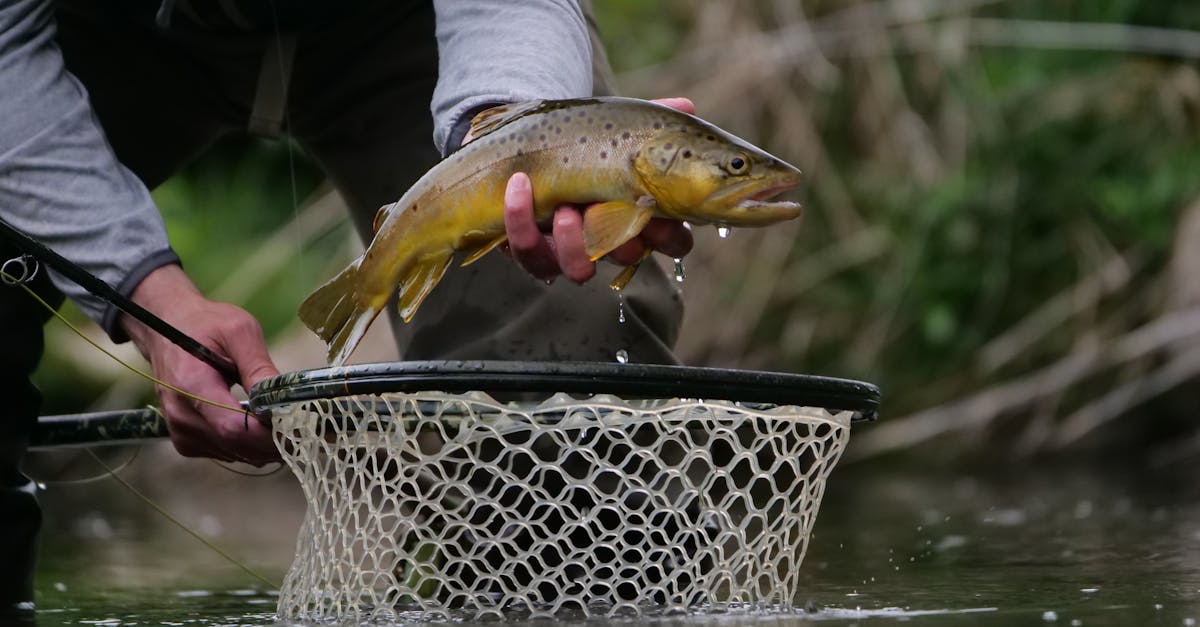
Brown Trout
The brown trout is the most cunning and elusive trout species swimming in Montana's rivers, and it rewards patient, skilled anglers with some of the state's most memorable catches. Originally native to Europe and western Asia, brown trout were first introduced to North American waters in 1883 and arrived in Montana shortly thereafter. They have since established robust, self-sustaining populations in virtually every major trout stream in the state, from the legendary spring creeks of the Paradise Valley to the sweeping runs of the lower Madison and the deep pools of the Bighorn. Brown trout grow larger than any other trout species in Montana, and fish exceeding 24 inches are caught with regularity on premium waters. The lower Madison River, the Missouri River below Holter Dam, and the Bighorn River are particularly renowned for producing trophy-class browns. Unlike rainbows, brown trout spawn in the fall (October through November), and their aggressive pre-spawn behavior creates an exciting window for streamer fishing as large males become territorial and attack anything that enters their domain. Browns are notably more nocturnal than other trout species, and many of the biggest fish are caught during low-light conditions. What sets brown trout apart from other species is their wariness and selectivity. Large browns are notoriously difficult to fool, often refusing flies that are even slightly off in size, color, or presentation. They tend to establish and defend prime feeding lies (undercut banks, logjams, deep pools, and boulder gardens), and an angler who learns to read water and identify these holding spots will consistently catch more and larger fish. This combination of difficulty, size potential, and intelligence makes the brown trout the most prized quarry for many serious Montana fly fishers.
Upper Sacramento River Hatch Chart
| Insect | Suggested Fly | Jan | Feb | Mar | Apr | May | Jun | Jul | Aug | Sep | Oct | Nov | Dec |
|---|---|---|---|---|---|---|---|---|---|---|---|---|---|
Skwala Stonefly afternoon | Stimulator | ||||||||||||
Golden Stonefly all day | Stimulator | ||||||||||||
Caddisflies (various) evening | Elk Hair Caddis | ||||||||||||
Blue-Winged Olive (Baetis) afternoon | Parachute Adams | ||||||||||||
Blue-Winged Olive (Baetis) afternoon | BWO Emerger | ||||||||||||
Pale Morning Dun morning | PMD Comparadun | ||||||||||||
October Caddis evening | Elk Hair Caddis |
Skwala Stonefly: Early spring stonefly hatch. Size 8-12.
Golden Stonefly: Summer golden stones. Size 8-12.
Caddisflies (various): Prolific caddis throughout season. Dominant insect. Size 14-18.
Blue-Winged Olive (Baetis): Spring BWOs. Size 16-20.
Blue-Winged Olive (Baetis): Fall BWOs. Size 18-20.
Pale Morning Dun: Sporadic summer PMD hatches. Size 16-18.
October Caddis: Late season large caddis. Size 8-10.
Recommended Flies
Stimulator
Top Pick#1 dry fly for Skwala and golden stone hatches
Best in spring
Elk Hair Caddis
Top PickEssential caddis dry for evening hatches
Best in summer
Parachute Adams
Top PickUniversal attractor dry; works year-round
Best in summer
Prince Nymph
Top PickPrince Nymph for pocket water; dropper behind dry
Best in spring
Pheasant Tail Nymph
Top PickPheasant Tail nymph; versatile year-round
Best in spring
Pat's Rubber Legs
Top PickStonefly nymph for deeper runs
Best in spring
Access Points & Boat Launches
Cantara Loop
Wade AccessEasyPopular roadside access north of Dunsmuir along the old railroad grade. Excellent pocket water and plunge pool fishing with wild rainbows and browns. Easy walk-in access from multiple pulloffs. This is classic Upper Sac fishing: boulder gardens, fast pocket water, and aggressive trout. Good dry fly and nymph water.
Castle Crags State Park
Wade AccessEasyState park access to the Upper Sacramento below the dramatic Castle Crags granite spires. Park entrance fee required. Trail access to the river with excellent pocket water and runs. Beautiful setting with good populations of wild trout. Campground available for overnight stays.
Dunsmuir City Park
Wade AccessEasyIn-town access in Dunsmuir providing walk-in access to the river. Convenient for quick sessions with parking and amenities nearby. The river here offers pocket water, riffles, and small pools holding wild trout. Good beginner water with forgiving access.
Regulations
Regulations
Upper Sacramento River (above Shasta Lake): General California trout regulations apply in most sections. Some special regulation areas exist; check locally. Typically, bag limit 5 trout, minimum size 10 inches (varies by section). Artificial lures and flies recommended. California fishing license required. Verify current regulations at wildlife.ca.gov/fishing.
Always verify current regulations with Montana Fish, Wildlife & Parks before fishing.
Some links may earn a commission. Learn more
Quick Facts
- Region
- Northern California / Siskiyou and Shasta Counties
- Water Type
- Freestone
- River Length
- 50 miles (Shasta to Shasta Lake); 40 miles of quality fly fishing
- Difficulty
- Intermediate
- Best Seasons
- spring, summer, fall
- Trout Per Mile
- 800-1,500 (wild fish population)
- Record Trout
- Brown trout to 20 inches; rainbows to 18 inches documented
- Species
- Rainbow Trout, Brown Trout
- USGS Gauge
- 11341400
Nearby Rivers
Lower Sacramento River
Northern California / Shasta County
McCloud River
Northern California / Shasta County
Hat Creek
Northern California / Shasta County
Fall River
Northern California / Shasta County
Pit River
Northern California / Shasta County
Truckee River
Eastern Sierra / Nevada and Placer Counties
East Walker River
Eastern Sierra / Mono County
Hot Creek
Eastern Sierra / Mono County
Upper Klamath River
Northern California / Siskiyou County