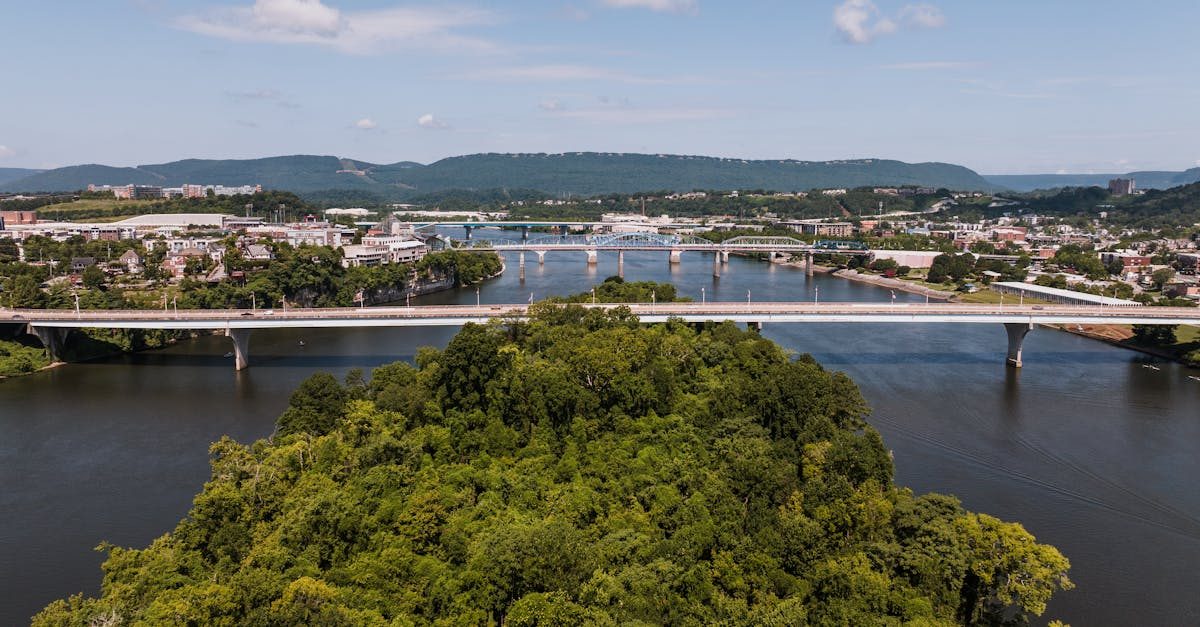
French Broad River
The French Broad River is Western North Carolina's premier warmwater fly fishing destination, offering exceptional smallmouth bass fishing within minutes of downtown Asheville. While the upper reaches hold wild trout, the river's reputation rests on its prolific smallmouth bass population and Delayed Harvest trout sections that provide year-round fishing opportunities.
French Broad River Fishing Report & Current Conditions
The French Broad River is a freestone fishery, and it fishes best in spring, summer and fall. Live USGS streamflow readings update throughout the day, while the monthly median flows below map the river's typical discharge across the year. Together they show current fishability and how today's water compares to the seasonal norm.
Current Conditions
Typical Monthly Flows
Historical median discharge (CFS) by month: French Broad River
Overview
The French Broad River flows approximately 218 miles from its headwaters near Rosman, North Carolina, through Asheville, and into Tennessee, where it eventually joins the Tennessee River system. This ancient river (one of the oldest in the world, geologically speaking) drains a significant portion of Western North Carolina's mountains and offers diverse fishing opportunities as it transitions from cold-water trout habitat in the headwaters to warmwater smallmouth bass fishery in the middle and lower sections.
The upper French Broad near Rosman holds wild rainbow and brown trout in a pastoral valley setting, with several Delayed Harvest sections managed for put-and-take trout fishing. However, it is the warmwater section through and below Asheville that has earned the French Broad its reputation among fly fishers. From Asheville downstream through Madison County into Tennessee, the river supports an outstanding population of smallmouth bass (Micropterus dolomieu), with fish averaging 10-14 inches and trophy fish exceeding 18 inches caught regularly.
The river through Asheville averages 80-150 feet wide, flowing over a substrate of cobble, boulders, and bedrock ledges. Long riffles alternate with deep pools and eddies. The French Broad is big water by Eastern standards, offering wade fishing opportunities at low to moderate flows and excellent float fishing throughout the warmwater season. The French Broad River Park system in Asheville provides developed access with kayak launches, trails, and fishing platforms.
For trout anglers, the upper French Broad Delayed Harvest sections near Rosman offer traditional mountain trout fishing with stocked rainbows and browns supplemented by wild fish. For warmwater enthusiasts, the Asheville corridor provides world-class urban smallmouth bass fishing.
Water Characteristics
The French Broad transitions from a cold-water trout stream in the headwaters to a warmwater river in the lower sections. In the upper Delayed Harvest sections near Rosman, water clarity is good (3-5 feet visibility) during normal flows, and temperatures remain suitable for trout year-round. The insect community is typical of Appalachian freestone streams, with caddis, BWOs, and terrestrials providing fishing opportunities.
In the warmwater sections through Asheville and below, water clarity varies seasonally, ranging from 2-4 feet during normal flows to highly turbid after heavy rains. Water temperatures climb into the 70s and occasionally low 80s F in summer, ideal for smallmouth bass but too warm for trout. The substrate of cobble, boulders, and bedrock creates excellent smallmouth habitat, with riffles providing hunting grounds and deep pools offering thermal refuge.
The warmwater sections support a diverse forage base including crayfish, sculpins, shiners, darters, and aquatic insects. Hellgrammites (dobsonfly larvae) are particularly abundant and are a favorite food of large smallmouth bass.
Wading & Float Guide
Wading the French Broad varies dramatically by section and water level. In the upper trout sections near Rosman, the river is moderate-sized (40-80 feet wide) with cobble-and-gravel bottom, offering comfortable wading at normal flows. Water depths range from knee-deep riffles to waist-deep pools, and the current is manageable for anglers of moderate experience.
In the warmwater sections through and below Asheville, the French Broad is big water. At low summer flows (below 1,000 cfs at the Asheville gauge), wading is possible along the margins and gravel bars, but the deeper runs and pools are often chest-deep or deeper. The bottom is predominantly large cobble and boulders with occasional bedrock ledges. Felt-soled or studded wading boots are strongly recommended.
The French Broad is subject to fluctuating water levels from both natural runoff and upstream reservoir releases. Water levels can rise quickly, particularly during spring and summer thunderstorms. Check the USGS gauge before wading, and be aware of rising water while fishing. At moderate to high flows (above 1,500 cfs), wading becomes difficult and potentially dangerous; float fishing is the better option.
Asheville Urban Corridor (multiple put-ins/take-outs)
The French Broad through Asheville offers excellent float fishing for smallmouth bass with multiple access points via the French Broad River Park system. Class I-II rapids, wide river, and easy kayak/canoe fishing. Popular with both anglers and recreational paddlers.
Asheville to Marshall
A longer float downstream from Asheville through scenic rural valley. Excellent smallmouth bass fishing with less pressure than the urban section. Class I-II water with one notable rapid (Barnard). Full-day float trip.
Rod & Tackle Guide
Upper Trout Sections
- Rod
- 9' 5-weight
- Line
- Weight-forward floating
- Leader & Tippet
- 9' tapered to 5X or 6X
Standard trout setup for the Delayed Harvest sections. The 5-weight handles nymph rigs and dry flies comfortably.
Warmwater Smallmouth Sections
- Rod
- 9' 6-weight or 7-weight
- Line
- Weight-forward floating; sink-tip for deeper water
- Leader & Tippet
- 7.5-9' tapered to 1X or 2X
Heavier rod for casting streamers, poppers, and crayfish patterns. The 6-weight or 7-weight handles wind, larger flies, and the powerful runs of 14-18 inch smallmouth. Bring a stripping basket for streamer work from a kayak or wading.
Best Time to Fish the French Broad River
Spring
Spring offers excellent fishing in both the trout and smallmouth sections. In the upper Delayed Harvest trout water, March through May is peak season with BWO and caddis hatches and aggressive feeding. In the warmwater sections, smallmouth bass begin feeding actively as water temperatures climb into the 50s in April and May. Spring rains can muddy the river for 1-2 days, but fishing often improves as the water clears and drops. Focus on streamer patterns and nymphs in the trout sections, and crayfish and sculpin patterns for smallmouth.
Summer
Summer is prime time for smallmouth bass on the French Broad. Water temperatures in the 65-75 degree F range trigger aggressive feeding, and bass move into the riffles and shallow gravel bars to hunt. Poppers, divers, and Clouser Minnows are deadly. Early mornings and late evenings provide the most explosive topwater action. In the trout sections, summer means general harvest regulations and warmer water; focus on early mornings and shaded pools. Float fishing is ideal during summer, covering miles of water and accessing less-pressured sections between road crossings.
Fall
Fall is outstanding on the French Broad for both species. In the upper trout sections, Delayed Harvest regulations resume October 1, and cool water temperatures bring excellent BWO hatches and active feeding. In the warmwater sections, fall smallmouth fishing is phenomenal as bass feed heavily before winter. Crayfish patterns (weighted Woolly Buggers, Clouser Minnows in brown and orange) are especially effective as natural crayfish molt and become vulnerable. Water levels typically stabilize in fall after summer thunderstorms taper off. The surrounding hardwood forests provide spectacular autumn color.
Fishing Pressure & Local Tips
The French Broad receives variable fishing pressure depending on section and season. The upper Delayed Harvest trout sections near Rosman see moderate pressure during peak DH season (March-May), while the warmwater smallmouth sections receive increasing attention as fly fishing for bass gains popularity.
The Asheville urban corridor sees significant recreational paddling traffic (kayakers, canoeists, and tubers), particularly on summer weekends. However, actual fishing pressure is light to moderate, as most paddlers are not anglers. Early mornings and weekday visits offer the best opportunities for focused fishing without competing with recreational traffic.
Float fishing distributes pressure effectively across miles of river, and wade anglers willing to hike from parking areas to less-accessible sections often have productive water to themselves. Fall and spring see lighter recreational traffic and excellent fishing.
Local Knowledge
For smallmouth bass fishing, focus on the transitions between riffles and pools, rocky points and eddies, and the deep, shaded water beneath overhanging trees. Smallmouth are ambush predators that relate to structure. Cast crayfish patterns (Woolly Buggers, Clouser Minnows) tight to boulders and rocky banks, and retrieve with short, aggressive strips. Poppers and divers during low-light periods (dawn and dusk) provide explosive topwater action.
For trout in the upper sections, use standard Appalachian techniques: nymph rigs through deeper runs, dry flies during hatches, and dry-dropper rigs in summer. The French Broad River Parks system provides excellent access in Asheville, with multiple launch sites and fishing platforms. Local fly shops in Asheville (Asheville Fly Fishing Company, Hunter Banks) provide current conditions, guide services, and fly recommendations.
Species Present
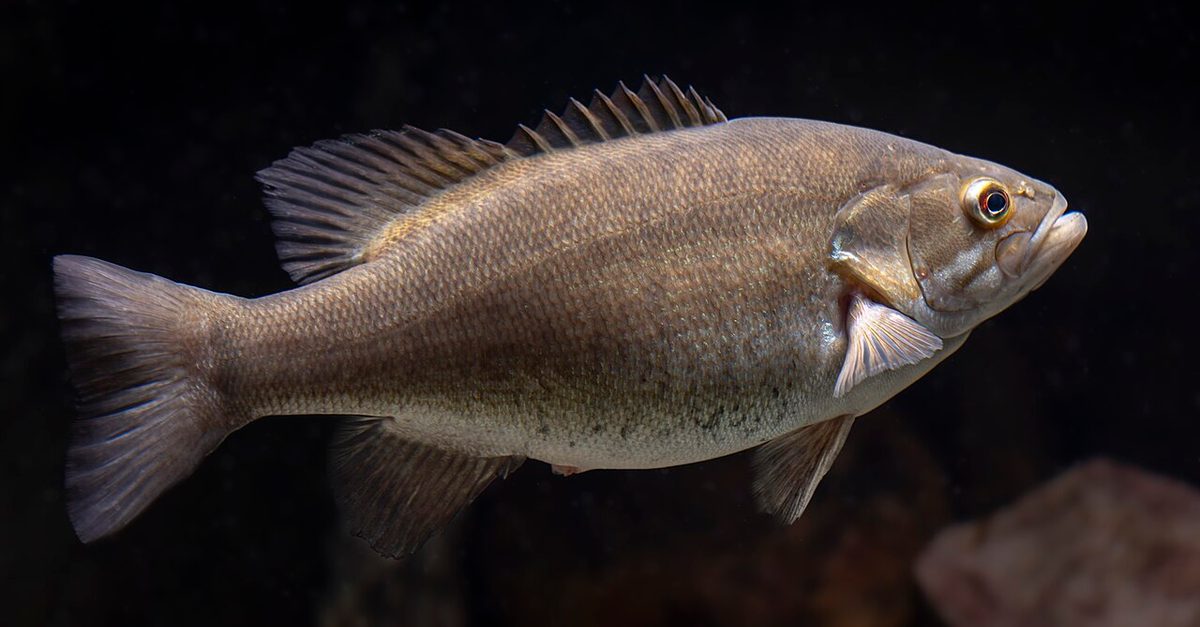
Smallmouth Bass
The smallmouth bass is one of the most popular and widely distributed gamefish in North America and one of the finest freshwater species available to fly anglers. Found in clear, cool rivers and lakes from the Great Lakes to the Southern Appalachians, smallmouth bass combine aggressive feeding behavior, remarkable fighting ability, and a preference for the kinds of rocky, current-rich habitats that are ideally suited to fly fishing. Pound for pound, the smallmouth bass is widely considered the hardest-fighting freshwater fish in North America, earning it the nickname 'the bronze bomber' for its explosive takes and powerful, acrobatic battles on the end of a line. While smallmouth bass are not a traditional trout-stream species, they have become increasingly important to fly anglers as warm-water fly fishing has grown in popularity. Rivers like the French Broad in North Carolina, the Susquehanna and Delaware in Pennsylvania, and the St. Lawrence in New York support world-class smallmouth fisheries that attract dedicated fly anglers. In many regions, smallmouth bass inhabit the lower reaches of the same river systems that hold trout in their upper reaches, providing fly anglers with a warm-water counterpart to their cold-water fishing. Smallmouth bass are particularly appealing to fly anglers because they readily take surface flies. On warm summer evenings, smallmouth will crush poppers, sliders, and large dry flies with explosive strikes that rival any trout rise. Their willingness to feed on the surface, combined with their strength and acrobatic leaping ability, makes smallmouth bass on a fly rod one of the most thrilling freshwater fly fishing experiences available.
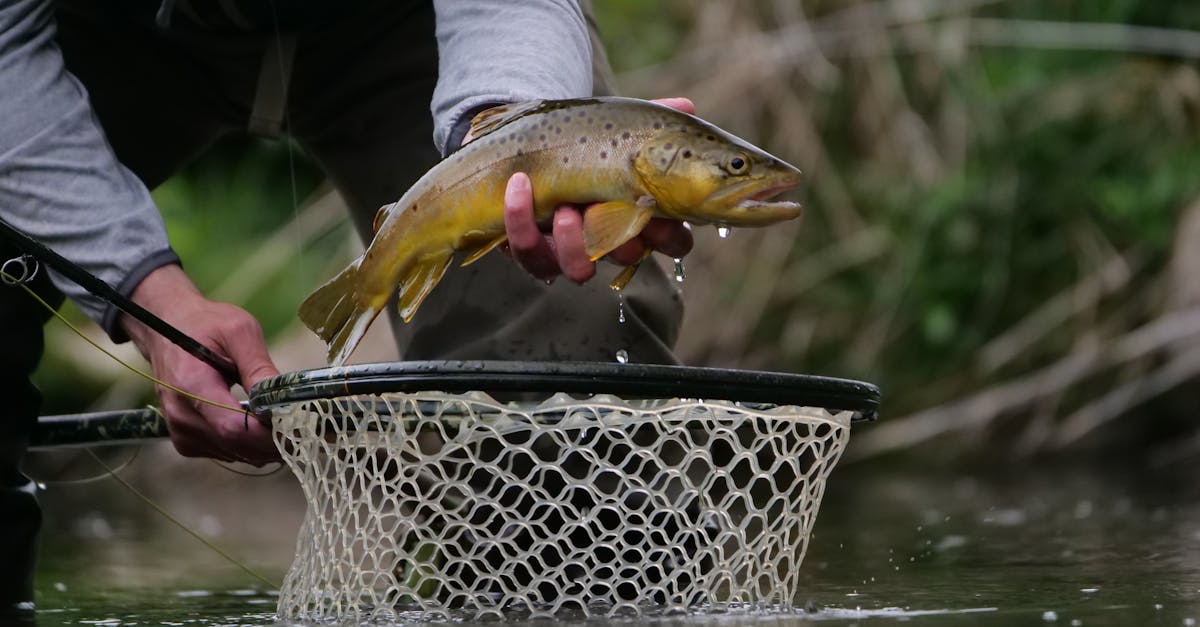
Brown Trout
The brown trout is the most cunning and elusive trout species swimming in Montana's rivers, and it rewards patient, skilled anglers with some of the state's most memorable catches. Originally native to Europe and western Asia, brown trout were first introduced to North American waters in 1883 and arrived in Montana shortly thereafter. They have since established robust, self-sustaining populations in virtually every major trout stream in the state, from the legendary spring creeks of the Paradise Valley to the sweeping runs of the lower Madison and the deep pools of the Bighorn. Brown trout grow larger than any other trout species in Montana, and fish exceeding 24 inches are caught with regularity on premium waters. The lower Madison River, the Missouri River below Holter Dam, and the Bighorn River are particularly renowned for producing trophy-class browns. Unlike rainbows, brown trout spawn in the fall (October through November), and their aggressive pre-spawn behavior creates an exciting window for streamer fishing as large males become territorial and attack anything that enters their domain. Browns are notably more nocturnal than other trout species, and many of the biggest fish are caught during low-light conditions. What sets brown trout apart from other species is their wariness and selectivity. Large browns are notoriously difficult to fool, often refusing flies that are even slightly off in size, color, or presentation. They tend to establish and defend prime feeding lies (undercut banks, logjams, deep pools, and boulder gardens), and an angler who learns to read water and identify these holding spots will consistently catch more and larger fish. This combination of difficulty, size potential, and intelligence makes the brown trout the most prized quarry for many serious Montana fly fishers.
French Broad River Hatch Chart
| Insect | Suggested Fly | Jan | Feb | Mar | Apr | May | Jun | Jul | Aug | Sep | Oct | Nov | Dec |
|---|---|---|---|---|---|---|---|---|---|---|---|---|---|
Caddisflies (various) evening | Elk Hair Caddis | ||||||||||||
Hellgrammites all day | Woolly Bugger | ||||||||||||
Crayfish all day | Woolly Bugger | ||||||||||||
Baitfish (shiners, darters) all day | Woolly Bugger | ||||||||||||
Blue-Winged Olive (upper trout sections) afternoon | Parachute Adams | ||||||||||||
Terrestrials afternoon | Chubby Chernobyl |
Caddisflies (various): Warmwater caddis in smallmouth sections. Size 14-18.
Hellgrammites: Dobsonfly larvae, key smallmouth forage. Woolly Bugger imitations.
Crayfish: Primary smallmouth forage. Brown/orange Buggers and Clousers.
Baitfish (shiners, darters): Forage fish for smallmouth. Streamers year-round.
Blue-Winged Olive (upper trout sections): BWOs in upper Delayed Harvest sections. Size 16-20.
Terrestrials: Terrestrials for smallmouth and trout. Size 12-18.
Recommended Flies
Woolly Bugger
Top Pick#1 smallmouth fly - crayfish, sculpin, hellgrammite imitation
Best in spring
Chubby Chernobyl
Top PickPoppers and divers for topwater smallmouth action
Best in summer
Elk Hair Caddis
Top PickCaddis dry for trout sections and smallmouth surface feeding
Best in summer
Sculpzilla
Top PickSculpin pattern for large smallmouth in deeper pools
Best in fall
Zuddler
Top PickArticulated streamer for trophy smallmouth
Best in spring
Access Points & Boat Launches
French Broad River Park (Asheville)
Boat LaunchEasyDeveloped park system providing kayak launches and wade access to the French Broad's premier smallmouth bass water through Asheville. Multiple access points along the greenway system allow flexible float trip planning. Excellent facilities and easy access make this ideal for urban fly fishing.
Bent Creek Access
Wade AccessEasyAccess to the French Broad below the confluence with Hominy Creek, offering wade and kayak fishing for smallmouth bass. Less urban setting than Asheville proper, with good habitat structure and productive fishing. Popular launch point for float trips downstream.
Barnard Bridge
Wade AccessEasyAccess point on the French Broad downstream from Asheville, near a notable rapid. Good smallmouth bass fishing in the pools and runs above and below the bridge. Less pressure than the urban Asheville corridor.
Regulations
Regulations
Upper sections (Rosman area) - Delayed Harvest regulations apply in specific sections: October 1-May 31 catch-and-release, June 1-September 30 general regulations. Warmwater sections (Asheville and below) - general regulations for smallmouth bass. North Carolina fishing license required. Verify specific section regulations at ncwildlife.org.
Always verify current regulations with Montana Fish, Wildlife & Parks before fishing.
Some links may earn a commission. Learn more
Quick Facts
- Region
- Western North Carolina / Asheville Area
- Water Type
- Freestone
- River Length
- 218 miles in NC; multiple fishable sections for trout and smallmouth bass
- Difficulty
- Beginner-Intermediate
- Best Seasons
- spring, summer, fall
- Trout Per Mile
- 300-600 in upper Delayed Harvest sections; excellent smallmouth bass density in warmwater sections
- Record Trout
- Brown trout exceeding 18 inches in upper sections; smallmouth bass over 20 inches documented in Asheville corridor
- Species
- Smallmouth Bass, Brown Trout
- USGS Gauge
- 03446000
Nearby Rivers
Davidson River
Western North Carolina / Pisgah National Forest
Tuckasegee River
Western North Carolina / Jackson County
Nantahala River
Western North Carolina / Macon County
Watauga River
Northwestern North Carolina / Watauga County
Wilson Creek
Western North Carolina / Caldwell County
Deep Creek
Western North Carolina / Great Smoky Mountains National Park
Linville River
Western North Carolina / Avery County
South Toe River
Western North Carolina / Yancey County
Mitchell River
Northwestern North Carolina / Surry County