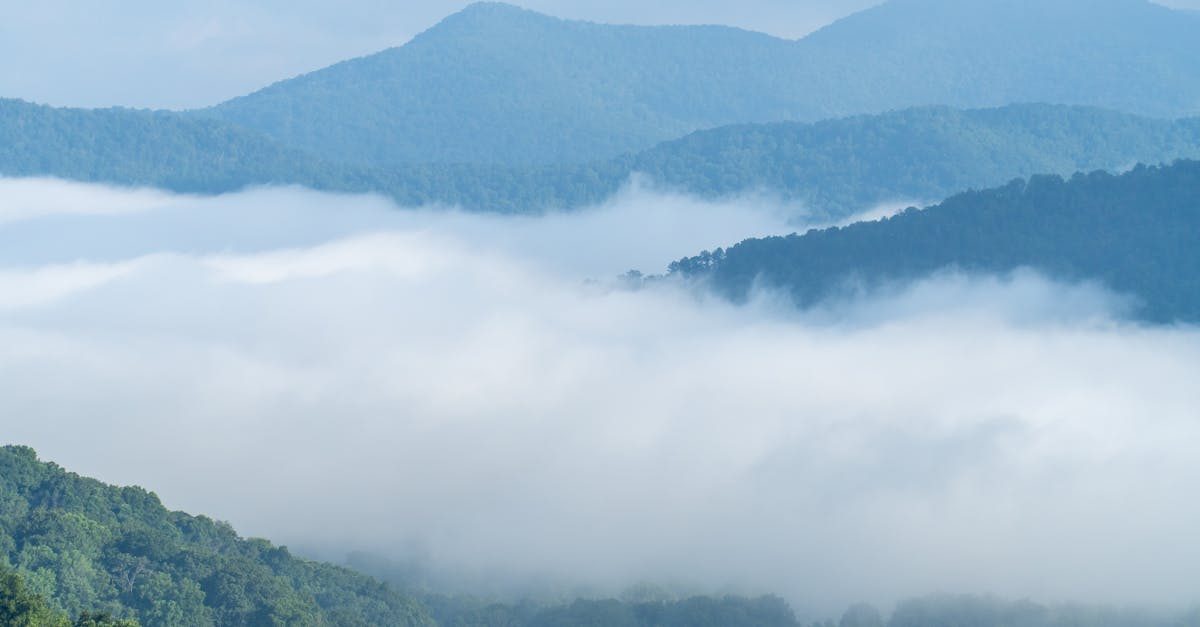
Watauga River
The Watauga River in the High Country of Northwestern North Carolina offers a mix of freestone pocket water and meadow runs flowing through scenic valley farmland. With Wild Trout designation, excellent public access through Valle Crucis, and healthy populations of wild rainbow, brown, and brook trout, the Watauga provides quality fishing just minutes from Boone.
Watauga River Fishing Report & Current Conditions
The Watauga River is a freestone fishery, and it fishes best in spring, summer and fall. Live USGS streamflow readings update throughout the day, while the monthly median flows below map the river's typical discharge across the year. Together they show current fishability and how today's water compares to the seasonal norm.
Current Conditions
Typical Monthly Flows
Historical median discharge (CFS) by month: Watauga River
Overview
The Watauga River rises in the Blue Ridge Mountains of North Carolina's High Country and flows approximately 60 miles before crossing into Tennessee, where it eventually joins the South Holston and contributes to the renowned South Holston tailwater fishery. In North Carolina, the Watauga is managed as Wild Trout water, protecting reproducing populations of rainbow, brown, and brook trout.
The most productive and accessible fly fishing section flows through Valle Crucis, a picturesque agricultural valley between Boone and Banner Elk. Here the river meanders through a pastoral landscape of farms, pastures, and wooded corridors, creating a diverse mix of habitat: pocket water tumbling through boulder gardens, long glides flowing through grassy meadows, and deep undercut banks beneath willow and sycamore trees.
The Watauga averages 30-50 feet wide in the Valle Crucis section, making it approachable for anglers of all skill levels. The river's character changes seasonally: during summer low flows, the water becomes clear and the fish selective; after spring and fall rains, the river rises and takes on a slight off-color tint, but fishing remains productive with nymphs and streamers.
Wild rainbow trout form the majority of the population (approximately 60-70 percent), with wild brown trout (20-30 percent) and occasional brook trout rounding out the mix. The browns grow largest, with fish exceeding 16 inches caught regularly in the deeper pools and undercut banks. The Valle Crucis Community Park provides excellent public access, and additional access points along Broadstone Road allow anglers to sample various sections.
Water Characteristics
The Watauga River is a classic Appalachian freestone stream. Water clarity varies seasonally; during summer low flows, visibility can exceed 6-8 feet, making sight fishing possible in the shallower runs. After rains, the water takes on an amber or tea-colored tint from tannins but usually clears within 24 hours.
Water temperatures follow typical mountain stream patterns: near-freezing in winter to the mid-60s in late summer. The agricultural valley setting means the river lacks extensive forest canopy in places, allowing summer temperatures to climb higher than heavily shaded streams. The substrate is predominantly gravel and cobble, excellent for insect production and spawning habitat.
The insect community is diverse and productive. Caddisflies hatch prolifically from April through October. Blue Winged Olives provide reliable dry fly opportunities in spring and fall. Small mayflies, midges, and stoneflies round out the aquatic insects. Terrestrial insects (ants, beetles, hoppers, and inchworms) contribute significantly to trout diets from June through September, particularly along the grassy meadow banks.
Wading & Float Guide
The Watauga River through Valle Crucis offers comfortable wading for anglers of moderate experience during normal summer and fall flows (80-200 cfs). The bottom is predominantly gravel and cobble with occasional larger boulders, providing generally good footing. Felt-soled or rubber-soled wading boots work well, though studded boots provide added confidence in faster sections.
Water depths range from ankle-deep riffles to waist-deep and occasionally chest-deep pools. The current is moderate in most sections, though pocket water areas and constricted runs require careful footing. The river's moderate width allows most productive lies to be reached by wading from one bank without needing to cross.
Spring rains and summer thunderstorms can raise water levels quickly. The Watauga drains a relatively small watershed, so it rises and falls rapidly. After heavy rain, the river runs high and off-color for 12-24 hours before clearing. Watch for rising water during and after storms, and avoid wading when flows exceed 400 cfs.
Not a Float Fishery
The Watauga River through Valle Crucis is too small and shallow for floating during normal flows. This is wade-fishing water accessed from public parks, road crossings, and pulloffs.
Rod & Tackle Guide
Valle Crucis Wild Trout Section
- Rod
- 8'6" or 9' 4-weight or 5-weight
- Line
- Weight-forward floating
- Leader & Tippet
- 9-12' tapered to 5X or 6X fluorocarbon
A 4-weight or 5-weight is perfect for the Watauga's moderate-sized wild trout and mixed pocket water and meadow runs. In summer low water, longer leaders (12-15 feet) and finer tippets (6X-7X) are needed for spooky fish.
Best Time to Fish the Watauga River
Spring
Spring brings the best fishing of the year on the Watauga. As water temperatures rise into the 50s in April and May, wild trout feed aggressively. Blue Winged Olive hatches occur on overcast afternoons, and early caddis begin emerging by late April. Nymphing with Pheasant Tails, Hare's Ears, and Prince Nymphs is consistently productive. Spring rains can muddy the river, so plan trips between weather systems or fish the day after a rain as the water clears and drops. May brings spawning activity for rainbows and browns; avoid walking on redds (spawning gravel beds).
Summer
Summer on the Watauga means low, clear water and selective trout. Focus fishing on early mornings (before 10 AM) and late evenings (after 6 PM) when temperatures are coolest. Terrestrial patterns dominate: ants, beetles, and hoppers along the grassy meadow banks. The clear water and spooky fish demand long leaders (12-15 feet), fine tippets (6X or 7X), and stealthy approaches. Nymphing remains effective in the deeper, shaded pools throughout the day. Afternoon thunderstorms are common and can provide brief windows of excellent fishing as the river rises slightly and fish lose their wariness.
Fall
Fall is spectacular on the Watauga. Water temperatures drop into the ideal range (50-60 degrees F), and wild trout feed actively before winter. Blue Winged Olive hatches return on overcast days, and caddis remain productive through October. Brown trout become more aggressive as spawning season approaches (November-December). Streamer fishing improves dramatically for those targeting larger browns in the undercut banks and deeper pools. The hardwood forests turn brilliant colors, creating a beautiful backdrop. Fishing pressure is light compared to spring, offering opportunities for solitude.
Fishing Pressure & Local Tips
The Watauga River receives moderate fishing pressure, concentrated at the Valle Crucis Community Park and easily accessed road crossings. Proximity to Boone (10 minutes) and the seasonal influx of tourists to the High Country brings anglers to the river, particularly during spring and fall weekends. However, the pressure is manageable compared to heavily stocked Delayed Harvest streams.
Pressure drops significantly moving away from the main access points. Anglers willing to walk upstream or downstream from parking areas find less-pressured water and often larger fish. Summer sees lighter pressure as many casual anglers avoid the low, clear water conditions. Winter pressure is minimal.
To avoid crowds, fish weekday mornings or evenings, explore the less-accessed sections requiring short hikes, or visit during inclement weather when fair-weather anglers stay home. Early mornings on even busy weekends can provide solitude as most visitors arrive mid-morning or later.
Local Knowledge
The Watauga rewards a methodical upstream approach. Work through the pocket water boulder-by-boulder, making a few casts to each likely lie before moving on. Focus on the cushion of slack water in front of and behind boulders, the seams between fast and slow current, undercut banks beneath trees, and deep pool tailouts.
For nymphing, use a two-fly tandem rig: a weighted attractor as the point fly (Prince Nymph, Copper John, or Hare's Ear in sizes 12-16) with a smaller imitative pattern trailing behind (Pheasant Tail, RS2, or Zebra Midge in sizes 16-20). During hatches and in summer, dry-dropper rigs or straight dry fly fishing is effective and more enjoyable.
The Mast General Store in Valle Crucis (a local institution) is nearby but not a fly shop. The closest fly shops are in Boone and Banner Elk. The USGS gauge provides real-time flow data; optimal wading occurs at 80-200 cfs. Above 300 cfs, wading becomes challenging.
Species Present
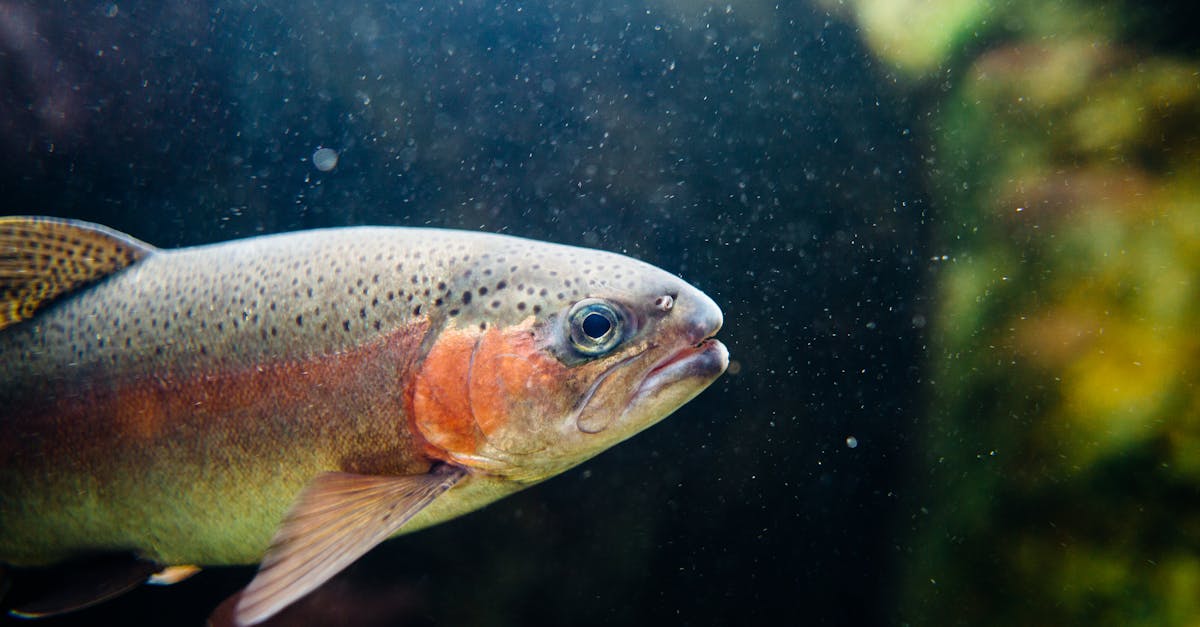
Rainbow Trout
The rainbow trout is Montana's most widespread and popular gamefish, celebrated for its explosive surface strikes, aerial acrobatics, and willingness to take a well-presented dry fly. Native to Pacific Coast drainages from Alaska to Mexico, rainbows were first introduced to Montana's waters in the late 1800s and have since established thriving populations in nearly every major river system in the state. On legendary waters like the Madison, Missouri, and Bighorn, wild rainbow trout grow fat on prolific insect hatches and provide some of the finest dry-fly fishing in North America. Rainbow trout in Montana display remarkable variation depending on their home water. Fish in nutrient-rich tailwaters like the Missouri River below Holter Dam can exceed 20 inches with regularity, their deep bodies and broad tails reflecting the abundant food supply. Freestone river rainbows, such as those in the upper Madison and Gallatin, tend to be leaner and more athletic, shaped by faster currents and colder water temperatures. In many Montana rivers, rainbows spawn in the spring from March through June, and anglers should be mindful of spawning redds during this period to protect future generations of fish. Rainbows are arguably the most versatile trout species for fly anglers. They respond well to dry flies during hatches, aggressively chase streamers, and feed heavily on nymphs subsurface throughout the year. Their fighting ability is legendary: a hooked rainbow will often launch itself completely out of the water multiple times during a battle. Montana's catch-and-release regulations on many blue-ribbon streams have produced exceptional rainbow trout fisheries with high densities of large, healthy fish that continue to draw anglers from around the world.
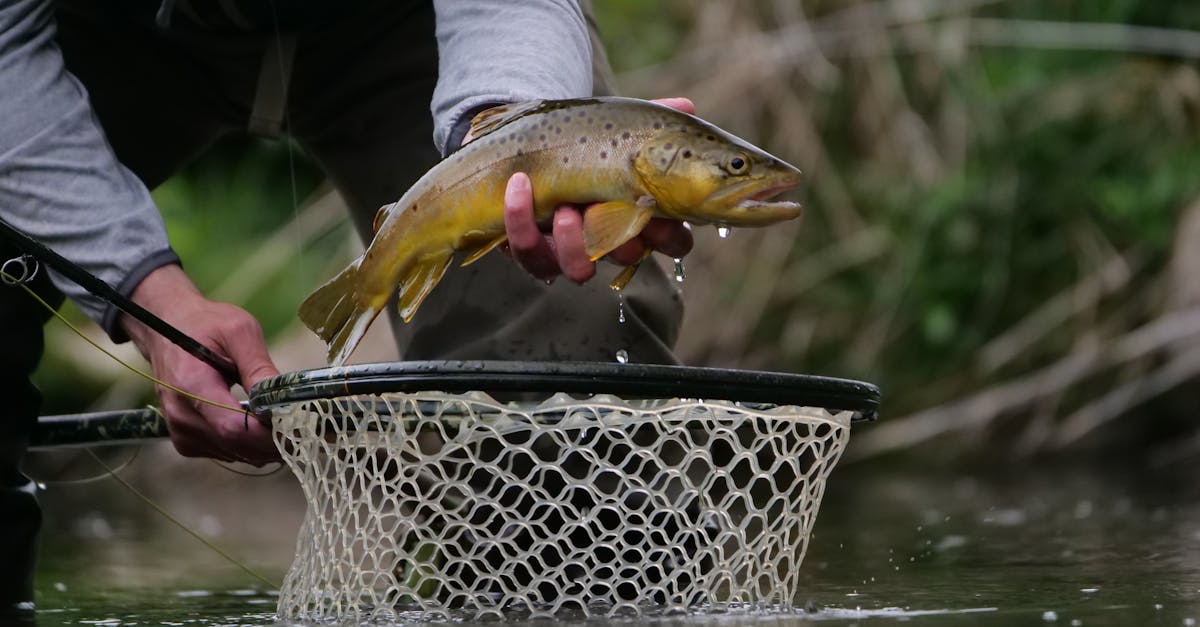
Brown Trout
The brown trout is the most cunning and elusive trout species swimming in Montana's rivers, and it rewards patient, skilled anglers with some of the state's most memorable catches. Originally native to Europe and western Asia, brown trout were first introduced to North American waters in 1883 and arrived in Montana shortly thereafter. They have since established robust, self-sustaining populations in virtually every major trout stream in the state, from the legendary spring creeks of the Paradise Valley to the sweeping runs of the lower Madison and the deep pools of the Bighorn. Brown trout grow larger than any other trout species in Montana, and fish exceeding 24 inches are caught with regularity on premium waters. The lower Madison River, the Missouri River below Holter Dam, and the Bighorn River are particularly renowned for producing trophy-class browns. Unlike rainbows, brown trout spawn in the fall (October through November), and their aggressive pre-spawn behavior creates an exciting window for streamer fishing as large males become territorial and attack anything that enters their domain. Browns are notably more nocturnal than other trout species, and many of the biggest fish are caught during low-light conditions. What sets brown trout apart from other species is their wariness and selectivity. Large browns are notoriously difficult to fool, often refusing flies that are even slightly off in size, color, or presentation. They tend to establish and defend prime feeding lies (undercut banks, logjams, deep pools, and boulder gardens), and an angler who learns to read water and identify these holding spots will consistently catch more and larger fish. This combination of difficulty, size potential, and intelligence makes the brown trout the most prized quarry for many serious Montana fly fishers.
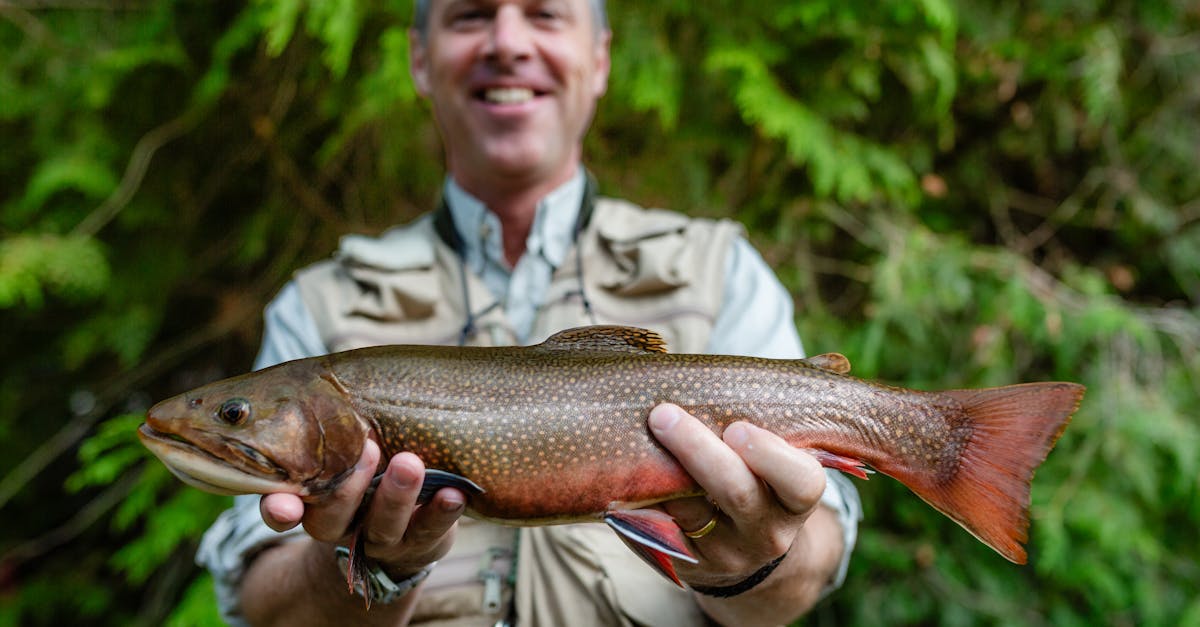
Brook Trout
The brook trout is widely considered the most beautiful freshwater fish in North America, and catching one in a pristine Montana mountain stream is an experience that captures the essence of backcountry fly fishing. Despite their common name, brook trout are not true trout at all; they are a species of char (genus Salvelinus), more closely related to lake trout and Arctic char than to rainbows or browns. Native to eastern North America from Georgia to Hudson Bay, brook trout were among the first salmonids introduced to Montana's waters in the late 1800s and have since established self-sustaining populations in cold, high-elevation streams and lakes throughout the state. In Montana, brook trout thrive best in small, cold headwater streams and high mountain lakes where competition from larger trout species is minimal. In these environments, they are often the dominant, or only, salmonid present. The trade-off is size: Montana stream-dwelling brook trout typically range from 6 to 10 inches, with fish over 12 inches considered noteworthy in most waters. What they lack in size, however, they more than make up for in beauty and willingness to eat a fly. Brookies are aggressive feeders that will strike attractor dry flies, nymphs, and small streamers with enthusiasm, making them an ideal species for beginning fly anglers and a delightful quarry for anyone who appreciates small-stream fishing. Brook trout do present a conservation paradox in Montana. While they are a beloved and beautiful gamefish, they are non-native and can negatively impact native species, particularly Yellowstone and westslope cutthroat trout. In headwater streams, brook trout often outcompete cutthroats for food and spawning habitat due to their higher reproductive rate and earlier maturation. As a result, Montana FWP has implemented brook trout removal projects on some streams to restore native cutthroat populations. In many waters, liberal harvest limits for brook trout are encouraged to reduce their numbers and benefit native fish. Anglers can enjoy excellent brook trout fishing while actively helping conservation by keeping a few for the pan.
Watauga River Hatch Chart
| Insect | Suggested Fly | Jan | Feb | Mar | Apr | May | Jun | Jul | Aug | Sep | Oct | Nov | Dec |
|---|---|---|---|---|---|---|---|---|---|---|---|---|---|
Blue-Winged Olive (Baetis) afternoon | Parachute Adams | ||||||||||||
Blue-Winged Olive (Baetis) afternoon | BWO Emerger | ||||||||||||
Caddisflies (various) evening | Elk Hair Caddis | ||||||||||||
Terrestrials (ants, beetles, hoppers) afternoon | Chubby Chernobyl | ||||||||||||
Light Cahills evening | Parachute Adams | ||||||||||||
Midges morning | Zebra Midge | ||||||||||||
Small mayflies (various) morning | RS2 |
Blue-Winged Olive (Baetis): Spring BWOs on overcast days. Size 16-20.
Blue-Winged Olive (Baetis): Fall BWO hatches. Best 12 PM to 3 PM. Size 18-20.
Caddisflies (various): Prolific caddis April through October. Size 14-18.
Terrestrials (ants, beetles, hoppers): Terrestrials along meadow banks. Size 14-18.
Light Cahills: Early summer mayfly hatch. Size 14-16.
Midges: Year-round midge activity. Size 18-22.
Small mayflies (various): Small mayfly emergers. RS2 effective. Size 18-20.
Recommended Flies
Parachute Adams
Top PickUniversal dry fly for BWO and mayfly hatches
Best in spring
Elk Hair Caddis
Top PickEssential caddis dry April through October
Best in summer
Pheasant Tail Nymph
Top PickAll-purpose nymph, deadly year-round
Best in spring
Prince Nymph
Top PickAttractor nymph for pocket water
Best in spring
BWO Emerger
Top PickBWO emerger for spring and fall hatches
Best in fall
Chubby Chernobyl
Top PickTerrestrial attractor along meadow banks
Best in summer
Woolly Bugger
Top PickStreamer for fall brown trout in deeper pools
Best in fall
Access Points & Boat Launches
Valle Crucis Community Park
Wade AccessEasyThe primary public access point for the Watauga River, offering developed parking, trails, and excellent wade fishing in the heart of Valle Crucis. The park provides access to productive riffles, runs, and pools holding wild rainbow, brown, and brook trout. This is the most popular and heavily fished section, particularly on spring and fall weekends.
Broadstone Road Pulloffs
Wade AccessEasyMultiple roadside pulloffs along Broadstone Road (SR 1112) provide access to the upper Wild Trout section above Valle Crucis. These spots offer less-pressured fishing in productive pocket water and meadow runs. Limited parking requires early arrival during peak season.
Valle Crucis Road Crossing
Wade AccessEasyDownstream access point near the Valle Crucis Road bridge, providing entry to the lower Wild Trout section. The river here flows through pastoral farmland with undercut banks and deep pools holding larger brown trout. Less crowded than the Community Park area.
Regulations
Regulations
Wild Trout Waters: single-hook artificial lures only, creel limit 4 trout per day, minimum size 7 inches. North Carolina fishing license and trout license required. Open year-round. Verify current regulations at ncwildlife.org.
Always verify current regulations with Montana Fish, Wildlife & Parks before fishing.
Some links may earn a commission. Learn more
Quick Facts
- Region
- Northwestern North Carolina / Watauga County
- Water Type
- Freestone
- River Length
- 60 miles total in NC; ~8 miles of prime fly fishing in Valle Crucis area
- Difficulty
- Beginner-Intermediate
- Best Seasons
- spring, summer, fall
- Trout Per Mile
- 400-700 wild trout
- Record Trout
- Brown trout exceeding 18 inches; rainbow trout over 14 inches common in the best pools
- Species
- Rainbow Trout, Brown Trout, Brook Trout
- USGS Gauge
- 03479000
Nearby Rivers
Davidson River
Western North Carolina / Pisgah National Forest
Tuckasegee River
Western North Carolina / Jackson County
Nantahala River
Western North Carolina / Macon County
Wilson Creek
Western North Carolina / Caldwell County
Deep Creek
Western North Carolina / Great Smoky Mountains National Park
Linville River
Western North Carolina / Avery County
South Toe River
Western North Carolina / Yancey County
French Broad River
Western North Carolina / Asheville Area
Mitchell River
Northwestern North Carolina / Surry County