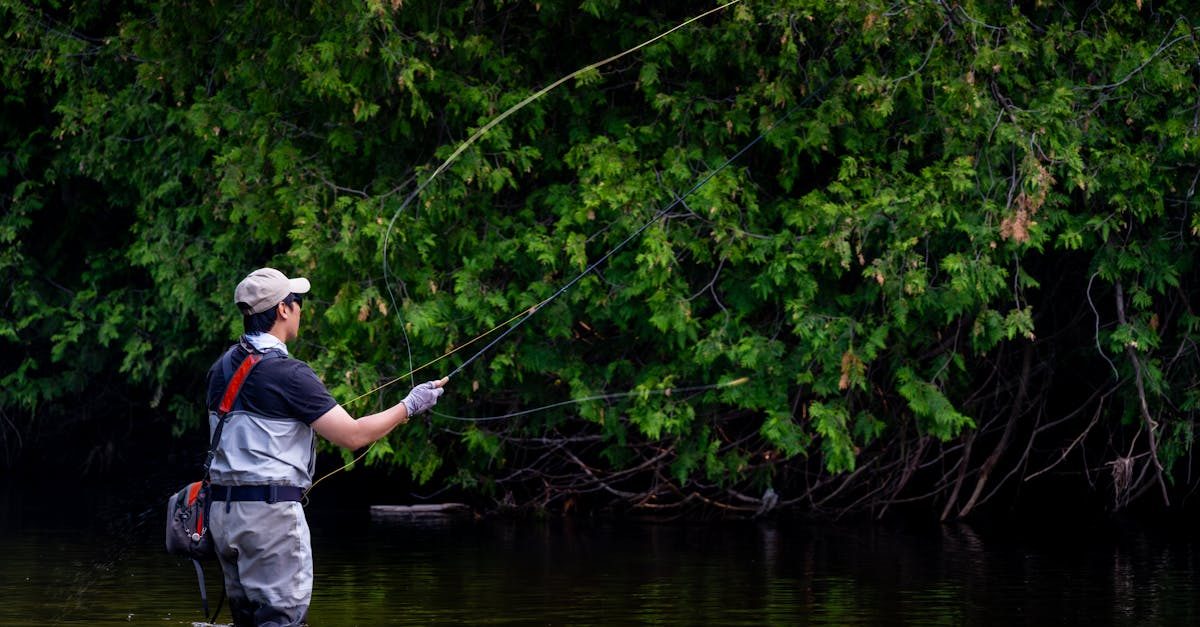
Battenkill River
The Battenkill River is Vermont's most famous trout stream, a world-renowned destination for fly fishing that has drawn anglers for over a century. With its wild brown trout, technical dry fly fishing, and catch-and-release regulations on the Vermont side, the Battenkill offers a classic Eastern freestone experience in a pastoral setting of covered bridges and dairy farms.
Battenkill River Fishing Report & Current Conditions
The Battenkill River is a freestone fishery, and it fishes best in spring, summer and fall. Live USGS streamflow readings update throughout the day, while the monthly median flows below map the river's typical discharge across the year. Together they show current fishability and how today's water compares to the seasonal norm.
Current Conditions
Typical Monthly Flows
Historical median discharge (CFS) by month: Battenkill River
Overview
The Battenkill River rises in the Green Mountains of southern Vermont near Peru and flows southwest for approximately 59 miles through Vermont and New York before joining the Hudson River. The Vermont portion, particularly the 10-mile stretch from Manchester downstream to the New York border near Arlington, represents some of the finest wild trout water in the Northeast.
What sets the Battenkill apart is its population of wild brown trout in a truly wild setting. Unlike many Eastern rivers that rely on stocking, the Battenkill maintains a self-sustaining population of native brook trout and wild brown trout. The Vermont side operates entirely under catch-and-release regulations, protecting this precious fishery for future generations. Fish in the 12 to 16-inch range are common, with brown trout exceeding 18 inches caught regularly by skilled anglers.
The river's character is quintessentially Vermont: clear, cold water flowing over a bottom of cobble and gravel, interrupted by long glides, deep pools beneath undercut banks, and classic riffle-run-pool sequences. The river averages 40 to 80 feet wide through the prime fishing sections, large enough to provide substantial trout habitat but intimate enough for comfortable wade fishing. The Battenkill flows through a pastoral landscape of hayfields and hardwood forests, with the Green Mountains rising to the east.
The Battenkill is best known for its prolific mayfly hatches, particularly the legendary Hendrickson hatch that typically arrives in late April through early May. During this hatch, the river comes alive with rising trout, and anglers from across the Northeast converge on the stream. Beyond the Hendricksons, the river offers excellent Blue-Winged Olive hatches, abundant caddisflies, and delicate Trico spinner falls throughout the season.
Access to the Battenkill is excellent, with multiple public fishing access areas managed by Vermont Fish and Wildlife Department along Route 7A and Route 313. The river's proximity to Manchester, a charming Vermont town with the Orvis flagship store, makes it an ideal destination for a fly fishing weekend.
Water Characteristics
The Battenkill is a classic Eastern freestone stream with water that runs clear to slightly tea-stained depending on recent rainfall. Water temperatures in summer range from 55 to 65 degrees F, ideal for trout. The river maintains excellent water quality thanks to its forested headwaters in the Green Mountains and minimal development along its banks.
The riverbed consists primarily of gravel and cobble, with pockets of larger rocks and occasional bedrock ledges. This diverse substrate creates excellent insect habitat, supporting the prolific mayfly, caddisfly, and stonefly populations for which the Battenkill is famous. Undercut banks are common features, providing prime holding water for larger brown trout.
The insect community is exceptional. Hendricksons (Ephemerella subvaria) are the signature hatch, but the river also supports strong populations of Blue-Winged Olives (Baetis), numerous caddisfly species (particularly Cinnamon Sedges), Tricos, and various stoneflies. This diversity provides year-round fishing opportunities.
Wading & Float Guide
The Battenkill offers classic freestone wading with a bottom of gravel, cobble, and occasional larger rocks. The river averages 40 to 80 feet wide through the Manchester to Arlington corridor, with water depths ranging from ankle-deep riffles to waist-deep pools. Current is moderate during normal summer flows, though the river can be pushy during higher water in spring and after heavy rains.
The substrate is generally firm and provides good footing, though moss-covered rocks can be slippery. Felt-soled or studded boots are recommended. The riverbed is relatively uniform without dramatic drop-offs, making wading accessible to anglers of moderate experience. During spring runoff (typically late April through mid-May), the river rises significantly and wading becomes difficult and potentially dangerous.
Bank fishing is productive along much of the river, particularly where undercut banks hold larger brown trout. Stealth is critical on the Battenkill; the clear water and educated fish demand careful wading and long, delicate casts. Many experienced anglers fish from the bank when possible to avoid spooking fish.
Manchester to Arlington
The Battenkill is primarily a wade-fishing river. While canoes and kayaks occasionally float this section, the shallow water, rocky bottom, and numerous strainers make it impractical for drift boat fishing. Wade fishing from public access areas is the standard approach.
Rod & Tackle Guide
General Battenkill fishing
- Rod
- 8'6" to 9' 4-weight or 5-weight
- Line
- Weight-forward floating with delicate presentation
- Leader & Tippet
- 12-15' tapered to 5X or 6X for dry flies; 4X for nymphing
The Battenkill rewards finesse. A 4-weight provides delicate presentation for technical dry fly fishing. Longer leaders are essential on this clear water with educated fish.
Best Time to Fish the Battenkill River
Spring
Spring is the Battenkill's signature season, dominated by the legendary Hendrickson hatch. This hatch typically begins in late April and runs through early May, bringing size 12-14 mayflies and eager rising trout. Fish Hendrickson comparaduns, parachute patterns, and soft hackles during the hatch. Blue-Winged Olives also hatch on overcast afternoons throughout spring. Early season (opening day is second Saturday in April) can be challenging due to cold water and pre-runoff conditions, but fish respond to nymphs. Be aware that spring runoff can blow out the river in May.
Summer
Summer on the Battenkill is characterized by lower, clearer water and more selective trout. Caddis hatches dominate, particularly in June and July, with productive evening emergences. Small terrestrial patterns (ants and beetles in sizes 14-18) become effective along grassy banks. Trico spinner falls provide technical dry fly fishing on calm summer mornings from late July through August, with size 20-24 patterns required. Fish early mornings and late evenings when water temperatures are coolest. Nymphing deep pools and runs with Pheasant Tails and Prince Nymphs remains productive throughout summer.
Fall
Fall brings renewed energy to Battenkill fishing as water temperatures drop and brown trout prepare for spawning. Blue-Winged Olive hatches return in September and October, often providing the best dry fly fishing of the fall season. Terrestrial patterns remain effective into September. As brown trout move into spawning mode in October, streamer fishing can be excellent; swing small Woolly Buggers and sculpin patterns through deeper runs and pools. Be respectful of spawning fish and avoid walking on redds (gravel nesting areas). The fall foliage backdrop makes this a spectacular time to fish the Battenkill.
Fishing Pressure & Local Tips
The Battenkill receives heavy fishing pressure, particularly during the Hendrickson hatch in late April and early May when anglers from across the Northeast visit the river. The catch-and-release regulations on the Vermont side, combined with the river's fame and proximity to Manchester, ensure consistent angling pressure throughout the season.
Despite the pressure, the Battenkill continues to provide excellent fishing for those willing to fish at off-peak times (weekday mornings and evenings) and employ stealthy techniques. The most heavily fished sections are those closest to public access areas along Route 7A. Walking upstream or downstream from parking areas often leads to less-pressured water and more cooperative trout.
Local Knowledge
Success on the Battenkill demands technical skill and patience. These wild brown trout have seen countless flies and are notoriously selective. Long, delicate leaders (12 to 15 feet tapered to 5X or 6X) are essential for dry fly fishing. Approach pools carefully, staying low and casting from downstream positions when possible.
During the Hendrickson hatch, resist the temptation to rush to the first rising fish you see. Observe feeding patterns, identify the specific stage of the insect the trout are targeting (dun, emerger, or spinner), and match it precisely. A Hendrickson soft hackle fished in the film often outperforms a traditional dry fly.
For summer Trico fishing, arrive at the river by dawn. Spinner falls typically occur between 7 AM and 9 AM on calm mornings. Use 6X or 7X tippet and size 20-24 patterns. Visit the Orvis flagship store in Manchester for up-to-date hatch information and local fly recommendations.
Species Present
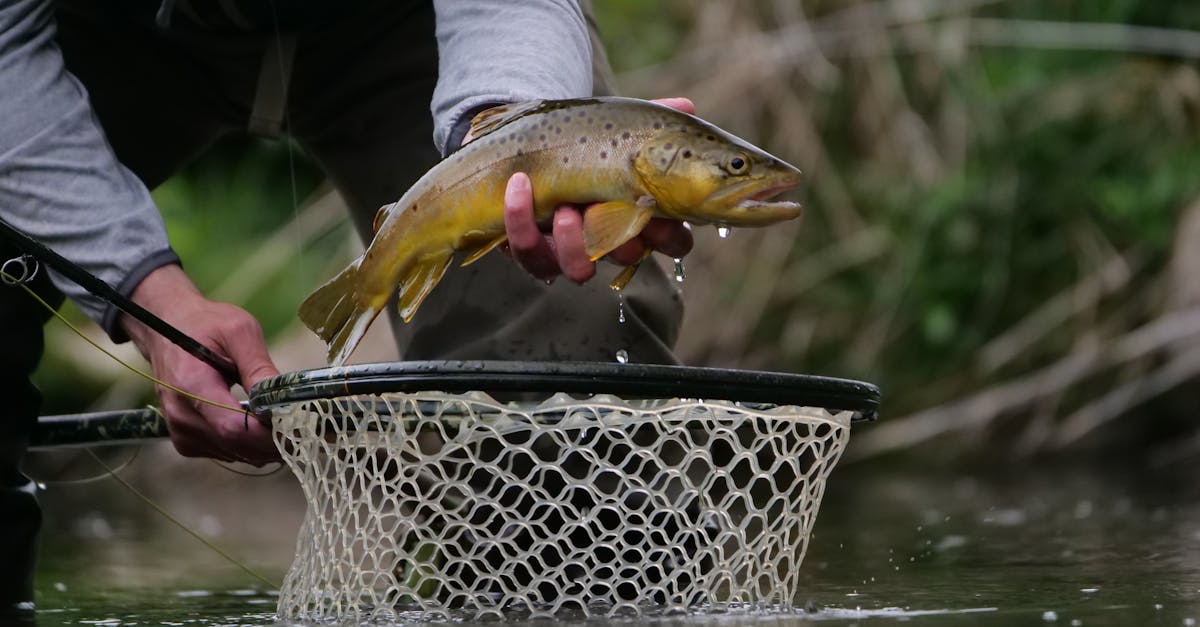
Brown Trout
The brown trout is the most cunning and elusive trout species swimming in Montana's rivers, and it rewards patient, skilled anglers with some of the state's most memorable catches. Originally native to Europe and western Asia, brown trout were first introduced to North American waters in 1883 and arrived in Montana shortly thereafter. They have since established robust, self-sustaining populations in virtually every major trout stream in the state, from the legendary spring creeks of the Paradise Valley to the sweeping runs of the lower Madison and the deep pools of the Bighorn. Brown trout grow larger than any other trout species in Montana, and fish exceeding 24 inches are caught with regularity on premium waters. The lower Madison River, the Missouri River below Holter Dam, and the Bighorn River are particularly renowned for producing trophy-class browns. Unlike rainbows, brown trout spawn in the fall (October through November), and their aggressive pre-spawn behavior creates an exciting window for streamer fishing as large males become territorial and attack anything that enters their domain. Browns are notably more nocturnal than other trout species, and many of the biggest fish are caught during low-light conditions. What sets brown trout apart from other species is their wariness and selectivity. Large browns are notoriously difficult to fool, often refusing flies that are even slightly off in size, color, or presentation. They tend to establish and defend prime feeding lies (undercut banks, logjams, deep pools, and boulder gardens), and an angler who learns to read water and identify these holding spots will consistently catch more and larger fish. This combination of difficulty, size potential, and intelligence makes the brown trout the most prized quarry for many serious Montana fly fishers.
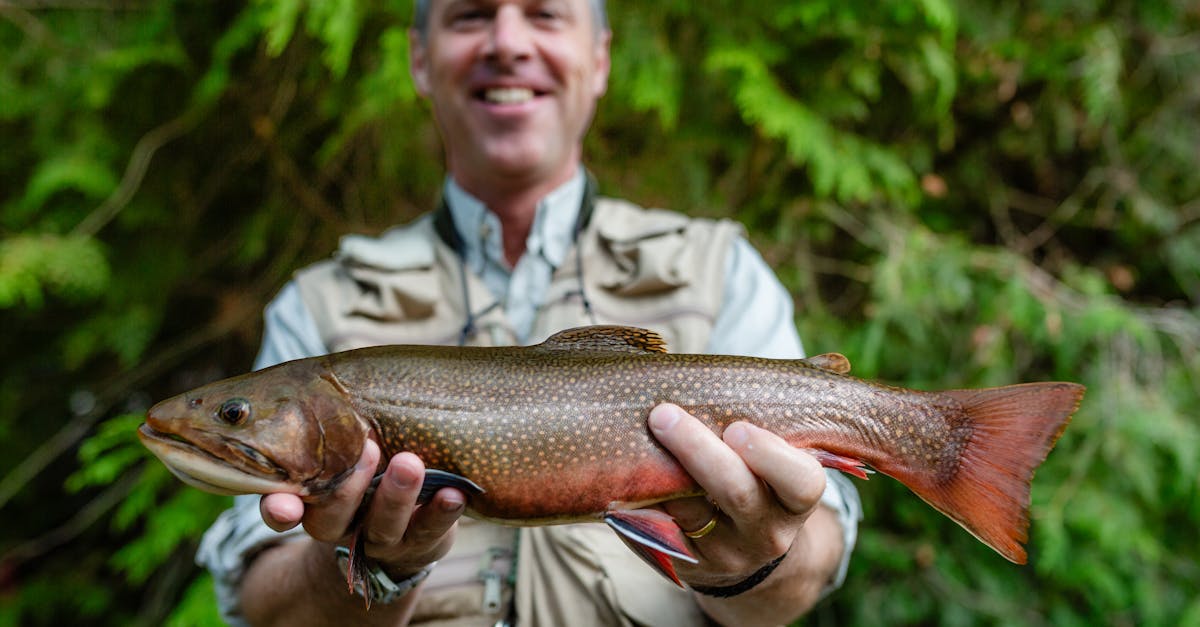
Brook Trout
The brook trout is widely considered the most beautiful freshwater fish in North America, and catching one in a pristine Montana mountain stream is an experience that captures the essence of backcountry fly fishing. Despite their common name, brook trout are not true trout at all; they are a species of char (genus Salvelinus), more closely related to lake trout and Arctic char than to rainbows or browns. Native to eastern North America from Georgia to Hudson Bay, brook trout were among the first salmonids introduced to Montana's waters in the late 1800s and have since established self-sustaining populations in cold, high-elevation streams and lakes throughout the state. In Montana, brook trout thrive best in small, cold headwater streams and high mountain lakes where competition from larger trout species is minimal. In these environments, they are often the dominant, or only, salmonid present. The trade-off is size: Montana stream-dwelling brook trout typically range from 6 to 10 inches, with fish over 12 inches considered noteworthy in most waters. What they lack in size, however, they more than make up for in beauty and willingness to eat a fly. Brookies are aggressive feeders that will strike attractor dry flies, nymphs, and small streamers with enthusiasm, making them an ideal species for beginning fly anglers and a delightful quarry for anyone who appreciates small-stream fishing. Brook trout do present a conservation paradox in Montana. While they are a beloved and beautiful gamefish, they are non-native and can negatively impact native species, particularly Yellowstone and westslope cutthroat trout. In headwater streams, brook trout often outcompete cutthroats for food and spawning habitat due to their higher reproductive rate and earlier maturation. As a result, Montana FWP has implemented brook trout removal projects on some streams to restore native cutthroat populations. In many waters, liberal harvest limits for brook trout are encouraged to reduce their numbers and benefit native fish. Anglers can enjoy excellent brook trout fishing while actively helping conservation by keeping a few for the pan.
Battenkill River Hatch Chart
| Insect | Suggested Fly | Jan | Feb | Mar | Apr | May | Jun | Jul | Aug | Sep | Oct | Nov | Dec |
|---|---|---|---|---|---|---|---|---|---|---|---|---|---|
Hendrickson afternoon | Parachute Adams | ||||||||||||
Blue-Winged Olive (Baetis) afternoon | BWO Emerger | ||||||||||||
Blue-Winged Olive (Baetis) afternoon | BWO Emerger | ||||||||||||
Caddisflies (Cinnamon Sedges) evening | Elk Hair Caddis | ||||||||||||
Tricos morning | Trico Spinner | ||||||||||||
March Browns afternoon | Parachute Adams | ||||||||||||
Terrestrials (ants, beetles) afternoon | Chubby Chernobyl | ||||||||||||
Stoneflies (various) all day | Pat's Rubber Legs |
Hendrickson: The legendary Battenkill Hendrickson hatch. Size 12-14. Best late April through early May.
Blue-Winged Olive (Baetis): Spring BWOs on overcast days. Size 16-20. Fish emergers in the film.
Blue-Winged Olive (Baetis): Fall BWOs provide excellent dry fly fishing. Size 18-20.
Caddisflies (Cinnamon Sedges): Prolific summer caddis hatches. Size 14-18. Evening emergences most productive.
Tricos: Morning Trico spinner falls. Technical fishing. Size 20-24. Dawn until 9 AM.
March Browns: Late spring March Browns. Size 10-12. Sporadic but exciting when present.
Terrestrials (ants, beetles): Small terrestrials effective along grassy banks. Size 14-18.
Stoneflies (various): Stonefly nymphs important subsurface food. Size 8-12.
Recommended Flies
Parachute Adams
Top PickEssential for Hendrickson hatch, the signature Battenkill experience. Size 12-14.
Best in spring
BWO Emerger
Top PickBWO emerger for spring and fall Baetis hatches. Critical pattern on this technical water.
Best in spring
Elk Hair Caddis
Top PickMatches prolific summer caddis hatches. Evening emergences June through August.
Best in summer
Trico Spinner
Top PickFor morning Trico spinner falls. Technical presentation required. Size 20-24.
Best in summer
Pheasant Tail Nymph
Top PickVersatile nymph pattern effective year-round as dropper or point fly.
Best in spring
Woolly Bugger
Top PickSwing through deeper pools for fall brown trout. Size 4-8.
Best in fall
Also Effective
Access Points & Boat Launches
Arlington Green River Road Access
Wade AccessEasyPopular public fishing access area near Arlington providing walk-in access to the Battenkill's trophy water. This section features classic undercut banks, gravel runs, and pools holding brown trout. Parking area accommodates 10-12 vehicles. The catch-and-release regulations on the Vermont side protect this quality fishery.
Route 7A Fishing Access (Manchester)
Wade AccessEasyVermont Fish and Wildlife Department access area along Route 7A north of Arlington. Well-maintained parking area with easy walk to river. This section offers excellent dry fly water during Hendrickson and caddis hatches. The river here flows through pastoral farmland with good insect habitat.
West Road River Access
Wade AccessEasyPublic access point providing entry to productive middle Battenkill water. The river here features long glides, riffle-pool sequences, and undercut banks. Good fishing for wild brown trout year-round. This area receives moderate pressure but walking upstream or downstream from the parking area leads to less-crowded water.
Regulations
Regulations
Vermont side (upstream of NY border): Catch-and-release only for all trout, artificial lures and flies only. General trout season runs from second Saturday in April through last Sunday in October. Vermont fishing license required. Regulations differ significantly on the New York side; always verify current rules at vtfishandwildlife.com.
Always verify current regulations with Vermont Fish & Wildlife Department before fishing.
Some links may earn a commission. Learn more
Quick Facts
- Region
- Southern Vermont / Bennington County
- Water Type
- Freestone
- River Length
- 59 miles total; ~10 miles of premier fly fishing in Vermont (Manchester to Arlington)
- Difficulty
- Intermediate-Advanced
- Best Seasons
- spring, summer, fall
- Trout Per Mile
- 400-800 in prime sections; wild brown trout and brook trout populations
- Record Trout
- Brown trout exceeding 20 inches documented; fish over 3 lbs caught annually
- Species
- Brown Trout, Brook Trout
- USGS Gauge
- 01332000
Nearby Rivers
White River
Central Vermont / White River Valley
Winooski River
Northern Vermont / Chittenden County
Lamoille River
Northern Vermont / Lamoille County
Dog River
Central Vermont / Washington County
Deerfield River (Upper)
Southern Vermont / Windham County
Walloomsac River
Southern Vermont / Bennington County
Mettawee River
Western Vermont / Rutland County
Otter Creek
Western Vermont / Addison County
New Haven River
Central Vermont / Addison County