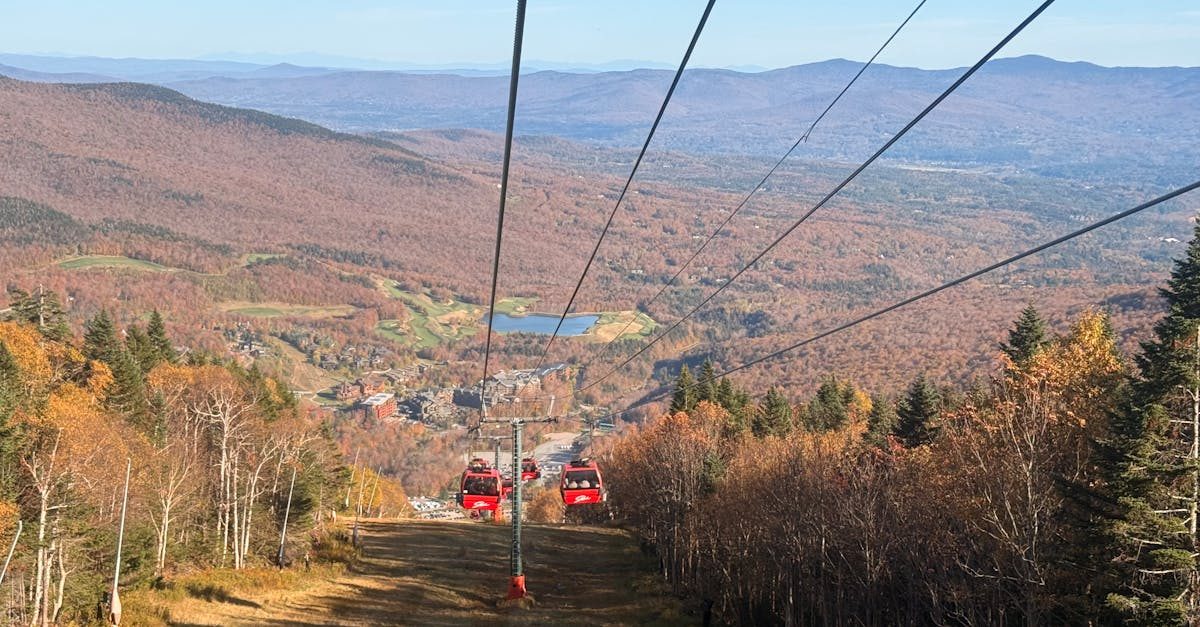
Winooski River
The Winooski River is northern Vermont's premier fly fishing destination, flowing 90 miles from Cabot to Lake Champlain through diverse terrain. With wild brown trout, stocked rainbows, native brook trout in tributaries, and landlocked Atlantic salmon, the Winooski offers varied fishing opportunities accessible to anglers of all skill levels.
Winooski River Fishing Report & Current Conditions
The Winooski River is a freestone fishery, and it fishes best in spring, summer and fall. Live USGS streamflow readings update throughout the day, while the monthly median flows below map the river's typical discharge across the year. Together they show current fishability and how today's water compares to the seasonal norm.
Current Conditions
Typical Monthly Flows
Historical median discharge (CFS) by month: Winooski River
Overview
The Winooski River drains a significant portion of northern Vermont, flowing west from the Green Mountains to Lake Champlain. The river passes through Burlington, Vermont's largest city, yet maintains excellent trout habitat in its upper and middle sections. The fishable water begins in earnest around Marshfield and continues through Montpelier, Waterbury, and downstream toward Richmond.
The upper Winooski features classic freestone character with cold water, good gradient, and rocky structure. The middle sections around Montpelier and Waterbury are wider and slower, holding good populations of brown trout and stocked rainbows. Landlocked Atlantic salmon have been stocked in the Winooski system in recent years, adding an exciting dimension to fall fishing when these powerful fish migrate upstream from Lake Champlain.
Water Characteristics
Freestone river with clear to slightly stained water. Summer temperatures 55-68 degrees F in upper sections. Gravel and cobble substrate with good insect diversity including mayflies, caddisflies, and stoneflies.
Wading & Float Guide
The Winooski varies by section. Upper reaches are smaller and easily waded. Middle sections around Montpelier are wider (50-80 feet) with moderate current and gravel-cobble bottom. Standard studded wading boots recommended.
Waterbury to Bolton Dam
Scenic float with good trout water and occasional rapids. Take-out above Bolton Dam is mandatory.
Rod & Tackle Guide
Winooski River
- Rod
- 9' 5-weight or 6-weight
- Line
- Weight-forward floating
- Leader & Tippet
- 9' tapered to 4X or 5X
5-weight for trout fishing; 6-weight better for salmon and streamer work.
Best Time to Fish the Winooski River
Spring
Spring fishing begins at opener with good nymphing before runoff. Blue-Winged Olives hatch on overcast afternoons. Spring runoff typically late April through mid-May. Post-runoff fishing in late May and June can be excellent.
Summer
Summer brings productive caddis hatches, especially evening emergences in June and July. Terrestrial patterns work well along grassy banks. Upper sections stay cooler during hot weather.
Fall
Fall is prime time for landlocked Atlantic salmon in lower sections. These fish migrate upstream from Lake Champlain September through October. Streamer fishing with traditional patterns can be excellent. Blue-Winged Olives return for good dry fly fishing.
Fishing Pressure & Local Tips
Moderate pressure near accessible areas along Route 2. Upper sections receive less pressure. Fall salmon runs attract increased attention.
Local Knowledge
For landlocked salmon in fall, use streamers in sizes 4-8 on sinking lines in deeper pools. Traditional patterns like Black Ghost work well. For trout, standard freestone tactics apply.
Species Present
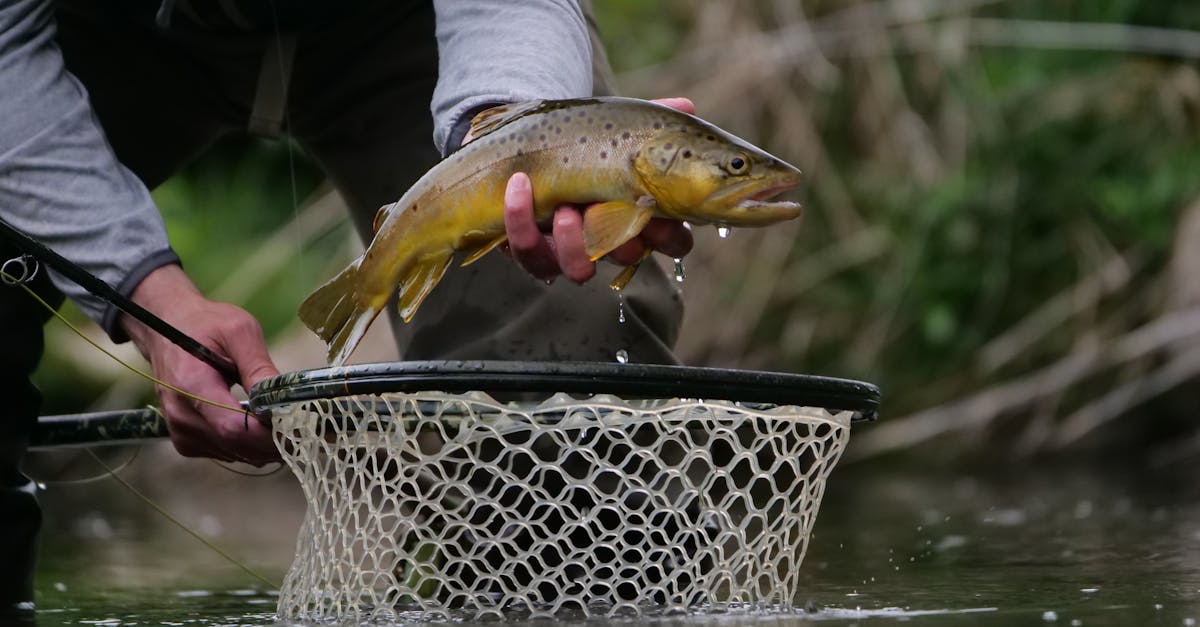
Brown Trout
The brown trout is the most cunning and elusive trout species swimming in Montana's rivers, and it rewards patient, skilled anglers with some of the state's most memorable catches. Originally native to Europe and western Asia, brown trout were first introduced to North American waters in 1883 and arrived in Montana shortly thereafter. They have since established robust, self-sustaining populations in virtually every major trout stream in the state, from the legendary spring creeks of the Paradise Valley to the sweeping runs of the lower Madison and the deep pools of the Bighorn. Brown trout grow larger than any other trout species in Montana, and fish exceeding 24 inches are caught with regularity on premium waters. The lower Madison River, the Missouri River below Holter Dam, and the Bighorn River are particularly renowned for producing trophy-class browns. Unlike rainbows, brown trout spawn in the fall (October through November), and their aggressive pre-spawn behavior creates an exciting window for streamer fishing as large males become territorial and attack anything that enters their domain. Browns are notably more nocturnal than other trout species, and many of the biggest fish are caught during low-light conditions. What sets brown trout apart from other species is their wariness and selectivity. Large browns are notoriously difficult to fool, often refusing flies that are even slightly off in size, color, or presentation. They tend to establish and defend prime feeding lies (undercut banks, logjams, deep pools, and boulder gardens), and an angler who learns to read water and identify these holding spots will consistently catch more and larger fish. This combination of difficulty, size potential, and intelligence makes the brown trout the most prized quarry for many serious Montana fly fishers.
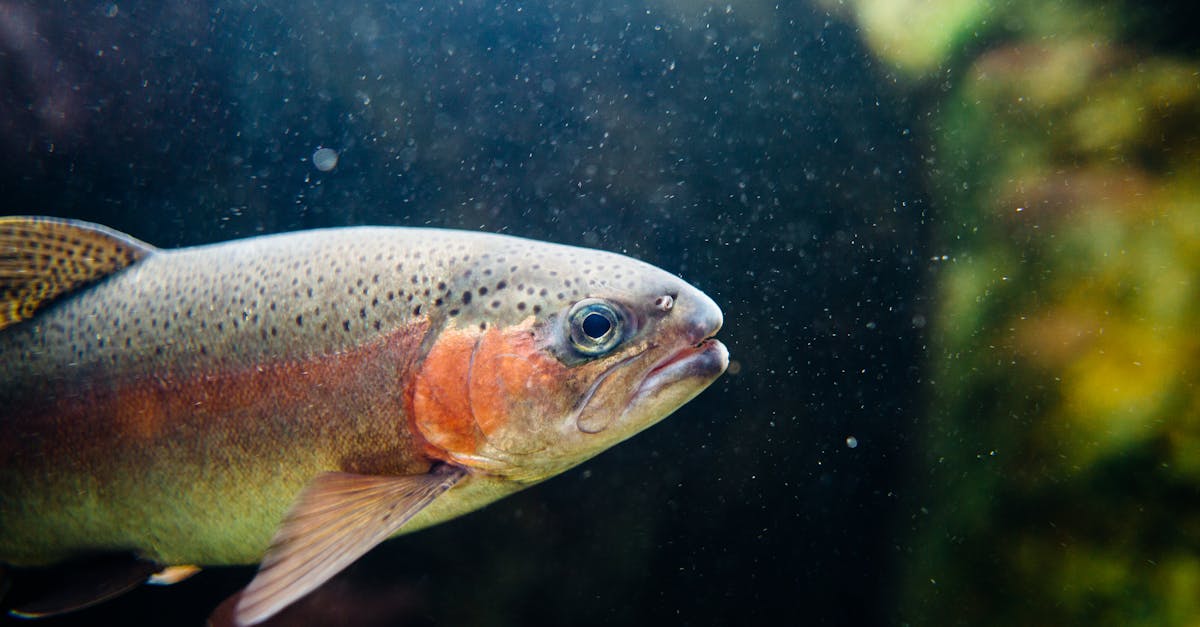
Rainbow Trout
The rainbow trout is Montana's most widespread and popular gamefish, celebrated for its explosive surface strikes, aerial acrobatics, and willingness to take a well-presented dry fly. Native to Pacific Coast drainages from Alaska to Mexico, rainbows were first introduced to Montana's waters in the late 1800s and have since established thriving populations in nearly every major river system in the state. On legendary waters like the Madison, Missouri, and Bighorn, wild rainbow trout grow fat on prolific insect hatches and provide some of the finest dry-fly fishing in North America. Rainbow trout in Montana display remarkable variation depending on their home water. Fish in nutrient-rich tailwaters like the Missouri River below Holter Dam can exceed 20 inches with regularity, their deep bodies and broad tails reflecting the abundant food supply. Freestone river rainbows, such as those in the upper Madison and Gallatin, tend to be leaner and more athletic, shaped by faster currents and colder water temperatures. In many Montana rivers, rainbows spawn in the spring from March through June, and anglers should be mindful of spawning redds during this period to protect future generations of fish. Rainbows are arguably the most versatile trout species for fly anglers. They respond well to dry flies during hatches, aggressively chase streamers, and feed heavily on nymphs subsurface throughout the year. Their fighting ability is legendary: a hooked rainbow will often launch itself completely out of the water multiple times during a battle. Montana's catch-and-release regulations on many blue-ribbon streams have produced exceptional rainbow trout fisheries with high densities of large, healthy fish that continue to draw anglers from around the world.
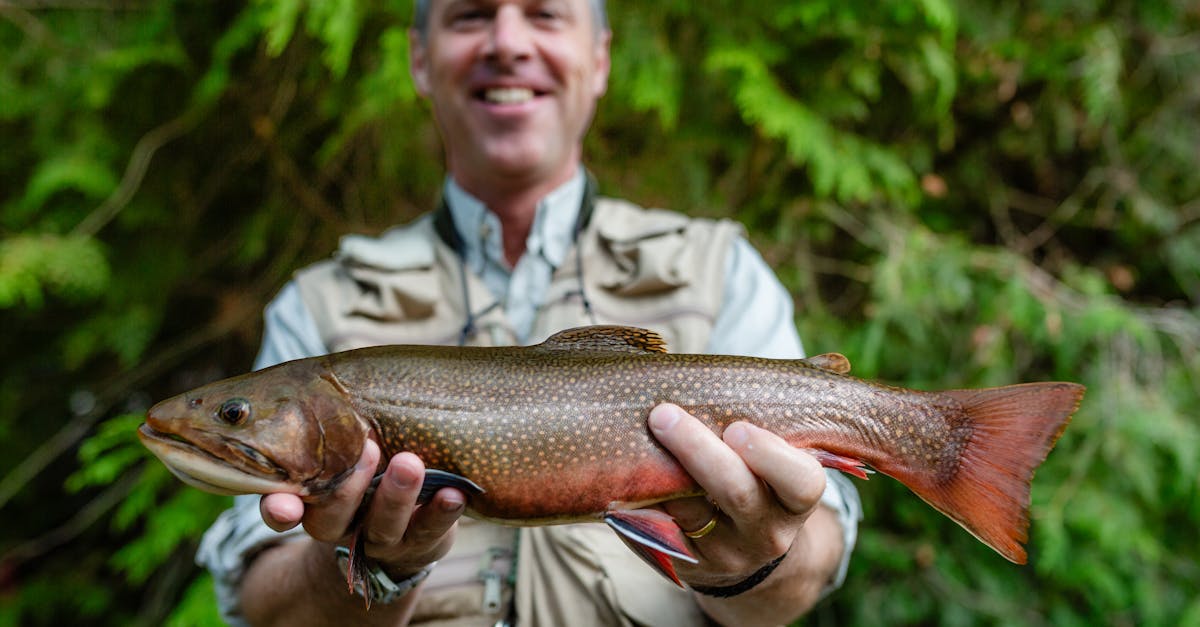
Brook Trout
The brook trout is widely considered the most beautiful freshwater fish in North America, and catching one in a pristine Montana mountain stream is an experience that captures the essence of backcountry fly fishing. Despite their common name, brook trout are not true trout at all; they are a species of char (genus Salvelinus), more closely related to lake trout and Arctic char than to rainbows or browns. Native to eastern North America from Georgia to Hudson Bay, brook trout were among the first salmonids introduced to Montana's waters in the late 1800s and have since established self-sustaining populations in cold, high-elevation streams and lakes throughout the state. In Montana, brook trout thrive best in small, cold headwater streams and high mountain lakes where competition from larger trout species is minimal. In these environments, they are often the dominant, or only, salmonid present. The trade-off is size: Montana stream-dwelling brook trout typically range from 6 to 10 inches, with fish over 12 inches considered noteworthy in most waters. What they lack in size, however, they more than make up for in beauty and willingness to eat a fly. Brookies are aggressive feeders that will strike attractor dry flies, nymphs, and small streamers with enthusiasm, making them an ideal species for beginning fly anglers and a delightful quarry for anyone who appreciates small-stream fishing. Brook trout do present a conservation paradox in Montana. While they are a beloved and beautiful gamefish, they are non-native and can negatively impact native species, particularly Yellowstone and westslope cutthroat trout. In headwater streams, brook trout often outcompete cutthroats for food and spawning habitat due to their higher reproductive rate and earlier maturation. As a result, Montana FWP has implemented brook trout removal projects on some streams to restore native cutthroat populations. In many waters, liberal harvest limits for brook trout are encouraged to reduce their numbers and benefit native fish. Anglers can enjoy excellent brook trout fishing while actively helping conservation by keeping a few for the pan.
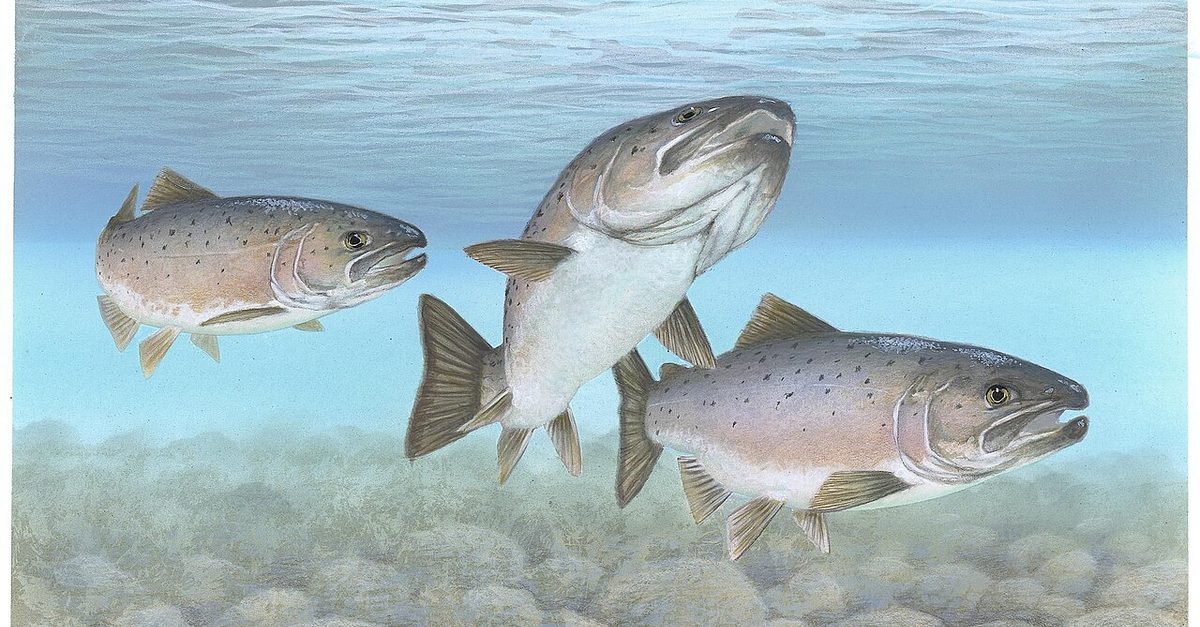
Landlocked Atlantic Salmon
The landlocked Atlantic salmon is one of New England's most prized gamefish, a freshwater-resident form of the Atlantic salmon that spends its entire life in lakes and rivers rather than migrating to the ocean. Found primarily in the lakes and rivers of Maine, New Hampshire, Vermont, and New York, landlocked salmon are genetically identical to their sea-run counterparts but have adapted to a completely freshwater life cycle, using large, cold lakes as their ocean substitute and tributary rivers as spawning habitat. Landlocked salmon are the signature gamefish of Maine's sporting camp tradition, where generations of anglers have gathered at remote wilderness lodges to fish for salmon in the Rangeley Lakes, Moosehead Lake, Sebago Lake, and the rivers that connect them. The fish combine the acrobatic fighting ability of their anadromous relatives with the accessibility of a freshwater species, leaping repeatedly when hooked and running with the kind of power and endurance that makes them one of the most exciting fish available on a fly rod in the northeastern United States. In rivers, landlocked salmon behave much like large resident trout, holding in classic lies and feeding on aquatic insects during hatches. They are particularly responsive to caddis and mayfly emergers, and the sight of a 3-pound landlocked salmon rising to a dry fly in a New England river is one of the defining experiences of northeastern fly fishing. In lakes, salmon are targeted with streamers that imitate smelt, their primary forage fish, trolled or cast from boats during the spring and fall when salmon cruise near the surface in cold-water conditions.
Winooski River Hatch Chart
| Insect | Suggested Fly | Jan | Feb | Mar | Apr | May | Jun | Jul | Aug | Sep | Oct | Nov | Dec |
|---|---|---|---|---|---|---|---|---|---|---|---|---|---|
Blue-Winged Olive (Baetis) afternoon | BWO Emerger | ||||||||||||
Blue-Winged Olive (Baetis) afternoon | BWO Emerger | ||||||||||||
Caddisflies (various) evening | Elk Hair Caddis | ||||||||||||
Hendrickson afternoon | Parachute Adams | ||||||||||||
Terrestrials (hoppers, ants) afternoon | Chubby Chernobyl | ||||||||||||
Stoneflies (various) all day | Pat's Rubber Legs | ||||||||||||
Midges morning | Zebra Midge |
Blue-Winged Olive (Baetis): Spring BWOs before and after runoff. Size 16-20.
Blue-Winged Olive (Baetis): Fall BWOs excellent on overcast days. Size 18-20.
Caddisflies (various): Productive summer caddis hatches. Size 14-18.
Hendrickson: Brief Hendrickson hatch in May. Size 12-14.
Terrestrials (hoppers, ants): Terrestrial patterns effective mid-summer. Size 12-18.
Stoneflies (various): Stonefly nymphs important early season food. Size 8-12.
Midges: Midges active spring and fall. Size 18-22.
Recommended Flies
Parachute Adams
Top PickVersatile mayfly dry fly for spring hatches.
Best in spring
BWO Emerger
Top PickBWO emerger essential for excellent fall fishing.
Best in fall
Elk Hair Caddis
Top PickMatches summer caddis hatches. Evening emergences productive.
Best in summer
Woolly Bugger
Top PickStreamer for fall landlocked Atlantic salmon runs from Lake Champlain. Size 4-8.
Best in fall
Pheasant Tail Nymph
Top PickStandard nymph pattern effective year-round.
Best in spring
Access Points & Boat Launches
Waterbury Village Fishing Access
Wade AccessEasyPublic access in Waterbury providing convenient walk-in fishing to middle Winooski River. The river here is substantial (60-70 feet wide) with good brown and rainbow trout populations. Productive riffles, runs, and pools. Good access along river corridor.
Montpelier Fishing Access
Wade AccessEasyIn-town fishing access in Vermont's capital providing walk-in access to Winooski River. Despite urban location, this section maintains good trout populations. Accessible fishing near downtown with productive pools and runs.
Bolton Dam Access
Wade AccessModerateAccess near Bolton Dam providing entry to lower Winooski River. This section sees fall runs of landlocked Atlantic salmon from Lake Champlain. Good streamer water in deep pools and runs. Popular during fall salmon season.
Regulations
Regulations
General trout regulations: second Saturday in April through October 31, standard bag limits. Vermont fishing license required. Check vtfishandwildlife.com for current regulations.
Always verify current regulations with Vermont Fish & Wildlife Department before fishing.
Some links may earn a commission. Learn more
Quick Facts
- Region
- Northern Vermont / Chittenden County
- Water Type
- Freestone
- River Length
- 90 miles total; ~50 miles of fishable water from Marshfield to Richmond
- Difficulty
- Beginner-Intermediate
- Best Seasons
- spring, summer, fall
- Trout Per Mile
- 200-500 depending on section
- Record Trout
- Brown trout over 18 inches; landlocked salmon exceeding 24 inches
- Species
- Brown Trout, Rainbow Trout, Brook Trout, Landlocked Atlantic Salmon
- USGS Gauge
- 04288000
Nearby Rivers
Battenkill River
Southern Vermont / Bennington County
White River
Central Vermont / White River Valley
Lamoille River
Northern Vermont / Lamoille County
Dog River
Central Vermont / Washington County
Deerfield River (Upper)
Southern Vermont / Windham County
Walloomsac River
Southern Vermont / Bennington County
Mettawee River
Western Vermont / Rutland County
Otter Creek
Western Vermont / Addison County
New Haven River
Central Vermont / Addison County