Smallmouth Bass
Micropterus dolomieu
Overview
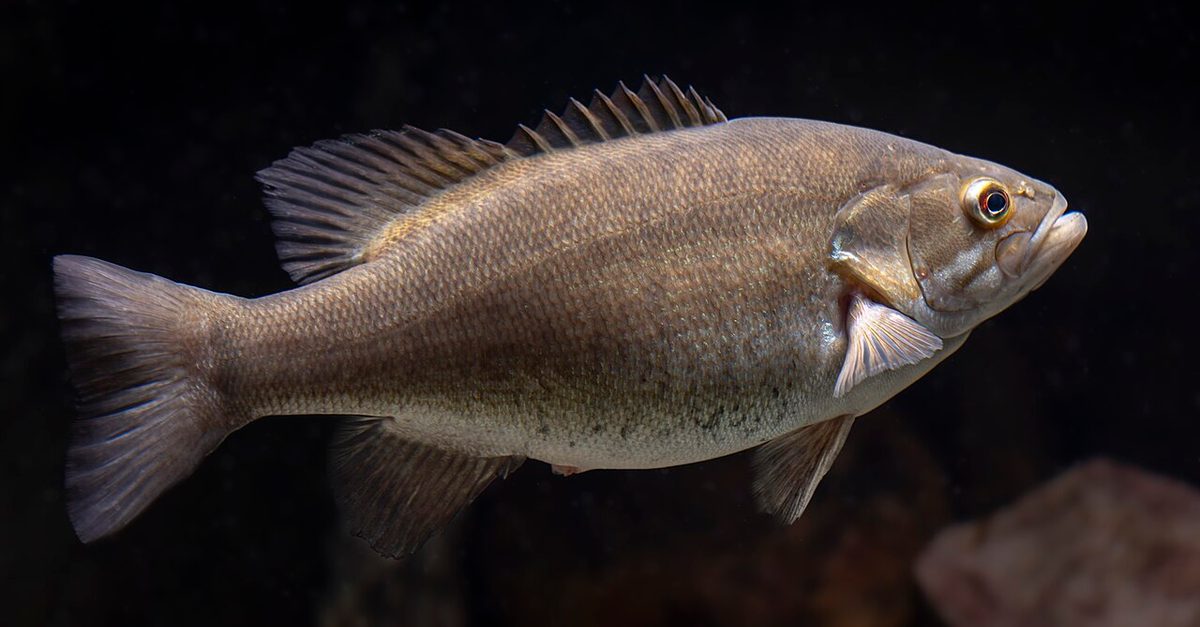
The smallmouth bass is one of the most popular and widely distributed gamefish in North America and one of the finest freshwater species available to fly anglers. Found in clear, cool rivers and lakes from the Great Lakes to the Southern Appalachians, smallmouth bass combine aggressive feeding behavior, remarkable fighting ability, and a preference for the kinds of rocky, current-rich habitats that are ideally suited to fly fishing. Pound for pound, the smallmouth bass is widely considered the hardest-fighting freshwater fish in North America, earning it the nickname 'the bronze bomber' for its explosive takes and powerful, acrobatic battles on the end of a line.
While smallmouth bass are not a traditional trout-stream species, they have become increasingly important to fly anglers as warm-water fly fishing has grown in popularity. Rivers like the French Broad in North Carolina, the Susquehanna and Delaware in Pennsylvania, and the St. Lawrence in New York support world-class smallmouth fisheries that attract dedicated fly anglers. In many regions, smallmouth bass inhabit the lower reaches of the same river systems that hold trout in their upper reaches, providing fly anglers with a warm-water counterpart to their cold-water fishing.
Smallmouth bass are particularly appealing to fly anglers because they readily take surface flies. On warm summer evenings, smallmouth will crush poppers, sliders, and large dry flies with explosive strikes that rival any trout rise. Their willingness to feed on the surface, combined with their strength and acrobatic leaping ability, makes smallmouth bass on a fly rod one of the most thrilling freshwater fly fishing experiences available.
Identification
Smallmouth bass are readily distinguished from trout and salmon by their spiny dorsal fin (trout have only soft rays), their overall body shape (deeper-bodied and more laterally compressed than trout), and their large, terminal mouth. The jaw of a smallmouth bass extends to approximately the midpoint of the eye, distinguishing it from the largemouth bass, whose jaw extends well past the eye. The body coloration is typically bronze to olive-brown, earning the nickname 'bronzeback,' with 8 to 15 dark, vertical bars on the flanks that may fade or intensify depending on the fish's mood and environment.
The dorsal fin of a smallmouth bass is divided into two distinct sections connected at the base: a forward section with 9 to 11 sharp spines and a rear section with 13 to 15 soft rays. This two-part dorsal fin immediately separates bass from all salmonid species. The eyes are often reddish or orange-red, particularly in clear-water river fish, and three dark, radiating lines extend from the eye across the cheek.
Smallmouth bass should not be confused with spotted bass (Micropterus punctulatus), which occupy some of the same waters in the southern Appalachians. Spotted bass have a more prominent lateral line band, rows of spots below the lateral line (absent in smallmouth), and a tooth patch on the tongue (which smallmouth lack). In practice, smallmouth bass in fly fishing waters are usually the dominant or sole bass species, making identification straightforward.
Diet
Smallmouth bass are aggressive, opportunistic predators with a diverse diet that varies by season and habitat. Crayfish are the single most important food item in most river environments, constituting 50 to 75 percent of the adult smallmouth's diet in many studies. This crayfish dependence makes crayfish-imitating flies among the most effective patterns for smallmouth across their range. In addition to crayfish, smallmouth feed heavily on aquatic insects (mayflies, stoneflies, caddisflies, and hellgrammites), baitfish (sculpins, dace, shiners, and juvenile sunfish), and terrestrial insects (grasshoppers, cicadas, and beetles).
Smallmouth feeding behavior is strongly influenced by water temperature. In spring, as water temperatures rise through the 50s and into the 60s, bass become increasingly active and aggressive, feeding on crayfish, baitfish, and the first significant insect hatches of the year. Peak feeding activity occurs in summer when water temperatures are in the 65 to 75 degree range, and smallmouth will feed from dawn to dark, with surface feeding most active during low-light periods at dawn and dusk. In fall, smallmouth feed aggressively to build energy reserves before winter, often keying on baitfish schools.
One of the most exciting aspects of smallmouth bass behavior for fly anglers is their willingness to feed on the surface. During summer, smallmouth will rise to mayfly hatches, slash at caddisflies, and crush terrestrial insects with explosive surface takes. In the evening, topwater fishing with poppers and sliders can produce non-stop action. This surface-feeding behavior sets smallmouth apart from most other warm-water species and makes them exceptionally rewarding to target on fly tackle.
Habitat Preferences
Smallmouth bass thrive in clear, cool rivers and lakes with rocky or gravel substrates, moderate to strong current (in rivers), and abundant structure. In river environments, they prefer water temperatures between 65 and 75 degrees Fahrenheit and dissolved oxygen levels above 5 parts per million. Classic smallmouth river habitat features boulder-studded runs, submerged ledges, gravel bars, and the kinds of current breaks and eddies that concentrate both bass and their prey.
In rivers, smallmouth are structure-oriented fish that use rocks, logs, undercut banks, and current seams as ambush points. They tend to hold in the heads of pools, along the downstream edges of boulders, and in the moderate-current runs between riffles and pools. During summer, they often move into riffles to feed, particularly in the low-light periods of dawn and dusk. In fall, as water temperatures drop, smallmouth gradually move to deeper pools and slower water.
Smallmouth bass spawn in spring when water temperatures reach 60 to 65 degrees Fahrenheit. Males construct nests on gravel or rocky substrate in relatively shallow water (2 to 4 feet deep) with moderate current or wave action. The male guards the nest and fry aggressively for several weeks after hatching. During the spawning period and nest-guarding phase, many fisheries impose catch-and-release regulations or seasonal closures to protect spawning bass.
Fishing Tactics
Fly fishing for smallmouth bass is one of the most exciting and accessible forms of freshwater fly fishing. The standard approach uses a 6- or 7-weight rod with a floating line, casting poppers, Clouser Minnows, crayfish patterns, and Woolly Buggers along rocky banks, boulder gardens, and current seams. In rivers, the most productive technique is casting across and slightly upstream, allowing the fly to drift and swing through likely holding water before stripping it back with short, erratic strips that imitate a fleeing baitfish or crayfish.
Topwater fishing is the heart and soul of smallmouth fly fishing. Foam poppers, hair bugs, and slider patterns in sizes 4 to 8, fished with a strip-pause-strip retrieve, produce explosive surface strikes that are addictive. The best topwater action occurs during low-light periods (dawn, dusk, and overcast days), though smallmouth will take surface flies throughout the day in summer. Colors tend to matter less than profile and action; chartreuse, white, olive, and black are all effective.
Subsurface, the Clouser Deep Minnow is the single most effective smallmouth fly ever designed. Olive-and-white, chartreuse-and-white, and brown-and-orange Clousers in sizes 2 to 6, fished on a floating line with a slow, jig-like retrieve, will catch smallmouth in any river. Crayfish patterns (swimming nymphs, near-nuff crayfish, and articulated crayfish flies) fished along the bottom through boulder gardens and gravel runs are equally deadly. Woolly Buggers in olive, brown, and black remain one of the most versatile and productive smallmouth flies across all conditions.
Conservation
Smallmouth bass are not threatened or endangered and are one of the most abundant and widely distributed gamefish in North America. They are present in 48 of the 50 United States and across much of southern Canada. In many regions, smallmouth bass are managed as an important recreational species with specific size and creel limits designed to maintain quality fishing. Catch-and-release fishing is widely practiced and encouraged in trophy smallmouth fisheries. The primary management concerns for smallmouth bass relate to water quality and habitat protection. Smallmouth are sensitive to water pollution, sedimentation, and thermal changes, making them an indicator species for overall stream health. Emerging threats include the introduction of non-native predators, diseases affecting smallmouth populations in some watersheds, and climate change impacts on water temperature and flow regimes. In many areas, habitat restoration projects that benefit trout also benefit smallmouth bass in the warmer downstream reaches of the same watersheds. Anglers can support smallmouth bass conservation by practicing catch-and-release (especially during the spawning season), supporting clean water initiatives, and advocating for the protection of free-flowing rivers.
Rivers Where Found
Lakes & Ponds Where Found
Lake Memphremagog
Northeast Kingdom / Orleans County
Harriman Reservoir
Southern Vermont / Windham County
Chittenden Reservoir
Central Vermont / Rutland County
Lake Dunmore
Western Vermont / Addison County
Green River Reservoir
Northern Vermont / Lamoille County
Norton Pond
Northeast Kingdom / Essex County
Island Pond
Northeast Kingdom / Essex County
Lake Groton
Central Vermont / Groton State Forest
Sebago Lake
Sebago Lakes Region / Cumberland County
West Grand Lake
Downeast Lakes / Washington County
East Grand Lake
Downeast / Washington-Aroostook border, St. Croix headwaters
Moosehead Lake
Moosehead Region / Piscataquis County
Newfound Lake
Lakes Region / Grafton County
Lake Winnipesaukee
Lakes Region / Belknap & Carroll Counties
Squam Lake
Lakes Region / Grafton, Carroll & Belknap Counties
Lake Sunapee
Dartmouth-Lake Sunapee / Sullivan & Merrimack Counties
Dublin Lake
Monadnock Region / Cheshire County
Willard Pond
Monadnock Region / Hillsborough County (Antrim)
Lake Placid
Adirondack High Peaks / Essex County
Cranberry Lake
Adirondacks / St. Lawrence County
Stillwater Reservoir
Beaver River Country / Herkimer County
Skaneateles Lake
Finger Lakes / Onondaga, Cortland & Cayuga Counties
Lake George
Adirondacks / Warren, Essex & Washington Counties
Schroon Lake
Adirondacks / Warren & Essex Counties
Otsego Lake
Leatherstocking / Otsego County (Cooperstown, DEC Region 4)
Hemlock Lake
Western Finger Lakes / Livingston & Ontario Counties
Canadice Lake
Finger Lakes / Ontario County
Chazy Lake
Northern Adirondacks / Clinton County
Quick Facts
- Scientific Name
- Micropterus dolomieu
- Average Size
- 12-16"
- Trophy Size
- 20+"
- State Record
- 11 lbs 15 oz (overall NA record), caught in Dale Hollow Reservoir, Tennessee in 1955; state records range from 7-10 lbs across most states
- Found In
- South Fork Reservoir, Wild Horse Reservoir, Linville River, French Broad River, Grand Lake Stream, Lake Memphremagog, Harriman Reservoir, Chittenden Reservoir, Lake Dunmore, Green River Reservoir, Norton Pond, Island Pond, Lake Groton, Sebago Lake, West Grand Lake, East Grand Lake, Moosehead Lake, Newfound Lake, Lake Winnipesaukee, Squam Lake, Lake Sunapee, Dublin Lake, Willard Pond, Lake Placid, Cranberry Lake, Stillwater Reservoir, Skaneateles Lake, Lake George, Schroon Lake, Otsego Lake, Hemlock Lake, Canadice Lake, Chazy Lake