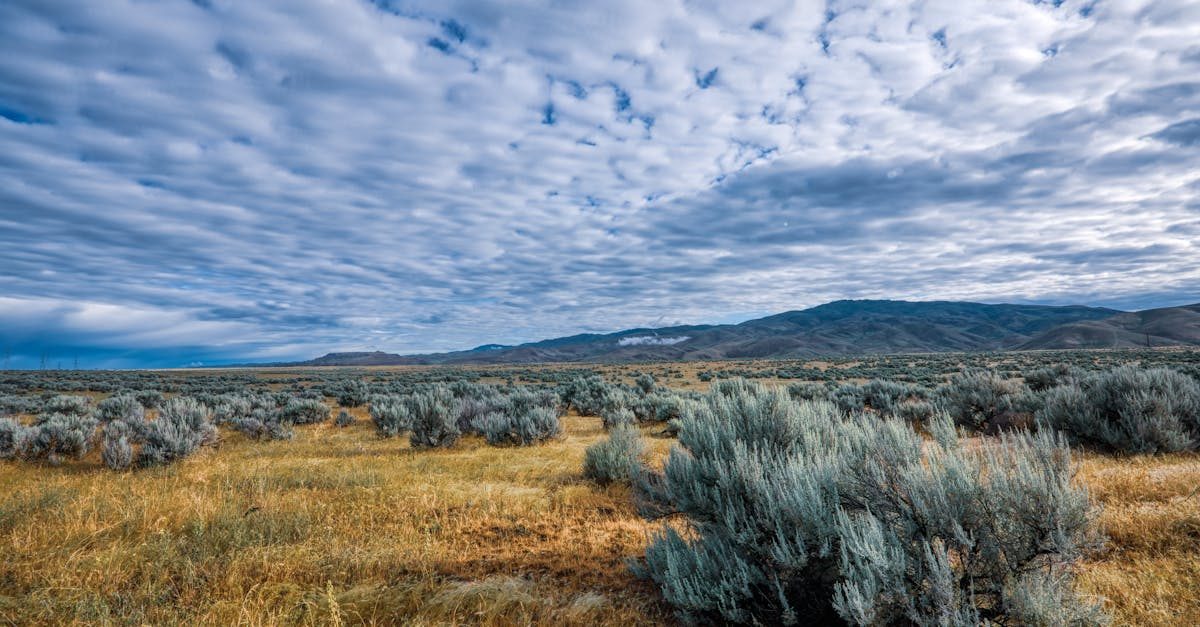
South Fork Reservoir
South Fork Reservoir is a high-desert impoundment offering diverse fishing for rainbow and brown trout plus smallmouth bass in a scenic canyon setting. This stillwater fishery provides good shore and boat fishing opportunities with easy access from Elko, making it one of northern Nevada's most popular and productive lakes.
Overview
South Fork Reservoir is a 1,650-acre irrigation reservoir located in South Fork State Recreation Area, approximately 16 miles south of Elko on the South Fork of the Humboldt River. Situated at 5,500 feet elevation in a sagebrush and juniper canyon, the reservoir provides a productive multi-species fishery with good facilities and access.
The reservoir is stocked annually with rainbow trout and supports a population of wild brown trout that spawn in the South Fork of the Humboldt River. Smallmouth bass were introduced and have established a healthy population, providing warm-water fishing opportunities in summer when trout fishing slows. Fish sizes are respectable: rainbow trout averaging 12-15 inches with occasional fish over 18 inches, brown trout to 20 inches, and smallmouth bass in the 10-14 inch range with occasional 3-4 pounders.
Fly fishing tactics vary by season. Spring and fall offer excellent trout fishing with chironomid hatches, damselfly emergences, and fish cruising the shallows. Summer shifts toward bass fishing with poppers and streamers. Ice fishing is popular in winter. The reservoir has a boat ramp, campground, and day-use facilities, making it accessible for both experienced stillwater anglers and families.
Water levels fluctuate based on irrigation demands, with the reservoir at its fullest in spring and early summer, dropping through late summer and fall. This drawdown concentrates fish and can improve fishing as the season progresses.
Water Characteristics
South Fork Reservoir is a typical high-desert irrigation reservoir with moderate water clarity (2-6 feet visibility depending on season and location). Water temperatures range from the low 40s in early spring to the mid-70s F in late summer, warm enough for smallmouth bass but pushing the upper limit for trout.
The reservoir's food base includes chironomids (midges), damselflies, leeches, scuds, and various forage fish (primarily carp and suckers that the bass feed on). The trout fishery is maintained by annual stocking from NDOW. Brown trout reproduce naturally in the South Fork inlet.
The setting is scenic high desert with sagebrush hills, juniper trees, and rocky canyon walls. The South Fork State Recreation Area provides camping, picnicking, and boat launch facilities.
Wading & Float Guide
South Fork Reservoir is primarily fished from boats or float tubes, but shore fishing and wading are viable, particularly in spring when water levels are high. The reservoir has gently sloping banks in some areas with gravel and rocky bottoms. Wading is safe and easy along the shorelines.
The dam area, the inlet where the South Fork enters, and various points around the reservoir offer good wade-fishing access. Chest waders allow you to wade out to reach deeper water and cruising fish. A float tube or pontoon boat greatly expands your access to productive water.
Water levels drop through summer and fall, exposing mudflats and making wading less productive. Spring and early summer offer the best wading conditions.
Reservoir boat/float tube fishing
South Fork Reservoir has a paved boat ramp allowing motorized boats, kayaks, canoes, and float tubes. Electric motors and gas motors allowed. Float tubes and pontoon boats are ideal for fly anglers, providing access to the entire reservoir. Focus on the points, the dam area, and the inlet in spring.
Rod & Tackle Guide
Trout fishing (chironomids, nymphs)
- Rod
- 9' or 10' 5-weight or 6-weight
- Line
- Weight-forward floating; intermediate sinking line useful
- Leader & Tippet
- 12-15' tapered to 5X or 6X for chironomids
Long rod helps with mending and strike indicator control on stillwater. Bring a variety of chironomid patterns in sizes 14-20, plus damselfly nymphs and leeches. Intermediate sinking line for deeper water.
Smallmouth bass fishing
- Rod
- 9' 6-weight or 7-weight
- Line
- Weight-forward floating; sink-tip optional
- Leader & Tippet
- 7.5-9' tapered to 2X or 3X
Heavier rod for bass poppers and larger streamers. Bring poppers in sizes 4-8 and Woolly Buggers in olive, black, and brown. Bass are aggressive; have fun.
Best Time to Fish the South Fork Reservoir
Spring
April and May are prime trout season. Chironomid (midge) hatches bring trout to the surface, and damselfly nymphs migrate toward shore in late spring. Fish chironomid patterns (sizes 14-18) under a strike indicator in 8-15 feet of water, or use a slow hand-twist retrieve. The South Fork inlet brings cool, oxygenated water and attracts fish. Shore fishing is productive as trout cruise the shallows.
Summer
As water temperatures warm (typically by late June), trout fishing slows and smallmouth bass fishing heats up. Fish poppers, streamers, and Woolly Buggers along rocky points and shorelines for bass. Early mornings and evenings offer the best action. Trout retreat to deeper, cooler water; try deep nymphing or streamer stripping in 15-20 feet. Float tubes allow access to cooler water areas.
Fall
September and October offer excellent fishing as water temperatures cool. Trout become active again, and brown trout stage near the inlet for spawning. Fish Woolly Buggers and leeches along the shorelines. Chironomid hatches resume. This is a great time for fewer crowds and aggressive fish. Water levels may be significantly drawn down by fall.
Fishing Pressure & Local Tips
South Fork Reservoir sees moderate fishing pressure, particularly on summer weekends when boaters, campers, and anglers converge. Spring and fall offer lighter pressure with excellent fishing. Weekday trips provide a more peaceful experience. The reservoir is large enough to absorb pressure effectively, and boat anglers can easily find solitude.
Local Knowledge
South Fork Reservoir rewards stillwater tactics. For trout, use chironomid patterns under strike indicators, adjusting depth to match where fish are holding. A slow hand-twist retrieve with damselfly nymphs or leeches is deadly in spring and fall. For bass, fish poppers aggressively along rocky shorelines and points.
The state park has a campground ($15-20 per night) and day-use facilities. The town of Elko (16 miles north) has fly shops (Elko Fly Fishing Guides, sporting goods stores), lodging, food, and supplies. Bring sun protection; the high desert sun is intense. A fish finder helps locate structure and cruising fish from a boat.
Species Present
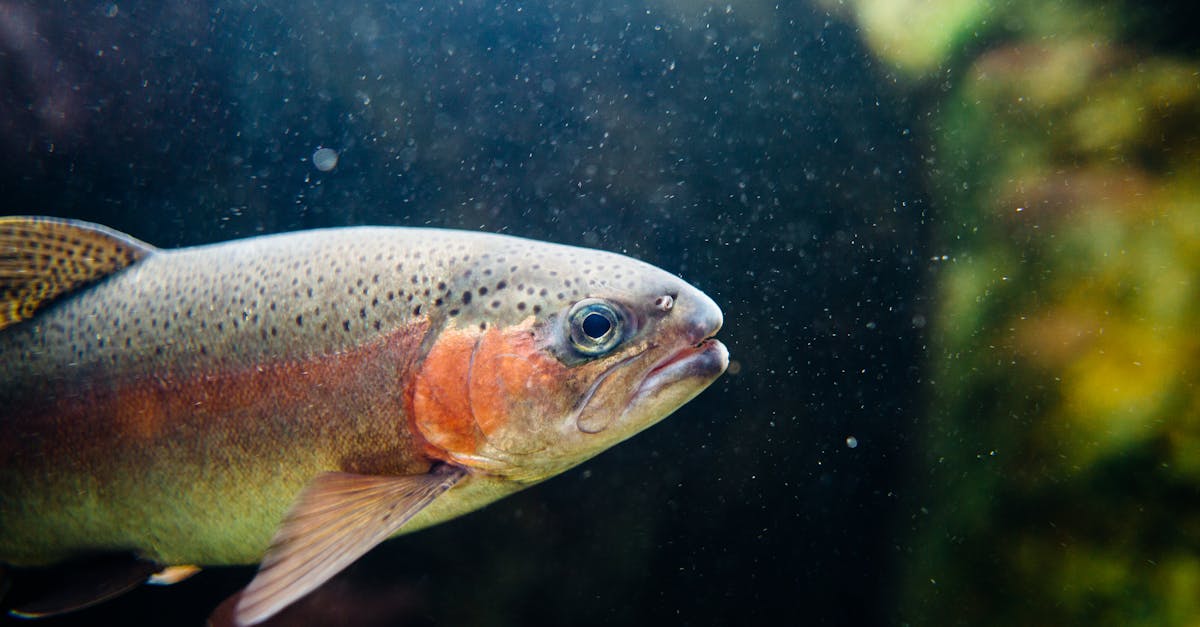
Rainbow Trout
The rainbow trout is Montana's most widespread and popular gamefish, celebrated for its explosive surface strikes, aerial acrobatics, and willingness to take a well-presented dry fly. Native to Pacific Coast drainages from Alaska to Mexico, rainbows were first introduced to Montana's waters in the late 1800s and have since established thriving populations in nearly every major river system in the state. On legendary waters like the Madison, Missouri, and Bighorn, wild rainbow trout grow fat on prolific insect hatches and provide some of the finest dry-fly fishing in North America. Rainbow trout in Montana display remarkable variation depending on their home water. Fish in nutrient-rich tailwaters like the Missouri River below Holter Dam can exceed 20 inches with regularity, their deep bodies and broad tails reflecting the abundant food supply. Freestone river rainbows, such as those in the upper Madison and Gallatin, tend to be leaner and more athletic, shaped by faster currents and colder water temperatures. In many Montana rivers, rainbows spawn in the spring from March through June, and anglers should be mindful of spawning redds during this period to protect future generations of fish. Rainbows are arguably the most versatile trout species for fly anglers. They respond well to dry flies during hatches, aggressively chase streamers, and feed heavily on nymphs subsurface throughout the year. Their fighting ability is legendary: a hooked rainbow will often launch itself completely out of the water multiple times during a battle. Montana's catch-and-release regulations on many blue-ribbon streams have produced exceptional rainbow trout fisheries with high densities of large, healthy fish that continue to draw anglers from around the world.
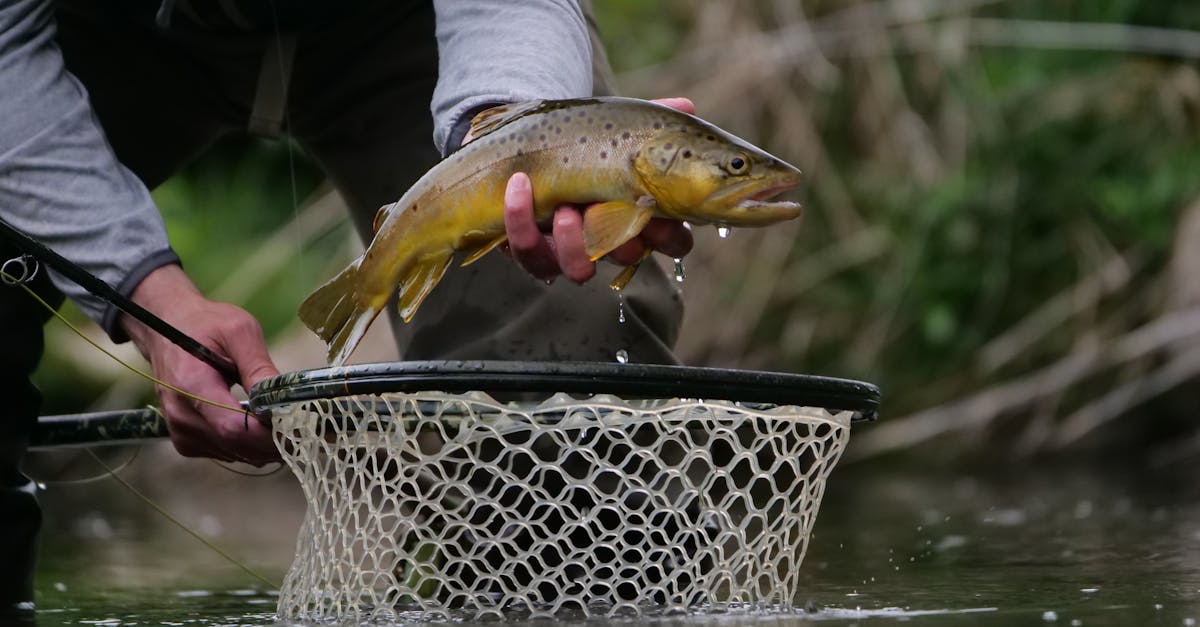
Brown Trout
The brown trout is the most cunning and elusive trout species swimming in Montana's rivers, and it rewards patient, skilled anglers with some of the state's most memorable catches. Originally native to Europe and western Asia, brown trout were first introduced to North American waters in 1883 and arrived in Montana shortly thereafter. They have since established robust, self-sustaining populations in virtually every major trout stream in the state, from the legendary spring creeks of the Paradise Valley to the sweeping runs of the lower Madison and the deep pools of the Bighorn. Brown trout grow larger than any other trout species in Montana, and fish exceeding 24 inches are caught with regularity on premium waters. The lower Madison River, the Missouri River below Holter Dam, and the Bighorn River are particularly renowned for producing trophy-class browns. Unlike rainbows, brown trout spawn in the fall (October through November), and their aggressive pre-spawn behavior creates an exciting window for streamer fishing as large males become territorial and attack anything that enters their domain. Browns are notably more nocturnal than other trout species, and many of the biggest fish are caught during low-light conditions. What sets brown trout apart from other species is their wariness and selectivity. Large browns are notoriously difficult to fool, often refusing flies that are even slightly off in size, color, or presentation. They tend to establish and defend prime feeding lies (undercut banks, logjams, deep pools, and boulder gardens), and an angler who learns to read water and identify these holding spots will consistently catch more and larger fish. This combination of difficulty, size potential, and intelligence makes the brown trout the most prized quarry for many serious Montana fly fishers.
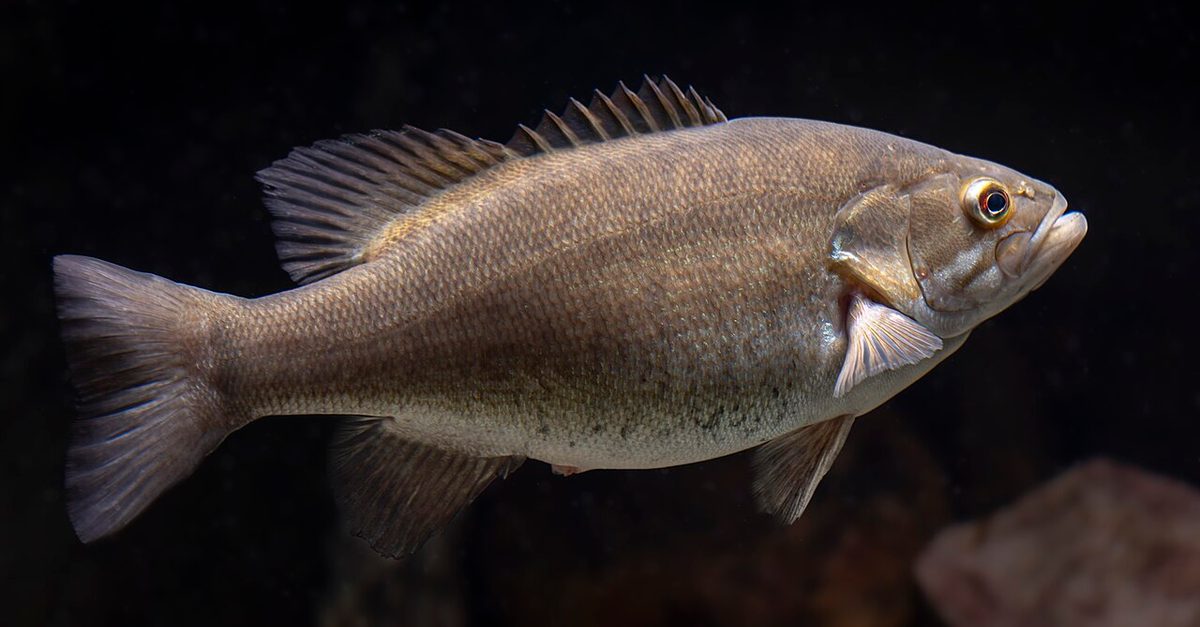
Smallmouth Bass
The smallmouth bass is one of the most popular and widely distributed gamefish in North America and one of the finest freshwater species available to fly anglers. Found in clear, cool rivers and lakes from the Great Lakes to the Southern Appalachians, smallmouth bass combine aggressive feeding behavior, remarkable fighting ability, and a preference for the kinds of rocky, current-rich habitats that are ideally suited to fly fishing. Pound for pound, the smallmouth bass is widely considered the hardest-fighting freshwater fish in North America, earning it the nickname 'the bronze bomber' for its explosive takes and powerful, acrobatic battles on the end of a line. While smallmouth bass are not a traditional trout-stream species, they have become increasingly important to fly anglers as warm-water fly fishing has grown in popularity. Rivers like the French Broad in North Carolina, the Susquehanna and Delaware in Pennsylvania, and the St. Lawrence in New York support world-class smallmouth fisheries that attract dedicated fly anglers. In many regions, smallmouth bass inhabit the lower reaches of the same river systems that hold trout in their upper reaches, providing fly anglers with a warm-water counterpart to their cold-water fishing. Smallmouth bass are particularly appealing to fly anglers because they readily take surface flies. On warm summer evenings, smallmouth will crush poppers, sliders, and large dry flies with explosive strikes that rival any trout rise. Their willingness to feed on the surface, combined with their strength and acrobatic leaping ability, makes smallmouth bass on a fly rod one of the most thrilling freshwater fly fishing experiences available.
South Fork Reservoir Hatch Chart
| Insect | Suggested Fly | Jan | Feb | Mar | Apr | May | Jun | Jul | Aug | Sep | Oct | Nov | Dec |
|---|---|---|---|---|---|---|---|---|---|---|---|---|---|
Chironomids (Midges) afternoon | Zebra Midge | ||||||||||||
Damselfly Nymphs all day | Woolly Bugger |
Chironomids (Midges): Primary spring trout food. Sizes 14-18. Fish under indicator.
Damselfly Nymphs: Damselflies migrate to shore. Olive patterns size 8-10.
Recommended Flies
Access Points & Boat Launches
South Fork State Recreation Area Boat Ramp
Boat LaunchEasyPaved boat ramp and primary access to South Fork Reservoir. The recreation area has a campground, day-use area, and vault toilets. Good shore fishing near the dam and inlet areas. Float tubes and motorized boats allowed. Located 16 miles south of Elko on Highway 228.
Dam Area Shore Access
Wade AccessEasyShore access near the dam for wade fishing and float tube launch. Good spring and fall trout fishing as fish concentrate near the dam. Smallmouth bass along rocky shorelines in summer. Easy walk-in access from parking areas.
Regulations
Regulations
South Fork State Recreation Area regulations apply. Rainbow Trout: 5 fish bag limit (stocked fishery). Brown Trout: Check current regulations. Smallmouth Bass: No bag or size limits (warmwater species). Nevada fishing license required. State Recreation Area day-use or camping fee required. Open year-round. Verify current regulations at parks.nv.gov and ndow.org.
Always verify current regulations with Montana Fish, Wildlife & Parks before fishing.
Some links may earn a commission. Learn more
Quick Facts
- Region
- Northern Nevada / Elko County
- Water Type
- Stillwater/Tailwater
- River Length
- N/A (1,650-acre reservoir)
- Difficulty
- Beginner-Intermediate
- Best Seasons
- spring, summer, fall
- Trout Per Mile
- N/A (lake fishery)
- Record Trout
- Brown trout exceeding 22 inches documented; rainbows to 20 inches
- Species
- Rainbow Trout, Brown Trout, Smallmouth Bass
Nearby Rivers
Truckee River
Western Nevada / Washoe County
Pyramid Lake
Western Nevada / Pyramid Lake Paiute Reservation
East Walker River
Western Nevada / Lyon County
East Fork Carson River
Western Nevada / Douglas County
Jarbidge River
Northern Nevada / Elko County / Jarbidge Wilderness
Ruby Mountains / Lamoille Creek
Northern Nevada / Elko County / Ruby Mountains
Bruneau River
Northern Nevada / Elko County
Great Basin NP Streams
Eastern Nevada / White Pine County / Great Basin National Park
Wild Horse Reservoir
Northern Nevada / Elko County