Grand Lake Stream
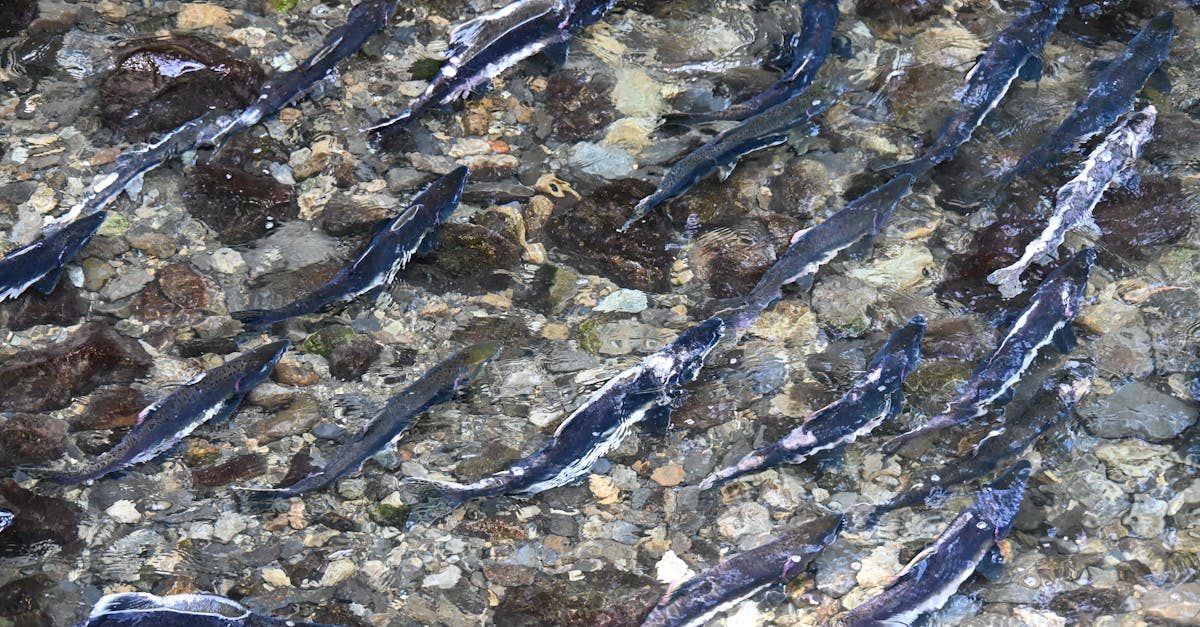
Grand Lake Stream is one of the most historic fly fishing destinations in the United States, a 3-mile stretch of gin-clear water flowing from West Grand Lake that harbors one of the original four strains of landlocked Atlantic salmon in the Lower 48. Regulated as fly-fishing-only since 1903, this legendary stream also supports excellent smallmouth bass and brook trout fishing in the heart of Downeast Maine's sporting camp tradition.
Overview
Grand Lake Stream flows approximately 3 miles from the dam at West Grand Lake southeast into Big Lake, and this short but extraordinary piece of water has been drawing anglers for well over a century. The stream is home to one of the original four native strains of landlocked Atlantic salmon, a genetic heritage that makes these fish among the most prized in North American fly fishing.
The stream's fly-fishing-only regulation, established in 1903, makes Grand Lake Stream one of the earliest examples of special regulation water in the United States. This foresight, combined with the stream's cold, clean water and abundant food supply, has maintained a world-class fishery for landlocked salmon that continues to thrive today. Salmon in the 14 to 20-inch range are common, with trophy fish exceeding 4 pounds caught each season.
Grand Lake Stream is perhaps equally famous for its smallmouth bass fishing, particularly in the lower sections near Big Lake. These aggressive, hard-fighting fish provide exciting topwater action on light tackle, and many anglers combine salmon fishing in the upper stream with bass fishing in the lower reaches and lake margins.
The stream's character is defined by its remarkable water clarity. Fed directly from West Grand Lake, the water runs crystal clear over a bottom of gravel and boulders, creating classic pool-and-riffle structure. The stream averages 40 to 60 feet wide through the fishing sections, large enough for comfortable casting but intimate enough that every pool and run can be thoroughly covered.
The village of Grand Lake Stream has been the center of Maine's sporting camp tradition since the mid-1800s. Historic lodges like Weatherby's and numerous other camps provide lodging, guide services, and a connection to a fly fishing heritage that spans generations. The Downeast Lakes region surrounding the stream offers outstanding outdoor recreation, with hundreds of lakes and ponds within easy reach.
Water Characteristics
Grand Lake Stream carries some of the clearest water in Maine, fed directly from the pristine depths of West Grand Lake. Water temperatures remain in the 50 to 62 degree F range throughout summer, ideal for both salmon and brook trout. The gin-clear water can make fish wary and demands a stealthy approach with fine tippets and natural presentations.
The streambed consists of gravel, cobble, and scattered boulders, creating classic pool-and-riffle structure along the 3-mile course. Deep pools hold larger salmon and provide resting water, while the riffles and runs between them produce the aquatic insects that sustain the fishery.
The insect community is healthy, with Blue-Winged Olives, caddisflies, Hendricksons, and midges providing hatches from spring through fall. The cold, clean water also supports smelt populations that serve as the primary forage for larger salmon.
Wading & Float Guide
Grand Lake Stream offers excellent wading conditions throughout its 3-mile length. The stream averages 40 to 60 feet wide with a bottom of gravel, cobble, and scattered boulders that provides secure footing in most sections. Water depths range from ankle-deep riffles to waist-deep pools, though most productive water can be effectively fished from knee-deep positions or the bank.
The current is moderate during normal flows, and the stream can be crossed at numerous points in the riffled sections. The dam pool directly below West Grand Lake dam is deeper and more powerful, requiring more careful wading. Downstream sections become progressively easier to wade as the gradient decreases approaching Big Lake.
The stream's remarkable clarity means that stealth is essential. Wading slowly and avoiding unnecessary disturbance is more important here than on many rivers. The gravel bottom is generally firm, though felt-soled boots are recommended for security on the scattered mossy rocks.
Not applicable
Grand Lake Stream is a wade-fishing stream. Its 3-mile length and accessible banks make float fishing unnecessary and impractical. The stream is best fished on foot, working upstream from pool to pool.
Rod & Tackle Guide
Grand Lake Stream (all sections)
- Rod
- 9' 5-weight
- Line
- Weight-forward floating; intermediate or sink-tip for streamer fishing
- Leader & Tippet
- 12' tapered to 5X for dry flies; 9' to 3X for streamers
A 5-weight is ideal for Grand Lake Stream, handling both delicate dry fly presentations and streamer swinging. The clear water demands longer leaders and careful presentations. Bring a selection of traditional Maine streamers alongside modern patterns.
Best Time to Fish the Grand Lake Stream
Spring
The season opens April 1, and early spring fishing for landlocked salmon can be excellent as fish move upstream from Big Lake. Streamer fishing is the primary technique in April and early May, with traditional Maine streamers (Grey Ghost, Black Ghost, Nine-Three) and modern patterns producing well. The smelt run, typically in early to mid-May, triggers the most aggressive salmon feeding of the year. As water warms, nymphing becomes productive and the first mayfly hatches appear. Spring fishing for salmon is often the most productive period of the year.
Summer
Summer fishing on Grand Lake Stream offers diverse opportunities. Caddis hatches dominate from June through July, providing excellent dry fly fishing for salmon and brook trout. The cold water from West Grand Lake keeps temperatures ideal even during summer heat. Smallmouth bass become active in the lower stream and lake margins, offering exciting topwater action on warm evenings. Nymphing with beadhead patterns remains productive throughout summer. Fish early mornings and late evenings for the most active salmon feeding.
Fall
Fall is perhaps the most exciting time on Grand Lake Stream. Landlocked salmon become increasingly active and aggressive as they prepare for the spawning run, and fish that spent the summer in the deep water of the lakes return to the stream. September and October produce the largest salmon of the year, with fish over 20 inches caught regularly. The catch-and-release period from October 1 through October 20 provides some of the season's finest fishing. Streamer fishing is exceptionally productive during the fall run.
Fishing Pressure & Local Tips
Grand Lake Stream receives moderate fishing pressure, with the heaviest concentration during the spring smelt run in May and the fall salmon run in September and October. The stream's fame and historic reputation attract dedicated salmon anglers from across the Northeast.
Despite its popularity, the 3-mile stream is rarely overcrowded. The village of Grand Lake Stream maintains a welcoming, uncrowded atmosphere that reflects its sporting camp heritage. Weekday fishing generally offers more solitude, but even weekend anglers can find productive water by walking beyond the most popular pools near the dam.
Local Knowledge
Grand Lake Stream has a strong tradition of streamer fishing for landlocked salmon. Traditional Maine streamers like the Grey Ghost (created by Carrie Stevens) were developed specifically for this type of fishing and remain effective today. Fish streamers on a sink-tip or intermediate line, swinging them through the pools and runs with varied retrieves.
For dry fly fishing during caddis and mayfly hatches, long leaders (12 to 15 feet) and fine tippets (5X to 6X) are essential on this clear water. Approach rising fish carefully, keeping a low profile and minimizing false casts over the fish.
The sporting camps in the village of Grand Lake Stream offer not just lodging but a connection to a fishing tradition that stretches back more than 150 years. A guided trip with one of the local Registered Maine Guides provides invaluable local knowledge and a memorable experience. Visit during the annual Grand Lake Stream Folk Art Festival in late July for a taste of the region's cultural heritage.
Species Present
Landlocked Atlantic Salmon
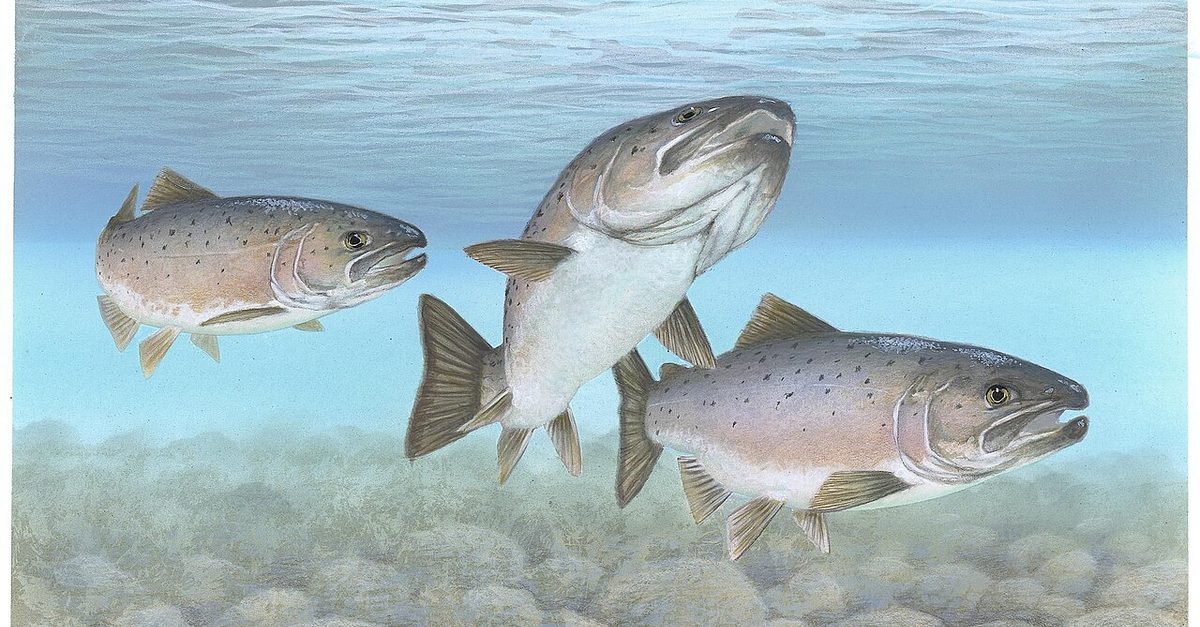
The landlocked Atlantic salmon is one of New England's most prized gamefish, a freshwater-resident form of the Atlantic salmon that spends its entire life in lakes and rivers rather than migrating to the ocean. Found primarily in the lakes and rivers of Maine, New Hampshire, Vermont, and New York, landlocked salmon are genetically identical to their sea-run counterparts but have adapted to a completely freshwater life cycle, using large, cold lakes as their ocean substitute and tributary rivers as spawning habitat. Landlocked salmon are the signature gamefish of Maine's sporting camp tradition, where generations of anglers have gathered at remote wilderness lodges to fish for salmon in the Rangeley Lakes, Moosehead Lake, Sebago Lake, and the rivers that connect them. The fish combine the acrobatic fighting ability of their anadromous relatives with the accessibility of a freshwater species, leaping repeatedly when hooked and running with the kind of power and endurance that makes them one of the most exciting fish available on a fly rod in the northeastern United States. In rivers, landlocked salmon behave much like large resident trout, holding in classic lies and feeding on aquatic insects during hatches. They are particularly responsive to caddis and mayfly emergers, and the sight of a 3-pound landlocked salmon rising to a dry fly in a New England river is one of the defining experiences of northeastern fly fishing. In lakes, salmon are targeted with streamers that imitate smelt, their primary forage fish, trolled or cast from boats during the spring and fall when salmon cruise near the surface in cold-water conditions.
Smallmouth Bass
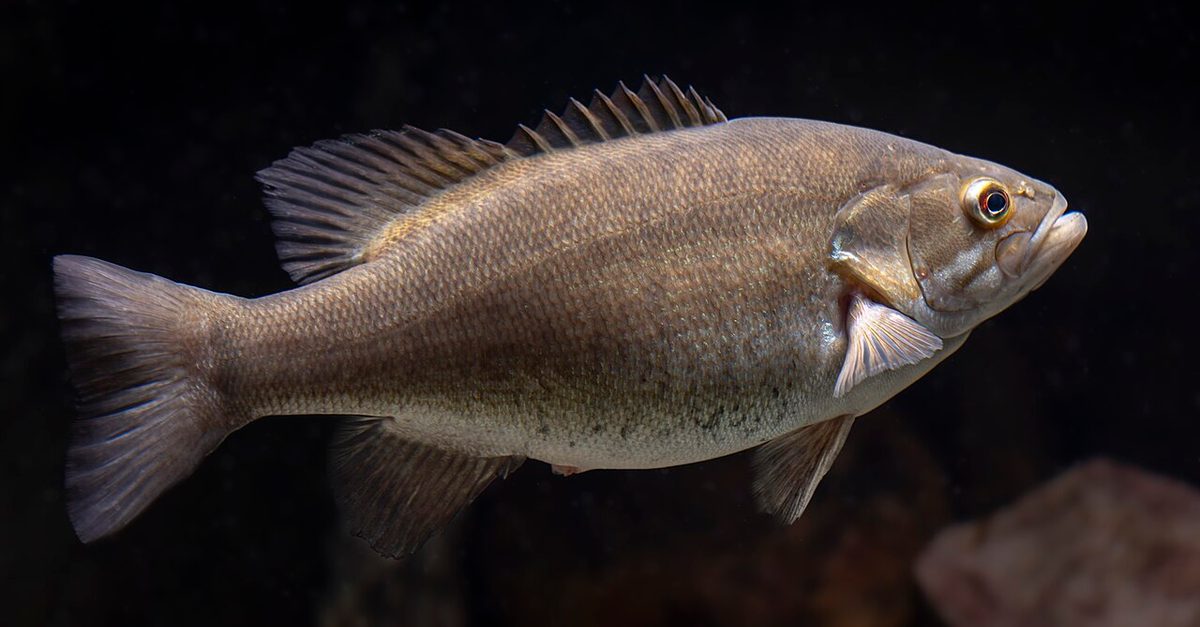
The smallmouth bass is one of the most popular and widely distributed gamefish in North America and one of the finest freshwater species available to fly anglers. Found in clear, cool rivers and lakes from the Great Lakes to the Southern Appalachians, smallmouth bass combine aggressive feeding behavior, remarkable fighting ability, and a preference for the kinds of rocky, current-rich habitats that are ideally suited to fly fishing. Pound for pound, the smallmouth bass is widely considered the hardest-fighting freshwater fish in North America, earning it the nickname 'the bronze bomber' for its explosive takes and powerful, acrobatic battles on the end of a line. While smallmouth bass are not a traditional trout-stream species, they have become increasingly important to fly anglers as warm-water fly fishing has grown in popularity. Rivers like the French Broad in North Carolina, the Susquehanna and Delaware in Pennsylvania, and the St. Lawrence in New York support world-class smallmouth fisheries that attract dedicated fly anglers. In many regions, smallmouth bass inhabit the lower reaches of the same river systems that hold trout in their upper reaches, providing fly anglers with a warm-water counterpart to their cold-water fishing. Smallmouth bass are particularly appealing to fly anglers because they readily take surface flies. On warm summer evenings, smallmouth will crush poppers, sliders, and large dry flies with explosive strikes that rival any trout rise. Their willingness to feed on the surface, combined with their strength and acrobatic leaping ability, makes smallmouth bass on a fly rod one of the most thrilling freshwater fly fishing experiences available.
Brook Trout
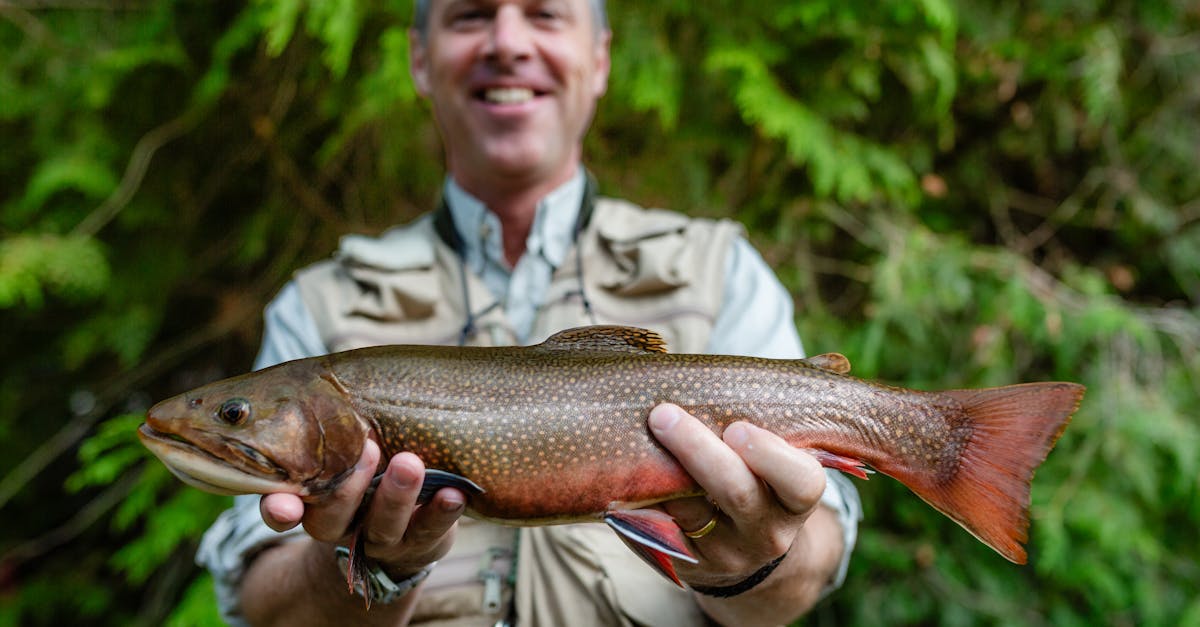
The brook trout is widely considered the most beautiful freshwater fish in North America, and catching one in a pristine Montana mountain stream is an experience that captures the essence of backcountry fly fishing. Despite their common name, brook trout are not true trout at all; they are a species of char (genus Salvelinus), more closely related to lake trout and Arctic char than to rainbows or browns. Native to eastern North America from Georgia to Hudson Bay, brook trout were among the first salmonids introduced to Montana's waters in the late 1800s and have since established self-sustaining populations in cold, high-elevation streams and lakes throughout the state. In Montana, brook trout thrive best in small, cold headwater streams and high mountain lakes where competition from larger trout species is minimal. In these environments, they are often the dominant, or only, salmonid present. The trade-off is size: Montana stream-dwelling brook trout typically range from 6 to 10 inches, with fish over 12 inches considered noteworthy in most waters. What they lack in size, however, they more than make up for in beauty and willingness to eat a fly. Brookies are aggressive feeders that will strike attractor dry flies, nymphs, and small streamers with enthusiasm, making them an ideal species for beginning fly anglers and a delightful quarry for anyone who appreciates small-stream fishing. Brook trout do present a conservation paradox in Montana. While they are a beloved and beautiful gamefish, they are non-native and can negatively impact native species, particularly Yellowstone and westslope cutthroat trout. In headwater streams, brook trout often outcompete cutthroats for food and spawning habitat due to their higher reproductive rate and earlier maturation. As a result, Montana FWP has implemented brook trout removal projects on some streams to restore native cutthroat populations. In many waters, liberal harvest limits for brook trout are encouraged to reduce their numbers and benefit native fish. Anglers can enjoy excellent brook trout fishing while actively helping conservation by keeping a few for the pan.
Grand Lake Stream Hatch Chart
| Insect | Suggested Fly | Jan | Feb | Mar | Apr | May | Jun | Jul | Aug | Sep | Oct | Nov | Dec |
|---|---|---|---|---|---|---|---|---|---|---|---|---|---|
Smelt (baitfish - spring run) All day | Woolly Bugger | ||||||||||||
Blue-Winged Olive (Baetis) Afternoon | BWO Emerger | ||||||||||||
Hendrickson (Ephemerella subvaria) Afternoon | Sparkle Dun | ||||||||||||
Caddisfly (multiple species) Evening | X-Caddis | ||||||||||||
Green Drake (Ephemera guttulata) Evening | Purple Haze | ||||||||||||
Terrestrials (ants, beetles) Afternoon | Parachute Adams | ||||||||||||
Blue-Winged Olive (fall) Afternoon | BWO Emerger | ||||||||||||
Midges (Chironomidae) Morning | RS2 |
Smelt (baitfish - spring run): The spring smelt run from West Grand Lake is the signature fishing event. Woolly Buggers and Grey Ghost streamers.
Blue-Winged Olive (Baetis): BWO emergences on overcast afternoons. Size 18-20 BWO Emergers.
Hendrickson (Ephemerella subvaria): Hendrickson hatches in the pools. Sparkle Dun sizes 12-14.
Caddisfly (multiple species): Caddis emergences provide reliable evening dry fly fishing. X-Caddis sizes 14-16.
Green Drake (Ephemera guttulata): Brief but intense Green Drake hatches in June. Purple Haze in size 10-12 as an attractor.
Terrestrials (ants, beetles): Summer terrestrial patterns. Parachute Adams in sizes 14-16 as a general attractor.
Blue-Winged Olive (fall): Fall BWOs during the salmon spawning migration. Excellent late-season dry fly fishing.
Midges (Chironomidae): Midges present throughout the season. RS2 in sizes 20-24 for selective fish.
Recommended Flies
Woolly Bugger
Top PickWoolly Bugger in sizes 4-8 for smelt-run salmon. Essential spring pattern on this stream.
Best in spring
X-Caddis
Top PickX-Caddis in sizes 14-16 during summer caddis emergences for salmon and brook trout.
Best in summer
BWO Emerger
Top PickBWO Emerger in sizes 18-20 during fall Blue-Winged Olive hatches.
Best in fall
Sparkle Dun
Top PickSparkle Dun in sizes 12-14 during Hendrickson hatches in May.
Best in spring
RS2
Top PickRS2 in sizes 20-24 for selective salmon feeding on midges.
Best in spring
Access Points & Boat Launches
West Grand Lake Dam
Wade AccessEasyAccess at the dam on West Grand Lake, the starting point for Grand Lake Stream. The dam pool and upper stream pools hold excellent landlocked salmon, especially during the spring smelt run and fall spawning migration.
Village Bridge Access
Wade AccessEasyAccess in the heart of Grand Lake Stream village. Walk-in access to the middle stream pools. The village provides a charming base for fishing with nearby sporting camps, lodging, and the historic Grand Lake Stream community.
Hatchery Pool Access
Wade AccessEasyAccess near the fish hatchery on the lower stream. This area holds fish year-round and provides easy wading access to several productive pools in the lower section of Grand Lake Stream.
Regulations
Regulations
Fly fishing only (since 1903). Open season April 1 through October 20. Catch and release only from October 1 through October 20. Check Maine Department of Inland Fisheries and Wildlife for current bag limits and size restrictions for landlocked salmon, brook trout, and smallmouth bass. Maine fishing license required.
Always verify current regulations with Montana Fish, Wildlife & Parks before fishing.
Some links may earn a commission. Learn more
Quick Facts
- Region
- Downeast Maine / Washington County
- Water Type
- Freestone
- River Length
- 3 miles from West Grand Lake dam to Big Lake
- Difficulty
- Beginner-Intermediate
- Best Seasons
- spring, summer, fall
- Trout Per Mile
- High density of landlocked salmon and brook trout; one of the original four native salmon strains in the Lower 48
- Record Trout
- Landlocked salmon exceeding 4 lbs caught regularly; trophy fish over 22 inches documented; historic catches reportedly exceeded 7 lbs
- Species
- Landlocked Atlantic Salmon, Smallmouth Bass, Brook Trout
Nearby Rivers
Upper Kennebec River
Western Maine / Somerset County
West Branch Penobscot River
North-Central Maine / Piscataquis County
Rapid River
Western Maine / Oxford County
Kennebago River
Western Maine / Franklin County
Magalloway River
Western Maine / Oxford County
Roach River
North-Central Maine / Piscataquis County
Crooked River
Southern Maine / Cumberland and Oxford Counties
Moose River (Jackman)
Northwestern Maine / Somerset County
East Outlet of the Kennebec River
North-Central Maine / Piscataquis County