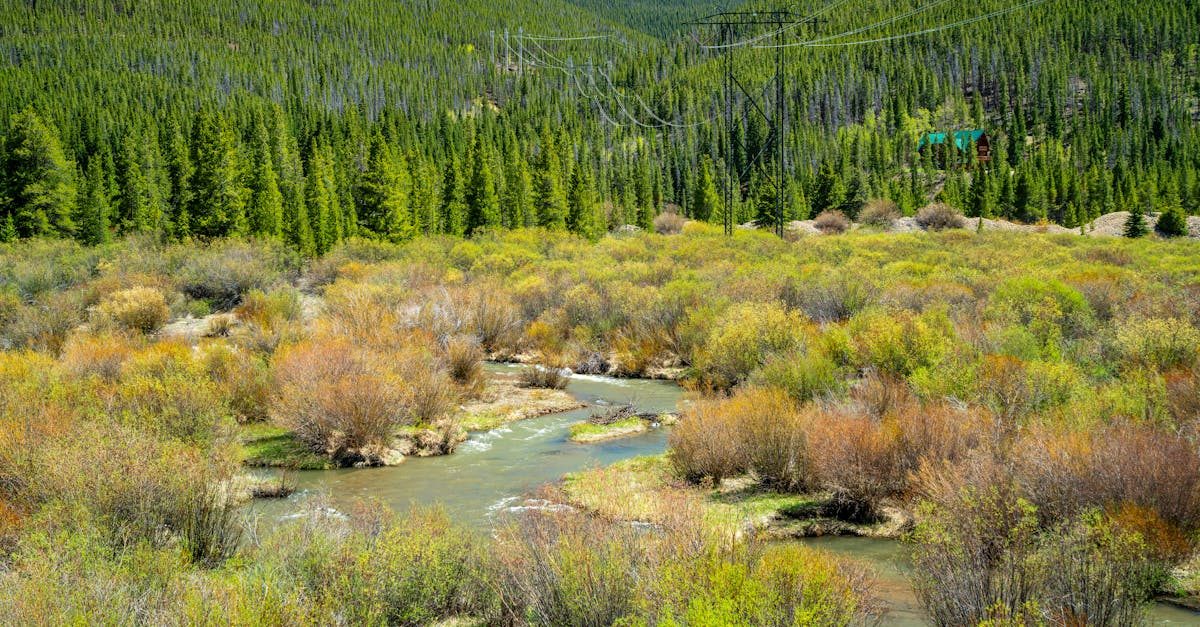
Chevelon Creek
Chevelon Creek carves a remote canyon through the Mogollon Rim country, offering adventurous anglers a chance at large wild brown trout in a spectacular wilderness setting. Access requires a challenging 3/4-mile hike down steep terrain, but the reward is lightly pressured water holding trout that rarely see artificial flies.
Overview
Chevelon Creek flows approximately 30 miles through the rugged country of the Mogollon Rim before emptying into Chevelon Canyon Lake. The prime fly fishing water lies in the canyon section, where the creek has carved a deep gorge through layers of sedimentary rock, creating a hidden oasis of cold, clear water in the high desert.
The canyon section of Chevelon Creek averages 15-30 feet wide, with a series of deep pools, runs, and pocket water flowing over a bottom of cobble, gravel, and bedrock. Water clarity is typically excellent (5-10 feet of visibility) when flows are stable. The canyon walls provide shade and protection, keeping water temperatures cool even during Arizona's hot summers.
Chevelon Creek is managed primarily for wild brown trout, though some rainbow trout are present. The brown trout population includes specimens exceeding 18 inches, and the remote location produces fish that are less selective and more aggressive than their counterparts in more accessible waters. The creek also offers a chance encounter with truly large browns, as fish over 20 inches are occasionally caught and reports of even larger specimens surface each season.
Access is the defining characteristic of Chevelon Creek. The standard approach requires a moderately strenuous 3/4-mile hike down a steep, rocky trail that descends approximately 600 feet from the rim to the creek. The trail is unmaintained in sections and requires good physical conditioning and proper footwear. This access barrier means Chevelon Creek is never crowded, and anglers who make the effort often have entire sections of creek to themselves.
Water Characteristics
Chevelon Creek is a freestone stream fed by snowmelt and some spring influence. Water clarity varies from excellent (8-12 feet visibility) during stable flow periods to murky during runoff or after monsoon storms. The creek's canyon setting provides remarkable temperature stability for a freestone stream, as the deep gorge and shade from the walls buffer temperature swings.
Water temperatures range from near-freezing in winter to the low-to-mid 60s in summer. The substrate of cobble, gravel, and bedrock provides decent spawning habitat and supports a modest insect population including caddisflies, mayflies, midges, and terrestrial insects. The creek also holds crayfish and aquatic worms, important food sources for the large brown trout.
Flows on Chevelon Creek vary seasonally from lows of 15-25 cfs in late fall and winter to highs of 100-200+ cfs during spring runoff or monsoon floods. There is no USGS gauge on the creek, so flow information must be assessed on-site. Optimal fishing occurs at flows between 20 and 60 cfs when the water is clear and the creek is at wadeable levels.
Wading & Float Guide
Wading in Chevelon Creek canyon ranges from moderate to difficult. The creek bottom is a mix of cobble, gravel, and bedrock ledges, with occasional large boulders. Bedrock shelves can be extremely slippery due to algae growth, and felt-soled or studded boots are essential for safe movement.
During normal flows (20-50 cfs), most of the creek can be waded with care, though some of the deeper pools reach chest-deep or beyond. The current is moderate in most sections but can be surprisingly strong in the narrow chutes and pocket water. Anglers must navigate carefully around boulders and be prepared to climb out onto the banks to bypass particularly deep or fast sections.
The confined canyon setting means limited room for error. If you fall in, you will get wet, and the steep canyon walls make it difficult to exit the creek corridor quickly. Bring a change of clothes in a waterproof bag if you plan to spend a full day fishing the canyon. A wading staff is highly recommended for stability on the uneven, sometimes slippery bottom. Chest waders are essential, as you will inevitably encounter deep pools that require wading at the maximum depth of your waders.
Chevelon Creek Canyon
Chevelon Creek is a small to medium creek with shallow sections, large boulders, and bedrock ledges that make any form of floating impossible. This is strictly a walk-and-wade fishery accessed by hiking down into the canyon.
Rod & Tackle Guide
Chevelon Creek Canyon
- Rod
- 8' to 8'6" 4-weight or 5-weight
- Line
- Weight-forward floating
- Leader & Tippet
- 9' tapered to 4X or 5X
A mid-weight rod (4 or 5) is ideal for the medium-sized creek and the potential for larger brown trout. The confined canyon setting favors a slightly shorter rod (8' to 8'6") for easier maneuverability. Pack the rod in a protective tube for the hike down the steep trail.
Backcountry access considerations
- Rod
- 8' 4-weight or 5-weight
- Line
- Weight-forward floating
- Leader & Tippet
- 9' tapered to 4X or 5X
Chest waders essential for navigating deep pools. Wading boots with good hiking support for the trail approach. Bring trekking poles for the steep hike (they can double as a wading staff once at the creek). Pack light; minimize gear weight for the strenuous hike.
Safety and essentials
- Rod
- 8' to 8'6" 5-weight
- Line
- Weight-forward floating; sink-tip for streamer work
- Leader & Tippet
- 9' tapered to 3X-5X depending on technique
Bring waterproof bag for phone, wallet, car keys. Pack extra clothes, headlamp, water (2+ liters), snacks, first aid kit, and emergency shelter (space blanket). Weather can change rapidly in the canyon; prepare for rain, wind, or intense sun.
Best Time to Fish the Chevelon Creek
Spring
Spring on Chevelon Creek offers excellent fishing as brown trout emerge from winter dormancy and feed aggressively. Runoff typically occurs in late March through April, depending on snowpack, and the creek can run high and off-color for 2-3 weeks. Once flows drop and clear (usually by early May), fishing picks up dramatically. Caddis hatches begin in May, and attractor dry flies (Stimulator, Royal Wulff in sizes 12-16) work well when skated across pocket water. Nymphing with beadhead patterns (Pheasant Tail, Hare's Ear, Prince) in sizes 14-18 is consistently productive in the deeper pools and runs.
Summer
Summer brings warm air temperatures but the deep canyon and shade from the walls keep water temperatures in the fishable range (58-65 degrees). Monsoon thunderstorms in July and August can temporarily raise and muddy the creek, but conditions typically clear within a day. Terrestrial patterns (ants, beetles, small hoppers in sizes 12-16) become the primary dry fly patterns. Fish them tight to the banks and along overhanging vegetation. Streamer fishing with small Woolly Buggers (sizes 8-12) in olive, brown, or black can be deadly for the larger brown trout holding in the deepest pools. Fish early morning or late afternoon to avoid the intense midday sun.
Fall
Fall is the premier season on Chevelon Creek. Brown trout begin their spawning behavior in October and November, becoming more aggressive and less selective. Streamer fishing reaches its peak as browns defend spawning territories and feed heavily. Swing Woolly Buggers, Sculpzilla patterns, or small Zuddlers through the deep runs and tailouts of pools. The fall colors in the canyon can be spectacular, and the cooler temperatures make the hike down (and back up!) more pleasant. Avoid fishing directly on spawning redds; target the areas around spawning fish rather than the redds themselves.
Fishing Pressure & Local Tips
Chevelon Creek receives light fishing pressure throughout the year, primarily due to the challenging access. The steep 3/4-mile hike down (and back up) the canyon trail filters out all but the most committed anglers. On a typical summer weekend, you might encounter 2-5 other anglers in the canyon, and many days you will have the entire creek to yourself.
The trout population reflects this light pressure; the browns are less selective than fish in more accessible waters and will often take the first well-presented fly. This is not to say they are easy to catch, as the pocket water and deep pools require skillful presentations and reading water, but they are not the hyper-educated fish found on roadside streams.
Local Knowledge
Chevelon Creek is a serious backcountry fishing destination that requires preparation. The hike down to the creek is steep and rocky, descending approximately 600 feet in 3/4 mile. Wear hiking boots with good ankle support and tread, and bring trekking poles for stability. The hike back up at the end of the day is strenuous; pace yourself and bring plenty of water (at least 2 liters per person).
Once at the creek, travel light. A minimalist approach with a single fly rod, a small fly box, tippet, and essentials (water, snacks, rain gear, first aid) is ideal. The canyon can flash flood during monsoon storms, so monitor weather forecasts and be prepared to evacuate quickly if thunderstorms threaten. Cell phone coverage is nonexistent in the canyon.
For fishing, focus on the pocket water behind boulders, the heads and tails of pools, and the foam lines along current seams. The brown trout are opportunistic predators that respond well to properly presented attractor dries, beadhead nymphs, and streamers. A hopper-dropper rig (attractor dry with a beadhead nymph dropper) is deadly in summer and fall.
The nearest town with services is Heber-Overgaard (approximately 30 minutes from the access point). Stock up on flies, tippet, and supplies before heading to the creek. A basic fly selection should include: Stimulators and Chubby Chernobyls (sizes 10-14), Elk Hair Caddis (sizes 14-16), Parachute Adams (sizes 14-18), Pheasant Tail and Hare's Ear nymphs (sizes 14-18), Prince Nymphs (sizes 12-16), Woolly Buggers (sizes 8-12), and Pats Rubber Legs (sizes 8-12).
Species Present
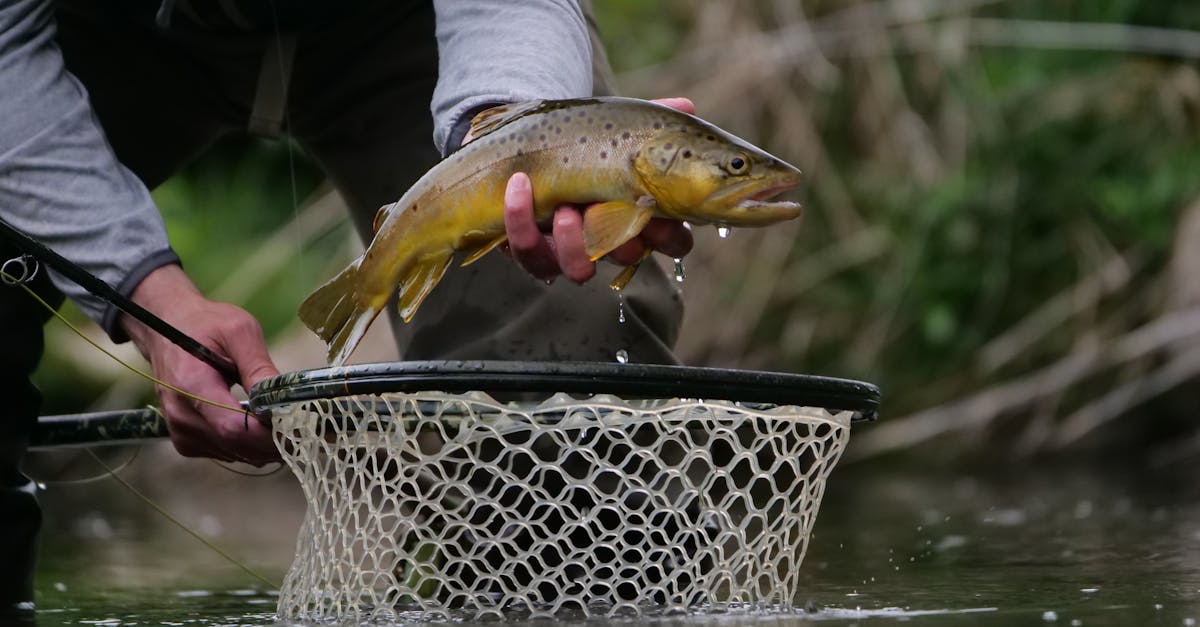
Brown Trout
The brown trout is the most cunning and elusive trout species swimming in Montana's rivers, and it rewards patient, skilled anglers with some of the state's most memorable catches. Originally native to Europe and western Asia, brown trout were first introduced to North American waters in 1883 and arrived in Montana shortly thereafter. They have since established robust, self-sustaining populations in virtually every major trout stream in the state, from the legendary spring creeks of the Paradise Valley to the sweeping runs of the lower Madison and the deep pools of the Bighorn. Brown trout grow larger than any other trout species in Montana, and fish exceeding 24 inches are caught with regularity on premium waters. The lower Madison River, the Missouri River below Holter Dam, and the Bighorn River are particularly renowned for producing trophy-class browns. Unlike rainbows, brown trout spawn in the fall (October through November), and their aggressive pre-spawn behavior creates an exciting window for streamer fishing as large males become territorial and attack anything that enters their domain. Browns are notably more nocturnal than other trout species, and many of the biggest fish are caught during low-light conditions. What sets brown trout apart from other species is their wariness and selectivity. Large browns are notoriously difficult to fool, often refusing flies that are even slightly off in size, color, or presentation. They tend to establish and defend prime feeding lies (undercut banks, logjams, deep pools, and boulder gardens), and an angler who learns to read water and identify these holding spots will consistently catch more and larger fish. This combination of difficulty, size potential, and intelligence makes the brown trout the most prized quarry for many serious Montana fly fishers.
Chevelon Creek Hatch Chart
| Insect | Suggested Fly | Jan | Feb | Mar | Apr | May | Jun | Jul | Aug | Sep | Oct | Nov | Dec |
|---|---|---|---|---|---|---|---|---|---|---|---|---|---|
Caddisflies evening | Elk Hair Caddis | ||||||||||||
Terrestrials (ants, beetles, hoppers) afternoon | Chubby Chernobyl | ||||||||||||
Mayflies afternoon | Parachute Adams | ||||||||||||
Stoneflies all day | Stimulator |
Caddisflies: Summer caddis emergences. Size 14-18.
Terrestrials (ants, beetles, hoppers): Terrestrial patterns primary dry fly in summer. Size 10-16.
Mayflies: Small mayfly hatches. Size 14-18.
Stoneflies: Stonefly activity. Stimulator and Pats Rubber Legs effective. Size 8-14.
Recommended Flies
Chubby Chernobyl
Top PickChubby Chernobyl, primary dry fly for summer fishing
Best in summer
Stimulator
Top PickStimulator for attractor dry and stonefly imitation
Best in summer
Woolly Bugger
Top PickWoolly Bugger for fall brown trout, deadly in deep pools
Best in fall
Pat's Rubber Legs
Top PickPats Rubber Legs for stonefly nymphing
Best in spring
Elk Hair Caddis
Top PickElk Hair Caddis for summer caddis hatches
Best in summer
Pheasant Tail Nymph
Top PickPheasant Tail nymph, reliable year-round
Best in spring
Also Effective
Access Points & Boat Launches
Chevelon Canyon Rim Trailhead
Wade AccessAdvancedPrimary trailhead for the steep 3/4-mile hike down into Chevelon Canyon. The unmaintained trail descends approximately 600 feet from the Mogollon Rim to the creek below. Extremely steep and rocky; good physical conditioning required. Parking at the rim with trail markers leading to the descent route. This is the standard access for anglers targeting large brown trout in the canyon.
Chevelon Lake Road Access
ParkingAdvancedAlternate access point requiring high-clearance or 4WD vehicle via rough forest roads. Shorter hike to the creek (approximately 1/2 mile) but still steep and challenging. Less crowded than the main rim trailhead. Creek access provides fishing for wild brown trout in a remote canyon setting.
Regulations
Regulations
Chevelon Creek: Artificial flies and lures only; trout limit 2 fish, minimum size 12 inches. Arizona fishing license required. Creek flows through portions of Apache-Sitgreaves National Forest; no permit required for day use. Be aware of private property boundaries near the access points. Check current regulations at azgfd.gov before fishing.
Always verify current regulations with Montana Fish, Wildlife & Parks before fishing.
Some links may earn a commission. Learn more
Quick Facts
- Region
- Central Arizona / Mogollon Rim
- Water Type
- Freestone
- River Length
- ~8 miles of accessible fishing in the canyon section
- Difficulty
- Advanced
- Best Seasons
- spring, summer, fall
- Trout Per Mile
- 300-600 wild brown trout per mile; lower density but larger average size
- Record Trout
- Brown trout exceeding 20 inches documented; most fish 10-14 inches with occasional 16-18 inch specimens
- Species
- Brown Trout