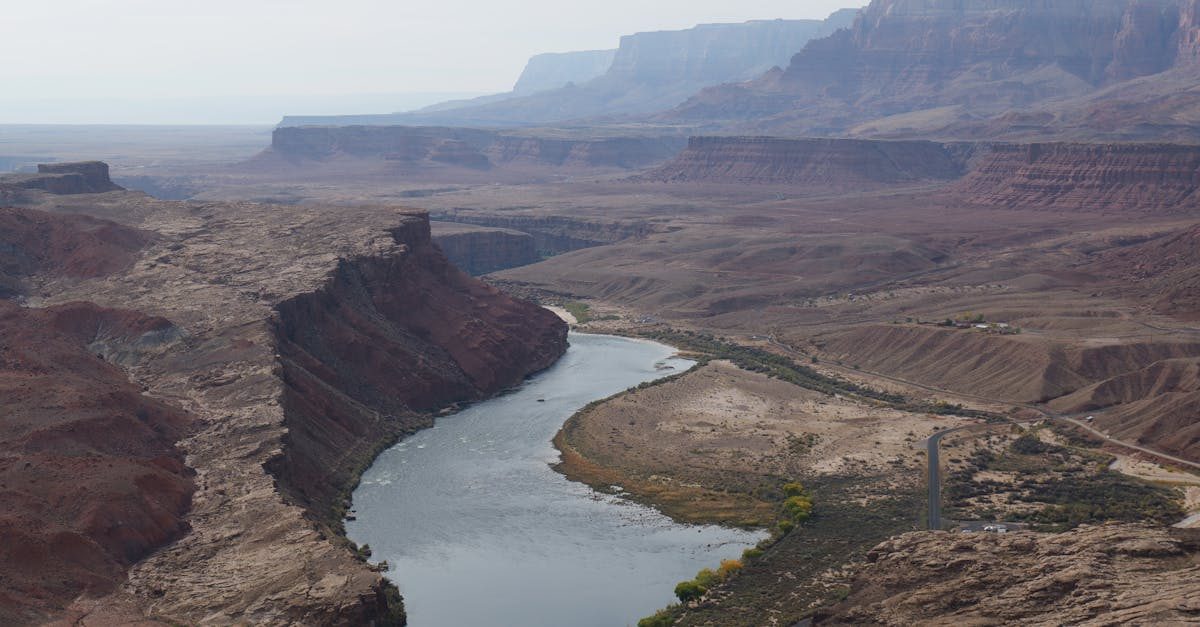
Colorado River at Lees Ferry
Lees Ferry is Arizona's most celebrated fly fishing destination, offering a world-class tailwater fishery in the dramatic landscape between Glen Canyon Dam and the Grand Canyon. This 15.5-mile stretch of the Colorado River holds exceptional populations of large rainbow trout in crystal-clear water, creating a year-round fishery that rivals any destination in the American West.
Colorado River at Lees Ferry Fishing Report & Current Conditions
The Colorado River at Lees Ferry is a tailwater fishery, and it fishes best in spring, summer, fall and winter. Live USGS streamflow readings update throughout the day, while the monthly median flows below map the river's typical discharge across the year. Together they show current fishability and how today's water compares to the seasonal norm.
Current Conditions
Typical Monthly Flows
Historical median discharge (CFS) by month: Colorado River at Lees Ferry
Overview
The Colorado River at Lees Ferry flows through one of the most remote and spectacular settings in North America. Located in the Arizona Strip country near the Utah border, this 15.5-mile section begins immediately below Glen Canyon Dam and extends downstream to the confluence with the Paria River, where the Grand Canyon officially begins and fishing is prohibited within the National Park.
Glen Canyon Dam, completed in 1966, transformed this section of the Colorado River into a premier tailwater trout fishery. The dam releases cold, clear water from deep in Lake Powell, maintaining stable temperatures in the 46-52 degrees Fahrenheit range throughout the year. This thermal consistency supports year-round insect activity and keeps rainbow trout actively feeding in every season, a remarkable phenomenon in the high desert of northern Arizona where summer air temperatures can exceed 100 degrees.
The river here is big water by any standard, typically 100-200 feet wide with flows ranging from 8,000 to 25,000 cubic feet per second depending on dam releases and power generation demands. The substrate is predominantly clean gravel, cobble, and occasional boulders, with excellent structure provided by submerged boulders, ledges, and drop-offs. Water clarity is exceptional, often exceeding 20 feet of visibility, making this a sight fishing paradise for anglers willing to invest in polarized sunglasses and stealth.
Rainbow trout are the dominant species, with fish averaging 14-18 inches and specimens exceeding 20 inches caught regularly. The trout population is sustained primarily through natural reproduction in the Lees Ferry reach itself, though some contribution comes from tributaries. The Colorado River at Lees Ferry also holds the Arizona state record rainbow trout at 24 pounds, caught in 2015.
Access to the fishery is excellent via the Lees Ferry boat ramp and several designated wade-fishing areas. The upper river near the dam is accessed by a maintained trail from the parking area, while the lower sections are best reached by drift boat or raft. Lees Ferry Anglers, the historic fly shop located at the confluence, serves as the hub of the fishery and provides guides, rentals, and up-to-date fishing reports.
Water Characteristics
The Colorado River at Lees Ferry is a textbook tailwater with exceptional clarity, stable temperatures, and high productivity. Water clarity typically ranges from 15 to 30 feet of visibility, making polarized sunglasses essential for both safety (spotting submerged obstacles) and fishing success (sight fishing to individual trout). The river's substrate is predominantly gravel and cobble, ideal for both trout spawning and aquatic insect production.
Water temperatures remain remarkably stable year-round, ranging from 42-46 degrees in winter to 48-52 degrees in summer. This thermal consistency, rare in desert environments, is the key to the fishery's productivity. The cold, oxygen-rich water supports dense populations of aquatic insects despite the arid surroundings. Midges (Chironomidae) are the foundation of the food chain, with astronomical populations of larvae, pupae, and adults present in every month. Scuds (Gammarus lacustris) thrive in the alkaline water and provide critical protein for trout growth. Caddisflies, Blue Winged Olives, and occasional mayfly species supplement the diet.
Flow levels at Lees Ferry are dictated entirely by Glen Canyon Dam operations. Typical flows range from 8,000 cfs (minimum base flow) to 25,000+ cfs during high-demand periods or flood control releases. The Bureau of Reclamation operates the dam primarily for hydroelectric power generation, and releases follow electrical demand patterns with higher flows during peak usage hours. This creates a dynamic environment where conditions can change within hours.
Wading & Float Guide
Wading at Lees Ferry ranges from straightforward to challenging depending on location and flow levels. In the upper sections near the dam, the river bottom is primarily gravel and small cobble with moderate gradient, allowing comfortable wading during typical generation flows (8,000-15,000 cfs). At these flows, anglers can wade the margins and fish productive runs within 50 feet of shore. Felt-soled or studded boots are strongly recommended due to algae-covered rocks in some areas.
During high-flow periods when the dam releases exceed 20,000 cfs for power generation or flood control, wading becomes significantly more difficult and potentially dangerous. The current strengthens dramatically, and previously wadeable areas become too deep and fast. Always check the dam release schedule before wading; the Bureau of Reclamation posts release information online and flows can change with little warning.
The lower sections of the fishery, particularly the areas known as the Channels and downstream toward the Paria confluence, feature deeper water with larger boulders and more complex structure. Wading here requires caution even at moderate flows. Chest waders are essential year-round, as the water temperature rarely exceeds 50 degrees. A wading staff provides critical stability when navigating the boulder-studded bottom.
Lees Ferry (Glen Canyon Dam to Paria River)
The full Lees Ferry float is a full-day or overnight trip through spectacular desert canyon country. No significant rapids, but the river is big and flows are strong. Drift boats and rafts can fish all the productive water inaccessible to wade anglers. Launch at Lees Ferry boat ramp, take out at the same location (common) or continue downstream past the Paria confluence for multi-day Grand Canyon trips (permit required).
Upper Lees Ferry (partial float)
Many anglers float the upper sections as half-day trips, launching at Lees Ferry and taking out at the same ramp after drifting downstream and rowing back up (common practice here due to single access point). The calm water and strong current make this feasible. Outstanding fishing near the dam outflow and in the upper channels.
Rod & Tackle Guide
Upper Lees Ferry (wade fishing near dam)
- Rod
- 9' 5-weight or 6-weight
- Line
- Weight-forward floating
- Leader & Tippet
- 9-12' tapered to 5X or 6X fluorocarbon
The 5-weight is ideal for delicate presentations with small nymphs and dries; 6-weight is better if wind is forecast or you plan to fish streamers. The big water and bright conditions make fish less leader-shy than typical tailwaters, so 5X is often adequate.
Lower Lees Ferry (float fishing)
- Rod
- 9' 6-weight
- Line
- Weight-forward floating; bring a sink-tip for streamers
- Leader & Tippet
- 9' tapered to 4X or 5X; 4' heavy leader for streamers
The 6-weight is the better all-around choice for float fishing; it handles wind, heavier nymph rigs, and streamer casting from a moving boat. Two-rod setup is ideal: one for nymphing, one for streamers or dries.
Year-round essentials
- Rod
- 9' 5-weight or 6-weight
- Line
- Weight-forward floating
- Leader & Tippet
- 9-12' tapered to 5X-6X
Chest waders essential year-round (water is always cold). Wading staff highly recommended. Polarized sunglasses with copper or amber lenses are critical for sight fishing. Sun protection (hat, sunscreen, long sleeves) essential in summer.
Best Time to Fish the Colorado River at Lees Ferry
Spring
Spring at Lees Ferry brings the first significant midge hatches of the year, with clouds of tiny insects emerging on mild afternoons from March through May. Blue Winged Olive hatches join the midges in April, providing excellent dry fly opportunities on overcast days. Water temperatures climb from the mid-40s into the upper 40s, stimulating fish activity. The spawning run of rainbow trout peaks in March and April, with large fish moving into the shallower gravel areas. Egg patterns and small nymphs fished below spawning fish can be deadly, but anglers should avoid walking on redds (spawning beds). Spring flows are typically moderate at 8,000-12,000 cfs, ideal for both wading and floating.
Summer
Summer transforms Lees Ferry into a desert oasis. While air temperatures soar above 100 degrees in July and August, the river remains a constant 48-52 degrees, keeping trout actively feeding all day. Midge hatches continue throughout summer, with the best dry fly action from 9 AM to noon and again in late afternoon. Scuds (freshwater shrimp) become an increasingly important food source as summer progresses. Fish pink, orange, and olive scud patterns dead-drifted near the bottom. Caddis activity picks up in June and July with evening emergences. Flows can fluctuate significantly in summer due to power generation demands; check the release schedule daily. Early morning and evening fishing avoids the intense midday sun.
Fall
Fall is considered by many experienced Lees Ferry anglers to be the best overall season. Water temperatures remain stable in the upper 40s, and trout feed aggressively to build reserves before winter. Midge hatches intensify in September and October, and Blue Winged Olive hatches return with cooler air temperatures. The crowds of summer diminish significantly after Labor Day, and you may have entire sections of river to yourself on weekday visits. Streamer fishing improves in fall as rainbow trout become more aggressive and territorial. Swing olive and white Woolly Buggers and small sculpins through deeper runs and drop-offs. Fall flows are typically stable at 8,000-12,000 cfs.
Winter
Winter at Lees Ferry offers some of the most consistent fishing of the year, with the added bonus of near-total solitude. The tailwater rarely sees ice, and midges hatch on most days between 10 AM and 2 PM when air temperatures climb into the 40s and 50s. Fish tiny (sizes 22-26) midge larvae, pupae, and clusters in the slower runs and eddies. Scud patterns remain effective throughout winter. The fish are healthy and strong, and a 16-inch rainbow in 46-degree water fights like a fish 20 percent larger. Dress warmly in layers, as canyon winds can create a significant wind chill. Winter flows are typically the lowest of the year at 8,000-10,000 cfs, providing excellent wading access.
Fishing Pressure & Local Tips
Lees Ferry receives moderate to heavy fishing pressure considering its remote location 3.5 hours north of Flagstaff. The fishery's international reputation attracts anglers from around the world, and guided trips operate daily during peak season (March through November). Summer weekends and major holiday periods see the heaviest pressure, with multiple drift boats launching from the boat ramp and wade anglers concentrated in the accessible upper sections near the dam.
However, the river's size and length distribute pressure effectively. Anglers willing to hike beyond the immediate dam area or float to the lower sections often find lightly fished water. Winter sees dramatically reduced pressure, as cold air temperatures and remote location deter casual anglers. Weekday visits in fall and winter can feel like a private fishery.
The presence of Lees Ferry Anglers fly shop and guide service ensures a steady flow of anglers year-round, but also provides valuable services including current fishing reports, rental equipment, and shuttle services for float trips. Local guides possess intimate knowledge of the fishery's moods and can dramatically accelerate the learning curve for first-time visitors.
Local Knowledge
Lees Ferry rewards preparation and adaptability. Before your trip, check three critical information sources: the Bureau of Reclamation's Glen Canyon Dam release schedule (online), the NOAA weather forecast for Marble Canyon, and the current fishing report from Lees Ferry Anglers. Dam releases dictate fishing conditions more than any other factor; plan your wading or floating around the release schedule.
For wade fishing, the upper mile below the dam is the most accessible and productive. Arrive early (before 7 AM) to secure parking at the upper lot during peak season. Walk upstream from the parking area toward the dam outflow, fishing the edges and runs as you go. The crystal-clear water demands stealth; wear earth-tone clothing, make long casts, and use fine tippets (5X to 7X fluorocarbon). The trout here see dozens of flies per day during summer and are highly selective.
For float fishing, a drift boat or raft allows access to miles of lightly pressured water in the middle and lower sections. The Channels area (approximately 8 miles below the dam) holds exceptional numbers of large trout in complex structure. Because there is only one take-out (the launch ramp), many anglers drift downstream for 3-5 hours, then row back upstream to the ramp. The calm water and strong current make this feasible with good rowing skills.
Bring multiple fly boxes: midges in sizes 18-26, scuds in pink, orange, and olive, BWO patterns in 18-20, small streamers, and egg patterns for spring. A two-fly tandem rig is standard: a heavy nymph or scud as the point fly with a small midge dropper 18-24 inches below. The local guides swear by the Ray Charles (scud/midge hybrid pattern) as the single most effective fly year-round.
Species Present
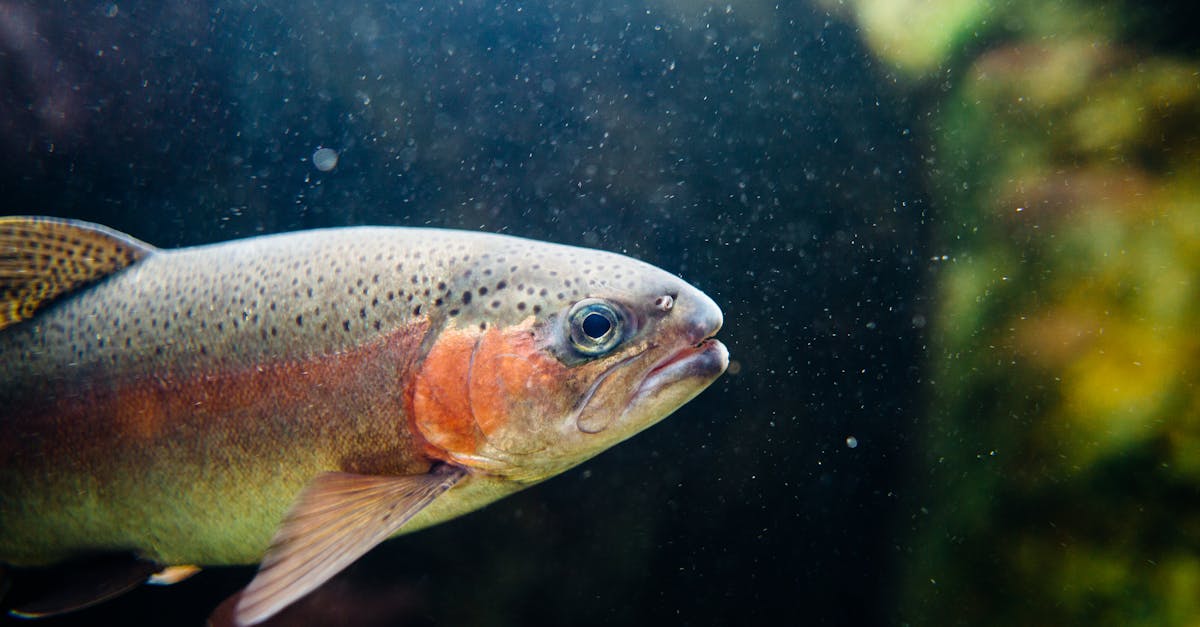
Rainbow Trout
The rainbow trout is Montana's most widespread and popular gamefish, celebrated for its explosive surface strikes, aerial acrobatics, and willingness to take a well-presented dry fly. Native to Pacific Coast drainages from Alaska to Mexico, rainbows were first introduced to Montana's waters in the late 1800s and have since established thriving populations in nearly every major river system in the state. On legendary waters like the Madison, Missouri, and Bighorn, wild rainbow trout grow fat on prolific insect hatches and provide some of the finest dry-fly fishing in North America. Rainbow trout in Montana display remarkable variation depending on their home water. Fish in nutrient-rich tailwaters like the Missouri River below Holter Dam can exceed 20 inches with regularity, their deep bodies and broad tails reflecting the abundant food supply. Freestone river rainbows, such as those in the upper Madison and Gallatin, tend to be leaner and more athletic, shaped by faster currents and colder water temperatures. In many Montana rivers, rainbows spawn in the spring from March through June, and anglers should be mindful of spawning redds during this period to protect future generations of fish. Rainbows are arguably the most versatile trout species for fly anglers. They respond well to dry flies during hatches, aggressively chase streamers, and feed heavily on nymphs subsurface throughout the year. Their fighting ability is legendary: a hooked rainbow will often launch itself completely out of the water multiple times during a battle. Montana's catch-and-release regulations on many blue-ribbon streams have produced exceptional rainbow trout fisheries with high densities of large, healthy fish that continue to draw anglers from around the world.
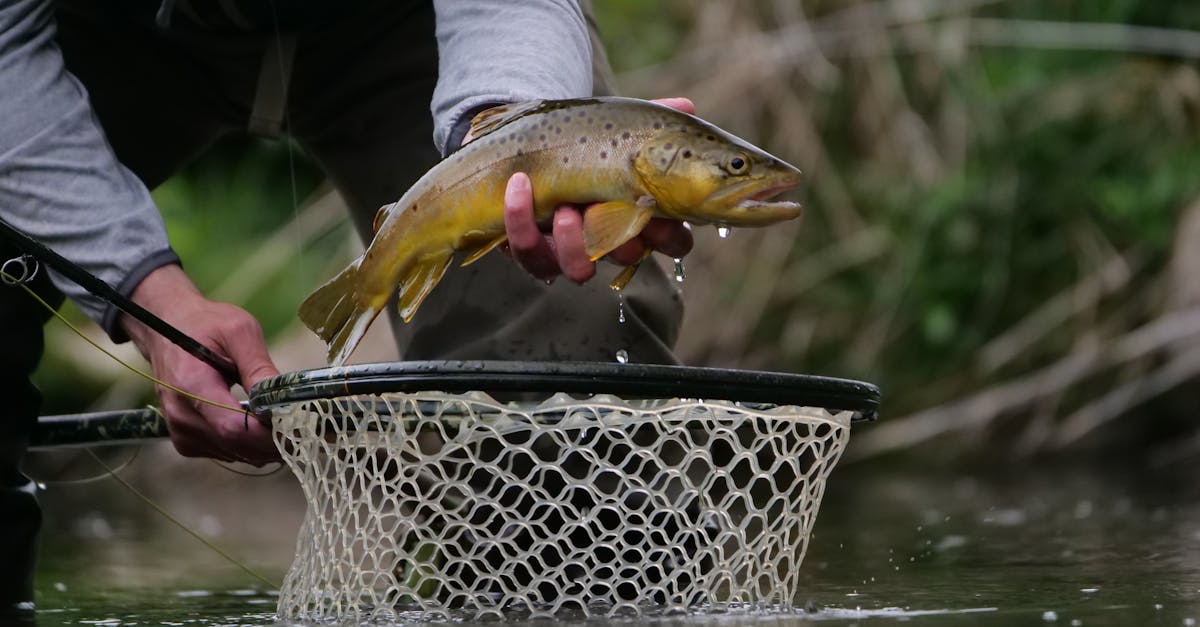
Brown Trout
The brown trout is the most cunning and elusive trout species swimming in Montana's rivers, and it rewards patient, skilled anglers with some of the state's most memorable catches. Originally native to Europe and western Asia, brown trout were first introduced to North American waters in 1883 and arrived in Montana shortly thereafter. They have since established robust, self-sustaining populations in virtually every major trout stream in the state, from the legendary spring creeks of the Paradise Valley to the sweeping runs of the lower Madison and the deep pools of the Bighorn. Brown trout grow larger than any other trout species in Montana, and fish exceeding 24 inches are caught with regularity on premium waters. The lower Madison River, the Missouri River below Holter Dam, and the Bighorn River are particularly renowned for producing trophy-class browns. Unlike rainbows, brown trout spawn in the fall (October through November), and their aggressive pre-spawn behavior creates an exciting window for streamer fishing as large males become territorial and attack anything that enters their domain. Browns are notably more nocturnal than other trout species, and many of the biggest fish are caught during low-light conditions. What sets brown trout apart from other species is their wariness and selectivity. Large browns are notoriously difficult to fool, often refusing flies that are even slightly off in size, color, or presentation. They tend to establish and defend prime feeding lies (undercut banks, logjams, deep pools, and boulder gardens), and an angler who learns to read water and identify these holding spots will consistently catch more and larger fish. This combination of difficulty, size potential, and intelligence makes the brown trout the most prized quarry for many serious Montana fly fishers.
Colorado River at Lees Ferry Hatch Chart
| Insect | Suggested Fly | Jan | Feb | Mar | Apr | May | Jun | Jul | Aug | Sep | Oct | Nov | Dec |
|---|---|---|---|---|---|---|---|---|---|---|---|---|---|
Midges morning | Zebra Midge | ||||||||||||
Blue-Winged Olive (Baetis) afternoon | Parachute Adams | ||||||||||||
Blue-Winged Olive (Baetis) afternoon | BWO Emerger | ||||||||||||
Caddisflies evening | Elk Hair Caddis | ||||||||||||
Scuds (freshwater shrimp) all day | Ray Charles | ||||||||||||
Egg-laying Rainbow Trout all day | San Juan Worm |
Midges: Year-round midge hatches, the foundation of the Lees Ferry fishery. Size 18-26.
Blue-Winged Olive (Baetis): Spring BWO hatches on overcast days. Size 18-22.
Blue-Winged Olive (Baetis): Fall BWO hatches return with cooler temperatures. Size 18-22.
Caddisflies: Summer caddis emergences. Size 14-18.
Scuds (freshwater shrimp): Not a hatch; scuds are year-round food source. Fish dead-drift near bottom. Size 14-18 in pink, orange, olive.
Egg-laying Rainbow Trout: Spring spawning run; egg patterns and small nymphs below spawning fish. Avoid walking on redds.
Recommended Flies
Zebra Midge
Top PickYear-round midge staple, the single most important fly at Lees Ferry
Best in winter
Ray Charles
Top PickRay Charles scud/midge pattern, deadly year-round near bottom
Best in winter
RS2
Top PickRS2 for BWO and midge emergences in spring and fall
Best in spring
Parachute Adams
Top PickUniversal dry fly for BWO hatches
Best in spring
BWO Emerger
Top PickBWO emerger for fall Baetis hatches
Best in fall
Elk Hair Caddis
Top PickCaddis dry for summer evening emergences
Best in summer
Woolly Bugger
Top PickWoolly Bugger streamer for fall aggression
Best in fall
San Juan Worm
Top PickEgg patterns during spring spawning run (March-April)
Best in spring
Access Points & Boat Launches
Lees Ferry Boat Ramp
Boat LaunchEasyPrimary put-in and take-out for Lees Ferry float trips. Well-maintained concrete boat ramp accommodates drift boats, rafts, and kayaks. This is the main access point for the entire Lees Ferry fishery, located at the historic Lees Ferry settlement. Parking, restrooms, and Lees Ferry Anglers fly shop on site.
Cathedral Wash
Wade AccessModerateWade access to the upper river near the Glen Canyon Dam outflow. Park at the small pulloff and hike approximately 1/4 mile down a maintained trail to reach the river. This area offers excellent sight fishing to large rainbow trout in crystal-clear water. Popular with wade anglers but less crowded than the main boat ramp area.
Paria Beach (Lower Ferry)
Wade AccessEasyWade access to the middle sections of the Lees Ferry fishery. Small parking area with short walk to the river. This area provides access to productive runs and pools holding large rainbow trout. Less crowded than the boat ramp area, particularly on weekdays.
Regulations
Regulations
Glen Canyon Dam downstream 15.5 miles to the Paria River confluence: Artificial flies and lures only; trout limit 3 fish, possession limit 6; only one fish over 16 inches may be possessed. Arizona fishing license required. Glen Canyon National Recreation Area entrance fee required. No fishing below the Paria River confluence (Grand Canyon National Park boundary). Check current regulations at azgfd.gov and nps.gov/glca before fishing.
Always verify current regulations with Montana Fish, Wildlife & Parks before fishing.
Some links may earn a commission. Learn more
Quick Facts
- Region
- Northern Arizona / Coconino County
- Water Type
- Tailwater
- River Length
- 15.5 miles of premier fly fishing from Glen Canyon Dam to Paria River
- Difficulty
- Beginner-Intermediate
- Best Seasons
- spring, summer, fall, winter
- Trout Per Mile
- 5,000-8,000 rainbow trout per mile
- Record Trout
- 24-pound rainbow trout (Arizona state record, 2015); 20+ inch fish caught regularly
- Species
- Rainbow Trout, Brown Trout
- USGS Gauge
- 09380000