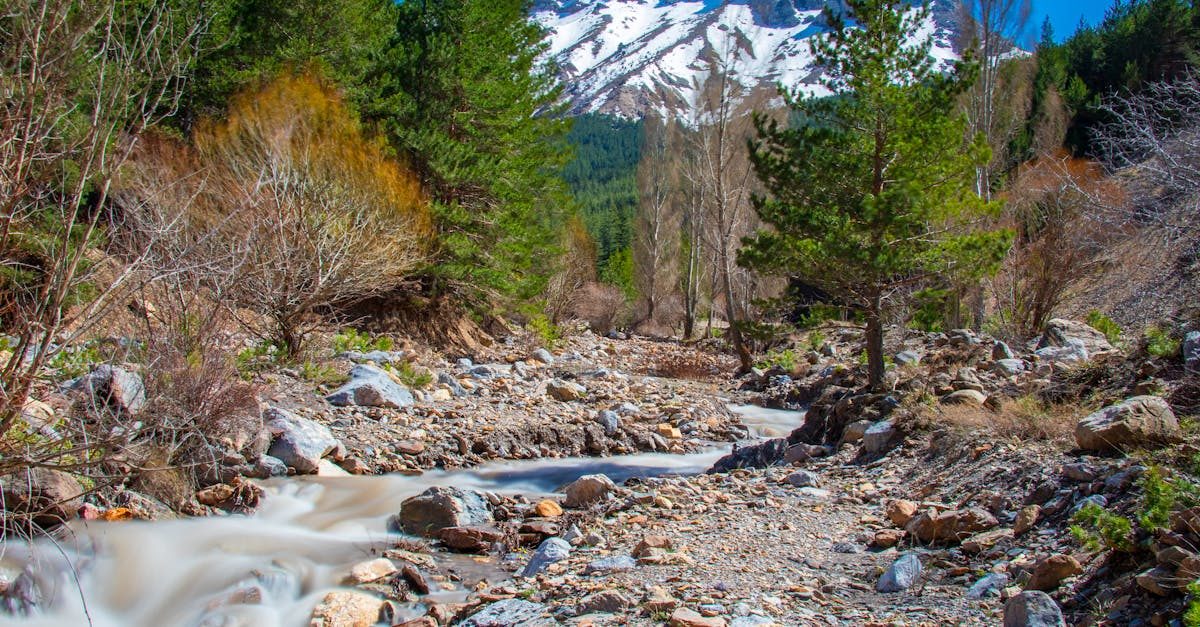
East Fork Black River
The East Fork of the Black River offers a wilderness fly fishing experience for Arizona's native Apache trout in a remote White Mountains setting. This pristine freestone stream flows through dense forests of ponderosa pine and Douglas fir, providing challenging fishing for wild trout in water that sees relatively light angling pressure.
Overview
The East Fork of the Black River originates in the high country of the White Mountains in eastern Arizona, flowing approximately 25 miles through the Apache-Sitgreaves National Forest before joining the West Fork to form the main Black River. This is remote, roadless country accessed primarily by foot or horseback, making it one of Arizona's true backcountry fly fishing destinations.
The East Fork is the primary stronghold for Apache trout (Oncorhynchus apache), Arizona's state fish and one of only two trout species native to the state. Apache trout are a rare subspecies of cutthroat trout found only in the headwaters of the White Mountains. The species was listed as endangered in 1969 but has recovered sufficiently to be downlisted to threatened status thanks to aggressive habitat restoration and management efforts by the Arizona Game and Fish Department.
The creek averages 10-25 feet wide in the prime fishing sections, flowing through a series of pools, runs, and pocket water behind boulders and logs. The substrate is primarily cobble and gravel with some bedrock. Water clarity is excellent when flows are normal, typically 4-8 feet of visibility. The surrounding forest provides exceptional shade and cover, keeping water temperatures cool even during summer.
Access to the East Fork requires commitment. The primary access is via the East Fork Trail, a moderately strenuous hiking route that follows the creek for several miles through wilderness terrain. Four-wheel-drive vehicles can reach the trailhead, but the stream itself is accessed only on foot. This remote character filters out casual anglers and protects the fishery from over-harvest and crowding.
Water Characteristics
The East Fork Black River is a classic high-elevation freestone stream. Water clarity is typically excellent (5-10 feet of visibility) during normal flows, degrading only during spring runoff or after heavy summer monsoons. Water temperatures range from near-freezing in winter to the low-to-mid 60s in summer, ideal for trout growth and activity.
The creek's substrate of cobble and gravel provides excellent spawning habitat for Apache trout, which spawn in the spring (March-May) unlike most other trout species that spawn in fall. The insect community includes caddisflies, small mayflies, midges, and terrestrial insects. The creek also supports aquatic worms and crayfish, important food sources for larger brown trout.
Flows vary seasonally from lows of 10-20 cfs in late fall and winter to highs of 80-150+ cfs during spring runoff. Without a USGS gauge, flow information must be assessed on-site. Optimal fishing conditions occur at flows between 15 and 50 cfs when the water is clear and the creek is at fishable levels.
Wading & Float Guide
The East Fork Black River offers generally easy to moderate wading conditions. The creek is small enough to step across in many locations, and most fishing can be accomplished by carefully wading the margins or crossing at shallow riffles. The bottom is primarily cobble and gravel with occasional larger boulders and some bedrock ledges.
During normal summer and fall flows (15-40 cfs), wading is straightforward for anglers of moderate experience. The current is gentle to moderate in most sections, and depths rarely exceed knee-deep except in the larger pools. Hip waders are adequate for most conditions, though chest waders provide more versatility and protection in cooler weather.
Spring runoff (typically late April through early June depending on snowpack) can make the creek run high and turbid, with flows potentially exceeding 100 cfs. At these levels, wading becomes more challenging and fishing is less productive. The remote location means no gauge data is available; assess conditions on-site and exercise caution if the creek is running high. Felt-soled or studded boots provide better traction on the sometimes-slippery cobble bottom.
East Fork Black River
The East Fork is a small mountain stream too narrow and shallow for any type of floating craft. This is strictly a walk-and-wade fishery accessed by hiking trails through the White Mountains backcountry.
Rod & Tackle Guide
East Fork Black River (general)
- Rod
- 7'6" to 8'6" 3-weight or 4-weight
- Line
- Weight-forward floating or double-taper
- Leader & Tippet
- 7.5-9' tapered to 4X or 5X
A shorter, lighter rod is ideal for the small stream character and brushy conditions. The 3-weight is perfect for delicate presentations and the typical 6-12 inch Apache trout, while the 4-weight provides a bit more backbone for windy conditions or the occasional larger brown trout.
Backcountry hiking and fishing
- Rod
- 7'6" to 8' 3-weight or 4-weight
- Line
- Weight-forward floating
- Leader & Tippet
- 7.5-9' tapered to 4X or 5X
Pack light for the hike; consider a lightweight or packable rod. Hip waders or wet wading (summer only) keeps weight down. Bring wading boots with good hiking support for the trail approach. Trekking poles useful for the hike and can serve as wading staff.
Season-specific considerations
- Rod
- 8' 4-weight
- Line
- Weight-forward floating
- Leader & Tippet
- 9' tapered to 4X or 5X
Hip waders adequate in summer; chest waders recommended for spring and fall. Pack rain gear year-round due to unpredictable mountain weather. Bear spray recommended as black bears are present in the White Mountains.
Best Time to Fish the East Fork Black River
Spring
Spring on the East Fork is a time of transition and opportunity. As snowmelt recedes and the creek drops into shape (typically by late May or early June), Apache trout begin feeding aggressively after the lean winter months. Early-season fishing focuses on nymphing with beadhead patterns (Pheasant Tail, Hare's Ear, Prince in sizes 14-18) dead-drifted through pools and runs. Caddis hatches begin in late May and June, and attractor dry flies (Royal Wulff, Stimulator in sizes 12-16) can be effective when skated across pocket water. Spring weather in the White Mountains is unpredictable; prepare for rain, snow, or sunshine on any given day.
Summer
Summer is prime time on the East Fork. The monsoon season (July and August) brings afternoon thunderstorms that can temporarily raise and muddy the creek, but conditions typically clear within 24 hours. Terrestrial patterns (ants, beetles, small hoppers in sizes 14-18) become increasingly effective as summer progresses. Caddis hatches continue through July, and small mayflies provide occasional surface activity. Fish the pocket water behind boulders and logs with high-floating attractor dries, or nymph the deeper pools and runs. The high elevation (7,000-8,000 feet) keeps water temperatures in the ideal trout range (52-60 degrees) even during the hottest summer weather.
Fall
Fall brings the most stable and consistent fishing of the year. September and October offer pleasant weather, beautiful autumn colors in the surrounding forest, and aggressive Apache trout feeding heavily before winter. Terrestrial patterns remain effective through September, and small mayfly hatches (Blue Winged Olives) can occur on cooler afternoons. Streamer fishing with small Woolly Buggers (sizes 10-14) in olive or black can be deadly for larger brown trout. By November, cold temperatures and the approaching winter slow fishing activity, and snow may close access roads to the trailhead.
Fishing Pressure & Local Tips
The East Fork Black River receives light to moderate fishing pressure due to its remote location and the hiking required to access the best water. The trailhead is a 2-3 hour drive from Show Low or Springerville, and the hike to the prime fishing sections is 2-4 miles one-way through wilderness terrain. This natural barrier filters out casual anglers and protects the fishery.
During peak summer months (July and August), the creek sees steady weekend traffic from dedicated fly anglers, particularly those targeting Apache trout. However, the length of the fishable stream distributes pressure effectively, and anglers willing to hike beyond the first mile of trail often have water to themselves. Fall and spring see lighter pressure, and winter is essentially deserted due to snow and cold temperatures.
Local Knowledge
The East Fork Black River is a wilderness fishery that demands preparation and respect. Before your trip, check road conditions for the access roads (Forest Service roads that may require 4WD or high clearance) and pack appropriately for backcountry travel. Bring a daypack with water, food, rain gear, first aid kit, and extra layers even for a short day trip. Cell phone coverage is nonexistent in the drainage.
For fishing, the Apache trout are wild, stream-bred, and less selective than heavily pressured trout in more accessible waters. They respond well to properly presented attractor dry flies (sizes 12-16) and beadhead nymphs (sizes 14-18). Focus on the pocket water, the heads and tails of pools, and the foam lines along current seams. Apache trout are opportunistic feeders that will rise aggressively to a well-placed dry fly.
If you catch brown trout or rainbow trout, Arizona Game and Fish encourages you to harvest and keep them. These non-native species compete with and can hybridize with Apache trout, threatening the genetic integrity of the native population. By removing non-native trout, anglers directly contribute to Apache trout conservation.
The nearest fly shop is in Show Low or Pinetop-Lakeside (approximately 1 hour from the trailhead). Stock up on flies, tippet, and supplies before heading into the backcountry. A basic fly selection should include: Stimulators and Royal Wulffs (sizes 12-16), Elk Hair Caddis (sizes 14-18), Parachute Adams (sizes 16-18), Pheasant Tail and Hare's Ear nymphs (sizes 14-18), Prince Nymphs (sizes 12-16), and small Woolly Buggers (sizes 10-14).
Species Present
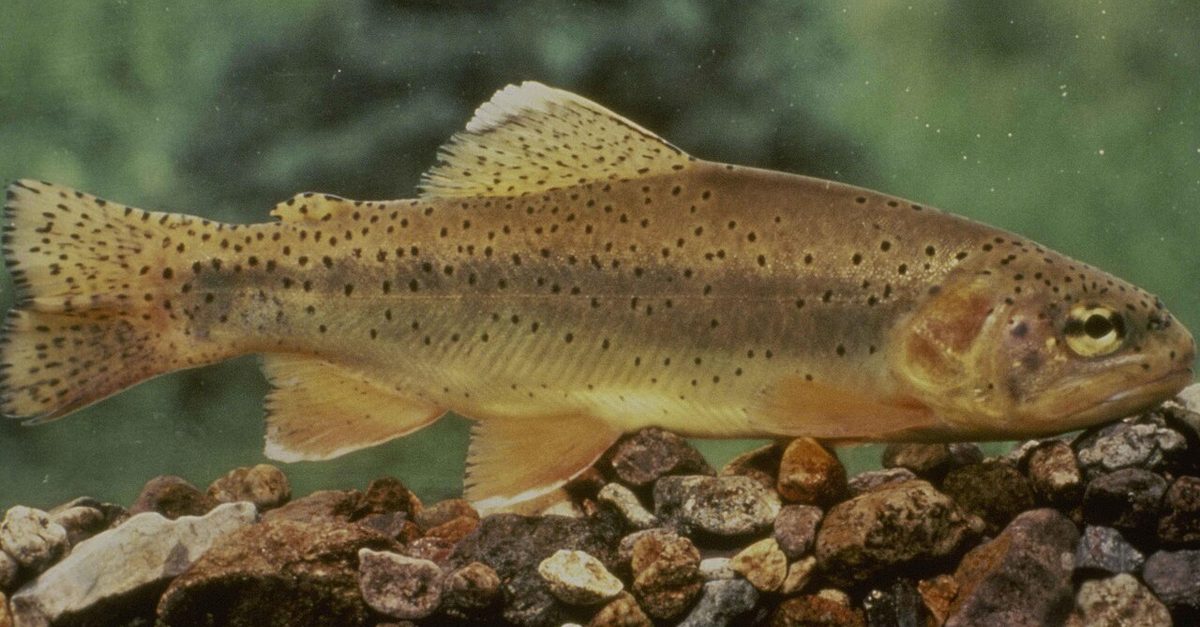
Apache Trout
The Apache trout is Arizona's official state fish and one of only two trout species native to the state, found nowhere else in the world except the headwater streams and lakes of the White Mountains in east-central Arizona. This golden-hued trout evolved in isolation in the upper Salt River and Little Colorado River drainages on the slopes of Mount Baldy, the sacred peak of the White Mountain Apache people, adapting to the cold, clear mountain streams at elevations above 7,000 feet. The Apache trout's beauty is unmistakable: a warm golden-yellow body overlaid with widely spaced, large dark spots, dark dorsal and caudal fin markings that give it a distinctive spotted-fin appearance, and a golden-olive back. Once one of the first fish listed under the Endangered Species Act in 1967, the Apache trout has been the focus of one of the most successful native trout recovery programs in the United States. Through decades of work by the U.S. Fish and Wildlife Service, Arizona Game and Fish Department, the White Mountain Apache Tribe, and the Apache-Sitgreaves National Forests, the subspecies was downlisted from Endangered to Threatened in 2006. Recovery efforts have included removing non-native trout from headwater streams, constructing fish barriers to prevent reinvasion, and establishing new populations through careful translocations. For fly anglers, catching an Apache trout is a bucket-list experience that combines rare native trout fishing with the stunning scenery of the White Mountains. Apache trout are eager surface feeders that respond aggressively to dry flies, making them a joy to catch on light tackle. The East Fork and West Fork of the Black River, stocked with Apache trout by Arizona Game and Fish, offer the most accessible fishing, while streams on the White Mountain Apache Reservation require a tribal permit and provide a more remote and culturally significant experience.
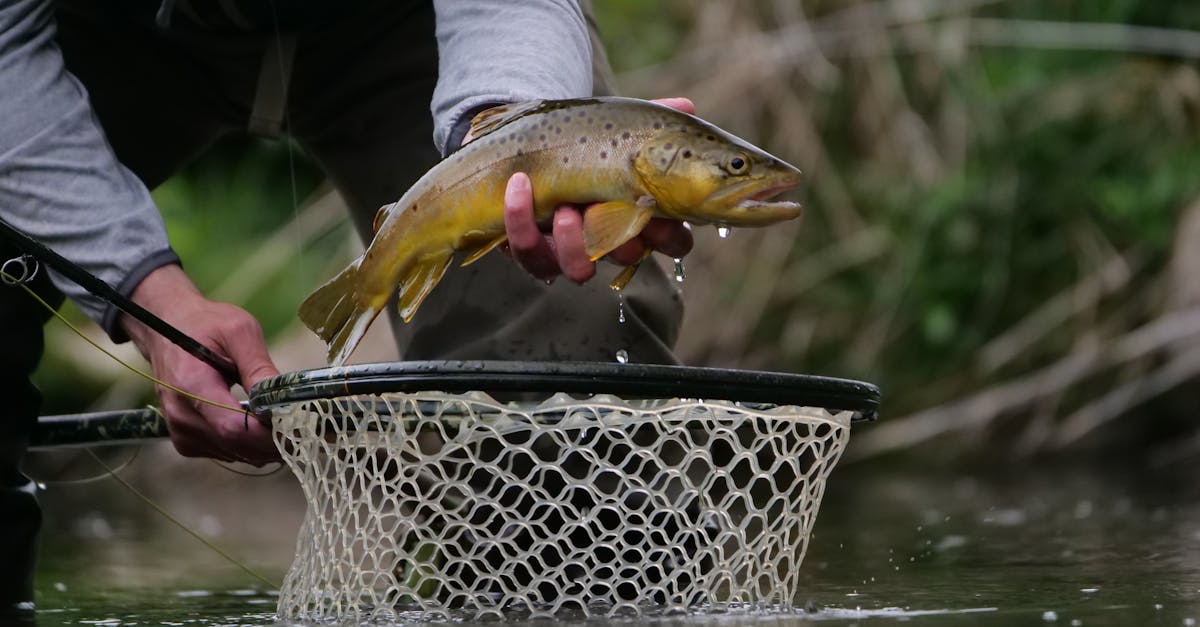
Brown Trout
The brown trout is the most cunning and elusive trout species swimming in Montana's rivers, and it rewards patient, skilled anglers with some of the state's most memorable catches. Originally native to Europe and western Asia, brown trout were first introduced to North American waters in 1883 and arrived in Montana shortly thereafter. They have since established robust, self-sustaining populations in virtually every major trout stream in the state, from the legendary spring creeks of the Paradise Valley to the sweeping runs of the lower Madison and the deep pools of the Bighorn. Brown trout grow larger than any other trout species in Montana, and fish exceeding 24 inches are caught with regularity on premium waters. The lower Madison River, the Missouri River below Holter Dam, and the Bighorn River are particularly renowned for producing trophy-class browns. Unlike rainbows, brown trout spawn in the fall (October through November), and their aggressive pre-spawn behavior creates an exciting window for streamer fishing as large males become territorial and attack anything that enters their domain. Browns are notably more nocturnal than other trout species, and many of the biggest fish are caught during low-light conditions. What sets brown trout apart from other species is their wariness and selectivity. Large browns are notoriously difficult to fool, often refusing flies that are even slightly off in size, color, or presentation. They tend to establish and defend prime feeding lies (undercut banks, logjams, deep pools, and boulder gardens), and an angler who learns to read water and identify these holding spots will consistently catch more and larger fish. This combination of difficulty, size potential, and intelligence makes the brown trout the most prized quarry for many serious Montana fly fishers.
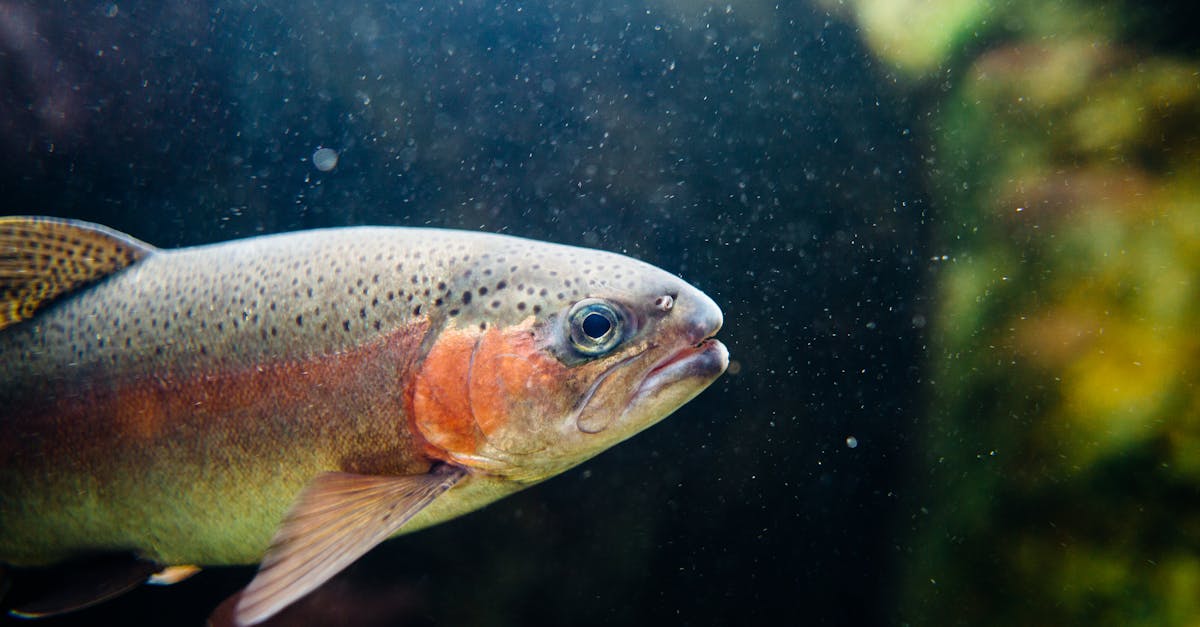
Rainbow Trout
The rainbow trout is Montana's most widespread and popular gamefish, celebrated for its explosive surface strikes, aerial acrobatics, and willingness to take a well-presented dry fly. Native to Pacific Coast drainages from Alaska to Mexico, rainbows were first introduced to Montana's waters in the late 1800s and have since established thriving populations in nearly every major river system in the state. On legendary waters like the Madison, Missouri, and Bighorn, wild rainbow trout grow fat on prolific insect hatches and provide some of the finest dry-fly fishing in North America. Rainbow trout in Montana display remarkable variation depending on their home water. Fish in nutrient-rich tailwaters like the Missouri River below Holter Dam can exceed 20 inches with regularity, their deep bodies and broad tails reflecting the abundant food supply. Freestone river rainbows, such as those in the upper Madison and Gallatin, tend to be leaner and more athletic, shaped by faster currents and colder water temperatures. In many Montana rivers, rainbows spawn in the spring from March through June, and anglers should be mindful of spawning redds during this period to protect future generations of fish. Rainbows are arguably the most versatile trout species for fly anglers. They respond well to dry flies during hatches, aggressively chase streamers, and feed heavily on nymphs subsurface throughout the year. Their fighting ability is legendary: a hooked rainbow will often launch itself completely out of the water multiple times during a battle. Montana's catch-and-release regulations on many blue-ribbon streams have produced exceptional rainbow trout fisheries with high densities of large, healthy fish that continue to draw anglers from around the world.
East Fork Black River Hatch Chart
| Insect | Suggested Fly | Jan | Feb | Mar | Apr | May | Jun | Jul | Aug | Sep | Oct | Nov | Dec |
|---|---|---|---|---|---|---|---|---|---|---|---|---|---|
Caddisflies evening | Elk Hair Caddis | ||||||||||||
Terrestrials (ants, beetles, hoppers) afternoon | Chubby Chernobyl | ||||||||||||
Mayflies (small) afternoon | Parachute Adams | ||||||||||||
Stoneflies (small) all day | Stimulator |
Caddisflies: Summer caddis hatches. Size 14-18.
Terrestrials (ants, beetles, hoppers): Terrestrial patterns effective along forested banks. Size 12-16.
Mayflies (small): Small mayfly hatches. Parachute Adams in sizes 14-18 effective.
Stoneflies (small): Small stonefly activity. Stimulator in sizes 12-16.
Recommended Flies
Stimulator
Top PickStimulator attractor dry, excellent for Apache trout
Best in summer
Chubby Chernobyl
Top PickChubby Chernobyl for summer terrestrials and attractor
Best in summer
Elk Hair Caddis
Top PickElk Hair Caddis for summer caddis hatches
Best in summer
Pheasant Tail Nymph
Top PickPheasant Tail nymph, reliable subsurface pattern
Best in spring
Prince Nymph
Top PickPrince Nymph, attractor nymph for pocket water
Best in spring
Access Points & Boat Launches
East Fork Trail (FR 116)
Wade AccessDifficultPrimary trailhead for accessing the East Fork Black River. The maintained trail follows the creek for several miles through wilderness terrain, providing access to prime Apache trout water. Four-wheel-drive or high-clearance vehicle required to reach the trailhead via Forest Road 116. Hike 2-4 miles to reach the best fishing sections. Primitive camping available near trailhead.
East Fork Campground
Wade AccessModerate to DifficultSmall Forest Service campground near the East Fork Black River providing access to the upper sections of the creek. Walk-in access from campsites to the creek. This is Apache trout habitat with wild, stream-bred fish. Four-wheel-drive may be required depending on road conditions.
Reservation Creek Confluence
Wade AccessDifficultAccess point where Reservation Creek joins the East Fork, creating a larger volume of water and good holding pools for Apache, brown, and rainbow trout. Hike or drive (4WD required) to this confluence area. Remote location with minimal angling pressure.
Regulations
Regulations
East Fork Black River: Special Apache Trout waters. Apache Trout: catch-and-release only, artificial flies and lures only. Brown Trout and Rainbow Trout: bag limit 2 fish total, minimum size 14 inches. Anglers are encouraged to harvest all brown and rainbow trout caught to protect Apache trout genetics. Arizona fishing license required. Check current regulations at azgfd.gov before fishing.
Always verify current regulations with Montana Fish, Wildlife & Parks before fishing.
Some links may earn a commission. Learn more
Quick Facts
- Region
- Eastern Arizona / White Mountains
- Water Type
- Freestone
- River Length
- ~12 miles of fishable water in the upper drainage
- Difficulty
- Beginner-Intermediate
- Best Seasons
- spring, summer, fall
- Trout Per Mile
- 400-800 wild trout per mile in prime sections
- Record Trout
- Apache trout rarely exceed 14 inches; brown trout to 16 inches occasionally caught
- Species
- Apache Trout, Brown Trout, Rainbow Trout