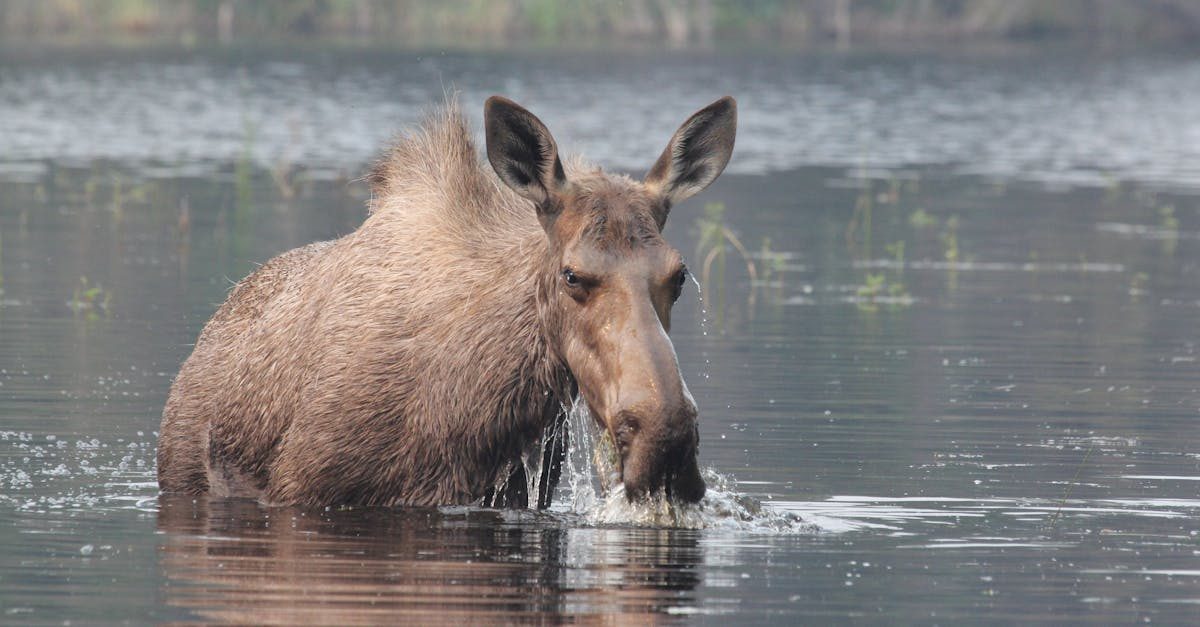
Moose River (Jackman)
The Moose River near Jackman flows through some of Maine's most remote wilderness, providing excellent fishing for native brook trout and landlocked Atlantic salmon in a landscape of dense forest, bogs, and mountains near the Canadian border. The river's multiple sections offer everything from intimate headwater brook trout streams to a productive tailwater below Brassua Lake.
Overview
The Moose River originates near the Canadian border west of Jackman and flows east through a vast wilderness landscape before eventually reaching Moosehead Lake near the village of Rockwood. The river system encompasses a wide range of fishing opportunities, from small headwater streams holding wild brook trout to the larger main stem below Brassua Lake where both brook trout and landlocked salmon thrive.
The most popular fishing section is the mile of river immediately below the outlet dam at Brassua Lake, where cold, deep-water releases create a productive tailwater environment. This section holds strong populations of both brook trout and landlocked salmon, with fish migrating between the river and Brassua Lake. Brook trout in the 10 to 16-inch range are common, and salmon averaging 14 to 18 inches provide exciting sport.
The headwater streams in the Moose River drainage, accessible via logging roads west and north of Jackman, offer classic small-stream brook trout fishing. These wild, remote brooks hold native brookies in the 6 to 10-inch range, with occasional larger fish in the deeper pools. The wilderness character of this fishing, far from any development, is a major part of the appeal.
Jackman itself is a small town that serves as a gateway to the surrounding wilderness. The town's lodges and sporting camps cater to anglers, hunters, and outdoor enthusiasts, and local guides know the Moose River system intimately. The area also offers access to numerous small trout ponds, many stocked by aircraft, that supplement the river fishing opportunities.
Water Characteristics
The Moose River's water characteristics vary by section. The tailwater below Brassua Lake receives cold, nutrient-rich water from the lake, maintaining temperatures in the 50 to 62 degree F range through summer. This section has the best habitat diversity, with deep pools, productive runs, and gravel riffles.
The main stem through the Jackman area is a classic freestone river with a substrate of gravel, cobble, and sand. Water temperatures can warm during summer in the non-tailwater sections, pushing fish into deeper pools and tributary mouths.
The headwater streams carry cold, slightly tea-stained water typical of northern Maine streams flowing through spruce-fir forest. These streams maintain excellent water temperatures year-round due to their small size and forested watersheds.
Insect life includes Blue-Winged Olives, caddisflies, stoneflies, and midges throughout the system. The tailwater section supports the most diverse and prolific hatches.
Wading & Float Guide
Wading conditions on the Moose River vary significantly by section. The main stem below Brassua Lake is a medium-sized river, 40 to 70 feet wide, with a bottom of gravel, cobble, and boulders. Wading here is moderate in difficulty, with some deeper pools that require careful navigation. The tailwater section immediately below the dam can have strong currents during high releases.
The headwater streams are small and intimate, typically 10 to 25 feet wide, with easy wading over a sandy and gravelly bottom. These streams are ideal for anglers who enjoy small-stream fishing where stealth and short casts are more important than wading skill.
Throughout the system, felt-soled or studded boots are recommended for the cobble substrate on the main river. The headwater streams can often be fished in hiking boots during lower flows. A wading staff is useful on the main stem, particularly in the tailwater section.
Below Brassua Lake to Long Pond
The Moose River below Brassua Lake is suitable for canoe and kayak floating. The river flows at a moderate pace with some riffles and easy rapids through remote forest. This float provides access to productive water that sees less wading pressure. Check dam release schedules before floating.
Rod & Tackle Guide
Moose River tailwater and main stem
- Rod
- 9' 5-weight
- Line
- Weight-forward floating; sink-tip for streamers
- Leader & Tippet
- 9' tapered to 4X or 5X
A versatile 5-weight covers most situations on the main river. For the headwater streams, consider a shorter rod (7'6" to 8' 3-weight or 4-weight) that handles tight casting conditions. Bring bug repellent and a head net for early season fishing.
Best Time to Fish the Moose River (Jackman)
Spring
Spring fishing on the Moose River begins after ice-out in early to mid-May. The smelt run from Brassua Lake triggers aggressive feeding by landlocked salmon in the tailwater section, making streamer fishing highly productive. Brook trout in the headwater streams become active as water temperatures climb into the mid-40s. Blue-Winged Olive hatches appear in May on overcast afternoons. Spring is an excellent time to explore the smaller tributary streams before summer brush makes access difficult.
Summer
Summer is the most accessible season on the Moose River. The tailwater below Brassua dam maintains cold temperatures that keep fish active throughout the warmest months. Caddis hatches are prolific from June through July, with evening emergences producing reliable dry fly fishing. Terrestrial patterns become effective along forested banks. The headwater streams offer excellent small-stream brook trout fishing in a remote setting. Bring insect repellent: blackflies peak in June and mosquitoes persist through summer.
Fall
Fall fishing on the Moose River is excellent as brook trout develop their spectacular spawning colors and salmon become more active. Streamer fishing in the tailwater section produces some of the largest fish of the year. The headwater streams offer beautiful fall fishing for native brookies amid spectacular foliage. September and early October are prime, with cooler temperatures and reduced insect pests making for comfortable fishing. Check regulations for any fall closures on spawning areas.
Fishing Pressure & Local Tips
The Moose River receives light to moderate fishing pressure, making it an excellent choice for anglers seeking solitude. The tailwater section below Brassua Lake sees the most anglers, concentrated during summer weekends and the fall salmon run. Even during peak times, the river rarely feels crowded.
The headwater streams see very light pressure due to their remote access. Many of these streams can be fished all day without encountering another angler. The logging road network provides access but also requires local knowledge and a vehicle suitable for unpaved roads.
Local Knowledge
The Moose River system offers a variety of fishing experiences, and the key to success is matching your approach to the water you are fishing. On the tailwater below Brassua dam, fish nymph rigs and streamers through the deeper runs and pools for salmon, switching to dry flies when you see rising fish. On the headwater streams, a stealthy approach with small dry flies (sizes 14-18) and lightweight nymphs is most effective for wild brook trout.
The Jackman area offers numerous small trout ponds accessible by logging road or trail, providing excellent backup options if river conditions are not ideal. Many of these ponds hold wild brook trout and can provide outstanding fishing with minimal effort.
Local guides and sporting camps in Jackman can provide invaluable knowledge of current conditions and access routes. The logging roads that provide access to much of the fishing water can be confusing without local guidance, and road conditions change frequently.
Species Present
Brook Trout
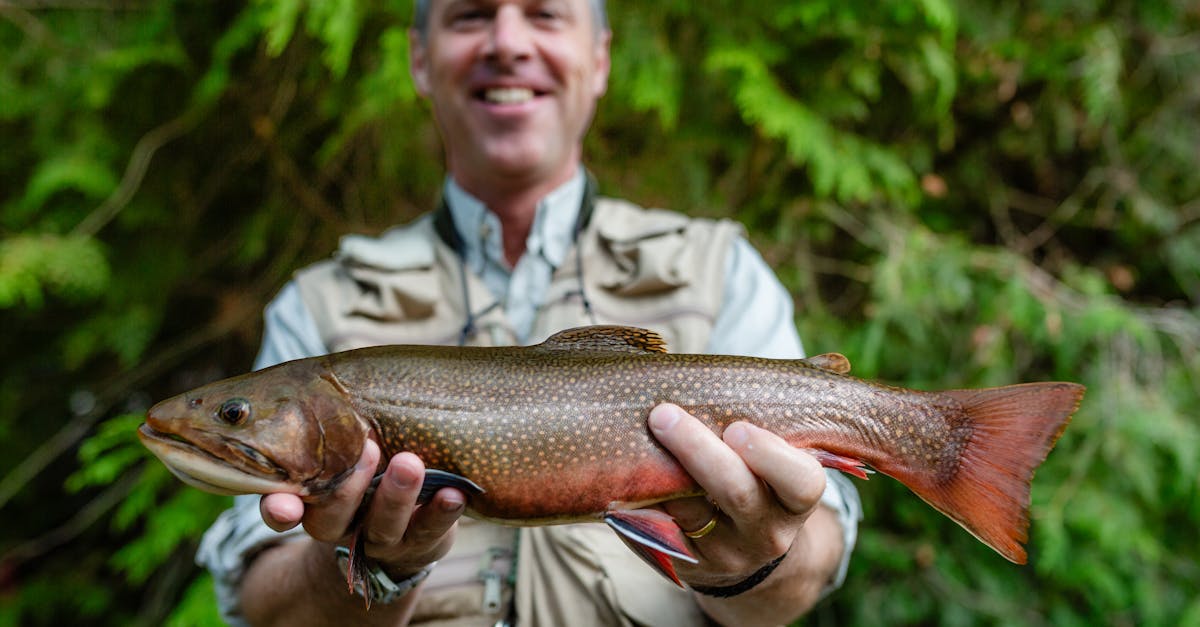
The brook trout is widely considered the most beautiful freshwater fish in North America, and catching one in a pristine Montana mountain stream is an experience that captures the essence of backcountry fly fishing. Despite their common name, brook trout are not true trout at all; they are a species of char (genus Salvelinus), more closely related to lake trout and Arctic char than to rainbows or browns. Native to eastern North America from Georgia to Hudson Bay, brook trout were among the first salmonids introduced to Montana's waters in the late 1800s and have since established self-sustaining populations in cold, high-elevation streams and lakes throughout the state. In Montana, brook trout thrive best in small, cold headwater streams and high mountain lakes where competition from larger trout species is minimal. In these environments, they are often the dominant, or only, salmonid present. The trade-off is size: Montana stream-dwelling brook trout typically range from 6 to 10 inches, with fish over 12 inches considered noteworthy in most waters. What they lack in size, however, they more than make up for in beauty and willingness to eat a fly. Brookies are aggressive feeders that will strike attractor dry flies, nymphs, and small streamers with enthusiasm, making them an ideal species for beginning fly anglers and a delightful quarry for anyone who appreciates small-stream fishing. Brook trout do present a conservation paradox in Montana. While they are a beloved and beautiful gamefish, they are non-native and can negatively impact native species, particularly Yellowstone and westslope cutthroat trout. In headwater streams, brook trout often outcompete cutthroats for food and spawning habitat due to their higher reproductive rate and earlier maturation. As a result, Montana FWP has implemented brook trout removal projects on some streams to restore native cutthroat populations. In many waters, liberal harvest limits for brook trout are encouraged to reduce their numbers and benefit native fish. Anglers can enjoy excellent brook trout fishing while actively helping conservation by keeping a few for the pan.
Landlocked Atlantic Salmon
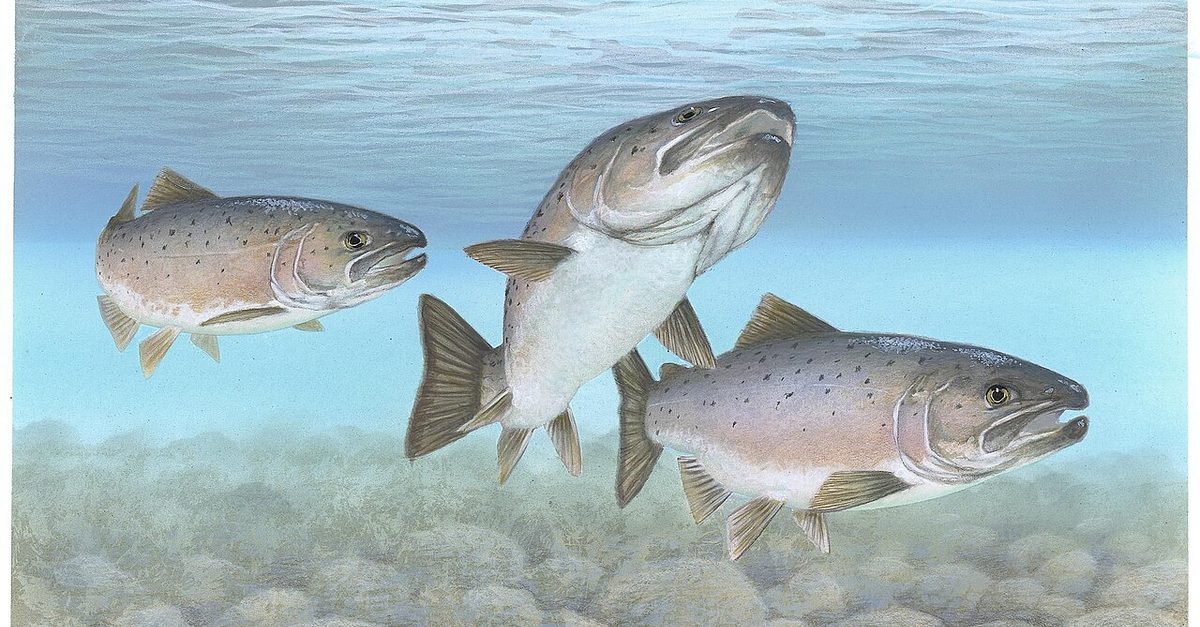
The landlocked Atlantic salmon is one of New England's most prized gamefish, a freshwater-resident form of the Atlantic salmon that spends its entire life in lakes and rivers rather than migrating to the ocean. Found primarily in the lakes and rivers of Maine, New Hampshire, Vermont, and New York, landlocked salmon are genetically identical to their sea-run counterparts but have adapted to a completely freshwater life cycle, using large, cold lakes as their ocean substitute and tributary rivers as spawning habitat. Landlocked salmon are the signature gamefish of Maine's sporting camp tradition, where generations of anglers have gathered at remote wilderness lodges to fish for salmon in the Rangeley Lakes, Moosehead Lake, Sebago Lake, and the rivers that connect them. The fish combine the acrobatic fighting ability of their anadromous relatives with the accessibility of a freshwater species, leaping repeatedly when hooked and running with the kind of power and endurance that makes them one of the most exciting fish available on a fly rod in the northeastern United States. In rivers, landlocked salmon behave much like large resident trout, holding in classic lies and feeding on aquatic insects during hatches. They are particularly responsive to caddis and mayfly emergers, and the sight of a 3-pound landlocked salmon rising to a dry fly in a New England river is one of the defining experiences of northeastern fly fishing. In lakes, salmon are targeted with streamers that imitate smelt, their primary forage fish, trolled or cast from boats during the spring and fall when salmon cruise near the surface in cold-water conditions.
Moose River (Jackman) Hatch Chart
| Insect | Suggested Fly | Jan | Feb | Mar | Apr | May | Jun | Jul | Aug | Sep | Oct | Nov | Dec |
|---|---|---|---|---|---|---|---|---|---|---|---|---|---|
Blue-Winged Olive (Baetis) Afternoon | BWO Emerger | ||||||||||||
Hendrickson (Ephemerella subvaria) Afternoon | PMD Comparadun | ||||||||||||
Caddisfly (multiple species) Evening | Elk Hair Caddis | ||||||||||||
Stonefly (multiple species) All day (nymphs) | Pat's Rubber Legs | ||||||||||||
Terrestrials (ants, beetles) Afternoon | Chubby Chernobyl | ||||||||||||
Smelt (baitfish) All day | Woolly Bugger | ||||||||||||
Blue-Winged Olive (fall) Afternoon | BWO Emerger |
Blue-Winged Olive (Baetis): BWO hatches on overcast afternoons. Size 18-20 BWO Emergers.
Hendrickson (Ephemerella subvaria): Late May through early June. PMD Comparadun sizes 12-14 as a Hendrickson match.
Caddisfly (multiple species): Good caddis emergences in the tailwater section. Elk Hair Caddis sizes 14-16.
Stonefly (multiple species): Stonefly nymphs in the faster runs. Pat's Rubber Legs sizes 8-10.
Terrestrials (ants, beetles): Terrestrials along forested banks. Chubby Chernobyl sizes 10-12.
Smelt (baitfish): Smelt runs from Brassua Lake trigger salmon feeding. Woolly Buggers sizes 4-8.
Blue-Winged Olive (fall): Fall BWO hatches in September and October.
Recommended Flies
Elk Hair Caddis
Top PickElk Hair Caddis in sizes 14-16 for evening caddis emergences in the tailwater.
Best in summer
Woolly Bugger
Top PickWoolly Bugger in sizes 4-8 for smelt-run salmon below Brassua Lake dam.
Best in spring
BWO Emerger
Top PickBWO Emerger in sizes 18-20 during spring and fall Blue-Winged Olive hatches.
Best in spring
Chubby Chernobyl
Top PickChubby Chernobyl in sizes 10-12 as a terrestrial/attractor pattern along forested banks.
Best in summer
Pat's Rubber Legs
Top PickPat's Rubber Legs in sizes 8-10 for stonefly nymphs in the faster runs.
Best in spring
Access Points & Boat Launches
Brassua Lake Dam Outlet
Wade AccessModerateAccess below the outlet dam at Brassua Lake. The mile of river immediately below the dam is the most productive section of the Moose River, with cold tailwater supporting excellent brook trout and salmon fishing.
Jackman Village Access
Wade AccessEasyAccess from the village of Jackman to the upper Moose River. Several bridge crossings in the Jackman area provide walk-in access to the main stem of the Moose River.
Regulations
Regulations
General law trout fishing with some special regulations below Brassua Lake dam. Check Maine Department of Inland Fisheries and Wildlife for current rules. Maine fishing license required. Access to headwater streams may require permission to cross private timber company land.
Always verify current regulations with Montana Fish, Wildlife & Parks before fishing.
Some links may earn a commission. Learn more
Quick Facts
- Region
- Northwestern Maine / Somerset County
- Water Type
- Freestone (tailwater below Brassua Lake dam)
- River Length
- Approximately 50 miles from headwaters to Moosehead Lake; prime fly fishing in multiple sections totaling 15-20 miles
- Difficulty
- Beginner-Intermediate
- Best Seasons
- spring, summer, fall
- Trout Per Mile
- 150-400 depending on section; highest densities below Brassua Lake dam
- Record Trout
- Brook trout exceeding 16 inches below Brassua dam; landlocked salmon over 18 inches; headwater brook trout typically 6-10 inches
- Species
- Brook Trout, Landlocked Atlantic Salmon
Nearby Rivers
Upper Kennebec River
Western Maine / Somerset County
West Branch Penobscot River
North-Central Maine / Piscataquis County
Rapid River
Western Maine / Oxford County
Kennebago River
Western Maine / Franklin County
Magalloway River
Western Maine / Oxford County
Roach River
North-Central Maine / Piscataquis County
Grand Lake Stream
Downeast Maine / Washington County
Crooked River
Southern Maine / Cumberland and Oxford Counties
East Outlet of the Kennebec River
North-Central Maine / Piscataquis County