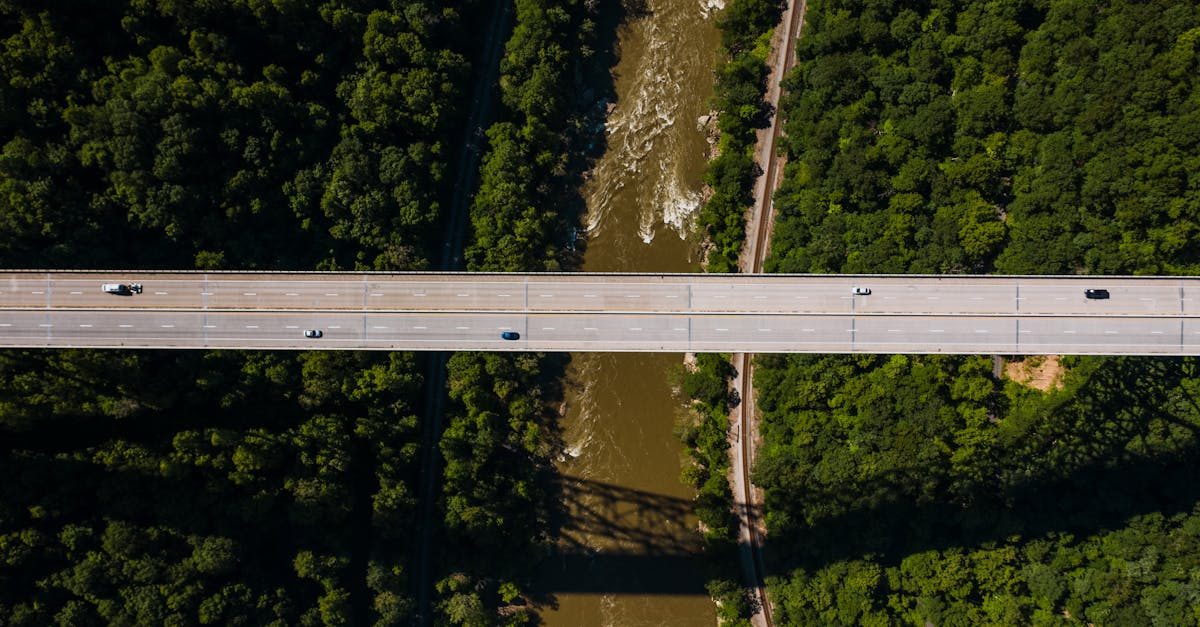
Upper Kennebec River
The Upper Kennebec River below Harris Dam is one of Maine's premier trophy trout fisheries, producing remarkable brown trout, rainbow trout, brook trout, and landlocked salmon in the dramatic gorge section near The Forks. Cold tailwater releases from Harris Station create year-round habitat for large, powerful fish in a remote wilderness setting that rivals any trout river in the Northeast.
Upper Kennebec River Fishing Report & Current Conditions
The Upper Kennebec River is a tailwater fishery, and it fishes best in spring, summer and fall. Live USGS streamflow readings update throughout the day, while the monthly median flows below map the river's typical discharge across the year. Together they show current fishability and how today's water compares to the seasonal norm.
Current Conditions
Typical Monthly Flows
Historical median discharge (CFS) by month: Upper Kennebec River
Overview
The Upper Kennebec River begins its most productive stretch at the Harris Station hydroelectric dam on Indian Pond and flows south through a steep, remote gorge before reaching the village of The Forks. This tailwater section provides some of the finest cold-water trout fishing in New England, with consistent water temperatures that support prolific insect hatches and trophy-class fish.
What sets the Upper Kennebec apart from other Maine rivers is its diversity of salmonid species. Wild brown trout, stocked rainbow trout, native brook trout, and landlocked Atlantic salmon all inhabit these waters, giving anglers the chance to encounter any of four prized species on a single outing. Brown trout exceeding 20 inches are caught each season, and brook trout in the 14 to 18-inch range are not uncommon in the gorge section.
The river's character changes dramatically along its course. The gorge section immediately below Harris Dam is deep, fast, and powerful, with massive boulders creating holding water for large fish. Access here is limited and the terrain is challenging, but the rewards are substantial. Below the gorge, the river opens up as it approaches The Forks, becoming more wadeable with classic riffle-run-pool sequences that are easier to fish.
One critical factor that shapes fishing on the Upper Kennebec is the hydroelectric generation schedule at Harris Dam. Water levels fluctuate significantly based on power generation, and anglers must plan their trips around release schedules. Early morning and late evening typically offer the lowest, most fishable water levels. Rising water from dam releases can be dangerous, and anglers should always be aware of changing conditions.
The surrounding landscape is quintessential northern Maine wilderness: dense spruce-fir forest, steep hillsides, and minimal development. The area around The Forks is also famous for whitewater rafting, and the combination of outdoor recreation opportunities makes this a popular destination for adventurous anglers.
Water Characteristics
The Upper Kennebec is a classic tailwater fishery with cold, clear water released from the bottom of Indian Pond through Harris Station. Water temperatures remain remarkably stable throughout the summer, typically ranging from 50 to 60 degrees F, creating ideal conditions for trout and salmon year-round.
The substrate in the gorge section consists of massive boulders, bedrock ledges, and pockets of gravel and cobble. This structure creates deep pools, powerful runs, and complex current seams that hold large fish. Below the gorge, the river transitions to a more typical freestone character with gravel and cobble substrate and classic riffle-run-pool sequences.
The insect community is diverse and prolific, supported by the stable water temperatures. Blue-Winged Olives, Hendricksons, caddisflies (multiple species), stoneflies, and midges all hatch in good numbers. The cold water also supports healthy populations of sculpin and dace that serve as forage for larger brown trout and salmon.
Wading & Float Guide
The Upper Kennebec demands respect and experience from wading anglers. The gorge section below Harris Dam features powerful currents, deep pools, and a substrate of large boulders and bedrock that create challenging wading conditions even at low water. A wading staff is essential, and felt-soled or studded boots are strongly recommended.
Water levels fluctuate dramatically based on hydroelectric releases from Harris Dam. At low generation, the river can be waded in many spots with care. When the dam is generating at full capacity, the river rises quickly and becomes extremely dangerous. Anglers must always have an escape route to high ground and should never wade in the gorge during high water.
Below the gorge, the river widens and becomes more accessible. The stretch approaching The Forks offers moderate wading difficulty with a gravel and cobble bottom. Riffles and runs in this section can be comfortably waded during normal flows, though caution is still warranted due to the potential for rapid water level changes.
Below The Forks
The Upper Kennebec is primarily a wade-fishing river due to fluctuating dam releases. Float fishing is possible below The Forks in calmer sections, but requires careful attention to water levels and is best attempted with a knowledgeable local guide. The gorge section above The Forks is not suitable for float fishing.
Rod & Tackle Guide
Gorge section (Harris Dam to The Forks)
- Rod
- 9' 6-weight or 7-weight
- Line
- Weight-forward floating; sink-tip for streamer fishing
- Leader & Tippet
- 9' tapered to 3X or 4X for streamers and nymphs; 5X for dry flies
The big water and powerful fish of the gorge demand heavier tackle than typical trout streams. A 6-weight handles the deep nymphing and streamer work required here. Bring a wading staff and personal flotation device for safety.
Best Time to Fish the Upper Kennebec River
Spring
Spring fishing on the Upper Kennebec begins in earnest in late April as water temperatures climb into the mid-40s. Blue-Winged Olive hatches appear on overcast afternoons and can produce excellent dry fly fishing. Nymphing with stonefly patterns and Pheasant Tails is productive through May. Hendrickson hatches in May bring fish to the surface. Spring runoff from tributaries can muddy the water, but the tailwater from Harris Dam often remains clear. Focus on the gorge section for trophy brown trout early in the season.
Summer
Summer is prime time on the Upper Kennebec. The cold tailwater maintains ideal trout temperatures when other Maine rivers warm. Caddis hatches dominate from June through July, with excellent evening emergences. Stonefly activity peaks in June. Terrestrial patterns become effective along forested banks from mid-June onward. Fish early morning and late evening when dam releases are typically lowest. Nymphing deep runs and pools with beadhead patterns remains productive throughout summer.
Fall
Fall brings some of the year's best fishing on the Upper Kennebec. Landlocked salmon become increasingly active as they prepare for their spawning run. Brown trout also become aggressive in pre-spawn mode, making streamer fishing highly productive. Blue-Winged Olive hatches return in September and October. Swing streamers through deep runs and pools for trophy brown trout. The reduced angling pressure after Labor Day means more solitude in the gorge. Water temperatures remain excellent through October thanks to the dam-regulated flows.
Fishing Pressure & Local Tips
The Upper Kennebec receives moderate fishing pressure, concentrated during the summer months and particularly on weekends. The gorge section sees less pressure due to its difficult access and challenging wading conditions, rewarding anglers willing to make the effort with fewer competitors and larger fish.
The most accessible water near The Forks sees the heaviest pressure, especially from wading anglers who park along the road. Floating anglers are relatively rare due to the fluctuating water levels. Weekday fishing, particularly in May and September, offers the best chance for solitude. The river's reputation as a whitewater rafting destination brings many visitors to the area, but relatively few of them fish.
Local Knowledge
Success on the Upper Kennebec requires adapting to the dam release schedule. Check the Harris Station generation schedule before planning your trip, and plan to fish during low-water windows, typically early morning and late evening. Some anglers monitor the USGS gauge in real time to track water level changes.
For the gorge section, bring a wading staff and plan your entry and exit routes carefully before entering the water. The gorge rewards anglers who can reach its most remote pools, where trophy brown trout hold in deep, boulder-strewn water. Large stonefly nymphs (Pat's Rubber Legs, size 6-8) fished deep along the bottom are effective year-round.
Streamer fishing is highly productive, particularly in fall. Swing Woolly Buggers, Sculpzillas, and articulated streamers through deep runs on sinking-tip lines. For dry fly fishing, standard Parachute Adams and Elk Hair Caddis patterns in sizes 14-18 cover most hatches. Local guides at The Forks can provide up-to-date information on conditions and access.
Species Present
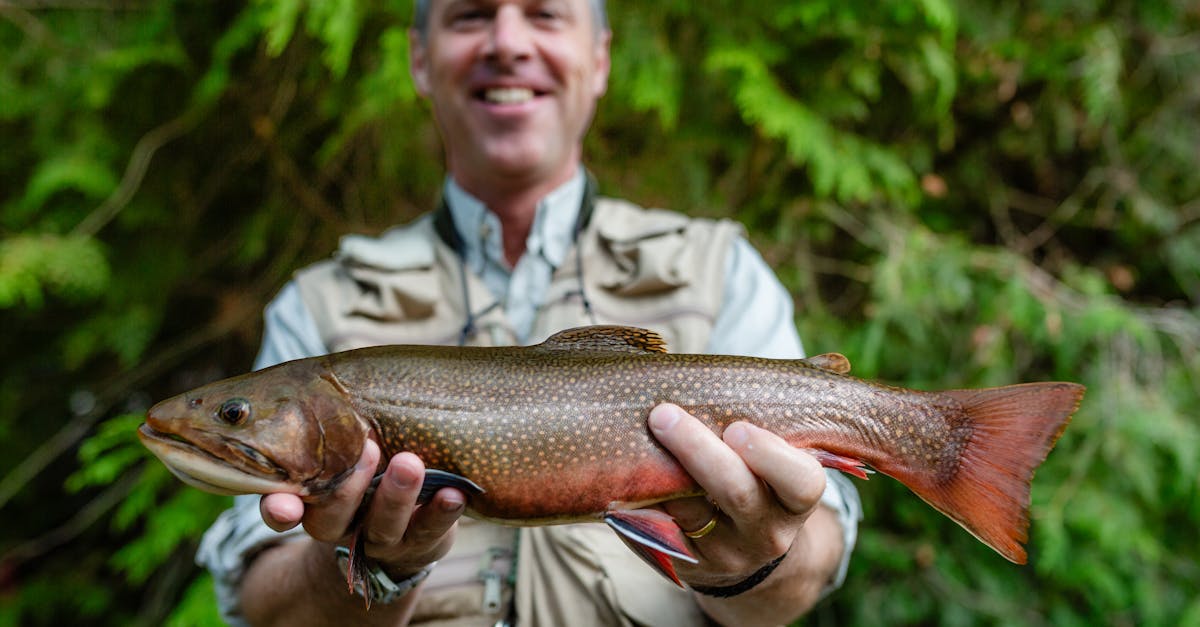
Brook Trout
The brook trout is widely considered the most beautiful freshwater fish in North America, and catching one in a pristine Montana mountain stream is an experience that captures the essence of backcountry fly fishing. Despite their common name, brook trout are not true trout at all; they are a species of char (genus Salvelinus), more closely related to lake trout and Arctic char than to rainbows or browns. Native to eastern North America from Georgia to Hudson Bay, brook trout were among the first salmonids introduced to Montana's waters in the late 1800s and have since established self-sustaining populations in cold, high-elevation streams and lakes throughout the state. In Montana, brook trout thrive best in small, cold headwater streams and high mountain lakes where competition from larger trout species is minimal. In these environments, they are often the dominant, or only, salmonid present. The trade-off is size: Montana stream-dwelling brook trout typically range from 6 to 10 inches, with fish over 12 inches considered noteworthy in most waters. What they lack in size, however, they more than make up for in beauty and willingness to eat a fly. Brookies are aggressive feeders that will strike attractor dry flies, nymphs, and small streamers with enthusiasm, making them an ideal species for beginning fly anglers and a delightful quarry for anyone who appreciates small-stream fishing. Brook trout do present a conservation paradox in Montana. While they are a beloved and beautiful gamefish, they are non-native and can negatively impact native species, particularly Yellowstone and westslope cutthroat trout. In headwater streams, brook trout often outcompete cutthroats for food and spawning habitat due to their higher reproductive rate and earlier maturation. As a result, Montana FWP has implemented brook trout removal projects on some streams to restore native cutthroat populations. In many waters, liberal harvest limits for brook trout are encouraged to reduce their numbers and benefit native fish. Anglers can enjoy excellent brook trout fishing while actively helping conservation by keeping a few for the pan.
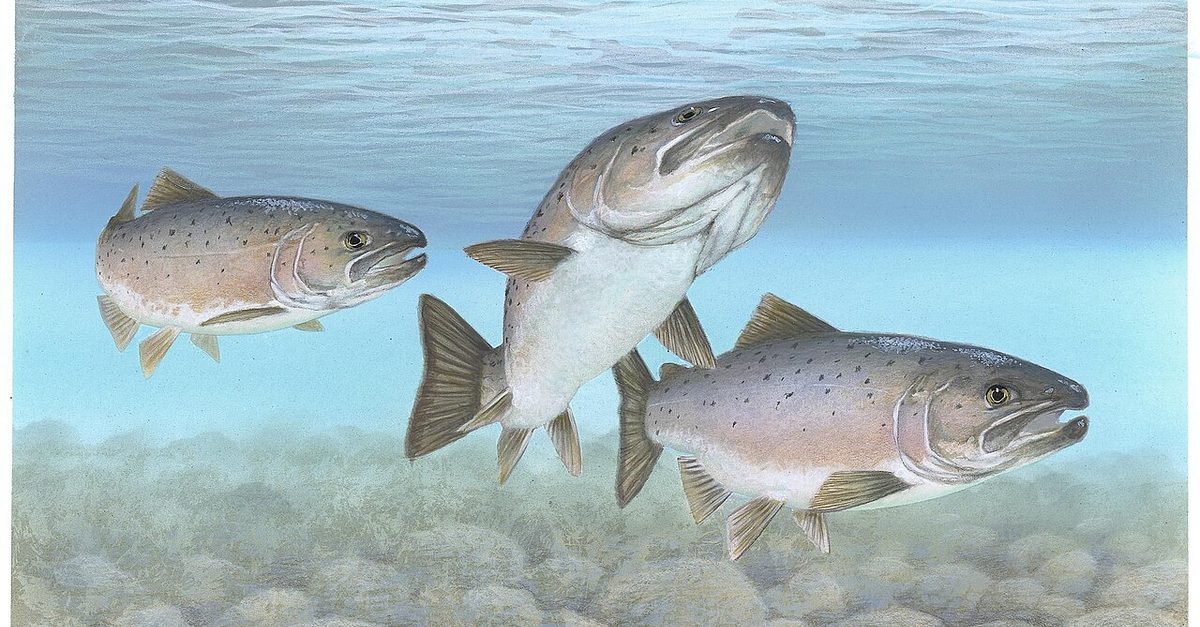
Landlocked Atlantic Salmon
The landlocked Atlantic salmon is one of New England's most prized gamefish, a freshwater-resident form of the Atlantic salmon that spends its entire life in lakes and rivers rather than migrating to the ocean. Found primarily in the lakes and rivers of Maine, New Hampshire, Vermont, and New York, landlocked salmon are genetically identical to their sea-run counterparts but have adapted to a completely freshwater life cycle, using large, cold lakes as their ocean substitute and tributary rivers as spawning habitat. Landlocked salmon are the signature gamefish of Maine's sporting camp tradition, where generations of anglers have gathered at remote wilderness lodges to fish for salmon in the Rangeley Lakes, Moosehead Lake, Sebago Lake, and the rivers that connect them. The fish combine the acrobatic fighting ability of their anadromous relatives with the accessibility of a freshwater species, leaping repeatedly when hooked and running with the kind of power and endurance that makes them one of the most exciting fish available on a fly rod in the northeastern United States. In rivers, landlocked salmon behave much like large resident trout, holding in classic lies and feeding on aquatic insects during hatches. They are particularly responsive to caddis and mayfly emergers, and the sight of a 3-pound landlocked salmon rising to a dry fly in a New England river is one of the defining experiences of northeastern fly fishing. In lakes, salmon are targeted with streamers that imitate smelt, their primary forage fish, trolled or cast from boats during the spring and fall when salmon cruise near the surface in cold-water conditions.
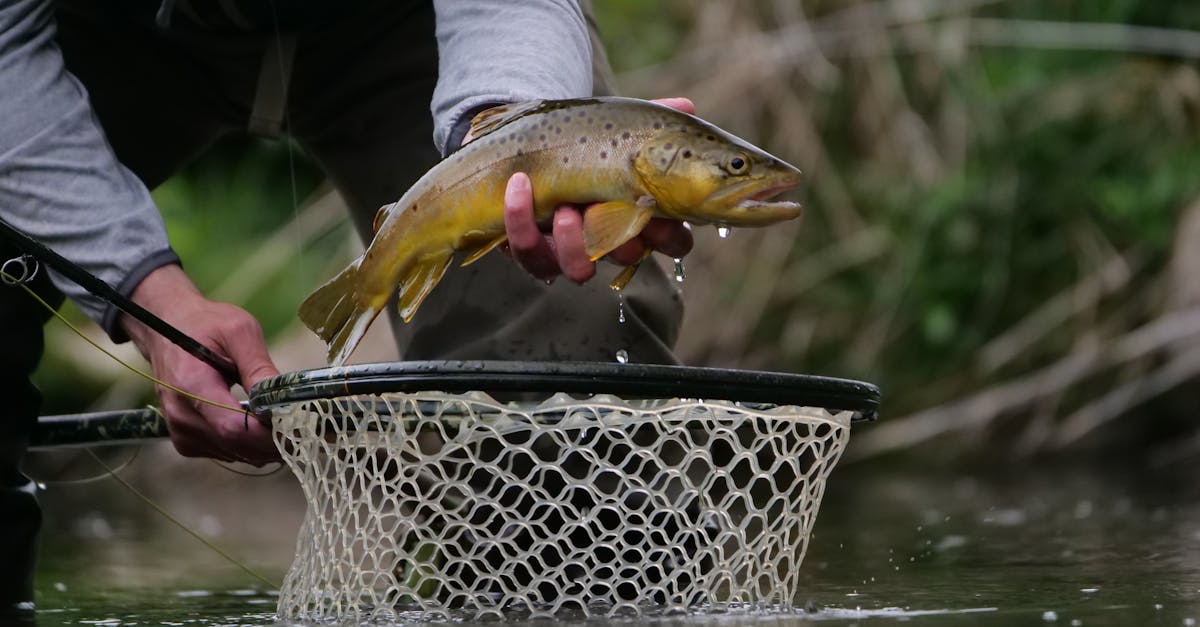
Brown Trout
The brown trout is the most cunning and elusive trout species swimming in Montana's rivers, and it rewards patient, skilled anglers with some of the state's most memorable catches. Originally native to Europe and western Asia, brown trout were first introduced to North American waters in 1883 and arrived in Montana shortly thereafter. They have since established robust, self-sustaining populations in virtually every major trout stream in the state, from the legendary spring creeks of the Paradise Valley to the sweeping runs of the lower Madison and the deep pools of the Bighorn. Brown trout grow larger than any other trout species in Montana, and fish exceeding 24 inches are caught with regularity on premium waters. The lower Madison River, the Missouri River below Holter Dam, and the Bighorn River are particularly renowned for producing trophy-class browns. Unlike rainbows, brown trout spawn in the fall (October through November), and their aggressive pre-spawn behavior creates an exciting window for streamer fishing as large males become territorial and attack anything that enters their domain. Browns are notably more nocturnal than other trout species, and many of the biggest fish are caught during low-light conditions. What sets brown trout apart from other species is their wariness and selectivity. Large browns are notoriously difficult to fool, often refusing flies that are even slightly off in size, color, or presentation. They tend to establish and defend prime feeding lies (undercut banks, logjams, deep pools, and boulder gardens), and an angler who learns to read water and identify these holding spots will consistently catch more and larger fish. This combination of difficulty, size potential, and intelligence makes the brown trout the most prized quarry for many serious Montana fly fishers.
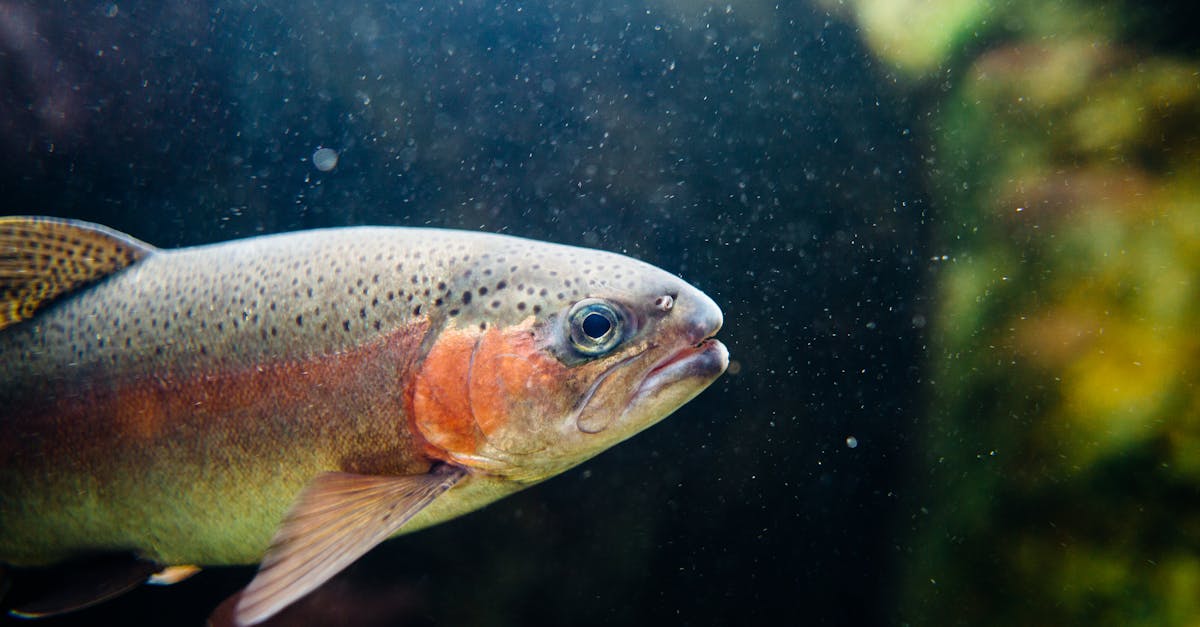
Rainbow Trout
The rainbow trout is Montana's most widespread and popular gamefish, celebrated for its explosive surface strikes, aerial acrobatics, and willingness to take a well-presented dry fly. Native to Pacific Coast drainages from Alaska to Mexico, rainbows were first introduced to Montana's waters in the late 1800s and have since established thriving populations in nearly every major river system in the state. On legendary waters like the Madison, Missouri, and Bighorn, wild rainbow trout grow fat on prolific insect hatches and provide some of the finest dry-fly fishing in North America. Rainbow trout in Montana display remarkable variation depending on their home water. Fish in nutrient-rich tailwaters like the Missouri River below Holter Dam can exceed 20 inches with regularity, their deep bodies and broad tails reflecting the abundant food supply. Freestone river rainbows, such as those in the upper Madison and Gallatin, tend to be leaner and more athletic, shaped by faster currents and colder water temperatures. In many Montana rivers, rainbows spawn in the spring from March through June, and anglers should be mindful of spawning redds during this period to protect future generations of fish. Rainbows are arguably the most versatile trout species for fly anglers. They respond well to dry flies during hatches, aggressively chase streamers, and feed heavily on nymphs subsurface throughout the year. Their fighting ability is legendary: a hooked rainbow will often launch itself completely out of the water multiple times during a battle. Montana's catch-and-release regulations on many blue-ribbon streams have produced exceptional rainbow trout fisheries with high densities of large, healthy fish that continue to draw anglers from around the world.
Upper Kennebec River Hatch Chart
| Insect | Suggested Fly | Jan | Feb | Mar | Apr | May | Jun | Jul | Aug | Sep | Oct | Nov | Dec |
|---|---|---|---|---|---|---|---|---|---|---|---|---|---|
Blue-Winged Olive (Baetis) Afternoon | BWO Emerger | ||||||||||||
Hendrickson (Ephemerella subvaria) Afternoon | Sparkle Dun | ||||||||||||
Caddisfly (multiple species) Evening | X-Caddis | ||||||||||||
Stonefly (Pteronarcys) All day (nymphs) | Pat's Rubber Legs | ||||||||||||
Caddis Emerger Evening | CDC Caddis Emerger | ||||||||||||
Blue-Winged Olive (fall) Afternoon | BWO Emerger | ||||||||||||
Midges (Chironomidae) Morning/Midday | Zebra Midge | ||||||||||||
Smelt (baitfish) All day | Woolly Bugger |
Blue-Winged Olive (Baetis): Overcast days produce best hatches. BWO emergers in size 18-20 fished in the film.
Hendrickson (Ephemerella subvaria): Reliable mid-May hatch. Sparkle Duns in size 12-14 work well during the emergence.
Caddisfly (multiple species): Prolific evening caddis emergences. X-Caddis in sizes 14-16 covers most species.
Stonefly (Pteronarcys): Large stonefly nymphs active along the bottom. Pat's Rubber Legs size 6-8 fished deep.
Caddis Emerger: CDC Caddis Emerger in size 14-16 during evening emergences in the gorge pools.
Blue-Winged Olive (fall): Fall BWO hatches return on overcast days. Size 18-20 BWO emergers.
Midges (Chironomidae): Year-round in the tailwater. Zebra Midge in sizes 18-22 fished near the bottom.
Smelt (baitfish): Spring smelt runs from Indian Pond. Woolly Buggers in black and olive stripped through pools.
Recommended Flies
Parachute Adams
Top PickParachute Adams in sizes 14-16 covers a range of mayfly hatches and works as a general searching pattern.
Best in summer
Pat's Rubber Legs
Top PickPat's Rubber Legs in size 6-8 fished deep in the gorge for stonefly-feeding brown trout.
Best in spring
Woolly Bugger
Top PickWoolly Buggers in black and olive, sizes 4-8, swung through deep runs for trophy brown trout and salmon.
Best in fall
BWO Emerger
Top PickBWO Emerger in size 18-20 during spring and fall Blue-Winged Olive hatches.
Best in spring
Sex Dungeon
Top PickSex Dungeon articulated streamer for trophy brown trout in the gorge pools.
Best in fall
Access Points & Boat Launches
Harris Station Dam Access
Wade AccessDifficultAccess point at Harris Station Dam on Indian Pond. The starting point for the gorge section, with a trail leading down to the river below the dam. Challenging terrain but rewards with access to the most productive trophy water.
The Forks Village Access
Wade AccessEasyPublic access at the village of The Forks where the Dead River meets the Kennebec. Easy walk to productive water below the gorge section with classic riffle-run-pool sequences.
Caratunk Bridge Access
Wade AccessModerateBridge crossing access south of The Forks providing walk-in wading access to the lower upper Kennebec. Good riffle and pool water accessible from the bridge parking area.
Regulations
Regulations
General law trout fishing with special regulations in some sections. Check Maine Department of Inland Fisheries and Wildlife for current rules on the Harris Dam to The Forks stretch. Maine fishing license required. Hydroelectric releases from Harris Dam cause dangerous water fluctuations; always check release schedules before wading.
Always verify current regulations with Montana Fish, Wildlife & Parks before fishing.
Some links may earn a commission. Learn more
Quick Facts
- Region
- Western Maine / Somerset County
- Water Type
- Tailwater
- River Length
- 15 miles from Harris Dam to Solon; premier section is 8 miles from dam to The Forks
- Difficulty
- Advanced
- Best Seasons
- spring, summer, fall
- Trout Per Mile
- 300-600 in the gorge section; mixed species including brown trout, brook trout, and landlocked salmon
- Record Trout
- Brown trout exceeding 24 inches documented; brook trout over 20 inches and 5 lbs reported in the gorge
- Species
- Brook Trout, Landlocked Atlantic Salmon, Brown Trout, Rainbow Trout
- USGS Gauge
- 01042500
Nearby Rivers
West Branch Penobscot River
North-Central Maine / Piscataquis County
Rapid River
Western Maine / Oxford County
Kennebago River
Western Maine / Franklin County
Magalloway River
Western Maine / Oxford County
Roach River
North-Central Maine / Piscataquis County
Grand Lake Stream
Downeast Maine / Washington County
Crooked River
Southern Maine / Cumberland and Oxford Counties
Moose River (Jackman)
Northwestern Maine / Somerset County
East Outlet of the Kennebec River
North-Central Maine / Piscataquis County