Rapid River
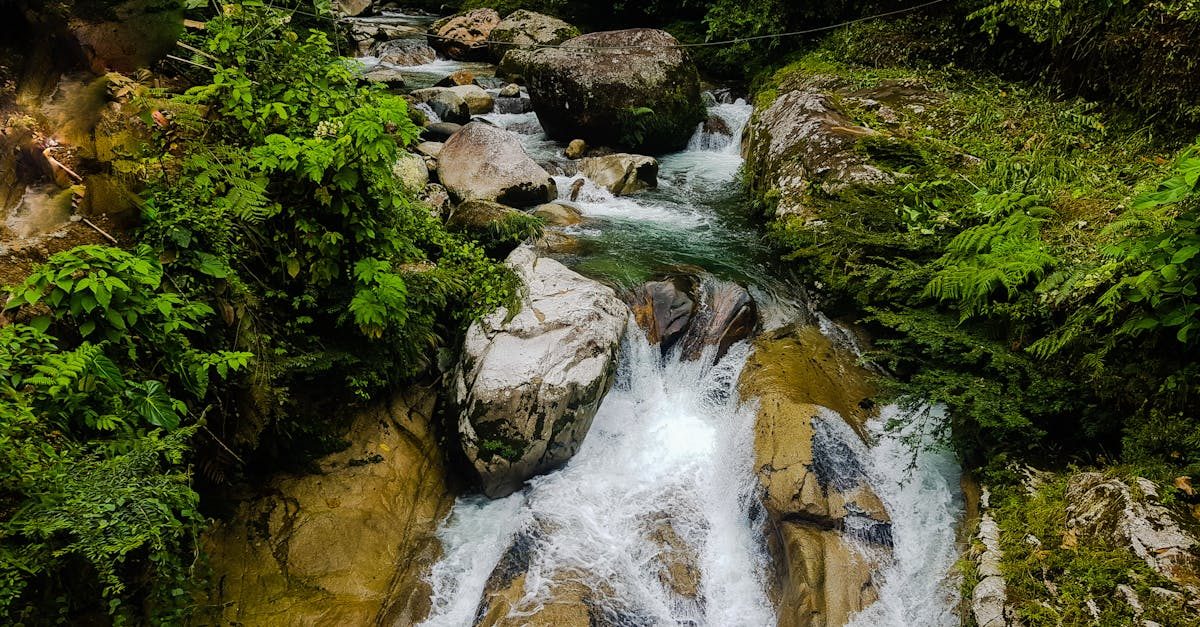
The Rapid River is widely regarded as the premier wild brook trout fishery in the United States, where native brookies averaging 4 pounds inhabit a short but dramatic stretch of river connecting Lower Richardson Lake to Lake Umbagog. Fly fishing only with barbless hooks, this catch-and-release treasure in Maine's Great North Woods produces trophy wild brook trout that rival anything found in the Lower 48.
Overview
The Rapid River flows just 3.5 miles from the outlet of Lower Richardson Lake to Lake Umbagog, but in that short distance the river drops over 100 feet, creating a brisk, oxygenated flow that produces some of the largest wild brook trout found anywhere in their native range south of Canada. Brook trout averaging 4 pounds inhabit these waters, with fish exceeding 5 pounds caught each season.
The river's name is apt: the Rapid River is a fast, powerful stream that tumbles over boulders and ledges in a continuous series of rapids, pools, and runs. The cold, nutrient-rich water flowing from the Richardson Lakes creates ideal growing conditions for brook trout and landlocked Atlantic salmon. The combination of abundant food (smelt, sculpin, crayfish, and prolific insect hatches), cold water temperatures, and strict regulations has produced a fishery of extraordinary quality.
The Rapid River has been managed as a trophy brook trout fishery for decades. Regulations require fly fishing only with barbless hooks, and all brook trout must be released immediately. This conservation-minded approach has allowed the brook trout population to thrive, producing fish that reach sizes rarely seen in stream-dwelling populations elsewhere in the species' native range.
Access to the Rapid River requires effort. The most common approach is by boat across Lower Richardson Lake to the river's outlet, or by walking a trail from the Middle Dam area. Several historic sporting camps, including Lakewood Camps at Middle Dam, have provided access and lodging for over a century. The remote setting, surrounded by old-growth spruce and hardwood forest, adds immeasurably to the fishing experience.
The river fishes differently than most brook trout streams. The fish are large and powerful, living in fast, heavy water that demands strong tackle and skilled casting. Anglers accustomed to small-stream brook trout fishing will find the Rapid River a revelation: these are fish that fight like small salmon and require patience and finesse to land.
Water Characteristics
The Rapid River carries cold, clean water from the Richardson Lakes chain, maintaining temperatures in the 50 to 62 degree F range throughout the summer. This consistent cold water is the foundation of the trophy brook trout fishery, providing optimal growing conditions year-round.
The river has a steep gradient, dropping over 100 feet in its 3.5-mile course. This creates a riverbed of large boulders, bedrock ledges, and gravel pockets interspersed with deep pools and powerful runs. The water is highly oxygenated due to the constant turbulence, supporting dense insect populations and healthy fish growth rates.
The insect community is diverse and abundant. Mayflies (Blue-Winged Olives, Hendricksons), caddisflies, stoneflies, and midges all hatch in good numbers. The cold, clean water also supports excellent populations of smelt (which run up from the lake in spring), sculpin, and crayfish that provide high-calorie forage for the large brook trout.
Wading & Float Guide
The Rapid River presents challenging wading conditions due to its steep gradient, powerful current, and boulder-strewn riverbed. The river drops over 100 feet in 3.5 miles, creating fast, turbulent water that demands experienced wading skills and appropriate safety precautions.
The substrate consists of large boulders, bedrock ledges, and gravel pockets. Many of the best pools are formed by large rock formations that create deep, swirling eddies. Footing is often slippery due to algae growth on rocks in the faster sections. Felt-soled boots with studs and a wading staff are essential equipment.
Despite the challenging conditions, many productive pools and runs can be fished from the bank or by wading the edges. The river is narrow enough (30 to 60 feet wide) that most water can be reached with moderate casts from accessible positions. The key is to identify safe wading routes and avoid attempting to cross the river in the deeper, faster sections.
Not applicable
The Rapid River is not suitable for float fishing due to its steep gradient, numerous rapids, and short length. All fishing is done by wading or from the bank. Access is primarily by boat across Lower Richardson Lake to the river outlet or by walking trails from Middle Dam.
Rod & Tackle Guide
Rapid River (all sections)
- Rod
- 9' 5-weight or 6-weight
- Line
- Weight-forward floating; sink-tip for streamer fishing
- Leader & Tippet
- 9' tapered to 4X or 5X; barbless hooks required
A 5 or 6-weight rod handles the large brook trout and powerful current effectively. Barbless hooks are mandatory. Bring a quality landing net with a rubber bag to safely handle and release these trophy fish. A wading staff is essential.
Best Time to Fish the Rapid River
Spring
Spring on the Rapid River begins after ice-out on the Richardson Lakes, typically in early to mid-May. The smelt run from Lower Richardson Lake triggers aggressive feeding by both brook trout and landlocked salmon, making streamer fishing exceptionally productive. Ghost-style streamers, Woolly Buggers, and smelt imitations swung through the heads and tails of pools produce explosive strikes. As the water warms, mayfly and caddis hatches begin in late May, transitioning the fishing to nymphs and dry flies.
Summer
Summer fishing on the Rapid River can be excellent, with prolific caddis and mayfly hatches providing consistent surface activity. The cold water flowing from the Richardson Lakes keeps temperatures in the ideal range for brook trout even during the warmest weather. Terrestrial patterns (ants, beetles) become effective along the forested banks from late June through August. Fish the deeper pools and shaded runs during midday heat. Nymphing with beadhead patterns through the faster runs is productive throughout the day.
Fall
Fall is considered the premier season on the Rapid River, particularly September when the brook trout are at their most active and colorful. The fish feed heavily in preparation for the October spawning season, and they become increasingly willing to chase streamers and strike large dry flies. Blue-Winged Olive hatches return in September and October. As spawning approaches, be mindful of redds (gravel nesting areas) and avoid walking through shallow gravel sections where fish are preparing to spawn. Fall foliage in the surrounding forest creates a spectacular setting.
Fishing Pressure & Local Tips
The Rapid River receives moderate to heavy fishing pressure during peak season, particularly in September when brook trout fishing is at its best. The river's reputation as a world-class brook trout fishery attracts dedicated anglers from across the Northeast and beyond.
However, the effort required to reach the river (boat access across Richardson Lake or a walk from Middle Dam) naturally limits the number of anglers on any given day. The strict barbless, fly-only, catch-and-release regulations for brook trout also filter the fishing crowd to more experienced, conservation-minded anglers. Weekday visits and early/late season trips offer the best chance for solitude.
Local Knowledge
The Rapid River demands a different approach than typical brook trout fishing. These are large, powerful fish living in fast water, and they require heavier tackle and more robust techniques than small-stream brookies. Use 4X or 5X tippet rather than the lighter tippet you might use on a small stream, and be prepared for strong runs when a big brook trout takes.
Streamer fishing is the most productive method during the smelt run in spring. Swing Grey Ghosts, Black-Nosed Dace, and Woolly Buggers through the pools and runs. During summer and fall, nymphing with stonefly patterns and beadhead Pheasant Tails in the faster water, and fishing dry flies over rising fish in the pools, covers most situations.
Book a stay at one of the historic sporting camps (Lakewood Camps at Middle Dam is the most well-known) for convenient access and local knowledge. The camps have been hosting anglers for over a century and their guides know every pool and lie on the river.
Species Present
Brook Trout
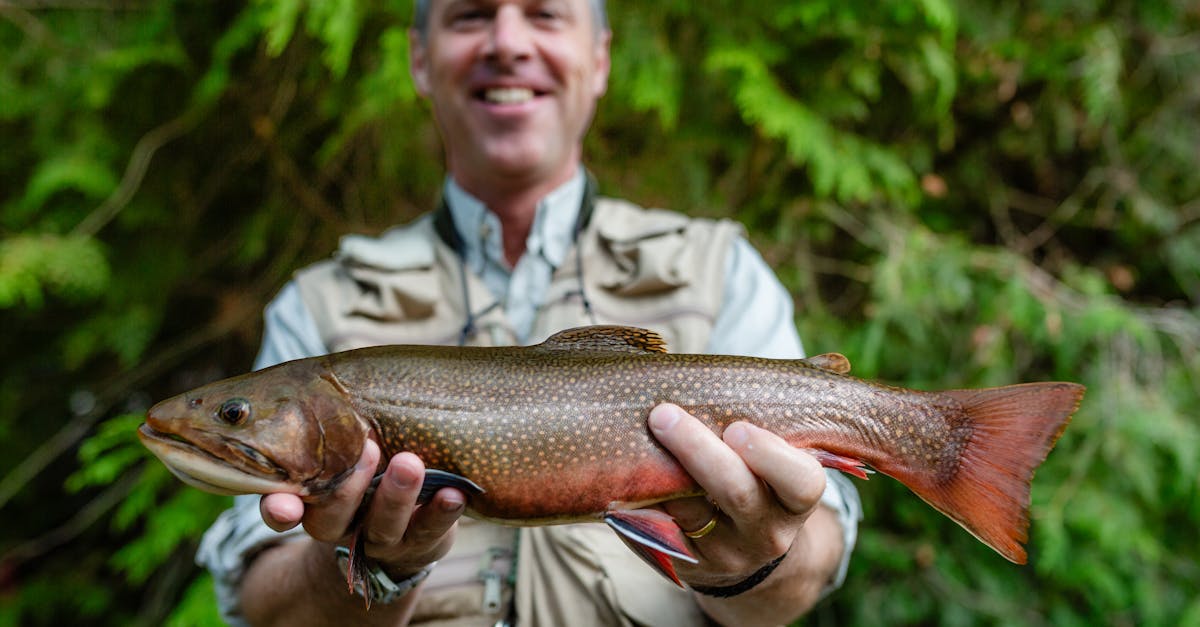
The brook trout is widely considered the most beautiful freshwater fish in North America, and catching one in a pristine Montana mountain stream is an experience that captures the essence of backcountry fly fishing. Despite their common name, brook trout are not true trout at all; they are a species of char (genus Salvelinus), more closely related to lake trout and Arctic char than to rainbows or browns. Native to eastern North America from Georgia to Hudson Bay, brook trout were among the first salmonids introduced to Montana's waters in the late 1800s and have since established self-sustaining populations in cold, high-elevation streams and lakes throughout the state. In Montana, brook trout thrive best in small, cold headwater streams and high mountain lakes where competition from larger trout species is minimal. In these environments, they are often the dominant, or only, salmonid present. The trade-off is size: Montana stream-dwelling brook trout typically range from 6 to 10 inches, with fish over 12 inches considered noteworthy in most waters. What they lack in size, however, they more than make up for in beauty and willingness to eat a fly. Brookies are aggressive feeders that will strike attractor dry flies, nymphs, and small streamers with enthusiasm, making them an ideal species for beginning fly anglers and a delightful quarry for anyone who appreciates small-stream fishing. Brook trout do present a conservation paradox in Montana. While they are a beloved and beautiful gamefish, they are non-native and can negatively impact native species, particularly Yellowstone and westslope cutthroat trout. In headwater streams, brook trout often outcompete cutthroats for food and spawning habitat due to their higher reproductive rate and earlier maturation. As a result, Montana FWP has implemented brook trout removal projects on some streams to restore native cutthroat populations. In many waters, liberal harvest limits for brook trout are encouraged to reduce their numbers and benefit native fish. Anglers can enjoy excellent brook trout fishing while actively helping conservation by keeping a few for the pan.
Landlocked Atlantic Salmon
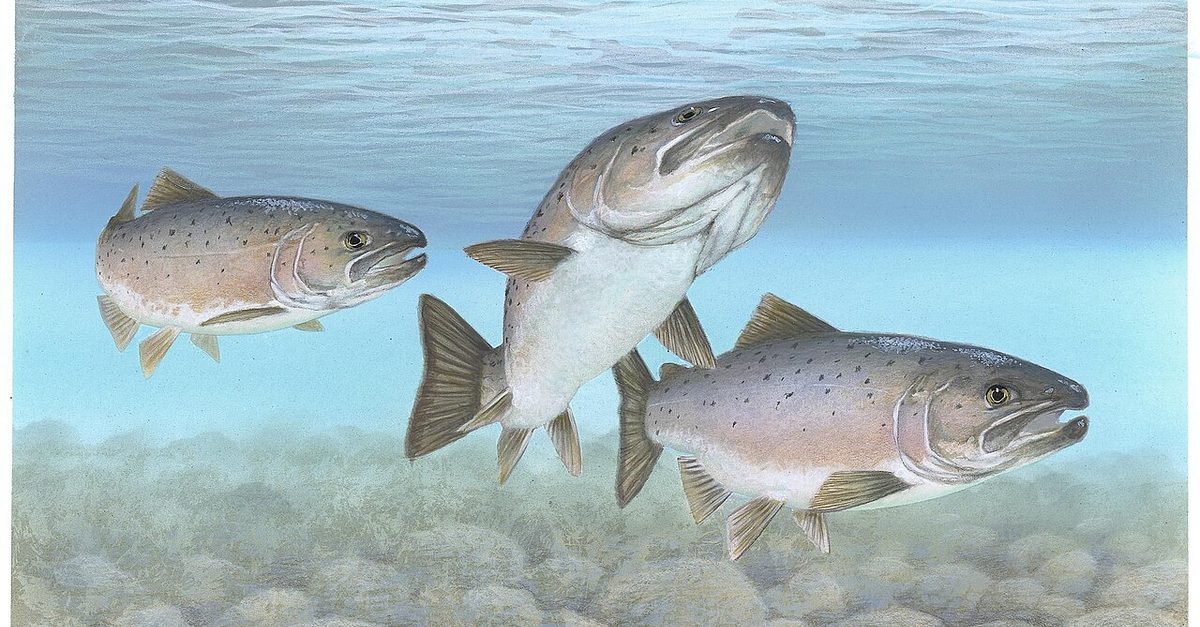
The landlocked Atlantic salmon is one of New England's most prized gamefish, a freshwater-resident form of the Atlantic salmon that spends its entire life in lakes and rivers rather than migrating to the ocean. Found primarily in the lakes and rivers of Maine, New Hampshire, Vermont, and New York, landlocked salmon are genetically identical to their sea-run counterparts but have adapted to a completely freshwater life cycle, using large, cold lakes as their ocean substitute and tributary rivers as spawning habitat. Landlocked salmon are the signature gamefish of Maine's sporting camp tradition, where generations of anglers have gathered at remote wilderness lodges to fish for salmon in the Rangeley Lakes, Moosehead Lake, Sebago Lake, and the rivers that connect them. The fish combine the acrobatic fighting ability of their anadromous relatives with the accessibility of a freshwater species, leaping repeatedly when hooked and running with the kind of power and endurance that makes them one of the most exciting fish available on a fly rod in the northeastern United States. In rivers, landlocked salmon behave much like large resident trout, holding in classic lies and feeding on aquatic insects during hatches. They are particularly responsive to caddis and mayfly emergers, and the sight of a 3-pound landlocked salmon rising to a dry fly in a New England river is one of the defining experiences of northeastern fly fishing. In lakes, salmon are targeted with streamers that imitate smelt, their primary forage fish, trolled or cast from boats during the spring and fall when salmon cruise near the surface in cold-water conditions.
Rapid River Hatch Chart
| Insect | Suggested Fly | Jan | Feb | Mar | Apr | May | Jun | Jul | Aug | Sep | Oct | Nov | Dec |
|---|---|---|---|---|---|---|---|---|---|---|---|---|---|
Smelt (baitfish - spring run) All day | Woolly Bugger | ||||||||||||
Blue-Winged Olive (Baetis) Afternoon | BWO Emerger | ||||||||||||
Hendrickson (Ephemerella subvaria) Afternoon | Sparkle Dun | ||||||||||||
Caddisfly (multiple species) Evening | X-Caddis | ||||||||||||
Stonefly nymphs All day (nymphs) | Pat's Rubber Legs | ||||||||||||
Terrestrials (ants, beetles) Afternoon | Parachute Adams | ||||||||||||
Blue-Winged Olive (fall) Afternoon | BWO Emerger |
Smelt (baitfish - spring run): Smelt run from Richardson Lake triggers aggressive feeding. Woolly Buggers in sizes 4-8.
Blue-Winged Olive (Baetis): BWO emergences in the pools. Size 18-20 BWO Emergers on overcast days.
Hendrickson (Ephemerella subvaria): Late May through June. Sparkle Duns in size 12-14.
Caddisfly (multiple species): Good caddis emergences in the pools. X-Caddis in sizes 14-16.
Stonefly nymphs: Stonefly nymphs are key forage. Pat's Rubber Legs sizes 6-10 fished deep in fast water.
Terrestrials (ants, beetles): Terrestrial patterns along forested banks. Parachute Adams in size 14-16 as a searching pattern.
Blue-Winged Olive (fall): Fall BWO hatches produce the best dry fly fishing of the autumn season.
Recommended Flies
Woolly Bugger
Top PickWoolly Bugger in sizes 4-8 for smelt-run brook trout and salmon. Essential spring pattern.
Best in spring
Pat's Rubber Legs
Top PickPat's Rubber Legs in sizes 6-10 fished deep in the fast water for large brook trout.
Best in summer
BWO Emerger
Top PickBWO Emerger in sizes 18-20 during fall Blue-Winged Olive hatches.
Best in fall
X-Caddis
Top PickX-Caddis in sizes 14-16 during summer caddis emergences.
Best in summer
Parachute Adams
Top PickParachute Adams in sizes 14-16 as a versatile searching pattern for brook trout.
Best in summer
Access Points & Boat Launches
Middle Dam / Lakewood Camps
Wade AccessModeratePrimary access to the Rapid River via the historic Lakewood Camps at Middle Dam. Boat access across Lower Richardson Lake or walk-in from the dam area. The upper river pools are within walking distance.
Pond in the River Access
Wade AccessModerateAccess to the lower section of the Rapid River near the pond-like widening known as Pond in the River. Trail access from the Middle Dam road. Good fishing in the pools above and below this section.
Regulations
Regulations
Fly fishing only with barbless hooks. All brook trout must be released alive immediately. Landlocked salmon: 3 fish daily limit, minimum 12 inches. Open season varies; check Maine Department of Inland Fisheries and Wildlife for current dates and restrictions. Maine fishing license required.
Always verify current regulations with Montana Fish, Wildlife & Parks before fishing.
Some links may earn a commission. Learn more
Quick Facts
- Region
- Western Maine / Oxford County
- Water Type
- Freestone
- River Length
- 3.5 miles from Lower Richardson Lake to Lake Umbagog
- Difficulty
- Intermediate-Advanced
- Best Seasons
- spring, summer, fall
- Trout Per Mile
- High density of trophy-class brook trout; exact numbers protected but among the highest concentrations of large wild brookies in the Lower 48
- Record Trout
- Brook trout exceeding 5 lbs documented; fish averaging 4 lbs with specimens over 20 inches caught annually
- Species
- Brook Trout, Landlocked Atlantic Salmon
Nearby Rivers
Upper Kennebec River
Western Maine / Somerset County
West Branch Penobscot River
North-Central Maine / Piscataquis County
Kennebago River
Western Maine / Franklin County
Magalloway River
Western Maine / Oxford County
Roach River
North-Central Maine / Piscataquis County
Grand Lake Stream
Downeast Maine / Washington County
Crooked River
Southern Maine / Cumberland and Oxford Counties
Moose River (Jackman)
Northwestern Maine / Somerset County
East Outlet of the Kennebec River
North-Central Maine / Piscataquis County