Little Juniata River
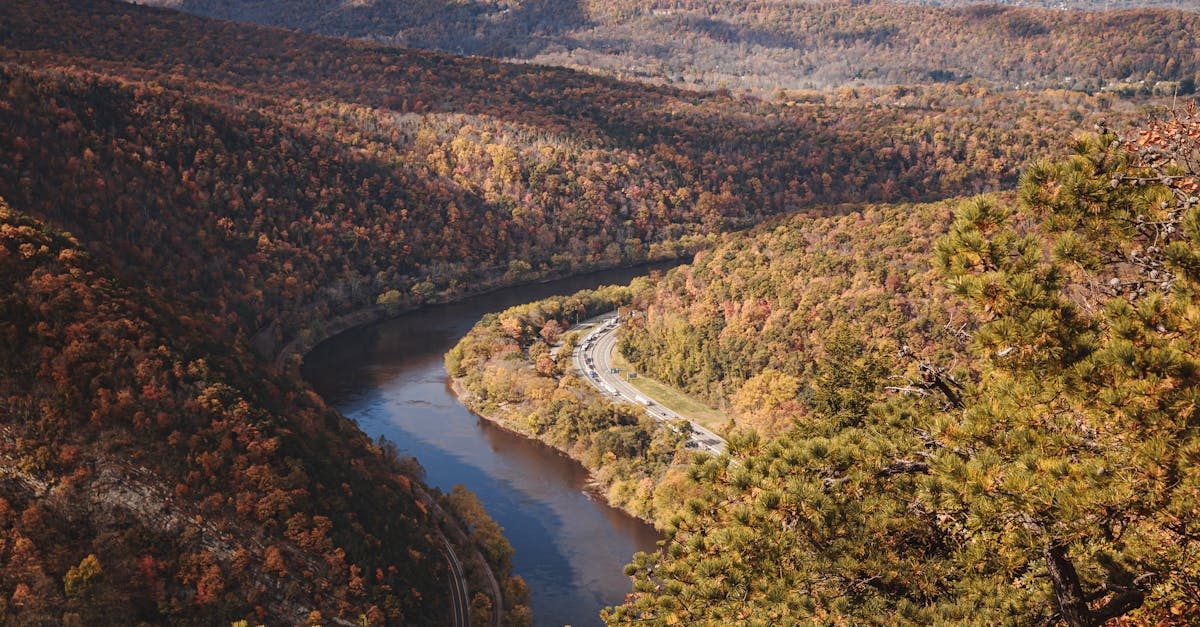
The Little Juniata River is a productive limestone-enriched freestone river flowing through the scenic Allegheny Mountains of central Pennsylvania. Known for excellent wild brown trout populations, diverse hatches, and beautiful pocket water, the Little J offers accessible fishing with less pressure than more famous Pennsylvania streams.
Little Juniata River Fishing Report & Current Conditions
The Little Juniata River is a limestone freestone fishery, and it fishes best in spring, summer and fall. Live USGS streamflow readings update throughout the day, while the monthly median flows below map the river's typical discharge across the year. Together they show current fishability and how today's water compares to the seasonal norm.
Current Conditions
Typical Monthly Flows
Historical median discharge (CFS) by month: Little Juniata River
Overview
The Little Juniata River flows approximately 30 miles through Blair and Huntingdon counties in central Pennsylvania before joining the Juniata River near Petersburg. Born from several mountain tributaries including Spruce Creek, the Little Juniata combines freestone character with limestone influence to create a fertile, productive trout stream.
The river ranges from 40-70 feet wide through most of its fishable length, flowing through a scenic valley flanked by wooded mountains. The water character includes classic riffle-run-pool structure, pocket water around boulders, deep undercut banks, and occasional limestone ledges. Wild brown trout are the dominant species, with fish averaging 8-12 inches and occasional specimens exceeding 18 inches in the deeper pools and runs.
Several sections of the Little Juniata offer quality fishing. The water below the Spruce Creek confluence benefits from the cold, limestone-enriched water flowing from Spruce Creek, maintaining cooler temperatures even during summer heat. State Route 453 parallels much of the river, providing good roadside access at numerous pulloffs. Pennsylvania State Game Lands provide additional public access.
The Little Juniata supports excellent hatches including Sulphurs, Blue Winged Olives, March Browns, and Tricos, along with strong caddis and terrestrial fishing. While not as technical or challenging as Spring Creek, the Little J rewards good presentation and stream craft with consistent action for wild brown trout.
Water Characteristics
The Little Juniata River combines freestone character with limestone enrichment from tributaries like Spruce Creek and underground springs. Water clarity is generally good (3-5 feet of visibility) during normal flows, though the river can color after heavy rains. The limestone influence moderates temperature swings and supports good insect productivity.
The river substrate is predominantly gravel and cobble with occasional limestone ledges and larger boulders creating diverse habitat. Water temperatures remain in suitable trout range through most of the season, though summer heat can stress fish in lower sections during prolonged hot spells. The cooler water from Spruce Creek provides important thermal refuge.
The wild brown trout population is self-sustaining with natural reproduction occurring throughout the system. The insect community includes mayflies (Sulphurs, Blue Winged Olives, Hendricksons, March Browns, Tricos), caddisflies, stoneflies, and terrestrials. Scuds and sowbugs are present in areas with limestone influence.
Wading & Float Guide
The Little Juniata offers generally comfortable wading for anglers of moderate experience. The river bottom is composed of gravel, cobble, and occasional larger boulders with moderate current. During normal summer flows (150-300 cfs), most of the river can be waded confidently with depths ranging from knee-deep in riffles to chest-deep in pools.
Felt-soled boots or studded wading boots are recommended for secure footing on the cobble bottom. The river can rise quickly after heavy rains in the watershed, so always be aware of changing water conditions. Spring runoff typically occurs in March and early April, making wading difficult or dangerous during high water periods.
The relatively gentle gradient and accessible banks make the Little Juniata a good choice for anglers still developing their wading skills. Chest waders are recommended for maximum versatility, though hip waders work during low summer flows.
Upper to Lower Sections
The Little Juniata can be floated by canoe or kayak at moderate to higher flows (300+ cfs). Most anglers wade fish from road access points. Floating is more common among local recreational paddlers than fly fishers.
Rod & Tackle Guide
General Wading
- Rod
- 9' 5-weight
- Line
- Weight-forward floating
- Leader & Tippet
- 9-12' tapered to 5X or 6X
Standard 5-weight trout setup handles all situations on the Little J. Versatile enough for dry flies, nymphs, and small streamers.
Best Time to Fish the Little Juniata River
Spring
Spring brings productive fishing to the Little Juniata after the April opening day crowds disperse. Early season (late April into May) features Hendrickson and March Brown hatches on overcast afternoons. By mid-May, Sulphur hatches begin providing excellent evening dry fly fishing through June. Nymphing with Pheasant Tails, Hare's Ears, and stonefly patterns works well throughout spring. Watch for rising water after spring rains.
Summer
Summer fishing on the Little J focuses on terrestrial patterns and opportunistic feeding. Beetle, ant, and small hopper patterns fished along grassy banks are productive from July through September. Morning Trico spinner falls occur in July and August (7 AM to 10 AM). Caddis hatches provide evening action. During hot spells, focus on the cooler water below Spruce Creek confluence and fish early mornings and evenings when trout are most active.
Fall
Fall is an excellent time on the Little Juniata with cooler water temperatures and reduced fishing pressure. Blue Winged Olive hatches become dominant in September through November, typically emerging on overcast afternoons. Brown trout begin spawning in late October and November; observe and avoid redds. Streamer fishing improves as browns become more aggressive defending territory. October offers great fishing with autumn foliage.
Fishing Pressure & Local Tips
The Little Juniata River receives moderate fishing pressure, significantly less than famous streams like Penns Creek or Spring Creek. Opening day in April sees concentrated pressure, but it disperses quickly. Summer and fall weekdays offer good opportunities for solitude. The best-known sections near Spruce Creek village receive the most attention, while exploring upstream and downstream reveals lightly-fished water.
The wild brown trout in the Little J are less educated and selective than those in heavily pressured waters, making this a good stream for intermediate anglers developing their skills. Good presentation and reasonable fly selection produce consistent results without demanding the perfection required on Spring Creek.
Local Knowledge
The Little Juniata rewards anglers who read the water and target likely lies: undercut banks, boulder pockets, seams between fast and slow current, and pool heads and tails. While not as selective as Spring Creek trout, Little J browns still require reasonable presentation and stealth. Leaders of 9-12 feet tapered to 5X or 6X are standard.
The section below Spruce Creek confluence offers the best combination of cold water and fertility. Focus fishing effort from late morning through evening when insects are most active. Local fly shops including TCO Fly Shop provide current conditions and hatch reports. The Little Juniata is an excellent stream for anglers seeking quality wild trout fishing without extreme technical demands.
Species Present
Brown Trout
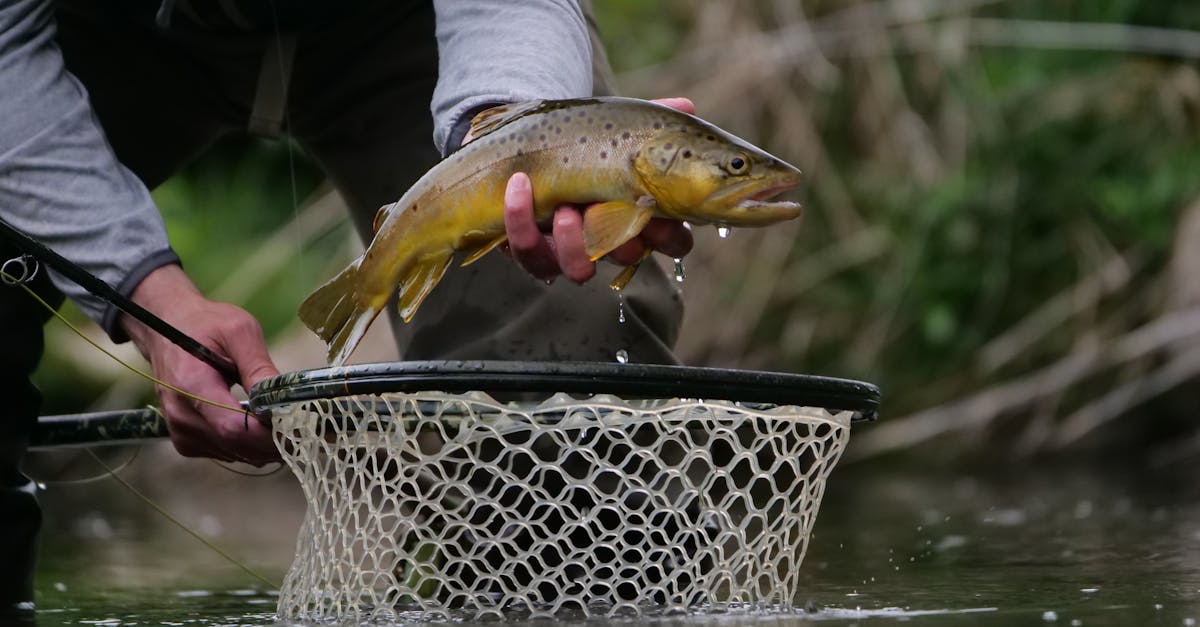
The brown trout is the most cunning and elusive trout species swimming in Montana's rivers, and it rewards patient, skilled anglers with some of the state's most memorable catches. Originally native to Europe and western Asia, brown trout were first introduced to North American waters in 1883 and arrived in Montana shortly thereafter. They have since established robust, self-sustaining populations in virtually every major trout stream in the state, from the legendary spring creeks of the Paradise Valley to the sweeping runs of the lower Madison and the deep pools of the Bighorn. Brown trout grow larger than any other trout species in Montana, and fish exceeding 24 inches are caught with regularity on premium waters. The lower Madison River, the Missouri River below Holter Dam, and the Bighorn River are particularly renowned for producing trophy-class browns. Unlike rainbows, brown trout spawn in the fall (October through November), and their aggressive pre-spawn behavior creates an exciting window for streamer fishing as large males become territorial and attack anything that enters their domain. Browns are notably more nocturnal than other trout species, and many of the biggest fish are caught during low-light conditions. What sets brown trout apart from other species is their wariness and selectivity. Large browns are notoriously difficult to fool, often refusing flies that are even slightly off in size, color, or presentation. They tend to establish and defend prime feeding lies (undercut banks, logjams, deep pools, and boulder gardens), and an angler who learns to read water and identify these holding spots will consistently catch more and larger fish. This combination of difficulty, size potential, and intelligence makes the brown trout the most prized quarry for many serious Montana fly fishers.
Little Juniata River Hatch Chart
| Insect | Suggested Fly | Jan | Feb | Mar | Apr | May | Jun | Jul | Aug | Sep | Oct | Nov | Dec |
|---|---|---|---|---|---|---|---|---|---|---|---|---|---|
Sulphurs (Ephemerella) evening | PMD Comparadun | ||||||||||||
Blue-Winged Olive (Baetis) afternoon | Parachute Adams | ||||||||||||
Blue-Winged Olive (Baetis) afternoon | BWO Emerger | ||||||||||||
Hendricksons afternoon | Parachute Adams | ||||||||||||
March Browns afternoon | Parachute Adams | ||||||||||||
Tricos morning | Trico Spinner | ||||||||||||
Caddisflies (various) evening | Elk Hair Caddis | ||||||||||||
Terrestrials (beetles, ants) afternoon | Chubby Chernobyl |
Sulphurs (Ephemerella): Evening Sulphur hatches mid-May through June. Size 14-18.
Blue-Winged Olive (Baetis): Spring BWOs on overcast days. Size 16-20.
Blue-Winged Olive (Baetis): Fall BWOs become dominant hatch. Size 18-20.
Hendricksons: Late April into May. Size 12-14.
March Browns: Large mayflies in May. Size 10-12.
Tricos: Morning spinner falls July-August. Size 20-24.
Caddisflies (various): Good evening caddis hatches. Size 14-18.
Terrestrials (beetles, ants): Terrestrials along grassy banks. Size 12-16.
Recommended Flies
Parachute Adams
Top PickUniversal mayfly dry for various hatches
Best in spring
PMD Comparadun
Top PickSulphur pattern for evening hatches
Best in spring
BWO Emerger
Top PickBWO emerger for fall fishing
Best in fall
Pheasant Tail Nymph
Top PickAll-purpose nymph year-round
Best in spring
Elk Hair Caddis
Top PickCaddis dry for evening hatches
Best in summer
Also Effective
Access Points & Boat Launches
Spruce Creek Village Access
Wade AccessEasyAccess to the Little Juniata River near Spruce Creek village, downstream of the Spruce Creek confluence. This section benefits from the cold limestone water flowing from Spruce Creek. Good parking with walk-in access to productive runs and pools holding wild brown trout.
Route 453 Pulloffs
Wade AccessEasyMultiple pulloffs along Pennsylvania Route 453 provide roadside access to the Little Juniata River. These spots offer convenient wade fishing to various sections of the river with good populations of wild brown trout. Easy access makes this popular with local anglers.
State Game Lands Access
ParkingModeratePennsylvania Game Commission lands provide public access to stretches of the Little Juniata River. Parking areas serve as trailheads to walk-in fishing sections. These areas generally see less pressure than roadside access points. Respect posted boundaries.
Regulations
Regulations
The Little Juniata River follows Pennsylvania statewide trout regulations with some sections managed as wild trout waters. Check current Pennsylvania Fish and Boat Commission regulations at fishandboat.com for season dates, size limits, and creel limits. Pennsylvania fishing license required.
Always verify current regulations with Montana Fish, Wildlife & Parks before fishing.
Some links may earn a commission. Learn more
Quick Facts
- Region
- Central Pennsylvania / Blair County
- Water Type
- Limestone Freestone
- River Length
- 30 miles of fishable water
- Difficulty
- Intermediate
- Best Seasons
- spring, summer, fall
- Trout Per Mile
- 800-1,200 wild brown trout in quality sections
- Record Trout
- Brown trout exceeding 18 inches caught regularly in deeper pools
- Species
- Brown Trout
- USGS Gauge
- 01556000
Nearby Rivers
Penns Creek
Central Pennsylvania / Centre County
Spring Creek
Central Pennsylvania / Centre County
Spruce Creek
Central Pennsylvania / Huntingdon County
Big Fishing Creek
North Central Pennsylvania / Columbia County
Yellow Breeches Creek
South Central Pennsylvania / Cumberland County
Big Spring Creek
South Central Pennsylvania / Cumberland County
Kettle Creek
North Central Pennsylvania / Clinton County
Slate Run
North Central Pennsylvania / Lycoming County
Tulpehocken Creek
Southeastern Pennsylvania / Berks County