Spruce Creek
Spruce Creek is one of Pennsylvania's most legendary and exclusive limestone spring creeks, known for exceptionally large wild brown trout, gin-clear water, and limited public access. This pristine spring creek sets the standard for Pennsylvania limestone fishing and remains a bucket-list destination for serious fly fishers.
Overview
Spruce Creek rises from massive limestone springs in Huntingdon County, flowing approximately 6 miles through a narrow valley before joining the Little Juniata River at the village of Spruce Creek. This is Pennsylvania's crown jewel limestone spring creek, producing wild brown trout of exceptional size and quality in water so clear that every pebble on the bottom is visible.
The creek flows at a nearly constant 100-150 cfs year-round, maintaining stable temperatures (48-58 degrees F) and perfect clarity regardless of weather. The limestone springs provide extraordinary fertility, producing dense weed growth and abundant aquatic life. Wild brown trout in Spruce Creek average significantly larger than in other Pennsylvania streams, with 14-16 inch fish common and 20+ inch specimens a realistic possibility.
Access is the defining challenge of Spruce Creek. The majority of the stream flows through the legendary Spruce Creek Rod & Gun Club, private water that has been fished by presidents, celebrities, and fly fishing luminaries for over a century. Public access is limited to approximately 1 mile of Pennsylvania Fish and Boat Commission water and small sections through State Game Lands. Fishing pressure on the limited public water is intense.
The public section supports the same outstanding hatches as the private water: Sulphurs, Tricos, Blue Winged Olives, and caddis. The fish are highly selective, having seen countless flies from skilled anglers. This is advanced spring creek fishing demanding perfect presentations, long leaders, and patience.
Water Characteristics
Spruce Creek is the archetype of a limestone spring creek. Fed by massive underground springs, the creek maintains nearly constant flow (100-150 cfs) and temperature (48-58 degrees F) year-round. This stability creates ideal conditions for trout growth and insect production. Water clarity is exceptional, often exceeding 15 feet of visibility.
The creek bottom supports thick beds of watercress and other aquatic vegetation providing habitat and food. Scuds, sowbugs, cress bugs, and freshwater shrimp populations are exceptionally dense. The insect community includes prolific mayfly hatches (Sulphurs, Tricos, Blue Winged Olives, Hendricksons), caddisflies, and midges.
The wild brown trout population is among the finest in the East. The combination of limestone fertility, stable temperatures, abundant food, and (in private sections) protective management produces trout of exceptional size and condition. The public water fish are highly selective from heavy pressure.
Wading & Float Guide
Spruce Creek offers physically easy but tactically demanding wading. The limestone bottom is clean gravel and silt with thick weed beds and gentle current. Water depth rarely exceeds waist-deep, and the stable flow (100-150 cfs year-round) means consistent conditions. Footing is generally secure on the gravel bottom.
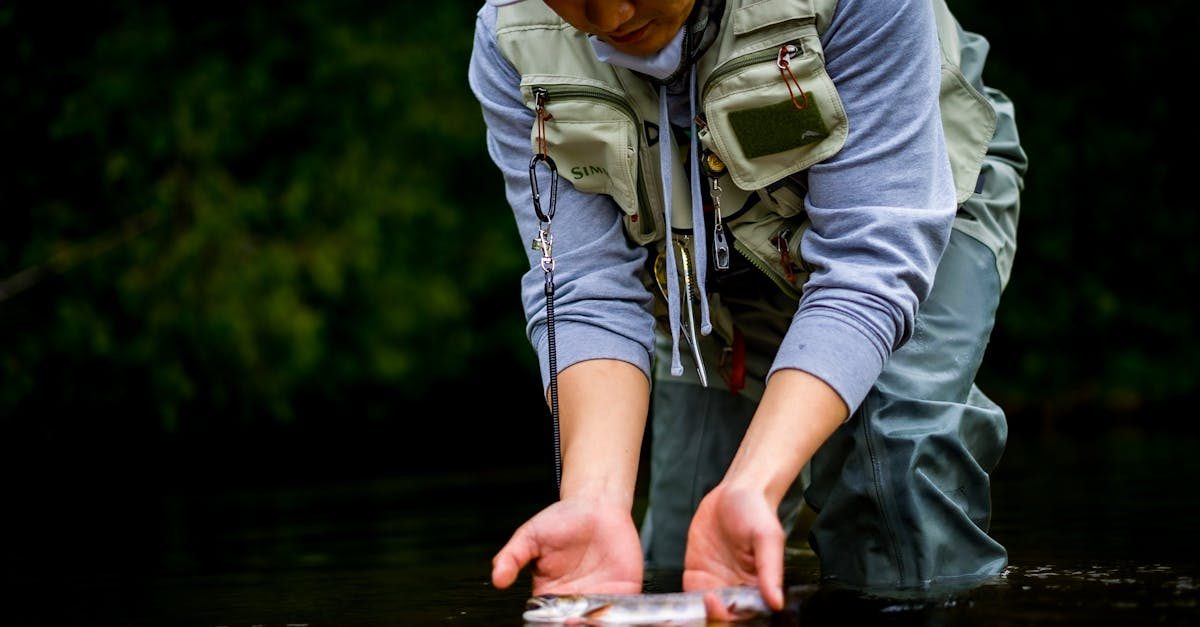
The tactical challenge is extreme stealth. The gin-clear water (10-15 feet of visibility) allows trout to see approaching anglers from far away. Every footstep, ripple, and shadow alerts wary fish. Many experienced anglers fish from the bank or kneel while wading to maintain a low profile. Silt plumes from careless footsteps put fish down for hours.
Hip waders are sufficient for most of Spruce Creek during normal conditions. The stable spring-fed flow means no dangerous wading situations, but the tactical demands require more skill than the physical wading.
Not a float fishery
Spruce Creek is too small for floating and most water is private. This is strictly wade-fishing water for the limited public access sections.
Rod & Tackle Guide
Public Access Water
- Rod
- 9' 3-weight or 4-weight
- Line
- Weight-forward floating, double taper preferred
- Leader & Tippet
- 15-18' tapered to 6X-8X fluorocarbon
Light rod essential for delicate tippets and presentations. Extra-long leader mandatory for spooky trout. Bring multiple tippet spools. Polarized sunglasses critical for spotting fish in clear water.
Best Time to Fish the Spruce Creek
Spring
Spring brings prolific Sulphur hatches to Spruce Creek beginning in mid-May and lasting through June. The emergences typically occur from 6 PM to dark with spinner falls the following morning. Hendrickson hatches occur in late April. Blue Winged Olives hatch on overcast spring days. Nymphing with scuds, sowbugs, and small mayfly nymphs is productive between hatches. Use 6X-7X tippet for all fishing.
Summer
Summer is defined by morning Trico spinner falls from July through September, typically occurring between 7 AM and 10 AM. These are tiny insects (size 20-24) demanding precise imitations and delicate presentations. Terrestrial patterns (ants, beetles) work along banks in afternoons. The spring-fed water remains cool even during summer heat, keeping trout active throughout the season. Midday fishing can be slow; focus on mornings and evenings.
Fall
Fall brings outstanding Blue Winged Olive hatches to Spruce Creek from September through November. The overcast afternoons of autumn trigger reliable emergences. Brown trout feed aggressively preparing for spawning (late October through November; avoid redds). Fishing pressure decreases after summer. October combines excellent hatches with autumn colors and eager trout.
Winter
Spruce Creek's spring-fed water rarely freezes and maintains fishable temperatures year-round. Winter fishing focuses on midges (size 22-26) hatching on mild days between 11 AM and 2 PM. Blue Winged Olives can hatch on warmer winter afternoons. Nymphing with scuds and midge larvae works throughout winter. Dress warmly and fish the warmest part of the day. Pressure is minimal in winter.
Fishing Pressure & Local Tips
The limited public access on Spruce Creek receives extremely heavy fishing pressure. Anglers line up for the public section, particularly during Sulphur and Trico hatches. The trout here are among the most selective and educated in Pennsylvania, having seen thousands of perfect casts and presentations. Refusals are common even with good technique.
The private Spruce Creek Rod & Gun Club water is limited to members and their guests, receiving moderate pressure from highly skilled anglers. For those without private access, the public section offers a taste of world-class spring creek fishing, though success demands advanced skills and patience.
Local Knowledge
Spruce Creek demands the highest level of spring creek fishing skills. Long leaders (15-18 feet), fine tippets (6X-8X), and absolutely perfect drag-free drifts are mandatory. Approach feeding fish from downstream and behind, staying low or kneeling. Watch for rises before casting; blind casting alerts fish to your presence.
Match the hatch precisely in size, color, and stage of emergence. During Trico and Sulphur hatches, trout will refuse patterns even one size off. Perfect presentations trump fly pattern; a size 20 parachute Adams presented drag-free will out-fish a perfect Trico imitation with micro-drag. Consider this a masterclass in spring creek fishing. Local experts recommend hiring a guide for first-time visits to avoid costly mistakes.
Species Present
Brown Trout
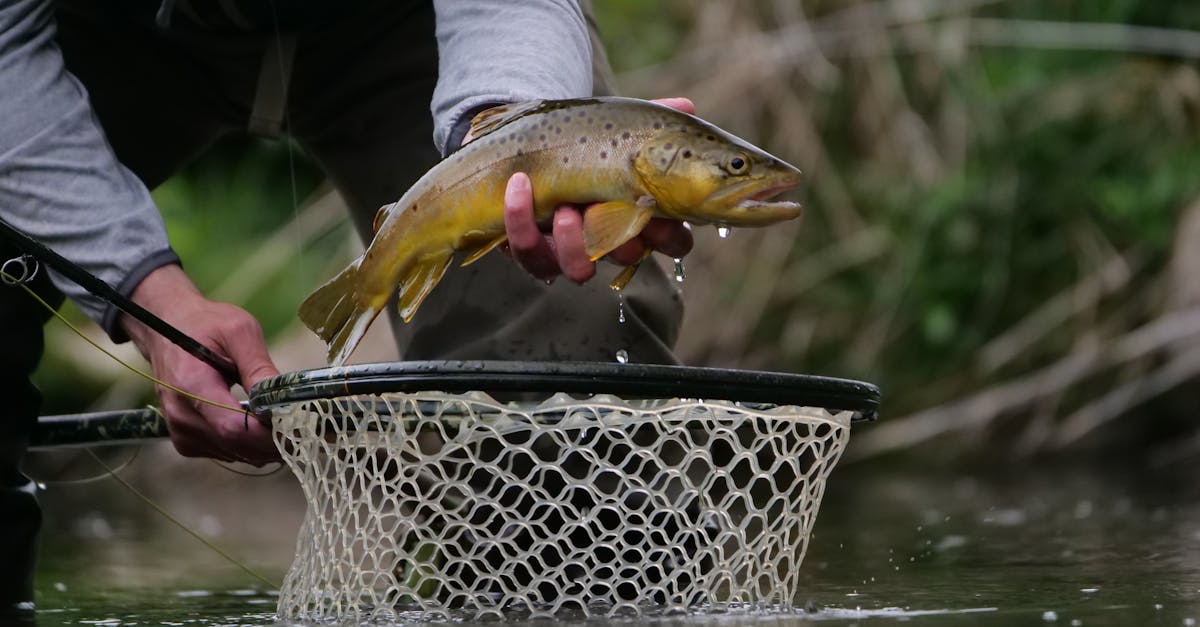
The brown trout is the most cunning and elusive trout species swimming in Montana's rivers, and it rewards patient, skilled anglers with some of the state's most memorable catches. Originally native to Europe and western Asia, brown trout were first introduced to North American waters in 1883 and arrived in Montana shortly thereafter. They have since established robust, self-sustaining populations in virtually every major trout stream in the state, from the legendary spring creeks of the Paradise Valley to the sweeping runs of the lower Madison and the deep pools of the Bighorn. Brown trout grow larger than any other trout species in Montana, and fish exceeding 24 inches are caught with regularity on premium waters. The lower Madison River, the Missouri River below Holter Dam, and the Bighorn River are particularly renowned for producing trophy-class browns. Unlike rainbows, brown trout spawn in the fall (October through November), and their aggressive pre-spawn behavior creates an exciting window for streamer fishing as large males become territorial and attack anything that enters their domain. Browns are notably more nocturnal than other trout species, and many of the biggest fish are caught during low-light conditions. What sets brown trout apart from other species is their wariness and selectivity. Large browns are notoriously difficult to fool, often refusing flies that are even slightly off in size, color, or presentation. They tend to establish and defend prime feeding lies (undercut banks, logjams, deep pools, and boulder gardens), and an angler who learns to read water and identify these holding spots will consistently catch more and larger fish. This combination of difficulty, size potential, and intelligence makes the brown trout the most prized quarry for many serious Montana fly fishers.
Rainbow Trout
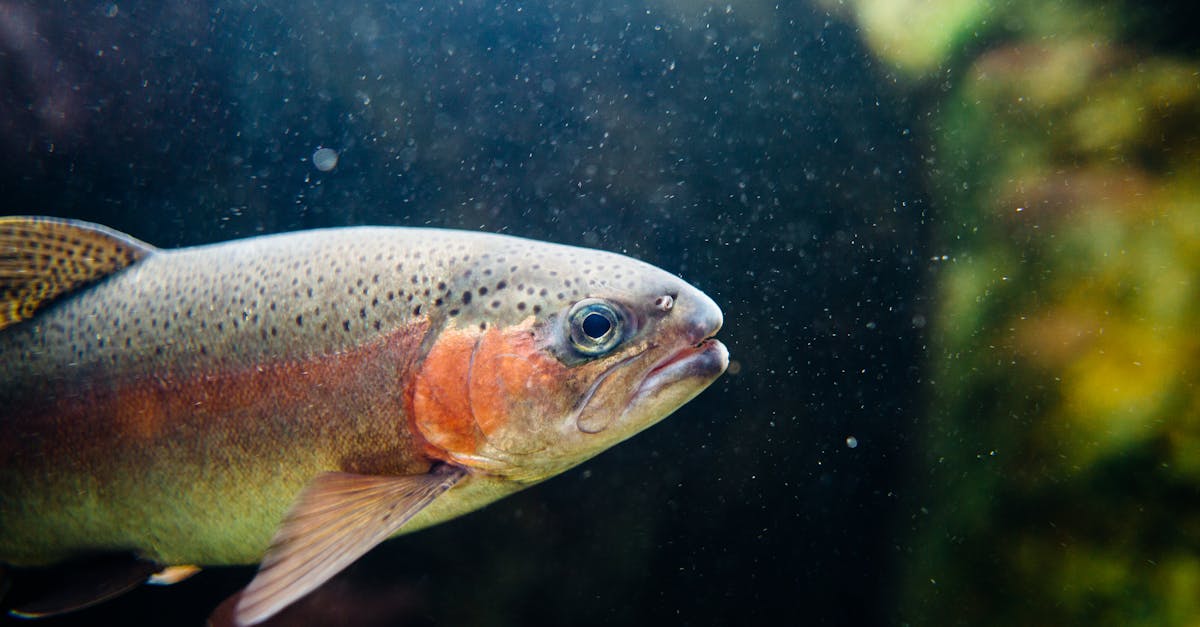
The rainbow trout is Montana's most widespread and popular gamefish, celebrated for its explosive surface strikes, aerial acrobatics, and willingness to take a well-presented dry fly. Native to Pacific Coast drainages from Alaska to Mexico, rainbows were first introduced to Montana's waters in the late 1800s and have since established thriving populations in nearly every major river system in the state. On legendary waters like the Madison, Missouri, and Bighorn, wild rainbow trout grow fat on prolific insect hatches and provide some of the finest dry-fly fishing in North America. Rainbow trout in Montana display remarkable variation depending on their home water. Fish in nutrient-rich tailwaters like the Missouri River below Holter Dam can exceed 20 inches with regularity, their deep bodies and broad tails reflecting the abundant food supply. Freestone river rainbows, such as those in the upper Madison and Gallatin, tend to be leaner and more athletic, shaped by faster currents and colder water temperatures. In many Montana rivers, rainbows spawn in the spring from March through June, and anglers should be mindful of spawning redds during this period to protect future generations of fish. Rainbows are arguably the most versatile trout species for fly anglers. They respond well to dry flies during hatches, aggressively chase streamers, and feed heavily on nymphs subsurface throughout the year. Their fighting ability is legendary: a hooked rainbow will often launch itself completely out of the water multiple times during a battle. Montana's catch-and-release regulations on many blue-ribbon streams have produced exceptional rainbow trout fisheries with high densities of large, healthy fish that continue to draw anglers from around the world.
Brook Trout
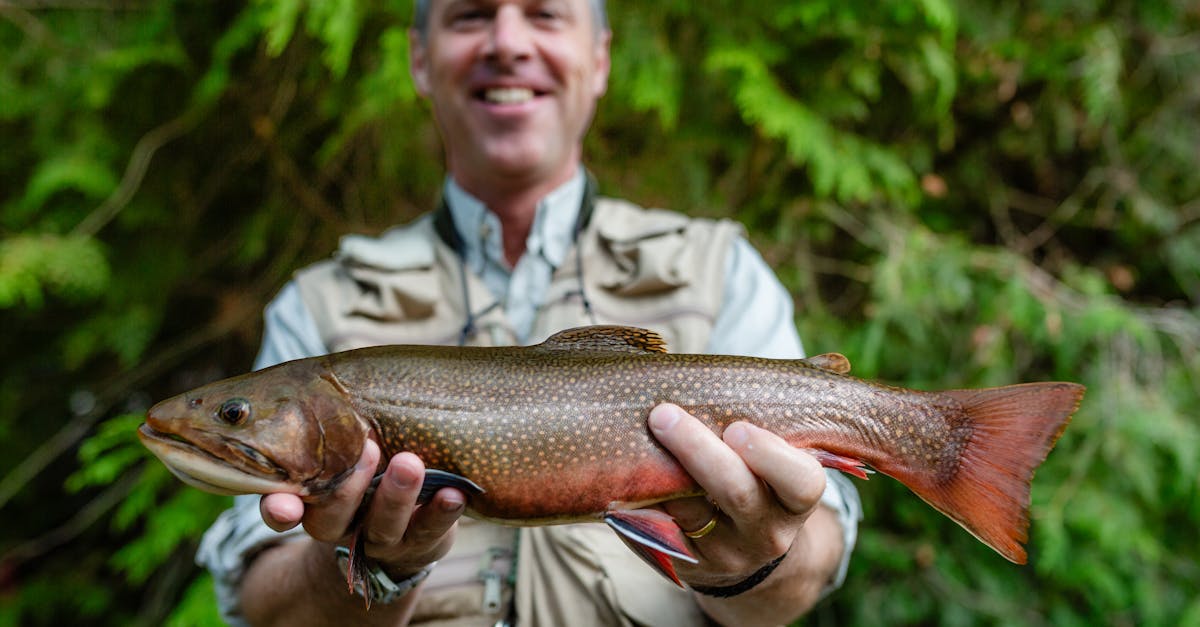
The brook trout is widely considered the most beautiful freshwater fish in North America, and catching one in a pristine Montana mountain stream is an experience that captures the essence of backcountry fly fishing. Despite their common name, brook trout are not true trout at all; they are a species of char (genus Salvelinus), more closely related to lake trout and Arctic char than to rainbows or browns. Native to eastern North America from Georgia to Hudson Bay, brook trout were among the first salmonids introduced to Montana's waters in the late 1800s and have since established self-sustaining populations in cold, high-elevation streams and lakes throughout the state. In Montana, brook trout thrive best in small, cold headwater streams and high mountain lakes where competition from larger trout species is minimal. In these environments, they are often the dominant, or only, salmonid present. The trade-off is size: Montana stream-dwelling brook trout typically range from 6 to 10 inches, with fish over 12 inches considered noteworthy in most waters. What they lack in size, however, they more than make up for in beauty and willingness to eat a fly. Brookies are aggressive feeders that will strike attractor dry flies, nymphs, and small streamers with enthusiasm, making them an ideal species for beginning fly anglers and a delightful quarry for anyone who appreciates small-stream fishing. Brook trout do present a conservation paradox in Montana. While they are a beloved and beautiful gamefish, they are non-native and can negatively impact native species, particularly Yellowstone and westslope cutthroat trout. In headwater streams, brook trout often outcompete cutthroats for food and spawning habitat due to their higher reproductive rate and earlier maturation. As a result, Montana FWP has implemented brook trout removal projects on some streams to restore native cutthroat populations. In many waters, liberal harvest limits for brook trout are encouraged to reduce their numbers and benefit native fish. Anglers can enjoy excellent brook trout fishing while actively helping conservation by keeping a few for the pan.
Spruce Creek Hatch Chart
| Insect | Suggested Fly | Jan | Feb | Mar | Apr | May | Jun | Jul | Aug | Sep | Oct | Nov | Dec |
|---|---|---|---|---|---|---|---|---|---|---|---|---|---|
Sulphurs (Ephemerella) evening | PMD Comparadun | ||||||||||||
Tricos morning | Trico Spinner | ||||||||||||
Blue-Winged Olive (Baetis) afternoon | RS2 | ||||||||||||
Blue-Winged Olive (Baetis) afternoon | BWO Emerger | ||||||||||||
Hendricksons afternoon | Parachute Adams | ||||||||||||
Caddisflies (various) evening | CDC Caddis Emerger | ||||||||||||
Midges morning | Zebra Midge | ||||||||||||
Scuds and sowbugs all day | Ray Charles |
Sulphurs (Ephemerella): Prolific Sulphur hatches mid-May through June. 6 PM to dark. Size 16-18.
Tricos: Dense morning spinner falls July-September. 7 AM to 10 AM. Size 20-24.
Blue-Winged Olive (Baetis): Spring BWOs on overcast days. Size 18-22.
Blue-Winged Olive (Baetis): Fall BWOs dominant September-November. Size 18-22.
Hendricksons: Late April Hendrickson hatches. Size 12-14.
Caddisflies (various): Evening caddis emergences. Size 16-18.
Midges: Year-round midge activity. Size 22-26.
Scuds and sowbugs: Abundant in weed beds year-round. Size 14-18.
Recommended Flies
Zebra Midge
Top PickYear-round midge essential
Best in winter
RS2
Top PickRS2 for BWO and midge emerger
Best in spring
Trico Spinner
Top PickTrico spinner for morning falls
Best in summer
PMD Comparadun
Top PickSulphur Comparadun for prolific hatches
Best in spring
BWO Emerger
Top PickBWO emerger for fall hatches
Best in fall
Ray Charles
Top PickScud/sowbug year-round
Best in winter
Pheasant Tail Nymph
Top PickPheasant Tail nymph
Best in spring
Also Effective
Access Points & Boat Launches
Public Section Access
Wade AccessEasy (physically), Advanced (fishing)Limited public access to Spruce Creek at the Pennsylvania Fish and Boat Commission section. This small area provides a rare opportunity to fish one of Pennsylvania's most legendary limestone spring creeks. Expect heavy pressure and highly selective wild brown trout. Parking is very limited. The majority of Spruce Creek is private (Spruce Creek Rod & Gun Club).
Regulations
Regulations
Public sections follow Pennsylvania Fish and Boat Commission special regulations, typically catch-and-release and artificial lures only. Access is very limited. Check current regulations at fishandboat.com. Pennsylvania fishing license required. Private sections are closed to public access.
Always verify current regulations with Montana Fish, Wildlife & Parks before fishing.
Some links may earn a commission. Learn more
Quick Facts
- Region
- Central Pennsylvania / Huntingdon County
- Water Type
- Limestone Spring Creek
- River Length
- 6 miles total; approximately 1 mile of public access
- Difficulty
- Advanced
- Best Seasons
- spring, summer, fall, winter
- Trout Per Mile
- 2,000-3,000 wild brown trout; exceptional average size
- Record Trout
- Brown trout exceeding 26 inches documented; fish over 8 lbs have been caught
- Species
- Brown Trout, Rainbow Trout, Brook Trout
Nearby Rivers
Penns Creek
Central Pennsylvania / Centre County
Spring Creek
Central Pennsylvania / Centre County
Little Juniata River
Central Pennsylvania / Blair County
Big Fishing Creek
North Central Pennsylvania / Columbia County
Yellow Breeches Creek
South Central Pennsylvania / Cumberland County
Big Spring Creek
South Central Pennsylvania / Cumberland County
Kettle Creek
North Central Pennsylvania / Clinton County
Slate Run
North Central Pennsylvania / Lycoming County
Tulpehocken Creek
Southeastern Pennsylvania / Berks County