Spring Creek
Spring Creek is Pennsylvania's most technical and challenging limestone spring creek, flowing through the State College area with gin-clear water, highly selective brown trout, and some of the most demanding dry fly fishing in the eastern United States. This is a destination for experienced anglers seeking to test their skills against educated wild trout.
Spring Creek Fishing Report & Current Conditions
The Spring Creek is a limestone spring creek fishery, and it fishes best in spring, summer, fall and winter. Live USGS streamflow readings update throughout the day, while the monthly median flows below map the river's typical discharge across the year. Together they show current fishability and how today's water compares to the seasonal norm.
Current Conditions
Typical Monthly Flows
Historical median discharge (CFS) by month: Spring Creek
Overview
Spring Creek rises from limestone springs in the Nittany Valley of central Pennsylvania, flowing approximately 30 miles through State College before joining Bald Eagle Creek near Milesburg. The creek is a classic limestone spring creek with stable flows, crystal-clear water, lush weed growth, and dense populations of wild brown trout that have seen thousands of flies.
The catch-and-release section (known as the "Big Spring" or "Fisherman's Paradise" section) extends roughly 1.3 miles through Bellefonte and is the most famous and heavily fished water. This regulated section holds exceptional densities of wild brown trout, many in the 12-18 inch range, cruising visibly over weed beds and sipping insects with maddening selectivity. The water rarely exceeds waist-deep, the bottom is visible in every spot, and trout inspect every fly with leisure before accepting or refusing.
Above and below the catch-and-release section, Spring Creek flows through a mix of private property and public access areas with similar character but somewhat less fishing pressure. The entire system supports outstanding hatches including Sulphurs, Tricos, Blue Winged Olives, and caddis, along with healthy populations of scuds, sowbugs, and cress bugs that provide year-round forage.
Spring Creek demands precision casting, drag-free drifts, fine tippets, and patience. This is not a river for beginners; even experienced anglers can be humbled by the selective feeding behavior of these wild browns. However, for those who enjoy the chess match of technical spring creek fishing, Spring Creek offers world-class opportunities within walking distance of downtown State College.
Water Characteristics
Spring Creek is a textbook limestone spring creek fed by numerous limestone springs that maintain stable flows and temperatures year-round. Water temperatures range from approximately 48 degrees F in winter to 62 degrees F in summer, rarely fluctuating more than a few degrees even during extreme weather. This thermal stability supports year-round trout feeding and insect activity.
Water clarity is exceptional, often exceeding 15 feet of visibility in the catch-and-release section. The crystal-clear conditions make stealth and fine leaders essential. The creek bottom supports thick beds of watercress, elodea, and other aquatic vegetation that provide both habitat and food. Scuds, sowbugs, cress bugs, and aquatic worms are abundant in the weed beds and comprise a large portion of trout diet outside hatch periods.
The insect community is diverse and prolific: mayflies (Sulphurs, Tricos, Blue Winged Olives, Hendricksons), caddisflies, midges, and various terrestrials. The limestone water's fertility produces exceptional insect densities. Wild brown trout dominate the population (95%+) with occasional wild brook trout in the cooler headwater tributaries.
Wading & Float Guide
Spring Creek offers easy wading in physical terms but demands stealth and care. The limestone bottom is composed of clean gravel, silt, and thick weed growth with gentle current and shallow to moderate depth (ankle to waist-deep in most areas). Footing is generally secure, though the thick weed beds can tangle feet.
The challenge is not physical but tactical. The gin-clear water (often 10+ feet of visibility) transmits every footstep, ripple, and shadow to wary trout. Silt plumes from careless wading put fish down instantly. Many experienced anglers fish from the bank when possible, particularly in the catch-and-release section where trout are hyper-alert to angler presence. Approach from downstream and behind, crouch low, and minimize wading disturbance.
Hip waders are sufficient for most of Spring Creek during normal flows. The creek rarely becomes dangerous for wading, though spring flows from snowmelt and heavy rains can temporarily raise water levels and reduce visibility.
Not a float fishery
Spring Creek is too small and shallow for floating. This is strictly wade-fishing water accessed from bank and wading positions.
Rod & Tackle Guide
Catch-and-Release Section
- Rod
- 9' 3-weight or 4-weight
- Line
- Weight-forward floating, double taper preferred
- Leader & Tippet
- 12-18' tapered to 6X-8X fluorocarbon
Light rod essential for delicate presentations and fine tippets. Long leader mandatory for spooky trout in clear water. Bring multiple tippet spools (6X, 7X, 8X). Polarized sunglasses critical for spotting fish.
Upper and Lower Sections
- Rod
- 9' 4-weight or 5-weight
- Line
- Weight-forward floating
- Leader & Tippet
- 9-12' tapered to 5X or 6X
Slightly heavier setup acceptable in less-pressured sections. Still demand fine tippets and careful approach.
Best Time to Fish the Spring Creek
Spring
Spring brings the first major hatches to Spring Creek after winter. Hendrickson mayflies emerge in late April, followed by the prolific Sulphur hatch beginning in mid-May and lasting through June. Sulphurs typically emerge in the evenings from 6 PM to dark, with spinner falls the following morning. Blue Winged Olives hatch on overcast days throughout spring. Nymphing with Pheasant Tails, scuds, and sowbugs is consistently productive when no hatch is on. Use 6X-7X tippet.
Summer
Summer is defined by the Trico spinner falls that blanket Spring Creek from July through September. The falls typically occur from 7 AM to 10 AM on calm mornings, bringing every trout in the creek to the surface for tiny (size 20-24) spinner imitations. Beyond Tricos, terrestrial patterns (ants, beetles, small hoppers) become effective along grassy banks. Midday fishing slows during summer heat; focus on mornings and evenings. Nymphing with small scuds and midges works throughout the day.
Fall
Fall is many experienced anglers' favorite season on Spring Creek. Blue Winged Olive hatches intensify as water temperatures cool, providing reliable afternoon dry fly fishing from late September through November. The crowds thin after summer, and brown trout feed aggressively in preparation for spawning (which occurs in late October and November; avoid disturbing redds). Cooler water temperatures bring fish to the surface more willingly. October combines excellent hatches with autumn foliage.
Winter
The catch-and-release section of Spring Creek is open year-round, and winter fishing can be outstanding for dedicated anglers. Midge hatches occur on most days between 11 AM and 2 PM when air temperatures reach 35-40 degrees F. Fish tiny (size 22-26) midge larvae, pupae, and adult patterns on 7X fluorocarbon. Blue Winged Olives can hatch on milder winter days. Dress warmly in layers and focus on the warmest part of the day. The spring-fed water rarely freezes.
Fishing Pressure & Local Tips
Spring Creek's catch-and-release section receives very heavy fishing pressure year-round, particularly during major hatches. On summer Trico mornings and spring Sulphur evenings, 20-30 anglers may be fishing the 1.3-mile section simultaneously. The proximity to Penn State University and State College brings consistent angler traffic including students, locals, and visiting fly fishers.
The fish in the catch-and-release water have seen thousands of flies and display extreme selectivity. Perfect presentations and careful fly selection are mandatory. Less-pressured water can be found in the sections above and below the regulated stretch, though access is more limited. Early mornings (before 7 AM) and weekday visits during the academic year offer the best chance of avoiding crowds.
Local Knowledge
Spring Creek is often described as "graduate school" for limestone spring creek fishing. Success requires mastering long leaders (12-18 feet), fine tippets (6X-7X standard, sometimes 8X for Tricos), and absolutely drag-free drifts. Micro-currents in the weed channels create subtle drag that spooks fish; reach casts, stack mends, and upstream presentations are essential skills.
Fish from a low profile, ideally crouching or kneeling when casting. Approach feeding fish from downstream and behind. Watch for rises before casting; casting blindly puts fish down. During Trico spinners and Sulphur hatches, match the size and color of naturals precisely; trout will refuse a size 20 when feeding on size 22 insects. Local fly shops, including TCO Fly Shop and Feathered Hook, provide essential advice and current conditions. Consider hiring a guide for your first visit to avoid common mistakes.
Species Present
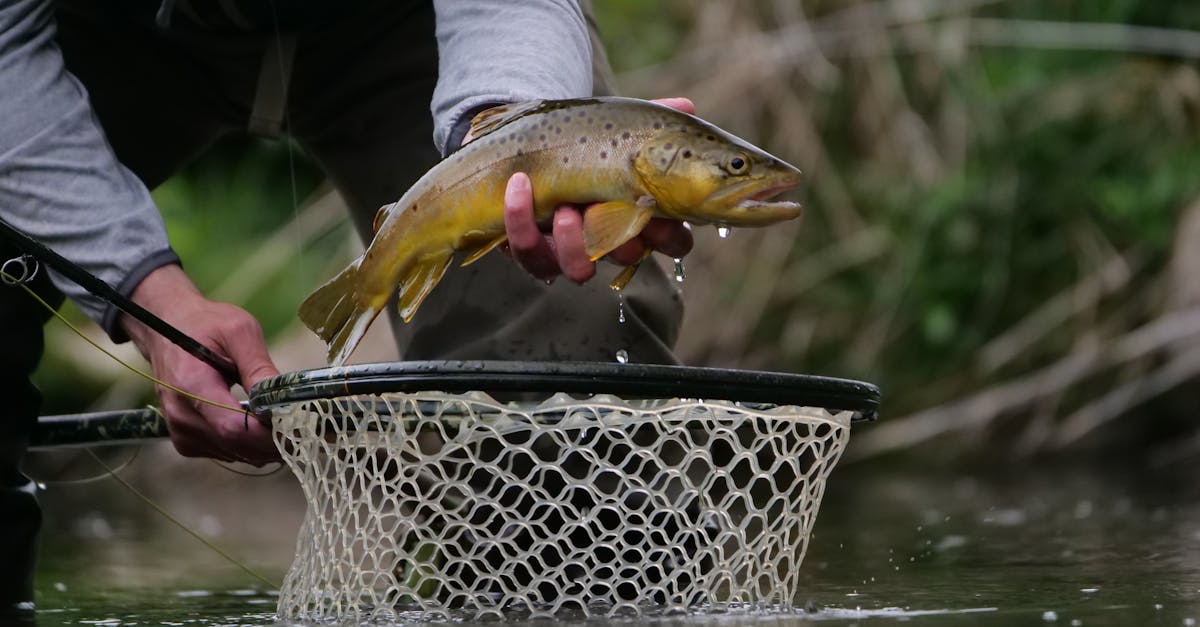
Brown Trout
The brown trout is the most cunning and elusive trout species swimming in Montana's rivers, and it rewards patient, skilled anglers with some of the state's most memorable catches. Originally native to Europe and western Asia, brown trout were first introduced to North American waters in 1883 and arrived in Montana shortly thereafter. They have since established robust, self-sustaining populations in virtually every major trout stream in the state, from the legendary spring creeks of the Paradise Valley to the sweeping runs of the lower Madison and the deep pools of the Bighorn. Brown trout grow larger than any other trout species in Montana, and fish exceeding 24 inches are caught with regularity on premium waters. The lower Madison River, the Missouri River below Holter Dam, and the Bighorn River are particularly renowned for producing trophy-class browns. Unlike rainbows, brown trout spawn in the fall (October through November), and their aggressive pre-spawn behavior creates an exciting window for streamer fishing as large males become territorial and attack anything that enters their domain. Browns are notably more nocturnal than other trout species, and many of the biggest fish are caught during low-light conditions. What sets brown trout apart from other species is their wariness and selectivity. Large browns are notoriously difficult to fool, often refusing flies that are even slightly off in size, color, or presentation. They tend to establish and defend prime feeding lies (undercut banks, logjams, deep pools, and boulder gardens), and an angler who learns to read water and identify these holding spots will consistently catch more and larger fish. This combination of difficulty, size potential, and intelligence makes the brown trout the most prized quarry for many serious Montana fly fishers.
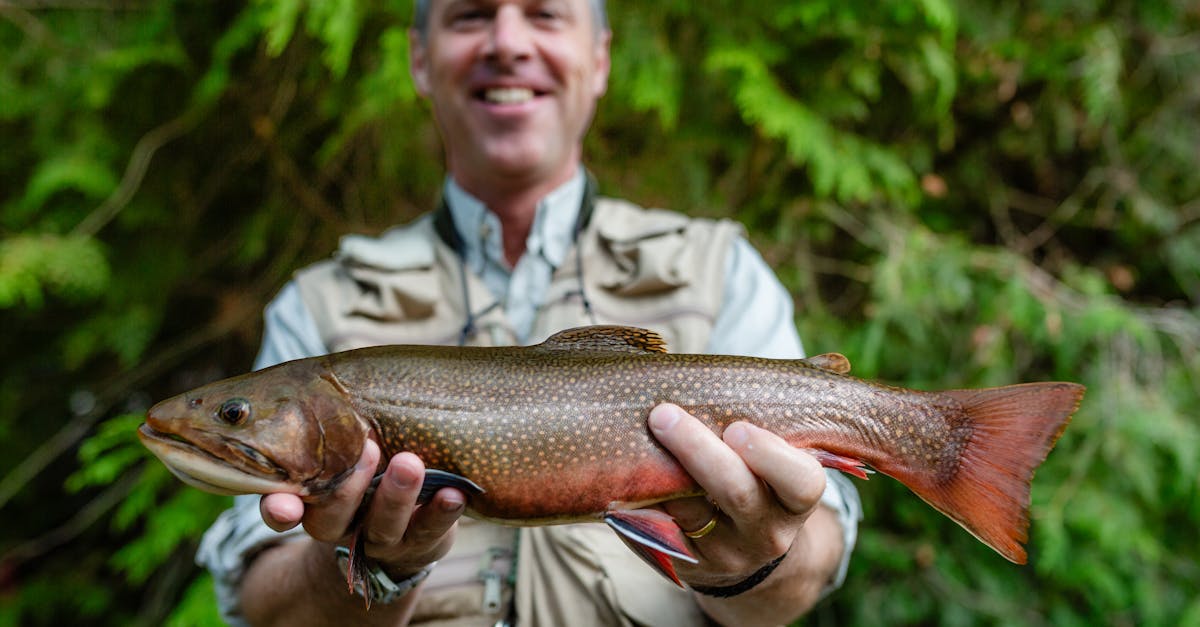
Brook Trout
The brook trout is widely considered the most beautiful freshwater fish in North America, and catching one in a pristine Montana mountain stream is an experience that captures the essence of backcountry fly fishing. Despite their common name, brook trout are not true trout at all; they are a species of char (genus Salvelinus), more closely related to lake trout and Arctic char than to rainbows or browns. Native to eastern North America from Georgia to Hudson Bay, brook trout were among the first salmonids introduced to Montana's waters in the late 1800s and have since established self-sustaining populations in cold, high-elevation streams and lakes throughout the state. In Montana, brook trout thrive best in small, cold headwater streams and high mountain lakes where competition from larger trout species is minimal. In these environments, they are often the dominant, or only, salmonid present. The trade-off is size: Montana stream-dwelling brook trout typically range from 6 to 10 inches, with fish over 12 inches considered noteworthy in most waters. What they lack in size, however, they more than make up for in beauty and willingness to eat a fly. Brookies are aggressive feeders that will strike attractor dry flies, nymphs, and small streamers with enthusiasm, making them an ideal species for beginning fly anglers and a delightful quarry for anyone who appreciates small-stream fishing. Brook trout do present a conservation paradox in Montana. While they are a beloved and beautiful gamefish, they are non-native and can negatively impact native species, particularly Yellowstone and westslope cutthroat trout. In headwater streams, brook trout often outcompete cutthroats for food and spawning habitat due to their higher reproductive rate and earlier maturation. As a result, Montana FWP has implemented brook trout removal projects on some streams to restore native cutthroat populations. In many waters, liberal harvest limits for brook trout are encouraged to reduce their numbers and benefit native fish. Anglers can enjoy excellent brook trout fishing while actively helping conservation by keeping a few for the pan.
Spring Creek Hatch Chart
| Insect | Suggested Fly | Jan | Feb | Mar | Apr | May | Jun | Jul | Aug | Sep | Oct | Nov | Dec |
|---|---|---|---|---|---|---|---|---|---|---|---|---|---|
Sulphurs (Ephemerella) evening | PMD Comparadun | ||||||||||||
Tricos morning | Trico Spinner | ||||||||||||
Blue-Winged Olive (Baetis) afternoon | RS2 | ||||||||||||
Blue-Winged Olive (Baetis) afternoon | BWO Emerger | ||||||||||||
Hendricksons afternoon | Parachute Adams | ||||||||||||
Caddisflies (various) evening | CDC Caddis Emerger | ||||||||||||
Midges morning | Zebra Midge | ||||||||||||
Scuds and sowbugs all day | Ray Charles |
Sulphurs (Ephemerella): Prolific evening hatches mid-May through June, 6 PM to dark. Size 16-18.
Tricos: Dense spinner falls July-September mornings, 7 AM to 10 AM. Size 20-24.
Blue-Winged Olive (Baetis): Spring BWOs on overcast afternoons. RS2 in the film. Size 18-22.
Blue-Winged Olive (Baetis): Fall BWOs intensify as temperatures cool. Size 18-22.
Hendricksons: Late April Hendrickson hatches. Size 12-14.
Caddisflies (various): Evening caddis emergences. Size 16-18.
Midges: Year-round midge activity, critical in winter. 11 AM to 2 PM. Size 22-26.
Scuds and sowbugs: Year-round subsurface staple in weed beds. Size 14-18.
Recommended Flies
Zebra Midge
Top PickYear-round midge, the single most important fly
Best in winter
RS2
Top PickDeadly BWO and midge emerger; fish in the film
Best in spring
Trico Spinner
Top PickEssential for Trico spinner falls July-September
Best in summer
PMD Comparadun
Top PickSulphur Comparadun for evening hatches
Best in spring
BWO Emerger
Top PickBWO emerger for fall Baetis hatches
Best in fall
Ray Charles
Top PickScud/sowbug pattern year-round in weed beds
Best in winter
Pheasant Tail Nymph
Top PickPheasant Tail nymph subsurface staple
Best in spring
Also Effective
Access Points & Boat Launches
Fisherman's Paradise (Big Spring)
Wade AccessEasyThe famous catch-and-release section of Spring Creek, offering 1.3 miles of world-class limestone spring creek fishing. Parking areas at both ends of the section provide access to gin-clear water holding highly selective wild brown trout. This is Pennsylvania's most technically demanding fly fishing. Expect crowds during major hatches.
Bellefonte Town Access
Wade AccessEasyTown access points in Bellefonte provide walk-in access to Spring Creek below the catch-and-release section. Less crowded than Fisherman's Paradise but still technical fishing for educated wild brown trout. Parking available at town lots and roadside.
Upper Spring Creek Pulloffs
Wade AccessEasy to ModerateRoadside access points upstream of Bellefonte provide fishing for wild brown and brook trout in less-pressured water. The creek is smaller here but still maintains limestone spring creek character. Good option for escaping crowds.
Regulations
Regulations
Big Spring catch-and-release section (Fisherman's Paradise): Year-round catch-and-release, artificial lures only. Other sections follow Pennsylvania statewide trout regulations. Some areas are delayed harvest. Check current Pennsylvania Fish and Boat Commission regulations at fishandboat.com. Pennsylvania fishing license required.
Always verify current regulations with Montana Fish, Wildlife & Parks before fishing.
Some links may earn a commission. Learn more
Quick Facts
- Region
- Central Pennsylvania / Centre County
- Water Type
- Limestone Spring Creek
- River Length
- 30 miles total; 1.3 miles of catch-and-release water plus additional public access
- Difficulty
- Intermediate-Advanced
- Best Seasons
- spring, summer, fall, winter
- Trout Per Mile
- 3,000-5,000 wild brown trout in catch-and-release section
- Record Trout
- Brown trout exceeding 24 inches documented; fish over 6 lbs have been caught in the catch-and-release section
- Species
- Brown Trout, Brook Trout
- USGS Gauge
- 01518862
Nearby Rivers
Penns Creek
Central Pennsylvania / Centre County
Little Juniata River
Central Pennsylvania / Blair County
Spruce Creek
Central Pennsylvania / Huntingdon County
Big Fishing Creek
North Central Pennsylvania / Columbia County
Yellow Breeches Creek
South Central Pennsylvania / Cumberland County
Big Spring Creek
South Central Pennsylvania / Cumberland County
Kettle Creek
North Central Pennsylvania / Clinton County
Slate Run
North Central Pennsylvania / Lycoming County
Tulpehocken Creek
Southeastern Pennsylvania / Berks County