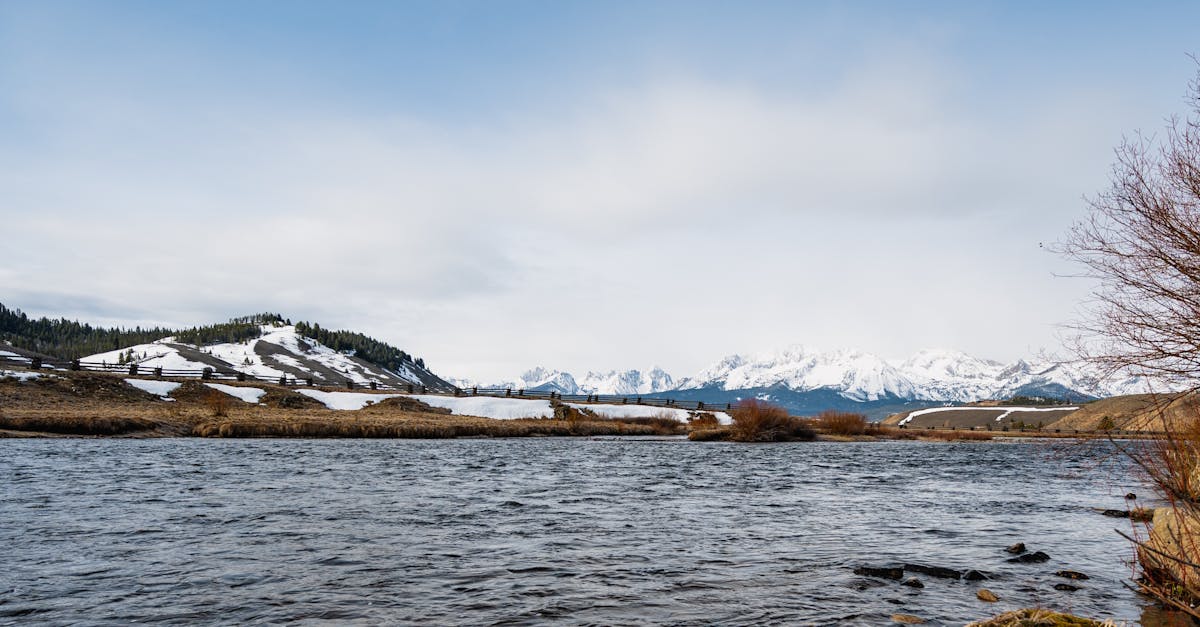
Salmon River
The Salmon River, Idaho's famed 'River of No Return,' is the longest undammed river in the lower 48 states, flowing 425 miles through the heart of the Frank Church River of No Return Wilderness. Home to steelhead, westslope cutthroat, and bull trout, the Salmon offers a wilderness fishing experience unmatched in the American West.
Salmon River Fishing Report & Current Conditions
The Salmon River is a freestone / wilderness canyon fishery, and it fishes best in summer and fall. Live USGS streamflow readings update throughout the day, while the monthly median flows below map the river's typical discharge across the year. Together they show current fishability and how today's water compares to the seasonal norm.
Current Conditions
Typical Monthly Flows
Historical median discharge (CFS) by month: Salmon River
Overview
The Salmon River is one of the last truly wild rivers in America. Flowing 425 miles from its headwaters in the Sawtooth Mountains near Stanley to its confluence with the Snake River near Riggins, it is the longest undammed river in the contiguous United States. The river carves through some of the most remote and rugged terrain in the lower 48, including the 2.4-million-acre Frank Church River of No Return Wilderness, the largest contiguous wilderness area in the continental United States. For fly anglers, the Salmon River offers a rare combination of wilderness solitude, stunning mountain scenery, and diverse fishing opportunities for steelhead, westslope cutthroat trout, bull trout, and mountain whitefish.
The upper Salmon River from Stanley downstream to the town of Salmon is the most accessible and productive section for resident trout fishing. The river flows through the beautiful Sawtooth Valley, then enters a progressively deeper canyon as it passes through Challis and continues toward Salmon. Westslope cutthroat trout, Idaho's state fish, are the dominant gamefish in the upper river, with mountain whitefish providing additional action. Bull trout, a threatened species, inhabit the deeper pools and cold tributary junctions. Catch-and-release regulations protect bull trout throughout the drainage.
Steelhead fishing is the Salmon River's other great draw. Anadromous steelhead, sea-run rainbow trout that migrate over 800 miles from the Pacific Ocean through the Columbia and Snake River systems, return to the Salmon River from August through November. These powerful fish, averaging 6 to 12 pounds with specimens exceeding 15 pounds, provide some of the most exciting fly fishing in the Pacific Northwest. The steelhead runs, while diminished from historical numbers due to downstream dams, still support a dedicated fishery, particularly on the upper Salmon near Stanley and the lower river near Riggins.
The Main Salmon through the wilderness area, the famous "River of No Return" section, is accessible only by multi-day raft trips, jet boat, or backcountry airstrips. This 100-mile wilderness float is one of the great river trips in North America, combining Class III-IV whitewater with fishing for cutthroat, rainbow, and bull trout in a pristine wilderness setting. Outfitters based in Salmon and Stanley offer guided multi-day trips that include camping on sandy beaches and fishing remote canyon pools.
The town of Stanley, nestled beneath the jagged Sawtooth Range at 6,250 feet elevation, is the primary base for upper Salmon River fishing. This tiny mountain town (population approximately 60) offers fly shops, guide services, rustic lodging, and the authentic character of a remote Idaho mountain community. Salmon (population 3,100) provides additional services and access to the middle river.
Water Characteristics
The Salmon River is a large-volume freestone river fed by snowmelt from the Sawtooth, White Cloud, Bitterroot, and Salmon River mountain ranges. The upper river near Stanley drains some of the highest and most rugged terrain in Idaho, producing cold, clean, well-oxygenated water that supports healthy populations of native salmonids. Water temperatures in the upper river during the fishing season range from 42 to 58 degrees Fahrenheit, ideal for westslope cutthroat trout and bull trout.
The river's substrate varies from clean gravel and cobble in the upper valley sections to large boulders and bedrock in the canyon reaches. This diversity of habitat supports a correspondingly diverse aquatic insect community: stoneflies, caddisflies, mayflies, and midges all occur in healthy populations. The upper Salmon's insect production is moderate for a Western freestone river, driven by the clean substrate and cold water rather than the rich alkaline chemistry found in spring creeks or fertile tailwaters.
Spring runoff is dramatic on the Salmon, with peak flows often exceeding 10,000 cfs in the upper river and far higher in the lower canyon sections. The river clears relatively quickly once runoff subsides, typically achieving fishable clarity by late June in the upper sections and slightly earlier in the lower canyon. By late summer and fall, the upper river runs clear and low (500 to 1,500 cfs), creating excellent wading and sight-fishing conditions for cutthroat trout.
Wading & Float Guide
The upper Salmon River from Stanley to Challis offers excellent wade fishing opportunities. The river is moderate in size (50 to 80 feet wide through much of the upper section) with a clean gravel and cobble bottom that provides stable footing. During normal summer and fall flows (500 to 1,500 cfs), the upper river is comfortably wadeable in riffles, shallow runs, and along gravel bars. Deeper pools at outside bends and canyon sections should be approached with caution.
Below Challis, the river picks up significant tributary volume and becomes less suitable for wade fishing. The middle and lower Salmon is a big, powerful river that is best accessed by drift boat or raft. However, at specific access points (bridge crossings, boat ramps, and where the highway parallels the river) wade fishing is possible during lower flows, particularly in fall when steelhead anglers work specific runs and tailouts.
The bottom substrate throughout the Salmon River is predominantly gravel and cobble with occasional boulders, typical high-quality freestone habitat. Felt-soled or studded rubber-soled boots work well. The water is cold year-round, with temperatures ranging from 38 to 58 degrees depending on season and location. Chest waders are recommended throughout the fishing season. A wading staff is advisable, particularly when fishing unfamiliar water or during higher flows.
Stanley to Sunbeam Dam (Upper Salmon)
The uppermost float through the beautiful Sawtooth Valley with views of the Sawtooth Range. Gentle gradient with riffles, runs, and pools holding westslope cutthroat and mountain whitefish. Easy rowing suitable for experienced recreational boaters. The clear water and mountain scenery make this a spectacular day trip. Best from July through September.
North Fork to Corn Creek (Wilderness Gateway)
The last road-accessible section before the river enters the Frank Church Wilderness. Good steelhead water in fall, with productive cutthroat and whitefish fishing in summer. The canyon deepens as you approach Corn Creek, which serves as the launch point for wilderness float trips.
Corn Creek to Vinegar Creek (Main Salmon Wilderness)
The legendary River of No Return wilderness float, a 4 to 6 day expedition through one of the largest wilderness areas in the lower 48. Class III-IV rapids, pristine camping on sandy beaches, fishing for cutthroat and bull trout in remote canyon pools. Permits required (lottery system). Most parties use outfitters. A bucket-list river trip for adventure anglers.
Rod & Tackle Guide
Upper Salmon (Stanley to Challis, resident trout)
- Rod
- 9' 5-weight or 6-weight
- Line
- Weight-forward floating
- Leader & Tippet
- 9' tapered to 3X-4X (hopper-dropper/stonefly), 9' to 4X-5X (dry fly/nymph)
A 5-weight handles the upper Salmon's cutthroat fishing nicely: hopper-dropper rigs, caddis dries, and light nymphing are the core techniques. The 6-weight provides insurance for windy days and occasional streamer work. The clear water and moderate-sized trout do not require heavy tackle.
Salmon River (steelhead)
- Rod
- 10'-11' 7-weight or 8-weight (single-hand), or 12'6"-13' 7-weight Spey rod
- Line
- Skagit head with sink tips, or integrated Spey line
- Leader & Tippet
- 6'-8' tapered to 0X-2X (steelhead flies, intruders)
Steelhead fishing on the Salmon is primarily a swinging game. A two-handed Spey rod is the most efficient tool for covering the wide runs and deep pools. Single-hand anglers can use a 10-foot 7- or 8-weight with a sink-tip line. Carry a variety of sink tips (Type 3, 6, and 8) to adjust for depth and current speed. Weighted steelhead flies (Woolly Buggers, Intruders, and Egg Sucking Leeches) in dark colors (black, purple, olive) are the standard.
Best Time to Fish the Salmon River
Spring
Spring runoff on the Salmon River peaks in May and early June, making the river largely unfishable for several weeks. As flows subside in late June, the upper river near Stanley is the first section to clear and become productive. Early season nymphing with stonefly patterns (Pats Rubber Legs, large Prince Nymphs) is effective as stonefly nymphs prepare for emergence. Salmonfly and Golden Stonefly hatches begin in late June on the lower-elevation sections. Spring is not the primary season for the Salmon, but the late-spring transition offers good fishing with minimal pressure.
Summer
July through September is the prime resident trout season. Cutthroat trout feed actively on stoneflies, caddisflies, and terrestrials. Hopper-dropper rigs dominate; the Salmon River canyon is prime grasshopper habitat, and a Chubby Chernobyl with a Pheasant Tail dropper is the go-to rig. Golden Stonefly and caddis hatches (#6-14) produce surface feeding from July through August. The upper river near Stanley fishes best in the cooler morning and evening hours during hot spells. Steelhead begin arriving in August in the lower river, kicking off the anadromous season.
Fall
September through November is steelhead season on the Salmon River. Fall-run steelhead arrive in the upper river near Stanley by October, after a grueling 800+ mile migration from the Pacific. Fish classic steelhead flies (Woolly Buggers, Egg Sucking Leeches, and intruder patterns) swung on a sink-tip line through the deeper runs and tailouts. Resident cutthroat fishing remains excellent in September, with BWO hatches and continued terrestrial activity. Bull trout become more active in fall. Water temperatures drop quickly at high elevation; layers and warm waders are essential by October.
Winter
The Salmon River near Stanley is not a practical winter fishery. At 6,250 feet elevation, winter temperatures regularly drop well below zero, the river can develop significant ice, and access roads may be closed. Some lower-elevation sections of the Salmon near Riggins remain open and fishable through winter, offering steelhead opportunities for dedicated anglers willing to brave the cold. Check current IDFG regulations for winter steelhead seasons and closures. Most Salmon River anglers plan their trips for the July through October prime window.
Fishing Pressure & Local Tips
The upper Salmon River near Stanley sees moderate fishing pressure during the peak summer months of July and August, driven by the area's growing popularity as a mountain recreation destination. Steelhead season (September through November) brings a dedicated but relatively small contingent of steelhead anglers who fish specific runs and pools. The vast length of the river and the wilderness setting ensure that solitude is easily found; walking even a short distance from the highway or boat ramp access points reveals water that sees few anglers.
The Main Salmon wilderness float (Corn Creek to Vinegar Creek) sees limited pressure due to the permit system and the multi-day commitment required. Permits for the peak summer season are allocated by lottery, and the number of launches per day is strictly limited. This management approach ensures a genuine wilderness experience on one of America's last wild rivers. The lower Salmon near Riggins sees moderate steelhead pressure in fall but is lightly fished for resident trout year-round.
Local Knowledge
For resident trout fishing on the upper Salmon, simplicity is the key. Westslope cutthroat are not as selective as the spring creek fish on Silver Creek or the educated rainbows on Henry's Fork. A well-presented hopper-dropper rig (Chubby Chernobyl on top, Pheasant Tail or Prince Nymph trailing 18 inches below) will catch fish consistently from July through September. Focus on the seams between fast and slow water, the heads and tailouts of pools, and the edges of gravel bars where cutthroat hold and feed.
Bull trout are a special prize on the Salmon River, and their protection is paramount. These magnificent char, Idaho's largest resident salmonid, reaching weights of 15 pounds or more in the Salmon drainage, are listed as threatened under the Endangered Species Act. All bull trout must be released immediately and unharmed. Handle them with wet hands, keep them in the water, and release them quickly. If you are fishing streamers in the deeper pools and hook what appears to be a very large, aggressive fish, it may be a bull trout; play it quickly and release it with care.
The Salmon River's remote setting means preparation is essential. Cell service is spotty to nonexistent between Stanley and Salmon. Carry adequate supplies, notify someone of your fishing plans, and be prepared for rapidly changing mountain weather. The distance from major medical facilities makes safety awareness critical; a wading accident or medical emergency on the Salmon River is a serious situation. Fish with a partner, carry a basic first aid kit, and exercise sound judgment about wading and water conditions.
Species Present
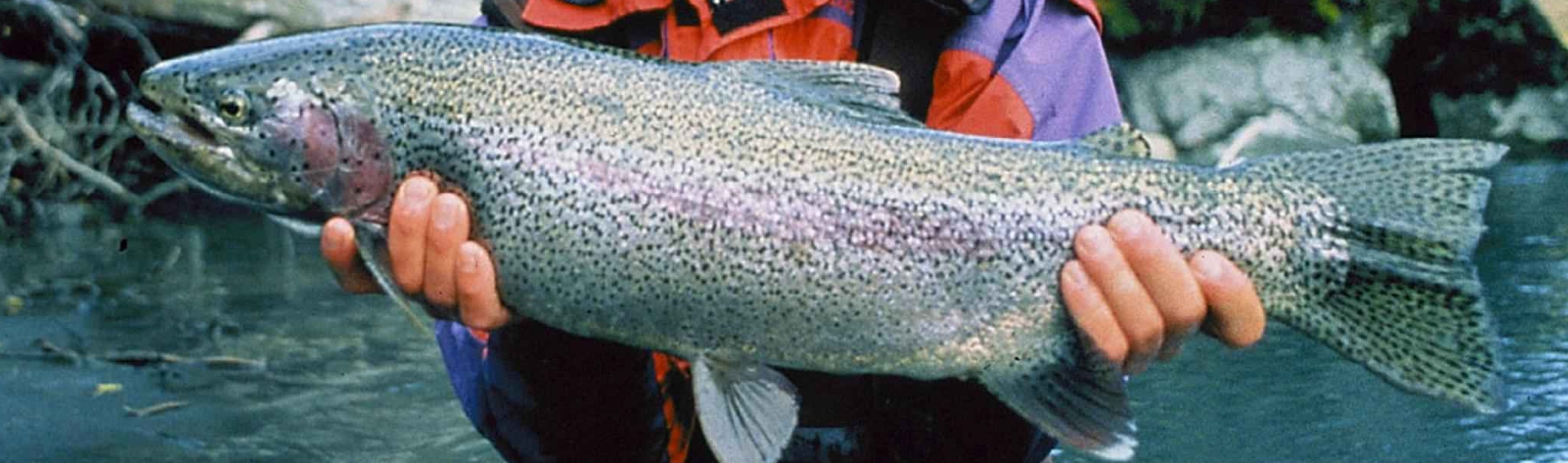
Steelhead
The steelhead is the undisputed monarch of Pacific Northwest fly fishing, a sea-run rainbow trout that combines the power of a salmon with the acrobatics of its resident rainbow cousins, wrapped in a chrome-bright package that can exceed 20 pounds. Genetically identical to rainbow trout (Oncorhynchus mykiss), steelhead are the anadromous form of the species: born in freshwater rivers, they migrate to the Pacific Ocean as juveniles, spend one to three years feeding in the rich saltwater environment, then return to their natal rivers to spawn. This ocean migration transforms a modest stream-resident rainbow into a muscular, silver-sided powerhouse that is widely considered the greatest gamefish available to fly anglers in North America. Steelhead are found in rivers throughout the Pacific Northwest, with Idaho, Oregon, and Washington offering the most celebrated fly-fishing opportunities. Idaho's Clearwater and Salmon rivers host legendary runs of summer steelhead, B-run fish that spend extra time in the ocean and return as massive 10- to 20-pound adults. Oregon's Deschutes River is perhaps the most iconic swing-fishing destination in the world, with summer steelhead providing consistent action from July through November. Washington's Olympic Peninsula rivers, the Skagit system, and tributaries of the Columbia River offer both summer and winter steelhead runs, drawing anglers from around the globe. Swing fishing for steelhead with a spey or switch rod is widely regarded as the pinnacle of fly-fishing pursuits. The technique involves casting a fly across and downstream, then allowing it to swing through the current on a tight line, covering water methodically as the angler steps downstream between each cast. The take of a steelhead on the swing, a sudden, violent pull that can nearly wrench the rod from your hands, is an experience that steelhead anglers describe as addictive beyond reason. The combination of the cast, the swing, the anticipation, the remote and beautiful river settings, and the sheer power of the fish creates a pursuit that many dedicated anglers build their entire fishing lives around.
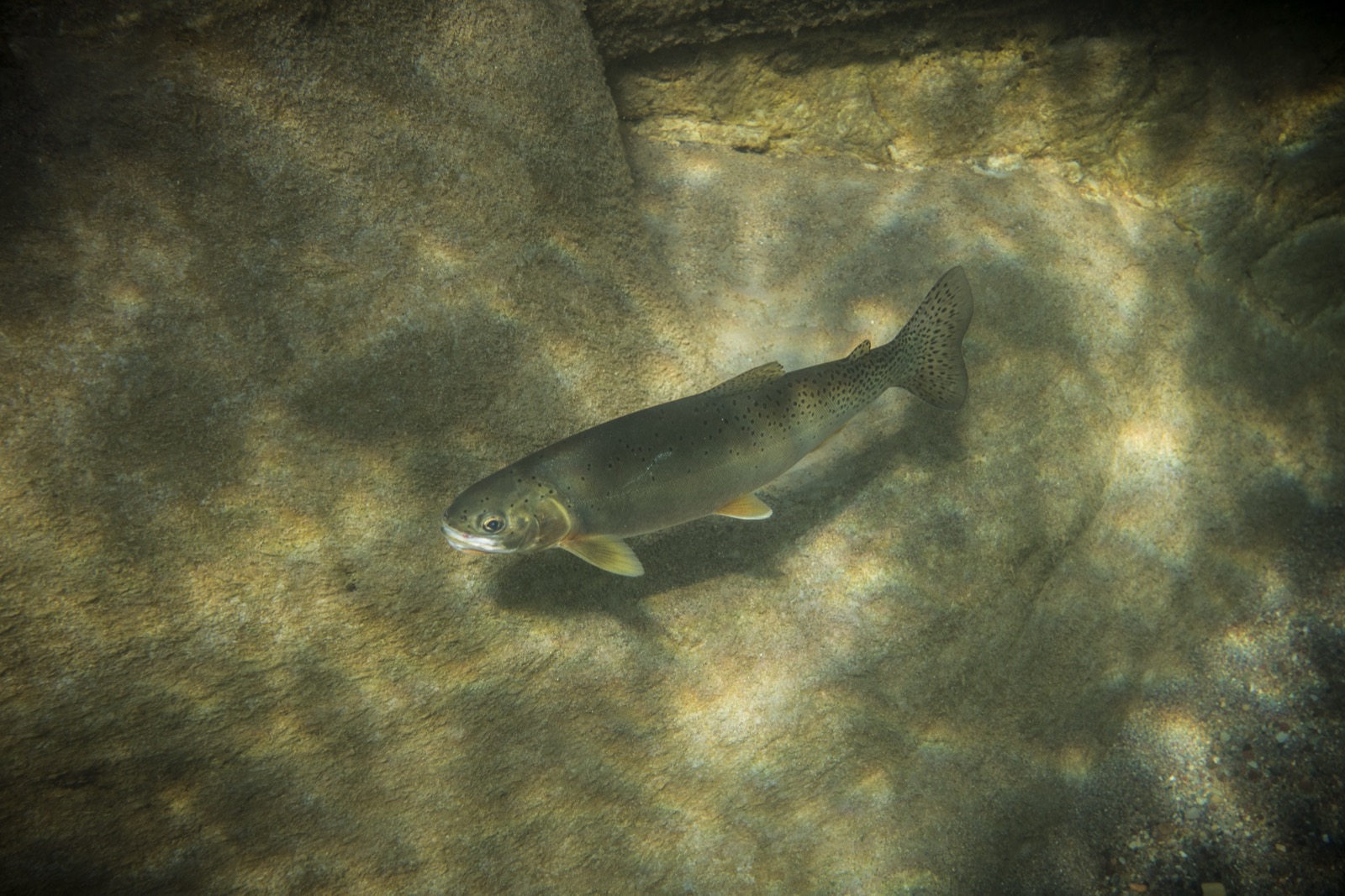
Westslope Cutthroat Trout
The westslope cutthroat trout is the most widely distributed native trout subspecies in the northern Rocky Mountains and holds the distinction of being Montana's official state fish. This interior subspecies of cutthroat trout evolved in the upper Columbia and Missouri River drainages west of the Continental Divide, inhabiting the cold, pristine mountain streams and alpine lakes of Idaho, western Montana, and pockets of eastern Washington and Oregon. Smaller and more delicately built than their Yellowstone cutthroat cousins, westslope cutthroats are a jewel of the backcountry, their buttery gold flanks peppered with fine black spots and accented by the hallmark crimson slashes beneath the jaw that define all cutthroat trout. Westslope cutthroats are the quintessential dry-fly trout of the northern Rockies. Found in headwater streams, cascading mountain creeks, and glacially carved alpine lakes from the Bitterroot Range to the Bob Marshall Wilderness, they inhabit some of the most breathtaking landscapes in the American West. On waters like the upper Blackfoot River, Rock Creek, the South Fork Flathead, and the St. Joe River in Idaho, westslope cutthroats rise eagerly to well-presented dry flies, often in settings so remote and wild that the fishing feels almost primeval. Their willingness to eat on the surface, combined with the spectacular scenery of their home waters, makes targeting westslope cutthroats one of the most rewarding experiences in western fly fishing. Despite their cultural and ecological importance, westslope cutthroat trout occupy only a fraction of their historic range. Hybridization with non-native rainbow trout and competition from introduced brook trout have eliminated genetically pure populations from many drainages. Today, the purest remaining westslope cutthroat populations persist in isolated headwater streams above natural or man-made barriers that prevent upstream migration of non-native species. Conservation efforts across Idaho, Montana, and Washington focus on protecting these stronghold populations, removing non-native competitors, and restoring connectivity where genetically pure fish still exist. Anglers who target westslope cutthroats become some of their strongest advocates, understanding firsthand the fragile beauty of the ecosystems these fish depend upon.
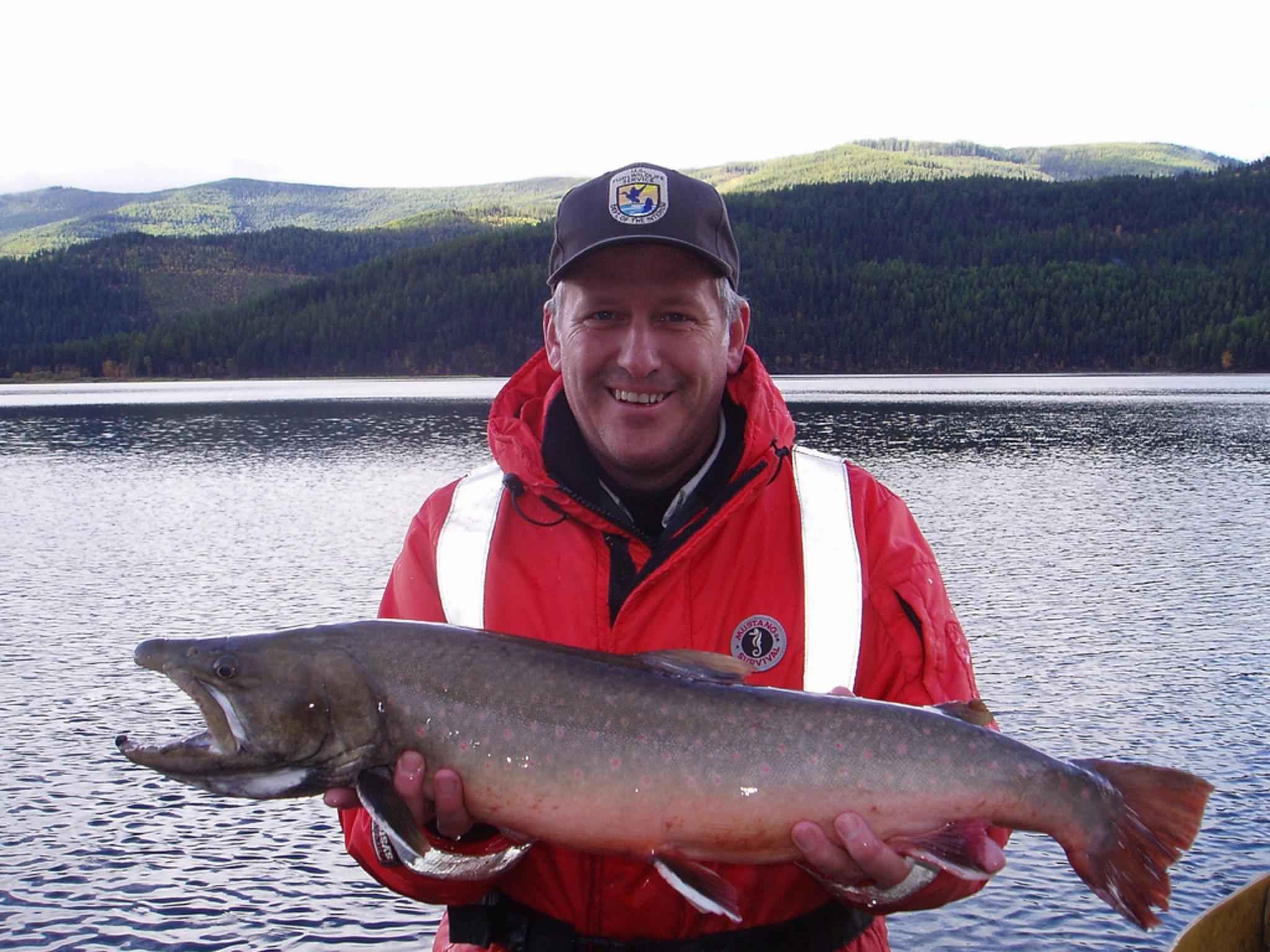
Bull Trout
The bull trout is the largest native char in the inland waters of the Pacific Northwest, a powerful and elusive predator that inhabits the coldest, cleanest rivers and lakes in Idaho, Montana, Oregon, and Washington. Despite its common name, the bull trout is not a true trout at all; it belongs to the char genus Salvelinus, making it a close relative of brook trout, lake trout, and Arctic char. Bull trout are distinguished by their massive heads, broad jaws, and overall bulk, which earned them the 'bull' moniker from early settlers who encountered these imposing fish in the frigid headwaters of the Columbia, Snake, and Klamath river basins. For fly anglers in the Pacific Northwest, the bull trout occupies a unique and somewhat complicated position. These fish are federally listed as Threatened under the Endangered Species Act throughout their range in the contiguous United States, meaning that catch-and-release only regulations apply universally: no bull trout may be harvested anywhere in Idaho, Montana, Oregon, or Washington. Despite this protected status, bull trout can be legally targeted in many waters, and they are a thrilling quarry on the fly rod. Migratory bull trout that move between lakes and tributary streams can exceed 30 inches and 10 pounds, with the power and aggression of a fish that feeds primarily on other fish. Hooking a large bull trout on a streamer in a clear mountain river is one of the most electrifying experiences in western fly fishing. Bull trout are also critically important as an indicator species for watershed health. They require the coldest water temperatures of any salmonid in North America (sustained temperatures above 59 degrees Fahrenheit can be lethal), and they depend on connected networks of streams, rivers, and lakes to complete their complex life cycle. Where bull trout thrive, you can be confident the watershed is intact, the water is clean, and the habitat is functioning at a high level. Their decline across much of the Pacific Northwest has been driven by dam construction, logging-related sedimentation, water temperature increases from climate change, and competition with non-native brook trout, with which they readily hybridize. Understanding bull trout identification is essential for every western angler, as many are caught incidentally while targeting other species, and proper handling and release are legally mandated.
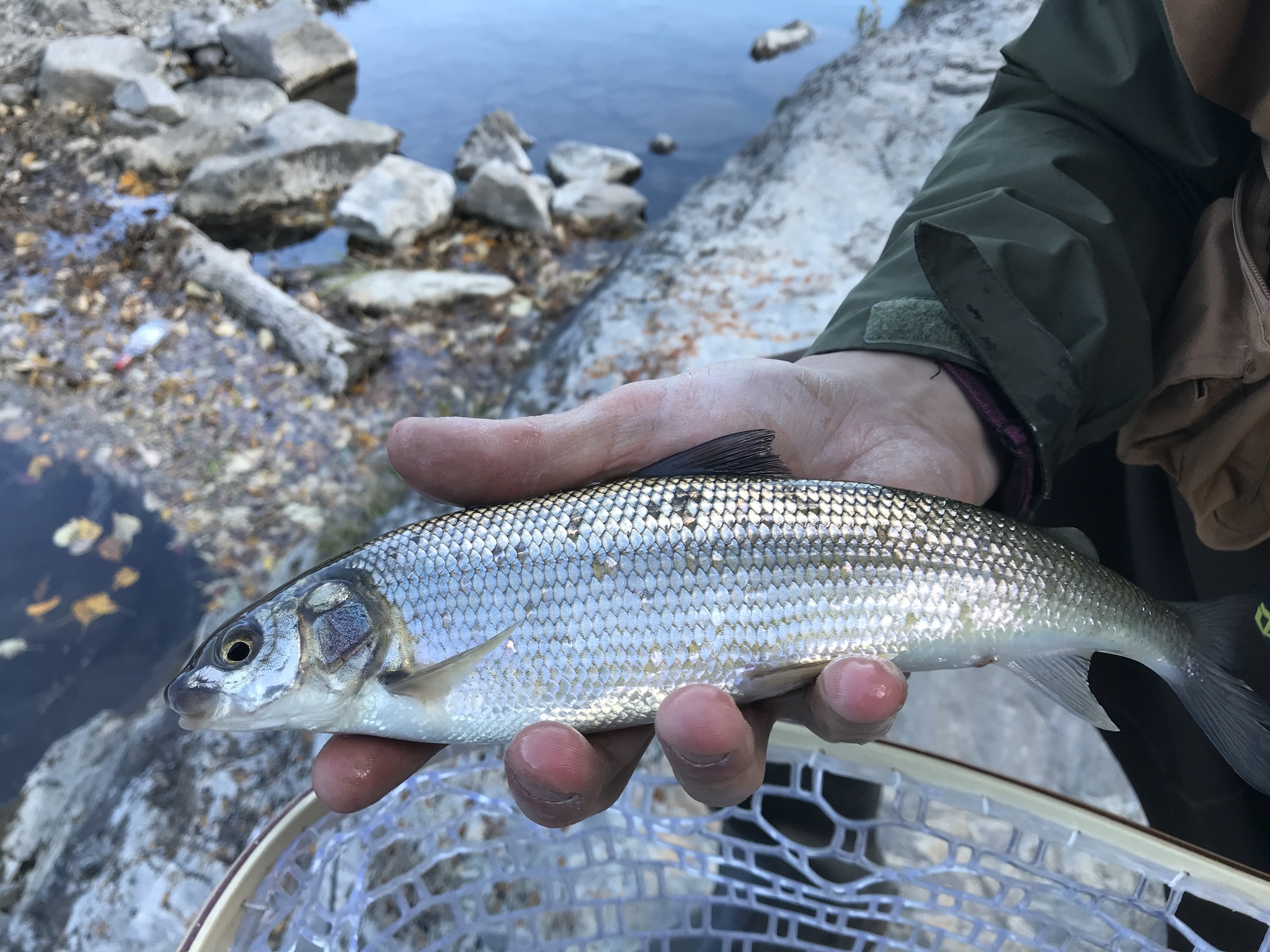
Mountain Whitefish
The mountain whitefish is one of Montana's most abundant native salmonids and arguably the most underappreciated gamefish in the state. A member of the whitefish subfamily (Coregoninae) within the broader salmonid family, mountain whitefish are present in virtually every cold-water river and large stream in Montana, often outnumbering trout by significant margins. On rivers like the Madison, Gallatin, Yellowstone, and Bitterroot, whitefish populations can exceed 1,000 fish per mile, making them the dominant salmonid species by biomass in many reaches. Despite this abundance, most fly anglers overlook whitefish entirely or view them as an unwelcome catch, which is unfortunate because they can provide outstanding sport on light tackle. Mountain whitefish are an important ecological component of Montana's river systems. They serve as a primary food source for larger brown trout, bald eagles, ospreys, otters, and other predators. Their fall spawning behavior (typically October through December) plays a critical role in nutrient cycling, and their eggs provide food for other fish and aquatic invertebrates during the lean winter months. In recent years, whitefish populations have been used as indicator species for overall river health, and declines in whitefish numbers on some Montana rivers have raised concerns about changing water conditions and disease pressure. For anglers willing to target them intentionally, mountain whitefish offer several advantages. They feed actively throughout the winter months when trout fishing can be slow, they are abundant and widely distributed, and they fight with surprising strength for their size; a 16-inch whitefish on a 3- or 4-weight rod provides a memorable tussle. Whitefish are also excellent table fare, with firm, mild-flavored white flesh that is delicious smoked or fried. Montana regulations typically allow a generous harvest limit for whitefish, recognizing their abundance and the role that harvest can play in managing populations on some waters.
Salmon River Hatch Chart
| Insect | Suggested Fly | Jan | Feb | Mar | Apr | May | Jun | Jul | Aug | Sep | Oct | Nov | Dec |
|---|---|---|---|---|---|---|---|---|---|---|---|---|---|
Golden Stonefly all day | Stimulator | ||||||||||||
Salmonfly all day | Norm Wood Special | ||||||||||||
Caddisflies (various) evening | Elk Hair Caddis | ||||||||||||
Terrestrials (hoppers, beetles) afternoon | Chubby Chernobyl | ||||||||||||
Pale Morning Dun morning | PMD Comparadun | ||||||||||||
Blue-Winged Olive (Baetis) afternoon | BWO Emerger | ||||||||||||
Yellow Sally Stonefly afternoon | Stimulator | ||||||||||||
October Caddis afternoon | Stimulator |
Golden Stonefly: Golden stones in the canyon. Stimulator size 6-10.
Salmonfly: Salmonfly emergence on the lower-elevation canyon sections. Size 4-8.
Caddisflies (various): Strong caddis hatches throughout. EHC size 14-16.
Terrestrials (hoppers, beetles): The dominant summer technique. Chubby Chernobyl with dropper.
Pale Morning Dun: PMD hatches on the upper river. PMD Comparadun size 14-18.
Blue-Winged Olive (Baetis): Fall BWO hatches. BWO Emerger size 18-20.
Yellow Sally Stonefly: Small stonefly emergence. Stimulator size 14-16.
October Caddis: Large October caddis in fall. Stimulator size 8-10.
Recommended Flies
Chubby Chernobyl
Top PickThe #1 Salmon River technique: hopper-dropper through the canyon
Best in summer
Stimulator
Top PickStonefly dry for Golden Stones and Yellow Sallies
Best in summer
Elk Hair Caddis
Top PickEvening caddis; cutthroat are aggressive caddis feeders
Best in summer
Pheasant Tail Nymph
Top PickBest dropper nymph behind dry flies for cutthroat
Best in summer
Woolly Bugger
Top PickSteelhead and trout streamer; swing through deep runs
Best in fall
Pat's Rubber Legs
Top PickStonefly nymph for deeper runs and pocket water
Best in summer
Also Effective
Access Points & Boat Launches
Stanley Basin Access (Salmon River)
Wade AccessEasyWalk-in wade access to the upper Salmon River in the Stanley Basin, with the jagged Sawtooth Range as a backdrop. The river here is moderate in size and easily wadeable, holding healthy populations of westslope cutthroat trout. Multiple highway pull-offs provide access to different sections. The setting (mountains, meadows, and clean cold water) is among the most beautiful in Idaho.
Sunbeam Dam Historical Site
Boat LaunchEasyBoat launch and wade access at the site of the historic Sunbeam Dam (removed in 1934 to restore salmon and steelhead passage). A good put-in for day floats through the upper Salmon canyon. Wade fishing is productive near the old dam site, where the altered streambed creates excellent riffle and pool habitat. Interpretive signs tell the story of the dam's construction and removal.
North Fork Access (Salmon River)
Boat LaunchEasyBoat launch at the town of North Fork, where the North Fork Salmon River joins the main Salmon. This is the last major access before the river enters the Frank Church Wilderness. Good steelhead water in fall and productive trout fishing in summer. The town of North Fork provides basic services. Launch point for intermediate-length floats and steelhead fishing access.
Corn Creek Launch (Wilderness Gateway)
Boat LaunchModerate (remote location, long dirt road access)The launch point for the legendary Main Salmon River wilderness float, the River of No Return. This remote put-in, located at the end of a long dirt road, is the gateway to 100 miles of roadless wilderness. Permits are required for the float (lottery system for peak season). A gravel ramp accommodates rafts and dories. Plan for a 4 to 6 day expedition.
Regulations
Regulations
Upper Salmon River (Stanley to Salmon): Check current IDFG regulations by section. Some sections are catch-and-release only for trout. Bull trout must be released immediately throughout the drainage; zero harvest. Steelhead: Idaho steelhead permit required in addition to fishing license. Steelhead seasons and bag limits vary by section and year; check current IDFG regulations carefully. Barbless hooks required in some sections. Main Salmon (wilderness): Special regulations apply; check IDFG for current rules. Check Idaho Department of Fish and Game regulations at idfg.idaho.gov.
Always verify current regulations with Idaho Fish and Game before fishing.
Some links may earn a commission. Learn more
Quick Facts
- Region
- Central Idaho
- Water Type
- Freestone / Wilderness Canyon
- River Length
- 425 miles (longest undammed river in the lower 48); ~100 miles of prime upper river trout water, ~100 miles of wilderness canyon
- Difficulty
- Intermediate-Advanced
- Best Seasons
- summer, fall
- Trout Per Mile
- 800-1,500 (upper Salmon, predominantly westslope cutthroat); resident trout densities vary significantly by section
- Record Trout
- 18" westslope cutthroat trout (upper Salmon); steelhead exceeding 15 lbs documented; bull trout to 28"
- Species
- Steelhead, Westslope Cutthroat Trout, Bull Trout, Mountain Whitefish
- USGS Gauge
- 13302500