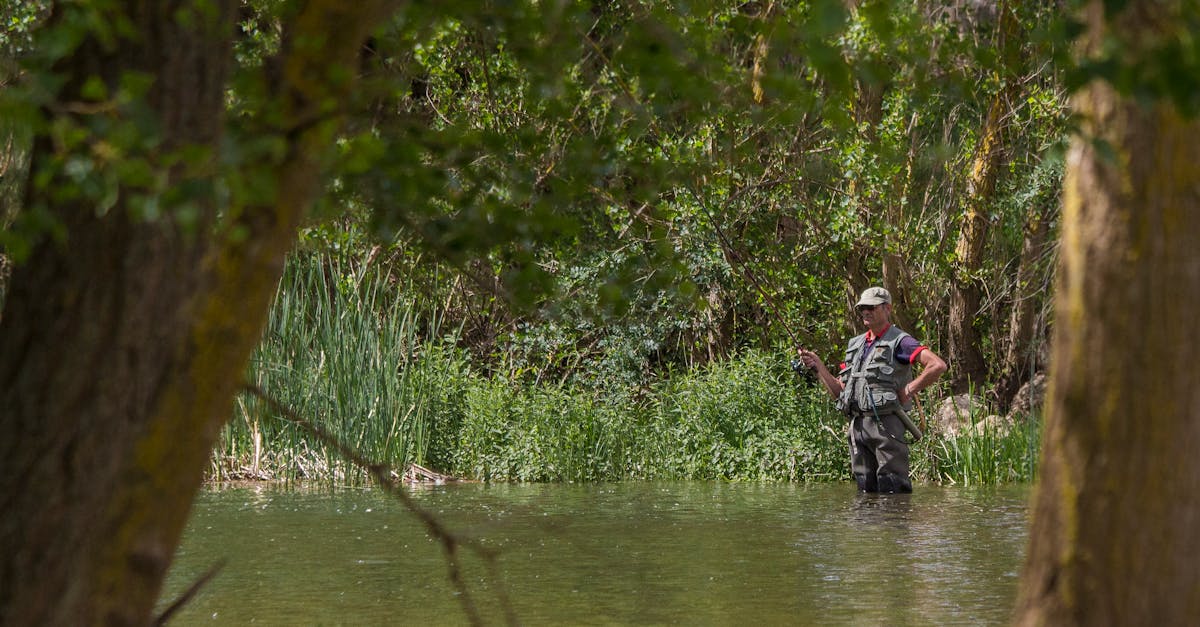
Silver Creek
Silver Creek near Picabo is one of the most revered spring creeks in the world, a gentle, crystalline stream flowing through a lush valley where large, highly selective rainbow and brown trout feed on prolific hatches in water so clear that every grain of sand on the streambed is visible. Protected by The Nature Conservancy, Silver Creek is the ultimate test of technical fly fishing skill.
Silver Creek Fishing Report & Current Conditions
The Silver Creek is a spring creek fishery, and it fishes best in summer and fall. Live USGS streamflow readings update throughout the day, while the monthly median flows below map the river's typical discharge across the year. Together they show current fishability and how today's water compares to the seasonal norm.
Current Conditions
Typical Monthly Flows
Historical median discharge (CFS) by month: Silver Creek
Overview
Silver Creek is fly fishing's ultimate proving ground. This pristine spring creek, flowing through the pastoral valley near Picabo and Sun Valley in central Idaho, has humbled expert anglers for generations with its gin-clear water, wary trout, and hatches so dense and complex that matching the hatch becomes an exercise in entomological precision. Protected by The Nature Conservancy's Silver Creek Preserve since 1976, this is one of the best-conserved trout streams in the American West.
Silver Creek originates from a series of spring-fed tributaries (Loving Creek, Stalker Creek, Grove Creek, and Chaney Creek) that emerge from the volcanic aquifer of the Snake River Plain. These springs produce cold, mineralized water at a constant 55 to 58 degrees Fahrenheit year-round, creating ideal conditions for aquatic insect production and trout growth. The creek itself is deceptively small, 20 to 40 feet wide through most of its length, but the spring-fed stability and rich alkaline chemistry support large, healthy trout. Rainbow and brown trout averaging 16 to 18 inches cruise the clear currents, and fish over 20 inches are a realistic possibility on any given day.
The Nature Conservancy section is the heart of Silver Creek fishing. Approximately two miles of the creek flow through the preserve, where the riparian habitat has been restored to its natural state: lush meadows of native grasses, willows, and wildflowers that provide critical habitat for nesting birds and spawning trout. The preserve section features the classic spring creek characteristics that make Silver Creek famous: flat, glassy currents over a weed-bed-covered bottom, gentle meanders, and undercut banks where large trout hold and feed with maddening selectivity.
Above the preserve, the tributary creeks offer smaller but equally technical fishing. Loving Creek and Stalker Creek are intimate spring creeks where stalking and casting to individual rising fish in tiny, clear water is the norm. These tributaries hold fewer fish but they are often large and extremely wary. Below the preserve, Silver Creek winds through ranch land before eventually joining the Little Wood River. Access below the preserve is limited but the fishing quality remains high.
Sun Valley, Idaho, one of America's premier mountain resort towns, is a 30-minute drive from Silver Creek. The combination of world-class spring creek fishing, mountain scenery, and the resort amenities of Sun Valley and Ketchum makes Silver Creek a destination that appeals to both dedicated anglers and traveling families.
Water Characteristics
Silver Creek is a textbook spring creek. The volcanic aquifer of the Snake River Plain feeds a network of springs that produce crystal-clear, mineral-rich water at a nearly constant temperature of 55 to 58 degrees Fahrenheit year-round. This thermal and chemical stability creates exceptional conditions for aquatic life: dense weed beds of watercress, elodea, and other aquatic plants harbor prolific populations of mayflies, caddisflies, midges, scuds, and leeches. The alkaline water chemistry (high calcium carbonate content) drives biological productivity that rivals the most fertile spring creeks in Montana or Pennsylvania.
The creek's gentle gradient and spring-fed consistency produce the smooth, glassy flows that are Silver Creek's hallmark, and its challenge. There are virtually no riffles, no rough water, no turbulence to hide an angler's mistakes. Every imperfection in the drift (a hint of drag, a shadow from the leader, a fly that sits slightly wrong in the surface film) is magnified by the flat currents and the trout's exceptional visual acuity in the clear water.
The substrate is primarily fine gravel and sand, overlaid by dense aquatic vegetation in summer. These weed beds are the engine of Silver Creek's productivity, providing habitat for the insects and crustaceans that fuel trout growth. The weed beds also create the complex current patterns (subtle seams, micro-eddies, and feeding lanes) that concentrate trout and define the surface-feeding positions that anglers must learn to read.
Wading & Float Guide
Silver Creek requires a unique approach to wading; in many sections, you do not wade at all. The Nature Conservancy Preserve has designated areas where anglers must fish from the bank to protect the fragile riparian habitat and spawning areas. Where wading is permitted, the creek's character demands extreme caution. The bottom is composed of fine gravel, sand, and dense aquatic vegetation (weed beds) that can entangle waders and make footing uncertain. The spring-fed water is clear to the bottom (visibility exceeding 15 feet is common), which means the fish can see you as easily as you can see them.
Where wading is allowed, move slowly and deliberately; each step sends a pressure wave through the still water that can spook fish 50 feet away. Many experienced Silver Creek anglers adopt a crouch or even fish from their knees to reduce their profile against the sky. Felt-soled boots are effective on the soft bottom, but the creek is shallow enough that hip waders or even knee-high boots suffice for most wading situations. The constant spring temperature (55-58 degrees) makes wet wading uncomfortable.
The tributary creeks, Loving Creek and Stalker Creek, are small enough to fish without wading in most spots. Stand on the bank, keep a low profile, and cast to rising fish in the creek channel. These tiny, clear waters are the ultimate stealth fishing challenge. The preserve trails provide walking access along the main creek, but anglers should stay on designated paths to protect the sensitive riparian vegetation.
Silver Creek (Preserve to Point of Rocks)
Silver Creek is not a traditional float fishing river. Small watercraft (canoes, kayaks, and float tubes) are used to access sections not reachable by wading. The gentle current and shallow depth require minimal paddling skill but maximum stealth. Float tubing allows anglers to position silently near rising fish and make precise casts. Motor boats and drift boats are prohibited.
Rod & Tackle Guide
Silver Creek Preserve (Main Creek)
- Rod
- 8'6" to 9' 3-weight or 4-weight
- Line
- Double-taper or weight-forward floating with long, delicate front taper
- Leader & Tippet
- 12'-15' tapered to 6X-7X fluorocarbon
A 3-weight is the ideal Silver Creek rod, light enough for the ultra-delicate presentations that selective fish demand, with enough reach to cast 30-40 feet of line and leader. Many Silver Creek regulars use a double-taper line for the superior roll-casting and mending characteristics. Fluorocarbon tippet is essential; it sinks slightly into the surface film and is less visible to the fish than nylon.
Tributary Creeks (Loving Creek, Stalker Creek)
- Rod
- 7'6" to 8' 2-weight or 3-weight
- Line
- Double-taper floating
- Leader & Tippet
- 9'-12' tapered to 6X-7X
The tiny tributaries call for the lightest possible tackle. Short, precise casts of 15-25 feet are the norm. A 7.5-foot 2-weight is a joy on these small waters. Keep a low profile and avoid false casting over the water; the fish can see the rod flash overhead.
Best Time to Fish the Silver Creek
Spring
The Nature Conservancy Preserve opens on the last Saturday in May. Early season fishing from late May through June features Callibaetis mayfly hatches (#14-16) and the beginning of PMD activity. The spring creeks are at their most productive as warming air temperatures trigger increased insect emergence. BWO hatches (#18-20) can be excellent on overcast spring days. The tributaries (Loving Creek, Stalker Creek) fish well in spring before summer weed growth makes casting difficult. Approach the water slowly and watch for risers before casting.
Summer
July and August bring the peak hatches and the most challenging fishing. Trico spinner falls (#20-24) from dawn through mid-morning produce blanket rises and excruciatingly selective feeding. PMDs (#16-18) hatch in the afternoon, followed by evening caddis (#14-16) and occasional Green Drake activity (#10-12). Summer is when Silver Creek earns its reputation: the flat, clear water, tiny flies, and PhD-educated trout create a puzzle that can take years to master. Use 12-15 foot leaders tapering to 6X-7X. Study the surface film carefully; trout may be taking emergers or spent spinners rather than duns.
Fall
September through November is outstanding and less crowded than summer. BWO hatches (#18-20) return with a vengeance on overcast fall afternoons, producing some of the year's most reliable surface feeding. Mahogany Duns and October Caddis add variety in September and October. Brown trout in the lower creek become more aggressive as spawning approaches. Fall is arguably the best season for Silver Creek: the hatches are consistent, the fish are feeding heavily for winter, and the summer crowds have departed. The preserve closes December 1.
Winter
The Nature Conservancy Preserve is closed from December 1 through the last Saturday in May. Some sections of Silver Creek outside the preserve remain open under standard Idaho regulations, but winter fishing is limited. The constant spring temperatures keep the creek fishable, but access, cold weather, and low insect activity make winter an impractical time for most anglers. Shift to lower-elevation waters or plan for the May opener.
Fishing Pressure & Local Tips
Silver Creek receives moderate fishing pressure during the peak summer months (July-August), driven by the stream's international reputation and the proximity to Sun Valley's resort infrastructure. However, the preserve's limited parking, dawn-to-dusk hours, and the inherent difficulty of the fishing provide natural pressure relief; Silver Creek quickly discourages casual anglers. On a typical summer weekday, 8 to 15 anglers may be spread along the preserve's two miles. Weekend pressure is heavier but still manageable.
Fall fishing (September-November) sees significantly lighter pressure and arguably better overall fishing. The preserve's seasonal closure (December 1 through late May) provides an extended rest period that allows the fish to recover from summer pressure. The tributaries, Loving Creek and Stalker Creek, receive very light pressure due to their small size and the difficulty of fishing them effectively. Overall, Silver Creek's technical demands are its best pressure management tool; the river self-selects for skilled, patient anglers who practice catch-and-release and respect the resource.
Local Knowledge
The single most important skill on Silver Creek is observation. Before you approach the water, stand well back from the bank and scan the surface for rising fish. Use polarized sunglasses to look into the water; you will often see fish feeding subsurface on nymphs and emergers before you spot surface rises. Once you identify a target fish, study its feeding rhythm and position. Silver Creek trout establish precise feeding lanes and will take insects from the same narrow window repeatedly. Your fly must drift through that exact lane at the exact right moment.
Fly selection on Silver Creek is an exercise in precision. Carrying a size 16 PMD when the fish are eating size 18 can mean the difference between a 10-fish day and a blank. Build a thorough selection of mayfly patterns in multiple sizes: PMDs in sizes 14 through 18, Tricos in sizes 20 through 24, BWOs in sizes 18 through 22, and Callibaetis in sizes 14 through 16. Emerger patterns (RS2s, Sparkle Duns, CDC emergers) are often more effective than traditional duns, as Silver Creek trout frequently key on emerging insects trapped in the surface film rather than fully upright duns.
Silver Creek is one of the most important conservation success stories in Western fly fishing. The Nature Conservancy's stewardship of the preserve has protected the creek's water quality, riparian habitat, and fishery for nearly 50 years. Respect the preserve rules: stay on trails, keep dogs leashed, pick up all litter, and practice careful catch-and-release. The fragile spring creek ecosystem that makes Silver Creek extraordinary is also vulnerable to the impacts of careless recreation.
Species Present
Rainbow Trout
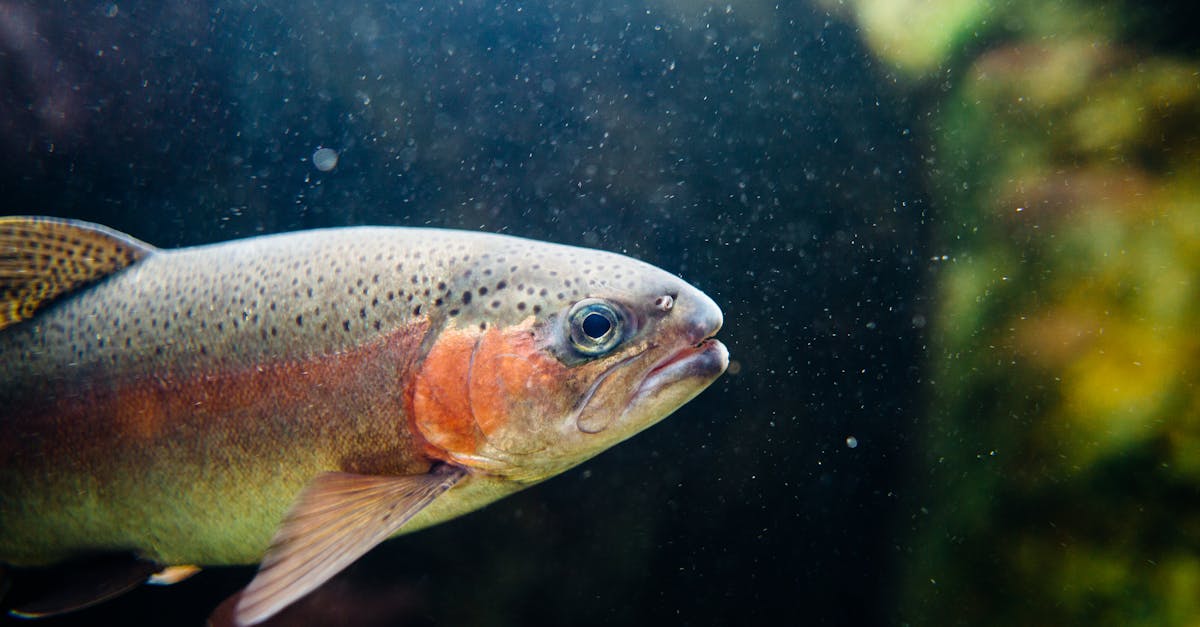
The rainbow trout is Montana's most widespread and popular gamefish, celebrated for its explosive surface strikes, aerial acrobatics, and willingness to take a well-presented dry fly. Native to Pacific Coast drainages from Alaska to Mexico, rainbows were first introduced to Montana's waters in the late 1800s and have since established thriving populations in nearly every major river system in the state. On legendary waters like the Madison, Missouri, and Bighorn, wild rainbow trout grow fat on prolific insect hatches and provide some of the finest dry-fly fishing in North America. Rainbow trout in Montana display remarkable variation depending on their home water. Fish in nutrient-rich tailwaters like the Missouri River below Holter Dam can exceed 20 inches with regularity, their deep bodies and broad tails reflecting the abundant food supply. Freestone river rainbows, such as those in the upper Madison and Gallatin, tend to be leaner and more athletic, shaped by faster currents and colder water temperatures. In many Montana rivers, rainbows spawn in the spring from March through June, and anglers should be mindful of spawning redds during this period to protect future generations of fish. Rainbows are arguably the most versatile trout species for fly anglers. They respond well to dry flies during hatches, aggressively chase streamers, and feed heavily on nymphs subsurface throughout the year. Their fighting ability is legendary: a hooked rainbow will often launch itself completely out of the water multiple times during a battle. Montana's catch-and-release regulations on many blue-ribbon streams have produced exceptional rainbow trout fisheries with high densities of large, healthy fish that continue to draw anglers from around the world.
Brown Trout
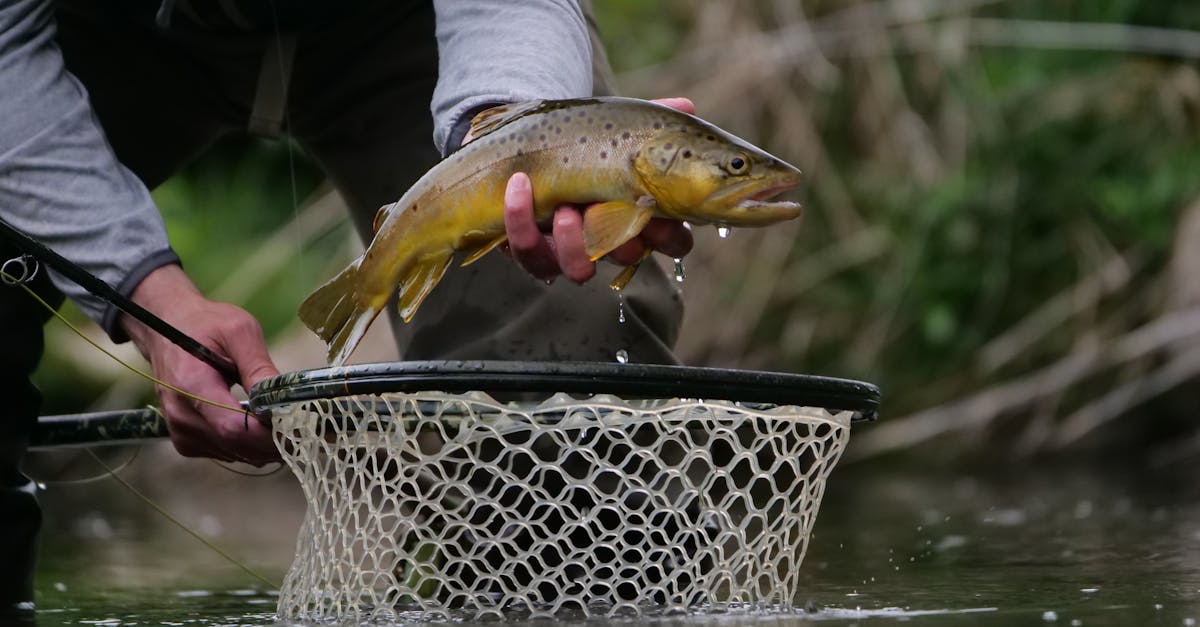
The brown trout is the most cunning and elusive trout species swimming in Montana's rivers, and it rewards patient, skilled anglers with some of the state's most memorable catches. Originally native to Europe and western Asia, brown trout were first introduced to North American waters in 1883 and arrived in Montana shortly thereafter. They have since established robust, self-sustaining populations in virtually every major trout stream in the state, from the legendary spring creeks of the Paradise Valley to the sweeping runs of the lower Madison and the deep pools of the Bighorn. Brown trout grow larger than any other trout species in Montana, and fish exceeding 24 inches are caught with regularity on premium waters. The lower Madison River, the Missouri River below Holter Dam, and the Bighorn River are particularly renowned for producing trophy-class browns. Unlike rainbows, brown trout spawn in the fall (October through November), and their aggressive pre-spawn behavior creates an exciting window for streamer fishing as large males become territorial and attack anything that enters their domain. Browns are notably more nocturnal than other trout species, and many of the biggest fish are caught during low-light conditions. What sets brown trout apart from other species is their wariness and selectivity. Large browns are notoriously difficult to fool, often refusing flies that are even slightly off in size, color, or presentation. They tend to establish and defend prime feeding lies (undercut banks, logjams, deep pools, and boulder gardens), and an angler who learns to read water and identify these holding spots will consistently catch more and larger fish. This combination of difficulty, size potential, and intelligence makes the brown trout the most prized quarry for many serious Montana fly fishers.
Brook Trout
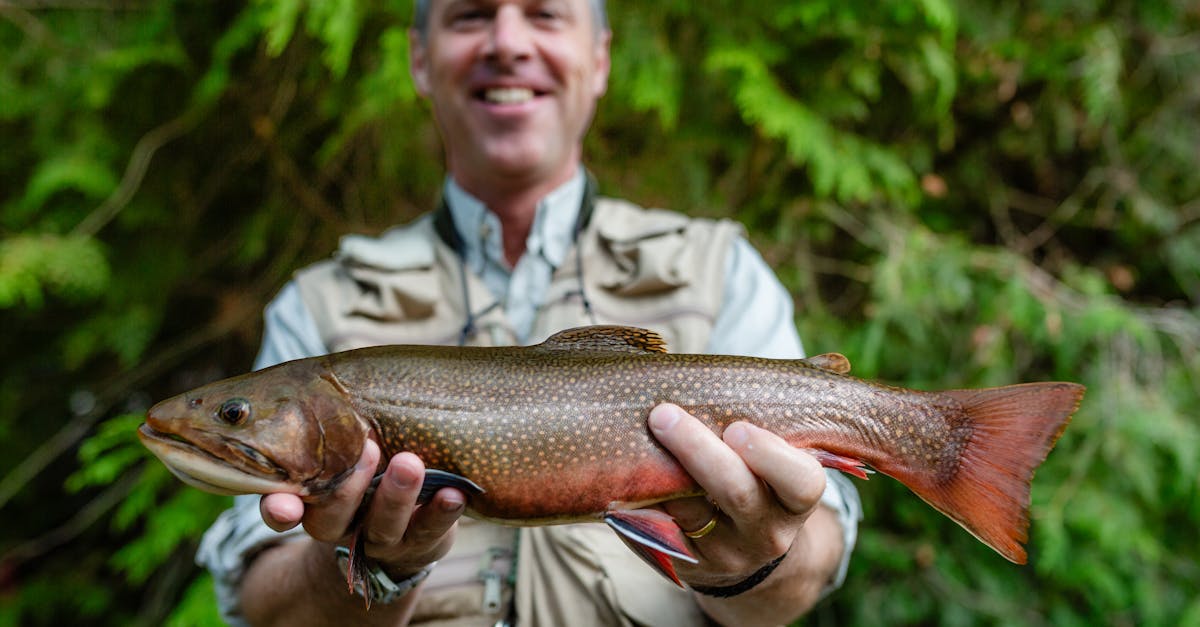
The brook trout is widely considered the most beautiful freshwater fish in North America, and catching one in a pristine Montana mountain stream is an experience that captures the essence of backcountry fly fishing. Despite their common name, brook trout are not true trout at all; they are a species of char (genus Salvelinus), more closely related to lake trout and Arctic char than to rainbows or browns. Native to eastern North America from Georgia to Hudson Bay, brook trout were among the first salmonids introduced to Montana's waters in the late 1800s and have since established self-sustaining populations in cold, high-elevation streams and lakes throughout the state. In Montana, brook trout thrive best in small, cold headwater streams and high mountain lakes where competition from larger trout species is minimal. In these environments, they are often the dominant, or only, salmonid present. The trade-off is size: Montana stream-dwelling brook trout typically range from 6 to 10 inches, with fish over 12 inches considered noteworthy in most waters. What they lack in size, however, they more than make up for in beauty and willingness to eat a fly. Brookies are aggressive feeders that will strike attractor dry flies, nymphs, and small streamers with enthusiasm, making them an ideal species for beginning fly anglers and a delightful quarry for anyone who appreciates small-stream fishing. Brook trout do present a conservation paradox in Montana. While they are a beloved and beautiful gamefish, they are non-native and can negatively impact native species, particularly Yellowstone and westslope cutthroat trout. In headwater streams, brook trout often outcompete cutthroats for food and spawning habitat due to their higher reproductive rate and earlier maturation. As a result, Montana FWP has implemented brook trout removal projects on some streams to restore native cutthroat populations. In many waters, liberal harvest limits for brook trout are encouraged to reduce their numbers and benefit native fish. Anglers can enjoy excellent brook trout fishing while actively helping conservation by keeping a few for the pan.
Silver Creek Hatch Chart
| Insect | Suggested Fly | Jan | Feb | Mar | Apr | May | Jun | Jul | Aug | Sep | Oct | Nov | Dec |
|---|---|---|---|---|---|---|---|---|---|---|---|---|---|
Trico morning | Trico Spinner | ||||||||||||
Pale Morning Dun afternoon | Sparkle Dun | ||||||||||||
Blue-Winged Olive (Baetis) afternoon | BWO Emerger | ||||||||||||
Blue-Winged Olive (Baetis) afternoon | RS2 | ||||||||||||
Callibaetis morning | Parachute Adams | ||||||||||||
Caddisflies (various) evening | CDC Caddis Emerger | ||||||||||||
Midges morning | Zebra Midge | ||||||||||||
Green Drake afternoon | Parachute Adams | ||||||||||||
Mahogany Dun afternoon | Parachute Adams |
Trico: The signature Silver Creek hatch. Dawn spinner falls demand size 20-24 precision.
Pale Morning Dun: Afternoon PMD hatches bring selective risers. Sparkle Dun size 16-18.
Blue-Winged Olive (Baetis): Spring BWO hatches on overcast days. BWO Emerger size 18-20.
Blue-Winged Olive (Baetis): Fall BWOs are exceptional. RS2 size 18-22 fished in the film.
Callibaetis: Spring creek specialty. Parachute Adams size 14-16.
Caddisflies (various): Evening caddis emergence. CDC Caddis Emerger size 14-16.
Midges: Year-round food source. Zebra Midge or Griffith's Gnat size 18-24.
Green Drake: Sporadic but exciting. Large Parachute Adams size 10-12 when they appear.
Mahogany Dun: Fall mahogany duns add variety. Size 14-16 comparadun or parachute.
Recommended Flies
Trico Spinner
Top PickThe Silver Creek signature pattern: Trico spinner for dawn feeding
Best in summer
Sparkle Dun
Top PickSparkle Dun for PMD and Callibaetis emergers
Best in summer
RS2
Top PickRS2 emerger, arguably the most effective Silver Creek subsurface fly
Best in fall
BWO Emerger
Top PickBWO Emerger for the outstanding fall Baetis hatches
Best in fall
Parachute Adams
Top PickParachute Adams for Callibaetis and general mayfly activity
Best in summer
CDC Caddis Emerger
Top PickCDC Caddis Emerger for evening caddis
Best in summer
Curated Fly Boxes
Silver Creek Spring Creek Box
SummerDelicate patterns for one of America's finest spring creeks. Precise emerger and dun imitations in the small sizes Silver Creek's trout demand, with a focus on PMDs, Tricos, and BWOs.
Access Points & Boat Launches
Nature Conservancy Silver Creek Preserve
Wade AccessEasyThe primary access to the world-famous Silver Creek Preserve, managed by The Nature Conservancy. A well-maintained trail from the parking area leads through restored meadow habitat to multiple fishing access points along the main creek. Observation platforms and interpretive signage provide educational opportunities. Strictly catch-and-release, single barbless hook. This is the epicenter of Western spring creek fly fishing.
Kilpatrick Bridge Access
Wade AccessEasyPublic access at the Kilpatrick Bridge downstream of the Nature Conservancy Preserve. Walk-in fishing both upstream toward the preserve boundary and downstream through the lower creek. This section holds good populations of brown trout in addition to rainbows. Less crowded than the preserve during peak summer but equally technical water. Bank fishing access on both sides of the creek.
Point of Rocks Access
Wade AccessEasy-ModerateAccess to the lower Silver Creek at the Point of Rocks area, where the creek narrows and deepens against a basalt outcrop. This is one of the most scenic spots on Silver Creek and holds large brown trout in the deeper water near the rock formation. Float tube anglers often use this as a launch or take-out point. Less pressure than the preserve but access requires a short walk.
Stalker Creek Access
Wade AccessEasyWalk-in access to Stalker Creek, one of Silver Creek's primary spring-fed tributaries. This tiny, intimate stream holds surprisingly large trout in crystal-clear water barely 10 feet wide. Stealth and precise casting are essential; the fish can see you coming from 30 feet. A hidden gem for experienced anglers seeking the ultimate small-stream spring creek challenge.
Regulations
Regulations
Silver Creek and tributaries (Nature Conservancy Preserve and surrounding sections): Catch and release only, artificial flies and lures only, single barbless hook. No wading in posted areas; some sections are fish from the bank only. The Nature Conservancy Preserve is open dawn to dusk, closed to fishing from December 1 through the last Saturday in May. Idaho fishing license required. Dogs must be leashed. Check current Idaho Department of Fish and Game regulations at idfg.idaho.gov and The Nature Conservancy preserve rules.
Always verify current regulations with Idaho Fish and Game before fishing.
Some links may earn a commission. Learn more
Quick Facts
- Region
- Central Idaho / Sun Valley
- Water Type
- Spring Creek
- River Length
- ~15 miles of fishable water; 2 miles within The Nature Conservancy Preserve
- Difficulty
- Advanced
- Best Seasons
- summer, fall
- Trout Per Mile
- 1,500-2,500 (predominantly rainbow trout; brown trout in lower sections)
- Record Trout
- 26" rainbow trout; brown trout exceeding 24" documented in the lower creek
- Species
- Rainbow Trout, Brown Trout, Brook Trout
- USGS Gauge
- 13150430
Where to Stay
Sun Valley / Ketchum
Idaho's premier resort town offers world-class dining, lodging, and shopping alongside easy access to Silver Creek (30 minutes south). A vibrant year-round community with an arts and outdoor culture.
The best base for Silver Creek fishing with the widest range of lodging and dining options. Silver Creek Outfitters in Ketchum is the go-to shop for conditions, flies, and guided trips.
Hailey / Bellevue
More affordable alternatives to Ketchum, located closer to Silver Creek. Hailey has a charming downtown with restaurants and shops, while Bellevue is minutes from the preserve.
Bellevue puts you closest to the Silver Creek Preserve, about 10 minutes to the parking area. Hailey offers more dining and lodging options at lower prices than Ketchum.