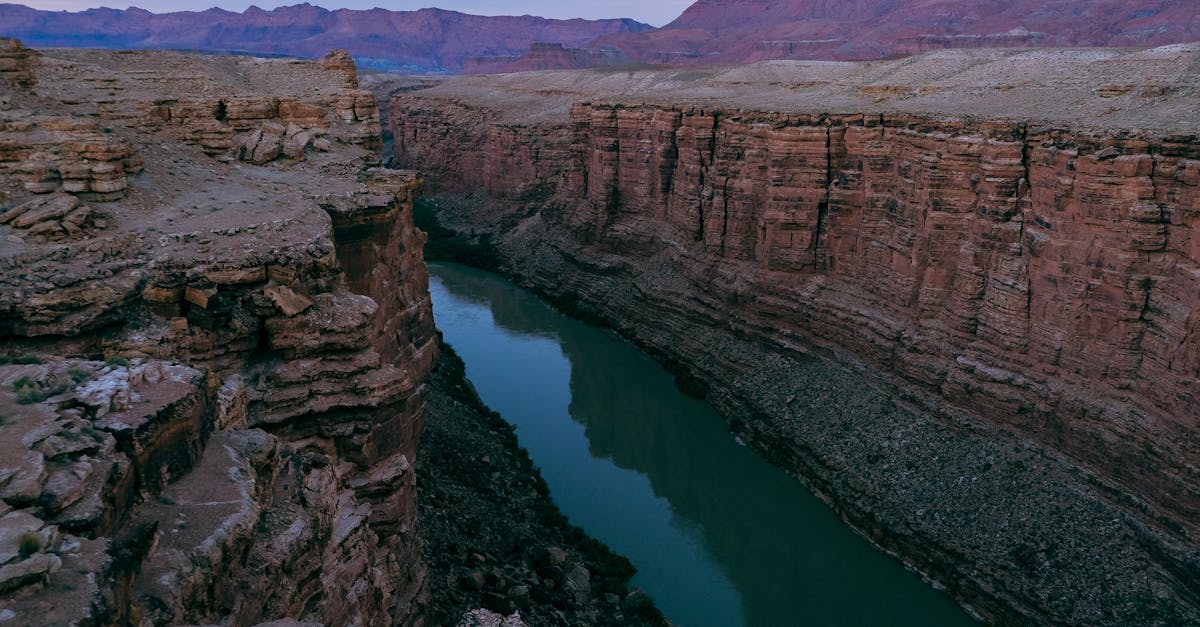
South Platte River
The South Platte River is Colorado's most iconic Front Range trout fishery, offering world-class sight fishing in crystal-clear tailwater conditions. Its multiple sections (Dream Stream, Eleven Mile Canyon, Cheesman Canyon, and Deckers) each provide distinct character and challenge, drawing anglers from across the country to match wits with notoriously selective trout.
South Platte River Fishing Report & Current Conditions
The South Platte River is a tailwater fishery, and it fishes best in spring, summer, fall and winter. Live USGS streamflow readings update throughout the day, while the monthly median flows below map the river's typical discharge across the year. Together they show current fishability and how today's water compares to the seasonal norm.
Current Conditions
Typical Monthly Flows
Historical median discharge (CFS) by month: South Platte River
Overview
The South Platte River begins its journey high in the mountains of central Colorado's South Park basin, flowing through a series of reservoirs that create some of the most productive tailwater trout fisheries in the American West. The river's fame rests on the exceptional clarity of its water, the quality and size of its trout, and the technical demands it places on anglers.
Dream Stream is the roughly 3.5-mile meadow section between Spinney Mountain Reservoir and Eleven Mile Reservoir, sitting at approximately 8,600 feet elevation in the wide-open grasslands of South Park. Large rainbows, cutthroats, and browns migrate upstream from Eleven Mile Reservoir to spawn, creating opportunities for trophy fish in shallow, crystal-clear water.
Eleven Mile Canyon offers 8 miles of pocket water and plunge pools as the river carves through a dramatic granite canyon below Eleven Mile Reservoir. This section fishes more like a classic freestone stream with good populations of brown and rainbow trout.
Cheesman Canyon is widely regarded as one of the most challenging and rewarding fly fishing destinations in Colorado. The 4-mile stretch below Cheesman Dam is accessed via the Gill Trail, a moderately strenuous hike that ensures lower pressure than roadside sections.
Deckers is the most accessible section, with road-side parking along the river below Cheesman Canyon. While still technical water, Deckers offers a gentler introduction to South Platte fishing. The South Platte's Gold Medal designation covers the sections from Cheesman Dam downstream through the Wigwam Club boundaries.
Water Characteristics
The South Platte below Cheesman Dam is a classic tailwater with exceptionally clear water; visibility often exceeds 15 feet in the canyon sections. Water temperatures remain relatively stable year-round thanks to the deep-release dam, typically ranging from the mid-30s in winter to the low 50s in summer. This temperature stability supports year-round insect activity and keeps trout actively feeding in every month.
Insect life is extraordinary. The river supports dense populations of midges (Chironomidae), Blue Winged Olives (Baetis), Pale Morning Duns, caddis, and stoneflies. The midge populations are the foundation of the food chain; in winter, a square foot of river bottom can hold thousands of midge larvae.
At Deckers, the river warms slightly and broadens, supporting a more diverse array of insects including larger caddis and stoneflies. Dream Stream's meadow environment adds scuds, leeches, and crayfish to the trout diet, and the silt-and-gravel substrate differs markedly from the canyon sections. Water clarity remains excellent throughout, though spring runoff can briefly reduce visibility in lower sections during May and June.
Wading & Float Guide
The South Platte's wading character varies dramatically by section. In Cheesman Canyon, the river flows through a narrow granite gorge with a bottom composed of large boulders, cobble, and occasional bedrock shelves. Water depth ranges from ankle-deep riffles to chest-deep pools, and the current can be deceptively strong in the canyon's narrow chutes. Felt-soled or studded boots are essential, and a wading staff is recommended. The hike in via the Gill Trail (approximately 1 mile each way with 400 feet of elevation change) means you are committed once you arrive.
At Deckers, wading is considerably easier. The river widens and the gradient lessens, creating a more forgiving bottom of gravel and small cobble. Most of the river can be waded comfortably in hip waders during normal flows. Bank access is excellent along the road.
Dream Stream presents a different challenge entirely. The meadow stream winds through open grassland with undercut banks, silt-and-gravel bottom, and surprisingly deep channels. Wading is generally easy in terms of footing, but stealth is paramount, as the crystal-clear water and open terrain mean trout spook at the slightest disturbance. Many experienced anglers fish from the bank, crouching low and making long casts.
Dream Stream: Spinney Mountain Dam to Eleven Mile Reservoir
This meadow section is strictly a wade-fishing destination. No floating is permitted or practical. Walk the banks, sight fish to cruising trout migrating between the two reservoirs.
Eleven Mile Canyon
The canyon section is too narrow and boulder-choked for floating. Wade fishing only, accessed from the canyon road with numerous pulloffs and parking areas.
Cheesman Canyon
Accessed only by the Gill Trail hike. No floating permitted. This is intimate wade-fishing water in a granite canyon with demanding but rewarding conditions.
Deckers to Nighthawk Hill
While the river is larger here, this section is almost exclusively wade-fished from road-accessible pulloffs. Occasional kayak anglers run this stretch, but it is not a traditional float fishery.
Rod & Tackle Guide
Cheesman Canyon
- Rod
- 9' 3-weight or 4-weight
- Line
- Weight-forward floating, double-taper preferred for delicate presentations
- Leader & Tippet
- 12-15' tapered to 6X or 7X fluorocarbon
Light rod essential for the fine tippets required. Bring a wading staff for the boulder-strewn canyon. Polarized sunglasses in amber or copper lens are critical for sight fishing.
Deckers
- Rod
- 9' 4-weight or 5-weight
- Line
- Weight-forward floating
- Leader & Tippet
- 9-12' tapered to 5X or 6X
Slightly heavier rig than Cheesman allows for larger nymphing rigs and occasional streamer work. Euro-nymphing setups are increasingly popular and effective here.
Dream Stream
- Rod
- 9'6" or 10' 5-weight
- Line
- Weight-forward floating
- Leader & Tippet
- 12-15' tapered to 5X or 6X
Long rod helps with reach casts and mending on the meadow water. Bring both nymph and dry fly rigs, as fish can switch feeding modes quickly. Wind is constant in South Park; bring a wind-resistant hat and practice casting in wind.
Best Time to Fish the South Platte River
Spring
Spring is prime time on the South Platte, particularly in Cheesman Canyon. The midge hatches from late February through March are legendary: clouds of tiny insects blanket the water surface. Fish midge clusters and individual midge emergers in sizes 20-24 on 6X or 7X tippet. By April, Blue Winged Olives take over as the dominant hatch, and the dry fly fishing can be exceptional on overcast, drizzly days. In Dream Stream, spring brings large rainbows and cutthroats migrating upstream from Eleven Mile Reservoir to spawn. Water temperatures are cold, so fish tend to be most active from late morning through mid-afternoon.
Summer
Summer brings warmer water and diversified hatches but also peak angling pressure, particularly on weekends. Caddis hatches can be excellent at Deckers, with evening emergences bringing aggressive surface feeding. In Cheesman Canyon, PMDs join the mix, and early mornings before other anglers arrive can be magical. Terrestrial patterns (ants, beetles, and small hoppers) become effective along grassy banks. Arrive early or fish weekday evenings to avoid crowds. Afternoon thunderstorms are common at these elevations.
Fall
Fall is arguably the most exciting season on the South Platte. Brown trout begin their spawning migration in October, and large fish move into shallower water. In Dream Stream, Kokanee salmon migrate upstream from Eleven Mile Reservoir beginning in September. Respect spawning fish; do not walk on redds. BWO hatches intensify as water temperatures drop, and midges remain productive. The crowds thin dramatically after Labor Day. Streamers become more effective as browns become territorial.
Winter
Winter fishing on the South Platte is a well-kept local secret. The tailwater sections below Cheesman Dam rarely freeze completely, and midge hatches occur on most days between 11 AM and 2 PM. Fish small (sizes 22-26) midge larvae, pupae, and adults on the lightest tippet you can manage; 7X fluorocarbon is standard. Focus on the slower, deeper runs where trout conserve energy in cold water. Dress warmly in layers. The reward for braving the cold is having world-class water nearly to yourself.
Fishing Pressure & Local Tips
The South Platte is the closest premier trout fishery to the Denver metropolitan area, and it shows. Weekend pressure at Deckers can be heavy from April through October, with parking lots filling by mid-morning. Cheesman Canyon sees somewhat less pressure due to the required hike, but popular pools at the bottom of the Gill Trail can feel crowded. Dream Stream receives steady pressure year-round due to the chance at trophy fish.
To avoid the worst of the pressure, fish midweek whenever possible. Early mornings (before 8 AM) and late afternoons (after 4 PM) offer windows of reduced competition. In Cheesman Canyon, hiking beyond the first popular pools significantly reduces encounters with other anglers. Winter sees the lightest pressure, as cold temperatures and the technical midge fishing deter casual anglers. Consider the less-publicized Eleven Mile Canyon as an alternative when Cheesman and Deckers are packed.
Local Knowledge
The South Platte demands a stealth-first approach. In Cheesman Canyon, experienced locals will spend 10 minutes watching the water before making a single cast, identifying feeding lanes, rise forms, and individual fish. Long, drag-free drifts are more important than fly selection in most cases. When you see a fish refuse your fly, adjust your drift angle and presentation before changing patterns. Many refusals are caused by micro-drag invisible to the angler.
Fluorocarbon tippet is almost mandatory in the clear water, particularly 6X and 7X. Leaders of 12 to 15 feet are common among regulars. For Dream Stream, bring a long rod (9 or 10 feet) for low-profile casts on the open meadow. In fall, when Kokanee salmon are running, fish egg patterns and bright attractor nymphs downstream of spawning salmon. The local fly shops (Angler's Covey in Colorado Springs, South Platte Fly Shop in Fairplay, and Flies and Lies near Deckers) provide up-to-date reports. Check USGS gauge 06701500 before heading out.
Species Present
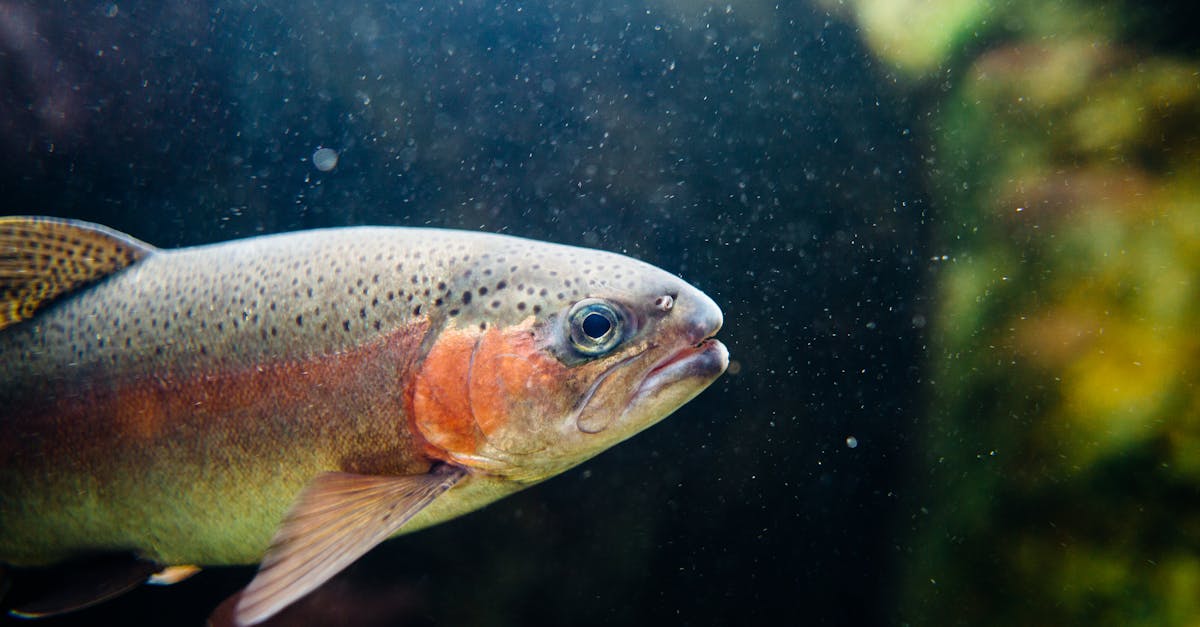
Rainbow Trout
The rainbow trout is Montana's most widespread and popular gamefish, celebrated for its explosive surface strikes, aerial acrobatics, and willingness to take a well-presented dry fly. Native to Pacific Coast drainages from Alaska to Mexico, rainbows were first introduced to Montana's waters in the late 1800s and have since established thriving populations in nearly every major river system in the state. On legendary waters like the Madison, Missouri, and Bighorn, wild rainbow trout grow fat on prolific insect hatches and provide some of the finest dry-fly fishing in North America. Rainbow trout in Montana display remarkable variation depending on their home water. Fish in nutrient-rich tailwaters like the Missouri River below Holter Dam can exceed 20 inches with regularity, their deep bodies and broad tails reflecting the abundant food supply. Freestone river rainbows, such as those in the upper Madison and Gallatin, tend to be leaner and more athletic, shaped by faster currents and colder water temperatures. In many Montana rivers, rainbows spawn in the spring from March through June, and anglers should be mindful of spawning redds during this period to protect future generations of fish. Rainbows are arguably the most versatile trout species for fly anglers. They respond well to dry flies during hatches, aggressively chase streamers, and feed heavily on nymphs subsurface throughout the year. Their fighting ability is legendary: a hooked rainbow will often launch itself completely out of the water multiple times during a battle. Montana's catch-and-release regulations on many blue-ribbon streams have produced exceptional rainbow trout fisheries with high densities of large, healthy fish that continue to draw anglers from around the world.
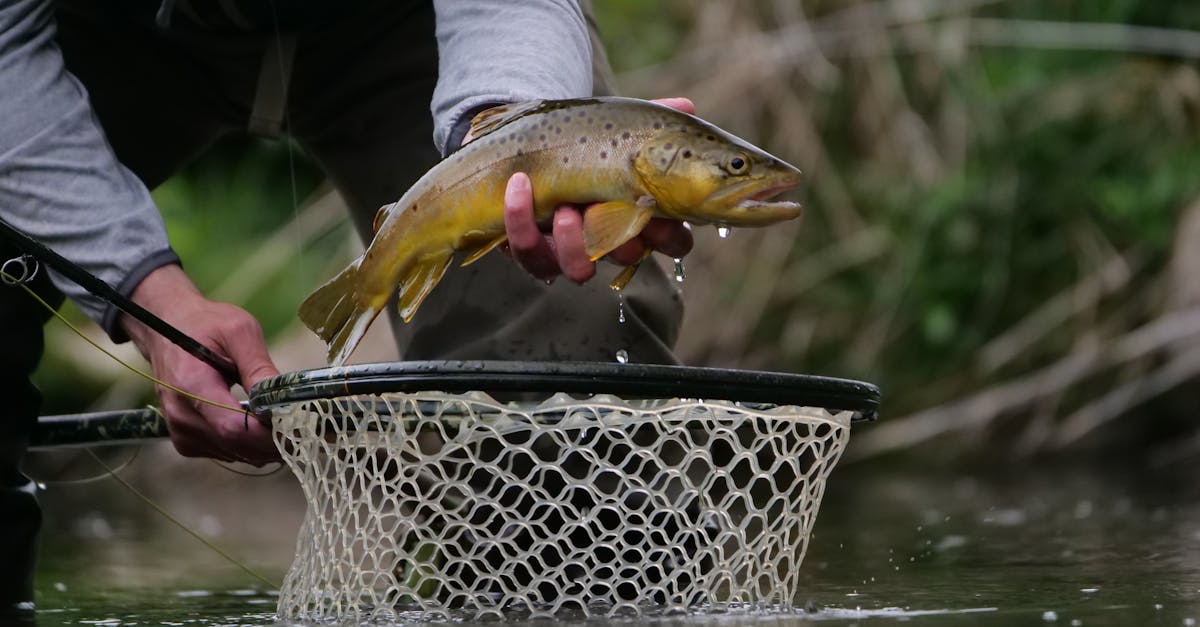
Brown Trout
The brown trout is the most cunning and elusive trout species swimming in Montana's rivers, and it rewards patient, skilled anglers with some of the state's most memorable catches. Originally native to Europe and western Asia, brown trout were first introduced to North American waters in 1883 and arrived in Montana shortly thereafter. They have since established robust, self-sustaining populations in virtually every major trout stream in the state, from the legendary spring creeks of the Paradise Valley to the sweeping runs of the lower Madison and the deep pools of the Bighorn. Brown trout grow larger than any other trout species in Montana, and fish exceeding 24 inches are caught with regularity on premium waters. The lower Madison River, the Missouri River below Holter Dam, and the Bighorn River are particularly renowned for producing trophy-class browns. Unlike rainbows, brown trout spawn in the fall (October through November), and their aggressive pre-spawn behavior creates an exciting window for streamer fishing as large males become territorial and attack anything that enters their domain. Browns are notably more nocturnal than other trout species, and many of the biggest fish are caught during low-light conditions. What sets brown trout apart from other species is their wariness and selectivity. Large browns are notoriously difficult to fool, often refusing flies that are even slightly off in size, color, or presentation. They tend to establish and defend prime feeding lies (undercut banks, logjams, deep pools, and boulder gardens), and an angler who learns to read water and identify these holding spots will consistently catch more and larger fish. This combination of difficulty, size potential, and intelligence makes the brown trout the most prized quarry for many serious Montana fly fishers.
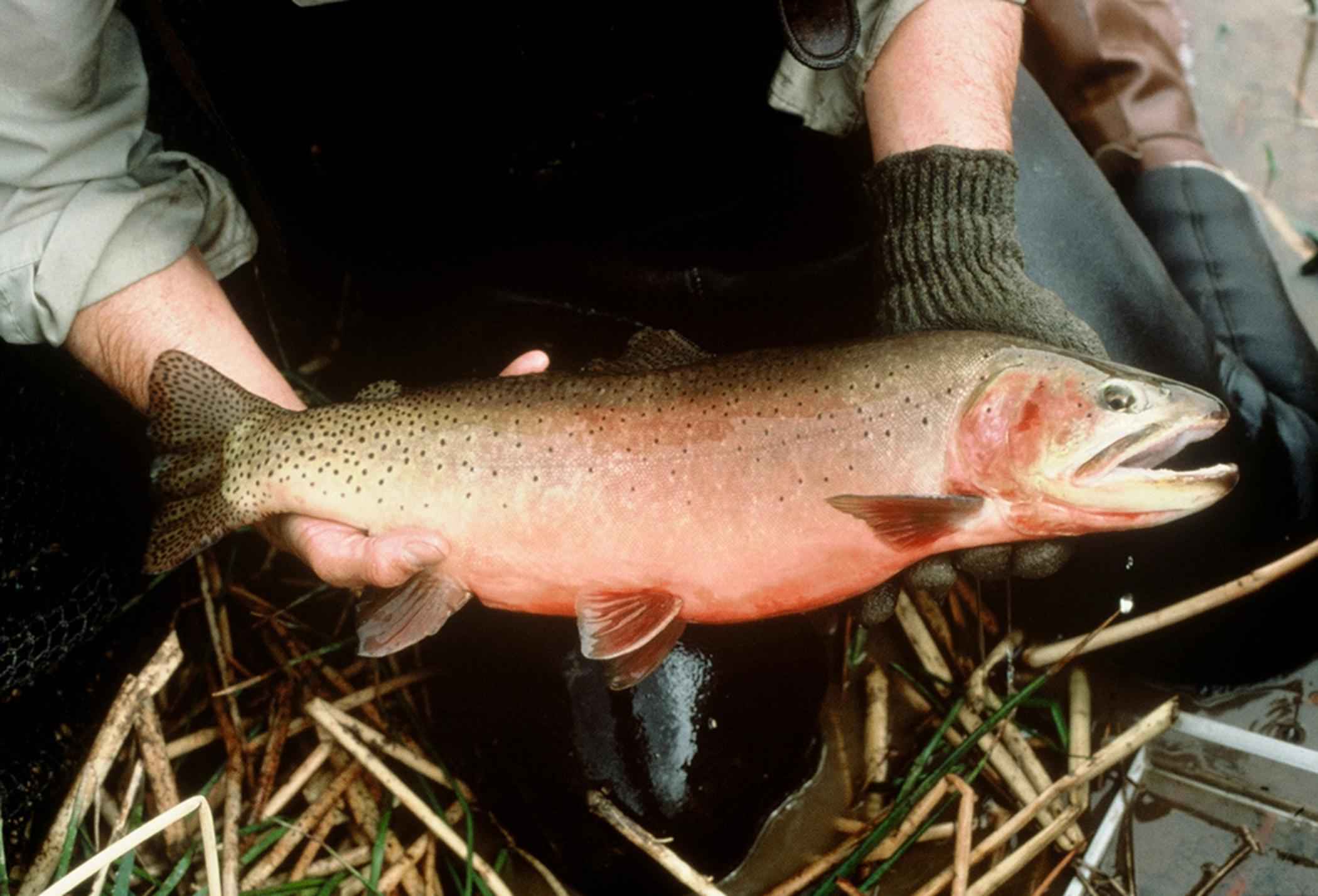
Greenback Cutthroat Trout
The greenback cutthroat trout is Colorado's official state fish, a living symbol of the Rocky Mountain headwaters that once teemed with native trout from the Front Range to the Continental Divide. This subspecies of cutthroat trout is endemic to the Arkansas and South Platte river drainages of eastern Colorado and a sliver of southeastern Wyoming, a relatively small native range that made it especially vulnerable to the habitat destruction, overfishing, and non-native species introductions that devastated western trout populations in the 19th and 20th centuries. By the 1930s, the greenback cutthroat was widely believed to be extinct, a casualty of the mining, logging, and hatchery-stocking era that transformed Colorado's mountain streams. The rediscovery of remnant greenback cutthroat populations in the 1950s and 1960s sparked one of the most remarkable and complicated conservation stories in American fisheries management. Initial recovery efforts identified several populations as greenback cutthroats based on physical appearance, and fish from these populations were used to stock streams throughout Rocky Mountain National Park and the Front Range. However, a landmark genetic study in 2012 revealed that many of these previously identified 'greenback' populations were actually Colorado River cutthroats or hybrids, and that the only confirmed genetically pure greenback cutthroat population existed in a single 4-mile stretch of Bear Creek, a tributary of the Arkansas River near Colorado Springs. This discovery sent shockwaves through the conservation community and fundamentally reshaped greenback recovery efforts. Today, the greenback cutthroat trout is one of the rarest salmonids in North America and is listed as Threatened under the Endangered Species Act. Recovery efforts centered on the Bear Creek population have expanded to include careful translocations to restored streams in the upper Arkansas River drainage and Rocky Mountain National Park, where non-native fish have been removed to create sanctuary habitats. For anglers, catching a true greenback cutthroat is an extraordinarily rare and special experience: it means fishing small, pristine mountain streams in some of the most beautiful country in Colorado and connecting with a fish that came within a hair's breadth of vanishing forever.
South Platte River Hatch Chart
| Insect | Suggested Fly | Jan | Feb | Mar | Apr | May | Jun | Jul | Aug | Sep | Oct | Nov | Dec |
|---|---|---|---|---|---|---|---|---|---|---|---|---|---|
Midges morning | Zebra Midge | ||||||||||||
Blue-Winged Olive (Baetis) afternoon | RS2 | ||||||||||||
Blue-Winged Olive (Baetis) afternoon | BWO Emerger | ||||||||||||
Pale Morning Dun morning | Sparkle Dun | ||||||||||||
Caddisflies (various) evening | Elk Hair Caddis | ||||||||||||
Tricos morning | Trico Spinner | ||||||||||||
Terrestrials (ants, beetles) afternoon | Chubby Chernobyl | ||||||||||||
Stoneflies (various) all day | Pheasant Tail Nymph |
Midges: The single most important food source. Year-round, critical in winter. Size 20-26.
Blue-Winged Olive (Baetis): Spring BWOs, exceptional on overcast, drizzly days. RS2 in the film. Size 18-22.
Blue-Winged Olive (Baetis): Fall BWOs intensify as temperatures drop. Size 18-22.
Pale Morning Dun: Summer PMDs in Cheesman Canyon. Sparkle Dun in sizes 16-18.
Caddisflies (various): Excellent caddis at Deckers. Evening emergences bring aggressive feeding. Size 14-18.
Tricos: Tiny Trico spinner falls in Cheesman Canyon. Technical fishing. Size 20-24.
Terrestrials (ants, beetles): Small terrestrials effective along grassy banks, especially Dream Stream. Size 14-18.
Stoneflies (various): Stonefly nymphs in Eleven Mile Canyon. Size 10-16.
Recommended Flies
Zebra Midge
Top Pick#1 fly on the South Platte year-round, the single most important pattern
Best in winter
RS2
Top PickDeadly BWO and midge emerger; fish in or just below the film
Best in spring
BWO Emerger
Top PickBWO emerger essential during fall Baetis hatches
Best in fall
Parachute Adams
Top PickVersatile mayfly imitation for Baetis and PMD hatches
Best in summer
Pheasant Tail Nymph
Top PickClassic nymph, works year-round in all sections
Best in spring
Sparkle Dun
Top PickSparkle Dun for PMD hatches in Cheesman Canyon
Best in summer
Elk Hair Caddis
Top PickPrimary caddis pattern for Deckers and Eleven Mile sections
Best in summer
Trico Spinner
Top PickTrico spinner for technical morning fishing in Cheesman
Best in summer
Curated Fly Boxes
South Platte Technical Tailwater Box
Year-roundPrecision patterns for Cheesman Canyon and Deckers, Colorado's most demanding tailwater. Tiny midges, BWO emergers, and delicate mayfly imitations for highly pressured trout.
Dream Stream Attractor & Nymph Box
SummerPatterns for the Dream Stream's meadow water in South Park. Less technical than Cheesman, with larger attractor dries, streamers for cruising browns, and reliable nymphs.
Access Points & Boat Launches
Cheesman Canyon (Gill Trail)
Wade AccessModerateThe Gill Trail is the sole access into Cheesman Canyon, Colorado's most celebrated technical fly fishing water. The trail descends approximately 1 mile with 400 feet of elevation change to reach the river. The hike filters out casual visitors, but popular pools at the bottom of the trail can still see pressure. Hike further upstream for solitude. Catch-and-release only, artificial flies and lures only.
Deckers (South Platte Road Pulloffs)
Wade AccessEasyMultiple roadside pulloffs along the South Platte River below Cheesman Canyon provide the most accessible fishing on the South Platte. The river here offers a mix of riffles, runs, and pools holding good populations of brown trout. While less technical than Cheesman Canyon, the fish are still educated and demand good presentations. Best parking fills early on summer weekends.
Dream Stream (Spinney Mountain Reservoir Outlet)
Wade AccessEasyAccess to the famous Dream Stream, the 3.5-mile meadow section between Spinney Mountain Reservoir and Eleven Mile Reservoir at 8,600 feet elevation in South Park. Trophy rainbows, cutthroats, and browns migrate between the reservoirs through this crystal-clear meadow stream. Stealth is everything here, as the open terrain and clear water make fish extremely spooky. Fall Kokanee salmon runs add another dimension.
Eleven Mile Canyon Road
ParkingEasyMultiple pulloffs along the 8-mile Eleven Mile Canyon road provide access to pocket water and plunge pools in a dramatic granite canyon. This freestone section fishes differently from the tailwater sections, with more aggressive fish in faster water. Less crowded than Cheesman Canyon and Deckers, making it an excellent alternative when those sections are packed.
Nighthawk Hill (Lower Deckers)
Wade AccessEasyAccess to the lower Deckers section of the South Platte. The river is wider and slightly less technical here than in upper Deckers or Cheesman Canyon. Good populations of brown trout hold in the deeper runs and pool tailouts. Less fishing pressure than the upper sections, particularly on weekdays. Effective caddis and BWO hatches in season.
Regulations
Regulations
Cheesman Canyon (Cheesman Dam downstream to south property line of Wigwam Club): Artificial flies and lures only, catch-and-release only; all trout must be returned immediately, Gold Medal Water. Deckers (North boundary of Wigwam Club downstream to Scraggy View Picnic Ground): Artificial flies and lures only, bag limit 2 trout at 16" minimum, Gold Medal Water. Dream Stream (Spinney Mountain Reservoir outlet to Eleven Mile Reservoir inlet): Artificial flies and lures only, bag limit 1 trout at 20" or longer. Eleven Mile Canyon: Artificial flies and lures only in designated sections. Colorado fishing license required. Year-round on most sections. Always verify at cpw.state.co.us/fishing.
Always verify current regulations with Colorado Parks and Wildlife before fishing.
Some links may earn a commission. Learn more
Quick Facts
- Region
- Front Range / South Park
- Water Type
- Tailwater
- River Length
- 439 miles total; ~50 miles of prime fly fishing across all sections
- Difficulty
- Intermediate-Advanced
- Best Seasons
- spring, summer, fall, winter
- Trout Per Mile
- 3,000-5,000 in Gold Medal sections
- Record Trout
- Brown trout exceeding 10 lbs reported in Dream Stream; 24"+ rainbows documented in Cheesman Canyon
- Species
- Rainbow Trout, Brown Trout, Greenback Cutthroat Trout
- USGS Gauge
- 06701500
Where to Stay
Deckers / Woodland Park
Deckers is a tiny community right on the South Platte with a general store and limited cabin rentals. Woodland Park, 30 minutes east on Highway 67, offers more conventional lodging and is a reasonable drive to both Deckers and Cheesman Canyon.
Cabins at Deckers put you on the water, but options are very limited; book months ahead. Woodland Park has chain hotels and restaurants. The drive from Woodland Park to Cheesman Canyon trailhead is about 40 minutes.
Fairplay / South Park
A historic mining town in the heart of South Park, near the Dream Stream section of the South Platte. Basic lodging and services in a remote, high-altitude setting surrounded by open rangeland and mountain views.
The closest base to the Dream Stream, about 15 minutes to Spinney Mountain Reservoir and the Dream Stream access. Limited dining options so plan meals accordingly. Elevation is 9,953 feet; acclimate before hiking and wading.