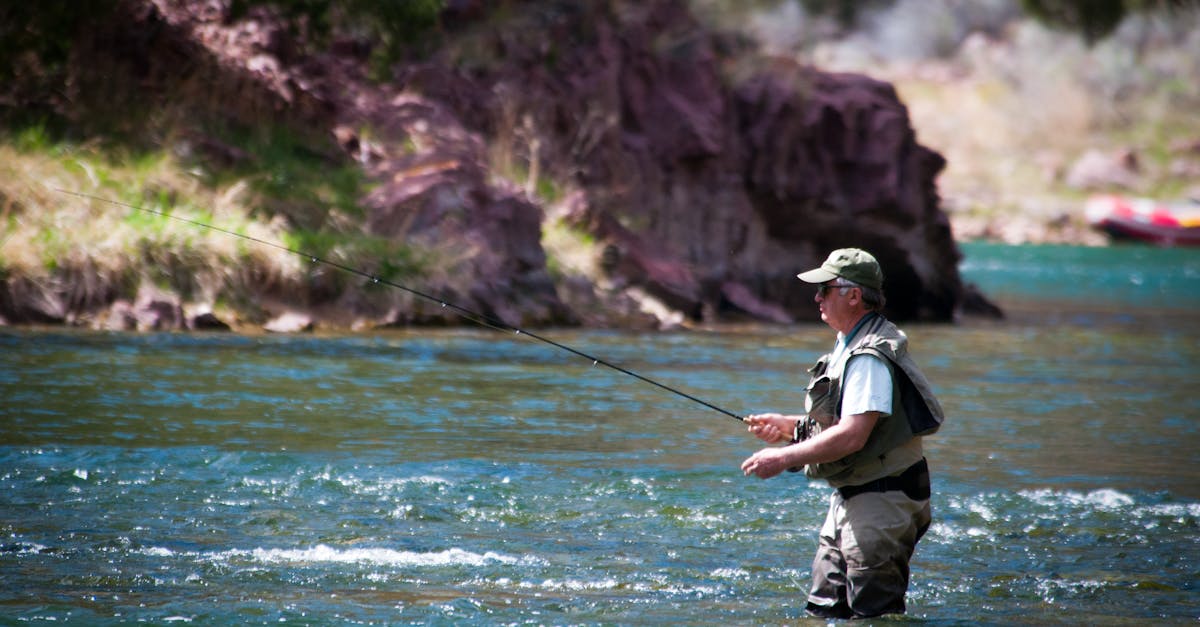
Arkansas River
The Arkansas River through Colorado's Upper Arkansas Valley is one of the most productive and accessible fly fishing rivers in the state, offering over 100 miles of quality trout water between Leadville and Canon City. With trout counts reaching 5,000 per mile in the best sections, outstanding float fishing through Brown's Canyon National Monument, and a year-round fishery supported by diverse hatches, the Arkansas delivers exceptional fishing in a spectacular mountain setting.
Arkansas River Fishing Report & Current Conditions
The Arkansas River is a freestone fishery, and it fishes best in spring, summer, fall and winter. Live USGS streamflow readings update throughout the day, while the monthly median flows below map the river's typical discharge across the year. Together they show current fishability and how today's water compares to the seasonal norm.
Current Conditions
Typical Monthly Flows
Historical median discharge (CFS) by month: Arkansas River
Overview
The Arkansas River begins its 1,469-mile journey to the Mississippi near the historic mining town of Leadville, Colorado, at an elevation of over 10,000 feet. Flowing southward through the Upper Arkansas Valley, flanked by the Collegiate Peaks to the west and the Mosquito Range to the east, the river descends through one of the most scenic and productive trout fisheries in the American West before entering the dramatic canyons below Salida.
The prime fly fishing water begins in earnest around the town of Buena Vista, where the river has grown into a substantial mountain stream with classic riffle-run-pool structure. From Buena Vista south through Brown's Canyon National Monument to Salida (approximately 30 miles), the Arkansas is at its finest: wide enough for comfortable drift boat fishing, yet intimate enough for productive wade fishing from numerous public access points. Colorado Parks and Wildlife surveys consistently document 3,000-5,000 trout per mile through this stretch, with a roughly 70/30 split between brown trout and rainbow trout.
Brown's Canyon National Monument, designated by President Obama in 2015, protects 22,000 acres of the Arkansas River corridor between Buena Vista and Salida. The canyon section combines outstanding trout fishing with class III-IV whitewater, dramatic granite walls, and a wilderness character that belies its proximity to Highway 285. Float fishing through Brown's Canyon is the signature Arkansas River experience, offering access to miles of lightly-pressured water.
Below Salida, the river continues through Bighorn Sheep Canyon toward Canon City and the Royal Gorge, with excellent fishing continuing for another 40+ miles. The Stockyard Bridge to Badger Creek section (7.5 miles) south of Salida is managed as catch-and-release water for rainbow trout. The Arkansas River's greatest asset may be its accessibility: Highway 285 and Highway 24 parallel much of the river, providing numerous pulloff access points.
Water Characteristics
The Arkansas River is a high-altitude freestone river with some tailwater characteristics from reservoir releases upstream. Water clarity varies seasonally; during runoff, the river runs high and turbid, but once flows stabilize in late June or July, visibility improves to 3-6 feet in most sections. The Arkansas never achieves the gin-clear conditions of the South Platte or Frying Pan, but this works to the angler's advantage: trout are less leader-shy and more willing to eat flies that are "close enough" in pattern and presentation.
Water temperatures follow the seasonal arc from near-freezing in winter to the mid-50s in late summer. The river's high elevation (7,500-8,000 feet) keeps summer temperatures in the ideal trout range. The substrate is predominantly gravel and cobble, excellent habitat for both trout spawning and insect production. The insect community is diverse and abundant: caddis are the dominant order, stoneflies are well-represented with Salmonflies in canyon sections and Golden Stones throughout, and mayflies include BWOs, PMDs, and Tricos. Terrestrial insects contribute significantly to the trout diet from July through September.
Wading & Float Guide
The Arkansas River through the Buena Vista-Salida corridor is one of the most wadeable large rivers in Colorado. The valley sections feature a bottom of clean gravel, small cobble, and occasional larger rocks, with moderate current and gradual depth changes that allow confident footing. During normal summer and fall flows (400-800 cfs at the Salida gauge), much of the river between Buena Vista and the upper end of Brown's Canyon can be comfortably waded by anglers of moderate experience.
Brown's Canyon itself is a different character. The river compresses through a granite canyon with larger boulders, faster current, and deeper pools. Wading in the canyon is limited to the margins and shallower gravel bars, and the boulder-strewn bottom requires careful footing. Most fishing in Brown's Canyon is done from drift boats or rafts.
Below Salida, the river enters Bighorn Sheep Canyon with characteristics similar to Brown's Canyon: big water, boulder-studded bottom, and powerful current that limits wading to experienced anglers at favorable flows. During spring runoff (typically mid-May through late June), the entire river becomes dangerous for wading, with flows exceeding 2,000-4,000 cfs.
Buena Vista Town Run to Fisherman's Bridge
Gentle float through the upper valley with excellent trout habitat. Wide river with gravel bars, undercut banks, and long runs. Easy rapids suitable for beginning float anglers. Good dry-dropper and nymphing water.
Fisherman's Bridge to Hecla Junction (Brown's Canyon)
The signature Arkansas River float through Brown's Canyon National Monument. Outstanding fishing combined with exciting whitewater. Deep pools, boulder gardens, and undercut granite walls hold large brown trout. Technical rapids require experienced oarsman.
Hecla Junction to Salida (Stone Bridge)
Continuation below Brown's Canyon with slightly easier rapids and excellent fishing. The river opens up with more wadeable edges and productive riffles. Good streamer water in the deeper pools and runs.
Salida to Rincon (Bighorn Sheep Canyon)
Big-water canyon floating through Bighorn Sheep Canyon along Highway 50. Powerful rapids, deep pools, and dramatic scenery. Excellent brown trout habitat in the deep, shaded canyon pools. Full-day trip.
Rincon to Parkdale
Lower canyon section with good fishing pressure relief. The river flows through a scenic canyon with reliable trout populations. Afternoon BWO hatches can be outstanding in fall. Less crowded than Brown's Canyon.
Rod & Tackle Guide
Buena Vista Valley (wade fishing)
- Rod
- 9' 5-weight
- Line
- Weight-forward floating
- Leader & Tippet
- 9' tapered to 4X or 5X
The 5-weight is the ideal all-around rod for the Arkansas. Handles hopper-dropper rigs, nymph rigs, and occasional streamers. Bring a spool of 5X fluorocarbon for nymphing and 4X for dries and hoppers.
Brown's Canyon (float fishing)
- Rod
- 9' 5-weight or 6-weight
- Line
- Weight-forward floating; sink-tip for streamers
- Leader & Tippet
- 9' tapered to 3X-4X for dries; 4' of 2X-3X fluoro for streamers
The 6-weight is preferable for float fishing; it handles wind, big hopper patterns, and streamer casting more comfortably from a moving boat. Two-rod setup is ideal: one for hopper-dropper, one rigged for nymphing or streamers.
Bighorn Sheep Canyon (below Salida)
- Rod
- 9' 6-weight
- Line
- Weight-forward floating; 200-grain sink-tip for streamers
- Leader & Tippet
- 9' tapered to 3X-4X
Bigger water calls for a bigger rod. The 6-weight punches through canyon wind and handles the larger flies and heavier nymph rigs needed for deeper water. Streamer fishing is particularly effective in this section.
Best Time to Fish the Arkansas River
Spring
March and April offer excellent fishing before runoff begins. BWO hatches emerge on overcast afternoons (typically 1 PM to 4 PM), midges hatch on sunny mornings, and trout feed aggressively after the lean winter months. Nymphing with stonefly patterns, caddis larvae, and San Juan Worms through deeper runs is consistently productive. By mid-May, snowmelt from the Collegiate Peaks drives the river into runoff, and flows can exceed 3,000-4,000 cfs, making fly fishing impractical. Watch USGS gauge 07091500 and plan accordingly.
Summer
Post-runoff summer is when the Arkansas truly shines. Once flows drop below 1,000 cfs (typically by early to mid-July), the river enters its prime season. This is hopper-dropper paradise: big foam terrestrial patterns (Chubby Chernobyl, Amy's Ant, foam hoppers in sizes 8-12) with a beadhead dropper (Copper John, Pheasant Tail, or Prince Nymph in 14-18) is the go-to rig. Caddis hatches are prolific in July, with evening emergences providing outstanding dry fly action. Float trips through Brown's Canyon are at their best when flows settle into the 500-1,000 cfs range.
Fall
Fall is the season of big fish on the Arkansas. Brown trout begin their spawning migration in October, and fish that spend the summer in deep, inaccessible lies move into shallower water. September is a transitional month with excellent hopper-dropper fishing still effective and BWO hatches intensifying. By October, the focus shifts to nymphing and streamer fishing. Swing olive and brown Woolly Buggers and Sculpzilla patterns through deep runs for the biggest browns of the year. The crowds thin dramatically after Labor Day.
Winter
Winter fishing on the Arkansas is a local's secret. The river rarely freezes completely in the Buena Vista-Salida corridor, and midges hatch on most days between 11 AM and 2 PM. Fish small (sizes 22-26) midge larvae and pupae patterns dead-drifted through slow, deep runs. BWO hatches can occur on mild winter afternoons, particularly in the 40-50 degrees F air temperature range. Focus on the deeper, slower pools where trout conserve energy in cold water. Time your fishing for the warmest part of the day (11 AM to 3 PM).
Fishing Pressure & Local Tips
The Arkansas River between Buena Vista and Salida is one of the more heavily fished rivers in Colorado, thanks to its accessibility and proximity to town services. Summer weekends, particularly in July and August, see significant pressure from both anglers and whitewater rafters; Brown's Canyon is one of the most popular commercial rafting runs in the state. However, the river's length (100+ miles of fishable water) distributes pressure effectively, and moving even a short distance from popular access points reveals significantly less-crowded water.
Float fishing helps anglers escape the crowded roadside access points. The sections below Salida through Bighorn Sheep Canyon receive less fishing pressure than the Buena Vista-Brown's Canyon corridor. For timing, early mornings and late evenings offer the best windows of reduced pressure even on weekends. Fall (September-November) is the sweet spot, and winter is nearly deserted.
Local Knowledge
The Arkansas River rewards a "read the water" approach. The riffle-run-pool structure is well-defined and intuitive. Learn to identify the transition zones where riffles deepen into runs and where runs tail out into pools, and concentrate your fishing on these productive seams. Fish hold in predictable lies: the cushion of slack water in front of and behind boulders, the deeper trough along undercut banks, the head and tail of every pool, and the soft water along current seams.
For float trips through Brown's Canyon, the most productive technique is casting tight to the banks, within 12 inches, and letting your hopper-dropper rig drift naturally along the rock walls and undercut banks. The local fly shops (ArkAnglers in Buena Vista and Salida, UpRiver Fly Fishing in Buena Vista, and Rise Beyond Fly Fishing) are excellent resources. The USGS gauge at Salida (07091500) is the key reference: optimal wade fishing occurs at 300-700 cfs, while float fishing is comfortable at 500-1,500 cfs.
Species Present
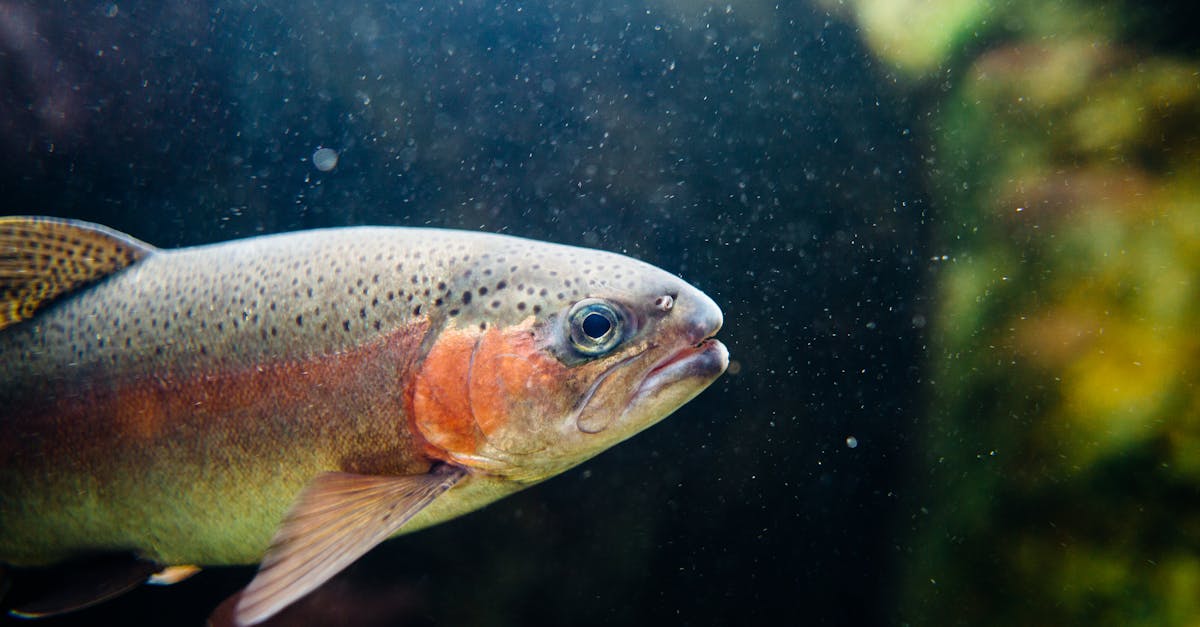
Rainbow Trout
The rainbow trout is Montana's most widespread and popular gamefish, celebrated for its explosive surface strikes, aerial acrobatics, and willingness to take a well-presented dry fly. Native to Pacific Coast drainages from Alaska to Mexico, rainbows were first introduced to Montana's waters in the late 1800s and have since established thriving populations in nearly every major river system in the state. On legendary waters like the Madison, Missouri, and Bighorn, wild rainbow trout grow fat on prolific insect hatches and provide some of the finest dry-fly fishing in North America. Rainbow trout in Montana display remarkable variation depending on their home water. Fish in nutrient-rich tailwaters like the Missouri River below Holter Dam can exceed 20 inches with regularity, their deep bodies and broad tails reflecting the abundant food supply. Freestone river rainbows, such as those in the upper Madison and Gallatin, tend to be leaner and more athletic, shaped by faster currents and colder water temperatures. In many Montana rivers, rainbows spawn in the spring from March through June, and anglers should be mindful of spawning redds during this period to protect future generations of fish. Rainbows are arguably the most versatile trout species for fly anglers. They respond well to dry flies during hatches, aggressively chase streamers, and feed heavily on nymphs subsurface throughout the year. Their fighting ability is legendary: a hooked rainbow will often launch itself completely out of the water multiple times during a battle. Montana's catch-and-release regulations on many blue-ribbon streams have produced exceptional rainbow trout fisheries with high densities of large, healthy fish that continue to draw anglers from around the world.
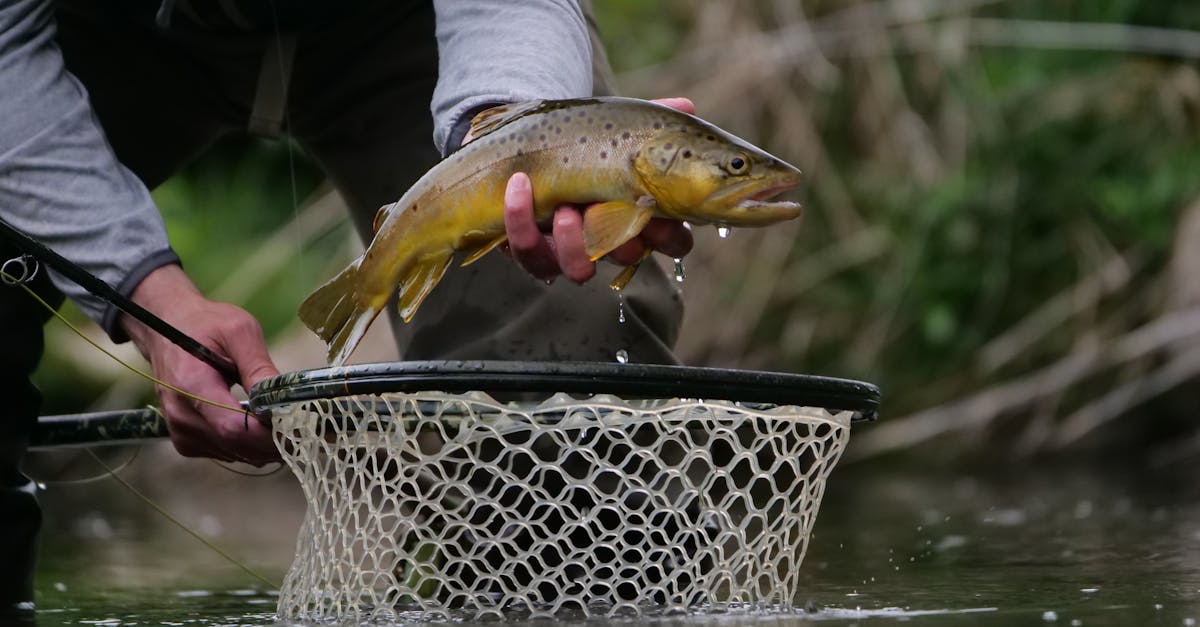
Brown Trout
The brown trout is the most cunning and elusive trout species swimming in Montana's rivers, and it rewards patient, skilled anglers with some of the state's most memorable catches. Originally native to Europe and western Asia, brown trout were first introduced to North American waters in 1883 and arrived in Montana shortly thereafter. They have since established robust, self-sustaining populations in virtually every major trout stream in the state, from the legendary spring creeks of the Paradise Valley to the sweeping runs of the lower Madison and the deep pools of the Bighorn. Brown trout grow larger than any other trout species in Montana, and fish exceeding 24 inches are caught with regularity on premium waters. The lower Madison River, the Missouri River below Holter Dam, and the Bighorn River are particularly renowned for producing trophy-class browns. Unlike rainbows, brown trout spawn in the fall (October through November), and their aggressive pre-spawn behavior creates an exciting window for streamer fishing as large males become territorial and attack anything that enters their domain. Browns are notably more nocturnal than other trout species, and many of the biggest fish are caught during low-light conditions. What sets brown trout apart from other species is their wariness and selectivity. Large browns are notoriously difficult to fool, often refusing flies that are even slightly off in size, color, or presentation. They tend to establish and defend prime feeding lies (undercut banks, logjams, deep pools, and boulder gardens), and an angler who learns to read water and identify these holding spots will consistently catch more and larger fish. This combination of difficulty, size potential, and intelligence makes the brown trout the most prized quarry for many serious Montana fly fishers.
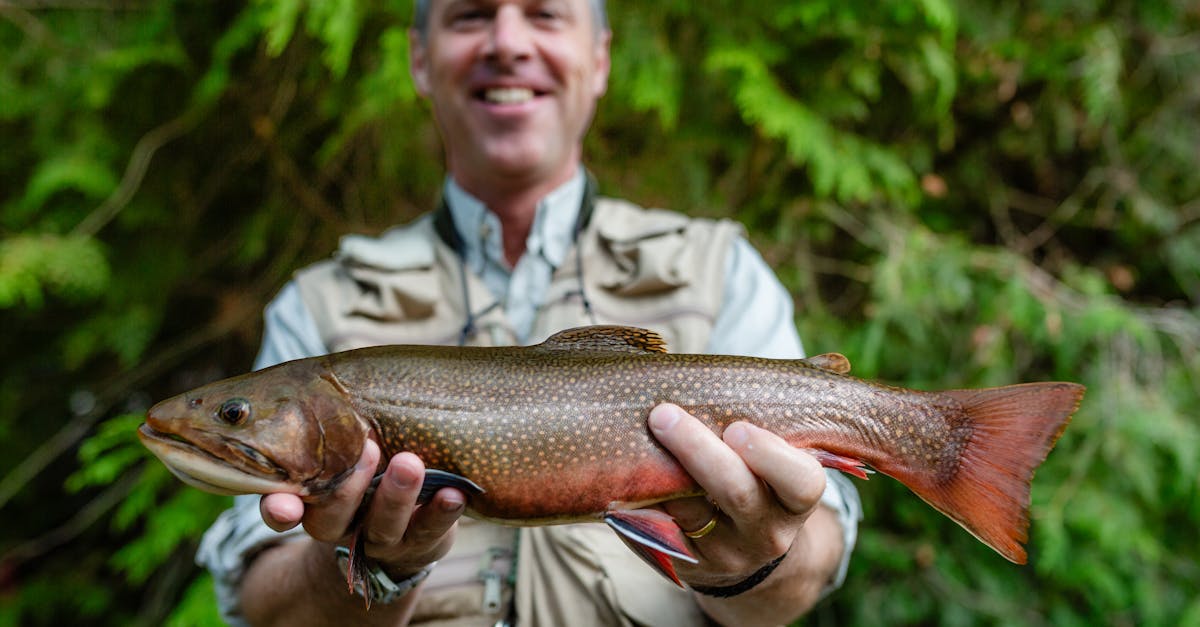
Brook Trout
The brook trout is widely considered the most beautiful freshwater fish in North America, and catching one in a pristine Montana mountain stream is an experience that captures the essence of backcountry fly fishing. Despite their common name, brook trout are not true trout at all; they are a species of char (genus Salvelinus), more closely related to lake trout and Arctic char than to rainbows or browns. Native to eastern North America from Georgia to Hudson Bay, brook trout were among the first salmonids introduced to Montana's waters in the late 1800s and have since established self-sustaining populations in cold, high-elevation streams and lakes throughout the state. In Montana, brook trout thrive best in small, cold headwater streams and high mountain lakes where competition from larger trout species is minimal. In these environments, they are often the dominant, or only, salmonid present. The trade-off is size: Montana stream-dwelling brook trout typically range from 6 to 10 inches, with fish over 12 inches considered noteworthy in most waters. What they lack in size, however, they more than make up for in beauty and willingness to eat a fly. Brookies are aggressive feeders that will strike attractor dry flies, nymphs, and small streamers with enthusiasm, making them an ideal species for beginning fly anglers and a delightful quarry for anyone who appreciates small-stream fishing. Brook trout do present a conservation paradox in Montana. While they are a beloved and beautiful gamefish, they are non-native and can negatively impact native species, particularly Yellowstone and westslope cutthroat trout. In headwater streams, brook trout often outcompete cutthroats for food and spawning habitat due to their higher reproductive rate and earlier maturation. As a result, Montana FWP has implemented brook trout removal projects on some streams to restore native cutthroat populations. In many waters, liberal harvest limits for brook trout are encouraged to reduce their numbers and benefit native fish. Anglers can enjoy excellent brook trout fishing while actively helping conservation by keeping a few for the pan.
Arkansas River Hatch Chart
| Insect | Suggested Fly | Jan | Feb | Mar | Apr | May | Jun | Jul | Aug | Sep | Oct | Nov | Dec |
|---|---|---|---|---|---|---|---|---|---|---|---|---|---|
Blue-Winged Olive (Baetis) afternoon | Parachute Adams | ||||||||||||
Blue-Winged Olive (Baetis) afternoon | BWO Emerger | ||||||||||||
Caddisflies (various) evening | Elk Hair Caddis | ||||||||||||
Pale Morning Dun morning | PMD Comparadun | ||||||||||||
Golden Stonefly all day | Stimulator | ||||||||||||
Salmonfly (Pteronarcys) all day | Norm Wood Special | ||||||||||||
Terrestrials (hoppers, ants) afternoon | Chubby Chernobyl | ||||||||||||
Midges morning | Zebra Midge | ||||||||||||
Tricos morning | Trico Spinner |
Blue-Winged Olive (Baetis): Spring BWOs on overcast days. Size 16-20. Best action 1 PM to 4 PM.
Blue-Winged Olive (Baetis): Fall BWOs intensify as temperatures cool. Size 18-20.
Caddisflies (various): Prolific caddis hatches, the dominant insect order on the Arkansas. Size 14-18.
Pale Morning Dun: Sporadic summer PMD hatches. Size 14-18.
Golden Stonefly: Golden stones throughout the river. Size 8-12.
Salmonfly (Pteronarcys): Salmonflies in Brown's Canyon and Bighorn Sheep Canyon. Size 4-8.
Terrestrials (hoppers, ants): Prime hopper-dropper season. Fish foam patterns along grassy banks. Size 8-14.
Midges: Year-round, critical in winter. Best 11 AM to 2 PM. Size 20-26.
Tricos: Morning Trico spinner falls in slower valley sections. Size 18-22.
Recommended Flies
Chubby Chernobyl
Top Pick#1 pattern on the Arkansas; hopper-dropper anchor July through September
Best in summer
Elk Hair Caddis
Top PickMatches prolific caddis hatches June through September evenings
Best in summer
Pat's Rubber Legs
Top PickEssential stonefly nymph; dead-drift through deep runs and boulder gardens
Best in spring
Parachute Adams
Top PickUniversal mayfly imitation, covers BWO and PMD hatches
Best in summer
Woolly Bugger
Top PickYear-round streamer; strip or swing through deep banks and pools
Best in fall
Pheasant Tail Nymph
Top PickAll-purpose mayfly nymph, effective year-round as dropper
Best in spring
San Juan Worm
Top PickConsistent early-season producer; fish near bottom in high or off-color water
Best in spring
Zebra Midge
Top PickEssential winter pattern; dead-drift through slow, deep runs
Best in winter
Also Effective
Curated Fly Boxes
Arkansas River Summer All-Around Box
SummerBuilt for the Arkansas's prolific summer season: caddis, hoppers, PMDs, and the reliable nymph patterns that produce all day in the valley sections and Brown's Canyon.
Access Points & Boat Launches
Buena Vista River Park
Wade AccessEasyIn-town wade access at Buena Vista's River Park, providing easy walk-in access to productive riffles and runs. This is a convenient starting point for fishing the upper valley section with well-maintained paths to the river. The surrounding gravel bars and shallow riffles are ideal for hopper-dropper rigs in summer.
Fisherman's Bridge
Boat LaunchEasyPrimary put-in for Brown's Canyon National Monument float trips. The improved boat ramp accommodates drift boats and rafts, and this is the departure point for the signature 9.5-mile float through Brown's Canyon. Expect company during summer weekends, particularly July and August when both anglers and commercial raft operations launch here.
Hecla Junction
Boat LaunchEasyMajor take-out for Brown's Canyon floats and put-in for the lower canyon section to Salida. BLM-managed site with a well-maintained boat ramp. Also provides wade access to the river above and below the junction. The pools and runs near Hecla hold good numbers of brown trout year-round.
Salida Town (Riverside Park)
Wade AccessEasyWalk-in wade access in downtown Salida at Riverside Park. Convenient for quick sessions with easy parking and level access to the river. The river here offers a mix of riffles, runs, and deeper pools holding both brown and rainbow trout. A popular spot for evening caddis fishing in summer.
Stockyard Bridge (Catch-and-Release Section)
Wade AccessModerateAccess point for the 7.5-mile catch-and-release section below Salida, protecting spawning rainbow trout. Excellent wade fishing with lower pressure than the Buena Vista corridor. The deeper pools and runs hold quality rainbows year-round, and the catch-and-release regulations produce above-average fish sizes.
Regulations
Regulations
Hayden Meadows to Highway 24 Bridge (near Buena Vista): Standard regulations. Highway 24 Bridge downstream to lower boundary of Hayden Ranch: Artificial flies and lures only, bag limit 1 trout, 12" minimum. Stockyard Bridge (below Salida) to Badger Creek: 7.5-mile catch-and-release section for Rainbow Trout; all rainbows must be returned immediately, artificial flies and lures only. Brown's Canyon National Monument: Follows applicable CPW regulations for the specific river section. Colorado fishing license required. Regulations vary significantly by section; always verify current rules at cpw.state.co.us/fishing.
Always verify current regulations with Colorado Parks and Wildlife before fishing.
Some links may earn a commission. Learn more
Quick Facts
- Region
- Upper Arkansas Valley / Central Mountains
- Water Type
- Freestone
- River Length
- 1,469 miles total; ~100 miles of premier fly fishing from Leadville to Canon City
- Difficulty
- Beginner-Intermediate
- Best Seasons
- spring, summer, fall, winter
- Trout Per Mile
- 3,000-5,000 (Buena Vista to Canon City stretch); up to 5,000+ in best sections
- Record Trout
- Brown trout exceeding 26 inches; fish over 8 lbs documented in Brown's Canyon section
- Species
- Rainbow Trout, Brown Trout, Brook Trout
- USGS Gauge
- 07091500
Where to Stay
Buena Vista
A friendly mountain town at the heart of the upper Arkansas Valley, surrounded by the Collegiate Peaks. Multiple fly shops, craft breweries, restaurants, and lodging from budget motels to vacation cabins. The unofficial headquarters of Arkansas River fishing.
Stay in BV and you're within 10 minutes of the best wade fishing and 20 minutes from Brown's Canyon float launches. The Trailhead and Eddyline breweries are perfect post-fishing stops.
Salida
A vibrant arts community on the Arkansas at the southern end of the prime fishing water. Excellent dining, galleries, and a walkable downtown. Ideal base for fishing Brown's Canyon and the Bighorn Sheep Canyon sections downstream.
Salida has more restaurants and nightlife than Buena Vista. Great base for the catch-and-release water at Stockyard Bridge and float trips through Bighorn Sheep Canyon. ArkAnglers fly shop is a top resource.