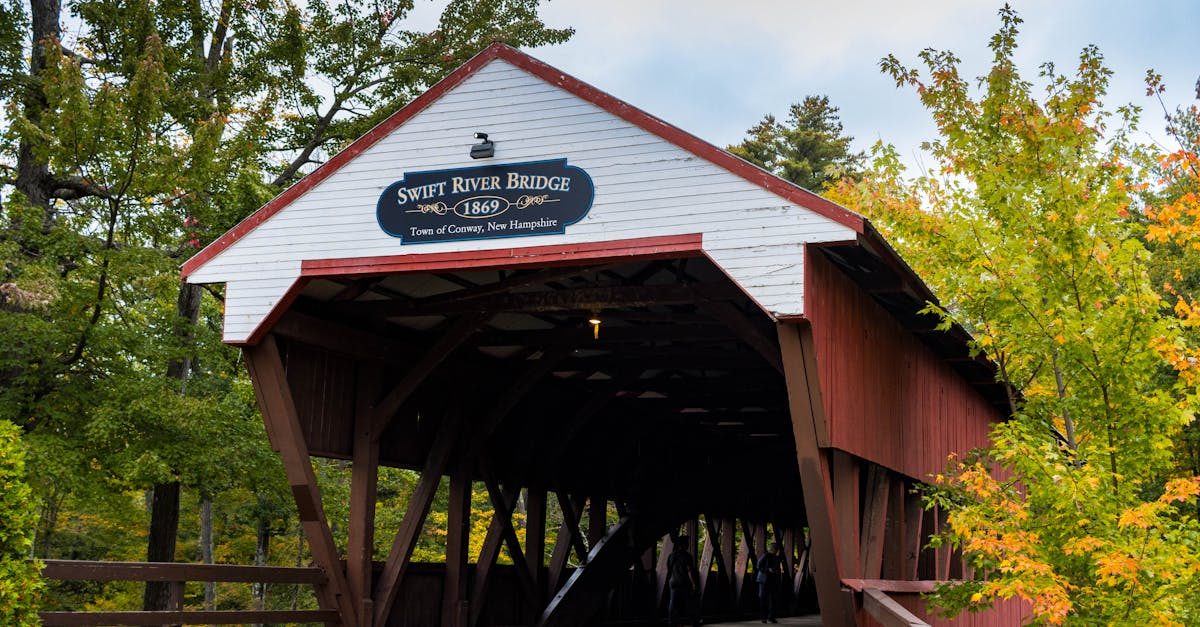
Swift River
The Swift River flows 26 miles through the heart of the White Mountain National Forest along the scenic Kancamagus Highway, offering pristine wild brook trout fishing in pocket water, plunges, and pools. This undammed freestone stream descends over 2,400 feet from Waterville Valley to its confluence with the Saco River, featuring a fly fishing only section, accessible National Forest sites, and excellent opportunities for catching beautiful native brook trout in a wilderness setting.
Swift River Fishing Report & Current Conditions
The Swift River is a freestone fishery, and it fishes best in spring, summer and fall. Live USGS streamflow readings update throughout the day, while the monthly median flows below map the river's typical discharge across the year. Together they show current fishability and how today's water compares to the seasonal norm.
Current Conditions
Typical Monthly Flows
Historical median discharge (CFS) by month: Swift River
Overview
The Swift River is a top brook trout stream in New Hampshire, flowing 26 miles through the White Mountain National Forest along one of New England's most scenic drives, the Kancamagus Highway (Route 112). This undammed, free-flowing river descends over 2,400 turbulent feet in elevation from its headwaters near Waterville Valley before emptying into the Saco River in Conway, creating diverse habitat from high-elevation cascades to broader valley water.
The upper section of the Swift is classic small-stream pocket water with fast current, plunges, small pools, and short riffles holding wild brook trout. Although these native fish typically run 6-8 inches, they are plentiful, stunningly colored, and willing to take well-presented flies. This is pure wilderness fishing in old-growth forest with the challenge and reward of sight-fishing to individual fish in crystal-clear water.
As the river descends toward Albany and Conway, it widens and the character changes. The gradient lessens slightly, creating longer runs and deeper pools that hold larger trout, including stocked rainbow and brown trout alongside native brook trout and occasional browns that migrate up from the Saco River. The U.S. Forest Service maintains several easily accessible fishing areas including Rocky Gorge Scenic Area and Covered Bridge Campground, which features an accessible fishing platform.
A fly fishing only section extends from the Route 113A bridge downstream to the Route 113 bridge, protecting this water and creating excellent opportunities for anglers who appreciate catch-and-release regulations. The Swift River's popularity stems from its combination of accessibility along the Kancamagus Highway, beautiful National Forest setting, productive wild trout fishing, and the pure pleasure of fishing a pristine mountain stream.
Water Characteristics
The Swift River is a pristine, cold water mountain stream with exceptional clarity. During normal flows, visibility often exceeds 6 feet, allowing anglers to see every rock on the bottom and observe fish behavior. This clarity is both an asset (you can sight-fish) and a challenge (fish see you easily, demanding stealthy approaches and long, fine leaders).
Water temperatures are ideal for brook trout year-round, remaining in the 48-58 degree F range even during summer. The river's high-elevation origin, forest canopy shade, and fast, turbulent flow keep temperatures well-regulated. The substrate in the upper sections is predominantly boulders and large cobble with bedrock outcroppings creating the cascades and plunges. Lower sections feature gravel and small cobble suitable for spawning.
The insect community is less diverse than larger freestone rivers but adequate to support the brook trout population. Small mayflies, caddisflies, and stoneflies provide the primary food sources, with terrestrial insects (ants, beetles, caterpillars falling from overhanging trees) contributing significantly in summer. The limited insect diversity actually simplifies fly selection; a few basic patterns in sizes 12-16 cover most situations.
Wading & Float Guide
The Swift River offers challenging but manageable wading for anglers prepared for small stream pocket water. The upper sections feature fast current, steep gradient, and a bottom of large cobble and boulders with occasional bedrock. Footing requires attention and a wading staff is helpful, though the water depth rarely exceeds knee-high in most fishable spots.
The key to wading the Swift is picking your route carefully and moving deliberately. The current is swift (hence the name), and wet rocks can be slippery. Felt soles or aggressive studded boots are essential for secure footing. Much of the best fishing can be done without wading deep; casting from bankside positions or wading the margins of plunge pools and pocket water is often the most effective approach.
The lower sections near Albany and Conway are more wadeable, with broader water, moderate gradient, and gravel-and-cobble bottom. Here the river can be waded more conventionally, working upstream through riffles and runs with standard freestone techniques.
Spring runoff (late April through May) can make the Swift unwadeable as snowmelt swells the flow. Early fall offers the best combination of stable, low water and active fish. Hip waders are often sufficient for the Swift, particularly in summer, though chest waders provide more flexibility and thermal protection on cool mornings.
Rod & Tackle Guide
Upper Swift (pocket water)
- Rod
- 7-8' 3-weight or 4-weight
- Line
- Weight-forward floating
- Leader & Tippet
- 9' tapered to 5X or 6X
Short, light rod for tight quarters with overhanging vegetation. The 3-weight is perfect for 6-8 inch brook trout and provides maximum enjoyment. Fine tippet for clear water and leader-shy fish.
Lower Swift (Albany-Conway area)
- Rod
- 8.5-9' 4-weight
- Line
- Weight-forward floating
- Leader & Tippet
- 9' tapered to 5X
Slightly longer rod for the broader water and potential larger fish (stocked rainbows and browns). Still light enough to be fun with brook trout but with enough backbone for 12-14 inch fish.
Fly Fishing Only Section
- Rod
- 8-9' 4-weight
- Line
- Weight-forward floating
- Leader & Tippet
- 9-12' tapered to 5X or 6X
Versatile setup for the protected water. Longer leaders help with drag-free drifts. Bring small dry flies (sizes 14-18) and matching nymphs.
Best Time to Fish the Swift River
Spring
Late May and early June offer excellent fishing as the Swift clears from spring runoff and brook trout begin feeding actively on emerging insects. Small stonefly nymphs, caddis larvae, and generic attractor nymphs (Prince Nymph, Hare's Ear) in sizes 12-16 work well fished dead-drift through pocket water. Early-season mayfly hatches may include small Blue-winged Olives and Hendricksons. Water levels can fluctuate with spring rains; check conditions before making the drive to the Kancamagus Highway.
Summer
June through August is prime time on the Swift River. Water temperatures remain ideal (50-60 degrees F) thanks to high-elevation headwaters and forest shade. Small dry flies and midges are recommended patterns: sizes 14-18 Parachute Adams, Elk Hair Caddis, and small terrestrials (ants, beetles) fish effectively in the pocket water. Wild brook trout are opportunistic feeders and will rise readily to a well-presented dry fly. Focus fishing efforts during early morning and late afternoon when light is off the water and brook trout are most active. Sight-fishing to individual fish in the clear water is thrilling and effective.
Fall
September and early October provide the best fishing of the year on the Swift River. Water levels drop to ideal wading heights, fall colors create spectacular scenery, and brook trout feed aggressively before winter. Small Blue-winged Olive mayflies hatch on overcast afternoons. Terrestrial patterns remain effective early in the season. Streamer fishing with small sculpins and Woolly Buggers in sizes 10-14 can entice larger browns that have moved up from the Saco River. The season closes October 15, so plan accordingly.
Fishing Pressure & Local Tips
The Swift River receives moderate fishing pressure concentrated at the most accessible National Forest sites like Rocky Gorge and Covered Bridge Campground. These areas can be busy on summer weekends with families and anglers drawn by the convenient facilities and scenic setting. The fly fishing only section also sees consistent pressure from dedicated fly anglers.
However, the river's 26-mile length and numerous access points along the Kancamagus Highway mean anglers willing to walk can find solitude quickly. Hiking 15-20 minutes upstream from parking areas leads to less-pressured water and wild brook trout that see fewer flies. The upper reaches near Waterville Valley and the remote middle sections receive significantly less pressure.
For the best experience, fish early mornings before the Kancamagus Highway traffic picks up, visit during weekdays, or explore the less-accessible sections that require hiking. September is ideal: beautiful weather, active fish, spectacular fall foliage, and minimal pressure after Labor Day. The accessible sites maintained by the Forest Service are excellent for families and beginning anglers but are not the only options.
Local Knowledge
The Swift River demands a stealthy, deliberate approach. In the gin-clear water, brook trout spook easily from heavy footfalls, shadows, and movement. Approach pools from downstream, stay low, and wear neutral-colored clothing that blends with the forest background. Make your first cast count; spooked brook trout often won't feed again for 30-60 minutes.
Small dry flies work exceptionally well on the Swift. A high-floating size 14-16 Parachute Adams or Elk Hair Caddis cast into pockets, plunges, and along current seams will draw strikes from willing brook trout. Focus on the foam lines, the cushion water in front of and behind boulders, and the heads and tails of plunge pools. Brook trout hold in surprisingly shallow water, including riffles that barely cover their backs.
When dry fly fishing slows or fish are spooky, switch to nymphing with small Pheasant Tails, Hare's Ears, or Prince Nymphs in sizes 14-16. Fish them dead-drift through pocket water without an indicator; watch the line tip for subtle takes. Streamers are less commonly used on the Swift but can be effective in the larger pools for bigger fish, especially browns in the lower sections.
Local knowledge suggests early fall (September) offers the best combination of low, stable water and active fish. The Kancamagus Highway provides incredible fall foliage viewing combined with excellent fishing. Bring light tackle (3-4 weight rods), fine tippets (5X-6X), and enjoy the pure experience of wild brook trout fishing in a beautiful mountain setting.
Species Present
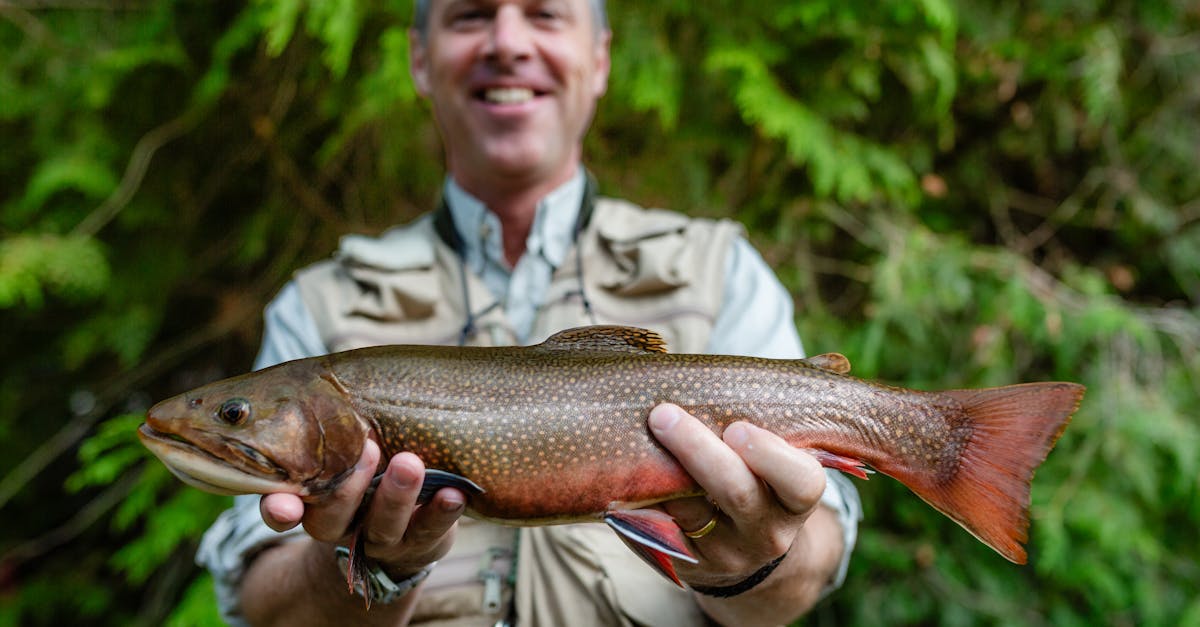
Brook Trout
The brook trout is widely considered the most beautiful freshwater fish in North America, and catching one in a pristine Montana mountain stream is an experience that captures the essence of backcountry fly fishing. Despite their common name, brook trout are not true trout at all; they are a species of char (genus Salvelinus), more closely related to lake trout and Arctic char than to rainbows or browns. Native to eastern North America from Georgia to Hudson Bay, brook trout were among the first salmonids introduced to Montana's waters in the late 1800s and have since established self-sustaining populations in cold, high-elevation streams and lakes throughout the state. In Montana, brook trout thrive best in small, cold headwater streams and high mountain lakes where competition from larger trout species is minimal. In these environments, they are often the dominant, or only, salmonid present. The trade-off is size: Montana stream-dwelling brook trout typically range from 6 to 10 inches, with fish over 12 inches considered noteworthy in most waters. What they lack in size, however, they more than make up for in beauty and willingness to eat a fly. Brookies are aggressive feeders that will strike attractor dry flies, nymphs, and small streamers with enthusiasm, making them an ideal species for beginning fly anglers and a delightful quarry for anyone who appreciates small-stream fishing. Brook trout do present a conservation paradox in Montana. While they are a beloved and beautiful gamefish, they are non-native and can negatively impact native species, particularly Yellowstone and westslope cutthroat trout. In headwater streams, brook trout often outcompete cutthroats for food and spawning habitat due to their higher reproductive rate and earlier maturation. As a result, Montana FWP has implemented brook trout removal projects on some streams to restore native cutthroat populations. In many waters, liberal harvest limits for brook trout are encouraged to reduce their numbers and benefit native fish. Anglers can enjoy excellent brook trout fishing while actively helping conservation by keeping a few for the pan.
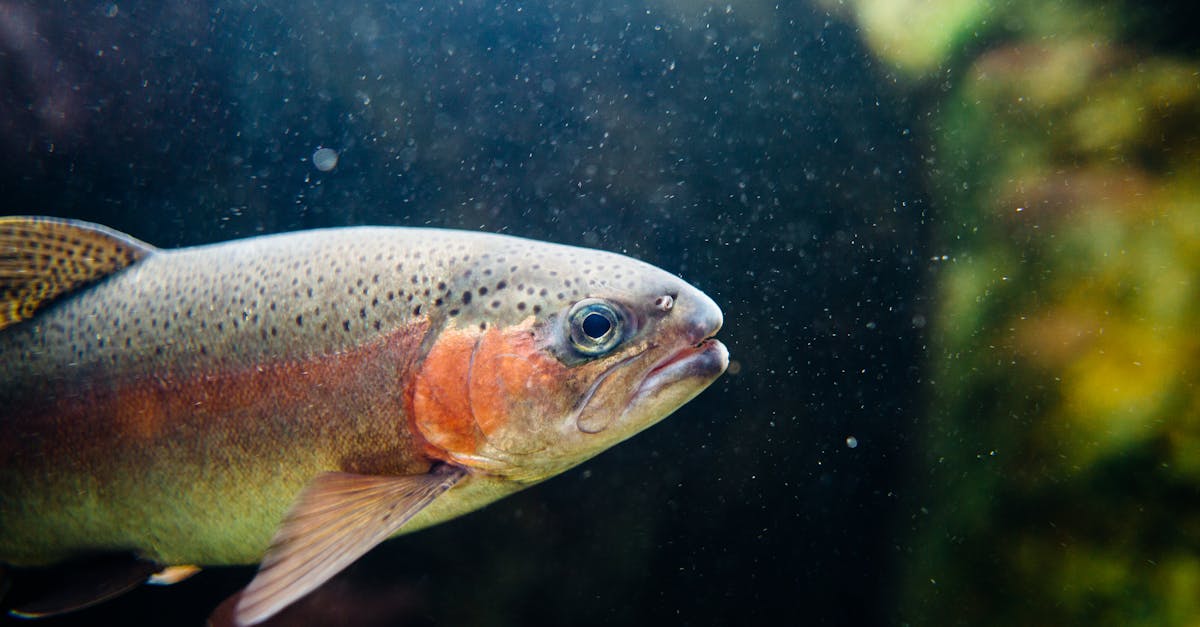
Rainbow Trout
The rainbow trout is Montana's most widespread and popular gamefish, celebrated for its explosive surface strikes, aerial acrobatics, and willingness to take a well-presented dry fly. Native to Pacific Coast drainages from Alaska to Mexico, rainbows were first introduced to Montana's waters in the late 1800s and have since established thriving populations in nearly every major river system in the state. On legendary waters like the Madison, Missouri, and Bighorn, wild rainbow trout grow fat on prolific insect hatches and provide some of the finest dry-fly fishing in North America. Rainbow trout in Montana display remarkable variation depending on their home water. Fish in nutrient-rich tailwaters like the Missouri River below Holter Dam can exceed 20 inches with regularity, their deep bodies and broad tails reflecting the abundant food supply. Freestone river rainbows, such as those in the upper Madison and Gallatin, tend to be leaner and more athletic, shaped by faster currents and colder water temperatures. In many Montana rivers, rainbows spawn in the spring from March through June, and anglers should be mindful of spawning redds during this period to protect future generations of fish. Rainbows are arguably the most versatile trout species for fly anglers. They respond well to dry flies during hatches, aggressively chase streamers, and feed heavily on nymphs subsurface throughout the year. Their fighting ability is legendary: a hooked rainbow will often launch itself completely out of the water multiple times during a battle. Montana's catch-and-release regulations on many blue-ribbon streams have produced exceptional rainbow trout fisheries with high densities of large, healthy fish that continue to draw anglers from around the world.
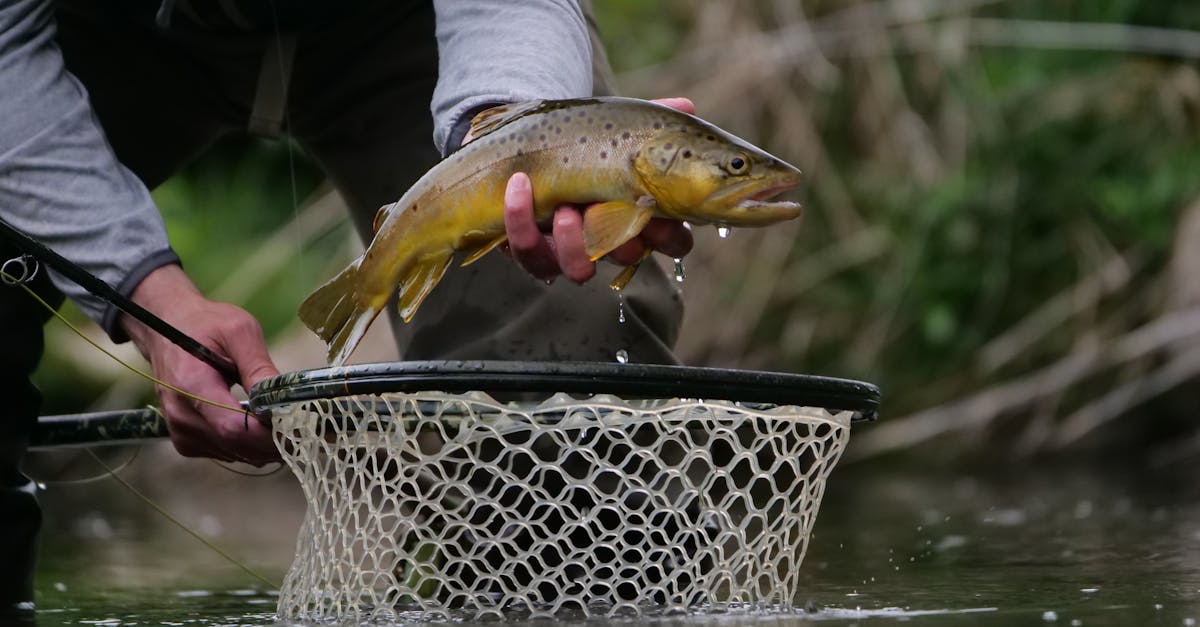
Brown Trout
The brown trout is the most cunning and elusive trout species swimming in Montana's rivers, and it rewards patient, skilled anglers with some of the state's most memorable catches. Originally native to Europe and western Asia, brown trout were first introduced to North American waters in 1883 and arrived in Montana shortly thereafter. They have since established robust, self-sustaining populations in virtually every major trout stream in the state, from the legendary spring creeks of the Paradise Valley to the sweeping runs of the lower Madison and the deep pools of the Bighorn. Brown trout grow larger than any other trout species in Montana, and fish exceeding 24 inches are caught with regularity on premium waters. The lower Madison River, the Missouri River below Holter Dam, and the Bighorn River are particularly renowned for producing trophy-class browns. Unlike rainbows, brown trout spawn in the fall (October through November), and their aggressive pre-spawn behavior creates an exciting window for streamer fishing as large males become territorial and attack anything that enters their domain. Browns are notably more nocturnal than other trout species, and many of the biggest fish are caught during low-light conditions. What sets brown trout apart from other species is their wariness and selectivity. Large browns are notoriously difficult to fool, often refusing flies that are even slightly off in size, color, or presentation. They tend to establish and defend prime feeding lies (undercut banks, logjams, deep pools, and boulder gardens), and an angler who learns to read water and identify these holding spots will consistently catch more and larger fish. This combination of difficulty, size potential, and intelligence makes the brown trout the most prized quarry for many serious Montana fly fishers.
Swift River Hatch Chart
| Insect | Suggested Fly | Jan | Feb | Mar | Apr | May | Jun | Jul | Aug | Sep | Oct | Nov | Dec |
|---|---|---|---|---|---|---|---|---|---|---|---|---|---|
Blue-Winged Olive (Baetis) afternoon | BWO Emerger | ||||||||||||
Blue-Winged Olive (Baetis) afternoon | BWO Emerger | ||||||||||||
Caddisflies (various) evening | Elk Hair Caddis | ||||||||||||
Hendrickson afternoon | Parachute Adams | ||||||||||||
Stoneflies (various) all day | Pat's Rubber Legs | ||||||||||||
Terrestrials (ants, beetles) afternoon | Chubby Chernobyl | ||||||||||||
Midges morning | Zebra Midge |
Blue-Winged Olive (Baetis): Spring BWOs in pocket water. Size 18-20.
Blue-Winged Olive (Baetis): Fall BWOs on overcast afternoons. Size 18-22.
Caddisflies (various): Summer caddis in pocket water. Size 14-16.
Hendrickson: Brief Hendrickson emergence. Size 12-14.
Stoneflies (various): Stonefly nymphs important in fast water. Size 8-12.
Terrestrials (ants, beetles): Terrestrials significant food source from overhanging trees. Size 14-18.
Midges: Small midges year-round in mountain stream. Size 18-22.
Recommended Flies
Parachute Adams
Top PickHigh-floating attractor for wild brook trout pocket water. Size 14-16.
Best in summer
Elk Hair Caddis
Top PickCaddis dry for summer evening hatches. Size 14-16.
Best in summer
BWO Emerger
Top PickBWO emerger for fall hatches. Size 18-22.
Best in fall
Pheasant Tail Nymph
Top PickSmall Pheasant Tail for pocket water nymphing. Size 14-16.
Best in spring
Chubby Chernobyl
Top PickTerrestrials (ants, beetles) from overhanging trees. Size 14-18.
Best in summer
Access Points & Boat Launches
Rocky Gorge Scenic Area
Wade AccessEasyEasily accessible fishing area along the Kancamagus Highway (Route 112). The Swift River here flows through a scenic gorge with pocket water, plunges, and small pools holding wild brook trout and stocked rainbows. Beautiful setting with good facilities including accessible fishing platform.
Covered Bridge Campground
Wade AccessEasyAccess point at Covered Bridge Campground along the Kancamagus Highway. Features an accessible fishing platform installed by the White Mountain National Forest. Good wade fishing to pocket water and small pools. Mix of wild brook trout and stocked fish.
Albany Bridge Access
Wade AccessEasyU.S. Forest Service maintains an accessible fishing site next to the Albany Bridge. Good access to the lower Swift River where the stream has widened and slowed slightly. Quality native brook trout mixed with stocked rainbows and browns. Fly fishing only section nearby.
Regulations
Regulations
Fly fishing only section: Route 113A bridge to Route 113 bridge. Other sections: Standard New Hampshire trout regulations apply (5 fish daily limit). Season: January 1 through October 15; best fishing late spring, summer, and fall. New Hampshire fishing license required. Verify current regulations at wildlife.nh.gov.
Always verify current regulations with Montana Fish, Wildlife & Parks before fishing.
Some links may earn a commission. Learn more
Quick Facts
- Region
- White Mountains / Kancamagus Highway
- Water Type
- Freestone
- River Length
- 26 miles from Waterville Valley to Saco River confluence
- Difficulty
- Beginner-Intermediate
- Best Seasons
- spring, summer, fall
- Trout Per Mile
- 500-1,000 wild brook trout in upper sections; 300-600 mixed species lower
- Record Trout
- Wild brook trout to 10 inches in upper sections; stocked rainbows to 14 inches lower
- Species
- Brook Trout, Rainbow Trout, Brown Trout
- USGS Gauge
- 01064400
Nearby Rivers
Androscoggin River
Northern White Mountains / Coos County
Upper Connecticut River
Connecticut Lakes Region / Pittsburg
Saco River
Mount Washington Valley / Carroll County
Pemigewasset River
White Mountains / Grafton County
Ellis River
Mount Washington Valley / Carroll County
Ammonoosuc River
White Mountains / Grafton County
Baker River
White Mountains / Grafton County
Mascoma River
Upper Valley / Grafton County
Souhegan River
Southern New Hampshire / Hillsborough County