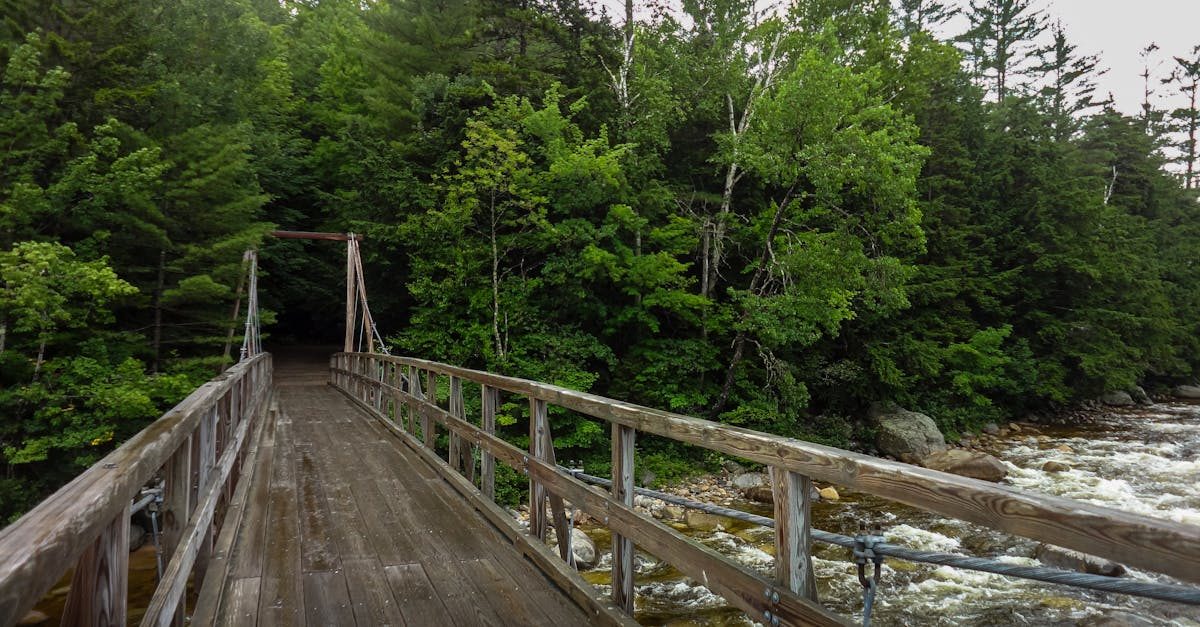
Ammonoosuc River
The Ammonoosuc River flows 55 miles from its origin at the Lakes of the Clouds on Mount Washington westward through Bethlehem, Littleton, and Lisbon before joining the Connecticut River in Haverhill. This diverse freestone river offers excellent brook trout fishing in its upper reaches, stocked rainbow and brown trout in the middle sections, and scenic mountain-to-valley fly fishing through some of New Hampshire's most beautiful terrain.
Ammonoosuc River Fishing Report & Current Conditions
The Ammonoosuc River is a freestone fishery, and it fishes best in spring, summer and fall. Live USGS streamflow readings update throughout the day, while the monthly median flows below map the river's typical discharge across the year. Together they show current fishability and how today's water compares to the seasonal norm.
Current Conditions
Typical Monthly Flows
Historical median discharge (CFS) by month: Ammonoosuc River
Overview
The Ammonoosuc River begins at one of the most remarkable headwaters in New England: the Lakes of the Clouds, a pair of small alpine ponds perched in the saddle between Mount Washington and Mount Monroe at over 5,000 feet elevation. From this lofty origin, the river descends rapidly through the White Mountain National Forest, gathering tributaries and volume as it flows west toward the Connecticut River.
The upper Ammonoosuc above Bethlehem is a fast-moving mountain stream that runs cool even in the height of summer. This section features classic pocket water, plunge pools, and short riffles holding wild brook trout in a forested setting. Route 302 parallels much of the upper river, providing convenient roadside access to productive water. The brook trout here are wild and colorful, typically ranging from 6-10 inches with occasional fish reaching 12 inches in the deeper pools.
As the river flows through Bethlehem and into Littleton, it transitions into a medium-to-large freestone river 40-70 feet wide with well-defined pool-riffle-run structure. This middle section is stocked with rainbow and brown trout and offers the most diverse fly fishing on the system. The gradient lessens, creating longer runs and deeper pools that hold fish through the season. Brown trout in this section can reach respectable sizes, with fish over 16 inches caught annually.
The lower Ammonoosuc from Littleton through Lisbon to Haverhill features a series of long pools separated by riffles as the river flows through agricultural land. Four dams on this stretch create impoundments that warm the water and limit fish passage. The best fly fishing on the lower river occurs from May through July before water temperatures rise in the slower sections.
Water Characteristics
The Ammonoosuc River is a classic White Mountain freestone with cold, clean water originating from the highest peaks in the Northeast. Water clarity is good to excellent, typically 2-4 feet of visibility during normal flows and clearer during stable summer conditions. The alpine origin ensures cold water inputs throughout the season, keeping temperatures in the ideal trout range (48-62 degrees F) in the upper and middle sections.
The substrate transitions from large boulders and bedrock in the upper gorge sections to gravel, cobble, and smaller rocks in the valley. The insect community is productive and diverse: caddisflies are abundant throughout the system, mayflies include Blue-winged Olives, Hendricksons, Light Cahills, and Sulphurs, and stoneflies are well-represented in the faster upper water. Terrestrial insects contribute to the diet from July through September.
Water quality in the upper sections is excellent, with minimal development impacts. The middle sections through Bethlehem and Littleton maintain good water quality despite some agricultural and residential land use along the banks. The lower river below Littleton is affected by dams and warming, reducing its value as cold-water trout habitat.
Wading & Float Guide
The Ammonoosuc River offers varied wading depending on the section. The upper river above Bethlehem features moderate gradient with a bottom of cobble and boulders, creating fast pocket water that requires careful foot placement. The water is rarely more than knee-deep in the wadeable sections, but the swift current and slippery rocks demand studded boots and a deliberate approach. Much of this section can be fished effectively from the bank or by wading the margins.
The middle section through Bethlehem and Littleton provides more conventional freestone wading. The river widens to 40-70 feet with a gravel and cobble bottom, moderate current, and comfortable depths. Riffles are typically ankle to shin-deep, runs are knee to thigh-deep, and pools can be chest-deep or more. This section is accessible to anglers of moderate experience during normal summer flows.
Spring runoff from Mount Washington and the surrounding peaks can make the river high and dangerous from late April through mid-May. Check the USGS gauge at Bethlehem Junction (01137500) before your trip: optimal wading occurs below 500 cfs, while flows above 1,000 cfs make wading difficult. Chest waders are recommended for most of the season, with hip waders sufficient during low summer flows in the shallower upper sections.
Bethlehem to Littleton
Half-day to full-day float through scenic mountain valley. The river here has good gradient with riffles and runs holding brown, rainbow, and brook trout. Class I-II water with occasional rocky sections requiring basic boat handling skills. Multiple take-out options allow flexible trip lengths.
Rod & Tackle Guide
Upper Ammonoosuc (Route 302 corridor)
- Rod
- 7.5-8.5' 3-weight or 4-weight
- Line
- Weight-forward floating
- Leader & Tippet
- 7.5-9' tapered to 5X or 6X
Light rod for small stream brook trout fishing. Shorter rod length helps in tight quarters with streamside vegetation. Fine tippet for clear water.
Middle River (Bethlehem to Littleton)
- Rod
- 9' 5-weight
- Line
- Weight-forward floating
- Leader & Tippet
- 9' tapered to 4X or 5X
Standard 5-weight setup handles the wider water, nymph rigs, and occasional streamers. Versatile choice for the most productive fishing sections.
Best Time to Fish the Ammonoosuc River
Spring
Late May through early June offers the first good fishing as the river clears from snowmelt. Hendrickson and Blue-winged Olive mayflies provide early-season dry fly opportunities on overcast afternoons. Nymphing with stonefly patterns, caddis larvae, and Pheasant Tails in sizes 12-16 through deeper runs is the most consistent technique. The upper sections near Route 302 clear and warm earlier than the lower river, often fishing well by mid-May. Water levels can fluctuate rapidly from snowmelt on Mount Washington; monitor the Bethlehem Junction gauge.
Summer
June through August is prime time on the Ammonoosuc, particularly in the upper and middle sections where cold mountain water keeps temperatures ideal. Caddis hatches are prolific in the evenings throughout summer, with Elk Hair Caddis and X-Caddis in sizes 14-16 matching the emergences. Light Cahill and Sulphur mayflies provide additional dry fly opportunities in June and July. Terrestrial patterns (ants, beetles, small hoppers) become effective along grassy banks in the Bethlehem and Littleton areas from July through August. Fish early morning and evening for the best surface action; midday nymphing through deeper pools remains productive.
Fall
September and early October bring excellent conditions with lower water, reduced pressure, and aggressive fish. Blue-winged Olive hatches intensify on overcast days, providing reliable dry fly fishing from late morning through early afternoon. Brook trout in the upper sections develop vivid spawning colors and feed actively. Streamer fishing with Woolly Buggers and small sculpins through the deeper pools and runs in the Bethlehem-Littleton sections targets the largest brown trout. Fall foliage along the Ammonoosuc corridor is beautiful. Season closes October 15.
Fishing Pressure & Local Tips
The Ammonoosuc River receives moderate fishing pressure, primarily concentrated near roadside pulloffs along Route 302 in the upper sections and in the easily accessible water around Bethlehem and Littleton. The river benefits from its location slightly off the main tourist corridor (Route 93 and Route 3 draw most visitors to Franconia and Lincoln), resulting in less pressure than more famous White Mountain rivers.
The upper sections along Route 302 see the most use from anglers targeting brook trout, particularly on summer weekends. The Bethlehem and Littleton sections see steady local pressure but are rarely crowded. Walking upstream or downstream from pulloffs leads quickly to less-pressured water.
For the best experience, fish weekday mornings or evenings, explore the sections between established access points, or target the less-accessible upper water above the Route 302 corridor. September and early October offer excellent fishing with minimal pressure after the summer season winds down.
Local Knowledge
The Ammonoosuc rewards anglers who match their approach to the specific section being fished. In the upper pocket water along Route 302, use short, accurate casts to specific lies behind boulders, in plunge pools, and along current seams. Wild brook trout are opportunistic but spook easily in the clear water. A high-floating attractor dry fly (Stimulator or Parachute Adams in size 14-16) is an excellent searching pattern.
In the middle river through Bethlehem and Littleton, standard freestone tactics apply. Nymph the deeper runs and pools with weighted two-fly rigs (Pheasant Tail or Prince Nymph point fly with a smaller dropper), and switch to dry flies when you see surface activity. Brown trout in this section hold tight to structure: undercut banks, submerged logs, and the heads of deeper pools.
The Bethlehem Junction USGS gauge (01137500) is the key reference for flow conditions. Optimal fishing occurs at 200-500 cfs; flows above 700 cfs make wading difficult. Local shops in Littleton can provide current hatch reports and stocking information. Bring a variety of rod weights: a 3-4 weight for the upper brook trout water and a 5-weight for the middle and lower sections.
Species Present
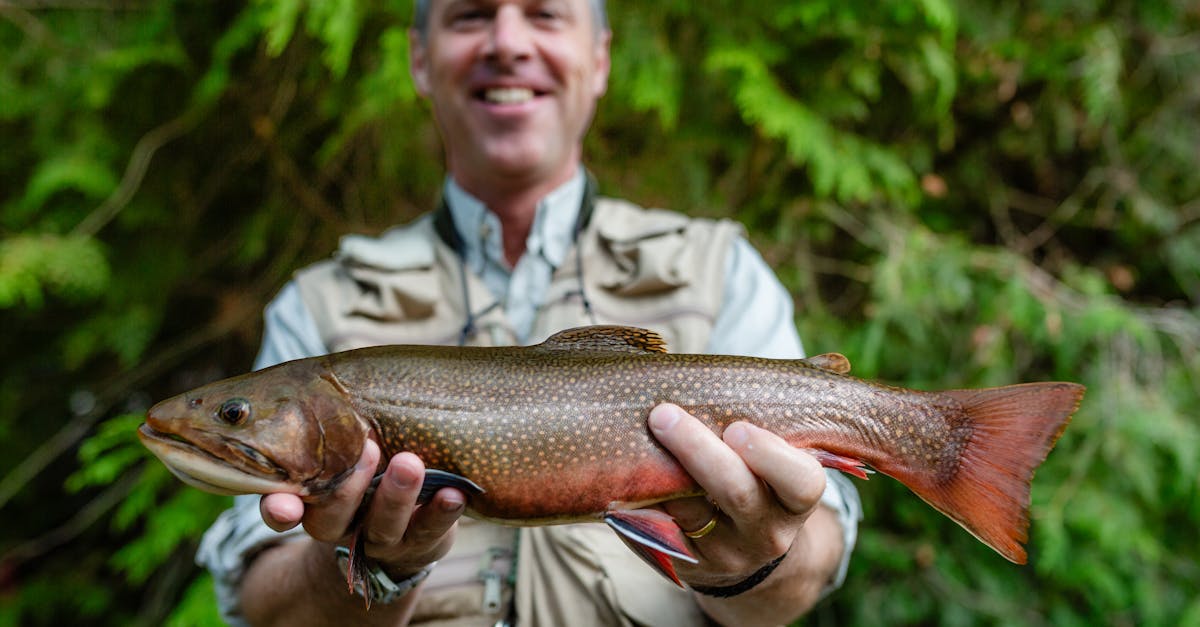
Brook Trout
The brook trout is widely considered the most beautiful freshwater fish in North America, and catching one in a pristine Montana mountain stream is an experience that captures the essence of backcountry fly fishing. Despite their common name, brook trout are not true trout at all; they are a species of char (genus Salvelinus), more closely related to lake trout and Arctic char than to rainbows or browns. Native to eastern North America from Georgia to Hudson Bay, brook trout were among the first salmonids introduced to Montana's waters in the late 1800s and have since established self-sustaining populations in cold, high-elevation streams and lakes throughout the state. In Montana, brook trout thrive best in small, cold headwater streams and high mountain lakes where competition from larger trout species is minimal. In these environments, they are often the dominant, or only, salmonid present. The trade-off is size: Montana stream-dwelling brook trout typically range from 6 to 10 inches, with fish over 12 inches considered noteworthy in most waters. What they lack in size, however, they more than make up for in beauty and willingness to eat a fly. Brookies are aggressive feeders that will strike attractor dry flies, nymphs, and small streamers with enthusiasm, making them an ideal species for beginning fly anglers and a delightful quarry for anyone who appreciates small-stream fishing. Brook trout do present a conservation paradox in Montana. While they are a beloved and beautiful gamefish, they are non-native and can negatively impact native species, particularly Yellowstone and westslope cutthroat trout. In headwater streams, brook trout often outcompete cutthroats for food and spawning habitat due to their higher reproductive rate and earlier maturation. As a result, Montana FWP has implemented brook trout removal projects on some streams to restore native cutthroat populations. In many waters, liberal harvest limits for brook trout are encouraged to reduce their numbers and benefit native fish. Anglers can enjoy excellent brook trout fishing while actively helping conservation by keeping a few for the pan.
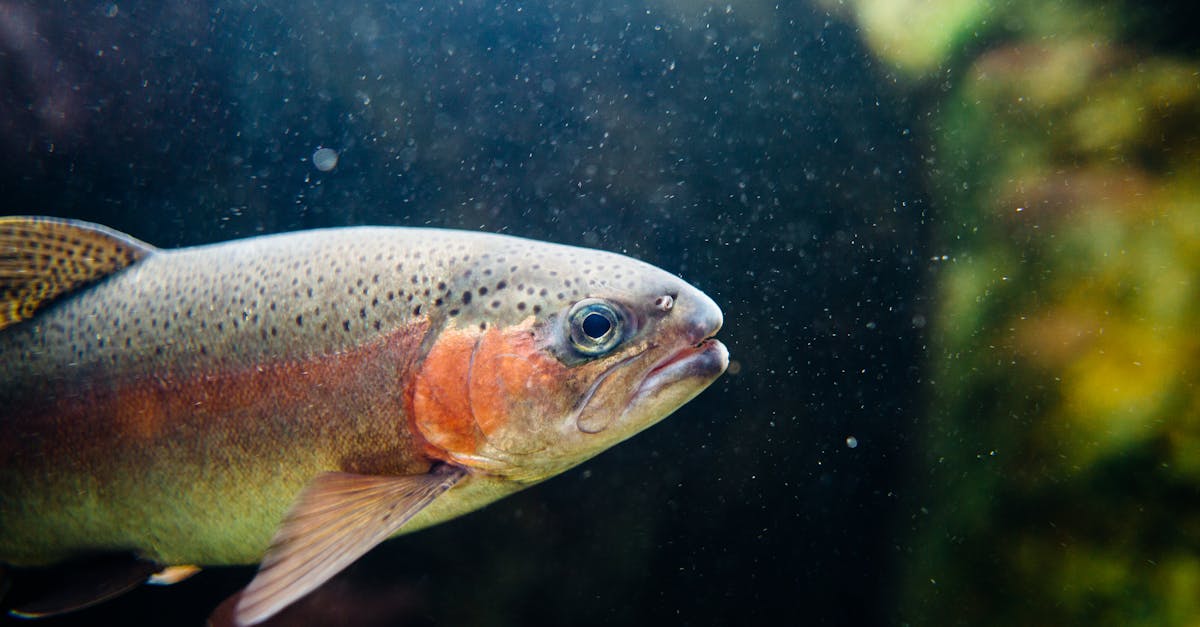
Rainbow Trout
The rainbow trout is Montana's most widespread and popular gamefish, celebrated for its explosive surface strikes, aerial acrobatics, and willingness to take a well-presented dry fly. Native to Pacific Coast drainages from Alaska to Mexico, rainbows were first introduced to Montana's waters in the late 1800s and have since established thriving populations in nearly every major river system in the state. On legendary waters like the Madison, Missouri, and Bighorn, wild rainbow trout grow fat on prolific insect hatches and provide some of the finest dry-fly fishing in North America. Rainbow trout in Montana display remarkable variation depending on their home water. Fish in nutrient-rich tailwaters like the Missouri River below Holter Dam can exceed 20 inches with regularity, their deep bodies and broad tails reflecting the abundant food supply. Freestone river rainbows, such as those in the upper Madison and Gallatin, tend to be leaner and more athletic, shaped by faster currents and colder water temperatures. In many Montana rivers, rainbows spawn in the spring from March through June, and anglers should be mindful of spawning redds during this period to protect future generations of fish. Rainbows are arguably the most versatile trout species for fly anglers. They respond well to dry flies during hatches, aggressively chase streamers, and feed heavily on nymphs subsurface throughout the year. Their fighting ability is legendary: a hooked rainbow will often launch itself completely out of the water multiple times during a battle. Montana's catch-and-release regulations on many blue-ribbon streams have produced exceptional rainbow trout fisheries with high densities of large, healthy fish that continue to draw anglers from around the world.
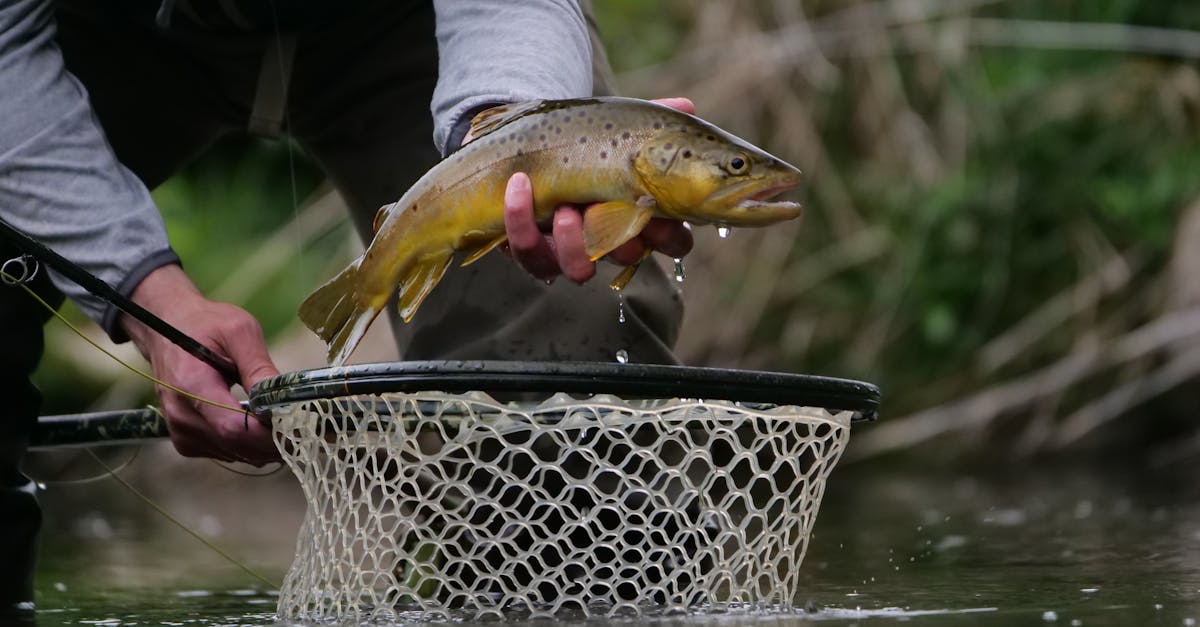
Brown Trout
The brown trout is the most cunning and elusive trout species swimming in Montana's rivers, and it rewards patient, skilled anglers with some of the state's most memorable catches. Originally native to Europe and western Asia, brown trout were first introduced to North American waters in 1883 and arrived in Montana shortly thereafter. They have since established robust, self-sustaining populations in virtually every major trout stream in the state, from the legendary spring creeks of the Paradise Valley to the sweeping runs of the lower Madison and the deep pools of the Bighorn. Brown trout grow larger than any other trout species in Montana, and fish exceeding 24 inches are caught with regularity on premium waters. The lower Madison River, the Missouri River below Holter Dam, and the Bighorn River are particularly renowned for producing trophy-class browns. Unlike rainbows, brown trout spawn in the fall (October through November), and their aggressive pre-spawn behavior creates an exciting window for streamer fishing as large males become territorial and attack anything that enters their domain. Browns are notably more nocturnal than other trout species, and many of the biggest fish are caught during low-light conditions. What sets brown trout apart from other species is their wariness and selectivity. Large browns are notoriously difficult to fool, often refusing flies that are even slightly off in size, color, or presentation. They tend to establish and defend prime feeding lies (undercut banks, logjams, deep pools, and boulder gardens), and an angler who learns to read water and identify these holding spots will consistently catch more and larger fish. This combination of difficulty, size potential, and intelligence makes the brown trout the most prized quarry for many serious Montana fly fishers.
Ammonoosuc River Hatch Chart
| Insect | Suggested Fly | Jan | Feb | Mar | Apr | May | Jun | Jul | Aug | Sep | Oct | Nov | Dec |
|---|---|---|---|---|---|---|---|---|---|---|---|---|---|
Hendrickson afternoon | Parachute Adams | ||||||||||||
Blue-Winged Olive (Baetis) afternoon | BWO Emerger | ||||||||||||
Blue-Winged Olive (Baetis) afternoon | BWO Emerger | ||||||||||||
Caddisflies (various) evening | Elk Hair Caddis | ||||||||||||
Sulphurs evening | PMD Comparadun | ||||||||||||
Stoneflies (various) all day | Pat's Rubber Legs | ||||||||||||
Terrestrials (hoppers, ants, beetles) afternoon | Chubby Chernobyl | ||||||||||||
Light Cahill evening | PMD Comparadun |
Hendrickson: Late spring Hendrickson hatch. Size 12-14.
Blue-Winged Olive (Baetis): Spring BWOs on overcast days. Size 16-20.
Blue-Winged Olive (Baetis): Fall BWOs intensify on overcast afternoons. Size 18-20.
Caddisflies (various): Prolific summer caddis. Size 14-18.
Sulphurs: Sulphur hatch in June and July. Size 14-16.
Stoneflies (various): Stonefly nymphs productive in upper sections. Size 8-12.
Terrestrials (hoppers, ants, beetles): Terrestrials along farmland banks. Size 12-18.
Light Cahill: Summer evening hatch in middle sections. Size 12-16.
Recommended Flies
Parachute Adams
Top PickVersatile dry fly for Hendrickson and general hatches. Size 12-16.
Best in spring
Elk Hair Caddis
Top PickEssential for prolific summer caddis hatches. Size 14-18.
Best in summer
BWO Emerger
Top PickBWO emerger for fall Baetis hatches. Size 18-20.
Best in fall
Pheasant Tail Nymph
Top PickPheasant Tail nymph effective year-round. Size 14-18.
Best in spring
Woolly Bugger
Top PickStreamer for fall brown trout in Bethlehem-Littleton pools. Size 4-8.
Best in fall
Access Points & Boat Launches
Bethlehem Area Access
Wade AccessEasyAccess to the Ammonoosuc River in the Bethlehem area. The river here offers good freestone fishing for brook, brown, and rainbow trout with moderate gradient and classic pool-riffle structure. Roadside access along Route 302 provides multiple entry points.
Littleton Town Access
Wade AccessEasyTown of Littleton access to the lower Ammonoosuc River. Larger water with good populations of brown and rainbow trout. The river here features long runs and deeper pools suitable for nymphing and streamer fishing. Less pressure than upper sections.
Regulations
Regulations
Standard New Hampshire trout regulations apply: daily limit 5 trout or 5 lbs, whichever comes first. General law fishing throughout. Season: January 1 through October 15. New Hampshire fishing license required. Verify current regulations at wildlife.nh.gov.
Always verify current regulations with Montana Fish, Wildlife & Parks before fishing.
Some links may earn a commission. Learn more
Quick Facts
- Region
- White Mountains / Grafton County
- Water Type
- Freestone
- River Length
- 55 miles from Lakes of the Clouds to Connecticut River confluence
- Difficulty
- Beginner-Intermediate
- Best Seasons
- spring, summer, fall
- Trout Per Mile
- 500-1,200 in upper sections; 300-600 in middle and lower sections
- Record Trout
- Brown trout to 18 inches in middle sections; brook trout to 12 inches in upper water
- Species
- Brook Trout, Rainbow Trout, Brown Trout
- USGS Gauge
- 01137500
Nearby Rivers
Androscoggin River
Northern White Mountains / Coos County
Upper Connecticut River
Connecticut Lakes Region / Pittsburg
Saco River
Mount Washington Valley / Carroll County
Pemigewasset River
White Mountains / Grafton County
Swift River
White Mountains / Kancamagus Highway
Ellis River
Mount Washington Valley / Carroll County
Baker River
White Mountains / Grafton County
Mascoma River
Upper Valley / Grafton County
Souhegan River
Southern New Hampshire / Hillsborough County