Echo Lake (Plymouth)
Echo Lake in Plymouth is the middle lake of the Black River chain, bordered by Camp Plymouth State Park on the site of an 1800s gold rush settlement and stocked with trophy rainbow trout.
Overview
Echo Lake links Amherst Lake and Lake Rescue in the Black River chain, roughly 100 acres of clear water below the hills of Tyson. Camp Plymouth State Park occupies the eastern shore — ground that once held the Plymouth Five Corners gold rush settlement of the 1850s, and gold pans still come out on Buffalo Brook. The lake receives 200 two-year-old trophy rainbows for 2026, with brown trout, bass, and rainbow smelt sharing the water.
The lake fishes best where the Black River enters from Amherst Lake at the north end and along the steep western drop-off. Spring chironomid emergences bring trophy rainbows up over 20 to 40 feet of water, and smelt-imitating streamers moved along the thermocline edge take both rainbows and the occasional large brown. The state park beach and boat access make Echo the most family-friendly water in the chain.
Depth & Character
- Surface Area
- 104acres
- Max Depth
- 66ft
- Elevation
- 1060ft
Water Characteristics
Clear, cold water with a steep western drop-off and a maximum depth around 66 feet. Rainbow smelt provide forage, and the Black River flushes cool water through the lake all season.
Stocking
| Species | Size | Number | Program |
|---|---|---|---|
| Rainbow Trout | 2-year-old | 200 | Trophy Trout Program (2026) |
Access & Boats
Camp Plymouth State Park on the east shore offers day-use access, a beach, and boat rentals; a public fishing access off Route 100 serves trailered and cartop boats. The park campground makes multi-day trips easy.
Ice Fishing
A winter fishery for trout and smelt through the ice; the deep basin off the west shore is the usual target.
Fishing Pressure & Local Tips
Moderate in summer thanks to the state park; spring and fall belong to anglers.
Local Knowledge
Prospect the drop-off in front of the state park beach at dawn before swimmers arrive — cruising rainbows work that shelf, and a slow-sinking Thin Mint is all you need.
Species Present
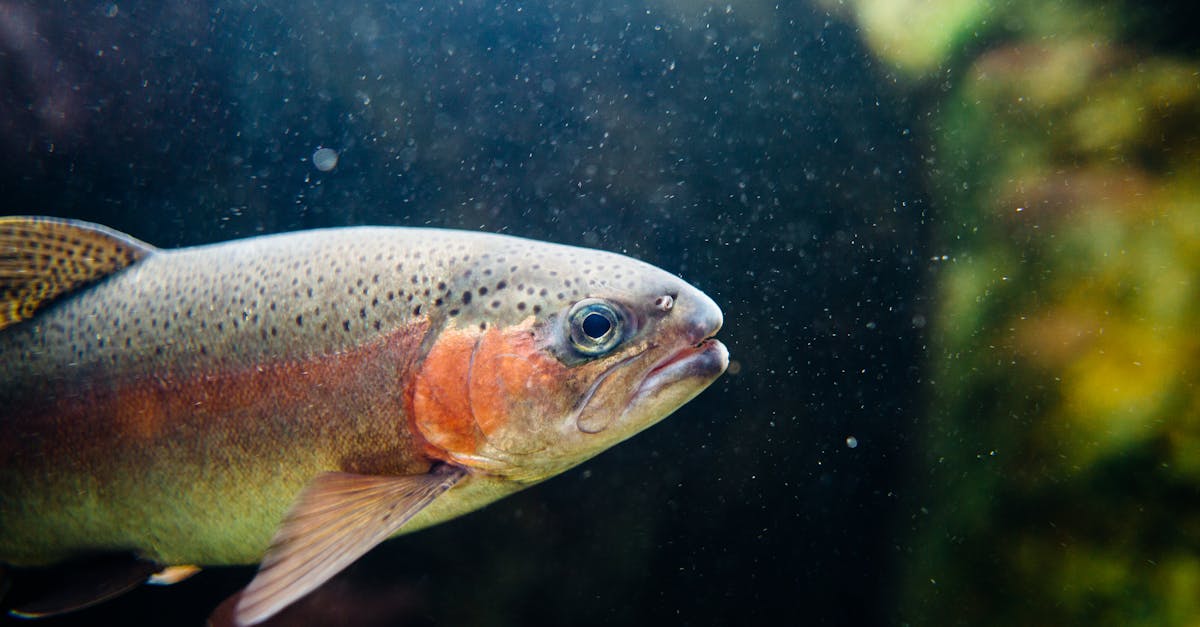
Rainbow Trout
The rainbow trout is Montana's most widespread and popular gamefish, celebrated for its explosive surface strikes, aerial acrobatics, and willingness to take a well-presented dry fly. Native to Pacific Coast drainages from Alaska to Mexico, rainbows were first introduced to Montana's waters in the late 1800s and have since established thriving populations in nearly every major river system in the state. On legendary waters like the Madison, Missouri, and Bighorn, wild rainbow trout grow fat on prolific insect hatches and provide some of the finest dry-fly fishing in North America. Rainbow trout in Montana display remarkable variation depending on their home water. Fish in nutrient-rich tailwaters like the Missouri River below Holter Dam can exceed 20 inches with regularity, their deep bodies and broad tails reflecting the abundant food supply. Freestone river rainbows, such as those in the upper Madison and Gallatin, tend to be leaner and more athletic, shaped by faster currents and colder water temperatures. In many Montana rivers, rainbows spawn in the spring from March through June, and anglers should be mindful of spawning redds during this period to protect future generations of fish. Rainbows are arguably the most versatile trout species for fly anglers. They respond well to dry flies during hatches, aggressively chase streamers, and feed heavily on nymphs subsurface throughout the year. Their fighting ability is legendary: a hooked rainbow will often launch itself completely out of the water multiple times during a battle. Montana's catch-and-release regulations on many blue-ribbon streams have produced exceptional rainbow trout fisheries with high densities of large, healthy fish that continue to draw anglers from around the world.
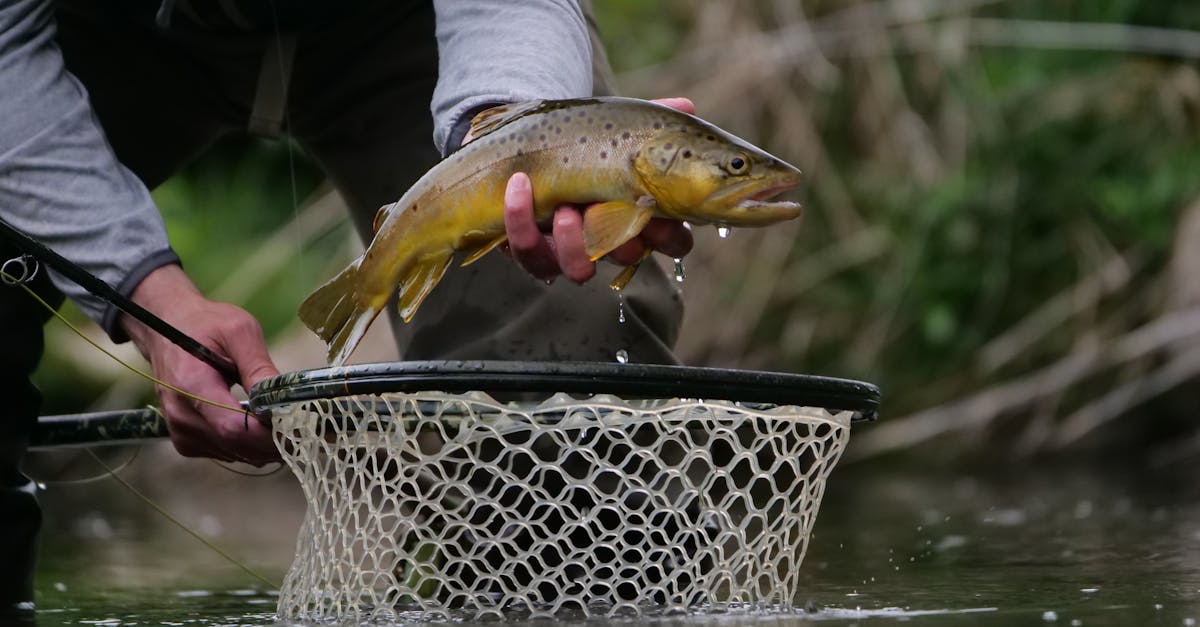
Brown Trout
The brown trout is the most cunning and elusive trout species swimming in Montana's rivers, and it rewards patient, skilled anglers with some of the state's most memorable catches. Originally native to Europe and western Asia, brown trout were first introduced to North American waters in 1883 and arrived in Montana shortly thereafter. They have since established robust, self-sustaining populations in virtually every major trout stream in the state, from the legendary spring creeks of the Paradise Valley to the sweeping runs of the lower Madison and the deep pools of the Bighorn. Brown trout grow larger than any other trout species in Montana, and fish exceeding 24 inches are caught with regularity on premium waters. The lower Madison River, the Missouri River below Holter Dam, and the Bighorn River are particularly renowned for producing trophy-class browns. Unlike rainbows, brown trout spawn in the fall (October through November), and their aggressive pre-spawn behavior creates an exciting window for streamer fishing as large males become territorial and attack anything that enters their domain. Browns are notably more nocturnal than other trout species, and many of the biggest fish are caught during low-light conditions. What sets brown trout apart from other species is their wariness and selectivity. Large browns are notoriously difficult to fool, often refusing flies that are even slightly off in size, color, or presentation. They tend to establish and defend prime feeding lies (undercut banks, logjams, deep pools, and boulder gardens), and an angler who learns to read water and identify these holding spots will consistently catch more and larger fish. This combination of difficulty, size potential, and intelligence makes the brown trout the most prized quarry for many serious Montana fly fishers.
Food Sources & Hatches
| Insect | Suggested Fly | Jan | Feb | Mar | Apr | May | Jun | Jul | Aug | Sep | Oct | Nov | Dec |
|---|---|---|---|---|---|---|---|---|---|---|---|---|---|
Rainbow Smelt (post ice-out) morning | Grey Ghost | ||||||||||||
Chironomids (midges) morning | Chironomid (Bomber) |
Rainbow Smelt (post ice-out): Smelt-chasing rainbows and browns work the shorelines after ice-out.
Chironomids (midges): Spring emergences over 20-40 feet along the western drop-off.
Recommended Flies
Grey Ghost
Top PickGrey Ghost for smelt-chasers along the shorelines after ice-out.
Best in spring
Thin Mint
Top PickSlow-sinking Thin Mint on the drop-off in front of the state park beach at dawn.
Best in summer
Also Effective
Access Points & Boat Launches
Camp Plymouth State Park Access
Boat LaunchEasyCamp Plymouth State Park on the eastern shore offers day-use access, a beach, picnic grounds, and seasonal boat rentals, with a public fishing access off Route 100 serving trailered boats. The park occupies the site of Vermont's 1850s gold rush settlement.
Regulations
Regulations
Designated trophy trout water: 2-fish daily limit on trout with no length minimum. General season runs from the second Saturday in April through October 31. Vermont fishing license required. Verify current rules at vtfishandwildlife.com.
Always verify current regulations with Vermont Fish & Wildlife Department before fishing.
Quick Facts
- Surface Area
- 104 acres
- Max Depth
- 66 ft
- Elevation
- 1060 ft
- Lake Type
- Natural Lake
- Region
- Southern Vermont / Windsor County
- Best Seasons
- spring, summer, fall
- Species
- Rainbow Trout, Brown Trout
Nearby Lakes & Ponds
Lake Willoughby
Northeast Kingdom / Orleans County
Seymour Lake
Northeast Kingdom / Orleans County
Caspian Lake
Northeast Kingdom / Orleans County
Lake Memphremagog
Northeast Kingdom / Orleans County
Maidstone Lake
Northeast Kingdom / Essex County
Noyes Pond (Seyon Pond)
Central Vermont / Groton State Forest, Caledonia County