Lake Memphremagog
Lake Memphremagog is a 31-mile international lake whose southern end anchors Newport, Vermont. Landlocked salmon, brown trout, rainbows, and smallmouth bass thrive on its smelt-rich waters, and the mouths of the Clyde, Barton, and Black rivers give fly anglers world-class seasonal opportunities.
Overview
Lake Memphremagog stretches 31 miles from Newport, Vermont north to Magog, Quebec, a long glacial trench that holds roughly 25,000 acres of water, about a quarter of it on the Vermont side of the border. The Vermont end is the lake's working heart for anglers: Newport sits on the southern shore, South Bay curls away behind the city, and three major tributaries — the Clyde, Barton, and Black rivers — pour Northeast Kingdom water into the lake within a few miles of downtown. Those river mouths, and the smelt and baitfish that stack off them, define the fly fishery.
Memphremagog is best known for its landlocked Atlantic salmon. The lake's salmon program, sustained by stocking and by runs up the Clyde River, produces fish that average two to four pounds with regular fish larger, and they come within reach of a fly rod twice a year: at ice-out in April and May when they chase smelt along shorelines and off the tributary mouths, and again in fall when they stage before running the rivers. The famous Clyde River salmon run at Newport is the most accessible expression of it; the water below the Clyde's lower dams and the plume where it meets the lake concentrate fish and anglers alike.
Beyond salmon, the Vermont end is a genuinely mixed fishery. Brown trout and rainbows patrol the same shorelines and river mouths, growing heavy on the forage base. Smallmouth bass are abundant across the rocky shorelines, points, and islands of the southern basin, and from June through September they are the most reliable fly rod fish on the lake — aggressive, plentiful, and fond of poppers, crayfish patterns, and buggers in eight feet of water or less.
The scale of Memphremagog demands strategy. The main basin's depths (to 351 feet, mostly north of the border) are troller territory; a fly angler's lake is the southern shallows, South Bay, the tributary plumes, and the first mile of rocky shoreline on either side of Newport. A boat helps enormously, but the extensive public access around Newport — city docks, the South Bay access, and the lower Clyde — gives shore and wading anglers real opportunities, particularly in spring and fall.
Memphremagog rewards anglers who fish it like a river system attached to a big lake: follow the temperature, follow the smelt, and fish moving water where it enters. In April it can feel like Atlantic salmon fishing; in July it fishes like a premier smallmouth lake; in October the salmon return and the cycle closes. No other Vermont lake offers quite that range.
Depth & Character
- Surface Area
- 6,317acres
- Max Depth
- 351ft
- Mean Depth
- 51ft
- Elevation
- 682ft
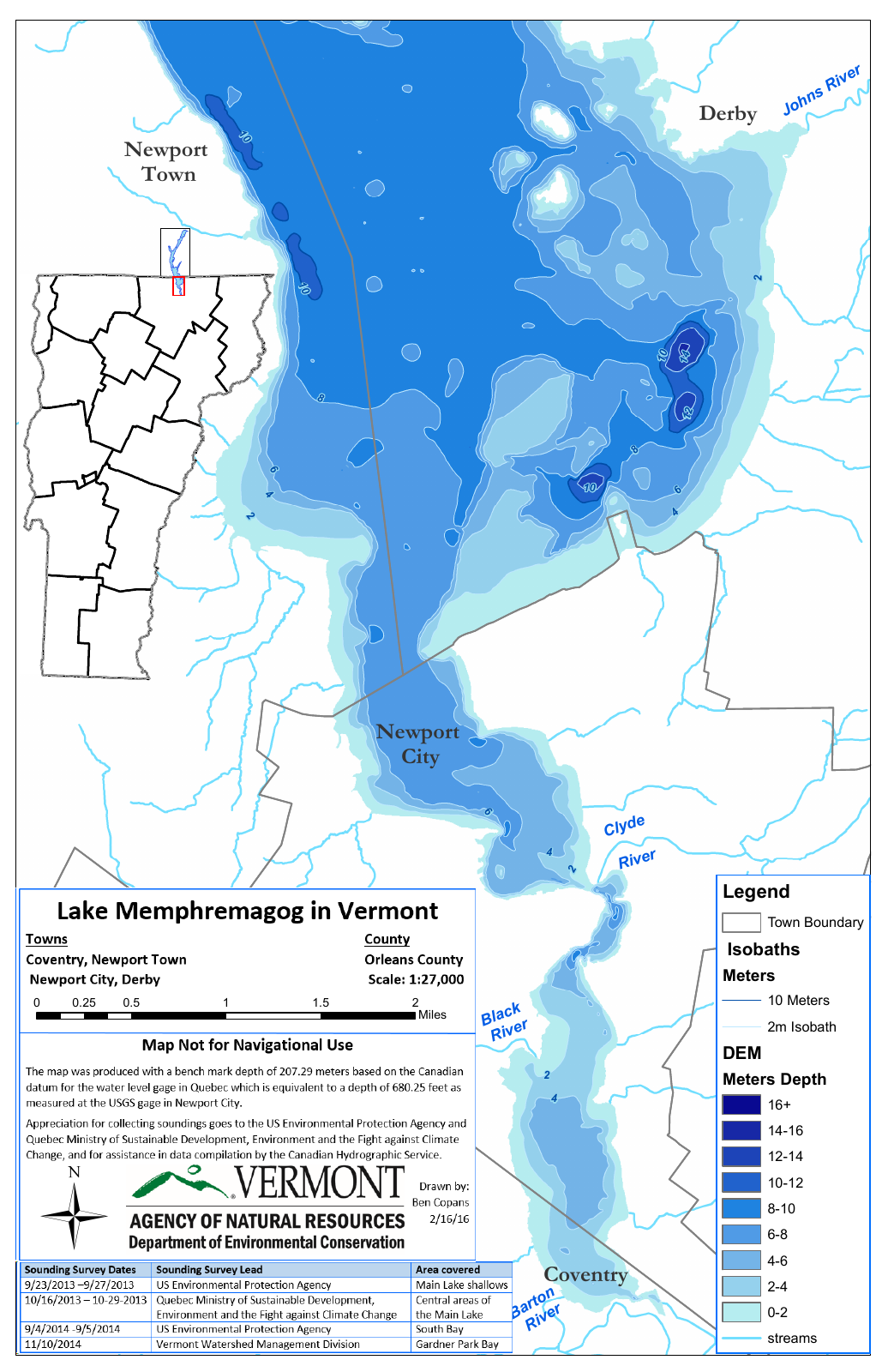
Bathymetric depth chart — click to open the full PDF. Source: Vermont DEC.
Source: Vermont DEC
Water Characteristics
The Vermont end of Memphremagog is the lake's shallow, fertile end: broad flats and bays under 30 feet, rocky shorelines and island shoals, and the weedy expanse of South Bay, all fed by four rivers draining nearly 500 square miles of the Northeast Kingdom. The deep, cold main basin lies mostly in Quebec, but enough cold water pushes south to keep salmonids in the system year-round.
Rainbow smelt and abundant yellow perch and minnows form the forage base. The southern basin's fertility supports strong insect populations — chironomids throughout, Hexagenia mayflies over the silty bays in early summer, damselflies and dragonflies in the weeds — plus crayfish that fuel the smallmouth fishery. Water clarity is moderate, lower than the NEK's oligotrophic lakes, which makes fish somewhat more forgiving of tackle.
Stocking
| Species | Size | Number | Program |
|---|---|---|---|
| Landlocked Atlantic Salmon | Yearling | 30,000 | VT F&W spring stocking (2025 actual) |
Seasonal Fishing Guide
Spring
From ice-out into late May, fish smelt streamers on intermediate lines off the mouths of the Clyde, Barton, and Black rivers and along adjacent shorelines at first light. Salmon, browns, and rainbows all work the tributary plumes. The lower Clyde at Newport concentrates spring salmon; fish it like a river with swung streamers, respecting posted special regulations.
Summer
Smallmouth bass take over as the fly rod fishery: poppers and sliders at dawn and dusk over rocky shorelines, points, and island shoals, with crayfish patterns and buggers on sink-tips once the sun is up. Salmonids go deep with the thermocline; early-season trolling water is best left to lead-core anglers until fall.
Fall
September and October bring salmon and brown trout back to the southern end as they stage off the Clyde and Barton mouths before spawning runs. Streamer fishing from shore or boat peaks on cold, overcast days. This is the marquee window for a fly-caught Memphremagog salmon; Egg-Sucking Leeches and Grey Ghosts both produce.
Winter
Ice fishing centers on South Bay and the Newport flats for perch and panfish, with salmon and trout taken through the ice along the deeper edges in season. Stay clear of thin ice near river mouths and current seams.
Access & Boats
Excellent public access at Newport: city docks and waterfront, a state boat launch at South Bay, and shore access along the lower Clyde River. Additional launches serve the eastern shore toward Derby. Shore and wade anglers do well at the tributary mouths in spring and fall; a boat opens the islands and rocky smallmouth shorelines.
Ice Fishing
Memphremagog is a major winter destination, with ice anglers targeting salmon, trout, and abundant panfish and perch from South Bay and the flats around Newport. Ice conditions vary with current near river mouths; the bays generally set up reliably by mid-winter.
Fishing Pressure & Local Tips
Moderate to heavy by Vermont standards. Memphremagog is a well-known fishery on both sides of the border, with tournament bass traffic in summer, a strong troller fleet, and concentrated effort at the Clyde mouth during salmon season. Fly anglers remain a small minority, and the shorelines away from Newport see surprisingly little pressure. Midweek fall mornings at the river mouths can still feel like a secret.
Local Knowledge
Fish the plumes. Wherever a tributary pushes stained, food-bearing water into the lake, predators hold on the seam between river and lake water — the fly angler's version of a river's current seam, and the single most reliable structure on this big lake. The Clyde mouth is the most famous, but the Barton and Black mouths see fewer anglers and hold the same fish.
For summer smallmouth, commit to the first two and last two hours of light with surface flies; midday, drop crayfish patterns and Muddlers to the base of the rock shoals in 6-12 feet. In fall, check Newport water temperatures: when the surface drops below 60 degrees the salmon are within reach, and every cold front improves it.
Species Present
Landlocked Atlantic Salmon
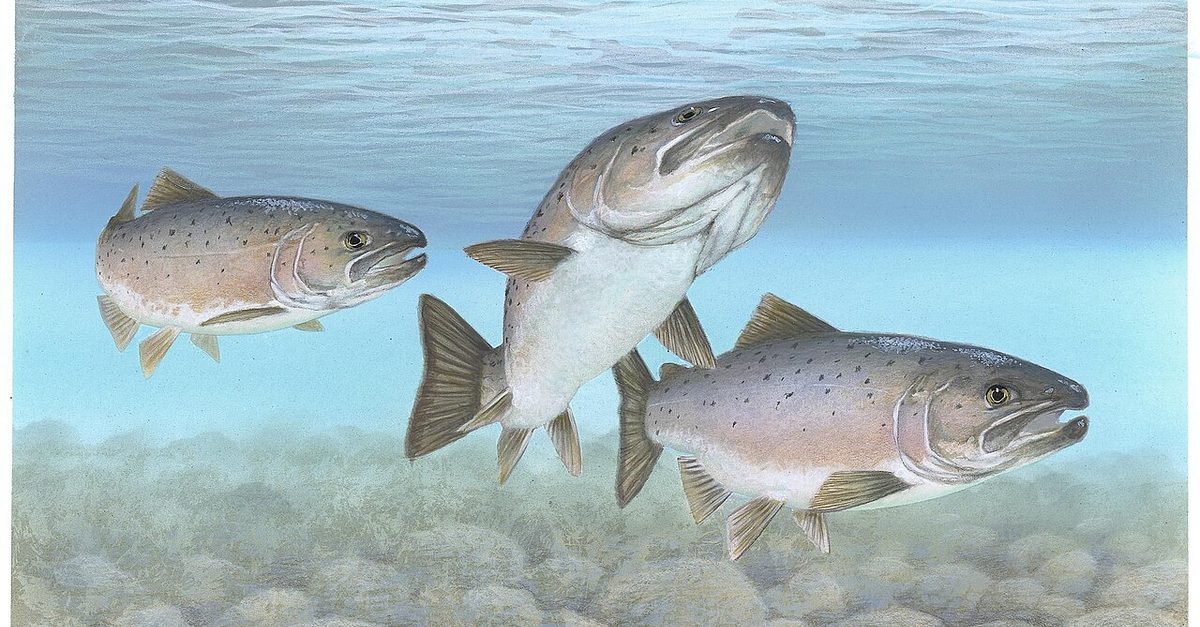
The landlocked Atlantic salmon is one of New England's most prized gamefish, a freshwater-resident form of the Atlantic salmon that spends its entire life in lakes and rivers rather than migrating to the ocean. Found primarily in the lakes and rivers of Maine, New Hampshire, Vermont, and New York, landlocked salmon are genetically identical to their sea-run counterparts but have adapted to a completely freshwater life cycle, using large, cold lakes as their ocean substitute and tributary rivers as spawning habitat. Landlocked salmon are the signature gamefish of Maine's sporting camp tradition, where generations of anglers have gathered at remote wilderness lodges to fish for salmon in the Rangeley Lakes, Moosehead Lake, Sebago Lake, and the rivers that connect them. The fish combine the acrobatic fighting ability of their anadromous relatives with the accessibility of a freshwater species, leaping repeatedly when hooked and running with the kind of power and endurance that makes them one of the most exciting fish available on a fly rod in the northeastern United States. In rivers, landlocked salmon behave much like large resident trout, holding in classic lies and feeding on aquatic insects during hatches. They are particularly responsive to caddis and mayfly emergers, and the sight of a 3-pound landlocked salmon rising to a dry fly in a New England river is one of the defining experiences of northeastern fly fishing. In lakes, salmon are targeted with streamers that imitate smelt, their primary forage fish, trolled or cast from boats during the spring and fall when salmon cruise near the surface in cold-water conditions.
Rainbow Trout
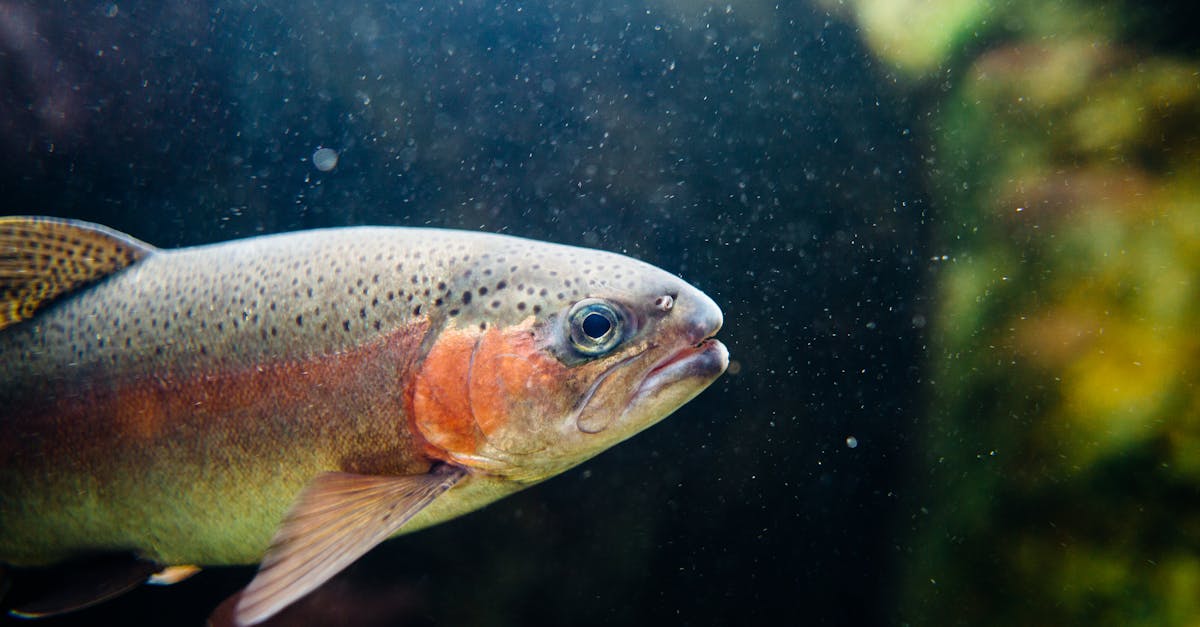
The rainbow trout is Montana's most widespread and popular gamefish, celebrated for its explosive surface strikes, aerial acrobatics, and willingness to take a well-presented dry fly. Native to Pacific Coast drainages from Alaska to Mexico, rainbows were first introduced to Montana's waters in the late 1800s and have since established thriving populations in nearly every major river system in the state. On legendary waters like the Madison, Missouri, and Bighorn, wild rainbow trout grow fat on prolific insect hatches and provide some of the finest dry-fly fishing in North America. Rainbow trout in Montana display remarkable variation depending on their home water. Fish in nutrient-rich tailwaters like the Missouri River below Holter Dam can exceed 20 inches with regularity, their deep bodies and broad tails reflecting the abundant food supply. Freestone river rainbows, such as those in the upper Madison and Gallatin, tend to be leaner and more athletic, shaped by faster currents and colder water temperatures. In many Montana rivers, rainbows spawn in the spring from March through June, and anglers should be mindful of spawning redds during this period to protect future generations of fish. Rainbows are arguably the most versatile trout species for fly anglers. They respond well to dry flies during hatches, aggressively chase streamers, and feed heavily on nymphs subsurface throughout the year. Their fighting ability is legendary: a hooked rainbow will often launch itself completely out of the water multiple times during a battle. Montana's catch-and-release regulations on many blue-ribbon streams have produced exceptional rainbow trout fisheries with high densities of large, healthy fish that continue to draw anglers from around the world.
Brown Trout
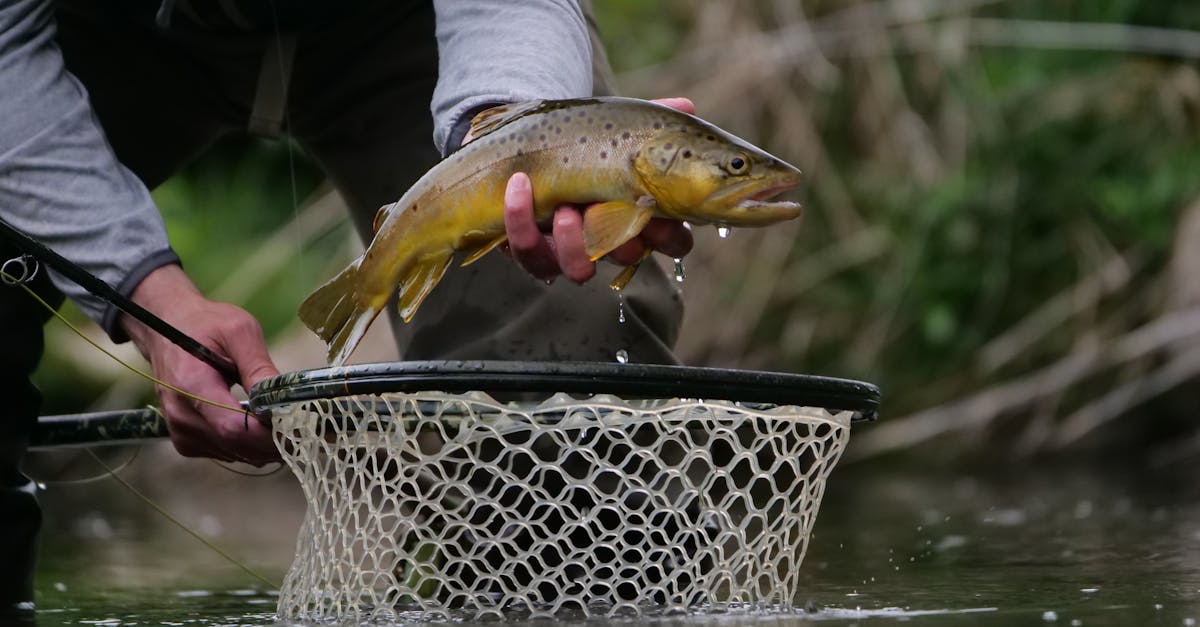
The brown trout is the most cunning and elusive trout species swimming in Montana's rivers, and it rewards patient, skilled anglers with some of the state's most memorable catches. Originally native to Europe and western Asia, brown trout were first introduced to North American waters in 1883 and arrived in Montana shortly thereafter. They have since established robust, self-sustaining populations in virtually every major trout stream in the state, from the legendary spring creeks of the Paradise Valley to the sweeping runs of the lower Madison and the deep pools of the Bighorn. Brown trout grow larger than any other trout species in Montana, and fish exceeding 24 inches are caught with regularity on premium waters. The lower Madison River, the Missouri River below Holter Dam, and the Bighorn River are particularly renowned for producing trophy-class browns. Unlike rainbows, brown trout spawn in the fall (October through November), and their aggressive pre-spawn behavior creates an exciting window for streamer fishing as large males become territorial and attack anything that enters their domain. Browns are notably more nocturnal than other trout species, and many of the biggest fish are caught during low-light conditions. What sets brown trout apart from other species is their wariness and selectivity. Large browns are notoriously difficult to fool, often refusing flies that are even slightly off in size, color, or presentation. They tend to establish and defend prime feeding lies (undercut banks, logjams, deep pools, and boulder gardens), and an angler who learns to read water and identify these holding spots will consistently catch more and larger fish. This combination of difficulty, size potential, and intelligence makes the brown trout the most prized quarry for many serious Montana fly fishers.
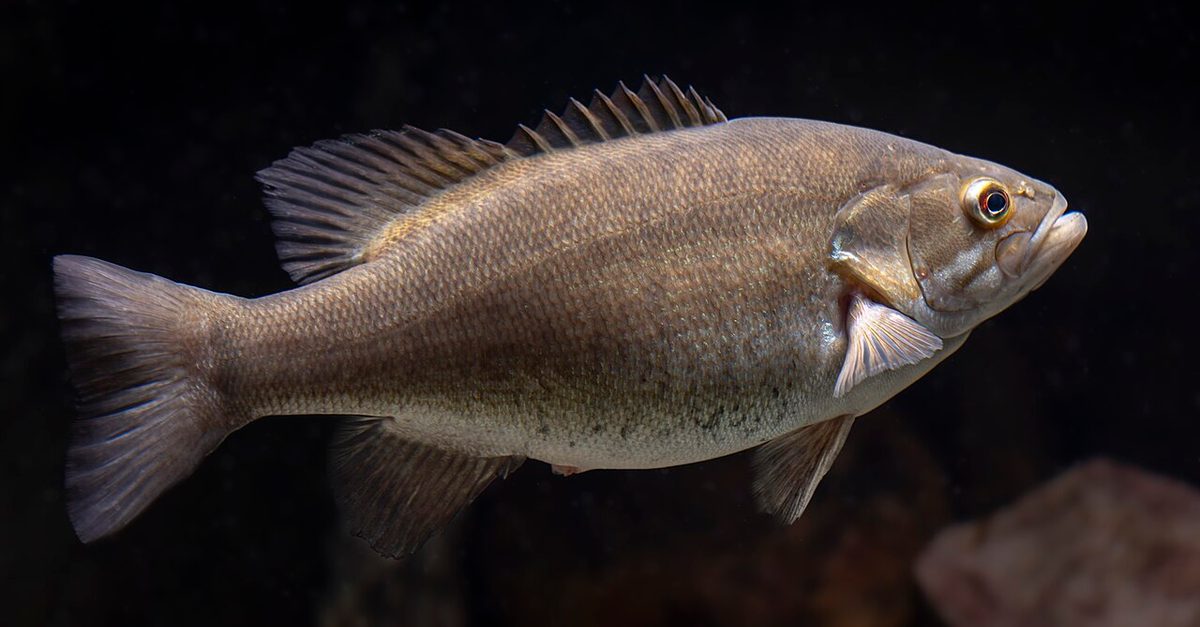
Smallmouth Bass
The smallmouth bass is one of the most popular and widely distributed gamefish in North America and one of the finest freshwater species available to fly anglers. Found in clear, cool rivers and lakes from the Great Lakes to the Southern Appalachians, smallmouth bass combine aggressive feeding behavior, remarkable fighting ability, and a preference for the kinds of rocky, current-rich habitats that are ideally suited to fly fishing. Pound for pound, the smallmouth bass is widely considered the hardest-fighting freshwater fish in North America, earning it the nickname 'the bronze bomber' for its explosive takes and powerful, acrobatic battles on the end of a line. While smallmouth bass are not a traditional trout-stream species, they have become increasingly important to fly anglers as warm-water fly fishing has grown in popularity. Rivers like the French Broad in North Carolina, the Susquehanna and Delaware in Pennsylvania, and the St. Lawrence in New York support world-class smallmouth fisheries that attract dedicated fly anglers. In many regions, smallmouth bass inhabit the lower reaches of the same river systems that hold trout in their upper reaches, providing fly anglers with a warm-water counterpart to their cold-water fishing. Smallmouth bass are particularly appealing to fly anglers because they readily take surface flies. On warm summer evenings, smallmouth will crush poppers, sliders, and large dry flies with explosive strikes that rival any trout rise. Their willingness to feed on the surface, combined with their strength and acrobatic leaping ability, makes smallmouth bass on a fly rod one of the most thrilling freshwater fly fishing experiences available.
Food Sources & Hatches
| Insect | Suggested Fly | Jan | Feb | Mar | Apr | May | Jun | Jul | Aug | Sep | Oct | Nov | Dec |
|---|---|---|---|---|---|---|---|---|---|---|---|---|---|
Rainbow Smelt (post ice-out) morning | Grey Ghost | ||||||||||||
Crayfish all day | Muddler Minnow | ||||||||||||
Hexagenia Mayflies evening | Hexagenia Nymph | ||||||||||||
Chironomids (midges) morning | Chironomid (Bomber) | ||||||||||||
Leeches all day | Egg Sucking Leech |
Rainbow Smelt (post ice-out): Smelt stack off the Clyde, Barton, and Black river mouths; salmon and browns follow. Fish the plumes.
Crayfish: The smallmouth staple over rocky shorelines and shoals. Muddlers and rubber-legged buggers on the bottom.
Hexagenia Mayflies: Emergences over the silty bays at dusk bring bass and trout up together. Size 6-8.
Chironomids (midges): Fertile southern basin grows dense midge populations; fish pupae over the flats' edges.
Leeches: Egg-Sucking Leeches excel on staging fall salmon and browns off the river mouths.
Recommended Flies
Grey Ghost
Top PickGrey Ghost at the river-mouth plumes — the classic Memphremagog salmon presentation, spring and fall.
Best in spring
Egg Sucking Leech
Top PickEgg-Sucking Leech swung through staging salmon and browns off the Clyde and Barton mouths.
Best in fall
Muddler Minnow
Top PickMuddler Minnow as crayfish and sculpin over the smallmouth rocks; fish it on a sink-tip.
Best in summer
Access Points & Boat Launches
Newport City Dock & Waterfront
Wade AccessEasyExtensive public waterfront in downtown Newport with docks, promenade, and shore-casting access near the mouth of the Clyde River. Spring and fall salmon and trout stage within casting range of public shoreline — urban-convenient fishing for a genuinely wild quarry.
South Bay State Boat Access
Boat LaunchEasyState launch on South Bay south of Newport, serving the sheltered southern arm of the lake. South Bay's flats and weed edges hold bass and pike, and the launch is the practical starting point for runs to the Barton and Black river mouths. Popular ice fishing access in winter.
Clyde River Mouth Access
Wade AccessEasy to ModerateShore and wading access around the lower Clyde River where it meets the lake east of downtown Newport. The plume off the river mouth is the lake's most famous salmon lie in spring and fall; swing streamers on the seam between river and lake water. Special regulations apply on the river itself — read postings.
Regulations
Regulations
Vermont regulations govern the U.S. portion; a Quebec license is required north of the border. Open water trout and salmon fishing follows the general season (second Saturday in April through October 31), with specific limits for landlocked salmon and trout; the lower Clyde River has its own special regulations during salmon runs. Ice fishing permitted in season. Check vtfishandwildlife.com and current border-water rules before fishing.
Always verify current regulations with Vermont Fish & Wildlife Department before fishing.
Quick Facts
- Surface Area
- 6,317 acres
- Max Depth
- 351 ft
- Elevation
- 682 ft
- Lake Type
- Natural Lake
- Region
- Northeast Kingdom / Orleans County
- Best Seasons
- spring, summer, fall
- Species
- Landlocked Atlantic Salmon, Rainbow Trout, Brown Trout, Smallmouth Bass
- Difficulty
- Intermediate
- Record Fish
- Landlocked salmon to 6+ lbs are taken most years, and the lake has a history of trophy brown trout; smallmouth over 5 lbs come from the rocky southern shorelines.
- Depth Chart
- Download PDF
Nearby Lakes & Ponds
Lake Willoughby
Northeast Kingdom / Orleans County
Seymour Lake
Northeast Kingdom / Orleans County
Caspian Lake
Northeast Kingdom / Orleans County
Maidstone Lake
Northeast Kingdom / Essex County
Noyes Pond (Seyon Pond)
Central Vermont / Groton State Forest, Caledonia County
Harriman Reservoir
Southern Vermont / Windham County