Brown Trout
Salmo trutta
Overview
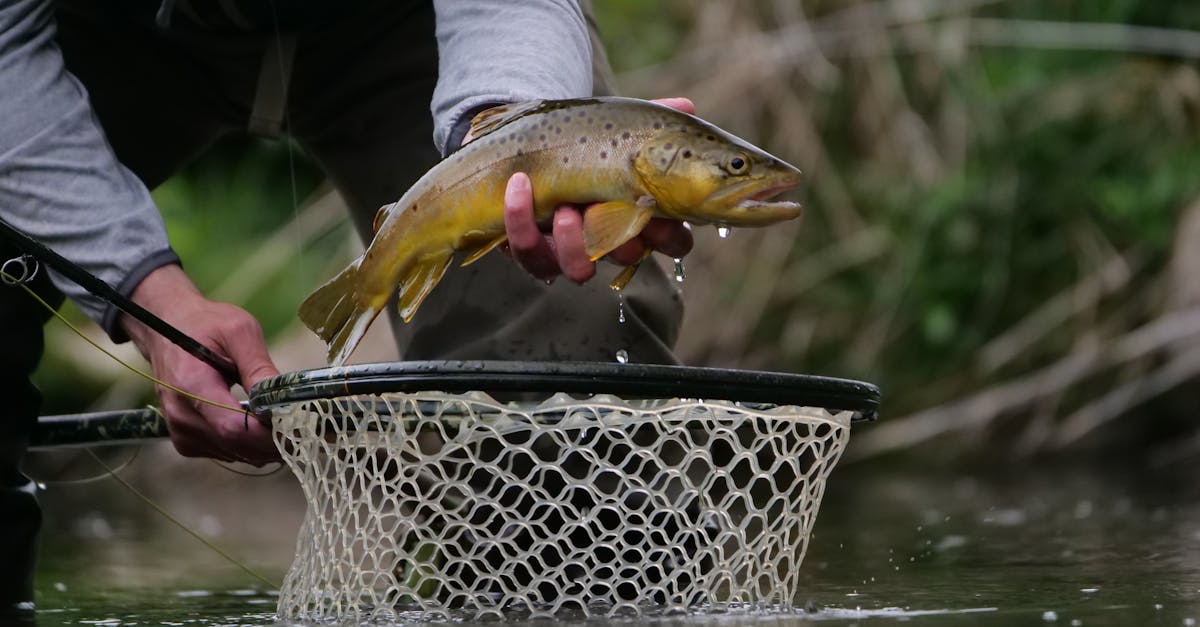
The brown trout is the most cunning and elusive trout species swimming in Montana's rivers, and it rewards patient, skilled anglers with some of the state's most memorable catches. Originally native to Europe and western Asia, brown trout were first introduced to North American waters in 1883 and arrived in Montana shortly thereafter. They have since established robust, self-sustaining populations in virtually every major trout stream in the state, from the legendary spring creeks of the Paradise Valley to the sweeping runs of the lower Madison and the deep pools of the Bighorn.
Brown trout grow larger than any other trout species in Montana, and fish exceeding 24 inches are caught with regularity on premium waters. The lower Madison River, the Missouri River below Holter Dam, and the Bighorn River are particularly renowned for producing trophy-class browns. Unlike rainbows, brown trout spawn in the fall (October through November), and their aggressive pre-spawn behavior creates an exciting window for streamer fishing as large males become territorial and attack anything that enters their domain. Browns are notably more nocturnal than other trout species, and many of the biggest fish are caught during low-light conditions.
What sets brown trout apart from other species is their wariness and selectivity. Large browns are notoriously difficult to fool, often refusing flies that are even slightly off in size, color, or presentation. They tend to establish and defend prime feeding lies (undercut banks, logjams, deep pools, and boulder gardens), and an angler who learns to read water and identify these holding spots will consistently catch more and larger fish. This combination of difficulty, size potential, and intelligence makes the brown trout the most prized quarry for many serious Montana fly fishers.
Identification
Brown trout are among the most handsome fish in Montana's rivers, with a distinctive coloration that sets them apart from all other species. The back is olive to golden-brown, fading to a creamy yellow on the flanks and white or yellowish on the belly. The body is covered with prominent dark brown or black spots, many of which are surrounded by a pale halo (sometimes described as a 'bull's-eye' pattern). Scattered among the dark spots are vivid red or orange spots, particularly along the lateral line and lower flanks, which are unique to brown trout among Montana's salmonids.
The tail (caudal fin) of a brown trout is a key identification feature. Unlike rainbow trout, whose tails are heavily spotted, the brown trout's tail is typically unspotted or has only a few faint spots. The tail is also more squared off compared to the forked tails of some other trout species. The adipose fin (the small, fleshy fin between the dorsal fin and tail) often has an orange or reddish tint, which is another helpful field mark.
Brown trout can be distinguished from the similar-looking brook trout (which is actually a char) by the absence of worm-like vermiculations on the back and the lack of the stark white leading edges on the lower fins that characterize brook trout. Browns also have a more elongated, torpedo-shaped body compared to brook trout. In waters where browns and cutthroats coexist, the brown trout lacks the distinctive red-orange slash marks under the jaw that define cutthroat trout. Males develop a pronounced hook jaw (kype) during the fall spawning season, making them particularly easy to identify.
Diet
Brown trout are apex predators in Montana's river ecosystems, and their diet reflects their aggressive, opportunistic nature. Like all trout, they feed heavily on aquatic insects including mayflies, caddisflies, stoneflies, and midges. However, brown trout shift toward a piscivorous (fish-eating) diet at a smaller size than rainbows or cutthroats, with fish as small as 14 inches regularly consuming sculpins, juvenile trout, whitefish fry, and other small fish. This predatory tendency is what allows browns to achieve the largest sizes of any trout species in Montana waters.
During insect hatches, brown trout can be highly selective feeders, sipping tiny Baetis mayflies or midges with maddening precision while refusing anything that does not perfectly match the naturals. On spring creeks and slow-water sections where browns have time to inspect every morsel, this selectivity is at its peak. Anglers often need to drop to 5X or 6X tippet and size 18-22 flies to consistently fool educated browns during these technical scenarios.
Brown trout are also the most nocturnal of Montana's trout species, and a significant portion of their feeding, particularly for the largest individuals, occurs after dark. Large browns will leave their daytime holding spots at night to prowl shallow riffles and banks in search of crayfish, sculpin, mice, and other prey. This is why mouse patterns fished on the surface after dark can produce shockingly large brown trout that are almost never seen during daylight hours. Terrestrial insects, including grasshoppers, beetles, and ants, are also important food sources during summer months, especially along grassy banks.
Habitat Preferences
Brown trout are the most adaptable trout species in Montana and can tolerate warmer water temperatures than either rainbows or cutthroats, surviving in water up to 75 degrees Fahrenheit for short periods (though they prefer 54 to 65 degrees). This thermal tolerance allows browns to thrive in lower-elevation river sections and slower water that would stress other trout species. On rivers like the lower Yellowstone and lower Madison, brown trout often dominate the fish community in warmer downstream reaches where rainbow populations thin out.
Brown trout are strongly associated with structure and cover. They prefer undercut banks, submerged logs, deep pools, large boulders, and overhanging vegetation, any feature that provides protection from predators and current while offering access to drifting food. The best brown trout water in Montana tends to have complex structure: think of the willow-lined banks of the lower Madison, the deep ledge pools of the Bighorn, or the spring-fed channels of Nelson's, Armstrong's, and DePuy's spring creeks in the Paradise Valley.
As fall spawners, brown trout require clean gravel in moderate current for successful reproduction. They construct redds (nests) in October and November, often in tributary mouths or shallow gravel bars. During the pre-spawn period, large browns become territorial and aggressive, moving into shallow water they would normally avoid. This behavioral shift creates some of the year's best opportunities for catching trophy browns on streamers, as dominant males will attack anything perceived as a threat to their territory.
Fishing Tactics
Dry-fly fishing for brown trout demands precision and stealth above all else. Browns are the wariest trout species in Montana, and sloppy casts, heavy footfalls, or drag on the fly will put them down instantly. Long leaders (12 feet or longer) tapered to 5X or 6X, upstream presentations, and accurate first casts are essential. During hatch activity, take time to observe a feeding fish's rhythm before casting: note its position, the frequency of its rises, and which insects it is targeting. A single well-placed cast to a rising brown is worth twenty blind presentations. Parachute Adams, Sparkle Duns, CDC comparaduns, and flush-floating emerger patterns are all proven brown trout dry flies.
Streamer fishing is the premier method for targeting Montana's largest brown trout. Fish big, articulated patterns (Galloup's Dungeon, Circus Peanut, Barely Legal, and Zoo Cougar) on heavy sink-tip lines, casting tight against banks and stripping aggressively. The best streamer fishing for browns occurs during the fall pre-spawn period (late September through November), when territorial males will attack flies with startling violence. Spring runoff and overcast, rainy days are also excellent streamer conditions. Vary your retrieve until you find what triggers strikes: sometimes a fast, erratic strip works; other times a slow, pulsing retrieve is the ticket.
Nymph fishing for brown trout is effective year-round, but the approach differs from targeting rainbows. Browns tend to hold deeper and tighter to structure, so you need to get your flies down to the bottom and drift them through specific target zones: along undercut banks, through boulder gardens, and along the bottom of deep runs. Heavy nymph rigs with ample split shot or tungsten-bead flies are often necessary. Stonefly nymphs (Pat's Rubber Legs, Girdle Bugs), large Hare's Ears, and crayfish patterns in sizes 6 through 10 are excellent choices for targeting browns. During winter, scale down to tiny midge larvae (size 18-22) fished dead-drift in slow pools where browns congregate during cold weather.
Conservation
Non-native but fully established and self-sustaining throughout Montana. Brown trout populations are generally stable and healthy, with no special conservation concerns. However, browns can negatively impact native species through competition and predation, particularly on Yellowstone cutthroat trout. Montana FWP manages some waters to favor native species over introduced browns.
Rivers Where Found
Madison River
Southwest Montana
Yellowstone River
South Central Montana
Gallatin River
Southwest Montana
Missouri River
Central Montana
Bighorn River
Southeast Montana
Arkansas River
Upper Arkansas Valley / Central Mountains
Colorado River
Grand County / Northern Mountains
Frying Pan River
Roaring Fork Valley / Central Mountains
Gunnison River
Western Slope / Black Canyon Country
South Platte River
Front Range / South Park
North Platte River
Central Wyoming
Snake River
Northwest Wyoming / Jackson Hole
Green River
Southwest Wyoming
Bighorn River (Wyoming)
North Central Wyoming
New Fork River
Western Wyoming / Wind River Range
Henry's Fork
Eastern Idaho
South Fork Snake River
Eastern Idaho
Silver Creek
Central Idaho / Sun Valley
South Fork Boise River
Southwestern Idaho
Deschutes River
Central Oregon
Metolius River
Central Oregon (Cascades)
Owyhee River
Southeastern Oregon
McCloud River
Northern California / Shasta County
Hat Creek
Northern California / Shasta County
Fall River
Northern California / Shasta County
Upper Sacramento River
Northern California / Siskiyou and Shasta Counties
Pit River
Northern California / Shasta County
Truckee River
Eastern Sierra / Nevada and Placer Counties
East Walker River
Eastern Sierra / Mono County
Hot Creek
Eastern Sierra / Mono County
Upper Klamath River
Northern California / Siskiyou County
Truckee River
Western Nevada / Washoe County
East Walker River
Western Nevada / Lyon County
East Fork Carson River
Western Nevada / Douglas County
Bruneau River
Northern Nevada / Elko County
South Fork Reservoir
Northern Nevada / Elko County
Great Basin NP Streams
Eastern Nevada / White Pine County / Great Basin National Park
Wild Horse Reservoir
Northern Nevada / Elko County
San Juan River
Northwestern New Mexico / San Juan County
Rio Grande
Northern New Mexico / Taos County
Pecos River
North-Central New Mexico / San Miguel & Santa Fe Counties
Rio Chama
North-Central New Mexico / Rio Arriba County
Colorado River at Lees Ferry
Northern Arizona / Coconino County
Oak Creek
Central Arizona / Oak Creek Canyon
East Fork Black River
Eastern Arizona / White Mountains
Chevelon Creek
Central Arizona / Mogollon Rim
Davidson River
Western North Carolina / Pisgah National Forest
Tuckasegee River
Western North Carolina / Jackson County
Nantahala River
Western North Carolina / Macon County
Watauga River
Northwestern North Carolina / Watauga County
Wilson Creek
Western North Carolina / Caldwell County
Deep Creek
Western North Carolina / Great Smoky Mountains National Park
Linville River
Western North Carolina / Avery County
South Toe River
Western North Carolina / Yancey County
French Broad River
Western North Carolina / Asheville Area
Mitchell River
Northwestern North Carolina / Surry County
Upper Kennebec River
Western Maine / Somerset County
Magalloway River
Western Maine / Oxford County
Crooked River
Southern Maine / Cumberland and Oxford Counties
Androscoggin River
Northern White Mountains / Coos County
Upper Connecticut River
Connecticut Lakes Region / Pittsburg
Saco River
Mount Washington Valley / Carroll County
Pemigewasset River
White Mountains / Grafton County
Swift River
White Mountains / Kancamagus Highway
Ellis River
Mount Washington Valley / Carroll County
Ammonoosuc River
White Mountains / Grafton County
Baker River
White Mountains / Grafton County
Mascoma River
Upper Valley / Grafton County
Souhegan River
Southern New Hampshire / Hillsborough County
Battenkill River
Southern Vermont / Bennington County
White River
Central Vermont / White River Valley
Winooski River
Northern Vermont / Chittenden County
Lamoille River
Northern Vermont / Lamoille County
Dog River
Central Vermont / Washington County
Deerfield River (Upper)
Southern Vermont / Windham County
Walloomsac River
Southern Vermont / Bennington County
Mettawee River
Western Vermont / Rutland County
Otter Creek
Western Vermont / Addison County
New Haven River
Central Vermont / Addison County
Penns Creek
Central Pennsylvania / Centre County
Spring Creek
Central Pennsylvania / Centre County
Little Juniata River
Central Pennsylvania / Blair County
Spruce Creek
Central Pennsylvania / Huntingdon County
Big Fishing Creek
North Central Pennsylvania / Columbia County
Yellow Breeches Creek
South Central Pennsylvania / Cumberland County
Big Spring Creek
South Central Pennsylvania / Cumberland County
Kettle Creek
North Central Pennsylvania / Clinton County
Slate Run
North Central Pennsylvania / Lycoming County
Tulpehocken Creek
Southeastern Pennsylvania / Berks County
Lakes & Ponds Where Found
Lake Willoughby
Northeast Kingdom / Orleans County
Caspian Lake
Northeast Kingdom / Orleans County
Lake Memphremagog
Northeast Kingdom / Orleans County
Harriman Reservoir
Southern Vermont / Windham County
Chittenden Reservoir
Central Vermont / Rutland County
Joe's Pond
Northeast Kingdom / Caledonia County
Amherst Lake
Southern Vermont / Windsor County
Echo Lake (Plymouth)
Southern Vermont / Windsor County
Lake Rescue
Southern Vermont / Windsor County
Lake Francis
Great North Woods / Coos County (Pittsburg)
Lake Placid
Adirondack High Peaks / Essex County
Lake George
Adirondacks / Warren, Essex & Washington Counties
Otsego Lake
Leatherstocking / Otsego County (Cooperstown, DEC Region 4)
Hemlock Lake
Western Finger Lakes / Livingston & Ontario Counties
Canadice Lake
Finger Lakes / Ontario County
Hebgen Lake
Southwest Montana / Madison Valley; Gallatin County
Clark Canyon Reservoir
Southwest Montana / Beaverhead Valley; Beaverhead County
Canyon Ferry Lake
West-central Montana / Missouri River; Broadwater and Lewis and Clark counties
Quake Lake
Southwest Montana / Madison Valley; Gallatin and Madison Counties
Hauser Reservoir
West-central Montana / Missouri River; Lewis and Clark County
Quick Facts
- Scientific Name
- Salmo trutta
- Average Size
- 13-19"
- Trophy Size
- 24+"
- State Record
- 29 lbs 0 oz, caught in Wade Lake by E.H. Bacon in 1966
- Found In
- Madison River, Yellowstone River, Gallatin River, Missouri River, Bighorn River, Arkansas River, Colorado River, Frying Pan River, Gunnison River, South Platte River, North Platte River, Snake River, Green River, Bighorn River (Wyoming), New Fork River, Henry's Fork, South Fork Snake River, Silver Creek, South Fork Boise River, Deschutes River, Metolius River, Owyhee River, McCloud River, Hat Creek, Fall River, Upper Sacramento River, Pit River, Truckee River, East Walker River, Hot Creek, Upper Klamath River, Truckee River, East Walker River, East Fork Carson River, Bruneau River, South Fork Reservoir, Great Basin NP Streams, Wild Horse Reservoir, San Juan River, Rio Grande, Pecos River, Rio Chama, Colorado River at Lees Ferry, Oak Creek, East Fork Black River, Chevelon Creek, Davidson River, Tuckasegee River, Nantahala River, Watauga River, Wilson Creek, Deep Creek, Linville River, South Toe River, French Broad River, Mitchell River, Upper Kennebec River, Magalloway River, Crooked River, Androscoggin River, Upper Connecticut River, Saco River, Pemigewasset River, Swift River, Ellis River, Ammonoosuc River, Baker River, Mascoma River, Souhegan River, Battenkill River, White River, Winooski River, Lamoille River, Dog River, Deerfield River (Upper), Walloomsac River, Mettawee River, Otter Creek, New Haven River, Penns Creek, Spring Creek, Little Juniata River, Spruce Creek, Big Fishing Creek, Yellow Breeches Creek, Big Spring Creek, Kettle Creek, Slate Run, Tulpehocken Creek, Lake Willoughby, Caspian Lake, Lake Memphremagog, Harriman Reservoir, Chittenden Reservoir, Joe's Pond, Amherst Lake, Echo Lake (Plymouth), Lake Rescue, Lake Francis, Lake Placid, Lake George, Otsego Lake, Hemlock Lake, Canadice Lake, Hebgen Lake, Clark Canyon Reservoir, Canyon Ferry Lake, Quake Lake, Hauser Reservoir