Caspian Lake
Caspian Lake in Greensboro is one of Vermont's most pristine lakes, a 789-acre spring-fed basin with self-sustaining populations of lake trout, rainbow trout, brown trout, and rainbow smelt. Clear water, a classic village setting, and wild fish make Caspian a Northeast Kingdom gem.
Overview
Caspian Lake sits above the village of Greensboro in the high farm country of the southern Northeast Kingdom, 789 acres of famously clear water at nearly 1,400 feet of elevation. Long a quiet summer colony town — writers and academics have kept cottages here for generations — Greensboro wraps around the lake's southeastern corner, and Willey's general store in the village has served as unofficial fishing headquarters for a century. What sets Caspian apart in a state full of pretty lakes is the quality of the water and the wildness of the fish.
Caspian supports self-sustaining populations of lake trout, rainbow trout, and rainbow smelt, with brown trout adding a fourth salmonid to the mix. The lake has no significant nuisance aquatic species, visibility runs deep, and the fishery persists with little hatchery support: these are, to a degree rare in New England stillwaters, wild fish. Typical lake trout run two to four pounds, but Caspian has a long history of outsized fish, and lakers over 20 pounds hang on the wall at Willey's as proof.
The fly angler's calendar at Caspian follows the smelt. At ice-out in late April, lake trout, rainbows, and browns move onto the shoreline gravel and off the inlet mouths to intercept spawning smelt, and streamer fishing from a small boat or the town beach shoreline is as good as it gets on this lake. The window lasts into late May most years. Because Caspian is mid-sized and relatively sheltered compared to Willoughby or Seymour, it is friendlier water for canoes, kayaks, and float tubes.
Summer fishing rewards finesse. Morning chironomid emergences over the 20-to-40-foot contours, evening midge and Callibaetis activity in the shallower coves, and damselfly migrations along the weed edges in June and July keep a floating-line angler busy while the lake trout sulk in the depths. Rainbows and browns cruise the margins early and late all season.
Fall turns the lake over slowly, and October streamer fishing for browns and rainbows along the shorelines is an underrated finish to the year before the lake settles into its winter ice season. Caspian is not big-numbers water, and its clear, calm surface can be humbling, but it offers something increasingly scarce: a healthy, intact, largely wild coldwater lake fishery in a village setting that has hardly changed in a hundred years.
Depth & Character
- Surface Area
- 789acres
- Max Depth
- 142ft
- Mean Depth
- 60ft
- Elevation
- 1,398ft
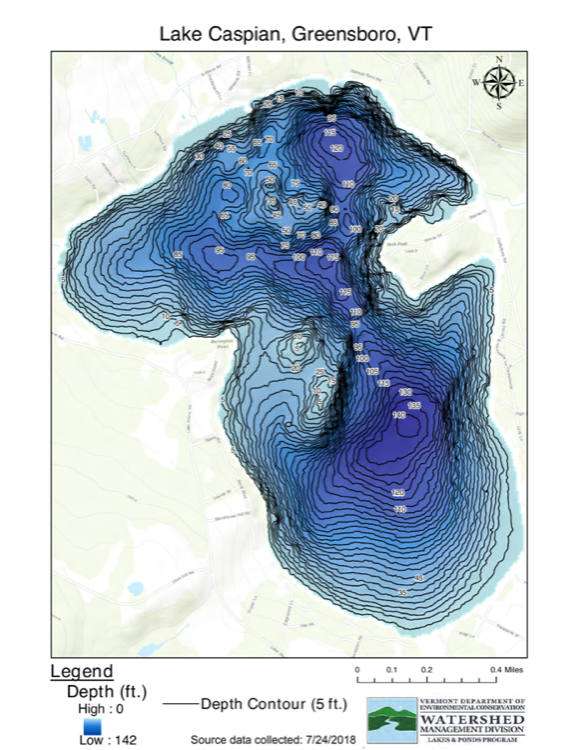
Bathymetric depth chart — click to open the full PDF. Source: Vermont DEC.
Source: Vermont DEC
Water Characteristics
Caspian is a clear, cold, spring-influenced lake in a glacial basin, with a deep central hole over 140 feet and broad shoulders in the 20-to-60-foot range. Gravel and rubble dominate the shorelines, with limited but important weedbeds in the coves that hold damselflies, dragonflies, leeches, and Callibaetis mayflies. Chironomids are abundant throughout.
Water quality is exceptional — the lake is often cited among the most pristine in Vermont — and the smelt population sustains wild lake trout, rainbow, and brown trout without heavy hatchery support. Clarity cuts both ways: fish see a long way, and fine leaders and quiet presentations matter more here than on most Vermont stillwaters.
Seasonal Fishing Guide
Spring
Ice-out through May is streamer season. Work Grey Ghosts and smaller smelt patterns on intermediate lines along gravel shorelines, the town beach flat, and inlet mouths at first and last light. Lake trout are within fly reach for these few weeks; rainbows and browns stay shallow longer. Calm, cold mornings after a breezy night are often superb.
Summer
Fish mornings and evenings. Chironomid rigs over 20-40 feet produce rainbows through the day, damselfly nymphs along the weed edges bring cruising fish in June and July, and flat evenings offer midge-cluster fishing with Griffith's Gnats. Lake trout are deep and mostly out of play until fall.
Fall
As surface temperatures fall through the 50s in late September and October, browns and rainbows feed hard along the shorelines and lake trout edge shallower ahead of their fall spawn. Streamers and leech patterns fished on sink-tips along rocky shorelines take the best fish of autumn. Handle October lakers gently; they are wild spawners.
Winter
Ice fishing for lake trout is steady over the deep basin during the winter season, with smelt-imitating jigs the standard. Caspian's ice is generally reliable mid-winter, but always verify conditions in the village before heading out.
Access & Boats
Public boat access and town beach near Greensboro village at the southeastern corner; a state fishing access serves trailered boats. The moderate size and relatively sheltered basin make Caspian well suited to canoes, kayaks, and float tubes. Shoreline casting is practical near the beach and inlet mouths at ice-out.
Ice Fishing
Caspian supports a traditional winter ice fishery for lake trout during Vermont's ice fishing season for trout and salmon, with jigging over the deep central basin most productive. The village plows keep access simple; check ice conditions locally at Willey's store.
Fishing Pressure & Local Tips
Light to moderate. Caspian sees summer cottage recreation and a modest troller contingent, but fly pressure is minimal outside of a few locals who know the ice-out window. The lake fishes quietly even in July. Winter draws a small, dedicated ice fishing crowd.
Local Knowledge
Stop at Willey's store in the village: the wall of mounted lake trout is both inspiration and intelligence, and the counter conversation is the closest thing Caspian has to a fishing report. At ice-out, the flat off the town beach and the inlet corners are the classic starting points.
On calm summer evenings, do not leave before dark. The midge-cluster rise in the coves can be dense, and a Griffith's Gnat on a 12-foot leader will take rainbows and the occasional brown sipping in the film. This is clear water; drop to 5X and lengthen your leader before changing flies.
Species Present
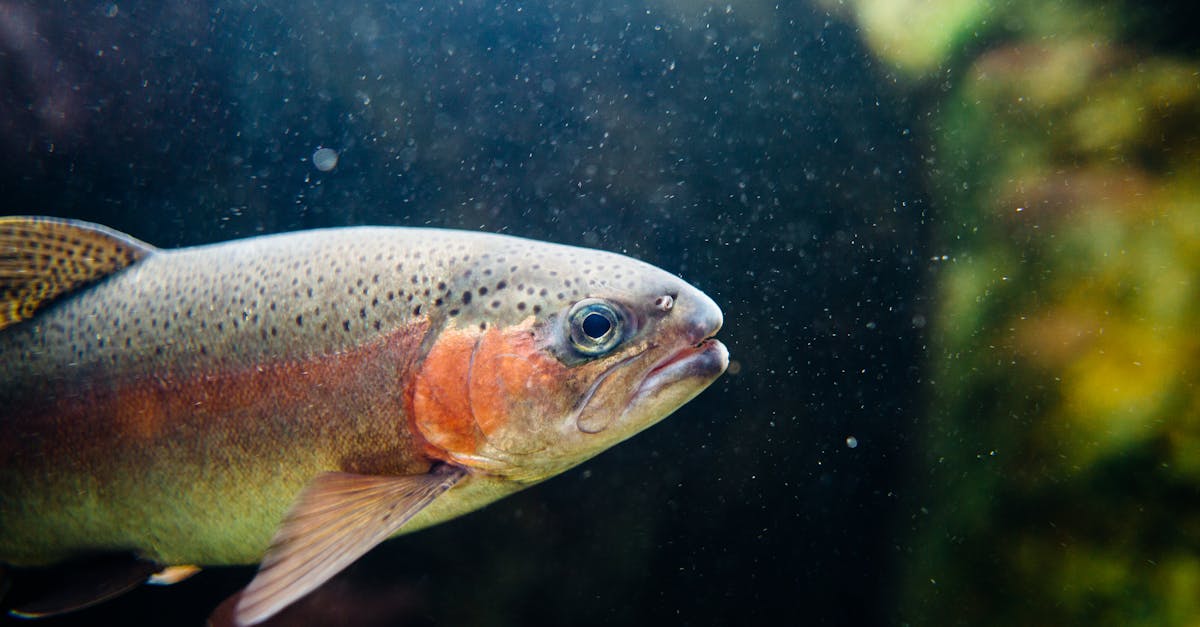
Rainbow Trout
The rainbow trout is Montana's most widespread and popular gamefish, celebrated for its explosive surface strikes, aerial acrobatics, and willingness to take a well-presented dry fly. Native to Pacific Coast drainages from Alaska to Mexico, rainbows were first introduced to Montana's waters in the late 1800s and have since established thriving populations in nearly every major river system in the state. On legendary waters like the Madison, Missouri, and Bighorn, wild rainbow trout grow fat on prolific insect hatches and provide some of the finest dry-fly fishing in North America. Rainbow trout in Montana display remarkable variation depending on their home water. Fish in nutrient-rich tailwaters like the Missouri River below Holter Dam can exceed 20 inches with regularity, their deep bodies and broad tails reflecting the abundant food supply. Freestone river rainbows, such as those in the upper Madison and Gallatin, tend to be leaner and more athletic, shaped by faster currents and colder water temperatures. In many Montana rivers, rainbows spawn in the spring from March through June, and anglers should be mindful of spawning redds during this period to protect future generations of fish. Rainbows are arguably the most versatile trout species for fly anglers. They respond well to dry flies during hatches, aggressively chase streamers, and feed heavily on nymphs subsurface throughout the year. Their fighting ability is legendary: a hooked rainbow will often launch itself completely out of the water multiple times during a battle. Montana's catch-and-release regulations on many blue-ribbon streams have produced exceptional rainbow trout fisheries with high densities of large, healthy fish that continue to draw anglers from around the world.
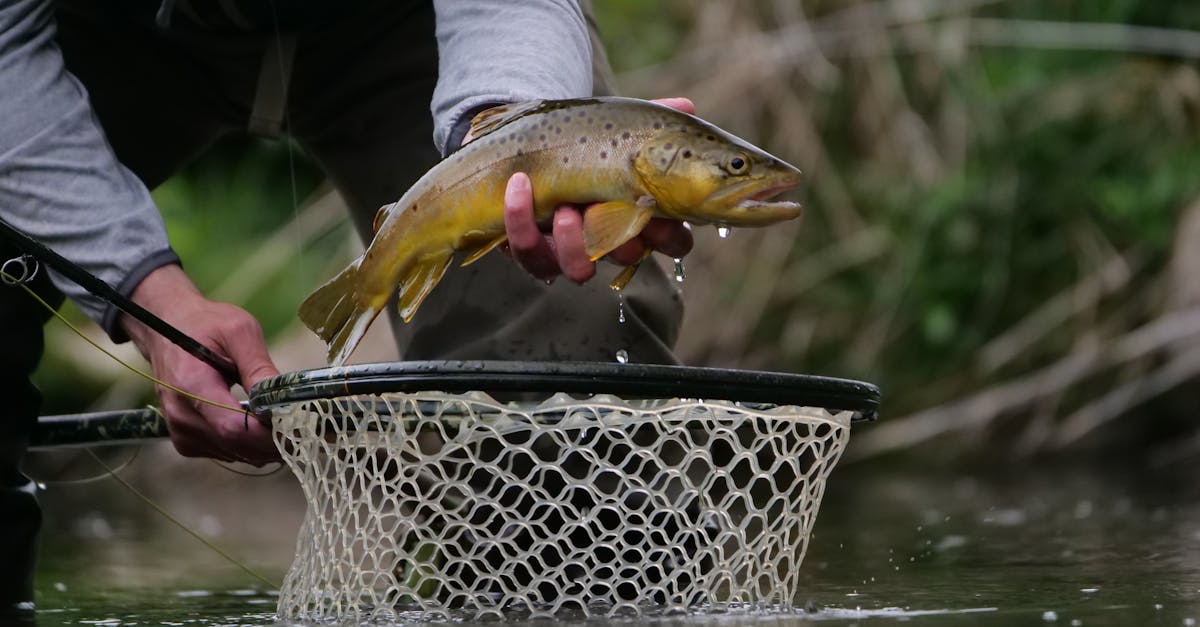
Brown Trout
The brown trout is the most cunning and elusive trout species swimming in Montana's rivers, and it rewards patient, skilled anglers with some of the state's most memorable catches. Originally native to Europe and western Asia, brown trout were first introduced to North American waters in 1883 and arrived in Montana shortly thereafter. They have since established robust, self-sustaining populations in virtually every major trout stream in the state, from the legendary spring creeks of the Paradise Valley to the sweeping runs of the lower Madison and the deep pools of the Bighorn. Brown trout grow larger than any other trout species in Montana, and fish exceeding 24 inches are caught with regularity on premium waters. The lower Madison River, the Missouri River below Holter Dam, and the Bighorn River are particularly renowned for producing trophy-class browns. Unlike rainbows, brown trout spawn in the fall (October through November), and their aggressive pre-spawn behavior creates an exciting window for streamer fishing as large males become territorial and attack anything that enters their domain. Browns are notably more nocturnal than other trout species, and many of the biggest fish are caught during low-light conditions. What sets brown trout apart from other species is their wariness and selectivity. Large browns are notoriously difficult to fool, often refusing flies that are even slightly off in size, color, or presentation. They tend to establish and defend prime feeding lies (undercut banks, logjams, deep pools, and boulder gardens), and an angler who learns to read water and identify these holding spots will consistently catch more and larger fish. This combination of difficulty, size potential, and intelligence makes the brown trout the most prized quarry for many serious Montana fly fishers.

Lake Trout
The lake trout is the largest member of the char family and the signature deep-water gamefish of northern New England's coldest, cleanest glacial lakes. A native coldwater char of the northern tier of North America, the lake trout reaches the southern edge of its natural range in the deep, oligotrophic lakes carved by Pleistocene glaciers across northern New England, including Vermont's Lake Champlain and the remote glacial lakes of the Northeast Kingdom. Unlike the stream-dwelling brook trout to which it is related, the lake trout is a true creature of the depths, spending most of the year in the cold, dark, well-oxygenated water far below the surface. Lake trout are long-lived, slow-growing fish that can survive for decades in the frigid depths of their home lakes. Average fish run 18 to 24 inches, but trophy specimens exceeding 30 inches and 15 pounds are taken each season from the best Vermont waters, and the state record approaches 35 pounds. Their size and strength, combined with the challenge of reaching them in deep water, make lake trout a prized quarry for anglers willing to adapt their tactics to the fish's coldwater lifestyle. For fly anglers, the lake trout presents a unique seasonal opportunity. Through most of the year these fish hold too deep for practical fly fishing, but during the narrow windows of ice-out in spring and the fall turnover, lake trout move into the shallows to feed and spawn, bringing them within reach of a well-presented streamer. Casting large baitfish patterns near rocky shorelines and drop-offs during these periods can produce the fish of a lifetime, connecting the angler to the deep glacial history of Vermont's finest coldwater lakes.
Food Sources & Hatches
| Insect | Suggested Fly | Jan | Feb | Mar | Apr | May | Jun | Jul | Aug | Sep | Oct | Nov | Dec |
|---|---|---|---|---|---|---|---|---|---|---|---|---|---|
Rainbow Smelt (post ice-out) morning | Grey Ghost | ||||||||||||
Chironomids (midges) morning | Chironomid (Bomber) | ||||||||||||
Midge clusters (evening) evening | Griffith's Gnat | ||||||||||||
Callibaetis Mayflies afternoon | Parachute Adams | ||||||||||||
Damselflies morning | Damselfly Nymph |
Rainbow Smelt (post ice-out): Wild lakers, rainbows, and browns onto the gravel at ice-out. Smaller smelt patterns suit this clear water.
Chironomids (midges): Primary summer food over the 20-40 foot shoulders. Size 14-16, fine tippet.
Midge clusters (evening): Dense evening rises in the coves on flat water. Griffith's Gnat 18-20 on 5X.
Callibaetis Mayflies: Sparse but dependable over the cove weedbeds. Parachute Adams 14-16 matches the duns.
Damselflies: June-July migrations along cove weed edges draw cruising rainbows.
Recommended Flies
Grey Ghost
Top PickSmaller Grey Ghosts (sizes 6-8) suit Caspian's clear water and wild fish at ice-out.
Best in spring
Chironomid (Bomber)
Top PickChironomid Bomber over the 20-40 foot shoulders; the dependable daytime method. Size 14-16.
Best in summer
Griffith's Gnat
Top PickGriffith's Gnat for the dense cove midge rises at dusk. Size 18-20 on 5X.
Best in summer
Access Points & Boat Launches
Caspian Lake Public Access
Boat LaunchEasyPublic boat access near Greensboro village serving trailered and cartop boats. The launch corner and the flats toward the town beach hold ice-out fish chasing smelt, and the modest run to the deep basin makes this an efficient base for a morning session.
Greensboro Town Beach
Wade AccessEasyVillage beach at the southeastern corner of the lake, steps from Willey's store. The beach flat and adjacent gravel shoreline are classic ice-out shore water for rainbows and browns, best at dawn before village life stirs. Respect swim-season use in July and August.
Regulations
Regulations
Vermont general season applies: open water fishing for trout and salmon from the second Saturday in April through October 31, with statewide length and bag limits for lake trout and other trout. Ice fishing for trout and salmon permitted during the winter season dates. Vermont fishing license required. Verify current regulations at vtfishandwildlife.com.
Always verify current regulations with Vermont Fish & Wildlife Department before fishing.
Quick Facts
- Surface Area
- 789 acres
- Max Depth
- 142 ft
- Elevation
- 1,398 ft
- Lake Type
- Natural Lake
- Region
- Northeast Kingdom / Orleans County
- Best Seasons
- spring, summer, fall
- Species
- Rainbow Trout, Brown Trout, Lake Trout
- Difficulty
- Intermediate
- Record Fish
- Typical lake trout run 2-4 lbs, but Caspian has produced giants exceeding 20 lbs, several of which are displayed at Willey's store in Greensboro village.
- Depth Chart
- Download PDF
Nearby Lakes & Ponds
Lake Willoughby
Northeast Kingdom / Orleans County
Seymour Lake
Northeast Kingdom / Orleans County
Lake Memphremagog
Northeast Kingdom / Orleans County
Maidstone Lake
Northeast Kingdom / Essex County
Noyes Pond (Seyon Pond)
Central Vermont / Groton State Forest, Caledonia County
Harriman Reservoir
Southern Vermont / Windham County