Rainbow Trout
Oncorhynchus mykiss
Overview
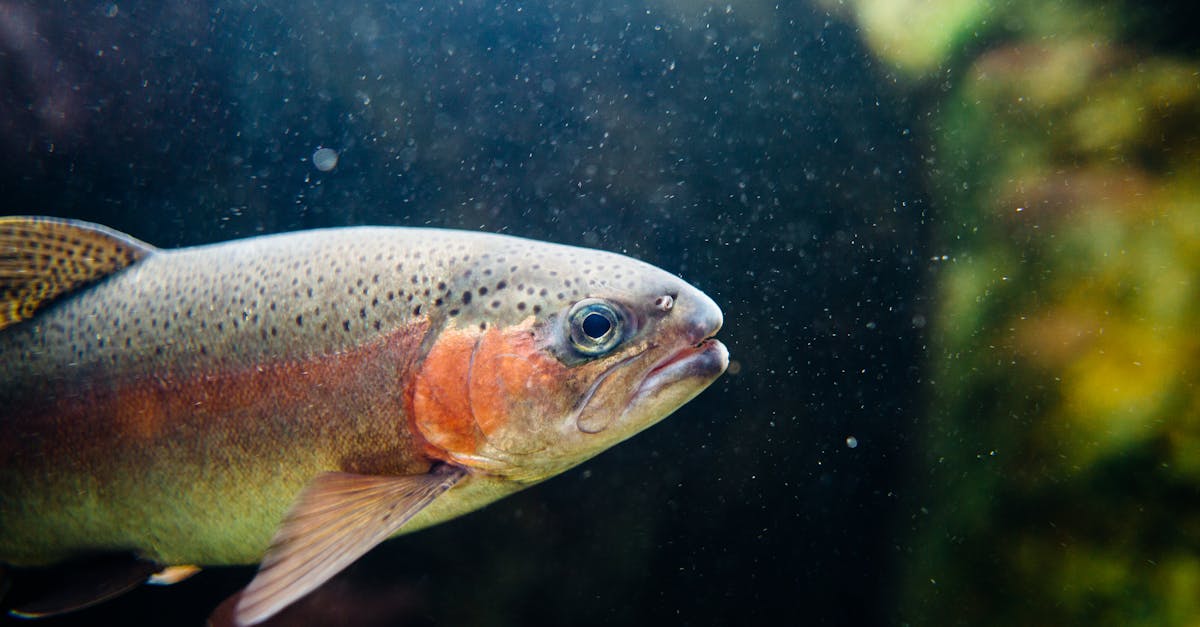
The rainbow trout is Montana's most widespread and popular gamefish, celebrated for its explosive surface strikes, aerial acrobatics, and willingness to take a well-presented dry fly. Native to Pacific Coast drainages from Alaska to Mexico, rainbows were first introduced to Montana's waters in the late 1800s and have since established thriving populations in nearly every major river system in the state. On legendary waters like the Madison, Missouri, and Bighorn, wild rainbow trout grow fat on prolific insect hatches and provide some of the finest dry-fly fishing in North America.
Rainbow trout in Montana display remarkable variation depending on their home water. Fish in nutrient-rich tailwaters like the Missouri River below Holter Dam can exceed 20 inches with regularity, their deep bodies and broad tails reflecting the abundant food supply. Freestone river rainbows, such as those in the upper Madison and Gallatin, tend to be leaner and more athletic, shaped by faster currents and colder water temperatures. In many Montana rivers, rainbows spawn in the spring from March through June, and anglers should be mindful of spawning redds during this period to protect future generations of fish.
Rainbows are arguably the most versatile trout species for fly anglers. They respond well to dry flies during hatches, aggressively chase streamers, and feed heavily on nymphs subsurface throughout the year. Their fighting ability is legendary: a hooked rainbow will often launch itself completely out of the water multiple times during a battle. Montana's catch-and-release regulations on many blue-ribbon streams have produced exceptional rainbow trout fisheries with high densities of large, healthy fish that continue to draw anglers from around the world.
Identification
The rainbow trout's most distinctive feature is the broad pink to reddish lateral stripe that runs along each side from gill plate to tail, which gives the species its common name. This stripe can range from a faint blush on silvery tailwater fish to a vivid magenta on wild freestone rainbows, particularly during spawning season. The intensity of the stripe often increases with age and is typically more pronounced in males.
The body of a rainbow trout is covered with small, irregular black spots that extend across the back, dorsal fin, adipose fin, and most notably across the entire tail fin. This heavily spotted tail is one of the quickest ways to distinguish a rainbow from a brown trout or cutthroat, both of which tend to have fewer or no spots on the tail. The overall body color ranges from steel blue or olive-green on the back to silvery white on the belly.
To distinguish rainbows from the closely related Yellowstone cutthroat trout, which also appears in many Montana waters, look for the absence of the orange-red slash marks under the jaw that define cutthroats. Hybrid rainbow-cutthroat fish (known as 'cutbows') are common where the two species overlap and can display characteristics of both, including a faint lateral stripe combined with faint slash marks. Rainbow trout also have 8-12 rays in the anal fin and lack the small teeth on the back of the tongue (basibranchial teeth) that cutthroat trout possess.
Diet
Rainbow trout in Montana are opportunistic feeders with a diet that shifts with the seasons and available food sources. Aquatic insects form the backbone of their diet for most of the year, including mayflies (Baetis, Pale Morning Duns, Green Drakes), caddisflies (particularly Hydropsyche and Brachycentrus species), stoneflies (salmonflies and golden stones), and midges. During major hatch events like the famous salmonfly hatch on the Madison River, rainbows will feed almost exclusively on the surface, gorging on adult insects.
Between hatches, rainbows spend the majority of their feeding time subsurface, consuming nymphs, larvae, and emergers drifting in the current. Scuds, sowbugs, and aquatic worms are important food items in tailwater environments like the Missouri and Bighorn rivers, where these crustaceans thrive in the nutrient-rich water below dams. San Juan Worms and scud patterns are staple flies on these waters for good reason.
As rainbow trout grow larger, they increasingly supplement their insect diet with small fish, crayfish, and leeches. Rainbows over 18 inches become more predatory and will readily attack sculpin, juvenile whitefish, and other small fish. This is why streamer fishing with Woolly Buggers, Sculpzillas, and articulated patterns can be so effective for targeting trophy-class rainbows, especially during low-light conditions or when water is off-color from runoff.
Habitat Preferences
Rainbow trout in Montana thrive in cold, well-oxygenated water with temperatures ideally between 55 and 65 degrees Fahrenheit. They prefer clean gravel substrates for spawning and are most commonly found in riffle-run-pool sequences typical of Montana's freestone rivers. In the upper Madison, Gallatin, and Yellowstone rivers, rainbows hold in moderate to fast currents, using rocks, ledges, and current seams to conserve energy while positioning themselves to intercept drifting food.
In tailwater fisheries like the Missouri River below Holter Dam and the Bighorn River below Yellowtail Dam, rainbow trout benefit from consistent water temperatures and flows that support year-round insect production. These regulated environments produce some of Montana's largest rainbows, with fish commonly exceeding 18 inches. Tailwater rainbows often hold in surprisingly shallow riffles and along weed beds, where they can feed efficiently on the abundant scuds, sowbugs, and midges that thrive in these alkaline waters.
Rainbow trout are more tolerant of faster current than brown trout but less tolerant of warm water temperatures. When summer temperatures rise above 68 degrees Fahrenheit, rainbows become stressed and seek thermal refuges near cold-water tributaries and springs. Montana's hoot-owl restrictions, which close fishing during the hottest part of the day on certain rivers, are specifically designed to protect rainbow trout and other cold-water species during these critical periods.
Fishing Tactics
Dry-fly fishing for rainbow trout is the quintessential Montana fly-fishing experience. During major hatches (salmonflies and golden stones in June, Pale Morning Duns from June through August, caddis from May through September, and Baetis in spring and fall), rainbows will feed aggressively on the surface. Match the hatch with appropriate patterns in sizes 8 through 20, and focus on seams, foam lines, and the heads and tails of riffles where trout stack up to intercept drifting insects. Presentation is paramount: a drag-free drift with a long, fine leader (9 to 12 feet tapered to 4X or 5X) will consistently outperform a heavy-handed approach.
Nymph fishing accounts for the majority of rainbow trout caught in Montana, since trout feed subsurface roughly 80 percent of the time. A two-nymph rig under a strike indicator is the standard approach, with a larger attractor pattern like a Pat's Rubber Legs or Girdle Bug on top and a smaller dropper like a Pheasant Tail, Lightning Bug, or Rainbow Warrior trailing 18 to 24 inches below. In tailwaters, scale down to size 16-20 scud, sowbug, and midge patterns fished near the bottom. Adjust split shot and indicator depth frequently to keep your flies in the strike zone.
Streamer fishing is the go-to method for targeting the largest rainbows in any given river. Fish articulated patterns like Circus Peanuts, Dungeons, and Sex Dungeons on sink-tip lines, casting tight to banks and stripping with erratic, aggressive retrieves. Low-light periods (early morning, late evening, and overcast days) produce the best streamer action. Spring and fall are prime streamer seasons on Montana rivers, when larger fish are most actively feeding on baitfish. Do not overlook the classic Woolly Bugger in black or olive, which remains one of the most effective all-around rainbow trout flies ever tied.
Conservation
Stable and widespread in Montana. Wild, self-sustaining rainbow trout populations exist in most major river systems across the state. However, hybridization with non-native hatchery strains and with native cutthroat trout is an ongoing management concern. Montana Fish, Wildlife & Parks has discontinued stocking rainbows in many waters to protect native cutthroat genetic integrity.
Rivers Where Found
Madison River
Southwest Montana
Yellowstone River
South Central Montana
Gallatin River
Southwest Montana
Missouri River
Central Montana
Bighorn River
Southeast Montana
Arkansas River
Upper Arkansas Valley / Central Mountains
Colorado River
Grand County / Northern Mountains
Frying Pan River
Roaring Fork Valley / Central Mountains
Gunnison River
Western Slope / Black Canyon Country
South Platte River
Front Range / South Park
North Platte River
Central Wyoming
Green River
Southwest Wyoming
Bighorn River (Wyoming)
North Central Wyoming
New Fork River
Western Wyoming / Wind River Range
Henry's Fork
Eastern Idaho
South Fork Snake River
Eastern Idaho
Silver Creek
Central Idaho / Sun Valley
South Fork Boise River
Southwestern Idaho
Deschutes River
Central Oregon
Crooked River
Central Oregon
Metolius River
Central Oregon (Cascades)
McKenzie River
Willamette Valley / Cascades
John Day River
Eastern Oregon (High Desert / Blue Mountains)
Owyhee River
Southeastern Oregon
Yakima River
Central Washington
Methow River
North Central Washington, Okanogan County
Skagit River
Northwest Washington, Skagit County
Klickitat River
South Central Washington, Klickitat County
Rocky Ford Creek
Central Washington, Grant County
Lower Sacramento River
Northern California / Shasta County
McCloud River
Northern California / Shasta County
Hat Creek
Northern California / Shasta County
Fall River
Northern California / Shasta County
Upper Sacramento River
Northern California / Siskiyou and Shasta Counties
Pit River
Northern California / Shasta County
Truckee River
Eastern Sierra / Nevada and Placer Counties
East Walker River
Eastern Sierra / Mono County
Hot Creek
Eastern Sierra / Mono County
Upper Klamath River
Northern California / Siskiyou County
Truckee River
Western Nevada / Washoe County
East Walker River
Western Nevada / Lyon County
East Fork Carson River
Western Nevada / Douglas County
Jarbidge River
Northern Nevada / Elko County / Jarbidge Wilderness
Ruby Mountains / Lamoille Creek
Northern Nevada / Elko County / Ruby Mountains
Bruneau River
Northern Nevada / Elko County
South Fork Reservoir
Northern Nevada / Elko County
Great Basin NP Streams
Eastern Nevada / White Pine County / Great Basin National Park
Wild Horse Reservoir
Northern Nevada / Elko County
San Juan River
Northwestern New Mexico / San Juan County
Rio Grande
Northern New Mexico / Taos County
Pecos River
North-Central New Mexico / San Miguel & Santa Fe Counties
Rio Chama
North-Central New Mexico / Rio Arriba County
Colorado River at Lees Ferry
Northern Arizona / Coconino County
Oak Creek
Central Arizona / Oak Creek Canyon
East Fork Black River
Eastern Arizona / White Mountains
Davidson River
Western North Carolina / Pisgah National Forest
Tuckasegee River
Western North Carolina / Jackson County
Nantahala River
Western North Carolina / Macon County
Watauga River
Northwestern North Carolina / Watauga County
Wilson Creek
Western North Carolina / Caldwell County
Deep Creek
Western North Carolina / Great Smoky Mountains National Park
Linville River
Western North Carolina / Avery County
South Toe River
Western North Carolina / Yancey County
Mitchell River
Northwestern North Carolina / Surry County
Upper Kennebec River
Western Maine / Somerset County
Magalloway River
Western Maine / Oxford County
Androscoggin River
Northern White Mountains / Coos County
Upper Connecticut River
Connecticut Lakes Region / Pittsburg
Saco River
Mount Washington Valley / Carroll County
Pemigewasset River
White Mountains / Grafton County
Swift River
White Mountains / Kancamagus Highway
Ellis River
Mount Washington Valley / Carroll County
Ammonoosuc River
White Mountains / Grafton County
Baker River
White Mountains / Grafton County
Mascoma River
Upper Valley / Grafton County
Souhegan River
Southern New Hampshire / Hillsborough County
White River
Central Vermont / White River Valley
Winooski River
Northern Vermont / Chittenden County
Lamoille River
Northern Vermont / Lamoille County
Dog River
Central Vermont / Washington County
Deerfield River (Upper)
Southern Vermont / Windham County
Walloomsac River
Southern Vermont / Bennington County
Mettawee River
Western Vermont / Rutland County
Otter Creek
Western Vermont / Addison County
New Haven River
Central Vermont / Addison County
Spruce Creek
Central Pennsylvania / Huntingdon County
Yellow Breeches Creek
South Central Pennsylvania / Cumberland County
Big Spring Creek
South Central Pennsylvania / Cumberland County
Tulpehocken Creek
Southeastern Pennsylvania / Berks County
Lakes & Ponds Where Found
Lake Willoughby
Northeast Kingdom / Orleans County
Seymour Lake
Northeast Kingdom / Orleans County
Caspian Lake
Northeast Kingdom / Orleans County
Lake Memphremagog
Northeast Kingdom / Orleans County
Maidstone Lake
Northeast Kingdom / Essex County
Harriman Reservoir
Southern Vermont / Windham County
Lake Dunmore
Western Vermont / Addison County
Crystal Lake
Northeast Kingdom / Orleans County
Great Averill Lake
Northeast Kingdom / Essex County
Little Averill Lake
Northeast Kingdom / Essex County
Holland Pond
Northeast Kingdom / Orleans County
Echo Lake (Charleston)
Northeast Kingdom / Orleans County
Island Pond
Northeast Kingdom / Essex County
Newark Pond
Northeast Kingdom / Caledonia County
Kettle Pond
Central Vermont / Groton State Forest
Lake Groton
Central Vermont / Groton State Forest
Harvey's Lake
Northeast Kingdom / Caledonia County
Joe's Pond
Northeast Kingdom / Caledonia County
Miller Pond
Central Vermont / Orange County
Kent Pond
Central Vermont / Rutland County
Amherst Lake
Southern Vermont / Windsor County
Echo Lake (Plymouth)
Southern Vermont / Windsor County
Lake Rescue
Southern Vermont / Windsor County
Woodward Reservoir
Southern Vermont / Windsor County
Silver Lake (Barnard)
Central Vermont / Windsor County
Newfound Lake
Lakes Region / Grafton County
Lake Winnipesaukee
Lakes Region / Belknap & Carroll Counties
Squam Lake
Lakes Region / Grafton, Carroll & Belknap Counties
Lake Francis
Great North Woods / Coos County (Pittsburg)
Willard Pond
Monadnock Region / Hillsborough County (Antrim)
Lake Placid
Adirondack High Peaks / Essex County
Skaneateles Lake
Finger Lakes / Onondaga, Cortland & Cayuga Counties
Lake George
Adirondacks / Warren, Essex & Washington Counties
Hemlock Lake
Western Finger Lakes / Livingston & Ontario Counties
Canadice Lake
Finger Lakes / Ontario County
Chazy Lake
Northern Adirondacks / Clinton County
Georgetown Lake
Southwest Montana / Anaconda-Pintler; Deer Lodge and Granite Counties
Hebgen Lake
Southwest Montana / Madison Valley; Gallatin County
Clark Canyon Reservoir
Southwest Montana / Beaverhead Valley; Beaverhead County
Browns Lake
Western Montana / Blackfoot Valley; Powell County
Dailey Lake
South-central Montana / Paradise Valley; Park County
Canyon Ferry Lake
West-central Montana / Missouri River; Broadwater and Lewis and Clark counties
Placid Lake
Western Montana / Clearwater Valley; Missoula County
Quake Lake
Southwest Montana / Madison Valley; Gallatin and Madison Counties
Hauser Reservoir
West-central Montana / Missouri River; Lewis and Clark County
Ackley Lake
Central Montana / Judith Basin County
Quick Facts
- Scientific Name
- Oncorhynchus mykiss
- Average Size
- 12-18"
- Trophy Size
- 22+"
- State Record
- 33 lbs 1 oz, caught in Kootenai River by Curt Collins in 1997
- Found In
- Madison River, Yellowstone River, Gallatin River, Missouri River, Bighorn River, Arkansas River, Colorado River, Frying Pan River, Gunnison River, South Platte River, North Platte River, Green River, Bighorn River (Wyoming), New Fork River, Henry's Fork, South Fork Snake River, Silver Creek, South Fork Boise River, Deschutes River, Crooked River, Metolius River, McKenzie River, John Day River, Owyhee River, Yakima River, Methow River, Skagit River, Klickitat River, Rocky Ford Creek, Lower Sacramento River, McCloud River, Hat Creek, Fall River, Upper Sacramento River, Pit River, Truckee River, East Walker River, Hot Creek, Upper Klamath River, Truckee River, East Walker River, East Fork Carson River, Jarbidge River, Ruby Mountains / Lamoille Creek, Bruneau River, South Fork Reservoir, Great Basin NP Streams, Wild Horse Reservoir, San Juan River, Rio Grande, Pecos River, Rio Chama, Colorado River at Lees Ferry, Oak Creek, East Fork Black River, Davidson River, Tuckasegee River, Nantahala River, Watauga River, Wilson Creek, Deep Creek, Linville River, South Toe River, Mitchell River, Upper Kennebec River, Magalloway River, Androscoggin River, Upper Connecticut River, Saco River, Pemigewasset River, Swift River, Ellis River, Ammonoosuc River, Baker River, Mascoma River, Souhegan River, White River, Winooski River, Lamoille River, Dog River, Deerfield River (Upper), Walloomsac River, Mettawee River, Otter Creek, New Haven River, Spruce Creek, Yellow Breeches Creek, Big Spring Creek, Tulpehocken Creek, Lake Willoughby, Seymour Lake, Caspian Lake, Lake Memphremagog, Maidstone Lake, Harriman Reservoir, Lake Dunmore, Crystal Lake, Great Averill Lake, Little Averill Lake, Holland Pond, Echo Lake (Charleston), Island Pond, Newark Pond, Kettle Pond, Lake Groton, Harvey's Lake, Joe's Pond, Miller Pond, Kent Pond, Amherst Lake, Echo Lake (Plymouth), Lake Rescue, Woodward Reservoir, Silver Lake (Barnard), Newfound Lake, Lake Winnipesaukee, Squam Lake, Lake Francis, Willard Pond, Lake Placid, Skaneateles Lake, Lake George, Hemlock Lake, Canadice Lake, Chazy Lake, Georgetown Lake, Hebgen Lake, Clark Canyon Reservoir, Browns Lake, Dailey Lake, Canyon Ferry Lake, Placid Lake, Quake Lake, Hauser Reservoir, Ackley Lake