First Roach Pond
First Roach Pond spreads 3,320 acres of coldwater trout habitat across the woods at Kokadjo, northeast of Moosehead Lake, holding brook trout, landlocked salmon, and lake trout. Its outlet is the fabled fly-fishing-only Roach River, making the pond the headwater of one of Maine's great salmon fisheries.
Overview
First Roach Pond stretches across 3,320 acres of working forest in Frenchtown Township, its eastern end lapping against the tiny settlement of Kokadjo at the head of the Roach River. Kokadjo — population, as the famous sign says, "not many" — sits about eighteen miles up the Lily Bay Road from Greenville, and the drive in past Lily Bay State Park sets the tone: this is big-woods Maine, moose country, where the pavement gives way and the cell signal fades. Despite the name, First Roach is no pond in the southern sense. It is a substantial coldwater lake, dropping to 126 feet with a mean depth of 54 feet, and it fishes like one.
The fishery is a classic Maine three-species mix: brook trout, landlocked salmon, and lake trout, the togue of local speech. The brook trout program here is among the most generous in the region — MDIFW planted 3,630 catchable ten-inch brookies in two spring 2026 stockings, plus 1,800 young landlocked salmon, layered over the wild fish the drainage produces on its own. The result is a pond where a fly angler has a realistic shot at a heavy dark-backed brook trout, a leaping salmon, and a deep-bodied togue in the same season, all in water with a genuine wilderness feel.
What elevates First Roach beyond its own shorelines is its outlet. The dam at Kokadjo releases the Roach River, six and a half miles of fly-fishing-only water that carries some of Moosehead Lake's most storied runs of spawning landlocked salmon and brook trout every September. The pond and the river are two halves of one system: fish that ascend the Roach in fall drop back through the drainage, and the pond's own salmon and trout stack near the inlet deltas and the outlet when water temperatures move them.
The fly angler's year opens at ice-out, usually early May this far north, when smelt push toward the inlets at the west end and the salmon and brookies follow. Streamer fishing over the deltas and along the drop-offs is the prime game for several weeks. As the water warms, evening dry-fly fishing takes over — caddis through June and July, and the event of the summer, the Hexagenia hatch, which brings the pond's biggest trout up at dusk over the soft-bottomed coves.
With a launch at Kokadjo, classic sporting camps and rental cabins on the shore, and cove after float-tube-friendly cove, First Roach is one of the most accessible ways to fish genuinely remote-feeling Maine trout water without a float plane. Pair it with a September trip to the Roach River below the dam and you have covered one of the state's great coldwater systems end to end.
Depth & Character
- Surface Area
- 3,320acres
- Max Depth
- 126ft
- Mean Depth
- 54ft
- Elevation
- 1,238ft
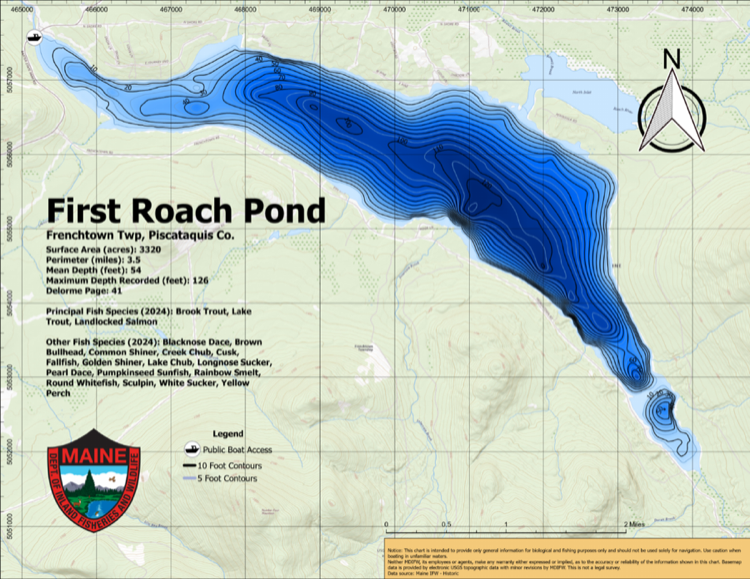
Bathymetric depth chart — click to open the full PDF. Source: Vermont DEC.
Source: Vermont DEC
Water Characteristics
First Roach Pond is a large, cold, clear northern lake with a two-story character. The basin reaches 126 feet at its deepest, and a mean depth of 54 feet means much of the pond is true coldwater habitat — enough deep, well-oxygenated water to carry lake trout through the summer while brook trout and salmon work the upper layers. A thermocline sets up in midsummer, pushing the togue deep and concentrating salmon and trout near the cooler inlets, spring holes, and the band of water just above the temperature break.
The modern MDIFW depth chart (MIDAS 0436) shows the structure a fly angler needs: shoreline shelves stepping down in ten-foot contours, defined drop-offs off the points, and shallower coves and inlet deltas at the ends. Those softer-bottomed coves and flats grow the burrowing Hexagenia mayflies that drive the marquee summer hatch, while the rocky shelves and deltas hold the smelt that anchor the forage base. Water clarity is good, the shorelines are almost entirely forested, and a dam at the Kokadjo outlet controls the level where the pond spills into the Roach River.
Stocking
| Species | Size | Number | Program |
|---|---|---|---|
| Brook Trout | 10 in (catchable) | 3,630 | MDIFW spring stocking — two plants of 1,815 on 5/11 and 5/12/2026, Frenchtown Twp |
| Landlocked Atlantic Salmon | 6 in | 1,800 | MDIFW spring stocking — 5/22/2026, Frenchtown Twp |
Seasonal Fishing Guide
Spring
Ice-out, typically early May at this latitude, is the streamer event. Smelt move toward the west-end inlet deltas and the shoreline shelves, and brook trout and salmon follow them shallow. Cast or troll Grey Ghosts and other smelt streamers on intermediate and sinking lines over the deltas, the drop-offs, and near the Kokadjo outlet. Overcast, choppy days outfish calm sun. Spring-stocked ten-inch brookies spread along the shorelines within weeks of the May plants and eat buggers and small streamers readily.
Summer
Late June into July is hex season — anchor off soft-bottomed coves at dusk with size 6-8 Hexagenia duns and nymphs for the pond's largest trout, and fish caddis dries along the shorelines on other evenings. Once the thermocline sets up, togue and salmon hold deep; reach them with full-sinking lines and smelt patterns over 30-60 feet, or fish the first and last hour of light when salmon push up to chase bait.
Fall
September cooling brings salmon and brook trout back to the surface layer and concentrates fish near the outlet at Kokadjo as the drainage's spawning movements begin. Streamer fishing on the pond improves through the month. This is also when the fly-only Roach River below the dam peaks with Moosehead-run salmon and brookies — the classic move is to fish the river mornings and the pond evenings.
Winter
The pond locks up under deep-woods winter from roughly December through April, and the fly-fishing year effectively runs ice-out to the October close. Check the current MDIFW lawbook for winter season status on the pond before planning any off-season trip, and use the cold months to tie smelt streamers and hex duns for May and June.
Access & Boats
Primary access is at Kokadjo on the pond's eastern end, reached by the Lily Bay Road about eighteen miles north of Greenville — paved most of the way, then good gravel. A boat launch at the settlement puts you on the water near the outlet, and the cluster of camps and rental cabins at Kokadjo makes it easy to base right on the pond. Shoreline development is sparse elsewhere; logging roads touch parts of the shore, but most anglers fish from boats, canoes, or kayaks launched at Kokadjo. The pond's many coves are friendly water for float tubes and kayaks, especially for the evening hatch fishing, though the open middle demands respect when the wind comes up.
Fishing Pressure & Local Tips
Light to moderate. First Roach absorbs its visitors easily — 3,320 acres with one small settlement leaves a lot of empty shoreline — and pressure concentrates near Kokadjo and the obvious deltas at ice-out. The heaviest attention in the drainage actually falls on the Roach River below the dam during the September salmon run, and many traveling anglers drive right past the pond to get there. Midweek in June, an angler working a cove at hex time will often have it entirely alone. The camps at Kokadjo bring a steady but small stream of fishing guests through the season.
Local Knowledge
At ice-out, fish the west-end inlet deltas where the upper Roach drainage enters. Smelt stage there, and the salmon and brook trout push right onto the drop-off edges to meet them. A Grey Ghost or a small white-and-olive bucktail stripped fast on a sinking or intermediate line is the traditional medicine; if fish flash and refuse, speed the retrieve up before you change flies. The water near the Kokadjo dam is a second early-season concentration point.
From late June into July, plan around the evening. Get into a soft-bottomed cove by early evening, anchor or hold a float tube off the flat, and wait for the Hexagenia duns — the biggest trout in the pond feed on top only a few dusks a year, and this hatch is when it happens. Fish a size 6-8 hex dun or emerger on stout tippet, and keep a hex nymph rigged for the hour before the duns show. On non-hex evenings, caddis will still bring fish up along the shorelines.
In high summer, think temperature. Salmon and togue slide down to the thermocline; troll or count down full-sinking lines with smelt patterns over 30-60 feet, or fish early and late when salmon push shallow to chase bait. September cools the pond fast, and staging fish near the outlet get aggressive toward streamers — and the fly-only Roach River below the dam is at its absolute peak, so bring waders and make it a double trip.
Species Present
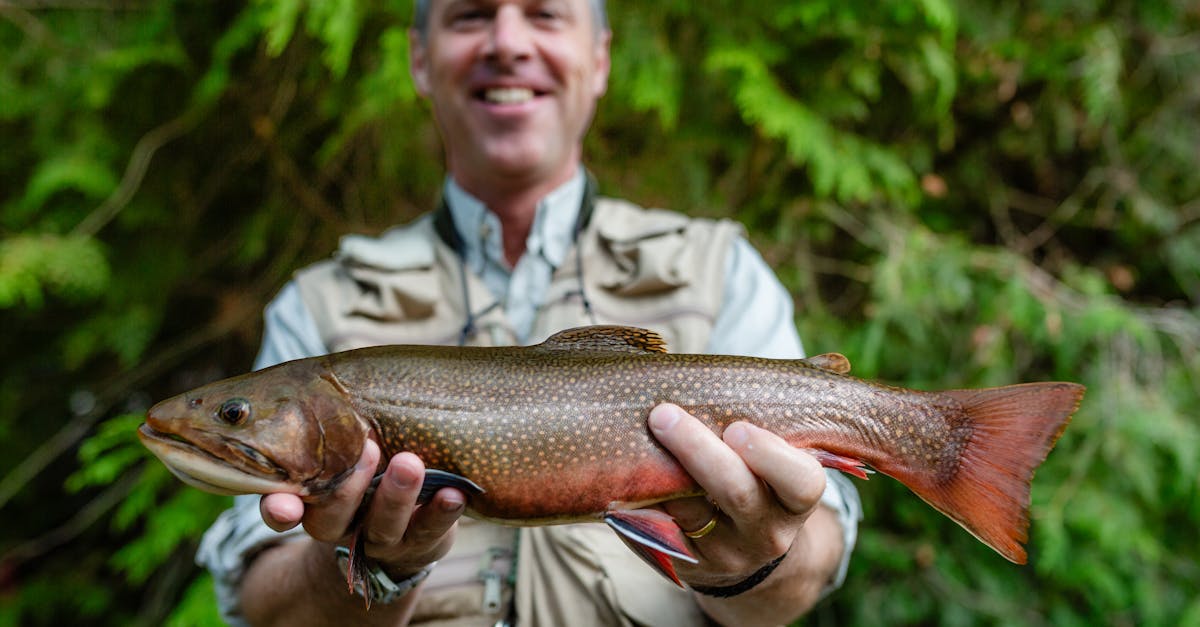
Brook Trout
The brook trout is widely considered the most beautiful freshwater fish in North America, and catching one in a pristine Montana mountain stream is an experience that captures the essence of backcountry fly fishing. Despite their common name, brook trout are not true trout at all; they are a species of char (genus Salvelinus), more closely related to lake trout and Arctic char than to rainbows or browns. Native to eastern North America from Georgia to Hudson Bay, brook trout were among the first salmonids introduced to Montana's waters in the late 1800s and have since established self-sustaining populations in cold, high-elevation streams and lakes throughout the state. In Montana, brook trout thrive best in small, cold headwater streams and high mountain lakes where competition from larger trout species is minimal. In these environments, they are often the dominant, or only, salmonid present. The trade-off is size: Montana stream-dwelling brook trout typically range from 6 to 10 inches, with fish over 12 inches considered noteworthy in most waters. What they lack in size, however, they more than make up for in beauty and willingness to eat a fly. Brookies are aggressive feeders that will strike attractor dry flies, nymphs, and small streamers with enthusiasm, making them an ideal species for beginning fly anglers and a delightful quarry for anyone who appreciates small-stream fishing. Brook trout do present a conservation paradox in Montana. While they are a beloved and beautiful gamefish, they are non-native and can negatively impact native species, particularly Yellowstone and westslope cutthroat trout. In headwater streams, brook trout often outcompete cutthroats for food and spawning habitat due to their higher reproductive rate and earlier maturation. As a result, Montana FWP has implemented brook trout removal projects on some streams to restore native cutthroat populations. In many waters, liberal harvest limits for brook trout are encouraged to reduce their numbers and benefit native fish. Anglers can enjoy excellent brook trout fishing while actively helping conservation by keeping a few for the pan.
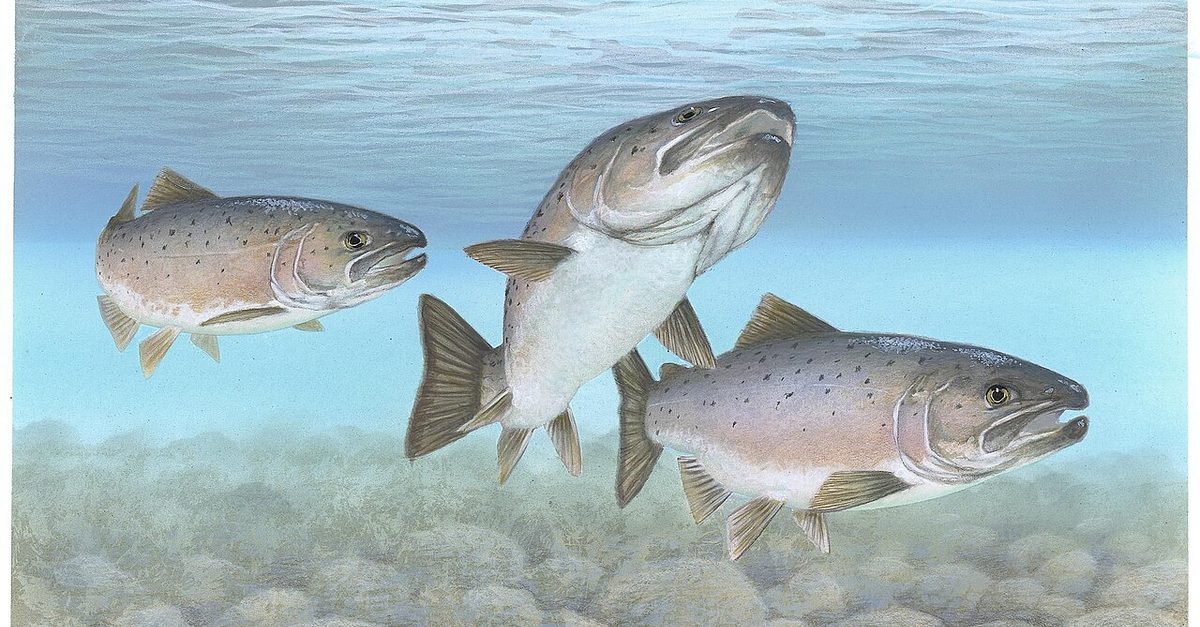
Landlocked Atlantic Salmon
The landlocked Atlantic salmon is one of New England's most prized gamefish, a freshwater-resident form of the Atlantic salmon that spends its entire life in lakes and rivers rather than migrating to the ocean. Found primarily in the lakes and rivers of Maine, New Hampshire, Vermont, and New York, landlocked salmon are genetically identical to their sea-run counterparts but have adapted to a completely freshwater life cycle, using large, cold lakes as their ocean substitute and tributary rivers as spawning habitat. Landlocked salmon are the signature gamefish of Maine's sporting camp tradition, where generations of anglers have gathered at remote wilderness lodges to fish for salmon in the Rangeley Lakes, Moosehead Lake, Sebago Lake, and the rivers that connect them. The fish combine the acrobatic fighting ability of their anadromous relatives with the accessibility of a freshwater species, leaping repeatedly when hooked and running with the kind of power and endurance that makes them one of the most exciting fish available on a fly rod in the northeastern United States. In rivers, landlocked salmon behave much like large resident trout, holding in classic lies and feeding on aquatic insects during hatches. They are particularly responsive to caddis and mayfly emergers, and the sight of a 3-pound landlocked salmon rising to a dry fly in a New England river is one of the defining experiences of northeastern fly fishing. In lakes, salmon are targeted with streamers that imitate smelt, their primary forage fish, trolled or cast from boats during the spring and fall when salmon cruise near the surface in cold-water conditions.

Lake Trout
The lake trout is the largest member of the char family and the signature deep-water gamefish of northern New England's coldest, cleanest glacial lakes. A native coldwater char of the northern tier of North America, the lake trout reaches the southern edge of its natural range in the deep, oligotrophic lakes carved by Pleistocene glaciers across northern New England, including Vermont's Lake Champlain and the remote glacial lakes of the Northeast Kingdom. Unlike the stream-dwelling brook trout to which it is related, the lake trout is a true creature of the depths, spending most of the year in the cold, dark, well-oxygenated water far below the surface. Lake trout are long-lived, slow-growing fish that can survive for decades in the frigid depths of their home lakes. Average fish run 18 to 24 inches, but trophy specimens exceeding 30 inches and 15 pounds are taken each season from the best Vermont waters, and the state record approaches 35 pounds. Their size and strength, combined with the challenge of reaching them in deep water, make lake trout a prized quarry for anglers willing to adapt their tactics to the fish's coldwater lifestyle. For fly anglers, the lake trout presents a unique seasonal opportunity. Through most of the year these fish hold too deep for practical fly fishing, but during the narrow windows of ice-out in spring and the fall turnover, lake trout move into the shallows to feed and spawn, bringing them within reach of a well-presented streamer. Casting large baitfish patterns near rocky shorelines and drop-offs during these periods can produce the fish of a lifetime, connecting the angler to the deep glacial history of Vermont's finest coldwater lakes.
Food Sources & Hatches
| Insect | Suggested Fly | Jan | Feb | Mar | Apr | May | Jun | Jul | Aug | Sep | Oct | Nov | Dec |
|---|---|---|---|---|---|---|---|---|---|---|---|---|---|
Rainbow Smelt (baitfish) Early morning and evening; all day under overcast at ice-out | Grey Ghost | ||||||||||||
Chironomids (midges) Morning emergences; adult clusters on calm evenings | Chironomid (Bomber) | ||||||||||||
Caddisflies Evening | Elk Hair Caddis | ||||||||||||
Hexagenia (giant Michigan mayfly) Dusk into dark | Hexagenia Nymph | ||||||||||||
Dragonflies and damselflies Daytime | Dragonfly Nymph | ||||||||||||
Leeches All day; best in low light | Woolly Bugger |
Rainbow Smelt (baitfish): The forage base of the pond. Smelt stage off the west-end inlet deltas and shoreline shelves at ice-out, pulling salmon and brook trout shallow. Grey Ghosts and 3-4 inch bucktails on intermediate or sinking lines, stripped fast.
Chironomids (midges): Season-long staple over the 10-30 foot contours and in the coves. Hang chironomid pupae under an indicator on anchor, or fish a Griffith's Gnat to evening risers on flat water.
Caddisflies: Dependable evening dry-fly fishing along the wooded shorelines and cove edges through the first half of summer. An Elk Hair Caddis skated or dead-drifted near shore takes brookies and the occasional salmon.
Hexagenia (giant Michigan mayfly): The marquee hatch. Burrowing hex nymphs emerge off the soft-bottomed coves on warm late-June and July evenings, bringing the pond's biggest brook trout to the surface. Fish the nymph before dark and a size 6-8 dun once duns appear.
Dragonflies and damselflies: Nymphs prowl the weedy cove margins and shoreline shallows all summer. A slowly retrieved dragonfly or damsel nymph along the edges is a good searching tactic for cruising brook trout between hatches.
Leeches: Available season-long. Woolly Buggers and Thin Mints crawled along drop-offs on sinking lines take brook trout, salmon, and the odd shallow togue whenever nothing is hatching.
Recommended Flies
Grey Ghost
Top PickThe definitive Maine landlocked salmon streamer, invented for smelt waters like this. Strip it over the inlet deltas and drop-offs at ice-out and near the outlet in fall.
Best in Ice-out through June; again in September
Hexagenia Nymph
Top PickEssential for the evening hex emergence over the soft-bottomed coves. Fish it deep and slow in the hour before dusk, then switch to a dun pattern when fish start breaking the surface.
Best in Late June through July
Woolly Bugger
Top PickThe all-day searching fly. Olive and black buggers worked along the shelves and cove edges on a sinking line take brook trout and salmon season-long.
Best in May through October
Elk Hair Caddis
Top PickCovers the reliable evening caddis activity along the wooded shorelines. Skate it or twitch it near the banks from a canoe or float tube.
Best in June through August, evenings
Access Points & Boat Launches
Kokadjo Boat Launch
Boat LaunchEasyLaunch at the settlement of Kokadjo on the pond's eastern end, near the outlet dam where the Roach River begins. Reached via the Lily Bay Road about 18 miles north of Greenville — paved, then good gravel. The hub for boats, canoes, and kayaks on First Roach, with camps and a store at the settlement.
West-End Inlet Deltas
Wade AccessModerateThe deltas at the pond's western end, where the upper Roach drainage enters, are the prime ice-out streamer water — smelt stage here and salmon and brook trout push onto the drop-off edges. Best reached by boat or canoe from the Kokadjo launch; shoreline approaches depend on active logging-road conditions.
Kokadjo Camps Shoreline and Coves
Wade AccessEasyThe cove-broken shoreline near the Kokadjo camps offers float-tube and kayak water within paddling distance of the launch, with evening caddis and hex fishing over the softer-bottomed coves. Rental cabins and sporting camps on the pond make this the natural base for a multi-day trip.
Regulations
Regulations
First Roach Pond falls under Maine's open-water fishing framework with specific bag and length limits on brook trout, salmon, and lake trout — consult the current MDIFW lawbook for the S-codes in effect on the pond before fishing. Note that the outlet is a different world legally: the Roach River below the Kokadjo dam is 6.5 miles of fly-fishing-only water down to Moosehead Lake, with its own special-season rules built around the fall spawning runs. A Maine fishing license is required. Always verify current regulations at maine.gov/ifw, as rules on this drainage are tailored to protect the wild salmon and trout runs.
Always verify current regulations with Montana Fish, Wildlife & Parks before fishing.
Quick Facts
- Surface Area
- 3,320 acres
- Max Depth
- 126 ft
- Elevation
- 1,238 ft
- Lake Type
- Natural Lake
- Region
- Moosehead Region / Piscataquis County
- Best Seasons
- spring, summer, fall
- Species
- Brook Trout, Landlocked Atlantic Salmon, Lake Trout
- Difficulty
- Beginner-Intermediate
- Depth Chart
- Download PDF
Nearby Lakes & Ponds
Sebago Lake
Sebago Lakes Region / Cumberland County
Rangeley Lake
Rangeley Lakes / Franklin County
Upper Richardson Lake
Rangeley Lakes / Oxford County
West Grand Lake
Downeast Lakes / Washington County
East Grand Lake
Downeast / Washington-Aroostook border, St. Croix headwaters
Moosehead Lake
Moosehead Region / Piscataquis County