Sebago Lake
Sebago Lake is Maine's deepest lake and the original home water of the landlocked Atlantic salmon, whose scientific name — Salmo salar sebago — honors this 29,992-acre giant northwest of Portland. Trophy salmon and self-sustaining lake trout chase smelt here from ice-out through fall, with the Songo and Crooked River mouths the classic fly-rod water.
Overview
Sebago Lake spreads across 29,992 acres of Cumberland County less than twenty miles northwest of Portland, and it holds a distinction no other water in the world can claim: this is the original home strain of the landlocked Atlantic salmon. The fish's scientific name, Salmo salar sebago, is written into the lake, and every landlocked salmon fishery in North America traces its lineage back to this water. Sebago is also Maine's deepest lake, plunging to 310 feet with a mean depth of 106 feet — a vast, cold basin that fishes like a small inland sea.
The fishery is a classic two-story smelt lake operating at trophy scale. Landlocked salmon remain the headline act, supplemented by an annual spring stocking — 1,500 seven-inch salmon went in at Raymond in late April 2026 — layered over the lake's storied wild heritage. Lake trout, or togue in Maine parlance, are entirely self-sustaining and grow large in the deep, well-oxygenated basin. Brook trout show near the river mouths, and a robust smallmouth bass population turns the rocky shorelines into legitimate warm-weather fly water once the salmonids go deep.
For the fly angler, the calendar pivots on two river mouths. At ice-out in April, smelt push toward the shorelines and tributaries to spawn, and salmon follow them into casting range. The mouth of the Songo River, which connects Sebago to Long Lake and enters near Sebago Lake State Park, is the traditional focal point: anglers cast and troll smelt streamers — the Grey Ghost and Joe's Smelt are the local canon — along the shorelines and off the river mouth for the best salmon fishing of the year. The second act comes in September, when mature salmon stage off the mouth of the Crooked River, the lake's principal spawning tributary, and streamer fishing gets a fall revival.
Summer belongs to the smallmouth. When the thermocline drives salmon and togue beyond practical fly range, bass move onto the rocky points and shoals, and poppers fished on floating lines over structure provide fast, visual fishing through the warm months. It is an underrated way to spend a July morning on a lake most anglers write off between the salmon seasons.
Sebago demands respect. It is enormous, open, and capable of building dangerous seas in wind, and a seaworthy boat expands the game enormously. But the essential fly fishing — ice-out streamers at the Songo, September staging fish off the Crooked — happens near shore, at the places where this historic fishery has always concentrated. Fishing Sebago at ice-out is a pilgrimage to the birthplace of landlocked salmon angling in America.
Depth & Character
- Surface Area
- 29,992acres
- Max Depth
- 310ft
- Mean Depth
- 106ft
- Elevation
- 267ft
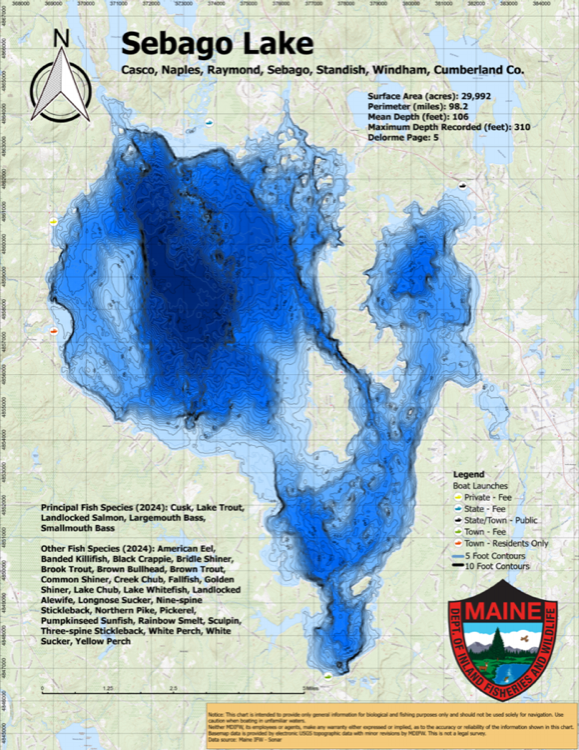
Bathymetric depth chart — click to open the full PDF. Source: Vermont DEC.
Source: Vermont DEC
Water Characteristics
Sebago is a deep, cold, oligotrophic basin on a scale unlike anything else in southern Maine. The maximum depth of 310 feet makes it the deepest lake in the state, and the 106-foot mean depth tells the more important story: the great majority of the lake is deep, open water, with the fishable structure concentrated around the margins, points, and river mouths. The modern MDIFW survey map renders the basin in 10-foot contours and is essential reading for locating the shelves and drop-offs where forage and gamefish concentrate.
The engine of the fishery is the rainbow smelt. Smelt spawn in the tributaries and along shoreline gravel in early spring, drawing salmon and togue shallow, and their movements dictate where the fly fishing happens the rest of the year. In summer the lake stratifies, with salmon and lake trout holding at or below the thermocline in the cold mid-depths while smallmouth bass occupy the warm, rocky shallows.
Water clarity is high, in keeping with the lake's oligotrophic character — Sebago serves as the water supply for the Portland region — and that clarity rewards long leaders, fine presentations on calm days, and fishing the low-light windows when big fish push shallow.
Stocking
| Species | Size | Number | Program |
|---|---|---|---|
| Landlocked Atlantic Salmon | 7 in | 1,500 | MDIFW spring stocking at Raymond, 4/27/2026 (verified); lake trout self-sustaining |
Seasonal Fishing Guide
Spring
Ice-out in April is the marquee event. Spawning smelt draw salmon to the shorelines and river mouths, and the Songo River mouth near Sebago Lake State Park is the classic starting point. Cast or troll Grey Ghosts and Joe's Smelt on intermediate and sinking lines along shoreline shelves and gravel points, fishing fast strips in the top 15 feet. Overcast, choppy days outfish calm sunshine on this clear lake.
Summer
Once the thermocline sets up, salmon and togue drop beyond practical fly range. Shift to smallmouth bass on the rocky points and shoals — poppers on floating lines in the mornings and evenings, crayfish-toned streamers and buggers along drop-offs midday. Early-light chironomid fishing in the sheltered bays gives the trout angler a technical option.
Fall
September is Sebago's second season. Mature salmon stage off the mouth of the Crooked River, the lake's principal spawning tributary, and streamer fishing for them improves as surface temperatures fall. Work smelt patterns and leeches off the river mouth and nearby points, and double-check the special regulations governing the Crooked River before fishing near the boundary.
Winter
Lake trout are the traditional hardwater target, but Sebago's 310-foot basin is slow to freeze and the main lake does not make safe ice every year; the shallower bays cap first. Verify ice conditions with local sources and confirm current MDIFW winter rules before heading out.
Access & Boats
Sebago Lake State Park on the north shore is the flagship access, with a boat launch close to the mouth of the Songo River — the lake's most storied fly water. Raymond Beach off Route 302 provides access on the northeast shore, and additional public access is available on the Standish side of the lake. Shore and wading opportunities exist near the river mouths and park frontage at ice-out, but on a lake of nearly 30,000 acres a boat is a major advantage; float tubes and kayaks are practical only in the sheltered bays and near the Songo mouth, with close attention to wind.
Ice Fishing
Sebago's lake trout are a traditional winter target where safe ice forms, but a basin this deep is slow to cool and the main lake does not cap reliably every winter; ice, when it comes, forms first in the shallower bays. Anyone venturing out should verify current ice conditions locally and check MDIFW's winter season rules for the lake before fishing.
Fishing Pressure & Local Tips
Heavy by Maine standards in absolute terms — Sebago sits on Portland's doorstep and draws intense recreational boating in summer and a devoted trolling fleet from ice-out onward. Fly-specific pressure is another matter: the anglers casting streamers at the Songo mouth in April or covering the Crooked River staging water in September are a small fraternity, and the lake's sheer size swallows crowds. Early mornings, weekdays, and the shoulder seasons offer plenty of room.
Local Knowledge
Fish the smelt, not the lake. Sebago is far too big to cover, so ignore the open water and commit to the places smelt concentrate: the Songo River mouth and adjacent shorelines at ice-out, gravel points early and late in the day, and the Crooked River mouth in September. A 3-to-5-inch smelt streamer — Grey Ghost or Joe's Smelt — stripped fast on a sinking or intermediate line is the standard, and salmon here reward speed; if fish are following without eating, strip faster.
Mind the September opportunity. The Crooked River is the lake's principal salmon spawning tributary, and staging fish stack off its mouth as water temperatures fall. This is the best window to hit a large Sebago salmon on a fly, and it is comparatively overlooked. Note that the Crooked River itself carries heavy special regulations — know the boundary and the rules before fishing near the mouth.
Do not sleep on the smallmouth. From June through September, rocky points and shoal water hold bass that eat poppers and streamers willingly. When the salmon game goes deep, a 6-weight and a box of poppers keep Sebago worth the drive all summer.
Species Present
Landlocked Atlantic Salmon
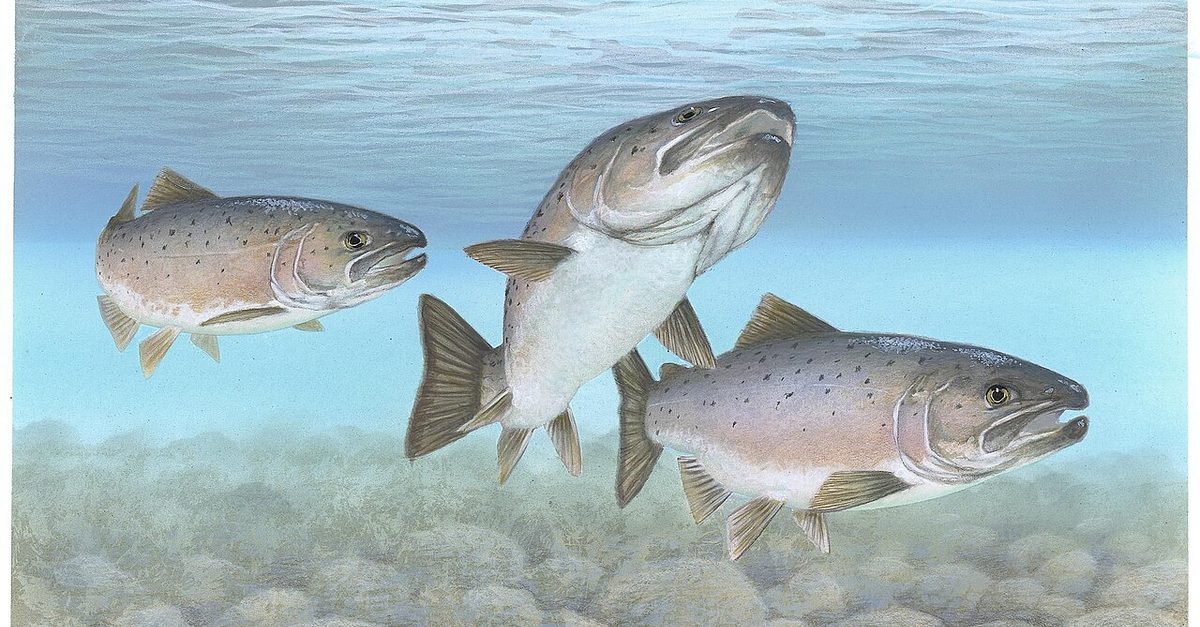
The landlocked Atlantic salmon is one of New England's most prized gamefish, a freshwater-resident form of the Atlantic salmon that spends its entire life in lakes and rivers rather than migrating to the ocean. Found primarily in the lakes and rivers of Maine, New Hampshire, Vermont, and New York, landlocked salmon are genetically identical to their sea-run counterparts but have adapted to a completely freshwater life cycle, using large, cold lakes as their ocean substitute and tributary rivers as spawning habitat. Landlocked salmon are the signature gamefish of Maine's sporting camp tradition, where generations of anglers have gathered at remote wilderness lodges to fish for salmon in the Rangeley Lakes, Moosehead Lake, Sebago Lake, and the rivers that connect them. The fish combine the acrobatic fighting ability of their anadromous relatives with the accessibility of a freshwater species, leaping repeatedly when hooked and running with the kind of power and endurance that makes them one of the most exciting fish available on a fly rod in the northeastern United States. In rivers, landlocked salmon behave much like large resident trout, holding in classic lies and feeding on aquatic insects during hatches. They are particularly responsive to caddis and mayfly emergers, and the sight of a 3-pound landlocked salmon rising to a dry fly in a New England river is one of the defining experiences of northeastern fly fishing. In lakes, salmon are targeted with streamers that imitate smelt, their primary forage fish, trolled or cast from boats during the spring and fall when salmon cruise near the surface in cold-water conditions.

Lake Trout
The lake trout is the largest member of the char family and the signature deep-water gamefish of northern New England's coldest, cleanest glacial lakes. A native coldwater char of the northern tier of North America, the lake trout reaches the southern edge of its natural range in the deep, oligotrophic lakes carved by Pleistocene glaciers across northern New England, including Vermont's Lake Champlain and the remote glacial lakes of the Northeast Kingdom. Unlike the stream-dwelling brook trout to which it is related, the lake trout is a true creature of the depths, spending most of the year in the cold, dark, well-oxygenated water far below the surface. Lake trout are long-lived, slow-growing fish that can survive for decades in the frigid depths of their home lakes. Average fish run 18 to 24 inches, but trophy specimens exceeding 30 inches and 15 pounds are taken each season from the best Vermont waters, and the state record approaches 35 pounds. Their size and strength, combined with the challenge of reaching them in deep water, make lake trout a prized quarry for anglers willing to adapt their tactics to the fish's coldwater lifestyle. For fly anglers, the lake trout presents a unique seasonal opportunity. Through most of the year these fish hold too deep for practical fly fishing, but during the narrow windows of ice-out in spring and the fall turnover, lake trout move into the shallows to feed and spawn, bringing them within reach of a well-presented streamer. Casting large baitfish patterns near rocky shorelines and drop-offs during these periods can produce the fish of a lifetime, connecting the angler to the deep glacial history of Vermont's finest coldwater lakes.
Brook Trout
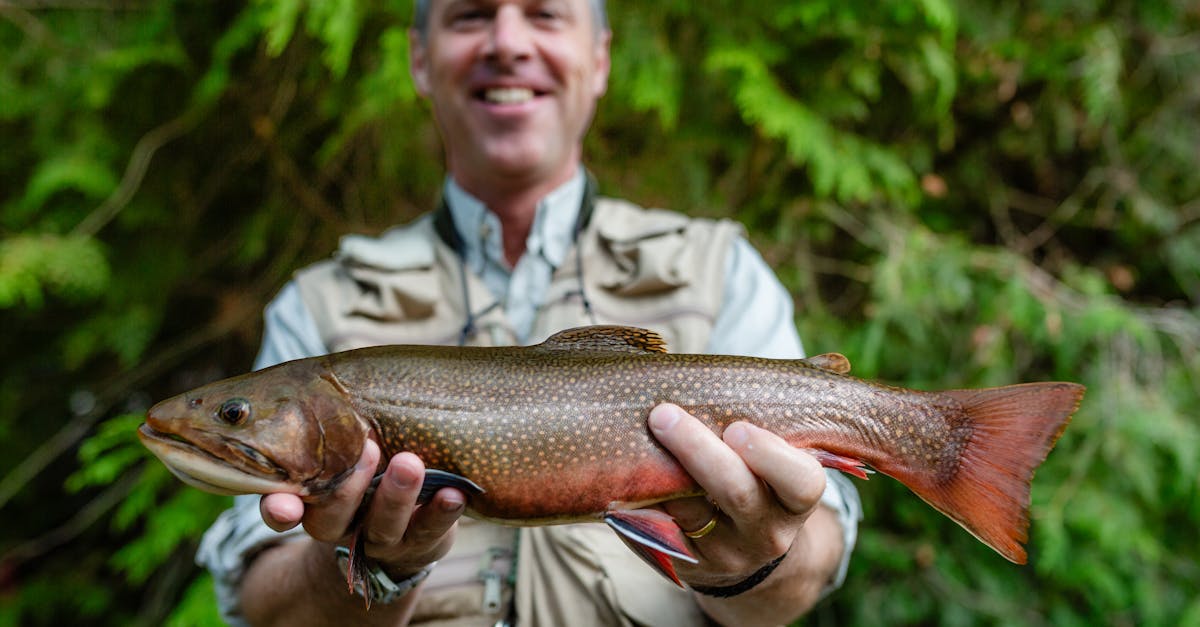
The brook trout is widely considered the most beautiful freshwater fish in North America, and catching one in a pristine Montana mountain stream is an experience that captures the essence of backcountry fly fishing. Despite their common name, brook trout are not true trout at all; they are a species of char (genus Salvelinus), more closely related to lake trout and Arctic char than to rainbows or browns. Native to eastern North America from Georgia to Hudson Bay, brook trout were among the first salmonids introduced to Montana's waters in the late 1800s and have since established self-sustaining populations in cold, high-elevation streams and lakes throughout the state. In Montana, brook trout thrive best in small, cold headwater streams and high mountain lakes where competition from larger trout species is minimal. In these environments, they are often the dominant, or only, salmonid present. The trade-off is size: Montana stream-dwelling brook trout typically range from 6 to 10 inches, with fish over 12 inches considered noteworthy in most waters. What they lack in size, however, they more than make up for in beauty and willingness to eat a fly. Brookies are aggressive feeders that will strike attractor dry flies, nymphs, and small streamers with enthusiasm, making them an ideal species for beginning fly anglers and a delightful quarry for anyone who appreciates small-stream fishing. Brook trout do present a conservation paradox in Montana. While they are a beloved and beautiful gamefish, they are non-native and can negatively impact native species, particularly Yellowstone and westslope cutthroat trout. In headwater streams, brook trout often outcompete cutthroats for food and spawning habitat due to their higher reproductive rate and earlier maturation. As a result, Montana FWP has implemented brook trout removal projects on some streams to restore native cutthroat populations. In many waters, liberal harvest limits for brook trout are encouraged to reduce their numbers and benefit native fish. Anglers can enjoy excellent brook trout fishing while actively helping conservation by keeping a few for the pan.
Smallmouth Bass
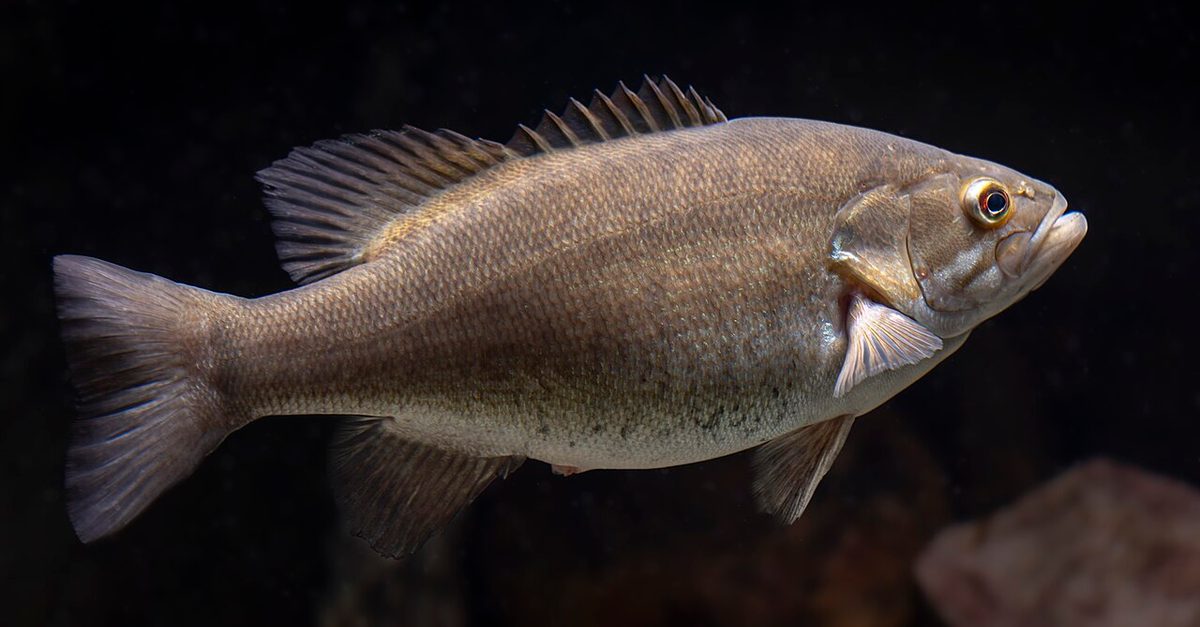
The smallmouth bass is one of the most popular and widely distributed gamefish in North America and one of the finest freshwater species available to fly anglers. Found in clear, cool rivers and lakes from the Great Lakes to the Southern Appalachians, smallmouth bass combine aggressive feeding behavior, remarkable fighting ability, and a preference for the kinds of rocky, current-rich habitats that are ideally suited to fly fishing. Pound for pound, the smallmouth bass is widely considered the hardest-fighting freshwater fish in North America, earning it the nickname 'the bronze bomber' for its explosive takes and powerful, acrobatic battles on the end of a line. While smallmouth bass are not a traditional trout-stream species, they have become increasingly important to fly anglers as warm-water fly fishing has grown in popularity. Rivers like the French Broad in North Carolina, the Susquehanna and Delaware in Pennsylvania, and the St. Lawrence in New York support world-class smallmouth fisheries that attract dedicated fly anglers. In many regions, smallmouth bass inhabit the lower reaches of the same river systems that hold trout in their upper reaches, providing fly anglers with a warm-water counterpart to their cold-water fishing. Smallmouth bass are particularly appealing to fly anglers because they readily take surface flies. On warm summer evenings, smallmouth will crush poppers, sliders, and large dry flies with explosive strikes that rival any trout rise. Their willingness to feed on the surface, combined with their strength and acrobatic leaping ability, makes smallmouth bass on a fly rod one of the most thrilling freshwater fly fishing experiences available.
Food Sources & Hatches
| Insect | Suggested Fly | Jan | Feb | Mar | Apr | May | Jun | Jul | Aug | Sep | Oct | Nov | Dec |
|---|---|---|---|---|---|---|---|---|---|---|---|---|---|
Rainbow Smelt (spring spawning run) Early morning and evening; overcast days all day | Grey Ghost | ||||||||||||
Smelt and baitfish (fall staging) Morning and dusk | Grey Ghost | ||||||||||||
Chironomids (midges) Early morning; calm evenings | Chironomid (Bomber) | ||||||||||||
Damselflies Mid-morning migrations | Damselfly Nymph | ||||||||||||
Dragonflies Daytime | Dragonfly Nymph | ||||||||||||
Leeches Low light | Woolly Bugger | ||||||||||||
Crayfish and sculpin (smallmouth forage) Morning and evening | Muddler Minnow |
Rainbow Smelt (spring spawning run): The event that defines Sebago. Smelt push to shoreline gravel and tributary mouths at ice-out and salmon follow. Grey Ghost and Joe's Smelt patterns 3-5 inches, stripped fast along the Songo mouth and shoreline shelves.
Smelt and baitfish (fall staging): Salmon staging off the Crooked River mouth in September feed opportunistically on smelt and baitfish. Smelt streamers and leech patterns off the river mouth and nearby points.
Chironomids (midges): Steady midge activity in the sheltered bays through the open-water season. Chironomid pupae fished deep on anchor at first light give a technical option when streamer fishing slows.
Damselflies: Damsel nymphs migrating toward shoreline cover in early summer interest bass and cruising trout in the bays. Slow hand-twist retrieves along weed and rock edges.
Dragonflies: Dragonfly nymphs crawled along rocky shoals and drop-offs are a strong summer searching pattern, particularly for smallmouth holding on structure.
Leeches: A season-long staple. Buggers and leech patterns on sinking lines cover shoreline shelves for salmon in the cold months and drop-offs for smallmouth in summer.
Crayfish and sculpin (smallmouth forage): Rocky points and shoals hold crayfish and bottom baitfish that drive the summer smallmouth fishery. Muddlers and rust or olive buggers fished near bottom on structure.
Recommended Flies
Grey Ghost
Top PickThe essential Sebago fly. Grey Ghost smelt streamers at the Songo mouth at ice-out and off the Crooked River in September are the lake's defining presentations.
Best in Spring and fall
Woolly Bugger
Top PickWoolly Buggers in olive and black cover smelt, leech, and crayfish looks alike — the searching fly for shoreline shelves, drop-offs, and smallmouth structure.
Best in All season
Chironomid (Bomber)
Top PickChironomid pupae fished on anchor in the sheltered bays at first light are the technical trout game once streamer fishing slows.
Best in Late spring through summer
Muddler Minnow
Top PickThe Muddler Minnow doubles as smelt and sculpin — twitched on the surface for smallmouth or pulled deep on a sinking line along rocky points.
Best in Summer
Access Points & Boat Launches
Sebago Lake State Park Boat Launch
Boat LaunchEasyFlagship public launch on the north shore inside Sebago Lake State Park, minutes from the mouth of the Songo River — the lake's most famous ice-out salmon water. The park's shoreline also offers footpath and beach frontage for shore casting in spring.
Raymond Beach Access
Boat LaunchEasyPublic access on the northeast shore at Raymond off Route 302, convenient to Jordan Bay and the eastern shoreline. Raymond is also the stocking site for the lake's annual landlocked salmon plant.
Standish Public Access
Boat LaunchEasyPublic access on the Standish (southwest) side of the lake, opening up the southern basin and western shoreline for boaters. A practical put-in when north-shore winds make the state park side rough.
Regulations
Regulations
Sebago Lake carries special landlocked salmon regulations, and the Crooked River — the lake's principal spawning tributary — is heavily regulated to protect the wild salmon run, with its own restrictive rules distinct from the lake. A Maine fishing license is required. Regulations on water this closely managed change frequently; always consult the current MDIFW fishing lawbook for Sebago Lake and its tributaries before fishing.
Always verify current regulations with Montana Fish, Wildlife & Parks before fishing.
Quick Facts
- Surface Area
- 29,992 acres
- Max Depth
- 310 ft
- Elevation
- 267 ft
- Lake Type
- Natural Lake
- Region
- Sebago Lakes Region / Cumberland County
- Best Seasons
- spring, summer, fall
- Species
- Landlocked Atlantic Salmon, Lake Trout, Brook Trout, Smallmouth Bass
- Difficulty
- Intermediate-Advanced
- Record Fish
- Sebago is the namesake origin water of the landlocked Atlantic salmon — Salmo salar sebago — and its reputation was built on trophy salmon and togue; the deep, smelt-rich basin still produces outsized fish of both species every year.
- Depth Chart
- Download PDF
Nearby Lakes & Ponds
Rangeley Lake
Rangeley Lakes / Franklin County
Upper Richardson Lake
Rangeley Lakes / Oxford County
West Grand Lake
Downeast Lakes / Washington County
East Grand Lake
Downeast / Washington-Aroostook border, St. Croix headwaters
First Roach Pond
Moosehead Region / Piscataquis County
Moosehead Lake
Moosehead Region / Piscataquis County