Brook Trout
Salvelinus fontinalis
Overview
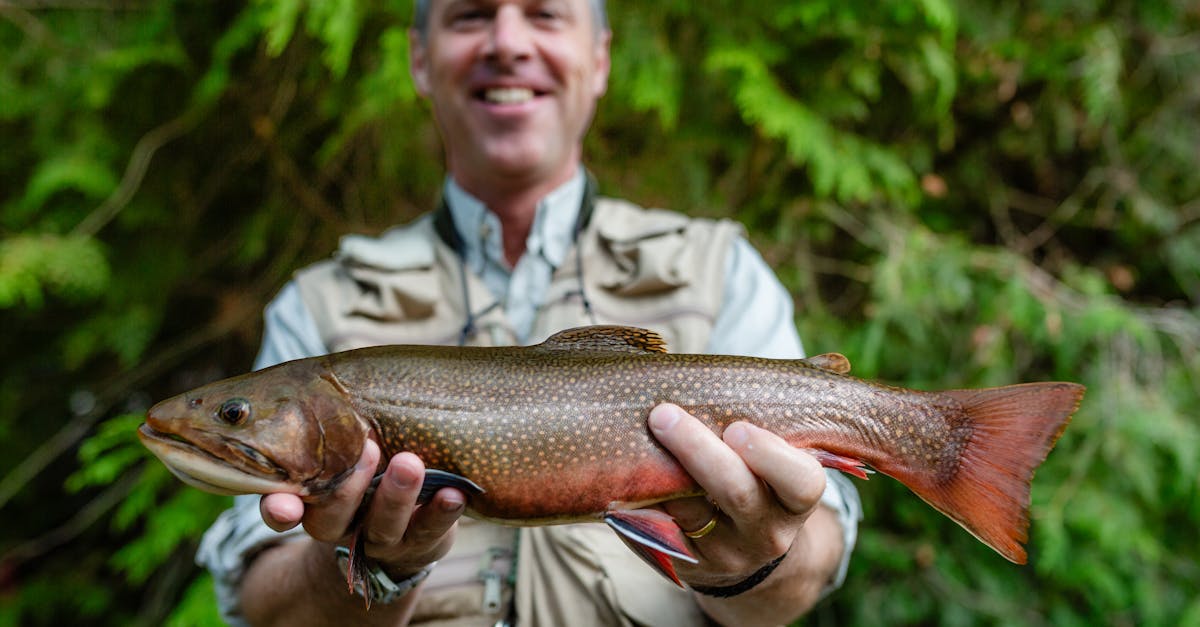
The brook trout is widely considered the most beautiful freshwater fish in North America, and catching one in a pristine Montana mountain stream is an experience that captures the essence of backcountry fly fishing. Despite their common name, brook trout are not true trout at all; they are a species of char (genus Salvelinus), more closely related to lake trout and Arctic char than to rainbows or browns. Native to eastern North America from Georgia to Hudson Bay, brook trout were among the first salmonids introduced to Montana's waters in the late 1800s and have since established self-sustaining populations in cold, high-elevation streams and lakes throughout the state.
In Montana, brook trout thrive best in small, cold headwater streams and high mountain lakes where competition from larger trout species is minimal. In these environments, they are often the dominant, or only, salmonid present. The trade-off is size: Montana stream-dwelling brook trout typically range from 6 to 10 inches, with fish over 12 inches considered noteworthy in most waters. What they lack in size, however, they more than make up for in beauty and willingness to eat a fly. Brookies are aggressive feeders that will strike attractor dry flies, nymphs, and small streamers with enthusiasm, making them an ideal species for beginning fly anglers and a delightful quarry for anyone who appreciates small-stream fishing.
Brook trout do present a conservation paradox in Montana. While they are a beloved and beautiful gamefish, they are non-native and can negatively impact native species, particularly Yellowstone and westslope cutthroat trout. In headwater streams, brook trout often outcompete cutthroats for food and spawning habitat due to their higher reproductive rate and earlier maturation. As a result, Montana FWP has implemented brook trout removal projects on some streams to restore native cutthroat populations. In many waters, liberal harvest limits for brook trout are encouraged to reduce their numbers and benefit native fish. Anglers can enjoy excellent brook trout fishing while actively helping conservation by keeping a few for the pan.
Identification
Brook trout are arguably the easiest salmonid to identify in Montana waters, thanks to their utterly distinctive color pattern. The back and dorsal surface display a striking pattern of light, worm-like or vermiculated (wavy) markings against a dark olive to green background, a pattern found on no other Montana fish species. This vermiculation extends onto the dorsal fin and is visible even on small fish, making it the single most reliable identification feature.
The flanks of a brook trout feature a combination of red or orange spots surrounded by bright blue halos, scattered among smaller pale yellow spots. This red-spot-with-blue-halo pattern is unique to brook trout (and their Arctic char relatives) and distinguishes them immediately from brown trout, whose red spots lack blue halos. During the fall spawning season, male brook trout develop extraordinarily vivid coloration: the belly turns brilliant orange to deep red, the lower fins become intensely orange with bold black-and-white leading edges, and the overall body color intensifies to a dramatic palette of greens, golds, and reds.
The fins of a brook trout are another key identification feature. The pectoral, pelvic, and anal fins have a distinctive white or cream-colored leading edge, followed by a black stripe, and then the orange or reddish fin body. This black-and-white edge pattern is diagnostic and immediately separates brook trout from all true trout species (rainbows, browns, and cutthroats). Brook trout also tend to have a more rounded, less forked tail than true trout, and their scales are extremely small and embedded, giving their skin a smooth, almost scaleless feel compared to the more visible scales of mountain whitefish.
Diet
Brook trout are opportunistic and aggressive feeders that will eat a wide variety of aquatic and terrestrial invertebrates relative to their body size. In Montana's small mountain streams, their diet consists primarily of aquatic insect larvae, including small mayfly nymphs (Baetis, Epeorus), caddis larvae, midge larvae, and small stonefly nymphs. Because the headwater streams brook trout typically inhabit have less diverse and less abundant insect populations than larger rivers, brookies tend to be less selective than other trout species; they cannot afford to be picky about what they eat.
Terrestrial insects are a critically important food source for brook trout during summer and early fall. Ants, beetles, grasshoppers, and other insects that fall into the water from overhanging vegetation can make up a substantial portion of a brook trout's summer diet, particularly in small streams with dense riparian cover. This terrestrial dependence makes brook trout highly responsive to ant and beetle imitations, and a small black foam beetle or cinnamon ant pattern is often the most effective dry fly on a Montana brook trout stream from July through September.
In high mountain lakes, brook trout feed on zooplankton, midges, damselfly and dragonfly nymphs, and small crustaceans (scuds and freshwater shrimp). Lake-dwelling brook trout can grow significantly larger than their stream counterparts due to the richer food resources available in stillwater environments; fish of 14 to 18 inches are possible in productive mountain lakes. Brook trout also eat small fish on occasion, including their own young, particularly in lakes where populations have become overcrowded and food competition is intense.
Habitat Preferences
Brook trout are the most cold-water-dependent salmonid in Montana, requiring water temperatures below 65 degrees Fahrenheit and preferring temperatures in the 50- to 58-degree range. This strict thermal requirement confines brook trout primarily to high-elevation headwater streams, spring-fed creeks, and mountain lakes where cold, groundwater-influenced conditions persist throughout the summer. In Montana, you will find brook trout in the small tributaries of major river systems (the headwaters of the Gallatin, Madison, Yellowstone, and their feeder streams) as well as in countless alpine and subalpine lakes in the Absaroka, Beartooth, Crazy, and Tobacco Root mountain ranges.
Brook trout favor small streams with dense overhead cover, undercut banks, plunge pools, and clean gravel substrate. They are well adapted to the tight, brushy, beaver-pond-studded streams that characterize Montana's mountain headwaters, habitat that is often too small, cold, or inaccessible for other trout species. In these environments, brook trout establish dense populations, though individual fish tend to remain small (6-10 inches) due to limited food resources and high population density. Spring-fed streams and spring creek sections within larger river systems also support brook trout, as the constant cold-water temperatures mimic the conditions of their preferred headwater habitat.
Brook trout spawn in the fall, typically from September through November, over areas of upwelling groundwater in clean gravel. They can spawn successfully in very small streams and even along the margins of lakes near springs, which gives them a reproductive advantage in headwater environments where other species struggle. This high reproductive success, combined with early maturation (brook trout can spawn at age one), often leads to overpopulation in small waters, resulting in stunted fish populations where large numbers of small, slow-growing brook trout compete intensely for limited food.
Fishing Tactics
Dry-fly fishing is the most enjoyable and effective method for catching Montana brook trout, and the good news is that it does not require the technical precision demanded by brown trout or pressured rainbows. Brook trout are aggressive surface feeders that will often charge a fly from several feet away, making them forgiving of imperfect casts and presentation. High-floating attractor patterns in sizes 12 through 16 are the workhorses of brook trout dry-fly fishing: Royal Wulffs, Parachute Adams, Stimulators, and Elk Hair Caddis will all produce consistently. On the smallest streams, a single attractor dry is often all you need.
Small-stream tactics are essential for brook trout fishing in Montana, as most of the best brookie water is found in tight, brushy headwater creeks. Use a short rod (7 to 8 feet in 2- to 4-weight) that can handle roll casts and close-quarters presentations in brushy cover. Keep your leader short (7.5 feet in 4X or 5X is usually sufficient) and wade carefully upstream, making short, precise casts to each pocket, pool, and run. Brook trout tend to hold in the deepest, slowest water available in small streams: look for plunge pools below small falls, deep slots along undercut banks, and the still water behind large boulders. Fish each piece of likely water with one or two casts, then move on.
Terrestrial patterns excel for brook trout from midsummer through early fall. Small foam beetles (size 14-16), cinnamon ant patterns (size 16-18), and miniature hopper patterns (size 12-14) are all highly effective, especially when fished tight against overhanging banks and vegetation. A hopper-dropper rig with a small foam terrestrial on top and a beadhead Pheasant Tail or Prince Nymph trailing below is an excellent all-purpose brook trout setup. In high mountain lakes, try casting small, dark Woolly Buggers (size 10-12) or balanced leeches on a slow sinking line; lake brookies can be substantially larger than stream fish and will attack these patterns aggressively.
Conservation
Non-native to Montana. Brook trout are abundant and self-sustaining in suitable habitats throughout the state, with no conservation concerns for the species itself. However, brook trout are considered a threat to native cutthroat trout in headwater streams, and Montana FWP actively manages some waters to reduce brook trout populations in favor of native species. Liberal harvest limits are encouraged in many areas.
Rivers Where Found
Gallatin River
Southwest Montana
Arkansas River
Upper Arkansas Valley / Central Mountains
New Fork River
Western Wyoming / Wind River Range
Silver Creek
Central Idaho / Sun Valley
Metolius River
Central Oregon (Cascades)
Methow River
North Central Washington, Okanogan County
McCloud River
Northern California / Shasta County
Jarbidge River
Northern Nevada / Elko County / Jarbidge Wilderness
Ruby Mountains / Lamoille Creek
Northern Nevada / Elko County / Ruby Mountains
Great Basin NP Streams
Eastern Nevada / White Pine County / Great Basin National Park
Oak Creek
Central Arizona / Oak Creek Canyon
Davidson River
Western North Carolina / Pisgah National Forest
Tuckasegee River
Western North Carolina / Jackson County
Nantahala River
Western North Carolina / Macon County
Watauga River
Northwestern North Carolina / Watauga County
Wilson Creek
Western North Carolina / Caldwell County
Deep Creek
Western North Carolina / Great Smoky Mountains National Park
Linville River
Western North Carolina / Avery County
South Toe River
Western North Carolina / Yancey County
Mitchell River
Northwestern North Carolina / Surry County
Upper Kennebec River
Western Maine / Somerset County
West Branch Penobscot River
North-Central Maine / Piscataquis County
Rapid River
Western Maine / Oxford County
Kennebago River
Western Maine / Franklin County
Magalloway River
Western Maine / Oxford County
Roach River
North-Central Maine / Piscataquis County
Grand Lake Stream
Downeast Maine / Washington County
Crooked River
Southern Maine / Cumberland and Oxford Counties
Moose River (Jackman)
Northwestern Maine / Somerset County
East Outlet of the Kennebec River
North-Central Maine / Piscataquis County
Androscoggin River
Northern White Mountains / Coos County
Upper Connecticut River
Connecticut Lakes Region / Pittsburg
Saco River
Mount Washington Valley / Carroll County
Pemigewasset River
White Mountains / Grafton County
Swift River
White Mountains / Kancamagus Highway
Ellis River
Mount Washington Valley / Carroll County
Ammonoosuc River
White Mountains / Grafton County
Baker River
White Mountains / Grafton County
Mascoma River
Upper Valley / Grafton County
Souhegan River
Southern New Hampshire / Hillsborough County
Battenkill River
Southern Vermont / Bennington County
White River
Central Vermont / White River Valley
Winooski River
Northern Vermont / Chittenden County
Lamoille River
Northern Vermont / Lamoille County
Dog River
Central Vermont / Washington County
Deerfield River (Upper)
Southern Vermont / Windham County
Walloomsac River
Southern Vermont / Bennington County
Mettawee River
Western Vermont / Rutland County
Otter Creek
Western Vermont / Addison County
New Haven River
Central Vermont / Addison County
Penns Creek
Central Pennsylvania / Centre County
Spring Creek
Central Pennsylvania / Centre County
Spruce Creek
Central Pennsylvania / Huntingdon County
Big Fishing Creek
North Central Pennsylvania / Columbia County
Yellow Breeches Creek
South Central Pennsylvania / Cumberland County
Big Spring Creek
South Central Pennsylvania / Cumberland County
Kettle Creek
North Central Pennsylvania / Clinton County
Slate Run
North Central Pennsylvania / Lycoming County
Lakes & Ponds Where Found
Seymour Lake
Northeast Kingdom / Orleans County
Maidstone Lake
Northeast Kingdom / Essex County
Noyes Pond (Seyon Pond)
Central Vermont / Groton State Forest, Caledonia County
Harriman Reservoir
Southern Vermont / Windham County
Chittenden Reservoir
Central Vermont / Rutland County
Green River Reservoir
Northern Vermont / Lamoille County
Norton Pond
Northeast Kingdom / Essex County
Holland Pond
Northeast Kingdom / Orleans County
Island Pond
Northeast Kingdom / Essex County
Newark Pond
Northeast Kingdom / Caledonia County
May Pond
Northeast Kingdom / Orleans County
Long Pond (Westmore)
Northeast Kingdom / Orleans County
Kettle Pond
Central Vermont / Groton State Forest
Osmore Pond
Central Vermont / Groton State Forest
Ricker Pond
Central Vermont / Groton State Forest
Lake Groton
Central Vermont / Groton State Forest
Harvey's Lake
Northeast Kingdom / Caledonia County
Joe's Pond
Northeast Kingdom / Caledonia County
Miller Pond
Central Vermont / Orange County
Kent Pond
Central Vermont / Rutland County
Colton Pond
Central Vermont / Rutland County
Woodward Reservoir
Southern Vermont / Windsor County
Silver Lake (Barnard)
Central Vermont / Windsor County
Sebago Lake
Sebago Lakes Region / Cumberland County
Rangeley Lake
Rangeley Lakes / Franklin County
Upper Richardson Lake
Rangeley Lakes / Oxford County
East Grand Lake
Downeast / Washington-Aroostook border, St. Croix headwaters
First Roach Pond
Moosehead Region / Piscataquis County
Moosehead Lake
Moosehead Region / Piscataquis County
Mooselookmeguntic Lake
Rangeley Lakes / Franklin & Oxford Counties
Kennebago Lake
Rangeley Lakes / Franklin County
Pierce Pond
Upper Kennebec / Carrying Place — Somerset County
Second Connecticut Lake
Great North Woods / Coos County
Dublin Lake
Monadnock Region / Cheshire County
Willard Pond
Monadnock Region / Hillsborough County (Antrim)
Profile Lake
Grafton County / White Mountains (Franconia Notch)
Lake Placid
Adirondack High Peaks / Essex County
Cranberry Lake
Adirondacks / St. Lawrence County
Stillwater Reservoir
Beaver River Country / Herkimer County
Georgetown Lake
Southwest Montana / Anaconda-Pintler; Deer Lodge and Granite Counties
Quick Facts
- Scientific Name
- Salvelinus fontinalis
- Average Size
- 7-12"
- Trophy Size
- 16+"
- State Record
- 9 lbs 0 oz, caught in Lower Two Medicine Lake by T.T. Turner in 1986
- Found In
- Gallatin River, Arkansas River, New Fork River, Silver Creek, Metolius River, Methow River, McCloud River, Jarbidge River, Ruby Mountains / Lamoille Creek, Great Basin NP Streams, Oak Creek, Davidson River, Tuckasegee River, Nantahala River, Watauga River, Wilson Creek, Deep Creek, Linville River, South Toe River, Mitchell River, Upper Kennebec River, West Branch Penobscot River, Rapid River, Kennebago River, Magalloway River, Roach River, Grand Lake Stream, Crooked River, Moose River (Jackman), East Outlet of the Kennebec River, Androscoggin River, Upper Connecticut River, Saco River, Pemigewasset River, Swift River, Ellis River, Ammonoosuc River, Baker River, Mascoma River, Souhegan River, Battenkill River, White River, Winooski River, Lamoille River, Dog River, Deerfield River (Upper), Walloomsac River, Mettawee River, Otter Creek, New Haven River, Penns Creek, Spring Creek, Spruce Creek, Big Fishing Creek, Yellow Breeches Creek, Big Spring Creek, Kettle Creek, Slate Run, Seymour Lake, Maidstone Lake, Noyes Pond (Seyon Pond), Harriman Reservoir, Chittenden Reservoir, Green River Reservoir, Norton Pond, Holland Pond, Island Pond, Newark Pond, May Pond, Long Pond (Westmore), Kettle Pond, Osmore Pond, Ricker Pond, Lake Groton, Harvey's Lake, Joe's Pond, Miller Pond, Kent Pond, Colton Pond, Woodward Reservoir, Silver Lake (Barnard), Sebago Lake, Rangeley Lake, Upper Richardson Lake, East Grand Lake, First Roach Pond, Moosehead Lake, Mooselookmeguntic Lake, Kennebago Lake, Pierce Pond, Second Connecticut Lake, Dublin Lake, Willard Pond, Profile Lake, Lake Placid, Cranberry Lake, Stillwater Reservoir, Georgetown Lake