East Grand Lake
East Grand Lake sprawls across nearly 16,000 acres on the Maine-New Brunswick border, an underrated two-story fishery with wild and stocked landlocked salmon, largely wild lake trout, and superb June smallmouth. It fishes like a destination water without the destination crowds.
Overview
East Grand Lake stretches along the Maine-New Brunswick boundary at the headwaters of the St. Croix drainage, 15,917 acres of island-studded water shared between Washington and Aroostook counties. Its shoreline runs nearly 79 miles, wrapping around coves, points, and thoroughfares from Orient at the north end down to the village of Forest City at the south, and much of that shoreline remains forest rather than camps. For a lake this size, East Grand keeps a remarkably low profile; its better-known neighbor West Grand Lake draws the fly-fishing traffic, and East Grand quietly fishes just as well with a fraction of the pressure.
The fishery is a genuine two-story mix. Landlocked salmon are the headliners, sustained by both wild fish and annual spring stocking, and they key on the lake's smelt. Lake trout are largely wild here and grow well in the deeper basins, brook trout are stocked at catchable size each spring at Weston and Orient, and lake whitefish add a native bonus. Then there is the warm-water story: East Grand holds excellent smallmouth bass, and when they push onto the rocky shoals in June, a floating line and a small streamer produce fast, athletic fishing all day long.
The fly angler's calendar opens at ice-out. Salmon and togue follow smelt into the shallows, and streamer fishing at Greenland Cove near Danforth and around the Forest City thoroughfare is the classic play. The show improves through May, when salmon surface-feed on smelt schools in open water and sight-casting to busting fish becomes a real possibility, a rarity on most stillwaters. As the lake warms, the smallmouth take over the shorelines while the salmonids settle deeper, and by fall the salmon return toward the surface and the thoroughfares.
East Grand's border status shapes the experience. Special St. Croix watershed regulations apply, and on most of the lake either a Maine or a New Brunswick license is valid, a quirk worth understanding before launch. Public access is easy for such remote country, with uncrowded launches at Danforth, Orient, and Forest City splitting the lake into fishable sections.
The sum is one of Maine's most underrated big-lake fly fisheries: real numbers of salmon, wild lake trout, a bass fishery good enough to plan a trip around, and enough water that you can fish a full week without covering the same shoreline twice. For anglers willing to trade fly-shop amenities for solitude, East Grand belongs on the short list.
Depth & Character
- Surface Area
- 15,917acres
- Max Depth
- 128ft
- Mean Depth
- 30ft
- Elevation
- 436ft
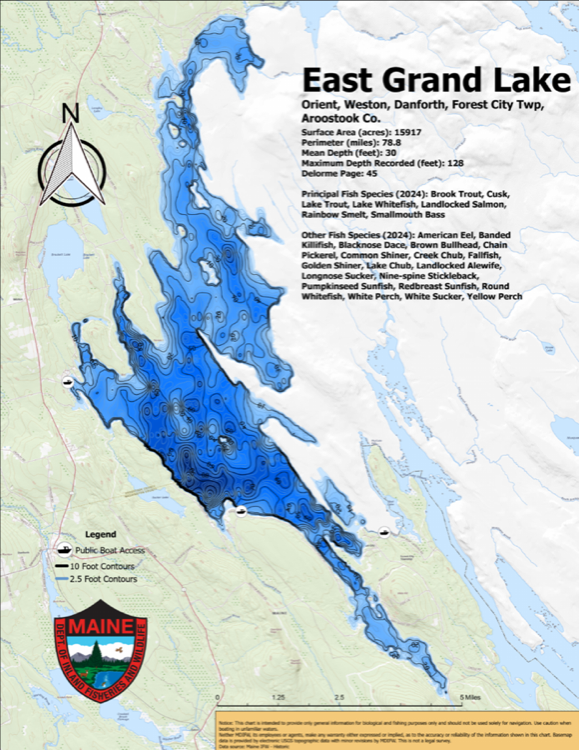
Bathymetric depth chart — click to open the full PDF. Source: Vermont DEC.
Source: Vermont DEC
Water Characteristics
East Grand is a big, moderately deep natural lake whose level is augmented by a dam in the St. Croix system. The numbers tell the structural story: a maximum depth of 128 feet against a mean of only 30 feet means the lake pairs a handful of deep basins with vast expanses of fishable shoal water, rocky points, island edges, and coves. That mix is exactly why it supports coldwater salmonids and a thriving smallmouth population side by side.
The state depth chart shows where the two stories meet: contour breaks where broad shoals shelve off into the deeper basins are the travel lanes for salmon and togue in spring and fall, and the same rocky transitions hold the biggest smallmouth in early summer. In summer a thermocline sets up over the deep basins and the salmon and lake trout hold near it, while the extensive shallows stay in play for bass.
Rainbow smelt drive the coldwater fishery, and smelt movements dictate where the salmon are from ice-out through May. The shoals and cove margins carry the usual northern stillwater menu of chironomids, damselflies, dragonflies, and leeches, and crayfish and baitfish keep the smallmouth fed. With nearly 79 miles of shoreline and long open reaches, wind sets up quickly; plan crossings with the forecast in mind.
Stocking
| Species | Size | Number | Program |
|---|---|---|---|
| Landlocked Atlantic Salmon | 6 in | 4,100 | ME IFW spring stocking at Orient (2,100 on 5/19) and Weston (2,000 on 5/22), 2026 |
| Brook Trout | 9 in | 2,070 | ME IFW spring stocking at Weston (1,070 on 5/15) and Orient (1,000 on 5/22), 2026 |
Seasonal Fishing Guide
Spring
Ice-out through May is prime time. Cast and troll smelt streamers on sinking and intermediate lines at Greenland Cove near Danforth and around the Forest City thoroughfare, where salmon and wild lake trout follow spawning smelt shallow. By mid-May, watch open water for salmon surface-feeding on smelt schools; finding a feed turns the day into genuine sight-casting with a floating line and a sparse smelt pattern.
Summer
Salmon and togue drop to the thermocline over the deep basins, but June is the smallmouth event: bass flood the rocky shoals and points, and a floating line with a Woolly Bugger, Muddler, or damselfly nymph produces all day. Early mornings still give a streamer shot at salmon over the basin edges, and calm evenings bring chironomid and midge activity in the coves.
Fall
Cooling water pulls salmon back toward the surface and toward the thoroughfares. Streamer fishing improves through September, with staging fish aggressive to smelt patterns off points and current areas at both ends of the lake. Verify fall season dates in the border-water regulations before the trip; boundary-water seasons can differ from general law.
Winter
The lake supports a hardwater fishery for salmon, lake trout, and whitefish, but winter rules on this boundary water follow the special St. Croix watershed provisions. Check current ice-fishing seasons and methods in the lawbook's border-water section, and treat ice conditions on a lake this large and wind-exposed with caution.
Access & Boats
Public boat launches serve the lake at Danforth on Greenland Cove, at Orient on the north end, and at Forest City at the south end near the thoroughfare. The three ramps split the lake into manageable sections, and none of them is crowded by southern-Maine standards. Shore and wading opportunities exist near the launches and along cove margins, but on a lake of this size a boat, canoe, or kayak is the practical way to fish; float tubes work well inside the protected coves near the accesses.
Ice Fishing
East Grand sees a winter fishery through the ice for its salmon, togue, and whitefish, but as a border water it falls under special St. Croix watershed rules; winter seasons and methods on boundary waters differ from Maine's general law, so verify current ice-fishing dates and regulations in the lawbook's border-water section before drilling a hole.
Fishing Pressure & Local Tips
Light, and that is the point. East Grand sits in genuinely remote country far from Maine's population centers, and most traveling fly anglers headed for this corner of the state stop at West Grand Lake instead. Even in the prime ice-out and May smelt windows, launch lots stay uncrowded, and a fly angler can work the Greenland Cove or Forest City water for a morning without company. June smallmouth fishing spreads what pressure there is across nearly 79 miles of shoreline.
Local Knowledge
Hit the two ends first. At ice-out, the Greenland Cove area near Danforth and the Forest City thoroughfare at the south end are the classic streamer stretches, where current, smelt, and hungry salmon concentrate. Fish smelt patterns on sinking or intermediate lines along the shelf edges, and keep the retrieve fast; a Grey Ghost stripped with purpose outfishes one crawled along.
In May, watch open water before you commit to a shoreline. East Grand salmon surface-feed on smelt schools, and finding working fish turns the day into sight-casting: idle to within a long cast of the activity, cut the motor, and cover the edges of the school rather than lining the middle. Calm, overcast mornings make the feeds easiest to spot.
When the salmonids slide deep in June, do not leave; re-rig with a floating line, a Woolly Bugger or small baitfish pattern, and work the rocky shoals for smallmouth. The bass fishing here is excellent and almost entirely ignored by fly anglers. Carry a second rod strung for bass all summer so a slow salmon morning can pivot instantly.
Species Present
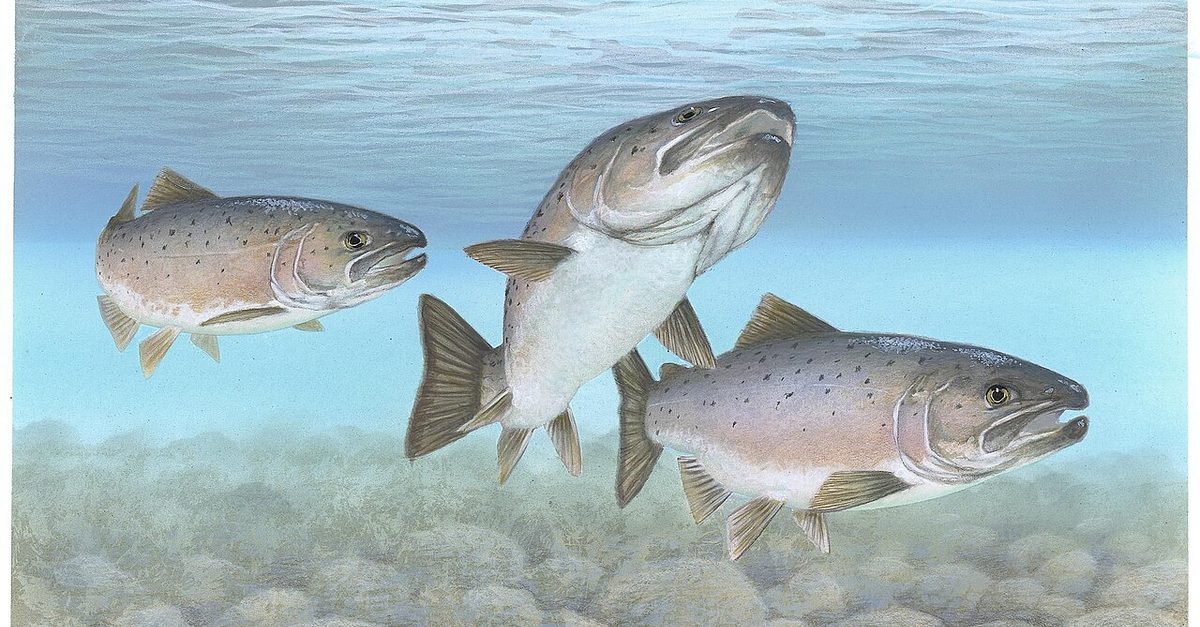
Landlocked Atlantic Salmon
The landlocked Atlantic salmon is one of New England's most prized gamefish, a freshwater-resident form of the Atlantic salmon that spends its entire life in lakes and rivers rather than migrating to the ocean. Found primarily in the lakes and rivers of Maine, New Hampshire, Vermont, and New York, landlocked salmon are genetically identical to their sea-run counterparts but have adapted to a completely freshwater life cycle, using large, cold lakes as their ocean substitute and tributary rivers as spawning habitat. Landlocked salmon are the signature gamefish of Maine's sporting camp tradition, where generations of anglers have gathered at remote wilderness lodges to fish for salmon in the Rangeley Lakes, Moosehead Lake, Sebago Lake, and the rivers that connect them. The fish combine the acrobatic fighting ability of their anadromous relatives with the accessibility of a freshwater species, leaping repeatedly when hooked and running with the kind of power and endurance that makes them one of the most exciting fish available on a fly rod in the northeastern United States. In rivers, landlocked salmon behave much like large resident trout, holding in classic lies and feeding on aquatic insects during hatches. They are particularly responsive to caddis and mayfly emergers, and the sight of a 3-pound landlocked salmon rising to a dry fly in a New England river is one of the defining experiences of northeastern fly fishing. In lakes, salmon are targeted with streamers that imitate smelt, their primary forage fish, trolled or cast from boats during the spring and fall when salmon cruise near the surface in cold-water conditions.

Lake Trout
The lake trout is the largest member of the char family and the signature deep-water gamefish of northern New England's coldest, cleanest glacial lakes. A native coldwater char of the northern tier of North America, the lake trout reaches the southern edge of its natural range in the deep, oligotrophic lakes carved by Pleistocene glaciers across northern New England, including Vermont's Lake Champlain and the remote glacial lakes of the Northeast Kingdom. Unlike the stream-dwelling brook trout to which it is related, the lake trout is a true creature of the depths, spending most of the year in the cold, dark, well-oxygenated water far below the surface. Lake trout are long-lived, slow-growing fish that can survive for decades in the frigid depths of their home lakes. Average fish run 18 to 24 inches, but trophy specimens exceeding 30 inches and 15 pounds are taken each season from the best Vermont waters, and the state record approaches 35 pounds. Their size and strength, combined with the challenge of reaching them in deep water, make lake trout a prized quarry for anglers willing to adapt their tactics to the fish's coldwater lifestyle. For fly anglers, the lake trout presents a unique seasonal opportunity. Through most of the year these fish hold too deep for practical fly fishing, but during the narrow windows of ice-out in spring and the fall turnover, lake trout move into the shallows to feed and spawn, bringing them within reach of a well-presented streamer. Casting large baitfish patterns near rocky shorelines and drop-offs during these periods can produce the fish of a lifetime, connecting the angler to the deep glacial history of Vermont's finest coldwater lakes.
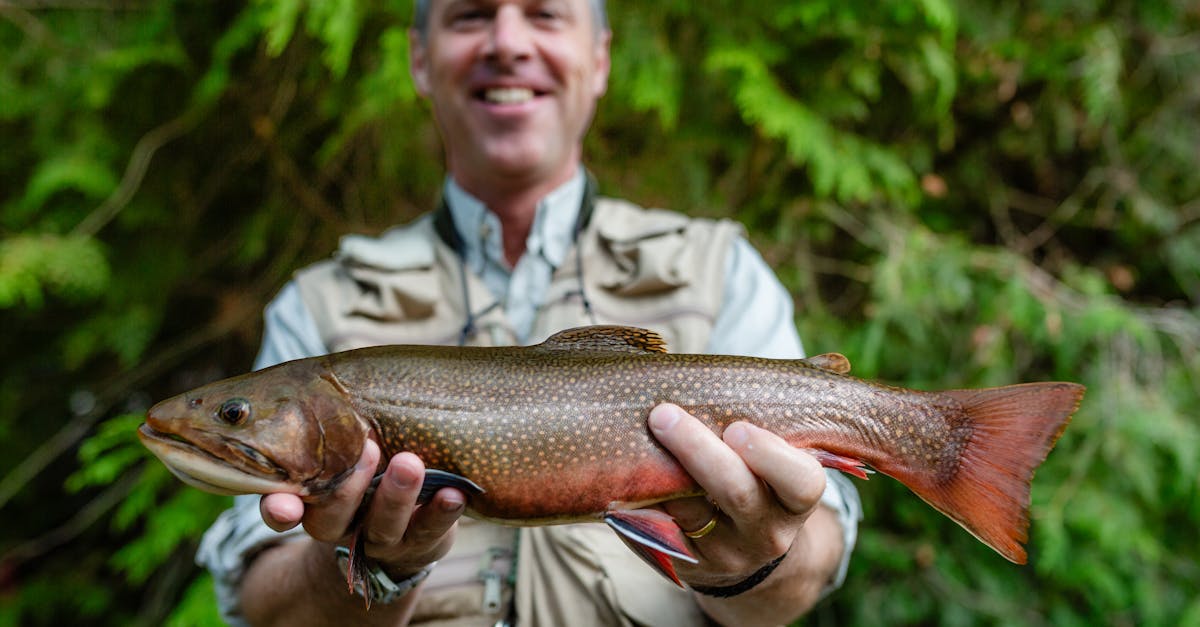
Brook Trout
The brook trout is widely considered the most beautiful freshwater fish in North America, and catching one in a pristine Montana mountain stream is an experience that captures the essence of backcountry fly fishing. Despite their common name, brook trout are not true trout at all; they are a species of char (genus Salvelinus), more closely related to lake trout and Arctic char than to rainbows or browns. Native to eastern North America from Georgia to Hudson Bay, brook trout were among the first salmonids introduced to Montana's waters in the late 1800s and have since established self-sustaining populations in cold, high-elevation streams and lakes throughout the state. In Montana, brook trout thrive best in small, cold headwater streams and high mountain lakes where competition from larger trout species is minimal. In these environments, they are often the dominant, or only, salmonid present. The trade-off is size: Montana stream-dwelling brook trout typically range from 6 to 10 inches, with fish over 12 inches considered noteworthy in most waters. What they lack in size, however, they more than make up for in beauty and willingness to eat a fly. Brookies are aggressive feeders that will strike attractor dry flies, nymphs, and small streamers with enthusiasm, making them an ideal species for beginning fly anglers and a delightful quarry for anyone who appreciates small-stream fishing. Brook trout do present a conservation paradox in Montana. While they are a beloved and beautiful gamefish, they are non-native and can negatively impact native species, particularly Yellowstone and westslope cutthroat trout. In headwater streams, brook trout often outcompete cutthroats for food and spawning habitat due to their higher reproductive rate and earlier maturation. As a result, Montana FWP has implemented brook trout removal projects on some streams to restore native cutthroat populations. In many waters, liberal harvest limits for brook trout are encouraged to reduce their numbers and benefit native fish. Anglers can enjoy excellent brook trout fishing while actively helping conservation by keeping a few for the pan.
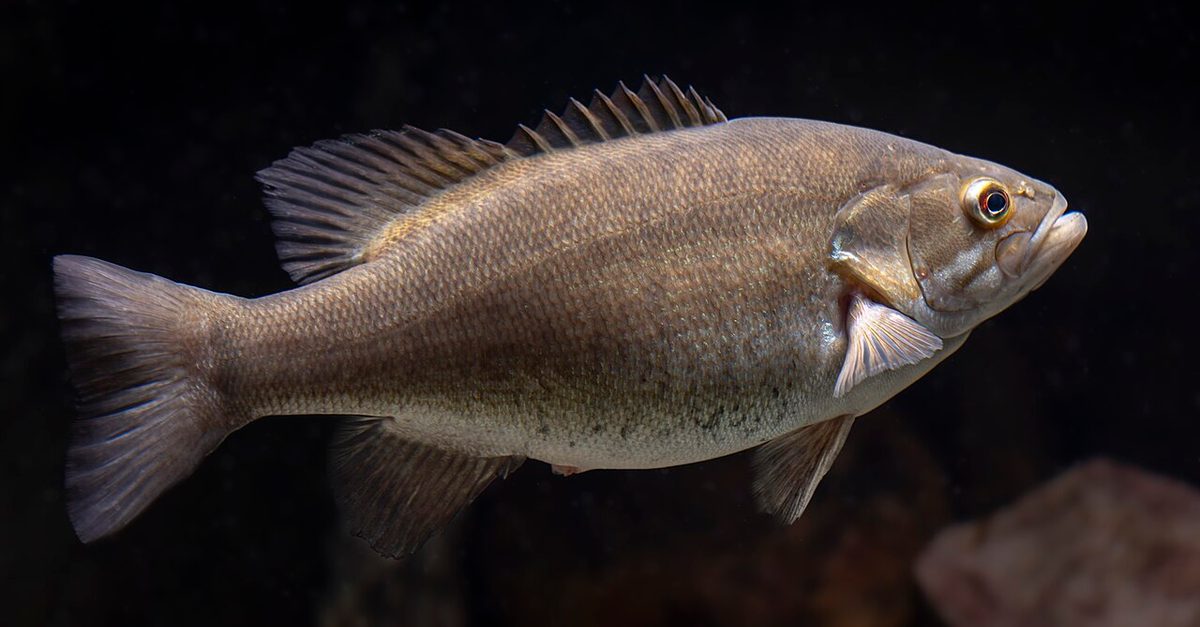
Smallmouth Bass
The smallmouth bass is one of the most popular and widely distributed gamefish in North America and one of the finest freshwater species available to fly anglers. Found in clear, cool rivers and lakes from the Great Lakes to the Southern Appalachians, smallmouth bass combine aggressive feeding behavior, remarkable fighting ability, and a preference for the kinds of rocky, current-rich habitats that are ideally suited to fly fishing. Pound for pound, the smallmouth bass is widely considered the hardest-fighting freshwater fish in North America, earning it the nickname 'the bronze bomber' for its explosive takes and powerful, acrobatic battles on the end of a line. While smallmouth bass are not a traditional trout-stream species, they have become increasingly important to fly anglers as warm-water fly fishing has grown in popularity. Rivers like the French Broad in North Carolina, the Susquehanna and Delaware in Pennsylvania, and the St. Lawrence in New York support world-class smallmouth fisheries that attract dedicated fly anglers. In many regions, smallmouth bass inhabit the lower reaches of the same river systems that hold trout in their upper reaches, providing fly anglers with a warm-water counterpart to their cold-water fishing. Smallmouth bass are particularly appealing to fly anglers because they readily take surface flies. On warm summer evenings, smallmouth will crush poppers, sliders, and large dry flies with explosive strikes that rival any trout rise. Their willingness to feed on the surface, combined with their strength and acrobatic leaping ability, makes smallmouth bass on a fly rod one of the most thrilling freshwater fly fishing experiences available.
Food Sources & Hatches
| Insect | Suggested Fly | Jan | Feb | Mar | Apr | May | Jun | Jul | Aug | Sep | Oct | Nov | Dec |
|---|---|---|---|---|---|---|---|---|---|---|---|---|---|
Rainbow Smelt (baitfish) Morning and evening | Grey Ghost | ||||||||||||
Chironomids (midges) Morning; calm evenings | Chironomid (Bomber) | ||||||||||||
Damselflies Late morning to afternoon | Damselfly Nymph | ||||||||||||
Dragonflies All day | Dragonfly Nymph | ||||||||||||
Leeches Low light | Woolly Bugger | ||||||||||||
Crayfish and juvenile baitfish All day | Muddler Minnow |
Rainbow Smelt (baitfish): The engine of the coldwater fishery. Smelt run shallow at ice-out, pulling salmon and lake trout to cove mouths and the Forest City thoroughfare; in May, salmon chase smelt schools on the surface in open water, offering sight-casting to busting fish.
Chironomids (midges): Steady emergences over the cove flats and shoal edges spring through summer. Suspend pupa patterns under an indicator over 10-25 feet on anchor, or fish midge clusters on flat calm evenings.
Damselflies: Nymphs migrate toward shoreline cover in early summer along weedy cove margins. Slow hand-twist retrieves near the shallows take both bass and the occasional cruising trout.
Dragonflies: Big nymphs crawling the rocky shoals are a staple for smallmouth. Fish them on a floating line with a long leader, crept along bottom transitions off points and island edges.
Leeches: Available season-long across the lake's extensive shoal water. Buggers and leech patterns on sinking lines cover salmonids along basin edges and double as top smallmouth searching flies.
Crayfish and juvenile baitfish: The smallmouth forage base on the rocky shoals. Muddlers and small sculpin-style patterns twitched over rubble and drop-offs draw aggressive takes through the summer bass season.
Recommended Flies
Grey Ghost
Top PickThe definitive East Grand fly. Strip or troll it on intermediate and sinking lines at Greenland Cove and the Forest City thoroughfare at ice-out, and cast it to surface-feeding salmon during the May smelt schools.
Best in Spring and fall
Woolly Bugger
Top PickSeason-long utility across a lake with this much shoal water: olive and black cover leeches and baitfish for salmon on sinking lines, and the same fly is a first-choice smallmouth searcher in June.
Best in All season
Muddler Minnow
Top PickPrime smallmouth medicine over the rocky shoals and points, twitched on a floating line; fished deep and fast it also imitates smelt well enough to move salmon along the basin edges.
Best in Summer
Chironomid (Bomber)
Top PickAnchor over 10-25 feet in the coves during morning midge emergences and hang it under an indicator a few feet off bottom for brook trout and cruising salmon.
Best in Late spring through summer
Access Points & Boat Launches
Greenland Cove Boat Launch (Danforth)
Boat LaunchEasyPublic launch on Greenland Cove on the western shore near Danforth, the handiest access to one of the lake's classic ice-out streamer areas. Salmon and lake trout push into the cove after smelt in spring, and the ramp is rarely busy.
Orient Boat Launch
Boat LaunchEasyLaunch at the north end of the lake near Orient, close to the spring stocking sites for salmon and brook trout. Good jumping-off point for the northern coves and shoal edges, and a shorter run to open-water smelt feeds on the upper lake.
Forest City Landing
Boat LaunchEasySouth-end access at the village of Forest City near the thoroughfare, a focal point for spring and fall salmon holding around current. The surrounding shoreline offers some shore and wade casting when fish are in the thoroughfare area.
Regulations
Regulations
East Grand is a boundary water, and special St. Croix watershed regulations apply rather than Maine general law alone. On most of the lake either a Maine or a New Brunswick fishing license is valid, one of the few places in the state where that is true. Season dates, bag and length limits for salmon, lake trout, and bass follow the border-water provisions in the Maine fishing lawbook; read the border-water section carefully and verify current regulations at maine.gov/ifw before fishing.
Always verify current regulations with Montana Fish, Wildlife & Parks before fishing.
Quick Facts
- Surface Area
- 15,917 acres
- Max Depth
- 128 ft
- Elevation
- 436 ft
- Lake Type
- Natural Lake
- Region
- Downeast / Washington-Aroostook border, St. Croix headwaters
- Best Seasons
- spring, summer, fall
- Species
- Landlocked Atlantic Salmon, Lake Trout, Brook Trout, Smallmouth Bass
- Difficulty
- Beginner-Intermediate
- Depth Chart
- Download PDF