May Pond
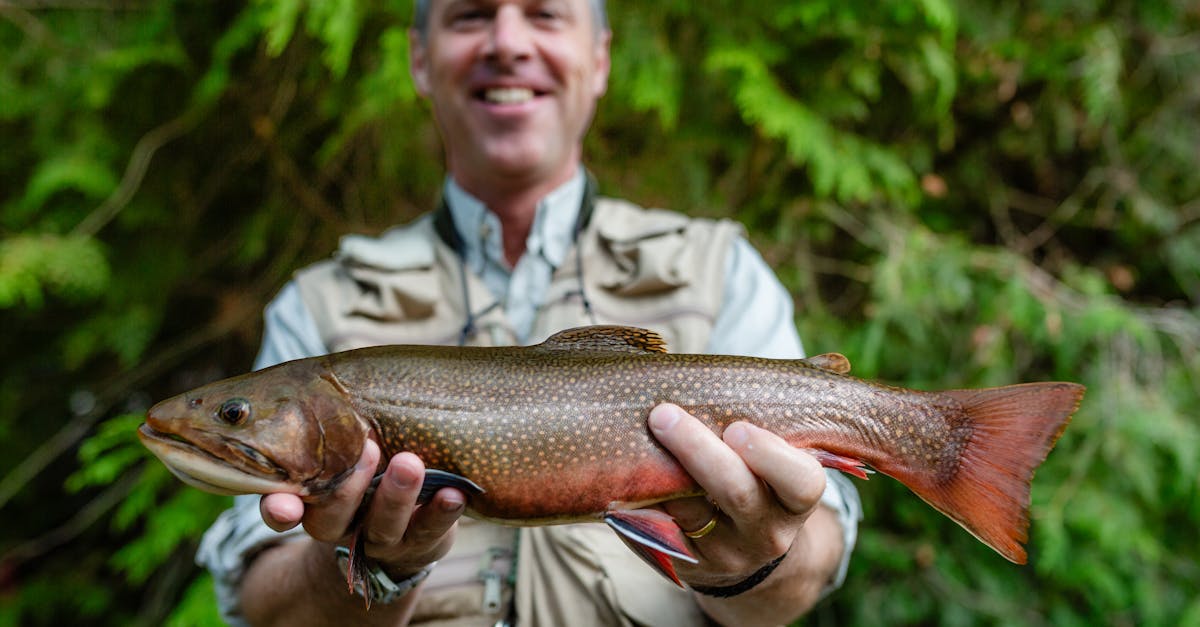
May Pond is a quiet 82-acre brook trout pond near Barton managed under the trophy trout program, with gas motors prohibited and a wild, wetland-ringed shoreline alive with loons and otters.
Overview
May Pond hides in the hills east of Barton, an 82-acre pond whose varied, boggy shoreline makes it feel far larger than it is. The Nature Conservancy protects adjoining land, and the pond is a reliable place to share the water with nesting loons, osprey, otters, and beavers. Vermont Fish and Wildlife stocks 300 two-year-old brook trout under the trophy program for 2026, and the gas-motor prohibition keeps the pond calm and paddle-friendly.
Despite its wetland fringe, the northwest basin drops to about 31 feet, giving trout a cool refuge through summer. The fly fishing is quintessential brookie-pond work: midge clusters and Griffith's Gnats on glassy mornings, Hexagenia activity on June and July evenings, and small black Woolly Buggers twitched along the drop-off the rest of the time. The 1.8-mile shoreline paddle makes it easy to cover the whole pond in an outing.
Depth & Character
- Surface Area
- 82acres
- Max Depth
- 31ft
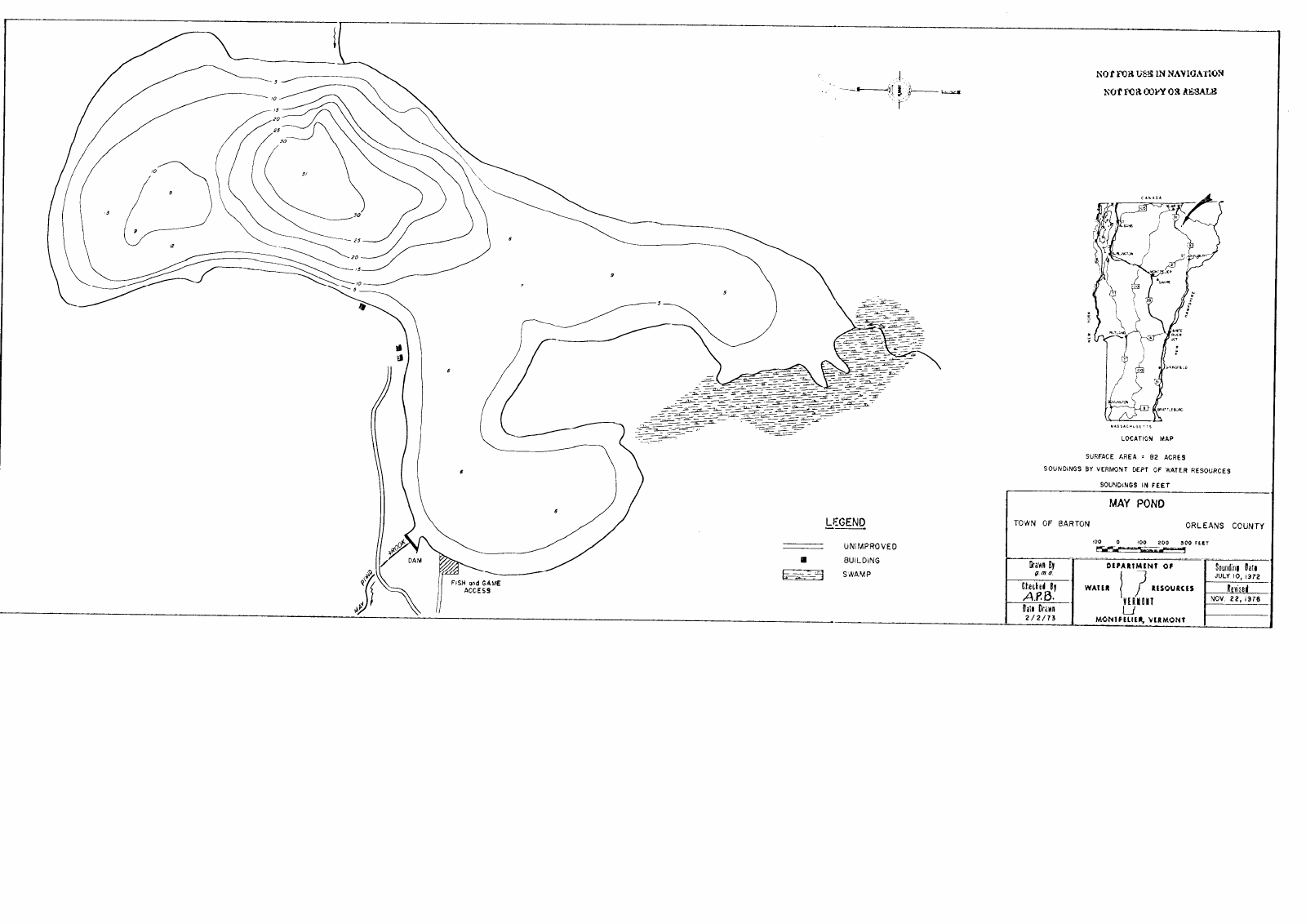
Bathymetric depth chart — click to open the full PDF. Source: Vermont DEC.
Source: Vermont DEC
Water Characteristics
Tea-stained water typical of a bog-fringed pond, with extensive shallow flats and a single 31-foot hole in the northwest basin. Swampy coves on the east end hold cruising brook trout in spring.
Stocking
| Species | Size | Number | Program |
|---|---|---|---|
| Brook Trout | 2-year-old | 300 | Trophy Trout Program (2026) |
Access & Boats
A state fishing access with a small gravel/carry-in launch sits near the dam at the southwest corner via May Pond Road. Best suited to canoes, kayaks, and float tubes given the motor restriction.
Motor Restrictions
Gasoline motors prohibited; electric motors and paddle craft only.
Fishing Pressure & Local Tips
Light. The motor ban and out-of-the-way location keep May Pond peaceful even on summer weekends.
Local Knowledge
Stay on the water through dusk in late June — the Hexagenia emergence over the soft-bottomed flats brings every trophy brookie in the pond to the surface.
Species Present
Food Sources & Hatches
| Insect | Suggested Fly | Jan | Feb | Mar | Apr | May | Jun | Jul | Aug | Sep | Oct | Nov | Dec |
|---|---|---|---|---|---|---|---|---|---|---|---|---|---|
Hexagenia Mayflies evening | Hexagenia Nymph | ||||||||||||
Chironomids (midges) morning | Griffith's Gnat | ||||||||||||
Leeches all day | Black Woolly Bugger |
Hexagenia Mayflies: Dusk emergence over the soft-bottomed flats brings every trophy brookie to the top.
Chironomids (midges): Glassy-morning midge clusters; a Griffith's Gnat is all you need.
Leeches: Small black buggers along the drop-off between rises.
Recommended Flies
Hexagenia Nymph
Top PickHexagenia Nymph at dusk in late June and July; the event of the season.
Best in summer
Black Woolly Bugger
Top PickSmall black buggers along the drop-off for trophy brookies.
Best in spring
Also Effective
Access Points & Boat Launches
May Pond Fishing Access
Boat LaunchModerateSmall state access near the dam at the southwest corner of the pond via May Pond Road, suited to carry-in canoes, kayaks, and float tubes. Gasoline motors are prohibited on the pond, keeping the water calm.
Regulations
Regulations
Designated trophy trout water: 2-fish daily limit on trout with no length minimum. General season runs from the second Saturday in April through October 31. Gasoline motors are prohibited. Vermont fishing license required. Verify current rules at vtfishandwildlife.com.
Always verify current regulations with Vermont Fish & Wildlife Department before fishing.
Quick Facts
- Surface Area
- 82 acres
- Max Depth
- 31 ft
- Lake Type
- Remote Pond
- Region
- Northeast Kingdom / Orleans County
- Best Seasons
- spring, summer, fall
- Species
- Brook Trout
- Depth Chart
- Download PDF
Nearby Lakes & Ponds
Lake Willoughby
Northeast Kingdom / Orleans County
Seymour Lake
Northeast Kingdom / Orleans County
Caspian Lake
Northeast Kingdom / Orleans County
Lake Memphremagog
Northeast Kingdom / Orleans County
Maidstone Lake
Northeast Kingdom / Essex County
Noyes Pond (Seyon Pond)
Central Vermont / Groton State Forest, Caledonia County