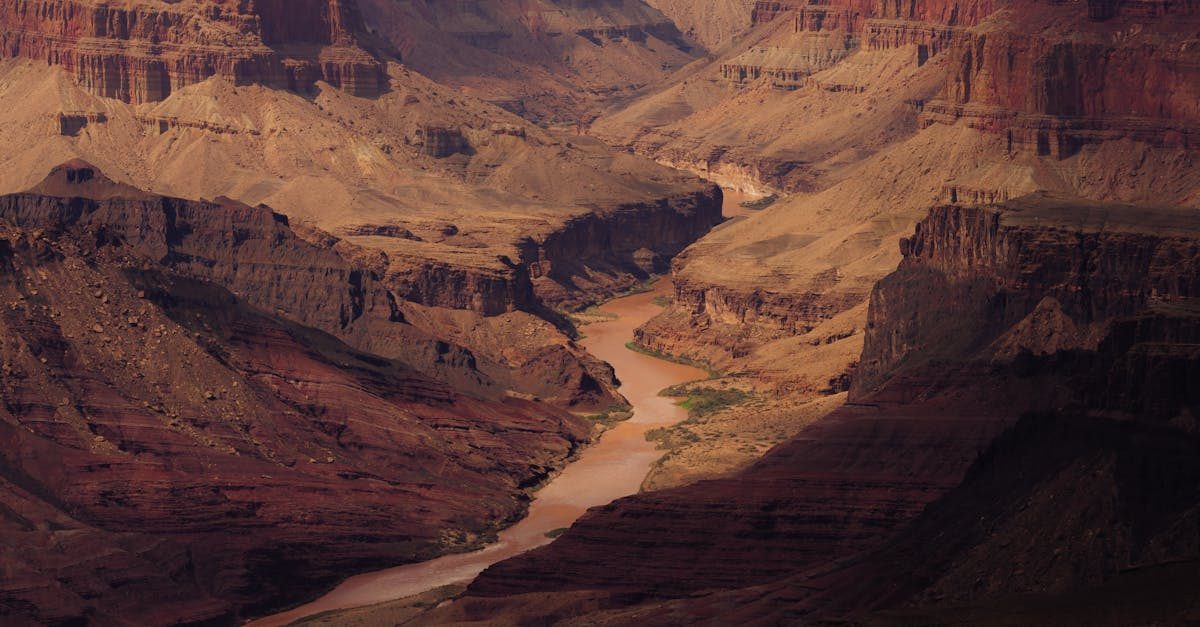
Jarbidge River
The Jarbidge River flows through one of Nevada's most remote wilderness areas, offering backcountry fly fishing for wild rainbow, brook, and bull trout in pristine mountain streams surrounded by dramatic canyon scenery. This is Nevada's only native bull trout fishery and one of the state's most spectacular wilderness angling destinations.
Overview
The Jarbidge River and its tributaries flow through the Jarbidge Wilderness in the remote Jarbidge Mountains of northern Nevada near the Idaho border. This rugged, roadless wilderness area encompasses approximately 113,000 acres of steep canyons, alpine meadows, and forested ridges at elevations ranging from 5,000 to over 10,000 feet. The river system holds one of Nevada's most unique trout fisheries.
The Jarbidge is famous for harboring the only native bull trout population in Nevada, a remnant from the Pleistocene era when bull trout ranged more widely across the Great Basin. These threatened fish share the river with wild rainbow trout and brook trout. The river is small and remote, flowing through steep canyons with limited access requiring strenuous hiking or horseback entry.
Fishing the Jarbidge is an expedition, not a day trip. The town of Jarbidge (population roughly 20 in summer, fewer in winter) serves as the gateway, accessed by a long gravel road from Elko. From Jarbidge, trails lead into the wilderness and along the river canyon. The fishing itself is productive for anglers willing to make the journey: wild trout in small pools and pocket water, classic high-mountain dry fly and nymph fishing, and the chance at a rare Nevada bull trout.
Special regulations protect the bull trout population. All bull trout must be released immediately, and anglers should learn to identify this species to ensure compliance. The remote location and difficult access keep fishing pressure minimal, preserving the wilderness character.
Water Characteristics
The Jarbidge River is a pristine high-mountain freestone stream with excellent water quality. Water clarity is high, typically 3-6 feet of visibility except during brief periods following storms. Water temperatures remain cold year-round, typically in the 45-55 degree F range even in late summer, ideal for bull trout and cold-water-adapted rainbows and brookies.
The substrate is predominantly boulders, cobble, and bedrock, with limited gravel spawning habitat. The insect community is typical of high-elevation streams: caddis, stoneflies, mayflies (primarily PMDs and small BWOs), and midges. Terrestrial insects are abundant in summer months.
The canyon environment is dramatic, with steep rock walls, forested slopes, and limited riparian vegetation along the stream. The wilderness setting is pristine, with no development or human impact visible.
Wading & Float Guide
The Jarbidge River is a small mountain stream easily waded in most sections. The river ranges from 10-20 feet wide with a boulder-and-cobble bottom. Water depths are typically ankle to knee-deep in the riffles and pocket water, with occasional waist-deep plunge pools below waterfalls and cascades.
The canyon is steep and rugged, with limited flat walking areas. Much of the "wading" involves boulder-hopping and scrambling along the stream margins rather than wading in the water itself. Sturdy wading boots with good ankle support and aggressive tread are essential for the rocky terrain.
Flows are highest during late spring and early summer snowmelt (May through early July), when the river can be too high to fish effectively. By mid-July, flows moderate and the river becomes very wadeable. Late summer and early fall offer the lowest flows and easiest access. Hip waders are sufficient for the small water.
Not a float fishery
The Jarbidge River is a small mountain stream, not floatable. Access is by hiking on wilderness trails along the canyon. This is backpacking/wilderness fishing, not a float trip destination.
Rod & Tackle Guide
Jarbidge River and tributaries
- Rod
- 8' or 8'6" 4-weight
- Line
- Weight-forward floating
- Leader & Tippet
- 7.5-9' tapered to 4X or 5X
Shorter rod works better in the brushy canyon environment. The 4-weight handles small dry flies and nymphs perfectly for this small water. Keep your kit minimal for backpacking; one rod, one box of flies.
Best Time to Fish the Jarbidge River
Summer
July and August are prime time in the Jarbidge Wilderness. By mid-July, snowmelt has subsided and trails are passable. The river is small enough to fish with dry flies and short nymph rigs. Attractor patterns (Royal Wulffs, Stimulators, Elk Hair Caddis in sizes 12-16) work well in the pocket water. Fish every likely lie methodically; the river is a series of small pockets and plunge pools. Bull trout are most often caught in the deeper, colder pools. Afternoon thunderstorms are common; bring rain gear.
Fall
September offers excellent conditions with cooler temperatures, stable flows, and fall colors in the aspens. Brook trout become more aggressive as spawning season approaches. The wilderness is nearly empty of other visitors after Labor Day. Be prepared for cold nights and potential early snow at higher elevations. The road to Jarbidge may close due to snow by late September or early October.
Fishing Pressure & Local Tips
The Jarbidge River receives very light fishing pressure due to its extreme remoteness. Only dedicated wilderness anglers willing to drive hours on gravel roads and hike strenuous trails reach this river. On a typical summer day, you may encounter one or two other anglers, if any. The wilderness experience is a primary attraction alongside the fishing.
Local Knowledge
Prepare for a backcountry adventure, not a casual fishing trip. The road to Jarbidge is long, rough gravel (high-clearance vehicle recommended). Stock up on supplies in Elko; Jarbidge has very limited services. Bring a wilderness map, compass or GPS, bear spray (black bears present), and full backpacking gear for overnight trips.
For fishing, keep your tackle simple: dry flies, nymphs, and small streamers in sizes 10-16 cover all situations. Learn to identify bull trout (pale spots on dark body, white leading edges on fins) versus brook trout (worm-like markings) and release bull trout carefully. The Forest Service ranger station in Jarbidge (summer only) provides current trail conditions and regulations.
Species Present
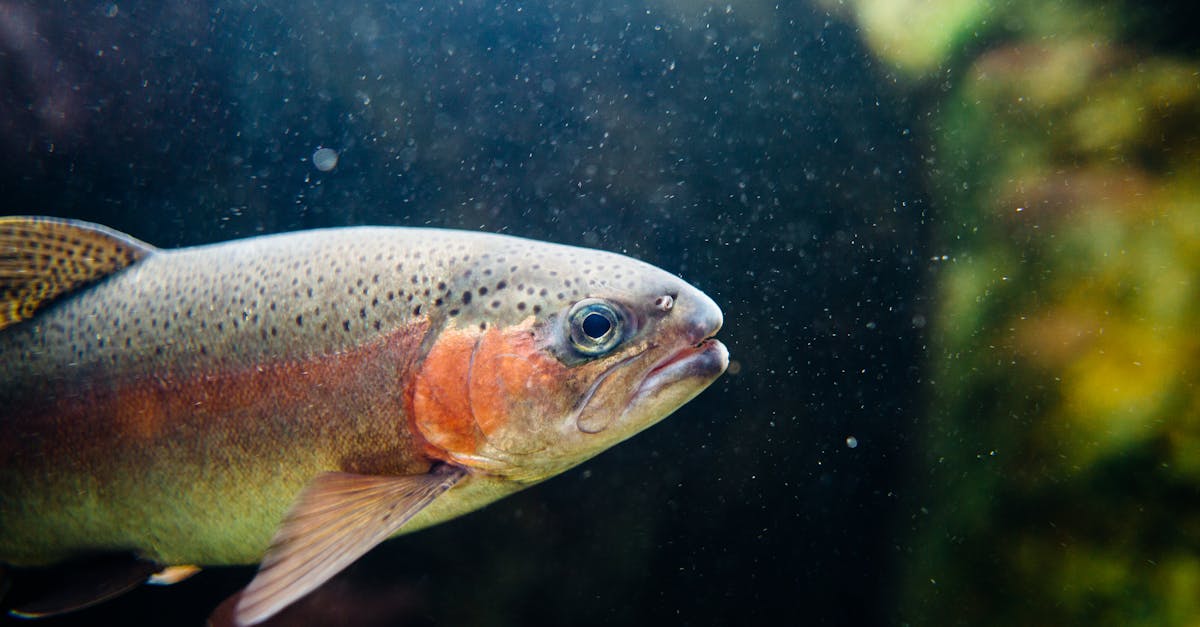
Rainbow Trout
The rainbow trout is Montana's most widespread and popular gamefish, celebrated for its explosive surface strikes, aerial acrobatics, and willingness to take a well-presented dry fly. Native to Pacific Coast drainages from Alaska to Mexico, rainbows were first introduced to Montana's waters in the late 1800s and have since established thriving populations in nearly every major river system in the state. On legendary waters like the Madison, Missouri, and Bighorn, wild rainbow trout grow fat on prolific insect hatches and provide some of the finest dry-fly fishing in North America. Rainbow trout in Montana display remarkable variation depending on their home water. Fish in nutrient-rich tailwaters like the Missouri River below Holter Dam can exceed 20 inches with regularity, their deep bodies and broad tails reflecting the abundant food supply. Freestone river rainbows, such as those in the upper Madison and Gallatin, tend to be leaner and more athletic, shaped by faster currents and colder water temperatures. In many Montana rivers, rainbows spawn in the spring from March through June, and anglers should be mindful of spawning redds during this period to protect future generations of fish. Rainbows are arguably the most versatile trout species for fly anglers. They respond well to dry flies during hatches, aggressively chase streamers, and feed heavily on nymphs subsurface throughout the year. Their fighting ability is legendary: a hooked rainbow will often launch itself completely out of the water multiple times during a battle. Montana's catch-and-release regulations on many blue-ribbon streams have produced exceptional rainbow trout fisheries with high densities of large, healthy fish that continue to draw anglers from around the world.
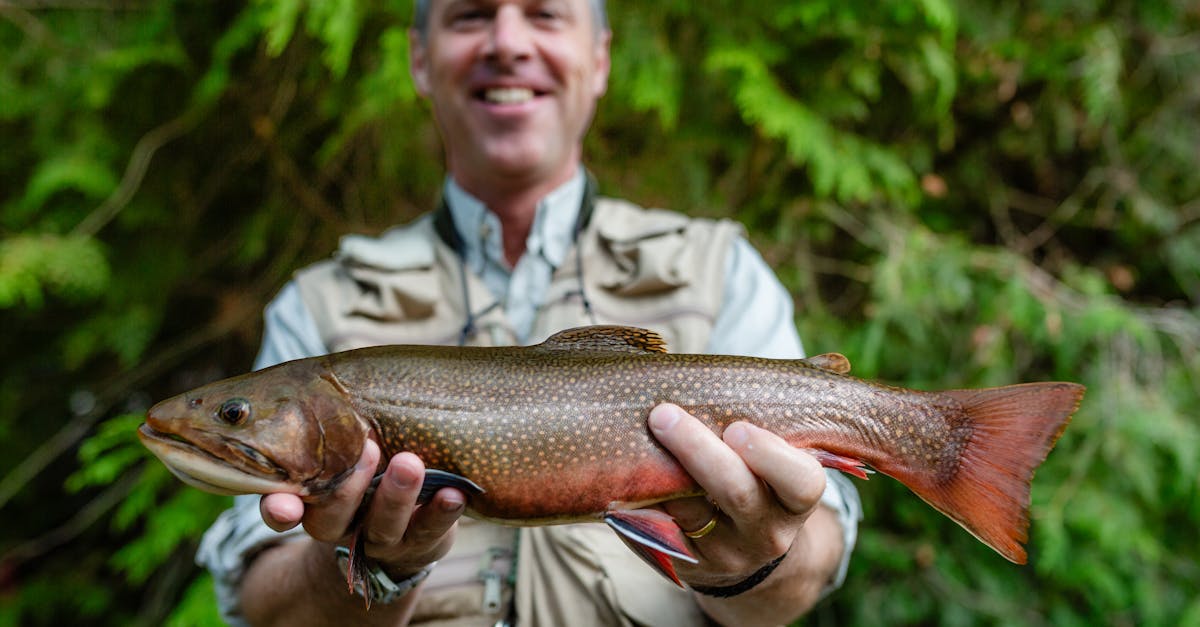
Brook Trout
The brook trout is widely considered the most beautiful freshwater fish in North America, and catching one in a pristine Montana mountain stream is an experience that captures the essence of backcountry fly fishing. Despite their common name, brook trout are not true trout at all; they are a species of char (genus Salvelinus), more closely related to lake trout and Arctic char than to rainbows or browns. Native to eastern North America from Georgia to Hudson Bay, brook trout were among the first salmonids introduced to Montana's waters in the late 1800s and have since established self-sustaining populations in cold, high-elevation streams and lakes throughout the state. In Montana, brook trout thrive best in small, cold headwater streams and high mountain lakes where competition from larger trout species is minimal. In these environments, they are often the dominant, or only, salmonid present. The trade-off is size: Montana stream-dwelling brook trout typically range from 6 to 10 inches, with fish over 12 inches considered noteworthy in most waters. What they lack in size, however, they more than make up for in beauty and willingness to eat a fly. Brookies are aggressive feeders that will strike attractor dry flies, nymphs, and small streamers with enthusiasm, making them an ideal species for beginning fly anglers and a delightful quarry for anyone who appreciates small-stream fishing. Brook trout do present a conservation paradox in Montana. While they are a beloved and beautiful gamefish, they are non-native and can negatively impact native species, particularly Yellowstone and westslope cutthroat trout. In headwater streams, brook trout often outcompete cutthroats for food and spawning habitat due to their higher reproductive rate and earlier maturation. As a result, Montana FWP has implemented brook trout removal projects on some streams to restore native cutthroat populations. In many waters, liberal harvest limits for brook trout are encouraged to reduce their numbers and benefit native fish. Anglers can enjoy excellent brook trout fishing while actively helping conservation by keeping a few for the pan.
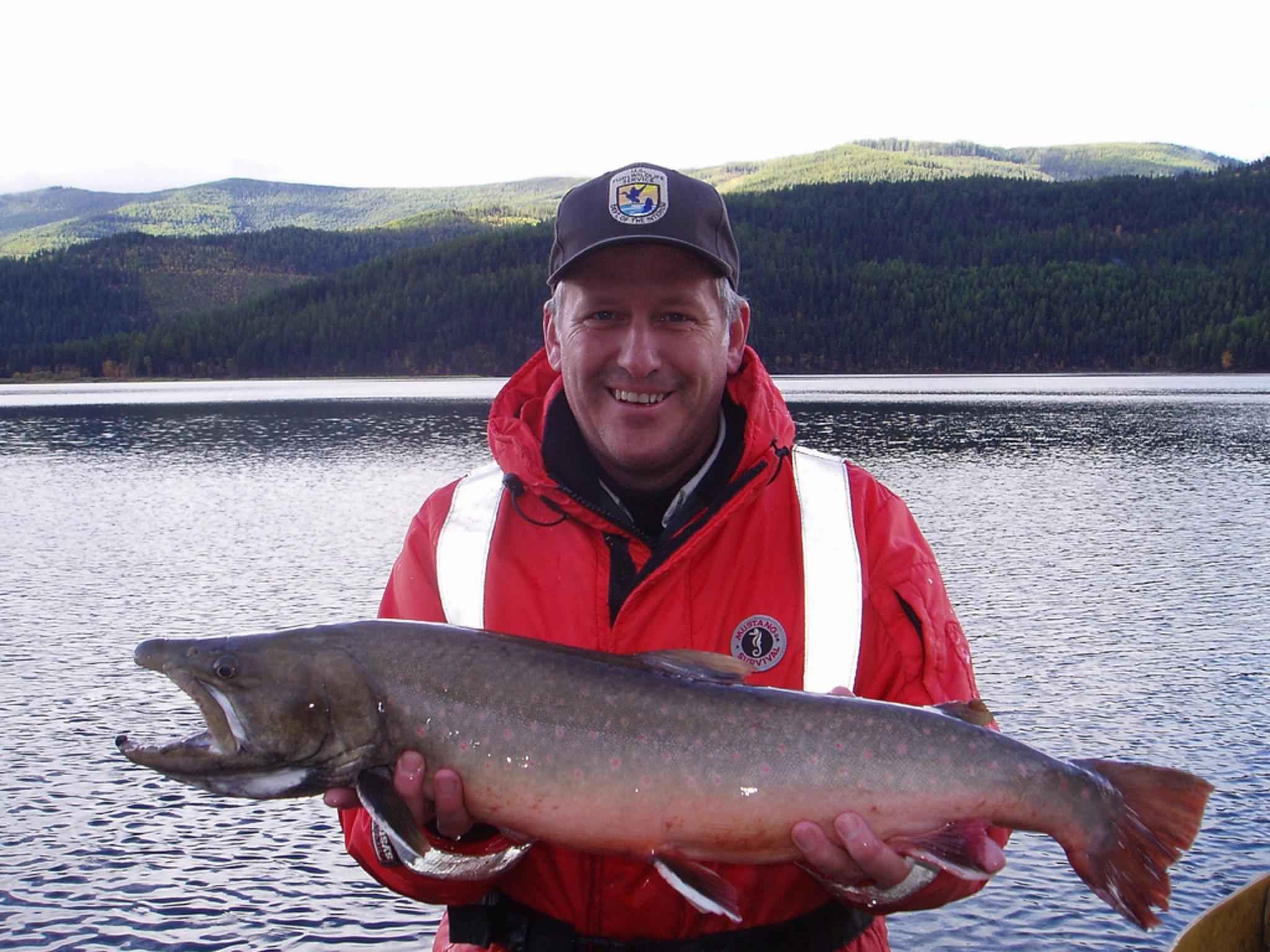
Bull Trout
The bull trout is the largest native char in the inland waters of the Pacific Northwest, a powerful and elusive predator that inhabits the coldest, cleanest rivers and lakes in Idaho, Montana, Oregon, and Washington. Despite its common name, the bull trout is not a true trout at all; it belongs to the char genus Salvelinus, making it a close relative of brook trout, lake trout, and Arctic char. Bull trout are distinguished by their massive heads, broad jaws, and overall bulk, which earned them the 'bull' moniker from early settlers who encountered these imposing fish in the frigid headwaters of the Columbia, Snake, and Klamath river basins. For fly anglers in the Pacific Northwest, the bull trout occupies a unique and somewhat complicated position. These fish are federally listed as Threatened under the Endangered Species Act throughout their range in the contiguous United States, meaning that catch-and-release only regulations apply universally: no bull trout may be harvested anywhere in Idaho, Montana, Oregon, or Washington. Despite this protected status, bull trout can be legally targeted in many waters, and they are a thrilling quarry on the fly rod. Migratory bull trout that move between lakes and tributary streams can exceed 30 inches and 10 pounds, with the power and aggression of a fish that feeds primarily on other fish. Hooking a large bull trout on a streamer in a clear mountain river is one of the most electrifying experiences in western fly fishing. Bull trout are also critically important as an indicator species for watershed health. They require the coldest water temperatures of any salmonid in North America (sustained temperatures above 59 degrees Fahrenheit can be lethal), and they depend on connected networks of streams, rivers, and lakes to complete their complex life cycle. Where bull trout thrive, you can be confident the watershed is intact, the water is clean, and the habitat is functioning at a high level. Their decline across much of the Pacific Northwest has been driven by dam construction, logging-related sedimentation, water temperature increases from climate change, and competition with non-native brook trout, with which they readily hybridize. Understanding bull trout identification is essential for every western angler, as many are caught incidentally while targeting other species, and proper handling and release are legally mandated.
Jarbidge River Hatch Chart
| Insect | Suggested Fly | Jan | Feb | Mar | Apr | May | Jun | Jul | Aug | Sep | Oct | Nov | Dec |
|---|---|---|---|---|---|---|---|---|---|---|---|---|---|
Caddisflies (various) evening | Elk Hair Caddis | ||||||||||||
Golden Stonefly all day | Stimulator | ||||||||||||
Blue-Winged Olive (Baetis) afternoon | Parachute Adams | ||||||||||||
Terrestrials (hoppers, ants) afternoon | Chubby Chernobyl |
Caddisflies (various): Primary hatch in Jarbidge. Size 14-16.
Golden Stonefly: Golden stones in pocket water. Size 8-12.
Blue-Winged Olive (Baetis): High-elevation BWOs. Size 16-18.
Terrestrials (hoppers, ants): Attractor patterns work well. Size 12-14.
Recommended Flies
Elk Hair Caddis
Top PickElk Hair Caddis for pocket water
Best in summer
Stimulator
Top PickStimulator attractor for fast water
Best in summer
Parachute Adams
Top PickParachute Adams all-purpose dry
Best in summer
Pheasant Tail Nymph
Top PickPheasant Tail nymph subsurface
Best in summer
Also Effective
Access Points & Boat Launches
Jarbidge Wilderness Trailheads
Wade AccessDifficultMultiple wilderness trails from the town of Jarbidge access the Jarbidge River and tributaries. The Jarbidge Canyon Trail follows the river downstream. Requires backpacking for best fishing. Strenuous hiking in rugged terrain. Permit may be required for overnight camping. This is the only access to Nevada's bull trout population.
Regulations
Regulations
Jarbidge Wilderness and Humboldt-Toiyabe National Forest regulations apply. Bull Trout: catch-and-release only, all bull trout must be immediately released unharmed (federally listed threatened species). Rainbow and Brook Trout: standard Nevada regulations apply unless otherwise posted. Nevada fishing license required. Wilderness permits may be required for overnight camping. Verify current regulations at ndow.org and with Forest Service. Season: Practical fishing June through September due to snow at high elevation.
Always verify current regulations with Montana Fish, Wildlife & Parks before fishing.
Some links may earn a commission. Learn more
Quick Facts
- Region
- Northern Nevada / Elko County / Jarbidge Wilderness
- Water Type
- Freestone
- River Length
- ~20 miles of fishable water in wilderness sections
- Difficulty
- Intermediate-Advanced
- Best Seasons
- summer, fall
- Trout Per Mile
- Variable; small stream fishery with lower densities but high wilderness quality
- Record Trout
- Bull trout to 16 inches; rainbows and brookies typically 6-12 inches
- Species
- Rainbow Trout, Brook Trout, Bull Trout
Nearby Rivers
Truckee River
Western Nevada / Washoe County
Pyramid Lake
Western Nevada / Pyramid Lake Paiute Reservation
East Walker River
Western Nevada / Lyon County
East Fork Carson River
Western Nevada / Douglas County
Ruby Mountains / Lamoille Creek
Northern Nevada / Elko County / Ruby Mountains
Bruneau River
Northern Nevada / Elko County
South Fork Reservoir
Northern Nevada / Elko County
Great Basin NP Streams
Eastern Nevada / White Pine County / Great Basin National Park
Wild Horse Reservoir
Northern Nevada / Elko County