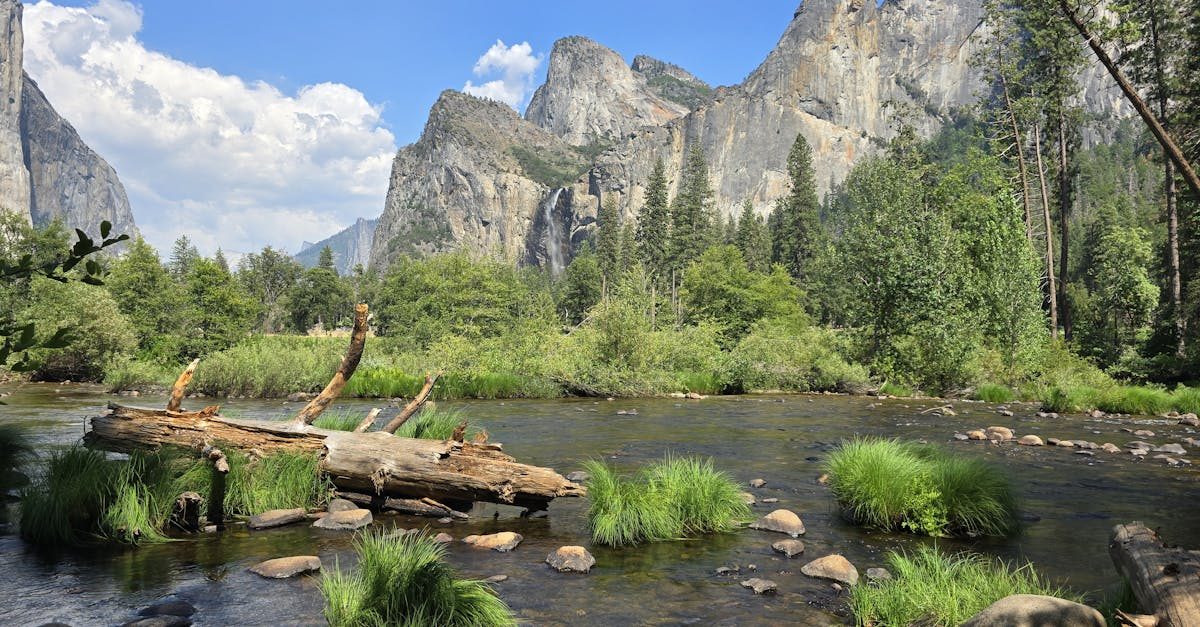
East Walker River
The East Walker River below Bridgeport Reservoir is a premier Nevada tailwater offering technical dry fly fishing for wild brown and rainbow trout in a scenic high-desert canyon. This is one of the most productive and challenging fly fishing rivers in the Great Basin, with dense hatches, selective trout, and crystal-clear water demanding precise presentations.
East Walker River Fishing Report & Current Conditions
The East Walker River is a tailwater fishery, and it fishes best in spring, summer and fall. Live USGS streamflow readings update throughout the day, while the monthly median flows below map the river's typical discharge across the year. Together they show current fishability and how today's water compares to the seasonal norm.
Current Conditions
Typical Monthly Flows
Historical median discharge (CFS) by month: East Walker River
Overview
The East Walker River originates in the Sierra Nevada of California and flows eastward into Nevada, where it is impounded by Bridgeport Reservoir. Below the dam, the river flows approximately 40 miles through a dramatic desert canyon before joining the West Walker River near the town of Wellington. The roughly 15-mile section from Bridgeport Reservoir downstream to the Wilson Canyon area provides exceptional tailwater fly fishing.
This is technical water. The East Walker runs gin-clear through a sagebrush canyon at approximately 6,500 feet elevation, with brown trout (the dominant species) and rainbow trout holding in riffles, runs, and deep pools along undercut banks. Trout populations are high, and fish in the 14-18 inch range are common, with occasional browns exceeding 20 inches. The fish see substantial pressure during peak season and can be maddeningly selective.
The river is managed as a wild trout fishery with restrictive regulations designed to maintain the quality of the resource. Flows are regulated by releases from Bridgeport Reservoir, creating relatively stable conditions compared to freestone rivers, though late-summer flows can drop very low during drought years. Access is primarily from Bureau of Land Management land, with some private property requiring permission or restricting access.
Hatches on the East Walker are prolific and diverse. Pale Morning Duns, Blue-Winged Olives, caddis, midges, and Tricos provide consistent surface activity from spring through fall. The PMD hatch in particular is legendary, bringing even the most cautious browns to the surface for delicate dry fly presentations during summer mornings.
Water Characteristics
The East Walker River is a classic tailwater with exceptional water clarity; visibility often exceeds 10-15 feet in most sections. This gin-clear water demands fine tippets and perfect presentations. Water temperatures are regulated by releases from Bridgeport Reservoir, typically ranging from the mid-40s in spring to the mid-50s in late summer, ideal for trout feeding and growth.
The river's substrate is predominantly gravel and cobble, providing excellent spawning habitat and supporting dense aquatic insect populations. The insect community is extraordinarily rich: Pale Morning Duns, Blue-Winged Olives, caddis (multiple species), Tricos, midges, and occasional stoneflies. The diversity and density of hatches rival any Western tailwater.
Streamside vegetation is sparse in the high-desert canyon environment, but willows and cottonwoods line some banks, providing critical shade and undercut bank habitat. The sagebrush uplands offer little shade, so summer days can be hot despite the high elevation.
Wading & Float Guide
The East Walker River is a moderate-wading tailwater. The river ranges from 20-40 feet wide in most fishable sections, with a bottom of gravel, cobble, and occasional larger rocks. Water depths vary from ankle-deep riffles to waist-deep pools and runs. The current is moderate to brisk in the faster sections but manageable for careful anglers.
Felt-soled or studded wading boots are recommended, and a wading staff helps on the cobble bottom, particularly in the faster runs. The clear water makes every footstep visible to trout, so stealth is critical. Wade slowly and deliberately, and avoid creating silt plumes that put fish down for hundreds of feet downstream.
Flows from Bridgeport Reservoir are typically in the 100-300 cfs range during the fishing season, creating comfortable wading conditions. Late summer can see flows drop below 100 cfs in drought years, making the river even easier to wade but concentrating fish in fewer lies. Spring and early summer offer the highest flows and best overall conditions.
Below Bridgeport Dam to Rosaschi Diversion
The East Walker is primarily a wade fishery. The upper sections below the dam are too shallow and narrow for practical floating. Access from Highway 182 pulloffs and BLM land. Walk and wade, covering productive runs and pools systematically.
Rod & Tackle Guide
Upper East Walker (Bridgeport Dam area)
- Rod
- 9' 4-weight or 5-weight
- Line
- Weight-forward floating, double-taper preferred for delicate presentations
- Leader & Tippet
- 12-15' tapered to 6X or 7X fluorocarbon
Light rod essential for fine tippets and technical presentations. Euro-nymphing setups (10'6" 2-3 weight) are increasingly popular and effective for subsurface work. Polarized sunglasses in amber or copper lens for sight fishing.
Mid to Lower East Walker
- Rod
- 9' 5-weight
- Line
- Weight-forward floating; bring sink-tip for streamers
- Leader & Tippet
- 9-12' tapered to 5X or 6X
Standard Western trout setup. The slightly larger water accommodates heavier rigs. Two-rod approach ideal: one for dry flies, one for nymphing or streamers.
Best Time to Fish the East Walker River
Spring
April and May offer excellent fishing before summer heat arrives. Blue-Winged Olive hatches dominate on overcast afternoons, typically 1 PM to 4 PM. Midges hatch on sunny mornings. Nymphing with Pheasant Tails, RS2s, and Zebra Midges through deeper runs is productive. Flows are typically stable and moderate (150-250 cfs), creating ideal wading conditions. Spring is less crowded than summer, and the fish are less selective after the lean winter months.
Summer
Summer is prime dry fly season on the East Walker. The Pale Morning Dun hatch is the signature event, producing consistent surface feeding from late morning through early afternoon. PMDs emerge in waves from 10 AM to 2 PM, and trout key on the emergers and duns. Use Sparkle Duns, Comparaduns, or parachute patterns in sizes 16-18 with 6X tippet. Caddis hatches occur in the evenings. This is also peak pressure season; arrive early or fish weekday evenings to avoid crowds.
Fall
September through October is the East Walker's finest season for experienced anglers. Crowds thin after Labor Day, temperatures moderate, and brown trout begin pre-spawn feeding binges. BWO hatches return as the dominant surface activity on overcast days. Trico spinner falls occur on calm mornings, creating challenging technical fishing with size 20-22 patterns. Streamer fishing becomes effective as browns turn aggressive and territorial. Fish olive or brown Woolly Buggers and sculpin patterns.
Fishing Pressure & Local Tips
The East Walker River sees heavy fishing pressure during peak season (June through September), particularly on summer weekends. The most accessible pulloffs along Highway 182 can be crowded, with multiple anglers working the same runs. Guides run trips daily during summer and early fall, adding to the pressure. The fish are highly educated and extremely selective as a result.
To escape pressure, hike upstream or downstream from popular pulloffs. Even a quarter-mile walk can dramatically reduce encounters with other anglers. Weekday fishing offers a much better experience, and fall (after Labor Day) sees significantly reduced pressure despite outstanding fishing. Early mornings before 8 AM and evenings after 5 PM are the least crowded windows.
Local Knowledge
The East Walker is a presentation fishery where how you present the fly matters more than which specific pattern is on your tippet. Drag-free drifts are absolutely critical in the clear, slow water. Use long leaders (12-15 feet), fine tippets (6X-7X), and reach casts or pile casts to create slack for drag-free floats.
Fish from the bank whenever possible to avoid spooking trout in the clear, shallow water. Wear muted earth-tone clothing and approach the river in a low crouch. During PMD hatches, focus on the emerger phase; fish an RS2 or Sparkle Dun in the surface film rather than a high-floating dry. Local fly shops (Ken's Sporting Goods in Bridgeport, CA, and Reno-area shops) provide current hatch reports. The USGS gauge (10296500) is critical: optimal fishing occurs at 100-250 cfs.
Species Present
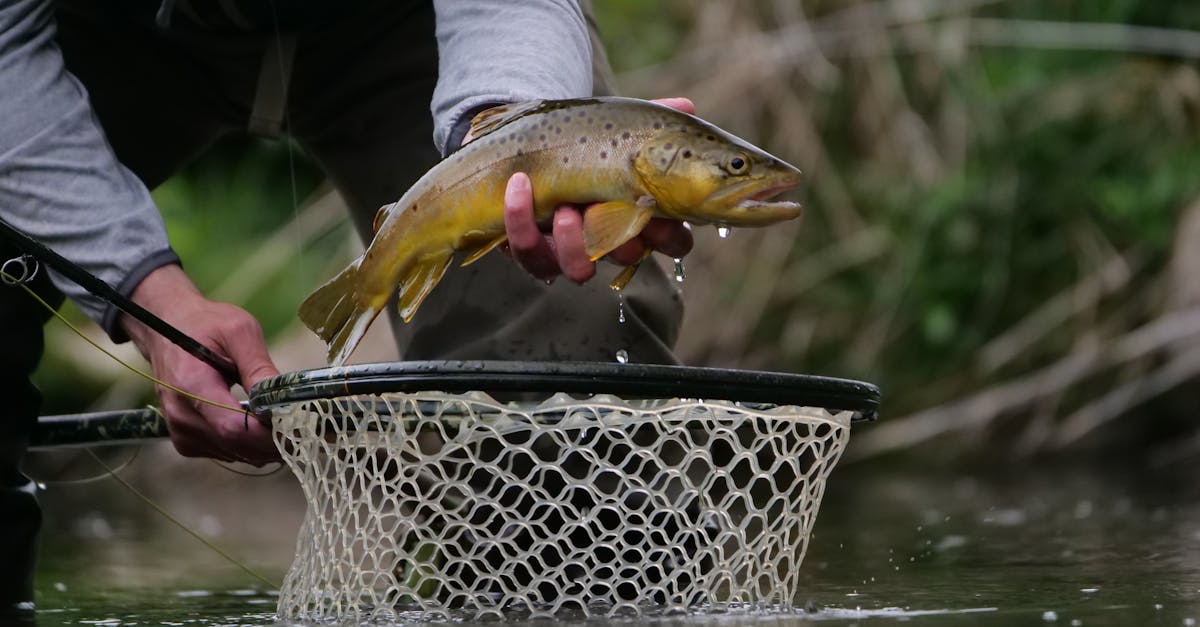
Brown Trout
The brown trout is the most cunning and elusive trout species swimming in Montana's rivers, and it rewards patient, skilled anglers with some of the state's most memorable catches. Originally native to Europe and western Asia, brown trout were first introduced to North American waters in 1883 and arrived in Montana shortly thereafter. They have since established robust, self-sustaining populations in virtually every major trout stream in the state, from the legendary spring creeks of the Paradise Valley to the sweeping runs of the lower Madison and the deep pools of the Bighorn. Brown trout grow larger than any other trout species in Montana, and fish exceeding 24 inches are caught with regularity on premium waters. The lower Madison River, the Missouri River below Holter Dam, and the Bighorn River are particularly renowned for producing trophy-class browns. Unlike rainbows, brown trout spawn in the fall (October through November), and their aggressive pre-spawn behavior creates an exciting window for streamer fishing as large males become territorial and attack anything that enters their domain. Browns are notably more nocturnal than other trout species, and many of the biggest fish are caught during low-light conditions. What sets brown trout apart from other species is their wariness and selectivity. Large browns are notoriously difficult to fool, often refusing flies that are even slightly off in size, color, or presentation. They tend to establish and defend prime feeding lies (undercut banks, logjams, deep pools, and boulder gardens), and an angler who learns to read water and identify these holding spots will consistently catch more and larger fish. This combination of difficulty, size potential, and intelligence makes the brown trout the most prized quarry for many serious Montana fly fishers.
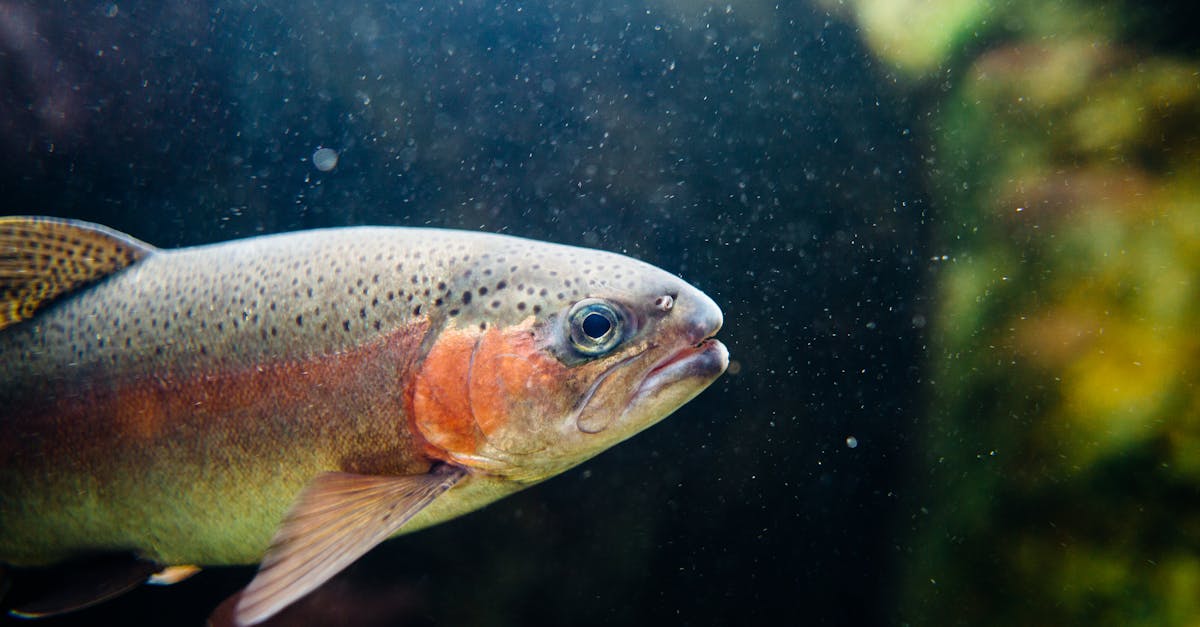
Rainbow Trout
The rainbow trout is Montana's most widespread and popular gamefish, celebrated for its explosive surface strikes, aerial acrobatics, and willingness to take a well-presented dry fly. Native to Pacific Coast drainages from Alaska to Mexico, rainbows were first introduced to Montana's waters in the late 1800s and have since established thriving populations in nearly every major river system in the state. On legendary waters like the Madison, Missouri, and Bighorn, wild rainbow trout grow fat on prolific insect hatches and provide some of the finest dry-fly fishing in North America. Rainbow trout in Montana display remarkable variation depending on their home water. Fish in nutrient-rich tailwaters like the Missouri River below Holter Dam can exceed 20 inches with regularity, their deep bodies and broad tails reflecting the abundant food supply. Freestone river rainbows, such as those in the upper Madison and Gallatin, tend to be leaner and more athletic, shaped by faster currents and colder water temperatures. In many Montana rivers, rainbows spawn in the spring from March through June, and anglers should be mindful of spawning redds during this period to protect future generations of fish. Rainbows are arguably the most versatile trout species for fly anglers. They respond well to dry flies during hatches, aggressively chase streamers, and feed heavily on nymphs subsurface throughout the year. Their fighting ability is legendary: a hooked rainbow will often launch itself completely out of the water multiple times during a battle. Montana's catch-and-release regulations on many blue-ribbon streams have produced exceptional rainbow trout fisheries with high densities of large, healthy fish that continue to draw anglers from around the world.
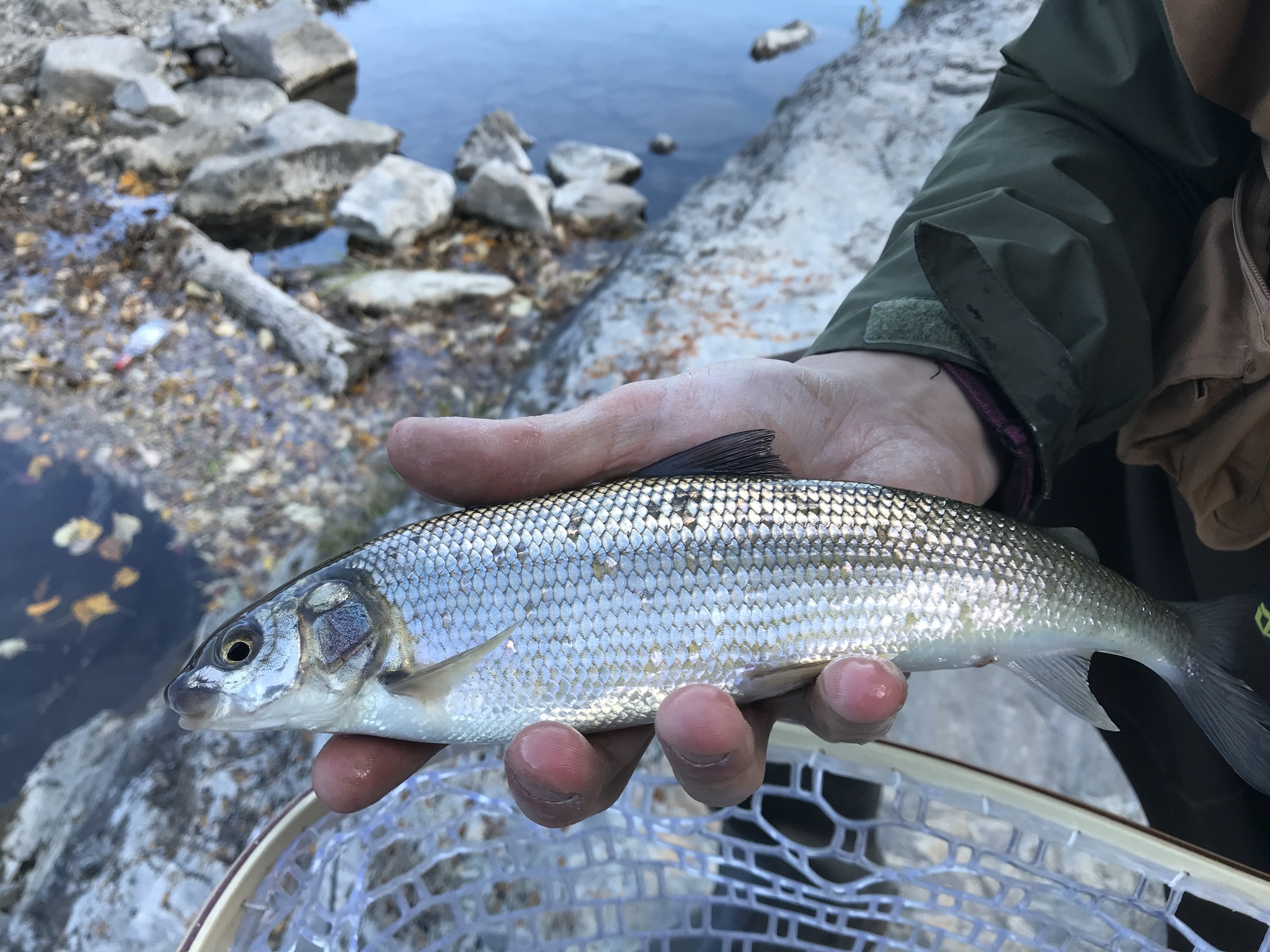
Mountain Whitefish
The mountain whitefish is one of Montana's most abundant native salmonids and arguably the most underappreciated gamefish in the state. A member of the whitefish subfamily (Coregoninae) within the broader salmonid family, mountain whitefish are present in virtually every cold-water river and large stream in Montana, often outnumbering trout by significant margins. On rivers like the Madison, Gallatin, Yellowstone, and Bitterroot, whitefish populations can exceed 1,000 fish per mile, making them the dominant salmonid species by biomass in many reaches. Despite this abundance, most fly anglers overlook whitefish entirely or view them as an unwelcome catch, which is unfortunate because they can provide outstanding sport on light tackle. Mountain whitefish are an important ecological component of Montana's river systems. They serve as a primary food source for larger brown trout, bald eagles, ospreys, otters, and other predators. Their fall spawning behavior (typically October through December) plays a critical role in nutrient cycling, and their eggs provide food for other fish and aquatic invertebrates during the lean winter months. In recent years, whitefish populations have been used as indicator species for overall river health, and declines in whitefish numbers on some Montana rivers have raised concerns about changing water conditions and disease pressure. For anglers willing to target them intentionally, mountain whitefish offer several advantages. They feed actively throughout the winter months when trout fishing can be slow, they are abundant and widely distributed, and they fight with surprising strength for their size; a 16-inch whitefish on a 3- or 4-weight rod provides a memorable tussle. Whitefish are also excellent table fare, with firm, mild-flavored white flesh that is delicious smoked or fried. Montana regulations typically allow a generous harvest limit for whitefish, recognizing their abundance and the role that harvest can play in managing populations on some waters.
East Walker River Hatch Chart
| Insect | Suggested Fly | Jan | Feb | Mar | Apr | May | Jun | Jul | Aug | Sep | Oct | Nov | Dec |
|---|---|---|---|---|---|---|---|---|---|---|---|---|---|
Pale Morning Dun morning | Sparkle Dun | ||||||||||||
Blue-Winged Olive (Baetis) afternoon | RS2 | ||||||||||||
Blue-Winged Olive (Baetis) afternoon | BWO Emerger | ||||||||||||
Caddisflies (various) evening | CDC Caddis Emerger | ||||||||||||
Tricos morning | Trico Spinner | ||||||||||||
Midges morning | Zebra Midge | ||||||||||||
Terrestrials (ants, beetles) afternoon | Chubby Chernobyl |
Pale Morning Dun: Legendary PMD hatch. Consistent surface feeding 10 AM to 2 PM. Size 16-18.
Blue-Winged Olive (Baetis): Spring BWOs on overcast days. RS2 in the film deadly. Size 18-20.
Blue-Winged Olive (Baetis): Fall BWOs dominant. Size 18-20.
Caddisflies (various): Evening caddis emergences. CDC Caddis Emerger effective. Size 14-18.
Tricos: Morning Trico spinner falls. Technical fishing. Size 20-22.
Midges: Year-round midge activity. Size 18-24.
Terrestrials (ants, beetles): Small terrestrials along banks. Size 14-18.
Recommended Flies
Sparkle Dun
Top Pick#1 summer pattern for PMD hatch; sizes 16-18
Best in summer
RS2
Top PickSpring/fall BWO emerger, fish in surface film
Best in spring
BWO Emerger
Top PickFall BWO emerger, essential October pattern
Best in fall
CDC Caddis Emerger
Top PickEvening caddis emerger, deadly at dusk
Best in summer
Pheasant Tail Nymph
Top PickAll-purpose nymph, fish as dropper or solo
Best in year-round
Zebra Midge
Top PickCritical midge pattern for technical water
Best in year-round
Trico Spinner
Top PickMorning Trico spinner falls August-September
Best in late-summer
Woolly Bugger
Top PickFall streamer for aggressive pre-spawn browns
Best in fall
Access Points & Boat Launches
Below Bridgeport Dam
Wade AccessModerateUpper East Walker access immediately below Bridgeport Reservoir Dam (note: dam is in California, river flows into Nevada). This is the start of the premium tailwater section with catch-and-release regulations. Clear, cold water with dense trout populations. Limited parking; arrive early during peak season.
Highway 182 Pulloffs
Wade AccessEasyMultiple roadside pulloffs along Highway 182 provide wade access to the East Walker through the main Nevada section. These are the most heavily fished areas due to easy access. Walk upstream or downstream from pulloffs to escape pressure. BLM land allows access in most areas; respect private property where posted.
Wilson Canyon Area
Wade AccessModerateLower East Walker access in the Wilson Canyon area. The river enters a narrower canyon here with good pocket water and deeper pools. Less pressure than upper sections. Good streamer water in fall. Some private property limits access; stay on BLM land and respect posted boundaries.
Regulations
Regulations
Bridgeport Reservoir downstream to Rosaschi Diversion Dam: Artificial flies and lures only, catch-and-release for all trout. Rosaschi Diversion downstream (lower sections): Check specific regulations as rules vary by reach. Nevada fishing license required (California license valid on California portions only). Regulations designed to protect wild trout population; verify current rules at ndow.org. Open year-round, though practical fishing season is April through November.
Always verify current regulations with Montana Fish, Wildlife & Parks before fishing.
Some links may earn a commission. Learn more
Quick Facts
- Region
- Western Nevada / Lyon County
- Water Type
- Tailwater
- River Length
- ~40 miles (Bridgeport Dam to West Walker confluence); 15 miles of prime fly fishing
- Difficulty
- Advanced
- Best Seasons
- spring, summer, fall
- Trout Per Mile
- 2,500-4,000 in upper catch-and-release section
- Record Trout
- Brown trout exceeding 24 inches documented in deeper pools; occasional fish over 6 lbs
- Species
- Brown Trout, Rainbow Trout, Mountain Whitefish
- USGS Gauge
- 10296500
Nearby Rivers
Truckee River
Western Nevada / Washoe County
Pyramid Lake
Western Nevada / Pyramid Lake Paiute Reservation
East Fork Carson River
Western Nevada / Douglas County
Jarbidge River
Northern Nevada / Elko County / Jarbidge Wilderness
Ruby Mountains / Lamoille Creek
Northern Nevada / Elko County / Ruby Mountains
Bruneau River
Northern Nevada / Elko County
South Fork Reservoir
Northern Nevada / Elko County
Great Basin NP Streams
Eastern Nevada / White Pine County / Great Basin National Park
Wild Horse Reservoir
Northern Nevada / Elko County