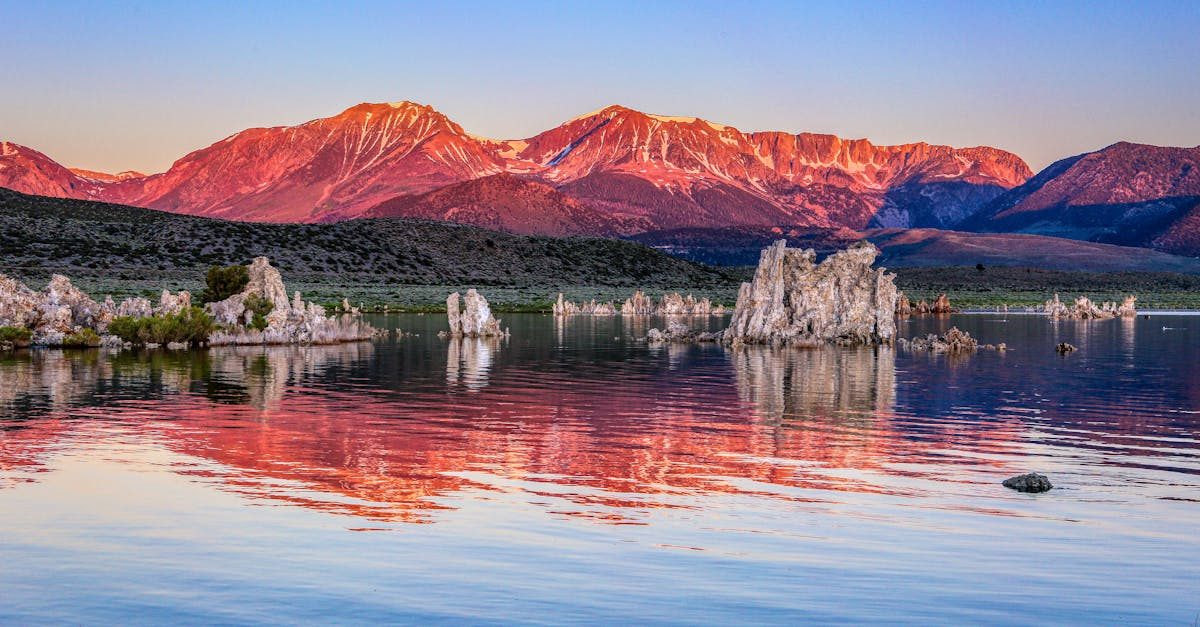
Pyramid Lake
Pyramid Lake is one of the premier trophy Lahontan cutthroat trout fisheries in the world, offering the chance to catch native cutthroats exceeding 20 pounds in the stark beauty of Nevada's high desert. This massive terminal lake holds the largest strain of cutthroat trout anywhere, with fish regularly topping 10 pounds and occasional behemoths pushing 30 inches.
Overview
Pyramid Lake is a 125,000-acre terminal desert lake located 35 miles northeast of Reno on the Pyramid Lake Paiute Reservation. The lake sits at 3,796 feet elevation in the Great Basin, a remnant of ancient Lake Lahontan that covered much of northwestern Nevada during the last ice age. The lake is fed by the Truckee River and has no outlet, creating a unique alkaline environment that supports phenomenal trout growth.
The Lahontan cutthroat trout (Oncorhynchus clarkii henshawi) is the lake's legendary inhabitant. These fish are the largest cutthroat trout subspecies in the world, genetically adapted to thrive in Pyramid Lake's productive but harsh desert environment. The lake's abundant Tui chub population (a native minnow) provides high-protein forage that fuels rapid growth. Fish in the 5-8 pound range are common, 10-15 pounders are caught regularly, and true trophy fish over 20 pounds are a realistic possibility.
Fly fishing Pyramid Lake is a unique experience. The primary technique is beach fishing, where anglers wade into the lake and cast weighted streamers or nymphs using long two-handed rods or conventional 9-10 weight single-hand rods. The most productive fishing occurs during the spring spawning run (January through May) when Lahontan cutthroats stage near the river mouths and along gravel beaches. The Nets, Warrior Point, and the Blockhouse are legendary fishing locations.
Access to Pyramid Lake requires a Pyramid Lake Paiute Tribe fishing permit, available online or at local businesses. The tribe manages the fishery cooperatively with state and federal agencies, and conservation regulations ensure this trophy fishery remains sustainable for future generations.
Water Characteristics
Pyramid Lake is a high-desert terminal lake with alkaline water (pH around 9.0) and relatively high mineral content. Water temperatures range from the low 40s in winter to the mid-60s in late spring. The lake's productivity is exceptional thanks to abundant Tui chub forage and nutrient cycling from the Truckee River inflow.
The primary forage for Lahontan cutthroats is the Tui chub, a native minnow that can reach 6-8 inches in length. Cutthroats also feed on damselfly nymphs, scuds, leeches, and other invertebrates. Water clarity varies by location and season; near the Truckee River delta, visibility can be reduced by sediment, while offshore areas can offer 10-15 feet of clarity.
The lake's tufa rock formations (calcium carbonate deposits) create dramatic scenery and provide structure that holds fish. The Pyramid and the Needles are iconic landmarks. The lake has no aquatic vegetation due to its alkalinity.
Wading & Float Guide
Pyramid Lake fishing involves wading from gravel and sand beaches into the lake, typically to knee or thigh depth, and casting long distances to reach fish. The lake bottom is a mix of sand, gravel, and occasional boulders with moderate slopes in most fishing areas. Wading is generally straightforward, but underwater ledges and drop-offs exist, so caution is warranted.
The spring spawning run brings cutthroats close to shore near river mouths and gravel beaches. Anglers wade out 20-50 feet and fan-cast to cover water systematically. The Nets (near the Truckee River delta) and Warrior Point are the most popular wade-fishing locations. Felt-soled or studded boots provide good traction on the sandy-gravel bottom.
Wind is the defining challenge at Pyramid Lake. The desert environment funnels strong winds across the open water, particularly in spring afternoons. Mornings are typically calmer. Chest waders are recommended year-round, as the water remains cold (40-50 degrees F) during the primary fishing season. Full immersion is rare but possible, so dress conservatively.
Float tubing / pontoon boat fishing
Float tubes and pontoon boats allow access to deeper water and offshore structure beyond wading range. Launch permits required from the Pyramid Lake Paiute Tribe. The Nets, Pelican Point, and the Rock offer good float-tube access. Wind and wave conditions can change rapidly; always wear a PFD and monitor weather.
Rod & Tackle Guide
Beach Fishing (standard approach)
- Rod
- 9' 8-weight or 9-weight; or 11' 6-weight two-handed (Spey)
- Line
- Type III or Type V full-sinking; or Skagit head with heavy tips for two-handed rods
- Leader & Tippet
- 3-4' of 0X-2X fluorocarbon
The heavy single-hand rod or two-handed Spey rod allows long casts and handles large fish. Fast-sinking lines are essential to reach the depth zone quickly. Short, stout leaders with heavy tippet for big fish.
Float Tube / Pontoon Boat
- Rod
- 9' 8-weight
- Line
- Type III sinking or intermediate
- Leader & Tippet
- 4-6' tapered to 1X or 2X
Standard single-hand rod works well from a float tube. Bring a stripping basket. Always wear a PFD. Anchor to fish structure thoroughly rather than constantly moving.
Best Time to Fish the Pyramid Lake
Winter
The Pyramid Lake season opens October 1, and fishing begins in earnest by late December and early January as Lahontan cutthroats stage for their spring spawning run. January through March offers some of the best fishing of the year despite cold, often brutal weather conditions. Fish large streamers (Woolly Buggers, Hornbergs, Zonkers in sizes 2-6) and weighted nymph rigs. The Blockhouse and the Nets are productive winter locations. Dress in layers and bring hand warmers.
Spring
March, April, and May are peak season at Pyramid Lake. Spawning Lahontan cutthroats concentrate near the Truckee River mouth at the Nets and along gravel beaches at Warrior Point and Pelican Point. This is prime time for trophy fish. Fish are aggressive and willing to eat large flies. Use fast-sinking lines or heavily weighted flies to get down quickly. The Popcorn Beetle and Maholo Nymph are local favorites. Wind increases in spring; fish early mornings before afternoon gales arrive.
Fishing Pressure & Local Tips
Pyramid Lake sees significant fishing pressure during the spring peak season (March through May), particularly on weekends. The Nets and Warrior Point can have dozens of anglers shoulder-to-shoulder during prime conditions. However, the lake's massive size means that walking a quarter-mile from popular access points reveals significantly less-crowded water.
Midweek fishing offers a much more solitary experience. Early-season fishing in January and February sees lighter pressure due to harsh weather. Float tubers and pontoon boat anglers can escape the beach crowds entirely by accessing offshore structure. The lake closes July 1 through September 30, giving the fishery a summer rest period.
Local Knowledge
Pyramid Lake fishing requires specialized techniques. The standard approach is a two-fly rig: a large attractor pattern (Woolly Bugger, Popcorn Beetle, or Maholo Nymph in sizes 4-6) on the point with a smaller nymph or midge on a dropper 18-24 inches up the leader. Use a fast-sinking line or add split shot to get the flies down quickly in the 8-15 foot depth range where fish cruise.
Cast as far as you can, let the line sink, and retrieve with slow, steady strips interspersed with pauses. The strike is often a subtle tap or weight on the line. Set the hook firmly but not violently. Play the fish from the reel; these are powerful trout that make long runs. Local fly shops (Reno Fly Shop, Truckee River Outfitters) rent two-handed rods and provide Pyramid Lake fly assortments. Hiring a guide for your first trip is highly recommended.
Species Present
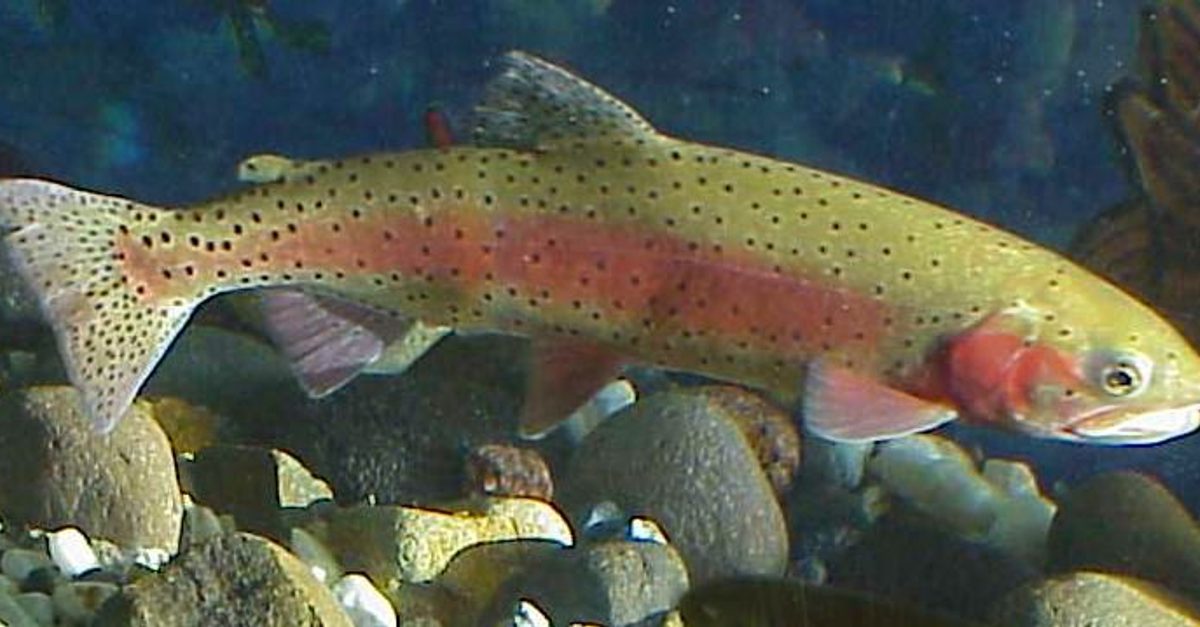
Lahontan Cutthroat Trout
The Lahontan cutthroat trout is the largest subspecies of cutthroat trout in the world and the only trout native to the hydrographic Great Basin of Nevada, California, and Oregon. Named for the ancient Lake Lahontan that once covered much of northern Nevada during the Pleistocene, this remarkable fish evolved to thrive in the alkaline, desert-lake environments of the Great Basin, a trait that sets it apart from all other cutthroat subspecies. Lahontan cutthroats historically reached enormous sizes in the terminal lakes of the region: the 41-pound fish taken from Pyramid Lake in 1925 remains one of the largest cutthroat trout ever documented. The modern story of the Lahontan cutthroat is one of dramatic decline and ongoing recovery. Dam construction, water diversions, overfishing, and the introduction of non-native trout devastated Lahontan cutthroat populations throughout the 20th century, and the subspecies was listed as Threatened under the Endangered Species Act in 1975. The most famous population, at Pyramid Lake on the Pyramid Lake Paiute Reservation in Nevada, was extirpated entirely by the 1940s when Truckee River diversions destroyed the spawning habitat. The fish that swim in Pyramid Lake today descend from the Pilot Peak strain, a remnant population discovered in a tiny creek on the Nevada-Utah border, which was used to restock the lake beginning in 2006. For fly anglers, the Lahontan cutthroat represents one of the most exciting trophy trout opportunities in the American West. Pyramid Lake has become a world-class destination fishery, producing cutthroats that routinely exceed 20 inches and 5 pounds, with fish over 10 pounds caught regularly and specimens exceeding 20 pounds taken each season. The Truckee River system in California and Nevada also supports Lahontan cutthroat populations, and restoration efforts continue to expand the subspecies' range. Catching a Lahontan cutthroat connects an angler to the deep geological and cultural history of the Great Basin.
Pyramid Lake Hatch Chart
| Insect | Suggested Fly | Jan | Feb | Mar | Apr | May | Jun | Jul | Aug | Sep | Oct | Nov | Dec |
|---|---|---|---|---|---|---|---|---|---|---|---|---|---|
Damselfly Nymphs all day | Woolly Bugger | ||||||||||||
Midges afternoon | Zebra Midge |
Damselfly Nymphs: Damselfly nymphs migrate to shore in late spring. Olive/brown patterns size 8-10.
Midges: Midges hatch along shorelines. Size 16-20. Mostly a nymph fishery.
Recommended Flies
Woolly Bugger
Top Pick#1 Pyramid Lake pattern; olive/brown/black in sizes 2-6
Best in spring
Zuddler
Top PickZuddler variant deadly for Lahontan cutts
Best in spring
Ray Charles
Top PickLocal favorite nymph pattern (Maholo Nymph variant)
Best in spring
Zebra Midge
Top PickZebra Midge as dropper in two-fly rig
Best in spring
Access Points & Boat Launches
The Nets (Truckee River Delta)
Wade AccessEasyThe most famous fishing location on Pyramid Lake, where the Truckee River enters the lake. This is ground zero for the spring Lahontan cutthroat spawning run. Gravel beaches allow easy wading, and fish stage in 8-15 feet of water within casting range. Can be crowded during peak season. Tribal fishing permit required.
Warrior Point
Wade AccessEasyPremium wade-fishing location on the east shore of Pyramid Lake. Gravel beaches with good wading access and productive water for Lahontan cutthroats during the spring run. Less crowded than the Nets on most days. Camping available nearby with tribal permit.
Pelican Point
Wade AccessModerateNorth shore access point with good wade and float-tube fishing. Rocky points and gravel beaches provide habitat for staging cutthroats. Less pressure than southern locations. Good spot for float tubers to launch and access deeper water and offshore structure.
Regulations
Regulations
Pyramid Lake is within the Pyramid Lake Paiute Reservation. Tribal fishing permit required (Nevada state license not valid). Season: October 1 through June 30 annually. Lahontan Cutthroat Trout: bag limit 2 fish, no size restrictions. Barbless hooks required. No bait allowed, artificial lures and flies only. Float tubes and watercraft permitted with additional launch permit. Camping permits available. All regulations subject to tribal authority; verify current rules at pyramidlake.us before fishing. Strict penalties for violations.
Always verify current regulations with Montana Fish, Wildlife & Parks before fishing.
Some links may earn a commission. Learn more
Quick Facts
- Region
- Western Nevada / Pyramid Lake Paiute Reservation
- Water Type
- Stillwater
- River Length
- N/A (125,000-acre lake)
- Difficulty
- Intermediate-Advanced
- Best Seasons
- winter, spring
- Trout Per Mile
- N/A (lake fishery)
- Record Trout
- Lahontan cutthroat trout exceeding 24 pounds documented; current lake record around 25 lbs
- Species
- Lahontan Cutthroat Trout
Nearby Rivers
Truckee River
Western Nevada / Washoe County
East Walker River
Western Nevada / Lyon County
East Fork Carson River
Western Nevada / Douglas County
Jarbidge River
Northern Nevada / Elko County / Jarbidge Wilderness
Ruby Mountains / Lamoille Creek
Northern Nevada / Elko County / Ruby Mountains
Bruneau River
Northern Nevada / Elko County
South Fork Reservoir
Northern Nevada / Elko County
Great Basin NP Streams
Eastern Nevada / White Pine County / Great Basin National Park
Wild Horse Reservoir
Northern Nevada / Elko County