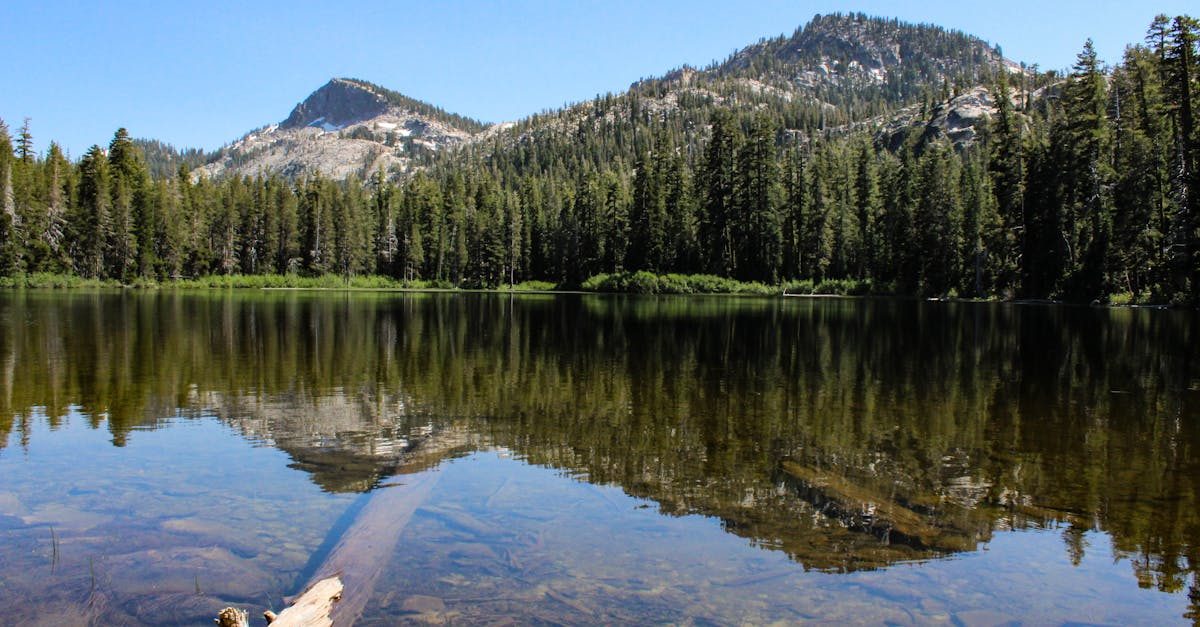
East Fork Carson River
The East Fork Carson River flows from the Sierra Nevada through scenic Carson Valley, offering accessible fly fishing for wild rainbow, brown, and Lahontan cutthroat trout in a pastoral high-desert setting. This freestone river provides good dry fly and nymph fishing opportunities with easy access from Highway 88.
East Fork Carson River Fishing Report & Current Conditions
The East Fork Carson River is a freestone fishery, and it fishes best in spring, summer and fall. Live USGS streamflow readings update throughout the day, while the monthly median flows below map the river's typical discharge across the year. Together they show current fishability and how today's water compares to the seasonal norm.
Current Conditions
Typical Monthly Flows
Historical median discharge (CFS) by month: East Fork Carson River
Overview
The East Fork Carson River originates in the mountains of Alpine County, California, and flows eastward into Nevada's Carson Valley. The approximately 20-mile section from the California-Nevada state line downstream through Markleeville (CA) and into Nevada near Gardnerville offers the best fly fishing, with wild trout populations thriving in this classic Sierra freestone environment.
The river flows through a mix of public and private land, with access primarily from Highway 88 pulloffs and some Bureau of Land Management parcels. The upper sections near the state line run through scenic meadows and willow-lined banks at approximately 5,500 feet elevation, while the lower sections enter the broader Carson Valley with cottonwood groves and ranch land.
Trout populations include rainbow trout (the dominant species), brown trout, and native Lahontan cutthroat trout. Fish typically range from 8-14 inches with occasional larger browns in the deeper pools. The East Fork is managed as a wild trout fishery with no stocking in most sections, and Nevada Department of Wildlife regulations aim to protect the native Lahontan cutthroat population.
Hatches are diverse for a high-desert river, with caddis, Blue-Winged Olives, Pale Morning Duns, and terrestrials providing consistent fishing opportunities from spring through fall. The river is accessible to anglers of all skill levels and offers a more relaxed alternative to the heavily pressured tailwaters of the region.
Water Characteristics
The East Fork Carson River is a classic Sierra freestone stream with moderate water clarity. During runoff the river runs high and turbid, but once flows stabilize in summer, visibility improves to 2-3 feet in most sections. Water temperatures follow the seasonal arc, warming into the mid-60s F in late summer but remaining within acceptable trout range due to the high elevation.
The substrate is predominantly gravel and small cobble, providing good spawning habitat for wild trout. The insect community includes caddis (the dominant order), Blue-Winged Olives, Pale Morning Duns, stoneflies, and midges. Terrestrial insects (grasshoppers, ants, beetles) are abundant in the meadow sections from July through September.
Streamside vegetation includes willows, alders, and cottonwoods that provide critical shade and bank structure. The meadow character creates undercut banks and deeper runs that hold trout. The river also supports populations of sculpin and other forage fish.
Wading & Float Guide
The East Fork Carson is a wadeable freestone river accessible to anglers of all skill levels. The river ranges from 20-35 feet wide in most fishable sections, with a gravel-and-cobble bottom. Water depths vary from ankle-deep riffles to waist-deep pools. The current is moderate to brisk during spring runoff but manageable during summer and fall flows.
Standard wading boots with felt or studs provide good traction. Hip waders are sufficient in summer and fall, though chest waders offer more versatility. The meadow sections have undercut banks that can be unstable, so probe carefully before stepping near the edges.
Spring runoff typically occurs from late April through June, pushing flows high and making wading difficult or impossible. Once flows drop below 200 cfs (typically by mid-to-late June), the river becomes very comfortable to wade. Late summer and fall offer the easiest wading conditions with flows often in the 50-150 cfs range.
Not a float fishery
The East Fork Carson is too small and shallow for practical floating. This is a wade-fishing-only river. Access from highway pulloffs and walk the banks to fish productive runs and pools.
Rod & Tackle Guide
Upper East Fork (meadow sections)
- Rod
- 9' 5-weight
- Line
- Weight-forward floating
- Leader & Tippet
- 9' tapered to 4X or 5X
Versatile setup for dry flies, nymphs, and hopper-dropper rigs. The 5-weight handles all conditions on this small to medium river.
Lower East Fork (Carson Valley)
- Rod
- 9' 5-weight
- Line
- Weight-forward floating
- Leader & Tippet
- 9' tapered to 4X or 5X
Same setup works throughout. Bring a variety of nymphs and dry flies to match changing conditions. Hip waders sufficient in summer/fall.
Best Time to Fish the East Fork Carson River
Spring
April and early May offer excellent pre-runoff fishing before snowmelt arrives. Blue-Winged Olive hatches emerge on overcast afternoons, and caddis activity begins by late April. Nymphing with Pheasant Tails, Hare's Ears, and Prince Nymphs is productive. By mid-to-late May, runoff makes the river high and turbid. Watch the USGS gauge (10309000) and plan accordingly. Pre-runoff is a brief but excellent window.
Summer
Once runoff subsides in late June or early July, the East Fork enters its prime season. Caddis hatches are the dominant insect activity, with evening emergences providing good dry fly fishing. PMD hatches occur sporadically in July. This is excellent hopper-dropper water: fish foam grasshopper patterns along the grassy meadow banks with a beadhead nymph dropper. Early mornings and evenings fish best.
Fall
September and October offer the best combination of conditions and low pressure. Brown trout begin pre-spawn feeding, and fish are more aggressive. BWO hatches return on overcast days. Terrestrial patterns remain effective into September. Streamer fishing becomes productive for larger browns holding in the deeper pools. The cottonwoods turn golden in the valley, creating a beautiful backdrop.
Fishing Pressure & Local Tips
The East Fork Carson receives moderate fishing pressure, significantly less than the nearby Truckee River or East Walker River. Summer weekends see increased traffic from anglers based in Carson Valley and Reno, but the river never feels crowded. Weekday fishing offers near-solitude, and fall sees very light pressure despite good fishing conditions.
The most accessible pulloffs along Highway 88 receive the most pressure. Walking upstream or downstream even a short distance from parking areas reveals less-pressured water. The Nevada portions see less pressure than the California side near Markleeville.
Local Knowledge
The East Fork Carson rewards a mobile approach. Cover water efficiently by moving upstream and making a few good casts to each likely holding spot before moving on. Focus on the deeper runs along undercut banks, the heads and tails of pools, and the transition zones where riffles deepen into runs.
Respect private property boundaries and stay on public land or obtain permission. Local fly shops in Carson City and Gardnerville can provide current access information and fishing reports. The USGS gauge (10309000) is the key reference: optimal fishing occurs at 50-200 cfs.
Species Present
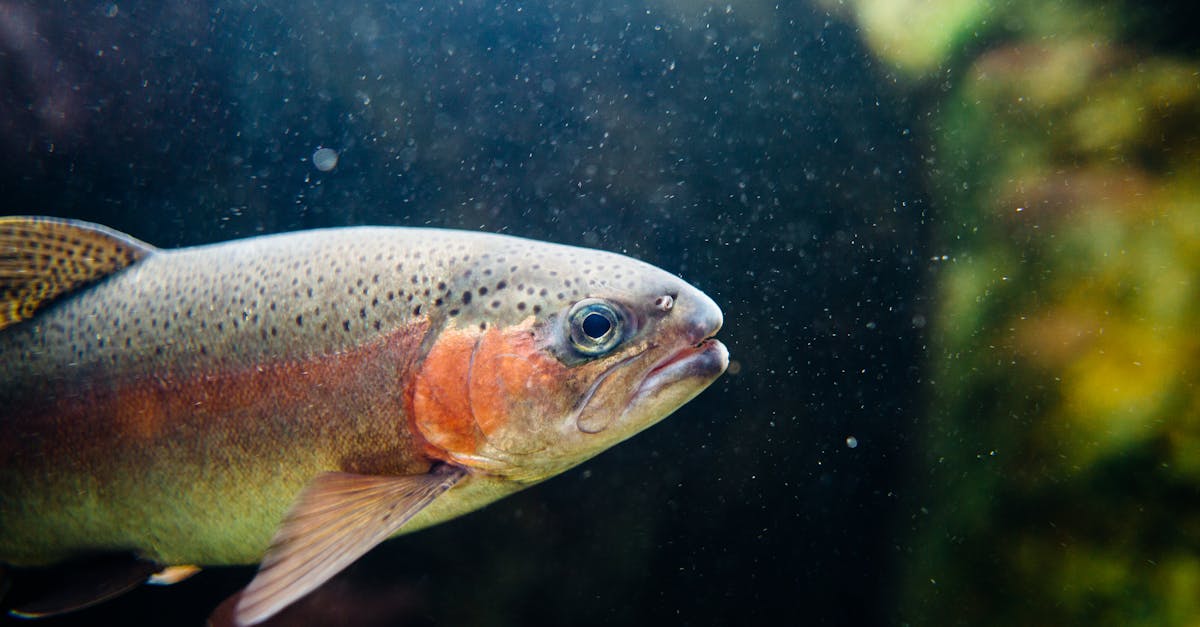
Rainbow Trout
The rainbow trout is Montana's most widespread and popular gamefish, celebrated for its explosive surface strikes, aerial acrobatics, and willingness to take a well-presented dry fly. Native to Pacific Coast drainages from Alaska to Mexico, rainbows were first introduced to Montana's waters in the late 1800s and have since established thriving populations in nearly every major river system in the state. On legendary waters like the Madison, Missouri, and Bighorn, wild rainbow trout grow fat on prolific insect hatches and provide some of the finest dry-fly fishing in North America. Rainbow trout in Montana display remarkable variation depending on their home water. Fish in nutrient-rich tailwaters like the Missouri River below Holter Dam can exceed 20 inches with regularity, their deep bodies and broad tails reflecting the abundant food supply. Freestone river rainbows, such as those in the upper Madison and Gallatin, tend to be leaner and more athletic, shaped by faster currents and colder water temperatures. In many Montana rivers, rainbows spawn in the spring from March through June, and anglers should be mindful of spawning redds during this period to protect future generations of fish. Rainbows are arguably the most versatile trout species for fly anglers. They respond well to dry flies during hatches, aggressively chase streamers, and feed heavily on nymphs subsurface throughout the year. Their fighting ability is legendary: a hooked rainbow will often launch itself completely out of the water multiple times during a battle. Montana's catch-and-release regulations on many blue-ribbon streams have produced exceptional rainbow trout fisheries with high densities of large, healthy fish that continue to draw anglers from around the world.
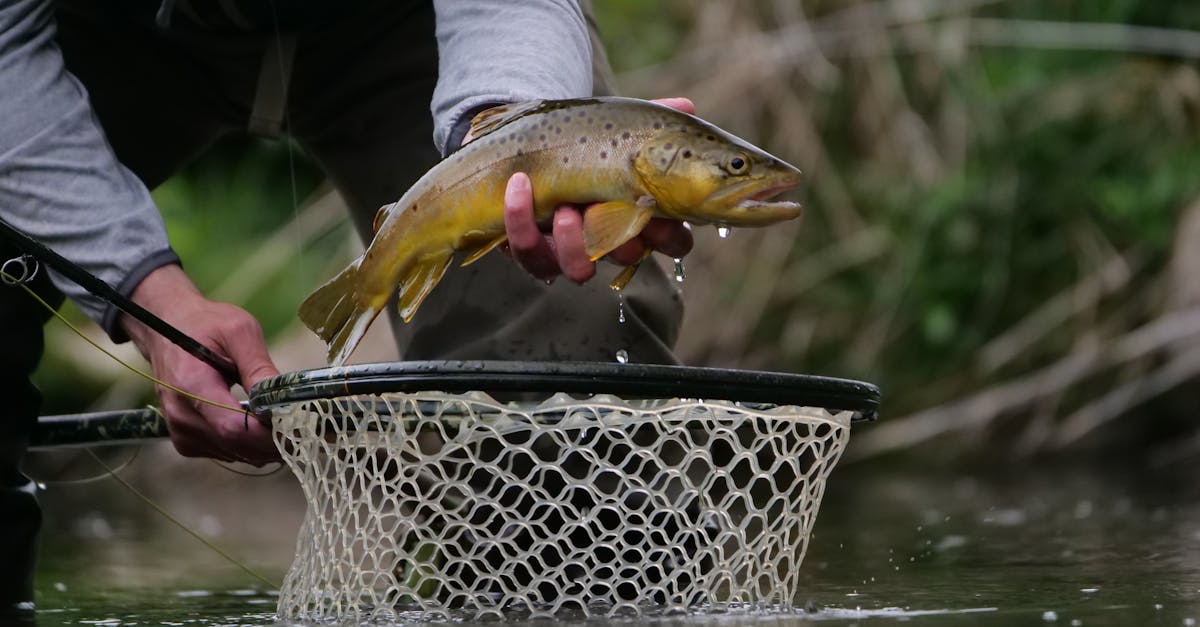
Brown Trout
The brown trout is the most cunning and elusive trout species swimming in Montana's rivers, and it rewards patient, skilled anglers with some of the state's most memorable catches. Originally native to Europe and western Asia, brown trout were first introduced to North American waters in 1883 and arrived in Montana shortly thereafter. They have since established robust, self-sustaining populations in virtually every major trout stream in the state, from the legendary spring creeks of the Paradise Valley to the sweeping runs of the lower Madison and the deep pools of the Bighorn. Brown trout grow larger than any other trout species in Montana, and fish exceeding 24 inches are caught with regularity on premium waters. The lower Madison River, the Missouri River below Holter Dam, and the Bighorn River are particularly renowned for producing trophy-class browns. Unlike rainbows, brown trout spawn in the fall (October through November), and their aggressive pre-spawn behavior creates an exciting window for streamer fishing as large males become territorial and attack anything that enters their domain. Browns are notably more nocturnal than other trout species, and many of the biggest fish are caught during low-light conditions. What sets brown trout apart from other species is their wariness and selectivity. Large browns are notoriously difficult to fool, often refusing flies that are even slightly off in size, color, or presentation. They tend to establish and defend prime feeding lies (undercut banks, logjams, deep pools, and boulder gardens), and an angler who learns to read water and identify these holding spots will consistently catch more and larger fish. This combination of difficulty, size potential, and intelligence makes the brown trout the most prized quarry for many serious Montana fly fishers.
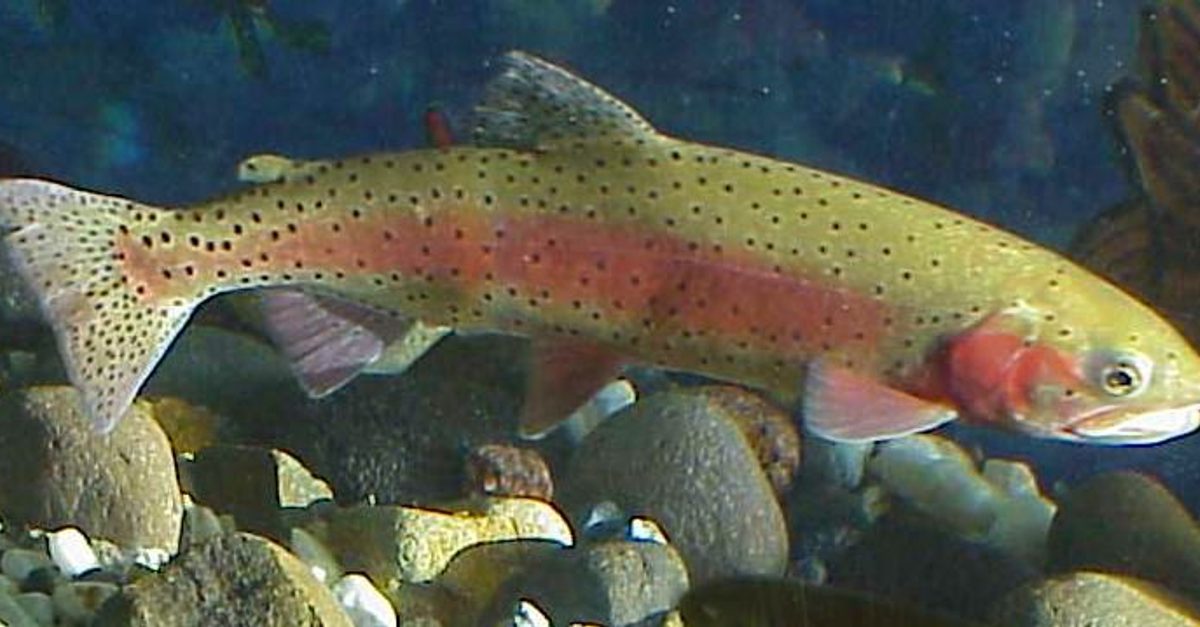
Lahontan Cutthroat Trout
The Lahontan cutthroat trout is the largest subspecies of cutthroat trout in the world and the only trout native to the hydrographic Great Basin of Nevada, California, and Oregon. Named for the ancient Lake Lahontan that once covered much of northern Nevada during the Pleistocene, this remarkable fish evolved to thrive in the alkaline, desert-lake environments of the Great Basin, a trait that sets it apart from all other cutthroat subspecies. Lahontan cutthroats historically reached enormous sizes in the terminal lakes of the region: the 41-pound fish taken from Pyramid Lake in 1925 remains one of the largest cutthroat trout ever documented. The modern story of the Lahontan cutthroat is one of dramatic decline and ongoing recovery. Dam construction, water diversions, overfishing, and the introduction of non-native trout devastated Lahontan cutthroat populations throughout the 20th century, and the subspecies was listed as Threatened under the Endangered Species Act in 1975. The most famous population, at Pyramid Lake on the Pyramid Lake Paiute Reservation in Nevada, was extirpated entirely by the 1940s when Truckee River diversions destroyed the spawning habitat. The fish that swim in Pyramid Lake today descend from the Pilot Peak strain, a remnant population discovered in a tiny creek on the Nevada-Utah border, which was used to restock the lake beginning in 2006. For fly anglers, the Lahontan cutthroat represents one of the most exciting trophy trout opportunities in the American West. Pyramid Lake has become a world-class destination fishery, producing cutthroats that routinely exceed 20 inches and 5 pounds, with fish over 10 pounds caught regularly and specimens exceeding 20 pounds taken each season. The Truckee River system in California and Nevada also supports Lahontan cutthroat populations, and restoration efforts continue to expand the subspecies' range. Catching a Lahontan cutthroat connects an angler to the deep geological and cultural history of the Great Basin.
East Fork Carson River Hatch Chart
| Insect | Suggested Fly | Jan | Feb | Mar | Apr | May | Jun | Jul | Aug | Sep | Oct | Nov | Dec |
|---|---|---|---|---|---|---|---|---|---|---|---|---|---|
Blue-Winged Olive (Baetis) afternoon | Parachute Adams | ||||||||||||
Blue-Winged Olive (Baetis) afternoon | BWO Emerger | ||||||||||||
Caddisflies (various) evening | Elk Hair Caddis | ||||||||||||
Pale Morning Dun morning | PMD Comparadun | ||||||||||||
Terrestrials (hoppers, ants) afternoon | Chubby Chernobyl | ||||||||||||
Midges morning | Zebra Midge |
Blue-Winged Olive (Baetis): Spring BWOs before runoff. Size 16-20. Overcast afternoons best.
Blue-Winged Olive (Baetis): Fall BWOs return. Size 18-20.
Caddisflies (various): Dominant summer hatch. Evening emergences. Size 14-18.
Pale Morning Dun: Sporadic PMD hatches in July. Size 16-18.
Terrestrials (hoppers, ants): Excellent hopper-dropper water in meadow sections. Size 10-14.
Midges: Year-round midge activity. Size 18-22.
Recommended Flies
Elk Hair Caddis
Top PickMatches dominant caddis hatches June-September
Best in summer
Chubby Chernobyl
Top PickHopper-dropper in meadow sections July-September
Best in summer
Parachute Adams
Top PickSpring BWO dry fly
Best in spring
BWO Emerger
Top PickFall BWO emerger
Best in fall
Pheasant Tail Nymph
Top PickAll-purpose nymph as dropper
Best in year-round
Woolly Bugger
Top PickStreamer for fall browns
Best in fall
Also Effective
Access Points & Boat Launches
Highway 88 Pulloffs (Carson Valley)
Wade AccessEasyMultiple roadside pulloffs along Highway 88 provide wade access to the East Fork Carson through meadow and valley sections. These are the primary access points for the Nevada portions. BLM land in many areas allows public access; respect private property where posted. Good dry fly and nymph fishing.
Hangman's Bridge Area
Wade AccessEasyPopular access point near historic Hangman's Bridge. Provides wade access to productive meadow water with good populations of rainbow, brown, and Lahontan cutthroat trout. Parking is limited; arrive early during summer weekends.
Regulations
Regulations
Regulations vary by section. California-Nevada state line area: Check both California and Nevada regulations depending on which side of the border you fish. Nevada portions: Generally 2 trout bag limit, barbless hooks recommended. Some special regulations may apply to protect Lahontan cutthroat; verify current rules at ndow.org. Nevada fishing license required (California license valid on California side). Open year-round, though practical season is April through October.
Always verify current regulations with Montana Fish, Wildlife & Parks before fishing.
Some links may earn a commission. Learn more
Quick Facts
- Region
- Western Nevada / Douglas County
- Water Type
- Freestone
- River Length
- ~30 miles total; 20 miles of fishable water from state line through Carson Valley
- Difficulty
- Beginner-Intermediate
- Best Seasons
- spring, summer, fall
- Trout Per Mile
- 600-1,200 (varies by section)
- Record Trout
- Brown trout exceeding 18 inches in deeper pools; rainbows to 16 inches
- Species
- Rainbow Trout, Brown Trout, Lahontan Cutthroat Trout
- USGS Gauge
- 10309000
Nearby Rivers
Truckee River
Western Nevada / Washoe County
Pyramid Lake
Western Nevada / Pyramid Lake Paiute Reservation
East Walker River
Western Nevada / Lyon County
Jarbidge River
Northern Nevada / Elko County / Jarbidge Wilderness
Ruby Mountains / Lamoille Creek
Northern Nevada / Elko County / Ruby Mountains
Bruneau River
Northern Nevada / Elko County
South Fork Reservoir
Northern Nevada / Elko County
Great Basin NP Streams
Eastern Nevada / White Pine County / Great Basin National Park
Wild Horse Reservoir
Northern Nevada / Elko County