John Day River
The John Day River is Oregon's longest undammed river, with 284 miles of free-flowing water coursing through the dramatic canyon country of eastern Oregon. Unlike traditional trout streams, the John Day is best known for its extraordinary smallmouth bass fly fishing and its wild summer steelhead. A multi-day float through painted canyons with world-class bass fishing is one of the great wilderness fly fishing adventures in the American West.
John Day River Fishing Report & Current Conditions
The John Day River is a freestone fishery, and it fishes best in spring, summer and fall. Live USGS streamflow readings update throughout the day, while the monthly median flows below map the river's typical discharge across the year. Together they show current fishability and how today's water compares to the seasonal norm.
Current Conditions
Typical Monthly Flows
Historical median discharge (CFS) by month: John Day River
Overview
The John Day River is a study in contrasts and one of the most unique fly fishing destinations in Oregon. Originating in the Blue Mountains of northeast Oregon and flowing 284 miles to the Columbia River, it is the longest undammed river in the state and the fourth-longest free-flowing river in the contiguous United States. This remarkable fact means the river runs entirely on nature's schedule, swelling with snowmelt in spring, dropping to its bones in late summer, and cycling through seasons the way Western rivers did before the dam-building era.
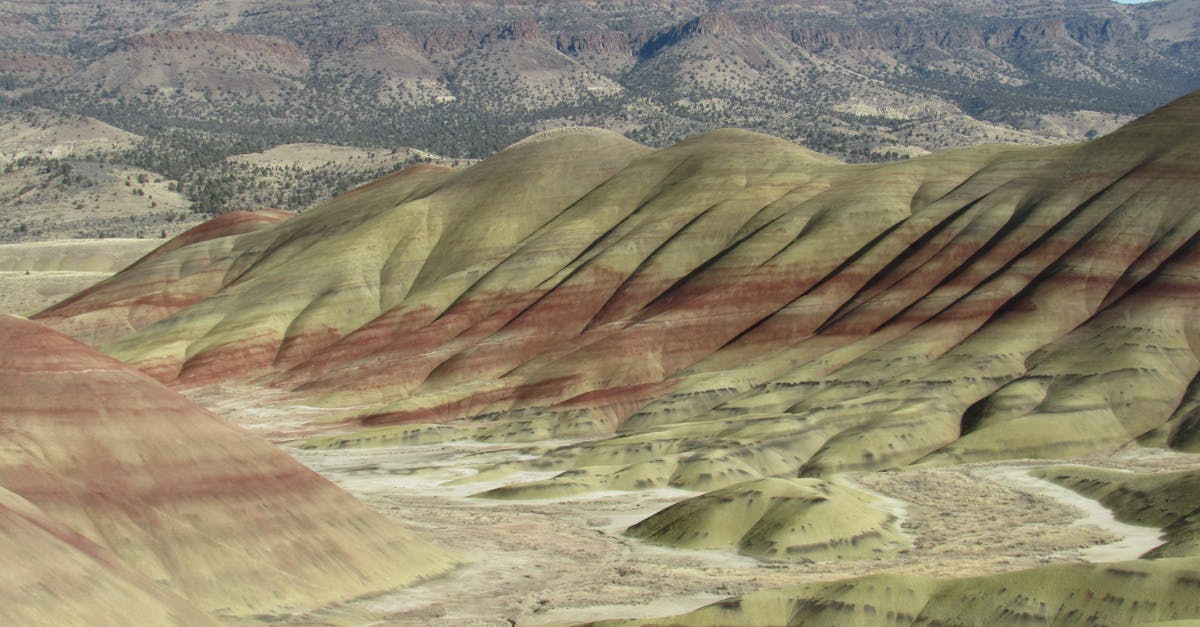
The canyon country through which the John Day flows is staggeringly beautiful. The Painted Hills, multicolored volcanic formations that are part of the John Day Fossil Beds National Monument, rise above the river in layers of red, gold, and green. Towering basalt rimrock, sage-covered hillsides, and scattered juniper groves create a landscape that feels more like the American Southwest than the Pacific Northwest.
The John Day's primary fly fishing attraction is its smallmouth bass population. Introduced in the mid-20th century, smallmouth bass have thrived in the warm, slow-moving lower river, and the John Day is now considered one of the finest smallmouth bass fly rod fisheries in the West. From mid-June through August, skilled anglers may hook 50-100 bass per day, with fish averaging 10-14 inches and trophies exceeding 4 pounds.
Wild summer steelhead are the John Day's other fly fishing prize. The river supports one of the last remaining wild (non-hatchery-supplemented) summer steelhead runs in the Columbia River basin. Fish begin entering the river in September and are available through December, with October and November being the peak months. These wild steelhead average 6-8 pounds and are spectacular fighters.
The John Day is fundamentally a float-trip river. Road access is limited, and the best fishing water lies in the remote canyon stretches that can only be reached by boat. Multi-day wilderness floats combining outstanding fishing with dramatic canyon scenery and comfortable riverside camping represent one of the purest outdoor experiences available in Oregon.
Water Characteristics
The John Day is a classic high-desert freestone river, and its water character reflects the undammed, unregulated nature of its flow. Water levels fluctuate dramatically with the seasons: spring runoff can push flows above 10,000 cfs, while late summer lows may drop below 200 cfs. Clarity follows the same seasonal pattern: turbid during spring runoff, clearing through June, and reaching excellent visibility (4-8+ feet) by mid-summer.
Water temperatures are the defining feature of the John Day's ecology. Unlike the cold tailwaters and spring creeks elsewhere in this guide, the John Day warms significantly in summer, regularly reaching 68-75 degrees F in July and August. These warm temperatures are ideal for smallmouth bass but challenging for cold-water species. In fall, as temperatures cool through the 50s and 60s, steelhead become more active and bass feeding slows.
The substrate is predominantly gravel, cobble, and boulder, with some sections of sand and silt. The rocky structure provides excellent habitat for crawfish, the primary forage base for the river's bass population, and supports populations of stoneflies, caddis, and mayflies that fuel the food web. The river's free-flowing nature means that gravel bars shift with each spring flood, creating a dynamic channel that changes subtly from year to year.
Wading & Float Guide
The John Day River's wading character varies enormously with the season and water level. During the prime smallmouth bass season (June-August), the river is typically low and slow, with depths of 1-3 feet over much of its width in the riffles and runs. Wading during this period is straightforward; the bottom is a mix of gravel, cobble, and sand that provides reasonable traction. Anglers can wade-fish many productive bass pools from the gravel bars and shallow riffles that connect deeper holes.
During spring runoff (April-June), the John Day can transform into a powerful, turbid river with flows several times its summer volume. Wading during high water is dangerous and generally unnecessary. By October, when steelhead are present, flows have typically dropped to moderate levels that allow careful wading in the riffles and tailouts of deeper runs. However, the river's remote location means that a wading accident is a serious emergency with limited access to help.
The river's canyon setting means that bank access is often limited by sheer rock walls, talus slopes, and dense vegetation. On float trips, the most productive wading occurs from gravel bars at the heads and tails of riffles. A wading staff is recommended for steelhead anglers working the deeper runs, and felt-soled or studded boots provide the best grip on the river's sometimes algae-covered rocks.
Service Creek to Clarno
The upper float section through open canyon country. Outstanding smallmouth bass water. 3-4 day trip at typical summer flows. No major rapids. Excellent camping on gravel bars. The most popular summer float. No permit required.
Clarno to Thirtymile
Enters the most dramatic canyon section. Clarno Rapids (Class III-IV depending on flow) lies 5 miles below the put-in. Outstanding bass fishing through deep canyon pools. Permit required during peak season. 2-3 day trip.
Thirtymile to Cottonwood
The deepest canyon section with towering basalt walls and painted volcanic formations. Outstanding scenery and excellent bass water. 3-4 day trip. Permit required during peak season.
Cottonwood to Starvation Lane
A shorter day float option on the lower river. Gentle current through wider canyon. Good bass fishing with easy water. Suitable for less experienced rowers.
North Fork: Monument to Kimberly
The North Fork offers a more intimate float with excellent steelhead water in fall. Smaller volume, more technical water. Wild steelhead fishing is the primary attraction. 2-3 day trip. Separate regulations apply.
Rod & Tackle Guide
Smallmouth Bass: Topwater/Streamers
- Rod
- 9' 6-weight (all-around) or 8-weight (windy days/big flies)
- Line
- Weight-forward floating (topwater) or intermediate sink (subsurface)
- Leader & Tippet
- 7.5'-9' tapered to 2X-3X
A 6-weight is the ideal all-around bass rod on the John Day. Bring a floating line for topwater and an intermediate sinking line for midday subsurface work. A stripping basket is helpful for line management from the raft.
Steelhead: Swung Fly
- Rod
- 12'-13' 7-weight Spey rod or 11' 7-weight switch rod
- Line
- Skagit head (450-525 grain) with assorted tips (floating to Type 6)
- Leader & Tippet
- 4'-6' of 10-12 lb fluorocarbon
Classic two-handed swung fly approach. The John Day's wide gravel-bar runs are ideal Spey water. Single-hand anglers can fish an 8-weight with shooting heads.
Multi-day Float: General
- Rod
- Bring two rods: 6-weight for bass, 7-weight Spey/switch for steelhead (fall) or as backup
- Line
- Floating + intermediate for bass rod; Skagit system for Spey rod
- Leader & Tippet
- Assorted: 2X-3X for bass, 10-12 lb fluoro for steelhead
Protect rods carefully on multi-day floats. Bring rod tubes that fit in the raft frame. Extra tippet, leaders, and a basic fly tying kit for repairs are wise.
Best Time to Fish the John Day River
Spring
Spring on the John Day is transitional. Early spring can see high, turbid water from snowmelt. As flows drop in May, smallmouth bass begin moving into shallower water to spawn. Pre-spawn bass are aggressive and can be targeted with slow-stripped crawfish patterns and woolly buggers along rocky banks. May can produce outstanding fishing as water temperatures climb through the 55-60 degree range. Late-season winter steelhead may still be present in March and early April. Check flows carefully before planning any spring float.
Summer
Summer is the signature season: hot, dry, and loaded with aggressive smallmouth bass. By mid-June, water temperatures are in the ideal 65-75 degree range. Topwater fishing is the main event: poppers, sliders, and foam bugs in #6-10 fished with a strip-pause-strip retrieve draw explosive strikes. Expect to hook 40-100+ bass per day during peak season. Temperatures regularly exceed 100 degrees F, so carry abundant water. Rattlesnakes are active and abundant. Multi-day floats should be planned around the recreation.gov permit lottery.
Fall
Fall transforms the John Day from a bass river to a steelhead river. Wild summer steelhead enter the lower canyon in September, with numbers building through October and November. These are precious wild fish among the last non-hatchery-supplemented runs in the Columbia Basin. Swung flies on Spey and switch rods are the traditional method. Check ODFW regulations carefully, as emergency conservation closures may restrict steelhead fishing. Bass fishing remains productive into October. The canyon is spectacular in fall.
Winter
Winter fishing on the John Day is limited. The river can be extremely cold and low, with bass in a semi-dormant state. Late-season steelhead may be present through December in the lower canyon. Access is challenging due to remote roads that may be impassable in winter weather. This is not a primary winter destination, though the occasional mild winter day can produce a steelhead encounter in the accessible lower reaches.
Fishing Pressure & Local Tips
The John Day receives moderate fishing pressure during the peak summer float season, concentrated on the most popular float sections. The permit system on the lower canyon (May-October) limits the number of floaters and helps distribute pressure, but the most popular launch weekends can still feel busy, particularly around the July 4th holiday. The Service Creek to Clarno section, which does not require a permit, can see significant traffic on summer weekends.
Despite its popularity as a float destination, the John Day offers far more solitude than most Oregon rivers simply due to its size and remoteness. The 284-mile river provides more fishable water than any other river in this guide. Once you are a day's float from the nearest road access, encounters with other parties become infrequent. For maximum solitude, plan your float for weekdays, target the shoulder seasons, or float the less popular sections downstream of Cottonwood. Steelhead anglers in fall have the river largely to themselves.
Local Knowledge
The John Day float trip is a logistics challenge that rewards careful planning. Apply for the lower canyon permit through recreation.gov well in advance. Bring everything you need for a multi-day wilderness camping trip: all food, water purification, first aid, sun protection, fire pan, and a complete toilet system (human waste must be packed out). Cell phone service is nonexistent for most of the canyon. Shuttle services are available from Prineville and nearby towns; book well in advance.
For smallmouth bass, think like a trout angler who has switched to warm water. The same principles of reading water apply: bass hold behind structure, in current seams, along drop-offs, and in the tailouts of pools. Concentrate your casts on visible structure: large boulders, submerged logs, shaded banks, and rocky points. Topwater patterns are most effective in low-light conditions (morning and evening), while subsurface patterns excel during bright midday.
The John Day's wild steelhead are a conservation treasure that deserves special respect. If you choose to target John Day steelhead, use barbless hooks, play fish quickly, keep them in the water for release, and avoid fishing when water temperatures exceed 68 degrees F. Consider supporting conservation organizations like the Native Fish Society and Wild Steelheaders United. The opportunity to hook a wild steelhead in one of the last undammed rivers in the West is a privilege to preserve for future generations.
Species Present
Rainbow Trout
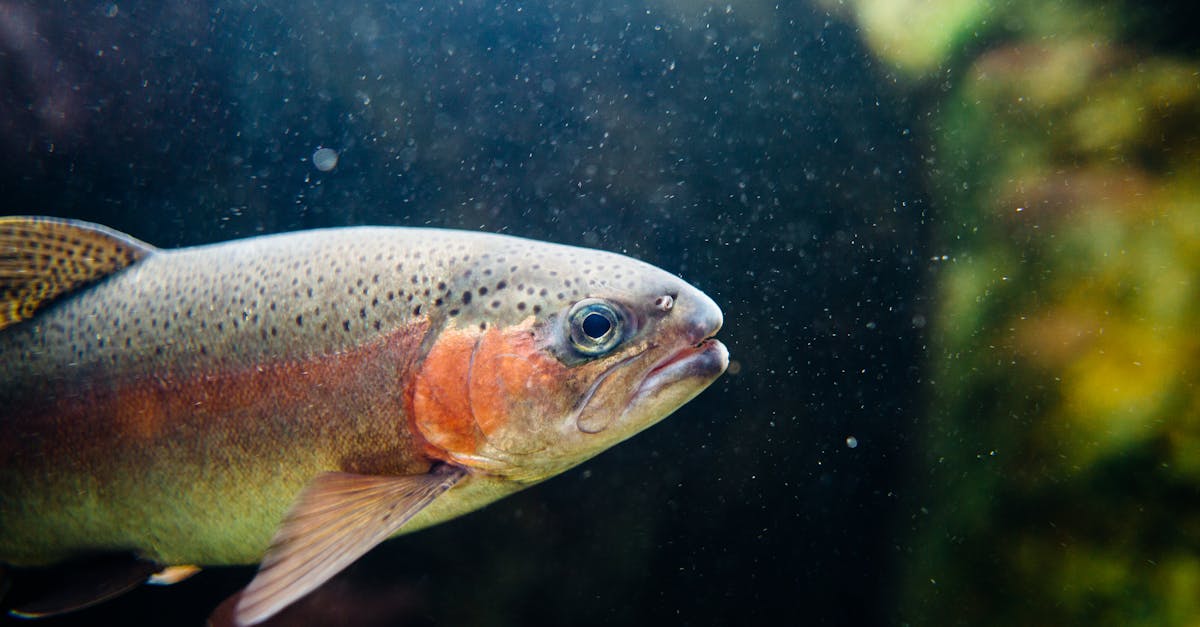
The rainbow trout is Montana's most widespread and popular gamefish, celebrated for its explosive surface strikes, aerial acrobatics, and willingness to take a well-presented dry fly. Native to Pacific Coast drainages from Alaska to Mexico, rainbows were first introduced to Montana's waters in the late 1800s and have since established thriving populations in nearly every major river system in the state. On legendary waters like the Madison, Missouri, and Bighorn, wild rainbow trout grow fat on prolific insect hatches and provide some of the finest dry-fly fishing in North America. Rainbow trout in Montana display remarkable variation depending on their home water. Fish in nutrient-rich tailwaters like the Missouri River below Holter Dam can exceed 20 inches with regularity, their deep bodies and broad tails reflecting the abundant food supply. Freestone river rainbows, such as those in the upper Madison and Gallatin, tend to be leaner and more athletic, shaped by faster currents and colder water temperatures. In many Montana rivers, rainbows spawn in the spring from March through June, and anglers should be mindful of spawning redds during this period to protect future generations of fish. Rainbows are arguably the most versatile trout species for fly anglers. They respond well to dry flies during hatches, aggressively chase streamers, and feed heavily on nymphs subsurface throughout the year. Their fighting ability is legendary: a hooked rainbow will often launch itself completely out of the water multiple times during a battle. Montana's catch-and-release regulations on many blue-ribbon streams have produced exceptional rainbow trout fisheries with high densities of large, healthy fish that continue to draw anglers from around the world.
Steelhead
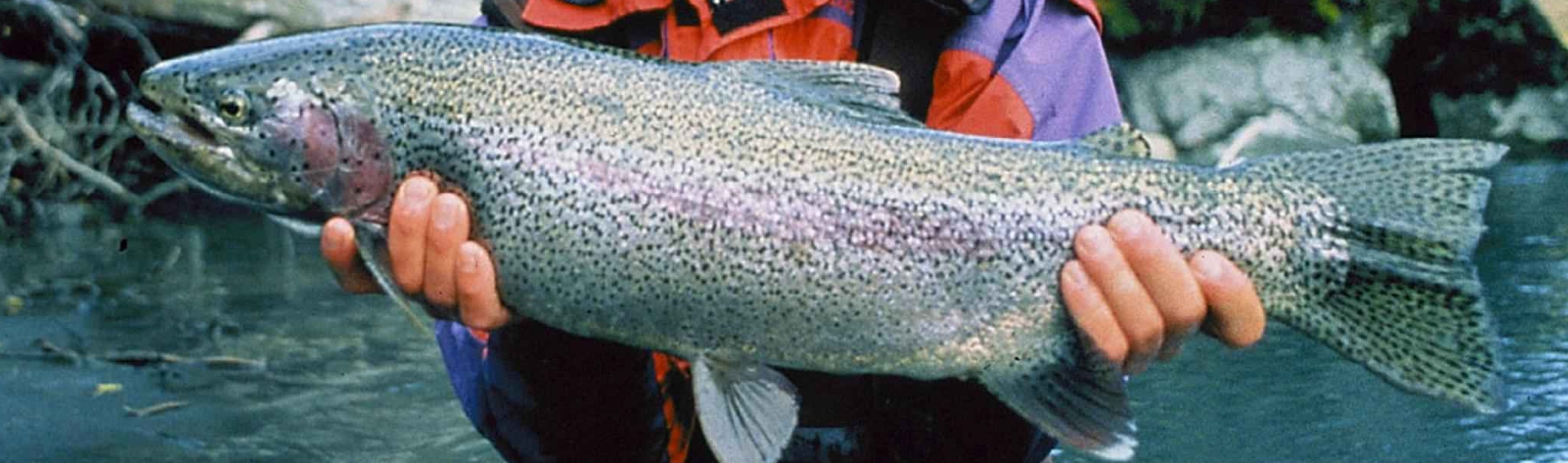
The steelhead is the undisputed monarch of Pacific Northwest fly fishing, a sea-run rainbow trout that combines the power of a salmon with the acrobatics of its resident rainbow cousins, wrapped in a chrome-bright package that can exceed 20 pounds. Genetically identical to rainbow trout (Oncorhynchus mykiss), steelhead are the anadromous form of the species: born in freshwater rivers, they migrate to the Pacific Ocean as juveniles, spend one to three years feeding in the rich saltwater environment, then return to their natal rivers to spawn. This ocean migration transforms a modest stream-resident rainbow into a muscular, silver-sided powerhouse that is widely considered the greatest gamefish available to fly anglers in North America. Steelhead are found in rivers throughout the Pacific Northwest, with Idaho, Oregon, and Washington offering the most celebrated fly-fishing opportunities. Idaho's Clearwater and Salmon rivers host legendary runs of summer steelhead, B-run fish that spend extra time in the ocean and return as massive 10- to 20-pound adults. Oregon's Deschutes River is perhaps the most iconic swing-fishing destination in the world, with summer steelhead providing consistent action from July through November. Washington's Olympic Peninsula rivers, the Skagit system, and tributaries of the Columbia River offer both summer and winter steelhead runs, drawing anglers from around the globe. Swing fishing for steelhead with a spey or switch rod is widely regarded as the pinnacle of fly-fishing pursuits. The technique involves casting a fly across and downstream, then allowing it to swing through the current on a tight line, covering water methodically as the angler steps downstream between each cast. The take of a steelhead on the swing, a sudden, violent pull that can nearly wrench the rod from your hands, is an experience that steelhead anglers describe as addictive beyond reason. The combination of the cast, the swing, the anticipation, the remote and beautiful river settings, and the sheer power of the fish creates a pursuit that many dedicated anglers build their entire fishing lives around.
Mountain Whitefish
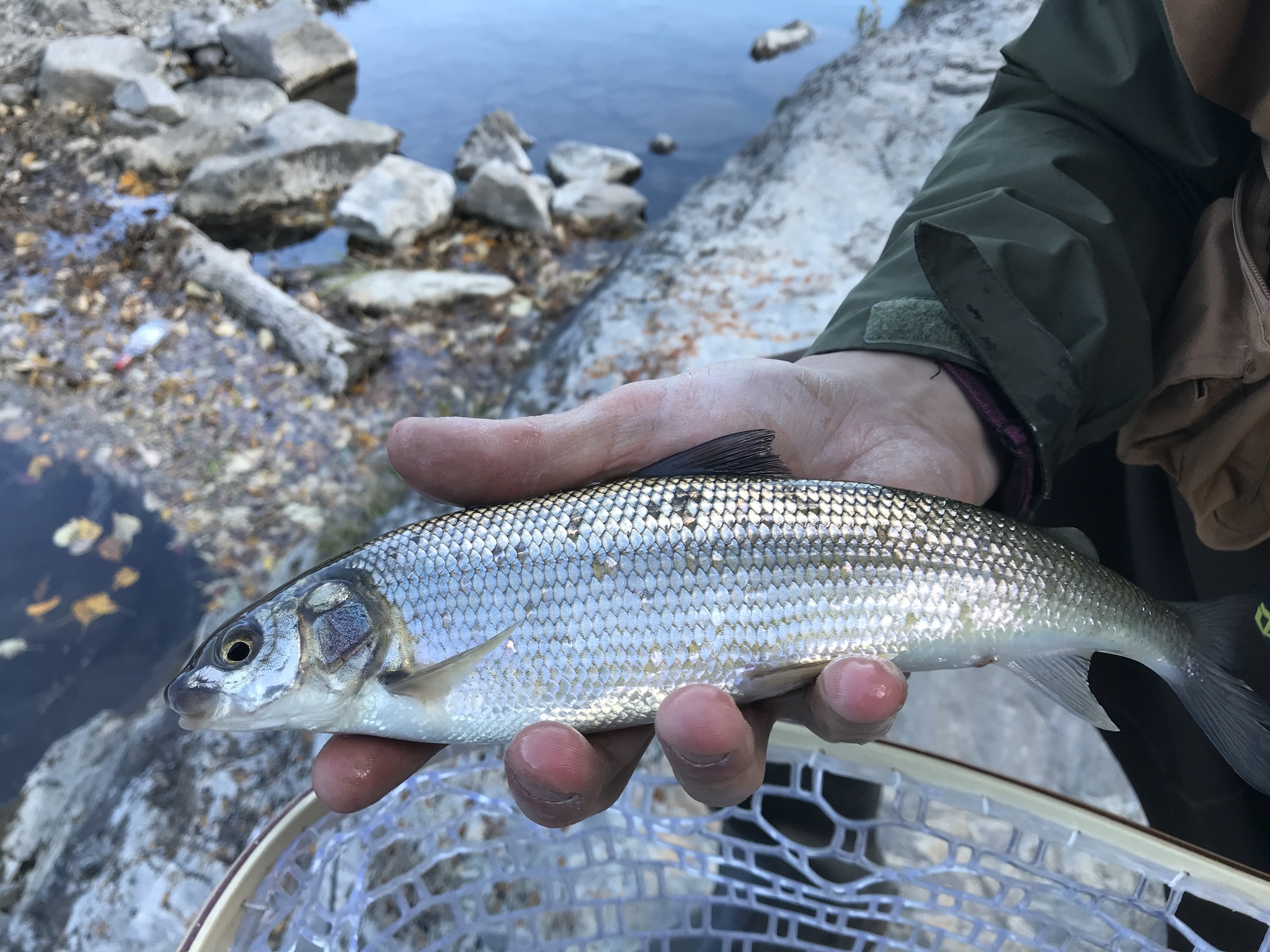
The mountain whitefish is one of Montana's most abundant native salmonids and arguably the most underappreciated gamefish in the state. A member of the whitefish subfamily (Coregoninae) within the broader salmonid family, mountain whitefish are present in virtually every cold-water river and large stream in Montana, often outnumbering trout by significant margins. On rivers like the Madison, Gallatin, Yellowstone, and Bitterroot, whitefish populations can exceed 1,000 fish per mile, making them the dominant salmonid species by biomass in many reaches. Despite this abundance, most fly anglers overlook whitefish entirely or view them as an unwelcome catch, which is unfortunate because they can provide outstanding sport on light tackle. Mountain whitefish are an important ecological component of Montana's river systems. They serve as a primary food source for larger brown trout, bald eagles, ospreys, otters, and other predators. Their fall spawning behavior (typically October through December) plays a critical role in nutrient cycling, and their eggs provide food for other fish and aquatic invertebrates during the lean winter months. In recent years, whitefish populations have been used as indicator species for overall river health, and declines in whitefish numbers on some Montana rivers have raised concerns about changing water conditions and disease pressure. For anglers willing to target them intentionally, mountain whitefish offer several advantages. They feed actively throughout the winter months when trout fishing can be slow, they are abundant and widely distributed, and they fight with surprising strength for their size; a 16-inch whitefish on a 3- or 4-weight rod provides a memorable tussle. Whitefish are also excellent table fare, with firm, mild-flavored white flesh that is delicious smoked or fried. Montana regulations typically allow a generous harvest limit for whitefish, recognizing their abundance and the role that harvest can play in managing populations on some waters.
John Day River Hatch Chart
| Insect | Suggested Fly | Jan | Feb | Mar | Apr | May | Jun | Jul | Aug | Sep | Oct | Nov | Dec |
|---|---|---|---|---|---|---|---|---|---|---|---|---|---|
Caddisflies (various) evening | Elk Hair Caddis | ||||||||||||
Stoneflies (various) all day | Stimulator | ||||||||||||
Damselflies afternoon | Woolly Bugger | ||||||||||||
Terrestrials (hoppers, crickets) afternoon | Chubby Chernobyl | ||||||||||||
Crawfish activity all day | Woolly Bugger | ||||||||||||
Blue-Winged Olive (Baetis) afternoon | BWO Emerger |
Caddisflies (various): Present in the upper river. Bass also feed on caddis. Size 14-16.
Stoneflies (various): Golden stones and smaller species in the upper river and North Fork. Size 8-12.
Damselflies: Important bass forage along vegetated banks. Woolly Bugger in blue/olive imitates. Size 10-12.
Terrestrials (hoppers, crickets): Terrestrials are important bass forage. Foam bugs and hoppers #6-10.
Crawfish activity: Not an insect hatch; crawfish are the primary forage for bass. Woolly Bugger in rust/olive.
Blue-Winged Olive (Baetis): Fall BWOs in the upper river and North Fork where trout are present.
Recommended Flies
Woolly Bugger
Top PickAll-purpose subsurface pattern. Works for both bass and steelhead.
Best in summer
Chubby Chernobyl
Top PickFoam bug / topwater for aggressive bass. Pop-pause-pop retrieve.
Best in summer
Sculpzilla
Top PickSculpin pattern effective for steelhead in fall canyon runs
Best in fall
Stimulator
Top PickAttractor dry that doubles as a bass surface fly
Best in summer
Pat's Rubber Legs
Top PickHeavy stonefly nymph for steelhead in deeper runs
Best in fall
Sex Dungeon
Top PickArticulated streamer for trophy bass and steelhead
Best in fall
Also Effective
Curated Fly Boxes
John Day Multi-Species Box
Summer-FallSmallmouth bass and steelhead share this remote canyon river. Big, bold patterns for aggressive smallmouth plus proven steelhead swinging flies.
Access Points & Boat Launches
Service Creek BLM Launch
Boat LaunchEasyThe primary put-in for multi-day float trips on the John Day. Service Creek marks the beginning of the most popular summer bass fishing float. The small community of Service Creek offers limited services but reliable shuttle support. This is where most John Day adventures begin. Arrive early on summer weekends.
Clarno Bridge Access
Boat LaunchEasyMajor intermediate access point that serves as the take-out for the Service Creek to Clarno float and the put-in for the permit-required lower canyon. Near the John Day Fossil Beds National Monument Clarno Unit. Clarno Rapids (Class III-IV) lies 5 miles downstream; scout at higher flows.
Cottonwood Bridge Access
Boat LaunchEasyTake-out for the lower canyon permit section and put-in for shorter day floats on the lower river. This site marks the end of the most dramatic canyon scenery. Good smallmouth bass fishing in the surrounding water. Less crowded than Service Creek for launching day floats.
Twickenham Bridge Wade Access
Wade AccessModerateWalk-in wade access upstream of Service Creek offering good smallmouth bass fishing from gravel bars without committing to a multi-day float. The water here is shallower and more wadeable during summer low flows. A good option for anglers with limited time who want to experience John Day bass fishing.
Regulations
Regulations
John Day River: Open year-round for bass and trout. Bass: No daily bag limit; unlimited harvest encouraged (ODFW removed all bag limits to reduce competition with native species). Trout: 2 per day, 8-inch minimum. Summer steelhead: Check current ODFW regulations; emergency closures may be enacted to protect declining wild steelhead runs. Recent years have seen catch-and-release-only emergency regulations. Float permit required for the lower canyon (Clarno to Cottonwood) May 1 - October 14; obtained through recreation.gov lottery. North Fork John Day: separate regulations; check ODFW Northeast Zone rules.
Always verify current regulations with Oregon Dept. of Fish and Wildlife before fishing.
Some links may earn a commission. Learn more
Quick Facts
- Region
- Eastern Oregon (High Desert / Blue Mountains)
- Water Type
- Freestone
- River Length
- 284 miles (147 miles of prime Wild and Scenic water from Service Creek to Tumwater Falls)
- Difficulty
- Intermediate-Advanced
- Best Seasons
- spring, summer, fall
- Trout Per Mile
- Smallmouth bass densities estimated at 200-400+ per mile in prime reaches; this is primarily a bass and steelhead fishery
- Record Trout
- Summer steelhead to 12+ lbs; smallmouth bass to 5+ lbs
- Species
- Rainbow Trout, Steelhead, Mountain Whitefish
- USGS Gauge
- 14046500
Local Shops & Guides
A. Helfrich Outfitter
Springfield, OR
A. Helfrich Outfitter is Oregon's oldest continuous outfitting family, guiding anglers on the McKenzie River since 1922. Based in Springfield, Oregon, the Helfrich family is synonymous with the McKenzie River drift boat tradition and has played a central role in the development of fly fishing culture in the Pacific Northwest over the past century. The McKenzie River is one of Oregon's most iconic trout streams, a crystal-clear, spring-fed river that flows through lush forests on the western slope of the Cascades. The Helfrich family's guides take anglers on classic McKenzie drift boat trips, fishing for wild rainbow and stocked trout through stunning canyon scenery. The drift boat itself was developed on the McKenzie, and the Helfrich family has been instrumental in refining and preserving this tradition. Beyond the McKenzie, the outfitter also runs multi-day wilderness float trips on the John Day River, one of Oregon's longest free-flowing rivers. A. Helfrich Outfitter's guides bring a depth of knowledge that can only come from four generations of guiding the same waters. Their McKenzie River trips offer outstanding dry fly fishing, particularly during the famous green drake and salmonfly hatches, while their John Day expeditions provide a more remote, multi-day wilderness experience. Whether you choose a day on the McKenzie or a multi-day adventure on the John Day, a trip with Helfrich connects you to over a century of Oregon fly fishing heritage.
(541) 726-5039
Little Creek Outfitters
Fossil, OR
Little Creek Outfitters is an eastern Oregon outfitter based in Fossil, specializing in multi-day float trips on the John Day and Owyhee rivers since 1984. Located in the small ranching town of Fossil along the John Day River, the outfitter provides access to two of Oregon's most remote, productive, and visually stunning desert trout fisheries. The John Day River is the longest free-flowing river in Oregon, winding through colorful canyon country that rivals any landscape in the American West. Little Creek's multi-day float trips take anglers through this spectacular scenery, fishing for smallmouth bass and wild redband rainbow trout along the way. The Owyhee River in southeastern Oregon is another crown jewel — a desert canyon stream that holds outstanding populations of brown and rainbow trout in a setting of towering rimrock and solitude. Little Creek Outfitters' veteran guides have decades of experience navigating these remote rivers, setting up comfortable riverside camps, and putting anglers on fish in waters that most people will never see. Their expeditions are fully outfitted, with all camping gear, meals, and fishing equipment provided. For anglers seeking a genuine wilderness fishing adventure in the dramatic desert canyons of eastern Oregon, Little Creek Outfitters offers an experience that is truly one of a kind.
(541) 468-2055
Where to Stay
Mitchell
A tiny painted-hills town with basic lodging near the upper John Day. The closest services to popular float put-ins on the North Fork and main stem.
Mitchell is remote, so stock up on supplies before arriving. The Tiger Town Brewing Company is worth a stop. Book a multi-day guided float for the full John Day backcountry experience.
John Day (town)
The largest town in Grant County with motels, restaurants, and a grocery store. A practical base for accessing multiple sections of the John Day River system.
The town of John Day is the last place for reliable services before heading into the canyon. Most multi-day float outfitters shuttle from here. Cell service is spotty once you leave town.