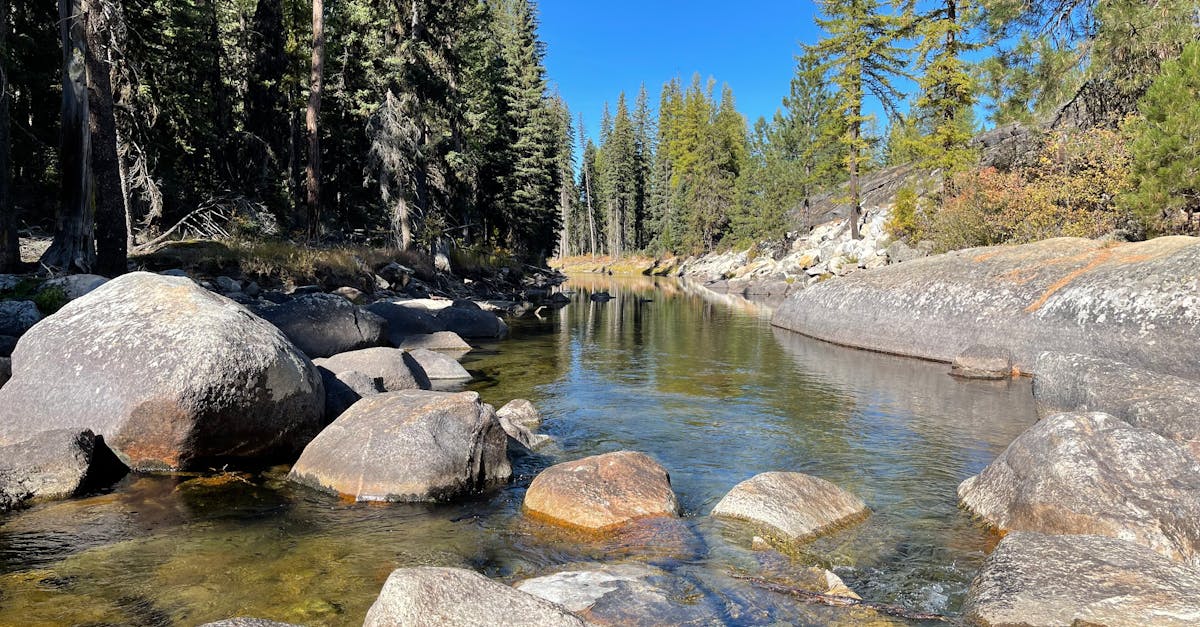
Metolius River
The Metolius River is one of the most beautiful and challenging fly fishing destinations in the Pacific Northwest. Born from massive springs at the base of Black Butte in the Cascade Range, this crystal-clear spring creek flows through old-growth ponderosa forest and supports wild populations of rainbow trout, brown trout, and the increasingly rare bull trout. Fly-fishing-only regulations and catch-and-release rules protect a fishery of uncommon quality in a setting of breathtaking natural beauty.
Metolius River Fishing Report & Current Conditions
The Metolius River is a spring creek fishery, and it fishes best in spring, summer and fall. Live USGS streamflow readings update throughout the day, while the monthly median flows below map the river's typical discharge across the year. Together they show current fishability and how today's water compares to the seasonal norm.
Current Conditions
Typical Monthly Flows
Historical median discharge (CFS) by month: Metolius River
Overview
The Metolius River emerges fully formed from the volcanic geology of the Cascade Range, bursting from massive springs near the base of Black Butte in a spectacle that draws visitors from around the world. Within a few hundred yards of its source, the Metolius is already a substantial river, 30-40 feet wide with powerful, surging currents that belie its spring-creek origin. The water is stunning: impossibly clear, startlingly cold (44-48 degrees F year-round), and tinted a luminous blue-green that makes it one of the most visually striking rivers in North America.
The river flows 28.6 miles northward through the Deschutes National Forest before emptying into Lake Billy Chinook. Along its course, numerous additional springs contribute flow, making the Metolius progressively larger and colder as it descends. The upper 12 miles, from the headwaters through the Camp Sherman community to Bridge 99 (Lower Bridge), constitute the prime fly fishing water, with fly-fishing-only, catch-and-release regulations that protect this fragile ecosystem.
The Metolius is managed as a wild trout fishery, with stocking discontinued in 1996. Wild rainbow trout are the primary quarry, averaging 10-14 inches with specimens to 20 inches and occasional fish exceeding 24 inches. Brown trout are less common but present, particularly in the lower reaches where the river deepens and slows before entering the lake. These browns can be large, with fish exceeding 20 inches are caught each season.
The river's most celebrated inhabitants are its bull trout, a federally threatened species that ascends from Lake Billy Chinook in fall to spawn in the cold, clean headwaters. Bull trout in the Metolius can reach truly impressive sizes, with fish exceeding 10 pounds are documented, with rare specimens approaching 15 pounds. While catch-and-release regulations apply to all bull trout, the opportunity to encounter one of these magnificent char on a fly rod is a once-in-a-lifetime experience.
The Camp Sherman area provides a charming base of operations, with a historic general store (the Camp Sherman Store) that doubles as one of the best small fly shops in Oregon. Campgrounds along the river provide walk-in access to miles of water, and the forest setting, with towering ponderosa pines, wildflower meadows, and views of the Cascades volcanic peaks, makes even a fishless day on the Metolius feel like time well spent.
Water Characteristics
The Metolius is among the clearest rivers in North America, with visibility often exceeding 20 feet. The water emerges from underground springs at a remarkably consistent 44-46 degrees F and warms only slightly (to about 48 degrees F) in the upper reaches during summer. Uniquely, the Metolius actually gets colder as you move downstream, as additional cold springs contribute flow along its length. This temperature profile supports a cold-water ecosystem of exceptional quality.
The substrate is volcanic in origin, a mix of dark basalt cobble, lava rock, gravel, and clean sand. Large boulders and submerged logs provide the primary fish-holding structure, and undercut banks along the outside bends are prime lies for larger trout and bull trout. The riverbed is generally clean of fine sediment, reflecting the pristine nature of the spring-fed system. Aquatic vegetation, including water moss, grows on rocks in the slower sections.
The insect community is diverse and abundant for a cold spring creek. Blue-winged Olives hatch year-round and are the most reliable surface-feeding opportunity. Caddisflies are abundant, with multiple species active from April through October. The Green Drake hatch (June-July and again in September-October) is the glamour hatch of the Metolius. Golden stoneflies and smaller stonefly species are important in the faster riffles. The cold water temperatures mean that hatches tend to be sparser and more prolonged than on warmer rivers.
Wading & Float Guide
The Metolius is a deceptively powerful spring creek. While it may look manageable from the bank, the volume of water pushing through its relatively narrow channel creates surprisingly strong currents. Many first-time visitors are caught off guard by the force of even knee-deep water. The river drops steeply, much more so than a typical spring creek, creating pocket water, cascading runs, and turbulent pools that bear more resemblance to a mountain freestone than a flat-water spring creek.
The riverbed is composed of volcanic rock, gravel, and sand, with large boulders creating the primary structure. Wading traction is generally good compared to the slippery algae-covered rocks of the Deschutes, but the irregular bottom and swift current compensate. Felt soles work well here, though studded boots provide extra security in the faster water. A wading staff is strongly recommended, particularly in the section from Camp Sherman downstream where the river widens and deepens.
In the upper headwaters section (first 3 miles below the springs), the river is relatively small and wadeable across in many locations, with depths rarely exceeding thigh-deep. Below Camp Sherman, the river gains significant volume from side springs and tributaries, and wading becomes more challenging. By the time you reach Bridge 99, crossing the river is inadvisable for all but the strongest waders at the lowest flows. The key to safe wading on the Metolius is to never fight the current; work with the river's structure, using boulders and gravel bars as wading platforms.
N/A: Walk and Wade Only
Fishing from a floating device is prohibited on the Metolius River. All fishing is walk-and-wade from the bank or while standing in the river. Access is provided by Forest Service roads, campgrounds, and trail systems. The primary fishing access runs from the headwaters springs to Bridge 99, approximately 12 miles.
Rod & Tackle Guide
Upper River (Headwaters to Camp Sherman): Euro Nymphing
- Rod
- 10'-10'6" 3-weight euro nymph rod
- Line
- Euro nymph line with sighter, or level mono
- Leader & Tippet
- 20'-24' mono leader with sighter section, 5X-6X tippet
The steep gradient and pocket water of the upper Metolius is purpose-built for euro nymphing. A long, sensitive rod is essential for detecting subtle takes in fast, broken water.
Mid-River (Camp Sherman to Bridge 99): Dry Fly / Nymph
- Rod
- 9' 4-weight or 5-weight
- Line
- Weight-forward floating
- Leader & Tippet
- 12'-15' tapered to 5X (stoneflies/hoppers) or 6X (BWOs/PMDs)
The mid-river offers the best dry fly opportunities. Long leaders are critical in the clear water. Go as fine on tippet as you can manage; 6X is standard, 7X for ultra-spooky risers.
Lower River / Bull Trout: Streamers
- Rod
- 9' 6-weight or 7-weight
- Line
- Weight-forward floating with sink-tip (Type 4-6) or full-sink intermediate
- Leader & Tippet
- 4'-6' of 0X-2X fluorocarbon
Bull trout demand heavy tackle. Large sculpin patterns (#2-6) need to get down quickly in deep pools and runs. Bull trout exceeding 10 lbs are possible.
Best Time to Fish the Metolius River
Spring
The Metolius above Allingham Bridge typically opens in late May (check ODFW for exact dates each year). The opening weeks offer the year's most aggressive feeding. Blue-winged Olives and midges hatch throughout the day, transitioning to early caddis in the afternoons. As June progresses, Green Drake hatches begin; the Metolius Green Drake hatch is one of the finest in Oregon. Fish a Green Drake pattern (#10-12) with a trailing PMD or BWO emerger. Euro nymphing is the most consistent producer. The river is high and cold in spring; wear warm waders.
Summer
Summer is the most pleasant time to fish the Metolius, with warm days, cool evenings, and consistent insect activity. Golden stoneflies and smaller stonefly species are active in June and July. PMDs hatch from mid-morning through afternoon. By mid-summer, terrestrials (hoppers, ants, and beetles) become increasingly important, and a foam hopper pattern (#10-12) drifted tight to the bank can draw explosive strikes. Evening caddis hatches can produce fast action in the riffles. The Camp Sherman area is popular with vacationers; fish early and late.
Fall
Fall is the most diverse and rewarding season on the Metolius. Bull trout begin ascending from Lake Billy Chinook in October; fish large sculpin streamers (#2-6) on heavy sink tips. Simultaneously, the trout fishing reaches its peak as rainbow and brown trout feed aggressively ahead of winter. BWO hatches can be prolific on overcast October days, and the mahogany dun hatch provides another surface opportunity. The season above Allingham Bridge closes November 1; plan accordingly.
Winter
Winter fishing is available on the Metolius below Allingham Bridge. Midge and BWO hatches occur on mild days, particularly between 11am and 2pm. The extremely cold water temperatures (42-44 degrees F) slow fish metabolism, requiring slow, deep presentations. Small nymphs fished with euro techniques through the deeper pools and runs are the primary approach. Dress warmly and be prepared for snow and ice on access roads. Solitude is nearly guaranteed.
Fishing Pressure & Local Tips
The Metolius receives moderate fishing pressure throughout the fishing season, concentrated around the Camp Sherman area where road access is easiest. The headwaters section near the springs is a popular tourist attraction, and the first mile or so of fishable water below the springs sees the most anglers. The stretch from Camp Sherman Store downstream to Bridge 99 distributes anglers more widely, but on summer weekends, expect to see other fly fishers at most of the well-known pools.
Despite the moderate pressure, the Metolius manages to maintain its quality because of its difficulty. The combination of extreme water clarity, spooky wild trout, and challenging currents weeds out casual anglers quickly. Many visitors try the Metolius for a morning, catch nothing, and head to the more cooperative Deschutes or Crooked River. To find solitude, fish midweek, hike downstream past the popular campground pools, and focus on the less accessible water between Camp Sherman and Bridge 99. Dawn and dusk offer the best combination of active fish and empty water.
Local Knowledge
Stealth is the single most important skill on the Metolius. These fish live in gin-clear water and have been pressured by skilled fly anglers for decades. Approach every pool from well below, using streamside vegetation as cover. Keep your profile low; kneeling while casting is not excessive here. Wear earth-toned clothing and avoid any unnecessary movement. The fish can see you long before you see them.
Euro nymphing has revolutionized fishing on the Metolius. The steep gradient and complex currents make indicator nymphing extremely difficult, as the indicator is constantly dragging the flies unnaturally. A long euro rod (10-10'6") with a sighter system allows you to maintain direct contact with your flies as they tumble through the pockets and runs. Double-beaded stonefly nymphs paired with small (#18-20) mayfly nymphs or perdigons are the standard euro rig.
The Camp Sherman Store is your most valuable resource. The staff knows the river intimately and will provide honest, current information about where fish are feeding, what patterns are working, and which sections have the least pressure. Stop in before fishing; even experienced Metolius anglers check in with the store for updates. For a complete Metolius experience, book a cabin at one of the Camp Sherman lodges and spend several days learning the river; the Metolius rewards patience and persistence more than any other river in Oregon.
Species Present
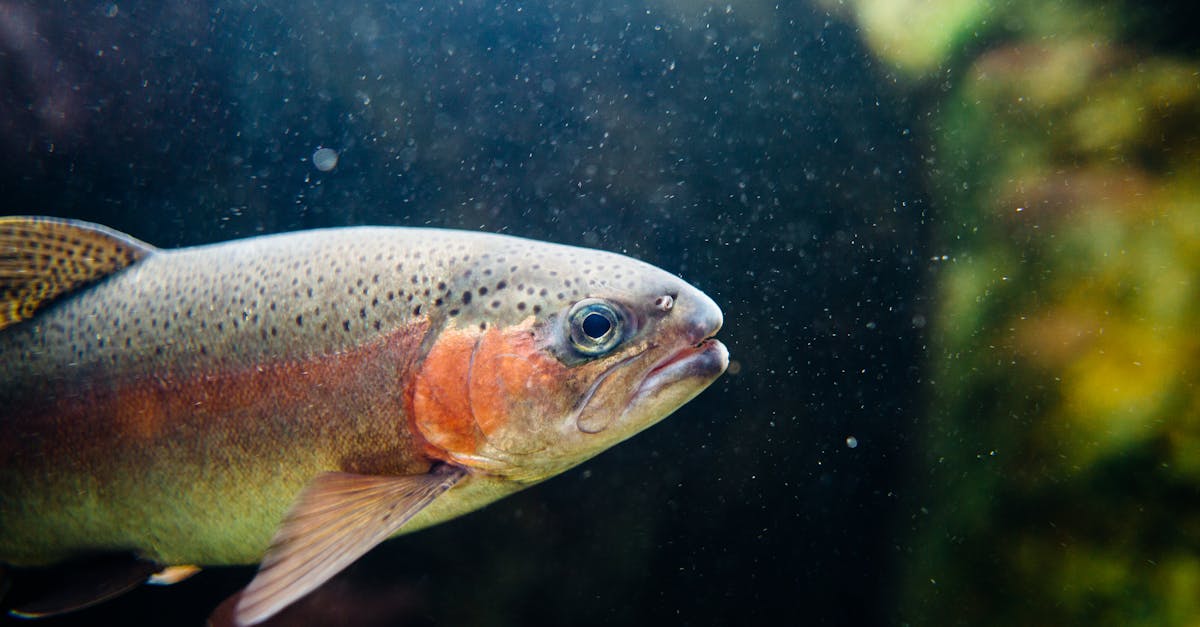
Rainbow Trout
The rainbow trout is Montana's most widespread and popular gamefish, celebrated for its explosive surface strikes, aerial acrobatics, and willingness to take a well-presented dry fly. Native to Pacific Coast drainages from Alaska to Mexico, rainbows were first introduced to Montana's waters in the late 1800s and have since established thriving populations in nearly every major river system in the state. On legendary waters like the Madison, Missouri, and Bighorn, wild rainbow trout grow fat on prolific insect hatches and provide some of the finest dry-fly fishing in North America. Rainbow trout in Montana display remarkable variation depending on their home water. Fish in nutrient-rich tailwaters like the Missouri River below Holter Dam can exceed 20 inches with regularity, their deep bodies and broad tails reflecting the abundant food supply. Freestone river rainbows, such as those in the upper Madison and Gallatin, tend to be leaner and more athletic, shaped by faster currents and colder water temperatures. In many Montana rivers, rainbows spawn in the spring from March through June, and anglers should be mindful of spawning redds during this period to protect future generations of fish. Rainbows are arguably the most versatile trout species for fly anglers. They respond well to dry flies during hatches, aggressively chase streamers, and feed heavily on nymphs subsurface throughout the year. Their fighting ability is legendary: a hooked rainbow will often launch itself completely out of the water multiple times during a battle. Montana's catch-and-release regulations on many blue-ribbon streams have produced exceptional rainbow trout fisheries with high densities of large, healthy fish that continue to draw anglers from around the world.
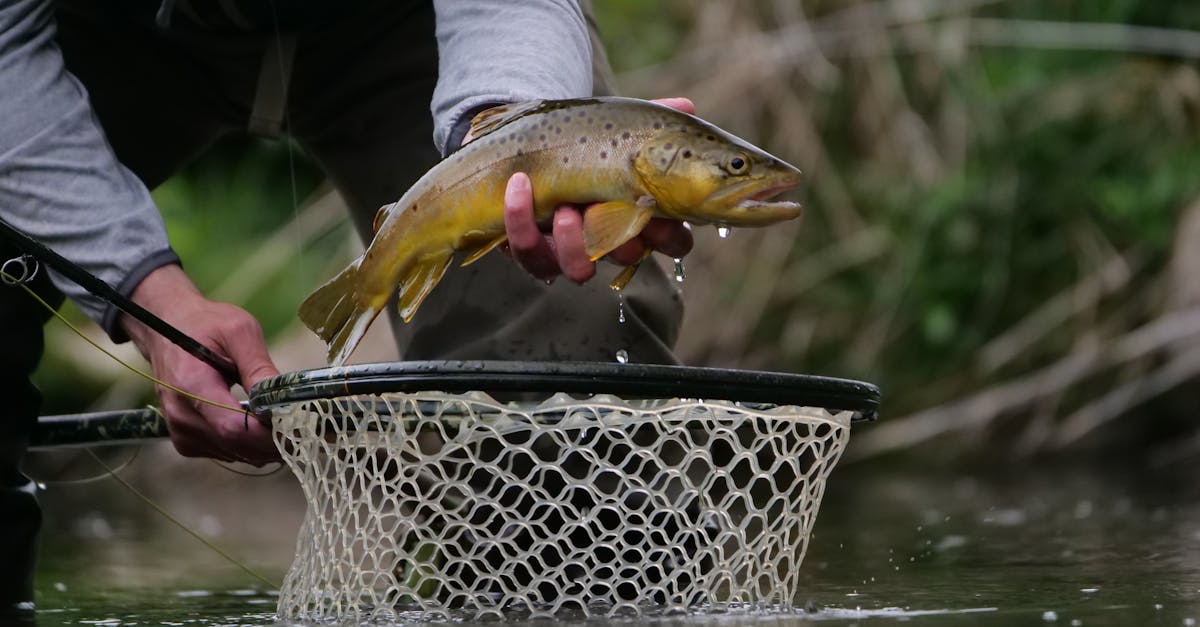
Brown Trout
The brown trout is the most cunning and elusive trout species swimming in Montana's rivers, and it rewards patient, skilled anglers with some of the state's most memorable catches. Originally native to Europe and western Asia, brown trout were first introduced to North American waters in 1883 and arrived in Montana shortly thereafter. They have since established robust, self-sustaining populations in virtually every major trout stream in the state, from the legendary spring creeks of the Paradise Valley to the sweeping runs of the lower Madison and the deep pools of the Bighorn. Brown trout grow larger than any other trout species in Montana, and fish exceeding 24 inches are caught with regularity on premium waters. The lower Madison River, the Missouri River below Holter Dam, and the Bighorn River are particularly renowned for producing trophy-class browns. Unlike rainbows, brown trout spawn in the fall (October through November), and their aggressive pre-spawn behavior creates an exciting window for streamer fishing as large males become territorial and attack anything that enters their domain. Browns are notably more nocturnal than other trout species, and many of the biggest fish are caught during low-light conditions. What sets brown trout apart from other species is their wariness and selectivity. Large browns are notoriously difficult to fool, often refusing flies that are even slightly off in size, color, or presentation. They tend to establish and defend prime feeding lies (undercut banks, logjams, deep pools, and boulder gardens), and an angler who learns to read water and identify these holding spots will consistently catch more and larger fish. This combination of difficulty, size potential, and intelligence makes the brown trout the most prized quarry for many serious Montana fly fishers.
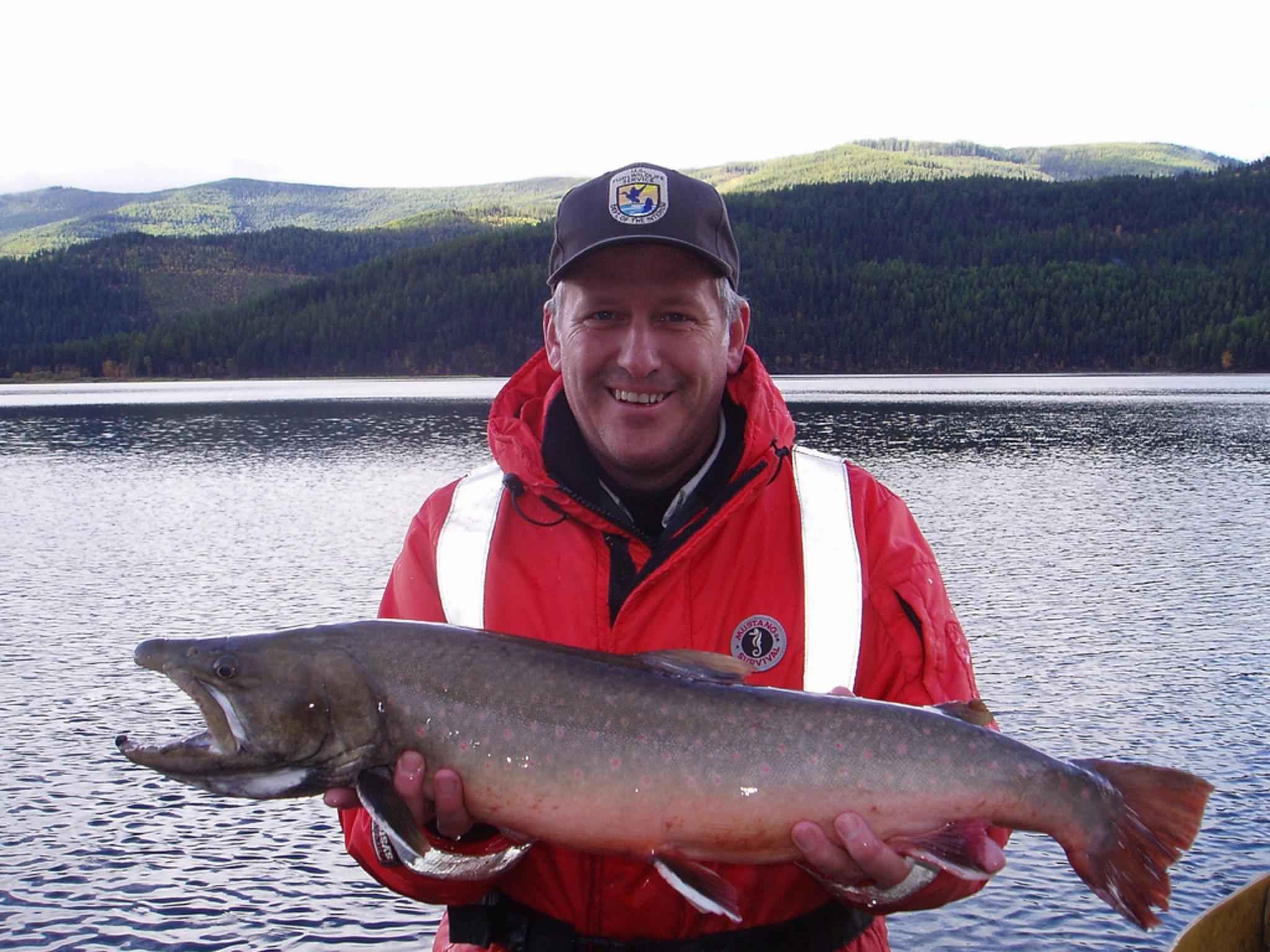
Bull Trout
The bull trout is the largest native char in the inland waters of the Pacific Northwest, a powerful and elusive predator that inhabits the coldest, cleanest rivers and lakes in Idaho, Montana, Oregon, and Washington. Despite its common name, the bull trout is not a true trout at all; it belongs to the char genus Salvelinus, making it a close relative of brook trout, lake trout, and Arctic char. Bull trout are distinguished by their massive heads, broad jaws, and overall bulk, which earned them the 'bull' moniker from early settlers who encountered these imposing fish in the frigid headwaters of the Columbia, Snake, and Klamath river basins. For fly anglers in the Pacific Northwest, the bull trout occupies a unique and somewhat complicated position. These fish are federally listed as Threatened under the Endangered Species Act throughout their range in the contiguous United States, meaning that catch-and-release only regulations apply universally: no bull trout may be harvested anywhere in Idaho, Montana, Oregon, or Washington. Despite this protected status, bull trout can be legally targeted in many waters, and they are a thrilling quarry on the fly rod. Migratory bull trout that move between lakes and tributary streams can exceed 30 inches and 10 pounds, with the power and aggression of a fish that feeds primarily on other fish. Hooking a large bull trout on a streamer in a clear mountain river is one of the most electrifying experiences in western fly fishing. Bull trout are also critically important as an indicator species for watershed health. They require the coldest water temperatures of any salmonid in North America (sustained temperatures above 59 degrees Fahrenheit can be lethal), and they depend on connected networks of streams, rivers, and lakes to complete their complex life cycle. Where bull trout thrive, you can be confident the watershed is intact, the water is clean, and the habitat is functioning at a high level. Their decline across much of the Pacific Northwest has been driven by dam construction, logging-related sedimentation, water temperature increases from climate change, and competition with non-native brook trout, with which they readily hybridize. Understanding bull trout identification is essential for every western angler, as many are caught incidentally while targeting other species, and proper handling and release are legally mandated.
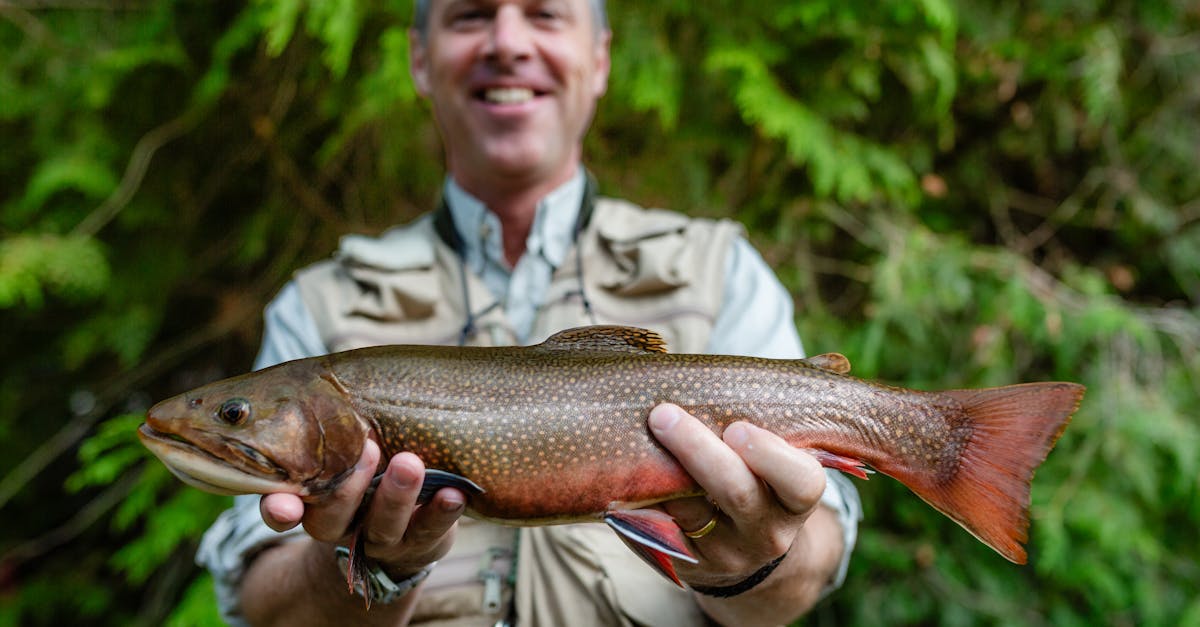
Brook Trout
The brook trout is widely considered the most beautiful freshwater fish in North America, and catching one in a pristine Montana mountain stream is an experience that captures the essence of backcountry fly fishing. Despite their common name, brook trout are not true trout at all; they are a species of char (genus Salvelinus), more closely related to lake trout and Arctic char than to rainbows or browns. Native to eastern North America from Georgia to Hudson Bay, brook trout were among the first salmonids introduced to Montana's waters in the late 1800s and have since established self-sustaining populations in cold, high-elevation streams and lakes throughout the state. In Montana, brook trout thrive best in small, cold headwater streams and high mountain lakes where competition from larger trout species is minimal. In these environments, they are often the dominant, or only, salmonid present. The trade-off is size: Montana stream-dwelling brook trout typically range from 6 to 10 inches, with fish over 12 inches considered noteworthy in most waters. What they lack in size, however, they more than make up for in beauty and willingness to eat a fly. Brookies are aggressive feeders that will strike attractor dry flies, nymphs, and small streamers with enthusiasm, making them an ideal species for beginning fly anglers and a delightful quarry for anyone who appreciates small-stream fishing. Brook trout do present a conservation paradox in Montana. While they are a beloved and beautiful gamefish, they are non-native and can negatively impact native species, particularly Yellowstone and westslope cutthroat trout. In headwater streams, brook trout often outcompete cutthroats for food and spawning habitat due to their higher reproductive rate and earlier maturation. As a result, Montana FWP has implemented brook trout removal projects on some streams to restore native cutthroat populations. In many waters, liberal harvest limits for brook trout are encouraged to reduce their numbers and benefit native fish. Anglers can enjoy excellent brook trout fishing while actively helping conservation by keeping a few for the pan.
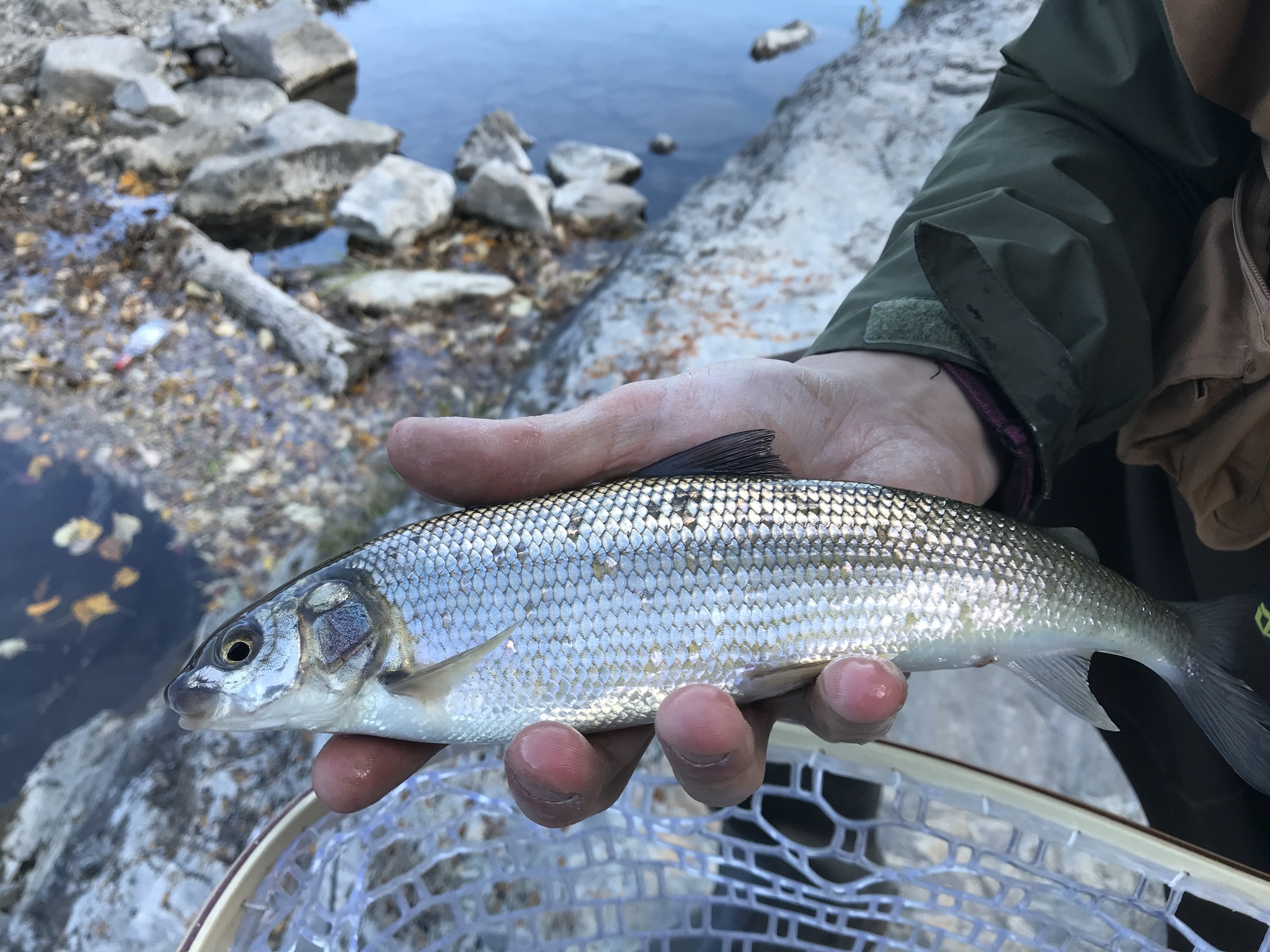
Mountain Whitefish
The mountain whitefish is one of Montana's most abundant native salmonids and arguably the most underappreciated gamefish in the state. A member of the whitefish subfamily (Coregoninae) within the broader salmonid family, mountain whitefish are present in virtually every cold-water river and large stream in Montana, often outnumbering trout by significant margins. On rivers like the Madison, Gallatin, Yellowstone, and Bitterroot, whitefish populations can exceed 1,000 fish per mile, making them the dominant salmonid species by biomass in many reaches. Despite this abundance, most fly anglers overlook whitefish entirely or view them as an unwelcome catch, which is unfortunate because they can provide outstanding sport on light tackle. Mountain whitefish are an important ecological component of Montana's river systems. They serve as a primary food source for larger brown trout, bald eagles, ospreys, otters, and other predators. Their fall spawning behavior (typically October through December) plays a critical role in nutrient cycling, and their eggs provide food for other fish and aquatic invertebrates during the lean winter months. In recent years, whitefish populations have been used as indicator species for overall river health, and declines in whitefish numbers on some Montana rivers have raised concerns about changing water conditions and disease pressure. For anglers willing to target them intentionally, mountain whitefish offer several advantages. They feed actively throughout the winter months when trout fishing can be slow, they are abundant and widely distributed, and they fight with surprising strength for their size; a 16-inch whitefish on a 3- or 4-weight rod provides a memorable tussle. Whitefish are also excellent table fare, with firm, mild-flavored white flesh that is delicious smoked or fried. Montana regulations typically allow a generous harvest limit for whitefish, recognizing their abundance and the role that harvest can play in managing populations on some waters.
Metolius River Hatch Chart
| Insect | Suggested Fly | Jan | Feb | Mar | Apr | May | Jun | Jul | Aug | Sep | Oct | Nov | Dec |
|---|---|---|---|---|---|---|---|---|---|---|---|---|---|
Blue-Winged Olive (Baetis) afternoon | Parachute Adams | ||||||||||||
Green Drake afternoon | Parachute Adams | ||||||||||||
Green Drake (fall) afternoon | Sparkle Dun | ||||||||||||
Golden Stonefly all day | Stimulator | ||||||||||||
Caddisflies (various) evening | Elk Hair Caddis | ||||||||||||
Pale Morning Dun morning | PMD Comparadun | ||||||||||||
Mahogany Dun afternoon | Parachute Adams | ||||||||||||
Terrestrials (hoppers, ants) afternoon | Chubby Chernobyl |
Blue-Winged Olive (Baetis): Year-round and the most reliable hatch on the Metolius. Size 16-20.
Green Drake: The glamour hatch of the Metolius. Size 10-12. Large Parachute Adams works.
Green Drake (fall): Second Green Drake hatch in fall. Sparkle Dun #10-12.
Golden Stonefly: Important in the faster riffles and pocket water. Size 8-12.
Caddisflies (various): Multiple species active through the season. Size 14-16.
Pale Morning Dun: Mid-morning through afternoon. Size 16-18.
Mahogany Dun: Late-season mayfly providing surface opportunities. Size 14-16. Parachute Adams covers it.
Terrestrials (hoppers, ants): Hoppers and ants along forest edges. Chubby Chernobyl #10-12 tight to bank.
Recommended Flies
Parachute Adams
Top PickThe most important dry fly, covering BWOs year-round. Size 16-20.
Best in spring
Perdigon
Top PickEuro nymph essential for the Metolius' fast, complex currents
Best in spring
Pheasant Tail Nymph
Top PickTungsten bead version necessary in fast water. Size 16-20.
Best in spring
Elk Hair Caddis
Top PickStandard caddis imitation. Effective throughout summer months.
Best in summer
Stimulator
Top PickStonefly/attractor for riffles and pocket water. Size 8-12.
Best in summer
RS2
Top PickSubtle emerger for selective fish during BWO hatches
Best in fall
Woolly Bugger
Top PickSculpin streamer for bull trout. Dead-drift or slow-strip along bottom.
Best in fall
Chubby Chernobyl
Top PickFoam hopper pattern. Fish tight to banks in July-September.
Best in summer
Curated Fly Boxes
Metolius Spring Creek Selection
Spring-FallCrystal-clear water, wary trout, and a mix of hatches throughout the season. This selection covers the Metolius's most important insects from green drakes to October caddis.
Access Points & Boat Launches
Metolius River Headwaters Spring
Wade AccessEasyThe famous headwaters spring where the Metolius bursts from the ground at the base of Black Butte. A short paved trail leads to the spring viewing area, and fishing access begins just downstream. The first mile of water below the springs is the most accessible but also the most pressured. Stunning scenery year-round.
Camp Sherman Bridge
Wade AccessEasyAccess near the Camp Sherman Store, the community hub and premier local fly shop. Walk-in access to productive mid-river water with a mix of riffles, runs, and pools. The Camp Sherman Store provides current conditions, fly recommendations, and local knowledge. Multiple campgrounds within walking distance.
Wizard Falls Fish Hatchery
Wade AccessEasy-ModerateAccess point near the Wizard Falls Fish Hatchery, approximately 5 miles below the headwaters. The water here has gained significant volume from side springs and offers some of the best dry fly opportunities on the river. Good Green Drake water in June. The hatchery itself is worth a visit. Less crowded than the headwaters area.
Bridge 99 (Lower Bridge)
Wade AccessModerateThe downstream boundary of the fly-fishing-only, catch-and-release water. Bridge 99 provides access to the lower end of the prime fishing section. The river is larger and more powerful here, with deep pools that hold bull trout in fall. This is the best water for streamer fishing targeting browns and bull trout.
Regulations
Regulations
Metolius River (upstream of Bridge 99/Lower Bridge): Fly-fishing only with barbless hooks. Catch-and-release for all trout (including rainbow, brown, brook, and bull trout). Bull trout: catch-and-release only (federally protected species); must release immediately if caught. No fishing from a floating device (boats, rafts, float tubes prohibited). Season: Open year-round below Allingham Campground Bridge; above Allingham Campground Bridge open approximately late May through October 31 (check current ODFW dates; typically opens 4th Saturday in May). No bait fishing. Walk-and-wade fishing only.
Always verify current regulations with Oregon Dept. of Fish and Wildlife before fishing.
Some links may earn a commission. Learn more
Quick Facts
- Region
- Central Oregon (Cascades)
- Water Type
- Spring Creek
- River Length
- 28.6 miles (12 miles of prime fishing from headwaters to Bridge 99)
- Difficulty
- Advanced
- Best Seasons
- spring, summer, fall
- Trout Per Mile
- Estimated 1,000-2,000 wild fish per mile in best sections
- Record Trout
- Bull trout to 15+ lbs documented; rainbow trout to 24 inches; brown trout occasionally exceed 20 inches
- Species
- Rainbow Trout, Brown Trout, Bull Trout, Brook Trout, Mountain Whitefish
- USGS Gauge
- 14091500
Local Shops & Guides
The Fly Fisher's Place
Sisters, OR
The Fly Fisher's Place is Central Oregon's premier fly shop, located on West Main Avenue in the charming mountain town of Sisters, Oregon. Since 1986, the shop has served as the definitive resource for anglers fishing the Deschutes, Metolius, Crooked, and Fall rivers — a remarkable collection of diverse trout waters all within easy driving distance of Sisters. The shop carries a comprehensive inventory of flies, rods, reels, waders, and accessories with a deep emphasis on the patterns and gear needed for Central Oregon's varied fisheries. From the giant salmonfly and golden stone patterns for the Deschutes Canyon to the tiny mayflies and caddis needed for the Crooked River tailwater, The Fly Fisher's Place stocks flies for every local situation. Their daily fishing reports are an indispensable resource, providing current conditions, hatch information, and recommended patterns for each river in the region. The Fly Fisher's Place offers a professional guide service covering all of Central Oregon's major fisheries. Their guides know the nuances of each river — the sight-fishing opportunities on the spring-fed Metolius, the technical nymphing on the Crooked River, the big-water float trips through the Deschutes Canyon, and the delicate dry fly fishing on the Fall River. The shop also carries an extensive selection of fly tying materials, making it a favorite destination for fly tiers visiting Central Oregon.
(541) 549-3474
Fly and Field Outfitters
Bend, OR
Fly and Field Outfitters is a full-service fly shop and guide service based in Bend, Oregon, with over 17 years of experience guiding anglers on Central Oregon's exceptional trout and steelhead waters. Located on SW Century Drive in Bend, the shop provides easy access to the Deschutes River, Crooked River, Fall River, and other productive fisheries in the region. The shop carries a carefully curated selection of flies, rods, reels, waders, and accessories, with staff who fish local waters regularly and provide up-to-the-minute advice on conditions and techniques. Fly and Field is known for their versatility, offering not just trout fishing but also steelhead trips on the lower Deschutes and spey casting instruction for anglers looking to expand their skills. Fly and Field Outfitters' guide service is the core of the business, featuring experienced guides who specialize in Deschutes River float trips through the canyon, technical nymphing on the Crooked River tailwater, and sight-fishing on the Fall River. Their guides are skilled at working with anglers of all experience levels, from first-time fly fishers to seasoned veterans. The shop also offers spey casting lessons and steelhead-specific trips, making it one of the most well-rounded outfitters in the Central Oregon fly fishing scene.
(541) 318-1616
Where to Stay
Camp Sherman
A tiny resort community on the banks of the Metolius. Historic cabins and lodges sit right along the river, the quintessential Oregon spring creek experience.
The Camp Sherman Store is the local hub for supplies and fishing intel. Cabin rentals book far in advance for summer. The best dry-fly water is right in the Camp Sherman stretch.
Sisters
A charming mountain town with a western-themed downtown, excellent restaurants, and the Fly Fisher's Place, one of Oregon's best fly shops. About 20 minutes from the Metolius.
Sisters offers the best dining and nightlife near the Metolius. Stop at The Fly Fisher's Place for local patterns and current reports. Also a good base for Crooked River and upper Deschutes.