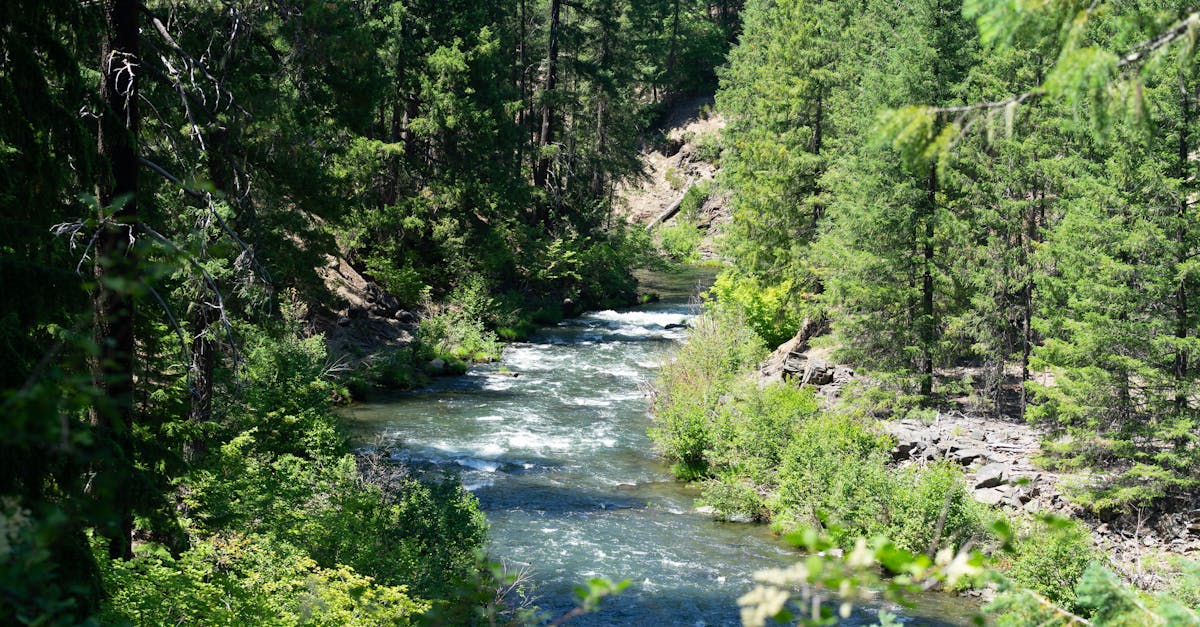
McKenzie River
The McKenzie River is Oregon's quintessential drift-boat trout stream, flowing 90 miles from Clear Lake high in the Cascades to the Willamette River near Eugene. Famous for its stunning blue water, prolific caddis hatches, and the traditional McKenzie drift boat that was invented on its banks, the river offers outstanding dry fly fishing in one of the most beautiful valley settings in the Pacific Northwest.
McKenzie River Fishing Report & Current Conditions
The McKenzie River is a freestone fishery, and it fishes best in spring, summer and fall. Live USGS streamflow readings update throughout the day, while the monthly median flows below map the river's typical discharge across the year. Together they show current fishability and how today's water compares to the seasonal norm.
Current Conditions
Typical Monthly Flows
Historical median discharge (CFS) by month: McKenzie River
Overview
The McKenzie River begins as the outflow of Clear Lake, a stunning, spring-fed lake in the Cascade high country at 3,000 feet elevation, and descends through old-growth Douglas fir forest, past waterfalls and lava flows, and eventually through the pastoral farmland of the upper Willamette Valley before joining the Willamette River just north of Eugene. Along its 90-mile course, the McKenzie transitions from a cold, boulder-strewn mountain stream to a wide, gentle valley river, offering remarkably diverse fly fishing opportunities.
The river is inextricably linked to the McKenzie drift boat, a flat-bottomed, double-ended craft designed specifically for navigating the McKenzie's whitewater in the early 20th century. This iconic boat design has since been adopted by river guides worldwide, but it was born here, and drift boat fishing remains the defining experience of the McKenzie.
The fishery is built on three pillars: wild rainbow trout (redsides), native cutthroat trout, and hatchery rainbow trout stocked in the middle reaches. The wild fish, found primarily in the upper river above the reservoirs and in the lower river below Leaburg Dam, are the most prized quarry: hard-fighting, beautifully colored fish that respond enthusiastically to well-presented dry flies. Redsides average 10-14 inches with fish exceeding 18 inches available for the skilled angler.
The McKenzie is best known as a dry fly river. Its prolific caddis hatches, particularly the famous green McKenzie caddis (Hydropsyche) that hatches in tremendous numbers from April through June, make surface fishing the dominant technique. The October caddis provides outstanding fall dry fly action, and the river also hosts excellent hatches of pale morning duns, green drakes, blue-winged olives, and various stonefly species.
Proximity to Eugene and Springfield, Oregon's second-largest metro area, makes the McKenzie one of the most accessible fly fishing rivers in the state. Highway 126 (the McKenzie River Scenic Byway) parallels the river for much of its length, providing numerous access points for both wade and drift-boat anglers.
Water Characteristics
The McKenzie River is famous for its distinctive blue color, a phenomenon created by the combination of spring-fed clarity, dissolved minerals from Cascade volcanic geology, and the river's clean gravel and basalt substrate. The upper McKenzie, fed directly by springs and snowmelt, runs startlingly clear with visibility exceeding 15 feet on most days. The middle and lower reaches maintain excellent clarity under normal conditions, though rain events can temporarily reduce visibility.
Water temperatures vary by section and season. The upper river remains cold year-round (42-50 degrees F), while the lower river warms into the mid-50s to low 60s in summer. This temperature gradient creates distinct ecological zones along the river's length. The substrate transitions from large boulders and lava rock in the upper canyon to mixed cobble and gravel in the middle reaches to predominantly gravel and sand in the lower valley section.
The McKenzie's insect life is exceptional, driven by its clean water and productive substrate. Caddisflies dominate the biomass, with the green McKenzie caddis (Hydropsyche) being the signature species. Multiple stonefly species are present, including salmonflies in the upper reaches. Mayflies, particularly PMDs, BWOs, green drakes, and March browns, provide excellent hatching throughout the season. October caddis are the hallmark fall insect, and their large size and predictable emergence make for the river's most exciting late-season dry fly fishing.
Wading & Float Guide
The McKenzie varies dramatically in wading character from section to section. The upper river above the reservoirs is classic mountain freestone water: fast, cold, and boulder-strewn with limited wading opportunities. The gradient is steep, the rocks are large and often slippery, and crossing the river is generally not possible. Anglers here fish from the bank or wade carefully in the slower margins. Studded boots and a wading staff are essential in the upper river.
The middle reaches below Leaburg Dam offer more accessible wading, with a mix of gravel bars, cobble riffles, and deeper pools. The river is wider here (60-100 feet) and the gradient is gentler, creating more traditional riffle-run-pool sequences. However, the McKenzie carries significant volume, and what appears to be a gentle riffle can have surprising push at its heart. Stay in the shallower margins and work outward gradually.
The lower McKenzie from Hendricks Bridge to the Willamette is the most wadeable section, with broad gravel bars, moderate currents, and a wide, gentle character that allows anglers to access most of the productive water on foot. This is where the wild redside population thrives. The bottom is primarily gravel and cobble with good traction, though felt soles still outperform rubber in most conditions. Water depth on the gravel bars rarely exceeds waist-deep.
Olallie to Paradise
The premier whitewater drift on the McKenzie, featuring several significant rapids. Outstanding wild trout water in a remote, forested canyon setting. Requires experienced boat handling. Best fished with a professional guide.
Paradise to Greenwood
A full-day drift through productive trout water with moderate whitewater. Classic McKenzie drift boat country. Excellent caddis and stonefly hatches. The heart of the McKenzie guided drift boat experience.
Greenwood to Hendricks Bridge
More accessible float through the transition zone from canyon to valley. Good dry fly water with reliable caddis and mayfly hatches. Suitable for intermediate rowers.
Hendricks Bridge to Armitage Park
The lower McKenzie through the valley floor. Gentle water with outstanding wild trout fishing. Excellent for less experienced rowers. Best wild trout populations on the river.
Deerhorn to Hendricks Bridge
A long day float covering some of the most productive water on the McKenzie. Combines the lower canyon character with the transition to valley water. Good mix of wild and hatchery trout.
Rod & Tackle Guide
Upper McKenzie (above reservoirs): Wild trout / pocket water
- Rod
- 9' 5-weight
- Line
- Weight-forward floating
- Leader & Tippet
- 9' tapered to 4X (stoneflies) or 5X (caddis/mayflies)
The upper river demands accurate casting into pocket water and under overhanging branches. A medium-fast action 5-weight handles the bigger stonefly patterns.
Middle/Lower McKenzie: Drift boat / dry fly
- Rod
- 9' 4-weight or 5-weight
- Line
- Weight-forward floating
- Leader & Tippet
- 9'-12' tapered to 4X (caddis/stonefly) or 5X (mayflies)
The workhorse McKenzie setup. A 4-weight provides maximum sport on the river's average 10-14 inch fish. A 5-weight adds a safety margin for windy days and larger patterns.
Lower McKenzie: Streamer / nymph
- Rod
- 9' 6-weight
- Line
- Weight-forward floating with sink-tip leader or separate sink-tip line
- Leader & Tippet
- 7.5' tapered to 3X (streamers) or 9' to 5X (nymphs)
For targeting the largest wild redsides with streamers, or for nymphing deep runs in the lower river. Not necessary for most McKenzie fishing but useful when conditions warrant.
Best Time to Fish the McKenzie River
Spring
Spring is the marquee season on the McKenzie, defined by the legendary green caddis hatch. Beginning in early April and building through May, millions of green caddis blanket the river. An Elk Hair Caddis or X Caddis in #12-14 (olive/green body) is the essential pattern, fished with a skating, twitching retrieve. By mid-May, golden stoneflies and salmonflies add excitement. PMD hatches build through May and peak in June. Spring flows can be high and off-color after rain events; check gauge levels. A 9-foot 5-weight is the all-around spring rod.
Summer
Summer shifts fishing to early morning and evening as daytime temperatures climb. The caddis hatch continues through July, and evening caddis flights produce fast action until dark. Terrestrial patterns (hoppers, ants, beetles) become increasingly important from July through September, and a hopper/dropper rig is the most versatile summer setup. Focus on shaded banks during midday. The upper McKenzie provides cooler water and more consistent midday fishing. Summer steelhead begin entering the lower river by June.
Fall
Fall brings the McKenzie's second great hatch: October caddis. These large (#8-10), orange-bodied caddis emerge in October and November, and the fish attack them with abandon. An October Caddis dry or Stimulator in #8-10 with an orange body is the essential fall fly. Blue-winged olives hatch throughout fall on overcast days. November can produce outstanding BWO fishing with virtually no other anglers. Fall is the best time for the lower McKenzie's wild trout. A 9-foot 4-weight to 5-weight covers all fall situations.
Winter
Winter fishing on the McKenzie is limited but possible. Focus on deeper pools and slower runs. Small nymphs (Pheasant Tails, Hare's Ears, and Zebra Midges in #16-20) fished deep and slow are the primary technique. Mild, overcast afternoons can trigger a BWO hatch. Winter steelhead are present in the lower river. Expect rain and be prepared for high, turbid water after storms. The McKenzie can blow out quickly after heavy rain. Neoprene waders and quality rain gear are essential.
Fishing Pressure & Local Tips
The McKenzie receives heavy fishing pressure throughout the prime season (April-October), owing to its proximity to the Eugene-Springfield metro area and its reputation as one of the best trout streams in the Willamette Valley. The most heavily pressured sections are the middle river between Leaburg Dam and Hendricks Bridge, where road access is easy and hatchery stocking concentrates anglers. On spring and summer weekends, popular boat launches can be crowded by 7am.
The best strategies for avoiding pressure are familiar: fish midweek, target shoulder seasons, and seek less accessible water. The lower McKenzie below Hendricks Bridge receives significantly less pressure despite holding the river's best wild trout populations. The upper McKenzie above the reservoirs is lightly fished due to difficult access. Fall and winter offer the most solitude. Evening fishing is productive for avoiding crowds, as most guided drift boats are off the water by late afternoon, leaving the best caddis hatches to wade anglers.
Local Knowledge
The McKenzie is, at heart, a dry fly river. The most successful McKenzie anglers develop confidence in their dry fly presentations. When in doubt, tie on a #14 Elk Hair Caddis and skate it through the riffles; this technique has been catching McKenzie trout for a century. The key is the skate: let the fly drift naturally for a few feet, then give it a subtle twitch or skating motion. The fish here are conditioned to chase moving caddis, and a static dead-drift often gets ignored while a twitched fly draws immediate attention.
The McKenzie drift boat tradition is more than nostalgia; it is genuinely the most effective way to fish the middle river. If you can afford a guided trip, book one for your first McKenzie experience. If you are floating on your own, start with the easier lower sections (Hendricks to Armitage) and work your way upstream as your river-reading skills develop.
For wade anglers, the lower McKenzie below Hendricks Bridge is the prime water. Fish the seams where faster water meets slower; this is where McKenzie redsides set up to intercept drifting food. Morning and evening are the most productive periods, but don't overlook the midday PMD hatch from May through July. Carry a seine net to identify what the fish are eating; the McKenzie's diverse insect community means the fish can be surprisingly selective.
Species Present
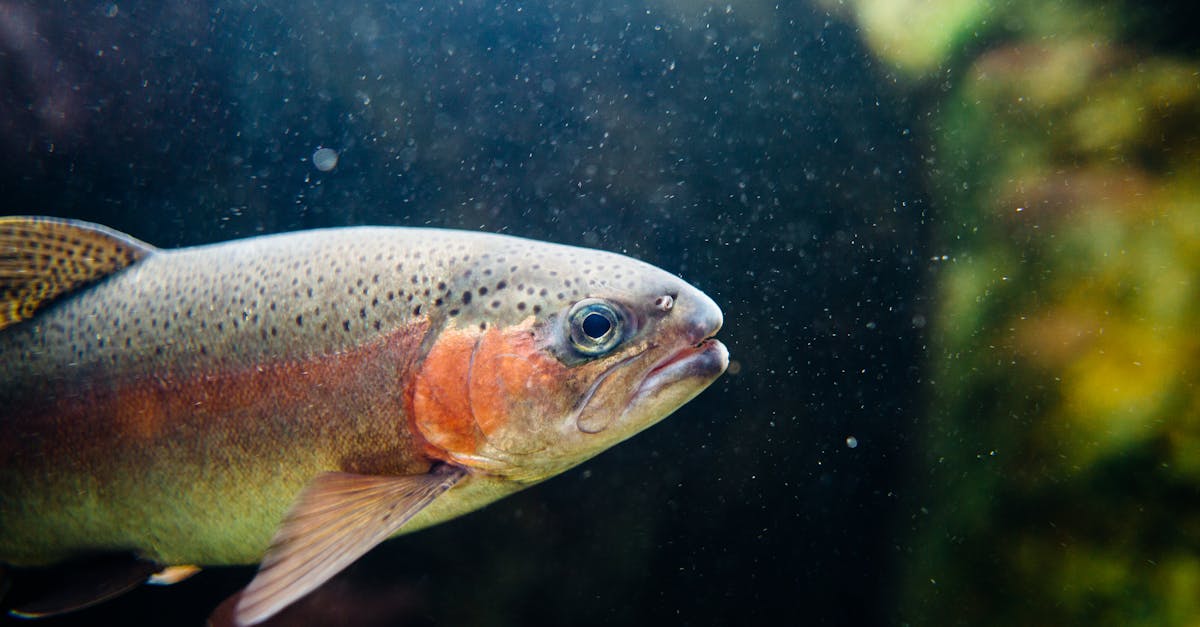
Rainbow Trout
The rainbow trout is Montana's most widespread and popular gamefish, celebrated for its explosive surface strikes, aerial acrobatics, and willingness to take a well-presented dry fly. Native to Pacific Coast drainages from Alaska to Mexico, rainbows were first introduced to Montana's waters in the late 1800s and have since established thriving populations in nearly every major river system in the state. On legendary waters like the Madison, Missouri, and Bighorn, wild rainbow trout grow fat on prolific insect hatches and provide some of the finest dry-fly fishing in North America. Rainbow trout in Montana display remarkable variation depending on their home water. Fish in nutrient-rich tailwaters like the Missouri River below Holter Dam can exceed 20 inches with regularity, their deep bodies and broad tails reflecting the abundant food supply. Freestone river rainbows, such as those in the upper Madison and Gallatin, tend to be leaner and more athletic, shaped by faster currents and colder water temperatures. In many Montana rivers, rainbows spawn in the spring from March through June, and anglers should be mindful of spawning redds during this period to protect future generations of fish. Rainbows are arguably the most versatile trout species for fly anglers. They respond well to dry flies during hatches, aggressively chase streamers, and feed heavily on nymphs subsurface throughout the year. Their fighting ability is legendary: a hooked rainbow will often launch itself completely out of the water multiple times during a battle. Montana's catch-and-release regulations on many blue-ribbon streams have produced exceptional rainbow trout fisheries with high densities of large, healthy fish that continue to draw anglers from around the world.
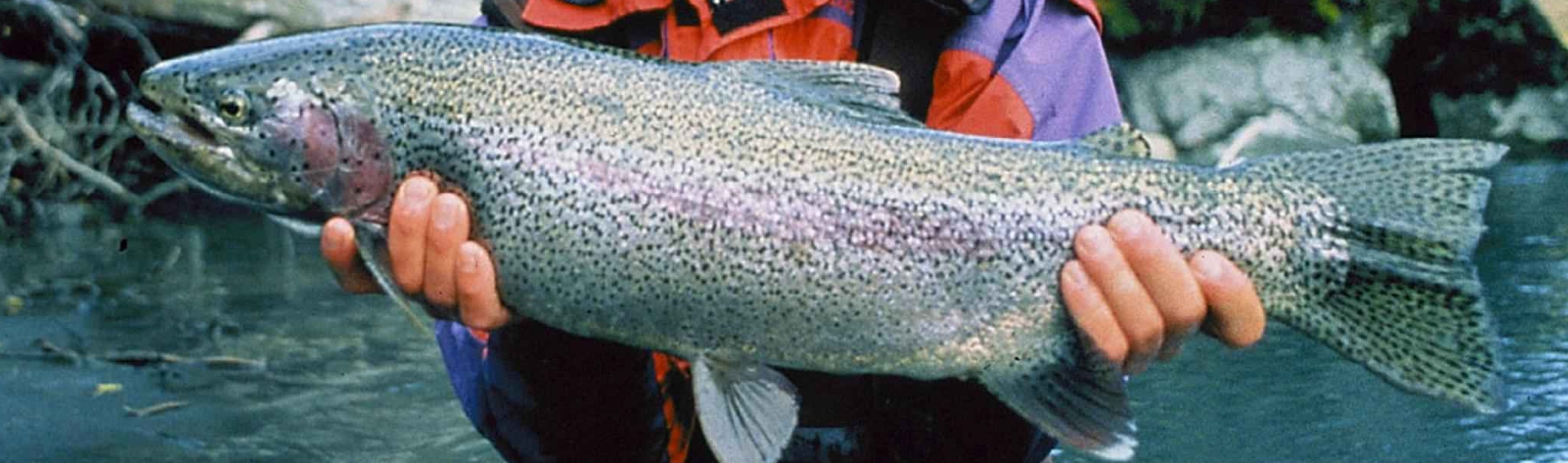
Steelhead
The steelhead is the undisputed monarch of Pacific Northwest fly fishing, a sea-run rainbow trout that combines the power of a salmon with the acrobatics of its resident rainbow cousins, wrapped in a chrome-bright package that can exceed 20 pounds. Genetically identical to rainbow trout (Oncorhynchus mykiss), steelhead are the anadromous form of the species: born in freshwater rivers, they migrate to the Pacific Ocean as juveniles, spend one to three years feeding in the rich saltwater environment, then return to their natal rivers to spawn. This ocean migration transforms a modest stream-resident rainbow into a muscular, silver-sided powerhouse that is widely considered the greatest gamefish available to fly anglers in North America. Steelhead are found in rivers throughout the Pacific Northwest, with Idaho, Oregon, and Washington offering the most celebrated fly-fishing opportunities. Idaho's Clearwater and Salmon rivers host legendary runs of summer steelhead, B-run fish that spend extra time in the ocean and return as massive 10- to 20-pound adults. Oregon's Deschutes River is perhaps the most iconic swing-fishing destination in the world, with summer steelhead providing consistent action from July through November. Washington's Olympic Peninsula rivers, the Skagit system, and tributaries of the Columbia River offer both summer and winter steelhead runs, drawing anglers from around the globe. Swing fishing for steelhead with a spey or switch rod is widely regarded as the pinnacle of fly-fishing pursuits. The technique involves casting a fly across and downstream, then allowing it to swing through the current on a tight line, covering water methodically as the angler steps downstream between each cast. The take of a steelhead on the swing, a sudden, violent pull that can nearly wrench the rod from your hands, is an experience that steelhead anglers describe as addictive beyond reason. The combination of the cast, the swing, the anticipation, the remote and beautiful river settings, and the sheer power of the fish creates a pursuit that many dedicated anglers build their entire fishing lives around.
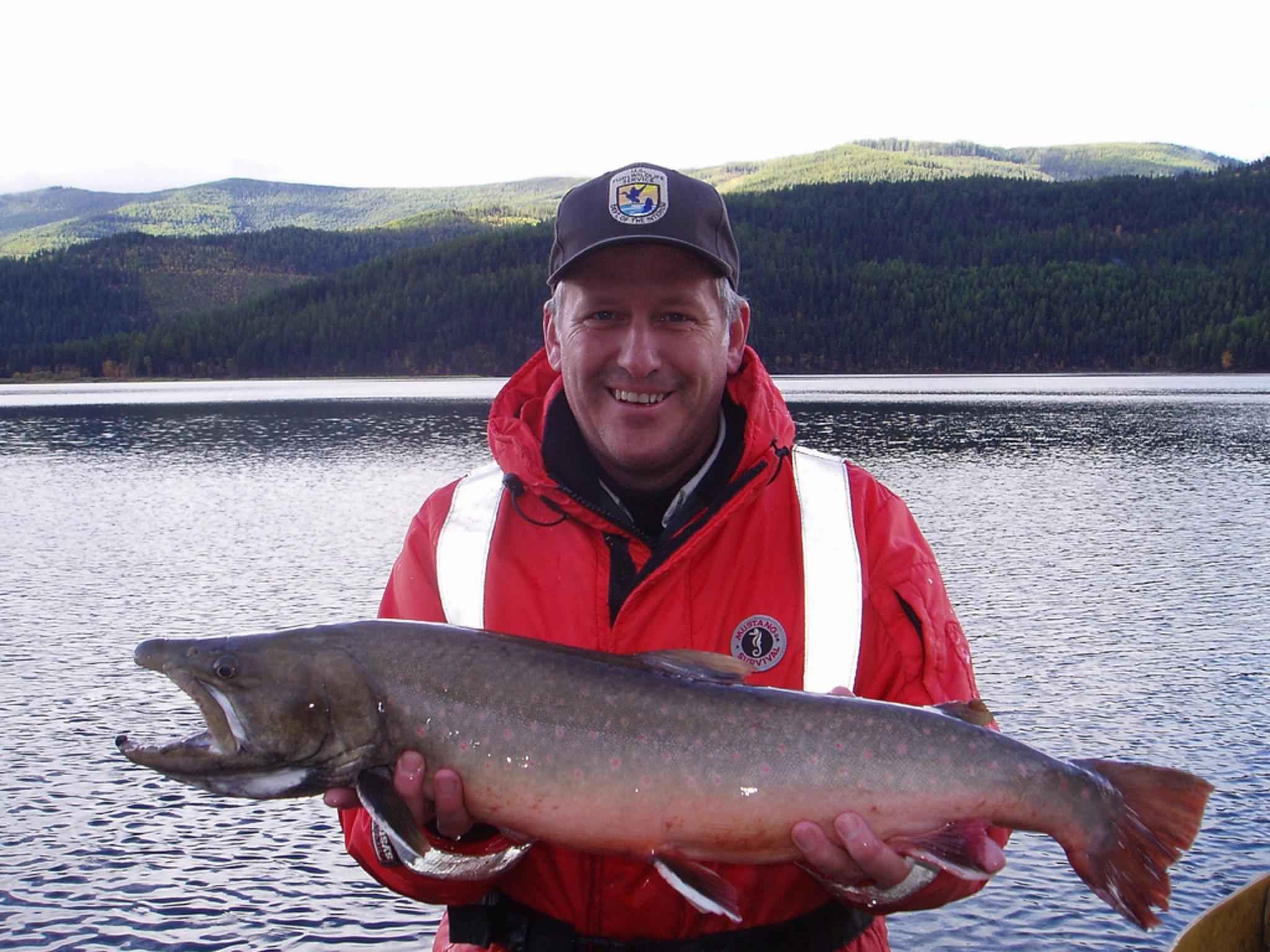
Bull Trout
The bull trout is the largest native char in the inland waters of the Pacific Northwest, a powerful and elusive predator that inhabits the coldest, cleanest rivers and lakes in Idaho, Montana, Oregon, and Washington. Despite its common name, the bull trout is not a true trout at all; it belongs to the char genus Salvelinus, making it a close relative of brook trout, lake trout, and Arctic char. Bull trout are distinguished by their massive heads, broad jaws, and overall bulk, which earned them the 'bull' moniker from early settlers who encountered these imposing fish in the frigid headwaters of the Columbia, Snake, and Klamath river basins. For fly anglers in the Pacific Northwest, the bull trout occupies a unique and somewhat complicated position. These fish are federally listed as Threatened under the Endangered Species Act throughout their range in the contiguous United States, meaning that catch-and-release only regulations apply universally: no bull trout may be harvested anywhere in Idaho, Montana, Oregon, or Washington. Despite this protected status, bull trout can be legally targeted in many waters, and they are a thrilling quarry on the fly rod. Migratory bull trout that move between lakes and tributary streams can exceed 30 inches and 10 pounds, with the power and aggression of a fish that feeds primarily on other fish. Hooking a large bull trout on a streamer in a clear mountain river is one of the most electrifying experiences in western fly fishing. Bull trout are also critically important as an indicator species for watershed health. They require the coldest water temperatures of any salmonid in North America (sustained temperatures above 59 degrees Fahrenheit can be lethal), and they depend on connected networks of streams, rivers, and lakes to complete their complex life cycle. Where bull trout thrive, you can be confident the watershed is intact, the water is clean, and the habitat is functioning at a high level. Their decline across much of the Pacific Northwest has been driven by dam construction, logging-related sedimentation, water temperature increases from climate change, and competition with non-native brook trout, with which they readily hybridize. Understanding bull trout identification is essential for every western angler, as many are caught incidentally while targeting other species, and proper handling and release are legally mandated.
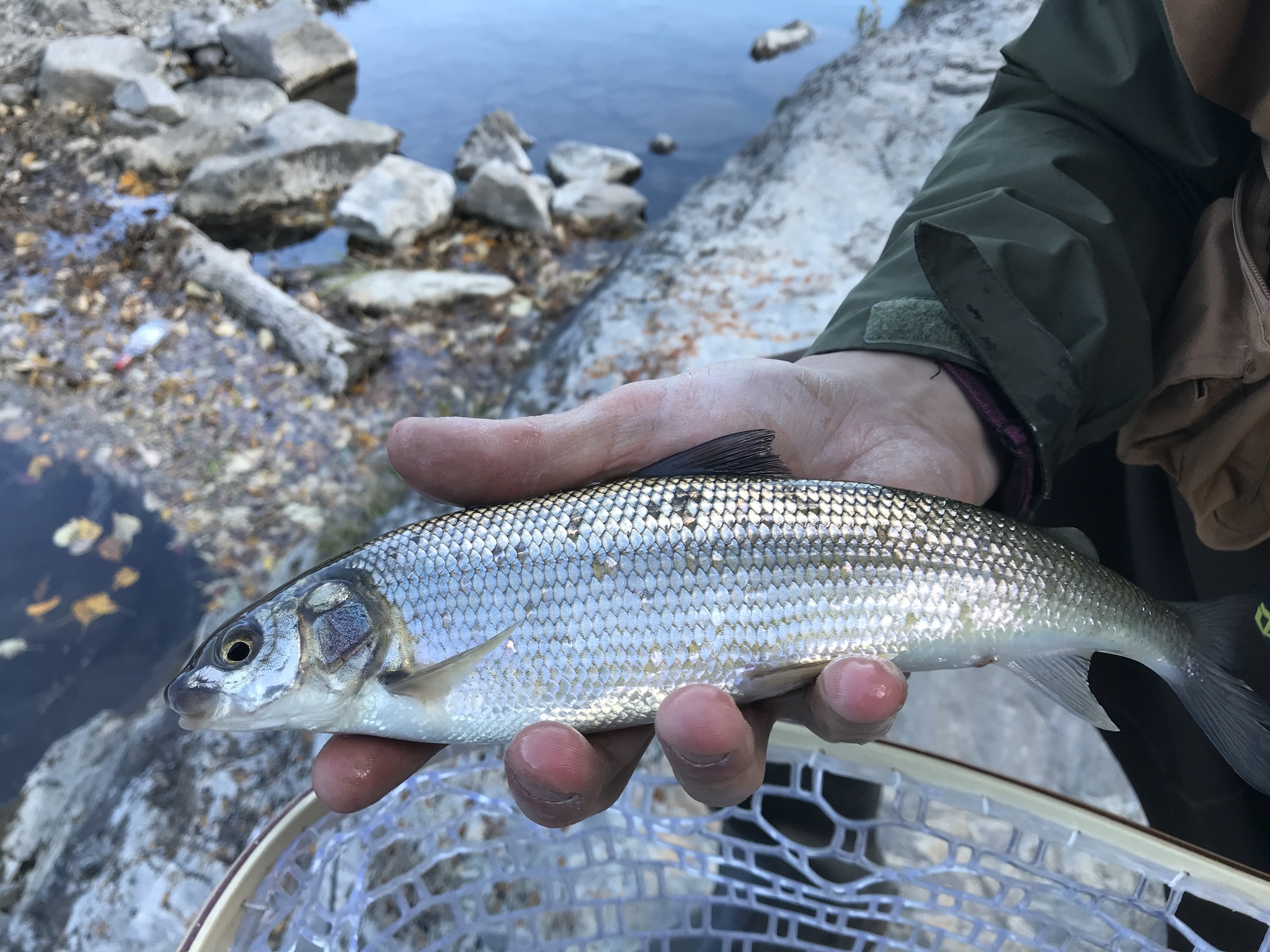
Mountain Whitefish
The mountain whitefish is one of Montana's most abundant native salmonids and arguably the most underappreciated gamefish in the state. A member of the whitefish subfamily (Coregoninae) within the broader salmonid family, mountain whitefish are present in virtually every cold-water river and large stream in Montana, often outnumbering trout by significant margins. On rivers like the Madison, Gallatin, Yellowstone, and Bitterroot, whitefish populations can exceed 1,000 fish per mile, making them the dominant salmonid species by biomass in many reaches. Despite this abundance, most fly anglers overlook whitefish entirely or view them as an unwelcome catch, which is unfortunate because they can provide outstanding sport on light tackle. Mountain whitefish are an important ecological component of Montana's river systems. They serve as a primary food source for larger brown trout, bald eagles, ospreys, otters, and other predators. Their fall spawning behavior (typically October through December) plays a critical role in nutrient cycling, and their eggs provide food for other fish and aquatic invertebrates during the lean winter months. In recent years, whitefish populations have been used as indicator species for overall river health, and declines in whitefish numbers on some Montana rivers have raised concerns about changing water conditions and disease pressure. For anglers willing to target them intentionally, mountain whitefish offer several advantages. They feed actively throughout the winter months when trout fishing can be slow, they are abundant and widely distributed, and they fight with surprising strength for their size; a 16-inch whitefish on a 3- or 4-weight rod provides a memorable tussle. Whitefish are also excellent table fare, with firm, mild-flavored white flesh that is delicious smoked or fried. Montana regulations typically allow a generous harvest limit for whitefish, recognizing their abundance and the role that harvest can play in managing populations on some waters.
McKenzie River Hatch Chart
| Insect | Suggested Fly | Jan | Feb | Mar | Apr | May | Jun | Jul | Aug | Sep | Oct | Nov | Dec |
|---|---|---|---|---|---|---|---|---|---|---|---|---|---|
Green McKenzie Caddis (Hydropsyche) afternoon | Elk Hair Caddis | ||||||||||||
Caddisflies (various) evening | X-Caddis | ||||||||||||
October Caddis afternoon | Stimulator | ||||||||||||
Salmonfly (Pteronarcys) all day | Norm Wood Special | ||||||||||||
Golden Stonefly all day | Stimulator | ||||||||||||
Pale Morning Dun morning | PMD Comparadun | ||||||||||||
Blue-Winged Olive (Baetis) afternoon | BWO Emerger | ||||||||||||
Terrestrials (hoppers, beetles) afternoon | Chubby Chernobyl |
Green McKenzie Caddis (Hydropsyche): The legendary hatch. Millions of green caddis. EHC #12-14 with green body. Skate and twitch.
Caddisflies (various): Summer caddis continue through July. X Caddis #14-16 for selective fish.
October Caddis: Large orange-bodied caddis (#8-10). The second great McKenzie hatch. Stimulator with orange body.
Salmonfly (Pteronarcys): Present in upper reaches. Exciting but less predictable than the Deschutes. Size 4-8.
Golden Stonefly: Good activity in the canyon sections. Size 6-10.
Pale Morning Dun: Reliable midday hatches from May through July. Size 16-18.
Blue-Winged Olive (Baetis): Fall BWOs on overcast days. Outstanding in November with no crowds.
Terrestrials (hoppers, beetles): Hopper-dropper rigs along grassy banks. Chubby Chernobyl #10-12.
Recommended Flies
Elk Hair Caddis
Top PickTHE fly on the McKenzie. Green body #12-14. Skate and twitch.
Best in spring
X-Caddis
Top PickExcellent caddis emerger for selective fish. Flush in the film.
Best in spring
Stimulator
Top PickVersatile stonefly/attractor. Essential during golden stone activity. Also October caddis.
Best in spring
Parachute Adams
Top PickAll-purpose mayfly pattern. Covers PMDs, BWOs, and general searching.
Best in summer
PMD Comparadun
Top PickEssential for reliable midday PMD hatches May through July
Best in summer
Woolly Bugger
Top PickVersatile subsurface pattern for targeting larger redsides along banks
Best in fall
BWO Emerger
Top PickCritical for fall and spring BWO hatches on overcast days
Best in fall
CDC Caddis Emerger
Top PickCaddis pupa pattern as dropper behind dry caddis
Best in spring
Curated Fly Boxes
McKenzie Drift Boat Box
Spring-FallClassic Willamette Valley patterns for drift boat fishing. October caddis, march browns, and big attractors for casting to banks from the iconic McKenzie river boat.
Access Points & Boat Launches
Paradise Campground Boat Launch
Boat LaunchEasyMajor put-in for the classic McKenzie drift boat experience. Paradise is the starting point for the most popular guided trips on the river. The campground offers overnight facilities for multi-day fishing trips. Located in the forested canyon section with excellent wild trout water in both directions.
Hendricks Bridge Wayside
Boat LaunchEasyKey access point marking the transition between the canyon and valley sections of the McKenzie. Popular put-in for the lower river wild trout float and take-out for canyon floats. Excellent wade fishing access to gravel bars both upstream and downstream. The surrounding water holds some of the best wild redside populations on the river.
Armitage Park
Boat LaunchEasyLane County park near the mouth of the McKenzie, serving as the primary take-out for lower river floats. Excellent wade fishing access to the lower McKenzie's best wild trout water. The gentle valley character of this section makes it ideal for less experienced waders. Good caddis hatches in spring and fall.
Leaburg Dam Wade Access
Wade AccessEasy-ModerateWalk-in access below Leaburg Dam where the river transitions from the upper canyon to the middle stocked section. Good wade fishing along gravel bars and cobble riffles. During the green caddis hatch in spring, this section can produce outstanding dry fly fishing. Convenient access from Highway 126.
Regulations
Regulations
McKenzie River (general): Open year-round for trout (check specific section closures). Trout: 5 per day, 8-inch minimum, only 1 over 20 inches; only hatchery (fin-clipped) trout may be kept in most sections. All wild (unclipped) trout: catch-and-release only. Upper McKenzie (above Trail Bridge Reservoir): artificial flies and lures only; catch-and-release for all trout. Lower McKenzie (Hendricks Bridge to Willamette confluence): artificial flies and lures only; catch-and-release for wild trout. Summer steelhead: 2 hatchery per day; all wild steelhead must be released. Bull trout: catch-and-release statewide; federally protected.
Always verify current regulations with Oregon Dept. of Fish and Wildlife before fishing.
Some links may earn a commission. Learn more
Quick Facts
- Region
- Willamette Valley / Cascades
- Water Type
- Freestone
- River Length
- 90 miles (60 miles of prime fishing from Clear Lake outlet to Willamette confluence)
- Difficulty
- Beginner-Intermediate
- Best Seasons
- spring, summer, fall
- Trout Per Mile
- 800-2,500 (varies widely by section; best populations in the lower river)
- Record Trout
- Rainbow trout (redsides) to 22+ inches; native cutthroat to 18 inches
- Species
- Rainbow Trout, Steelhead, Bull Trout, Mountain Whitefish
- USGS Gauge
- 14162500
Where to Stay
Eugene / Springfield
The largest city near the McKenzie with the full range of lodging, dining, and services. The Caddis Fly fly shop in Eugene is a McKenzie River institution.
Springfield puts you slightly closer to the river. The drive up the McKenzie Highway to prime fishing water is 30-45 minutes from town. Book a drift boat trip for the classic McKenzie experience.
McKenzie Bridge / Vida
Small communities along the river corridor in the heart of the best fishing water. Cabins, lodges, and B&Bs surrounded by old-growth forest.
Staying on the river puts you within walking distance of fishable water. The McKenzie River Trail offers great bank access. Several outfitters based here offer half and full-day drift boat trips.