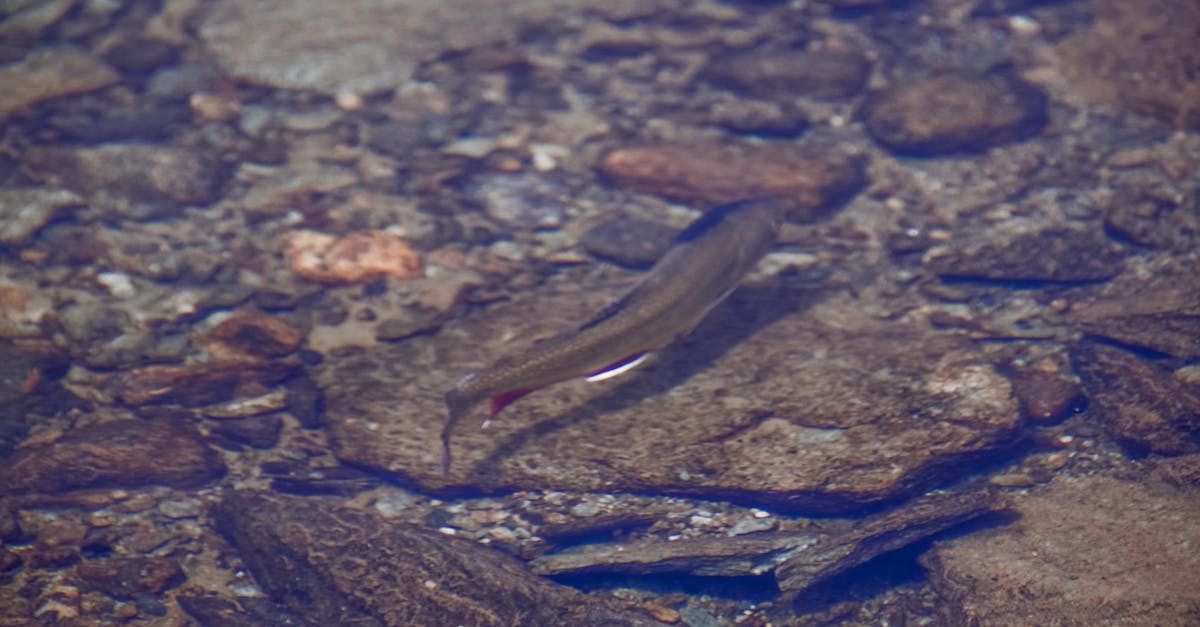
Pecos River
The Pecos River is New Mexico's most beloved and accessible mountain trout stream, flowing through the heart of the southern Sangre de Cristo Mountains less than an hour from Santa Fe. This beautiful freestone stream offers extraordinary diversity: from tiny alpine headwater tributaries holding native Rio Grande cutthroat trout to the technical pocket water of the Box canyon, making it an excellent destination for developing fly fishing skills.
Pecos River Fishing Report & Current Conditions
The Pecos River is a freestone fishery, and it fishes best in summer and fall. Live USGS streamflow readings update throughout the day, while the monthly median flows below map the river's typical discharge across the year. Together they show current fishability and how today's water compares to the seasonal norm.
Current Conditions
Typical Monthly Flows
Historical median discharge (CFS) by month: Pecos River
Overview
The Pecos River flows through the heart of the Pecos Wilderness and Sangre de Cristo Mountains, offering approximately 20 fishable miles of quality trout water along Highway 63 from the headwaters above Cowles downstream to below Terrero. Designated Wild and Scenic for 20 miles, the Pecos combines stunning mountain scenery with productive fishing for rainbow trout (stocked), brown trout (wild, stream-bred), and Rio Grande cutthroat trout in the headwater tributaries within the Pecos Wilderness.
The river offers extraordinary diversity in a compact area. The upper reaches above Cowles are small headwater streams flowing through spruce-fir forest at high elevation. The Box, a dramatic canyon section below Cowles, features technical pocket water carved through metamorphic rock, with plunge pools, tight runs, and challenging wading. Below the Box, the river opens into wider valley stretches near Terrero where it becomes a classic medium-sized freestone with good access from Highway 63.
The Pecos is an excellent stream for developing fly fishing skills, offering varied water types that teach anglers to read different holding structures: riffles, runs, plunge pools, and pocket water. The insect life is rich and diverse. Salmonflies and golden stoneflies provide exciting big-fly action in late June and July, followed by prolific caddis hatches through summer, and consistent Blue-winged Olive activity in spring and fall.
Highway 63 provides easy roadside access to many stretches, making the Pecos one of the most accessible quality trout streams in New Mexico. For those willing to hike into the Pecos Wilderness, the headwater tributaries offer a chance to catch the rare and beautiful Rio Grande cutthroat trout in pristine alpine settings, one of the special experiences unique to New Mexico fly fishing.
Water Characteristics
The Pecos River is a high-altitude freestone stream with water clarity varying seasonally. During late summer and fall at low flows, visibility can reach 4-6 feet, allowing for sight fishing in the pocket water and pools. During spring runoff, the river runs high and turbid with minimal visibility, and fishing is largely unproductive.
Water temperatures range from near-freezing in winter to the low to mid-50s in late summer, keeping the water in the optimal trout range throughout the prime fishing season. The river's substrate transitions from small cobble and gravel in the headwaters to larger cobble and boulders in the Box, and back to gravel-and-cobble in the lower valley sections. This diversity creates excellent insect habitat.
The insect community is rich for a mountain freestone: salmonflies and golden stoneflies (the signature hatches), prolific caddis throughout summer, Blue-winged Olives in spring and fall, Red Quills and March Browns in early season, and abundant terrestrials from July through September. The combination of diverse habitat and productive insect life supports healthy populations of both stocked rainbows and wild, stream-bred brown trout.
Wading & Float Guide
The Pecos River's wading character varies dramatically by section. In the upper headwaters above Cowles, the stream is small enough to hop across in places, with a bottom of cobble and occasional boulders. Wading is straightforward for anglers of all skill levels.
The Box canyon section below Cowles demands more care. The river drops through a narrow metamorphic rock gorge with plunge pools, steep gradient, and slippery algae-covered bedrock. Felt-soled or studded boots are recommended. Water depths range from ankle-deep riffles to chest-deep pools. The pocket water structure requires careful wading and precise foot placement among boulders. A wading staff is helpful but not essential.
Below the Box near Terrero, the river opens up into a more forgiving valley character with gravel-and-cobble bottom, moderate gradient, and easier wading. Hip waders are adequate in this section during normal summer flows. During spring runoff (typically late March through May depending on snowpack), the entire river can run high and off-color, making wading difficult or impossible.
Pecos River (all sections)
The Pecos River is too small and technical for floating throughout its trout water. This is strictly a wade-fishing destination. Highway 63 parallels the river with numerous pulloffs providing easy walk-in access.
Rod & Tackle Guide
Pecos River (Box canyon and upper sections)
- Rod
- 9' 4-weight or 5-weight
- Line
- Weight-forward floating
- Leader & Tippet
- 7.5-9' tapered to 4X or 5X
Medium-weight rod ideal for the varied water types. Handles stonefly dries, nymph rigs, and occasional small streamers. Bring a variety of flies from size 6 stonefly dries to size 18 BWO patterns.
Pecos Wilderness headwaters (for cutthroat)
- Rod
- 7-7.5' 3-weight or 4-weight
- Line
- Weight-forward floating or double-taper
- Leader & Tippet
- 7.5-9' tapered to 5X
Short, light rod for tight, brushy headwater streams. The cutthroat are aggressive and not leader-shy. Pack light; you'll be hiking several miles.
Best Time to Fish the Pecos River
Summer
Summer is the prime season on the Pecos, particularly June through early October. The legendary salmonfly hatch typically begins in late June and progresses upstream through early July, bringing the biggest trout to the surface for size 6-8 dry flies. Following the salmonflies, golden stoneflies (size 8-10) emerge through July. Caddis hatches are prolific from July through September, with evening emergences providing outstanding dry fly fishing. Terrestrial patterns (hoppers, ants, beetles) become increasingly effective as summer progresses. Flows are typically moderate and stable (50-150 cfs), providing excellent wading conditions.
Fall
Fall brings some of the Pecos's finest and most peaceful fishing as the summer crowds vanish and the aspens turn gold in the high country. September and early October offer excellent conditions with stable flows, cooling temperatures, and intensifying Blue-winged Olive hatches on overcast days. Brown trout become more aggressive ahead of the October spawn, making them more susceptible to well-presented nymphs and streamers. By late October, the upper sections can see snow, and access becomes limited. The window of opportunity is typically mid-September through mid-October.
Fishing Pressure & Local Tips
The Pecos River receives moderate to heavy fishing pressure during the prime summer season (July-August), particularly on weekends and near the most accessible pulloffs along Highway 63. The proximity to Santa Fe (less than 1 hour) and Albuquerque (2 hours) makes it a popular destination for weekend anglers. The salmonfly hatch in late June draws concentrated attention to the Box and upper sections.
However, pressure is easily avoided by hiking upstream or downstream from the road access points. Even a 15-minute walk from your vehicle can put you on water that sees far fewer anglers. The headwater tributaries within the Pecos Wilderness require hiking and see very light pressure. Weekday fishing in September and early October offers the ideal combination of excellent conditions and minimal competition. Winter access is limited by snow, and the river is nearly deserted from November through March.
Local Knowledge
The Pecos rewards anglers who vary their techniques based on the water type. In the Box canyon pocket water, focus on short, accurate casts into the seams behind boulders and into the plunge pools. Use heavily weighted nymphs or high-floating dry flies that can withstand the turbulent water. In the wider valley sections, longer drifts through riffles and runs are effective with standard dry-dropper or nymphing rigs.
For the salmonfly hatch, timing is everything. The hatch progresses upstream over 2-3 weeks, typically starting in the lower sections near Terrero in late June. Call local fly shops in Santa Fe (The Reel Life and High Desert Angler) for real-time hatch reports. When the salmonflies are on, fish big and bold: large stonefly dries (sizes 6-8) slapped onto the water and dead-drifted.
For Rio Grande cutthroat in the wilderness headwaters, you'll need a day-hike pack, water, and a short 3 or 4-weight rod for tight, brushy casting. The USGS gauge at Pecos (08378500) provides flow information: optimal fishing occurs at 50-150 cfs.
Species Present
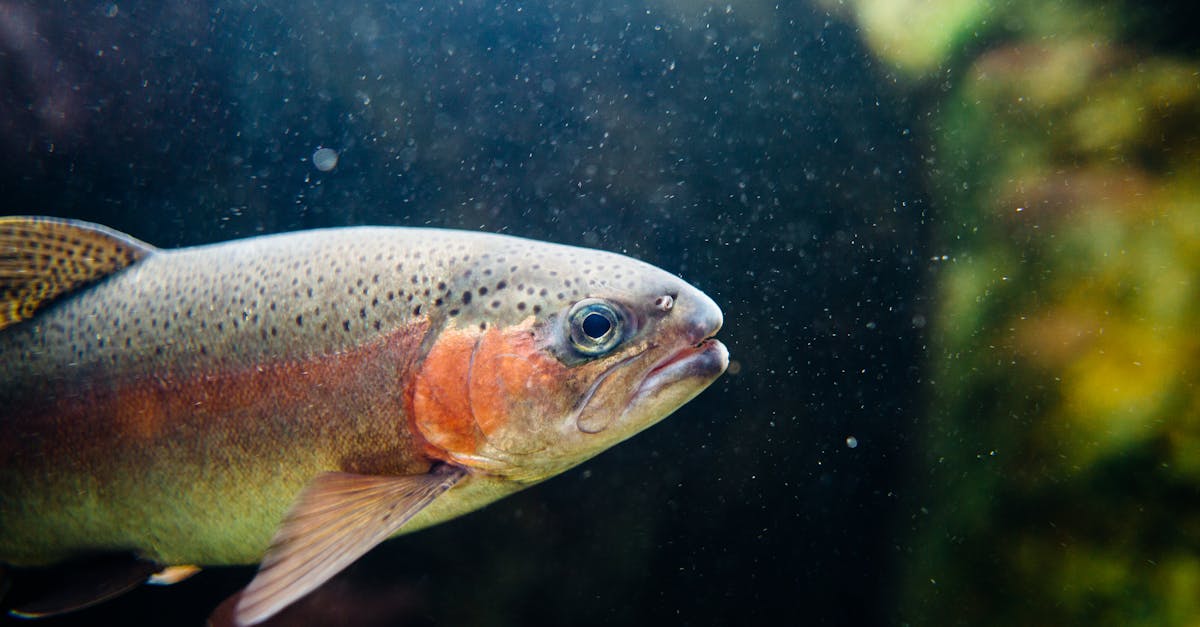
Rainbow Trout
The rainbow trout is Montana's most widespread and popular gamefish, celebrated for its explosive surface strikes, aerial acrobatics, and willingness to take a well-presented dry fly. Native to Pacific Coast drainages from Alaska to Mexico, rainbows were first introduced to Montana's waters in the late 1800s and have since established thriving populations in nearly every major river system in the state. On legendary waters like the Madison, Missouri, and Bighorn, wild rainbow trout grow fat on prolific insect hatches and provide some of the finest dry-fly fishing in North America. Rainbow trout in Montana display remarkable variation depending on their home water. Fish in nutrient-rich tailwaters like the Missouri River below Holter Dam can exceed 20 inches with regularity, their deep bodies and broad tails reflecting the abundant food supply. Freestone river rainbows, such as those in the upper Madison and Gallatin, tend to be leaner and more athletic, shaped by faster currents and colder water temperatures. In many Montana rivers, rainbows spawn in the spring from March through June, and anglers should be mindful of spawning redds during this period to protect future generations of fish. Rainbows are arguably the most versatile trout species for fly anglers. They respond well to dry flies during hatches, aggressively chase streamers, and feed heavily on nymphs subsurface throughout the year. Their fighting ability is legendary: a hooked rainbow will often launch itself completely out of the water multiple times during a battle. Montana's catch-and-release regulations on many blue-ribbon streams have produced exceptional rainbow trout fisheries with high densities of large, healthy fish that continue to draw anglers from around the world.
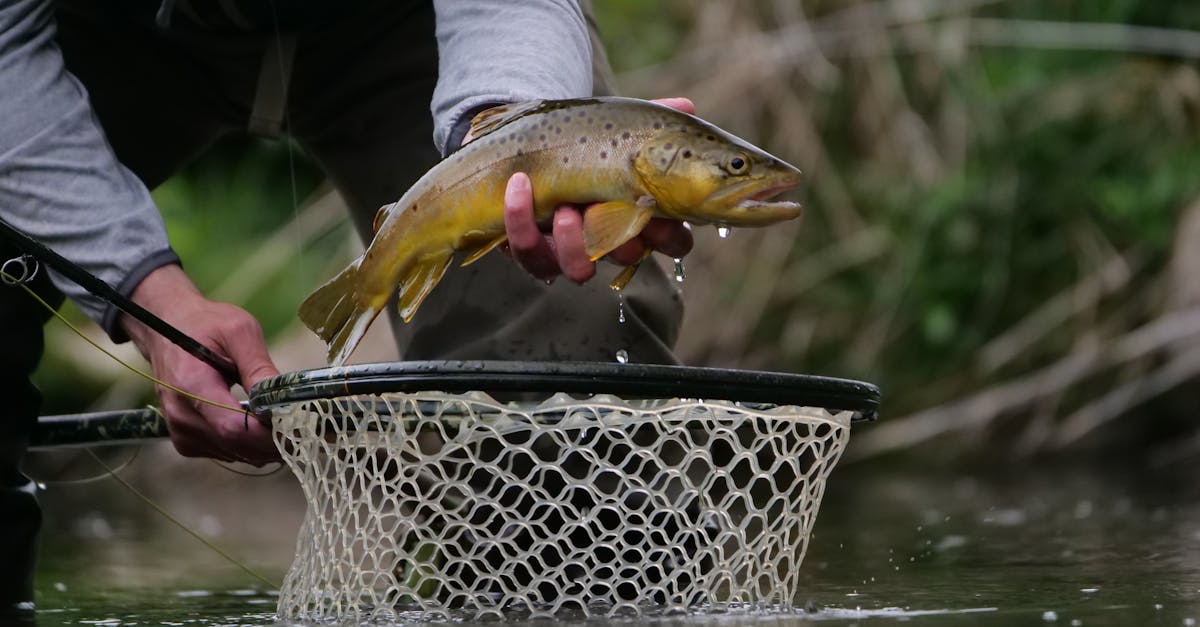
Brown Trout
The brown trout is the most cunning and elusive trout species swimming in Montana's rivers, and it rewards patient, skilled anglers with some of the state's most memorable catches. Originally native to Europe and western Asia, brown trout were first introduced to North American waters in 1883 and arrived in Montana shortly thereafter. They have since established robust, self-sustaining populations in virtually every major trout stream in the state, from the legendary spring creeks of the Paradise Valley to the sweeping runs of the lower Madison and the deep pools of the Bighorn. Brown trout grow larger than any other trout species in Montana, and fish exceeding 24 inches are caught with regularity on premium waters. The lower Madison River, the Missouri River below Holter Dam, and the Bighorn River are particularly renowned for producing trophy-class browns. Unlike rainbows, brown trout spawn in the fall (October through November), and their aggressive pre-spawn behavior creates an exciting window for streamer fishing as large males become territorial and attack anything that enters their domain. Browns are notably more nocturnal than other trout species, and many of the biggest fish are caught during low-light conditions. What sets brown trout apart from other species is their wariness and selectivity. Large browns are notoriously difficult to fool, often refusing flies that are even slightly off in size, color, or presentation. They tend to establish and defend prime feeding lies (undercut banks, logjams, deep pools, and boulder gardens), and an angler who learns to read water and identify these holding spots will consistently catch more and larger fish. This combination of difficulty, size potential, and intelligence makes the brown trout the most prized quarry for many serious Montana fly fishers.
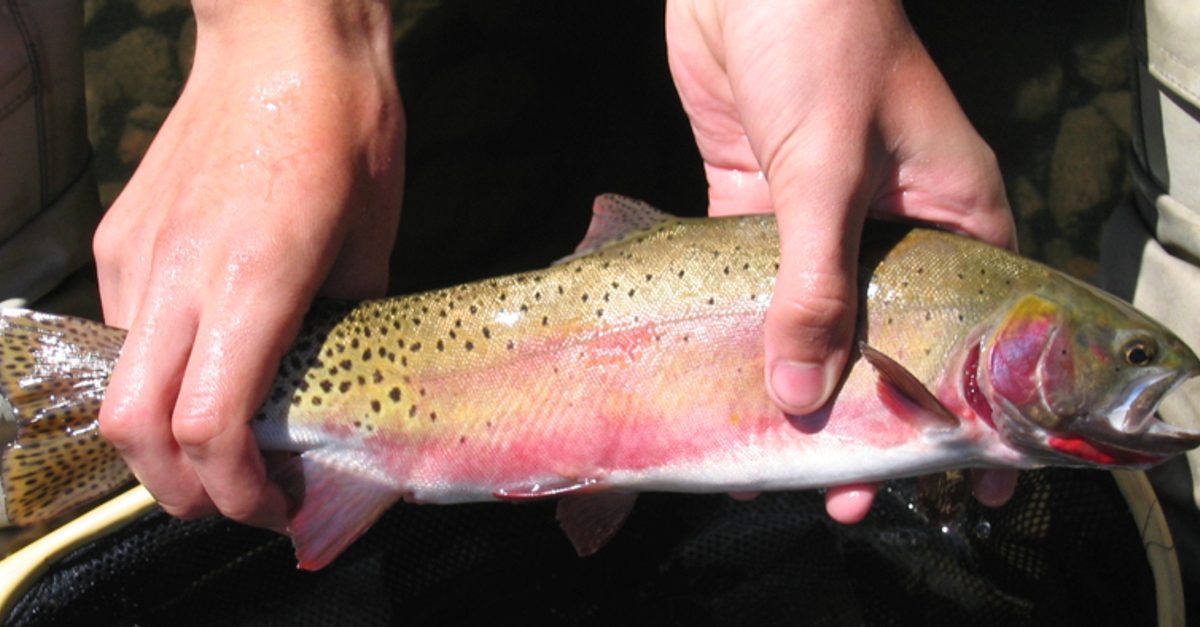
Rio Grande Cutthroat Trout
The Rio Grande cutthroat trout is the southernmost subspecies of cutthroat trout in North America and the only trout native to the Rio Grande basin. Found in the headwater streams of New Mexico and southern Colorado, this subspecies evolved in the mountain waters of the Sangre de Cristo, Jemez, and Sangre de Cristo ranges, where it once occupied hundreds of miles of stream habitat. Today, genetically pure Rio Grande cutthroat populations persist in approximately 120 streams, representing less than 12 percent of their historic range. Rio Grande cutthroats are strikingly beautiful fish, with coloration that is among the most vibrant of any cutthroat subspecies. The body ranges from greenish-olive on the back to golden-bronze on the flanks, with a flush of rose or crimson along the lateral line that intensifies during spawning season. The characteristic crimson cutthroat slashes beneath the jaw are typically vivid and well-defined. Fine, irregularly shaped spots are concentrated on the upper body, particularly behind the dorsal fin, with fewer spots on the forward body. New Mexico has made the Rio Grande cutthroat trout a conservation priority, with the Valle Vidal Unit of the Carson National Forest serving as the showcase for the state's largest native cutthroat restoration project. The Rio Costilla watershed in the Valle Vidal hosts one of the premier public fisheries for Rio Grande cutthroat trout, where anglers can target these rare native fish in stunning high-mountain meadow streams. For fly anglers who value native fish and wild places, the Rio Grande cutthroat offers an experience that is both ecologically significant and deeply rewarding.
Pecos River Hatch Chart
| Insect | Suggested Fly | Jan | Feb | Mar | Apr | May | Jun | Jul | Aug | Sep | Oct | Nov | Dec |
|---|---|---|---|---|---|---|---|---|---|---|---|---|---|
Salmonflies (Pteronarcys) all day | Norm Wood Special | ||||||||||||
Golden Stonefly all day | Stimulator | ||||||||||||
Caddisflies (various) evening | Elk Hair Caddis | ||||||||||||
Blue-Winged Olive (Baetis) afternoon | BWO Emerger | ||||||||||||
Blue-Winged Olive (Baetis) afternoon | Parachute Adams | ||||||||||||
Red Quill / March Brown afternoon | Prince Nymph | ||||||||||||
Terrestrials (hoppers, ants) afternoon | Chubby Chernobyl |
Salmonflies (Pteronarcys): The legendary hatch in late June-early July. Giant stoneflies, size 6-8.
Golden Stonefly: Follows the salmonflies through July. Size 8-10.
Caddisflies (various): Prolific caddis hatches all summer. Size 14-16.
Blue-Winged Olive (Baetis): Spring BWOs before runoff. Size 18-20.
Blue-Winged Olive (Baetis): Fall BWO hatches intensify. Size 18-20.
Red Quill / March Brown: Early season mayflies. Size 12-14.
Terrestrials (hoppers, ants): Summer terrestrials productive along grassy banks. Size 10-16.
Recommended Flies
Norm Wood Special
Top Pick#1 summer pattern during the legendary salmonfly hatch. Size 6-8.
Best in summer
Stimulator
Top PickGolden stonefly and stimulator attractor; follows salmonflies
Best in summer
Elk Hair Caddis
Top PickEssential for prolific summer caddis hatches. Elk Hair Caddis 14-16.
Best in summer
Parachute Adams
Top PickUniversal mayfly dry for BWO and general prospecting
Best in summer
Pheasant Tail Nymph
Top PickClassic mayfly nymph, year-round dropper or euro rig
Best in summer
Prince Nymph
Top PickPrince Nymph attractor, effective in pocket water
Best in spring
Access Points & Boat Launches
Cowles Campground Area
ParkingEasyUpper Pecos access near Cowles at the edge of the Pecos Wilderness. Multiple pulloffs along Highway 63 provide access to the river above and below the Box canyon. This is the starting point for hikes into the wilderness headwaters for Rio Grande cutthroat. Good fishing for stocked rainbows and wild browns in the main river.
The Box
Wade AccessModerateThe Box is a dramatic canyon section of the Pecos below Cowles, featuring technical pocket water, plunge pools, and tight runs through metamorphic rock. This is some of the most challenging and rewarding water on the Pecos. Parking along Highway 63 with short trails down to the river. The salmonfly hatch here in late June is legendary.
Terrero General Store Area
Wade AccessEasyLower Pecos access near the historic Terrero mining area. The river here opens into wider valley water with classic freestone character: riffles, runs, and pools holding good populations of browns and rainbows. Highway 63 parallels the river with multiple pulloffs. Less technical than the Box, making it ideal for intermediate anglers.
Regulations
Regulations
Most sections: Bag and possession limit 6 trout, only 2 over 12 inches. Certain designated Wild Trout Water sections may have catch-and-release or special restrictions; check signage. Pecos Wilderness headwaters may have specific native trout protections. New Mexico fishing license required. Open year-round, though runoff (late March-May) and winter snow limit practical access. Verify current regulations at wildlife.state.nm.us.
Always verify current regulations with Montana Fish, Wildlife & Parks before fishing.
Some links may earn a commission. Learn more
Quick Facts
- Region
- North-Central New Mexico / San Miguel & Santa Fe Counties
- Water Type
- Freestone
- River Length
- ~20+ fishable miles (headwaters above Cowles to below Terrero; designated Wild & Scenic for 20 miles)
- Difficulty
- Beginner-Intermediate
- Best Seasons
- summer, fall
- Trout Per Mile
- 1,200-2,000 (mix of stocked rainbows and wild browns)
- Record Trout
- Brown trout to 18 inches documented in the deeper canyon pools; cutthroat to 14 inches in wilderness headwaters
- Species
- Rainbow Trout, Brown Trout, Rio Grande Cutthroat Trout
- USGS Gauge
- 08378500